
Best Home Keyboards for Learning 2026
So, you're diving into the world of keys? Awesome! It's way more than just pushing buttons; it's about developing feel, understanding voicing, and learning to build a sonic foundation. Forget those toy keyboards - we're talking about instruments that'll grow with you, offering enough versatility to explore everything from simple chords to complex voicings and beyond. Let's find you a keyboard that won't limit your musical journey.
Last updated: July 22, 2026 • Next update: July 29, 2026
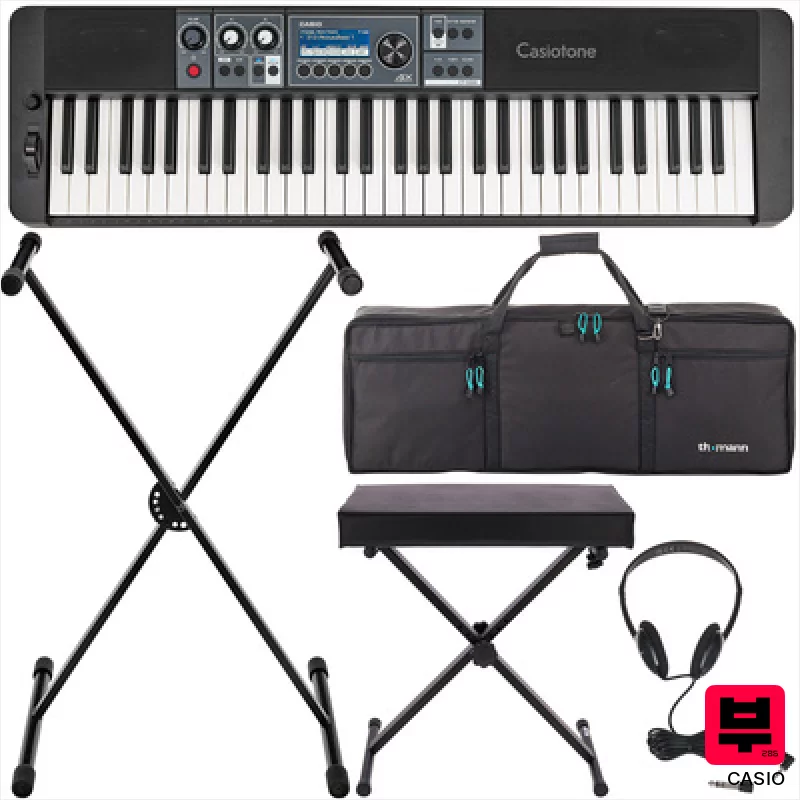
Casio CT-S500 Deluxe Bundle
- • Compact and lightweight design enhances portability for lessons or gigs.
- • Velocity-sensitive keys offer a surprisingly expressive playing experience.
- • The bundled content expands functionality beyond basic keyboard features.
- • Sampling capabilities allow for unique sound creation and personalization.
- • The 61-key layout limits complex chord voicings and advanced playing.
- • Speakers, while adequate, lack the power for larger rooms or performances.
- • Polyphony cap of 64 voices can cause dropouts with dense arrangements.
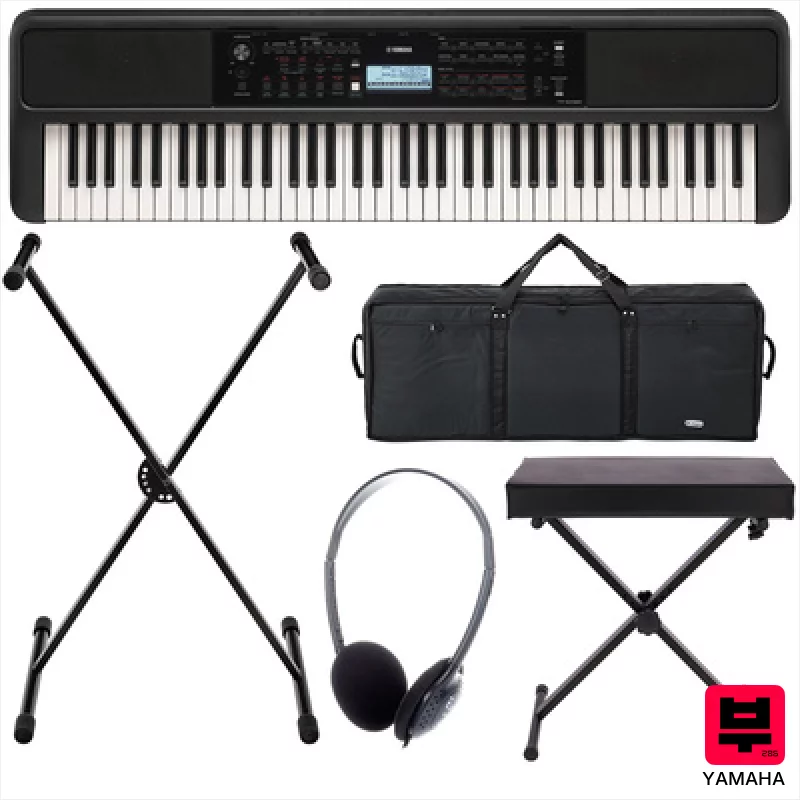
Yamaha PSR-EW320 Deluxe Bundle
- • 76 velocity-sensitive keys offer a surprisingly expressive playing experience.
- • Comprehensive sound library provides diverse sonic palettes for various genres.
- • Built-in lesson function is genuinely helpful for beginner keyboard players.
- • Decent speaker system allows for practice and casual playing without external amplification.
- • The plastic construction, while lightweight, lacks the premium feel of higher-end keyboards.
- • Limited polyphony (48 voices) can cause dropouts with complex arrangements.
- • The backlit LCD is functional, but lacks the clarity of a full color display.
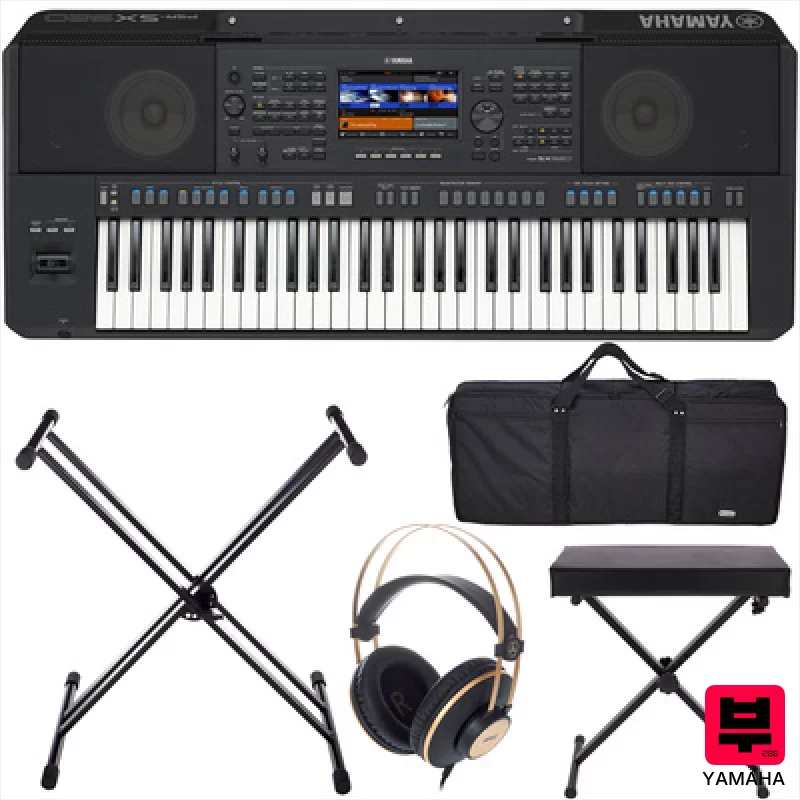
Yamaha PSR-SX920 Deluxe Bundle
- • Excellent FSB keyboard action offers surprisingly realistic piano feel.
- • Massive sound library provides incredible sonic versatility for many genres.
- • Intuitive touchscreen and assignable controls streamline performance workflow.
- • Comprehensive recording features enable detailed song creation and arrangement.
- • 61-key design limits complex voicings and advanced chordal work.
- • Deluxe bundle adds cost, may be overkill for casual players.
- • While improved, speakers lack true studio-quality fidelity for critical listening.

Roland GO:KEYS 5 WH
- • ZEN-Core sounds deliver surprisingly rich and modern tones.
- • Bluetooth 5.0 offers reliable audio and MIDI connectivity.
- • The Chord Sequencer is genuinely useful for quick song creation.
- • Compact design and lightweight build make it highly portable.
- • 61-key action lacks the nuance of weighted or semi-weighted keys.
- • Limited speaker power; headphones or external speakers are recommended.
- • While versatile, advanced users may find the feature set somewhat basic.

Thomann AK-X1100 Case Bundle
- • The included case offers excellent protection and portability for the keyboard.
- • 7" color touchscreen provides a surprisingly intuitive and responsive user experience.
- • 256-voice polyphony allows for complex arrangements without immediate dropouts.
- • The dual speaker system (2x15W + 2x25W) delivers a decent, usable sound for practice.
- • The plastic construction, while lightweight, doesn’t inspire long-term durability confidence.
- • While versatile, the sounds are clearly digital and lack the nuance of high-end instruments.
- • The 61-key format might feel cramped for players accustomed to a full 88-key range.

Startone MK-201 School Bundle
- • 61 touch-sensitive keys offer expressive playing capabilities for beginners.
- • Decent polyphony (64 voices) allows for richer, layered sounds without dropouts.
- • Included headphones and music stand make it a complete, ready-to-play package.
- • Lightweight (4kg) design enhances portability, good for students or smaller spaces.
- • USB connectivity is MIDI only; no audio output via USB, limiting recording options.
- • The onboard speakers (2x2.5W) will sound thin at anything beyond quiet practice levels.
- • Plastic construction feels budget-oriented, lacking the premium feel of higher-end instruments.
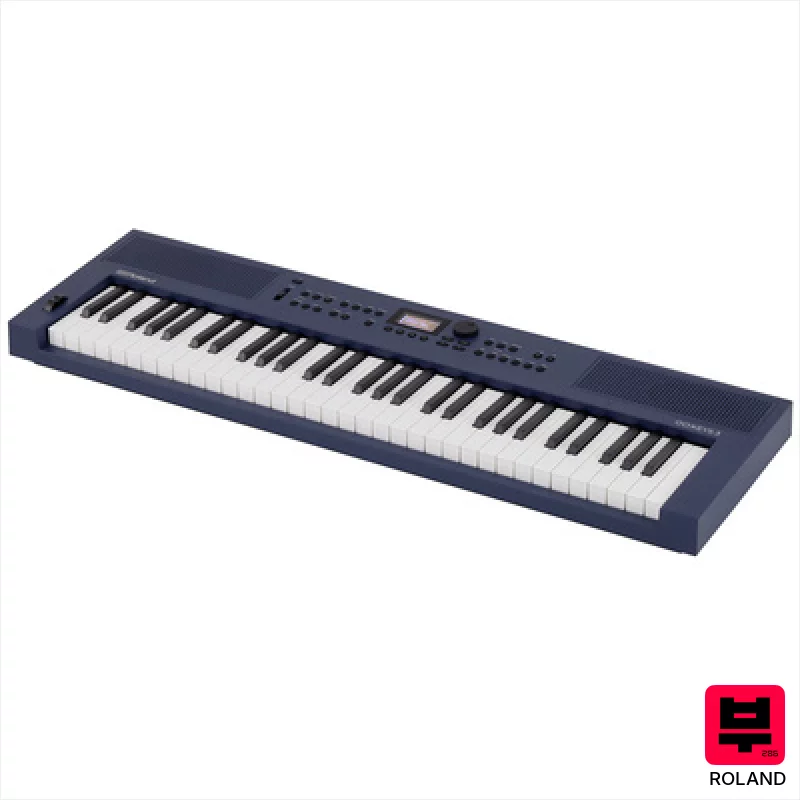
Roland GO:KEYS 3 MU
- • ZEN-Core sounds offer surprisingly rich and expressive tones.
- • Lightweight design (4.5kg) makes it truly portable for gigging or lessons.
- • Intuitive Chord Sequencer simplifies creating backing arrangements quickly.
- • Bluetooth 5.0 adds convenient audio and MIDI connectivity options.
- • 61-key action feels basic; lacks the nuance of a weighted keybed.
- • Limited display resolution makes editing complex sounds challenging.
- • Battery life is likely short with continuous use of speakers and effects.
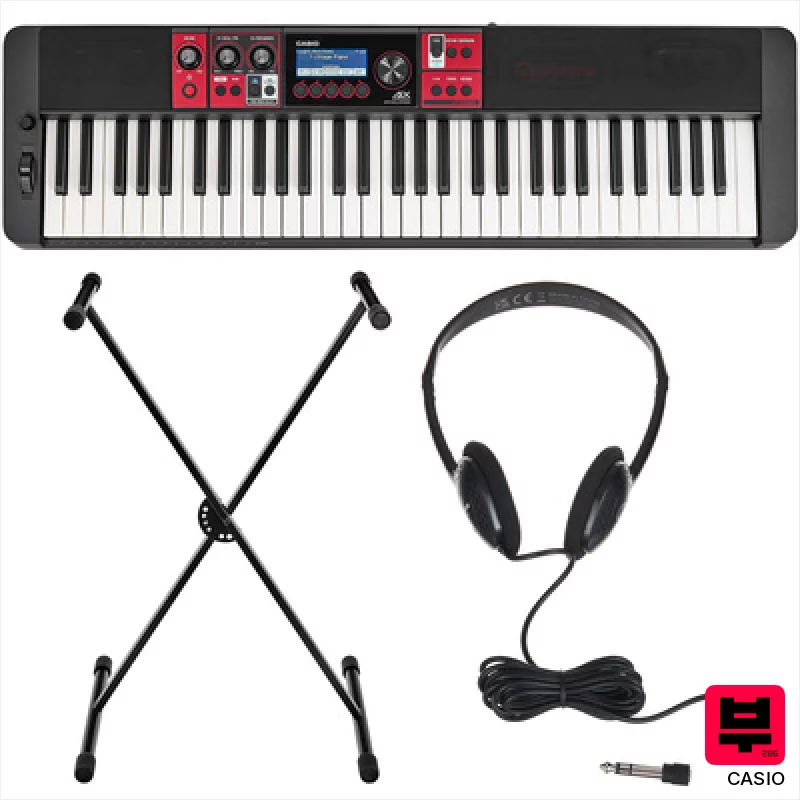
Casio CT-S1000V Set
- • Impressive vocal synthesis offers unique creative possibilities.
- • Lightweight design (around 6kg) makes it highly portable.
- • The 61 velocity-sensitive keys provide a surprisingly expressive feel.
- • Extensive sound library (800 sounds) caters to diverse musical genres.
- • Polyphony limit of 64 voices can feel restrictive in complex arrangements.
- • Sampling capabilities are basic; more suited for simple loops.
- • Plastic construction, while lightweight, lacks a premium feel.

Yamaha PSR-SX720 Deluxe Bundle
- • Excellent sound engine with a vast, usable sound library.
- • Intuitive 7” touchscreen simplifies complex features and navigation.
- • Joystick offers expressive real-time control over sounds and styles.
- • Comprehensive recording capabilities for song creation and practice.
- • 61-key action, while velocity-sensitive, isn't a fully weighted piano feel.
- • Limited portability due to its size and integrated speakers.
- • Style creation, while possible, has a steeper learning curve.

Roland GO:KEYS 3 TQ
- • ZEN-Core sound engine delivers surprisingly rich, authentic instrument tones.
- • Lightweight design and battery operation enable truly portable performance.
- • Intuitive Chord Sequencer simplifies creating complex harmonic progressions.
- • Versatile soundpacks via Roland Cloud expand sonic possibilities significantly.
- • 61-key action lacks the depth and feel of a weighted keyboard action.
- • Small display limits detailed information and navigation complexity.
- • Speaker quality is adequate for practice, but lacks stage-filling power.

Roland GO:KEYS 5 GT
- • ZEN-Core sounds deliver surprisingly rich, nuanced tones for the price.
- • Bluetooth 5.0 provides stable audio and MIDI connectivity.
- • Compact and lightweight design makes it exceptionally portable and giggable.
- • The Chord Sequencer simplifies arranging and creating fuller arrangements.
- • 61-key action lacks the feel of a weighted or semi-weighted keyboard.
- • Limited display resolution hinders detailed editing and parameter adjustments.
- • Audio input is a basic 3.5mm mini-jack, lacking professional XLR connectivity.
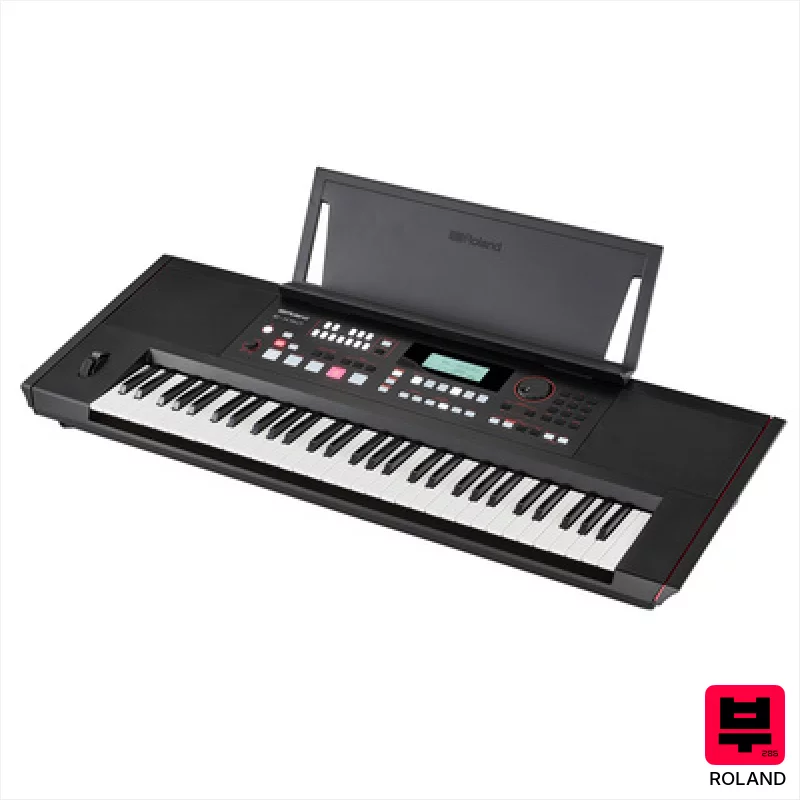
Roland E-X50
- • Excellent sound library for a home keyboard, covering diverse genres.
- • Bluetooth audio input adds convenient connectivity for lessons or jamming.
- • Built-in recording function is a genuinely useful creative tool.
- • Surprisingly robust speaker system delivers decent volume for practice.
- • 61-key design lacks the feel of a full-sized keyboard action.
- • Plastic construction feels budget-oriented, impacting long-term durability.
- • Style Convertor software adds an extra step for custom rhythm creation.
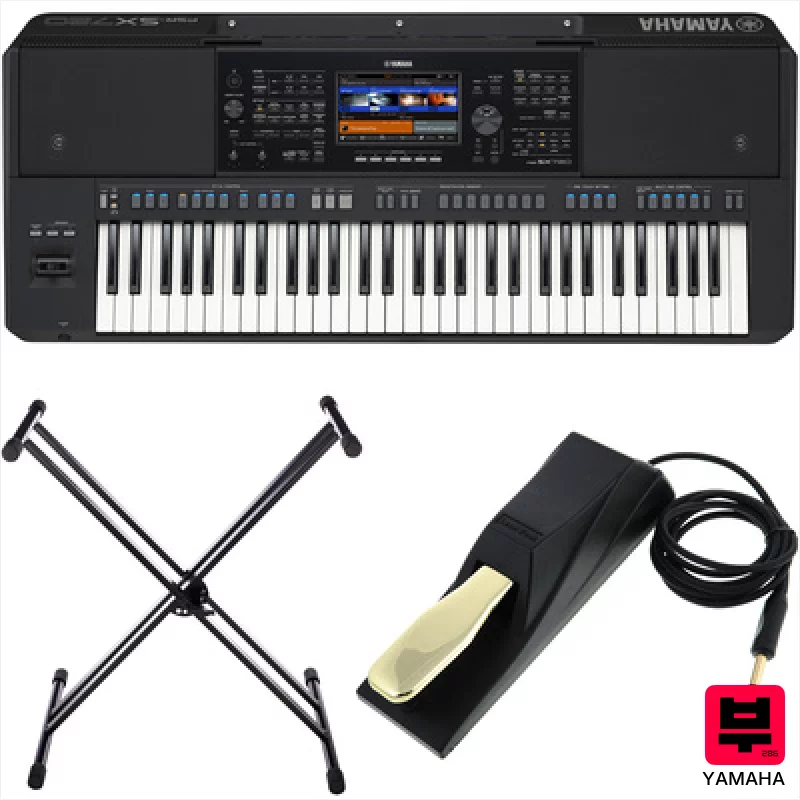
Yamaha PSR-SX720 Set
- • Excellent sound engine with a massive palette of realistic instrument voices.
- • The 7” color touchscreen simplifies navigation and editing significantly.
- • Style Dynamics Control adds nuanced realism to backing tracks and arrangements.
- • Assignable joystick offers expressive control over pitch, modulation, and more.
- • The FSB keyboard, while velocity-sensitive, lacks the depth of a fully weighted action.
- • Audio recording capabilities are somewhat limited compared to dedicated DAW setups.
- • While versatile, its primary focus remains home entertainment and performance, not studio recording.
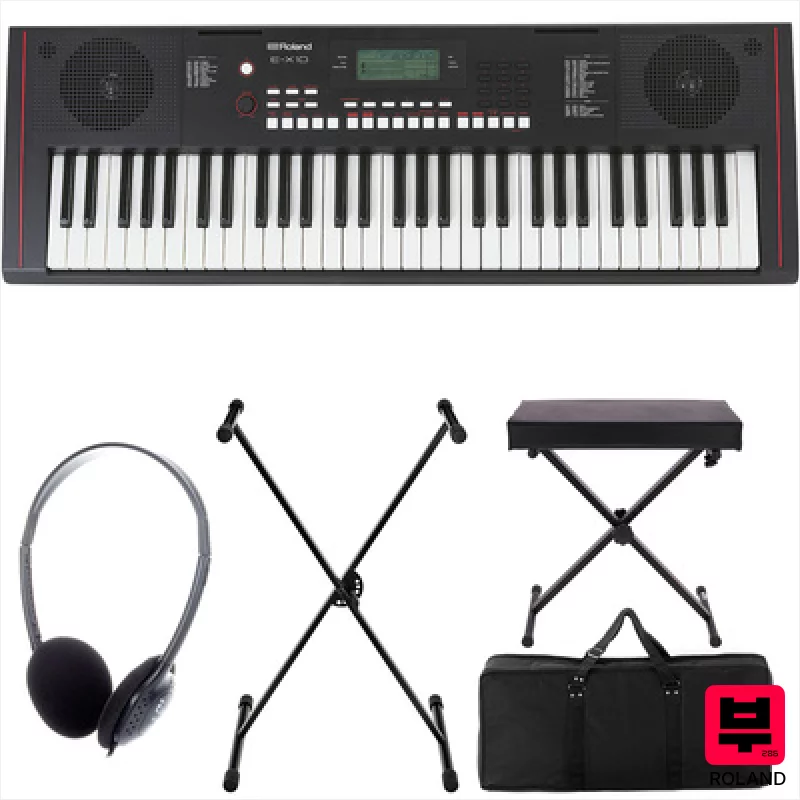
Roland E-X10 Deluxe Bundle
- • Durable nylon bag offers excellent protection during transport.
- • 61 velocity-sensitive keys provide responsive playing experience.
- • Built-in speakers offer decent volume for practice and small rooms.
- • Comprehensive sound library caters to diverse musical styles.
- • 2.5W speakers lack power for larger rooms or performances.
- • 61-key design limits playing complexity for advanced users.
- • Plastic key action feels budget-oriented, lacks premium feel.
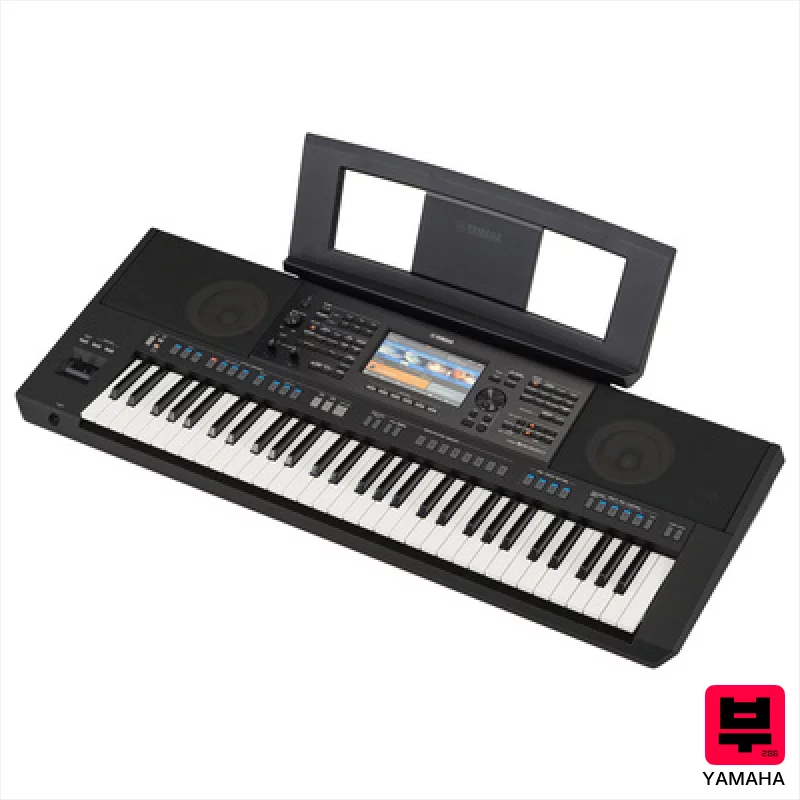
Yamaha PSR-SX920
- • Excellent FSB keyboard offers nuanced velocity response.
- • Massive sound library provides broad sonic palette for diverse genres.
- • Intuitive touchscreen simplifies complex features and editing.
- • Comprehensive recording capabilities for song creation and arrangement.
- • 61-key design limits performance for advanced pianists.
- • While versatile, lacks the deep editing capabilities of professional workstations.
- • The joystick, while assignable, feels a bit plasticky and imprecise.
How to Choose the Best Home Keyboards
Key Action
This is HUGE. Weighted keys are ideal for developing proper piano technique and getting a realistic feel, but semi-weighted is a decent compromise if budget is tight. Avoid synth-action keys if you're serious about learning piano; they'll just build bad habits.
Sound Engine/Tones
A good selection of sounds isn't just about variety; it's about exploration. Having a decent piano sound is a must, but also consider organs, electric pianos (Rhodes, Wurlitzer!), and synths to broaden your sonic palette and keep things interesting.
Polyphony
64 voices is a bare minimum these days. Anything less and you'll quickly run into note-stealing issues when playing more complex chords or layering sounds. More polyphony means more headroom for experimentation.
Connectivity
USB MIDI is essential for connecting to a computer for recording and using virtual instruments. Audio outputs (1/4" jacks) are a bonus for connecting to external amps or mixers as you progress.
Size/Key Count
88 keys is the standard for piano, but a 61- or 76-key keyboard can be a good starting point for smaller spaces or those on a budget. Just be aware that you'll eventually want the full range.
Buying Guide
Don't chase the biggest name or the flashiest features. A lot of cheaper keyboards cut corners on key action - that's the first thing you'll outgrow. Spend a little more for something with a decent weighted or semi-weighted action; it'll pay off in the long run. Used gear is your friend - you can often find higher-end instruments at a fraction of the original price, but be sure to check the key action carefully.
Our Methodology
We don't just look at spec sheets here. We've spent countless hours behind these keys, playing along with backing tracks, laying down MIDI for demos, and even trying to make them sound decent in a band rehearsal setting. Our evaluations are based on how they feel to play, how they sound in a real-world context, and how well they serve the specific needs of a learning keyboardist - not just marketing hype.

