
Best Home Keyboards for Casual Playing 2026
So, you're looking to tickle the ivories without breaking the bank or needing a full studio setup? That's awesome. A lot of folks think keyboards are just for serious players, but having a decent home keyboard is fantastic for songwriting, casual jamming, or just learning some basic chords. We're focusing on keyboards that are fun, accessible, and won't leave you wanting more after five minutes of noodling.
Last updated: July 22, 2026 • Next update: July 29, 2026

Startone MK-201 School Bundle
- • 61 touch-sensitive keys offer expressive playing capabilities for beginners.
- • Decent polyphony (64 voices) allows for richer, layered sounds without dropouts.
- • Included headphones and music stand make it a complete, ready-to-play package.
- • Lightweight (4kg) design enhances portability, good for students or smaller spaces.
- • USB connectivity is MIDI only; no audio output via USB, limiting recording options.
- • The onboard speakers (2x2.5W) will sound thin at anything beyond quiet practice levels.
- • Plastic construction feels budget-oriented, lacking the premium feel of higher-end instruments.

Yamaha PSR-SX720 Deluxe Bundle
- • Excellent sound engine with a vast, usable sound library.
- • Intuitive 7” touchscreen simplifies complex features and navigation.
- • Joystick offers expressive real-time control over sounds and styles.
- • Comprehensive recording capabilities for song creation and practice.
- • 61-key action, while velocity-sensitive, isn't a fully weighted piano feel.
- • Limited portability due to its size and integrated speakers.
- • Style creation, while possible, has a steeper learning curve.

Thomann AK-X1100 Case Bundle
- • The included case offers excellent protection and portability for the keyboard.
- • 7" color touchscreen provides a surprisingly intuitive and responsive user experience.
- • 256-voice polyphony allows for complex arrangements without immediate dropouts.
- • The dual speaker system (2x15W + 2x25W) delivers a decent, usable sound for practice.
- • The plastic construction, while lightweight, doesn’t inspire long-term durability confidence.
- • While versatile, the sounds are clearly digital and lack the nuance of high-end instruments.
- • The 61-key format might feel cramped for players accustomed to a full 88-key range.
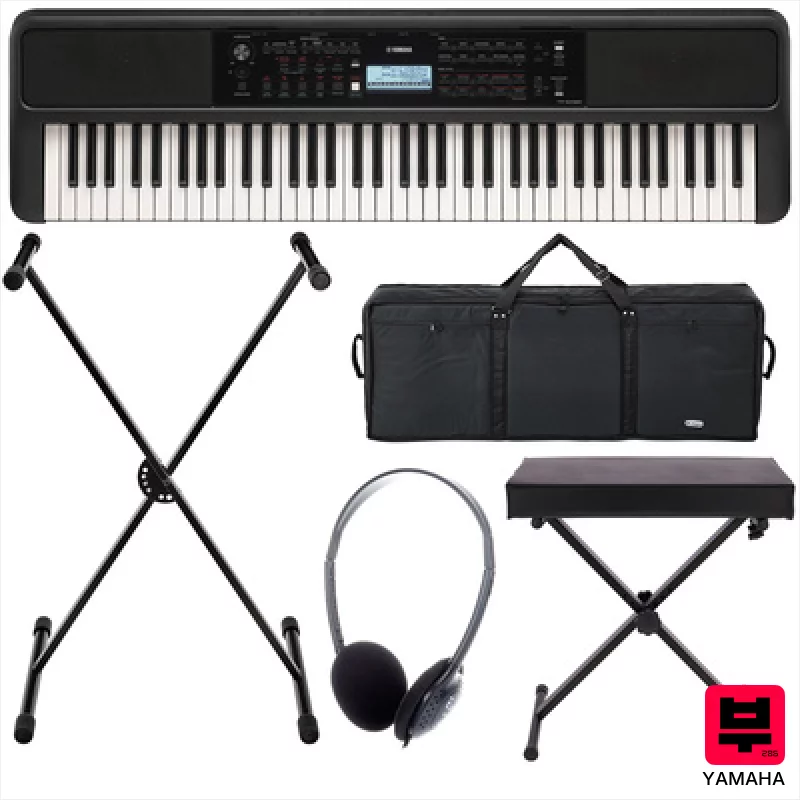
Yamaha PSR-EW320 Deluxe Bundle
- • 76 velocity-sensitive keys offer a surprisingly expressive playing experience.
- • Comprehensive sound library provides diverse sonic palettes for various genres.
- • Built-in lesson function is genuinely helpful for beginner keyboard players.
- • Decent speaker system allows for practice and casual playing without external amplification.
- • The plastic construction, while lightweight, lacks the premium feel of higher-end keyboards.
- • Limited polyphony (48 voices) can cause dropouts with complex arrangements.
- • The backlit LCD is functional, but lacks the clarity of a full color display.
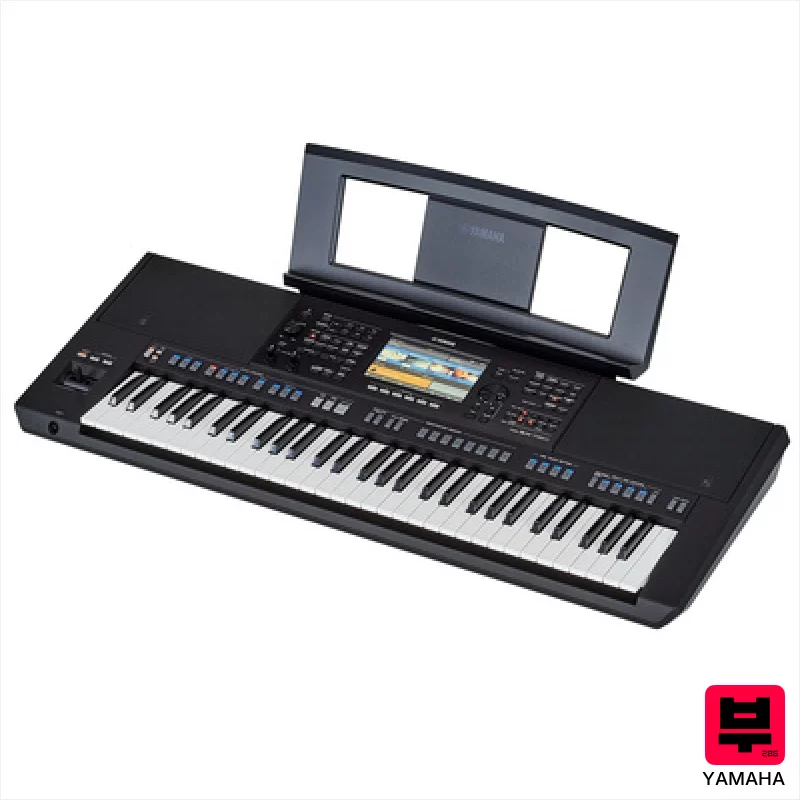
Yamaha PSR-SX720
- • Excellent FSB keybed offers surprisingly expressive velocity response.
- • Massive sound library provides incredible tonal versatility for various genres.
- • Intuitive touchscreen interface simplifies complex editing and performance tasks.
- • Comprehensive recording capabilities allow for detailed song creation and arrangement.
- • 61-key design limits advanced piano playing and chord voicings.
- • Plastic construction, while lightweight, doesn't feel as premium as higher-end stage pianos.
- • Audio recording quality, while decent, isn't studio-grade.

Roland GO:KEYS 5 GT
- • ZEN-Core sounds deliver surprisingly rich, nuanced tones for the price.
- • Bluetooth 5.0 provides stable audio and MIDI connectivity.
- • Compact and lightweight design makes it exceptionally portable and giggable.
- • The Chord Sequencer simplifies arranging and creating fuller arrangements.
- • 61-key action lacks the feel of a weighted or semi-weighted keyboard.
- • Limited display resolution hinders detailed editing and parameter adjustments.
- • Audio input is a basic 3.5mm mini-jack, lacking professional XLR connectivity.
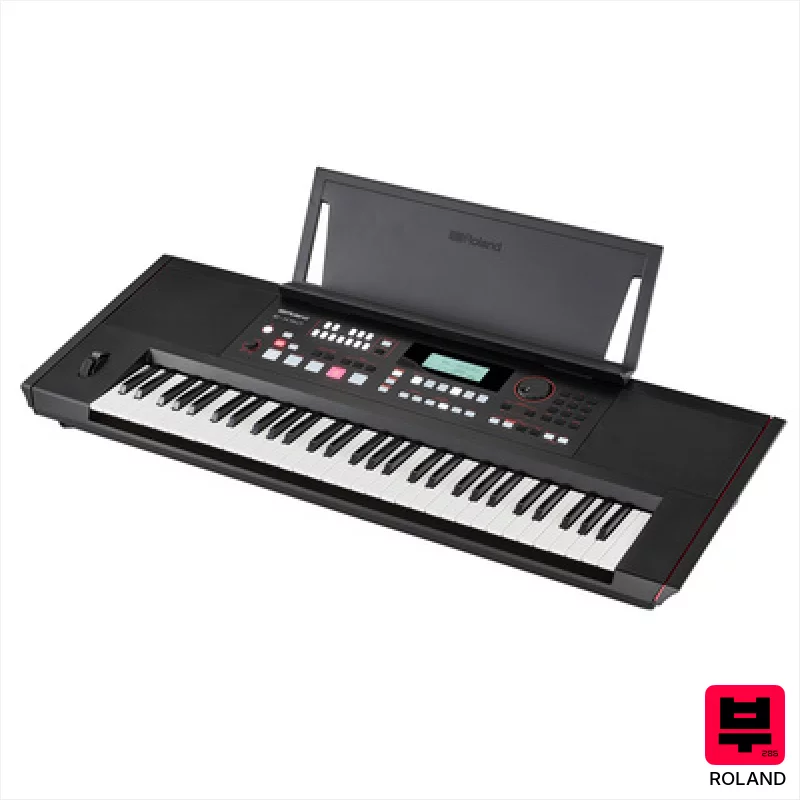
Roland E-X50
- • Excellent sound library for a home keyboard, covering diverse genres.
- • Bluetooth audio input adds convenient connectivity for lessons or jamming.
- • Built-in recording function is a genuinely useful creative tool.
- • Surprisingly robust speaker system delivers decent volume for practice.
- • 61-key design lacks the feel of a full-sized keyboard action.
- • Plastic construction feels budget-oriented, impacting long-term durability.
- • Style Convertor software adds an extra step for custom rhythm creation.
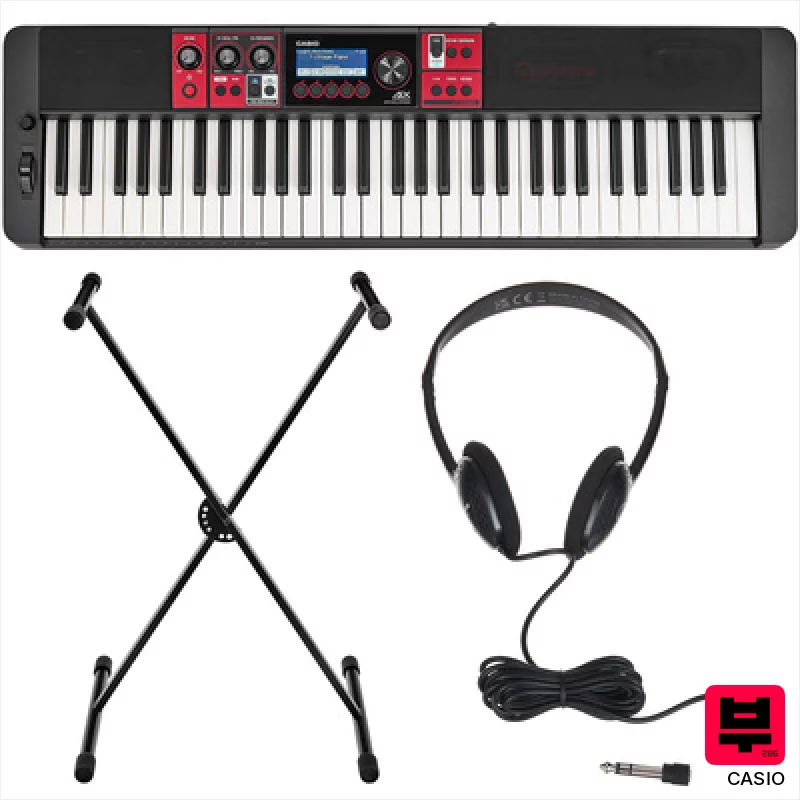
Casio CT-S1000V Set
- • Impressive vocal synthesis offers unique creative possibilities.
- • Lightweight design (around 6kg) makes it highly portable.
- • The 61 velocity-sensitive keys provide a surprisingly expressive feel.
- • Extensive sound library (800 sounds) caters to diverse musical genres.
- • Polyphony limit of 64 voices can feel restrictive in complex arrangements.
- • Sampling capabilities are basic; more suited for simple loops.
- • Plastic construction, while lightweight, lacks a premium feel.
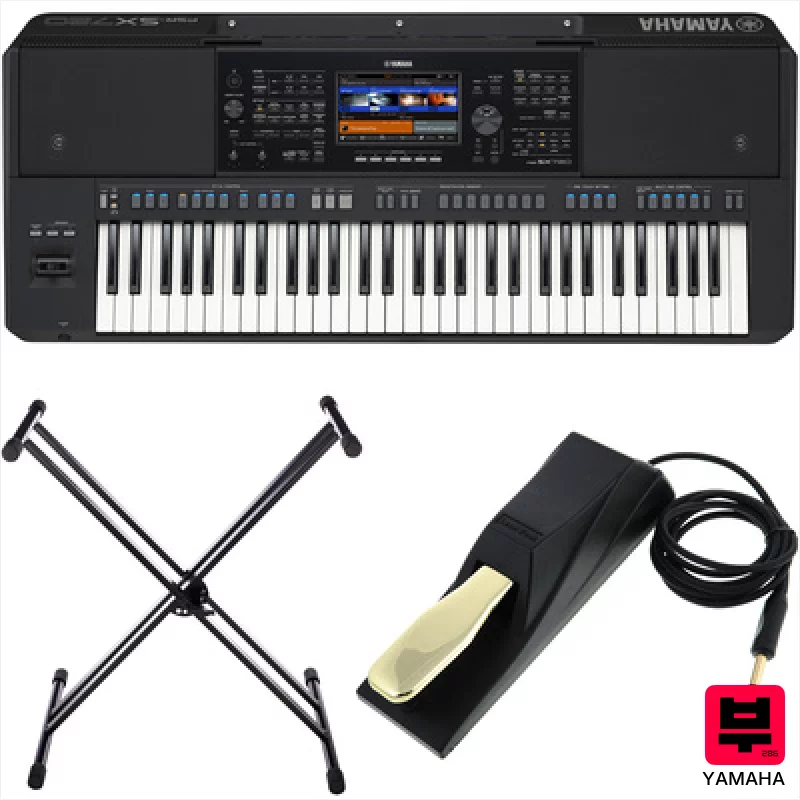
Yamaha PSR-SX720 Set
- • Excellent sound engine with a massive palette of realistic instrument voices.
- • The 7” color touchscreen simplifies navigation and editing significantly.
- • Style Dynamics Control adds nuanced realism to backing tracks and arrangements.
- • Assignable joystick offers expressive control over pitch, modulation, and more.
- • The FSB keyboard, while velocity-sensitive, lacks the depth of a fully weighted action.
- • Audio recording capabilities are somewhat limited compared to dedicated DAW setups.
- • While versatile, its primary focus remains home entertainment and performance, not studio recording.
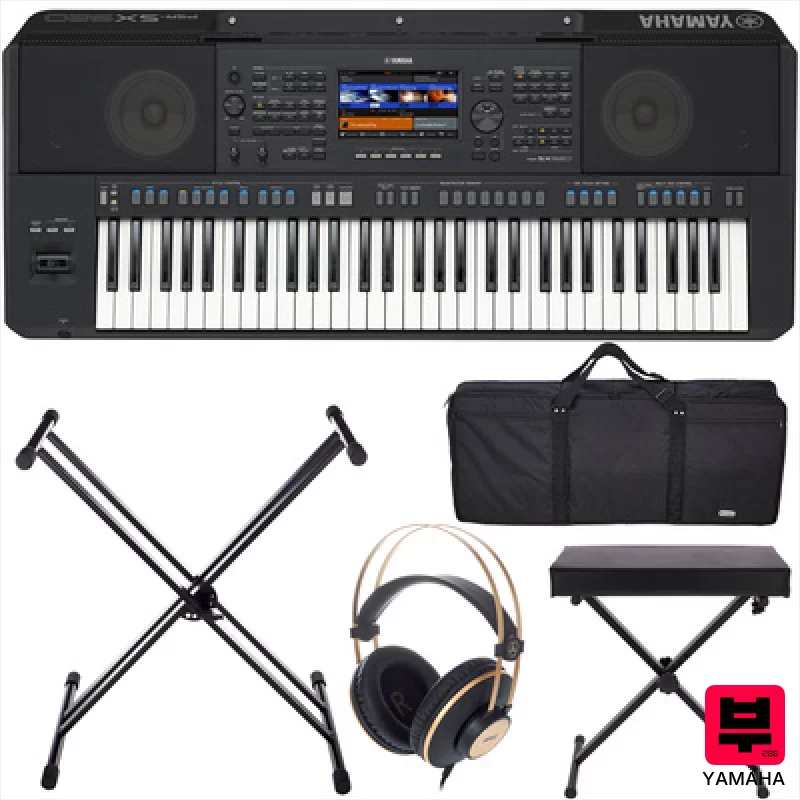
Yamaha PSR-SX920 Deluxe Bundle
- • Excellent FSB keyboard action offers surprisingly realistic piano feel.
- • Massive sound library provides incredible sonic versatility for many genres.
- • Intuitive touchscreen and assignable controls streamline performance workflow.
- • Comprehensive recording features enable detailed song creation and arrangement.
- • 61-key design limits complex voicings and advanced chordal work.
- • Deluxe bundle adds cost, may be overkill for casual players.
- • While improved, speakers lack true studio-quality fidelity for critical listening.

Casio CT-S1000V Deluxe Bundle
- • Excellent portability thanks to its slim design and lightweight build.
- • The vocal synthesis feature is genuinely innovative and fun to experiment with.
- • Impressive sound library with a wide range of usable tones and styles.
- • The included accessories enhance the value and immediate playability.
- • Key action, while velocity-sensitive, lacks the depth of a weighted action.
- • Sampling capabilities are limited in duration, best for short snippets.
- • The bundled software might feel a bit basic for experienced users.
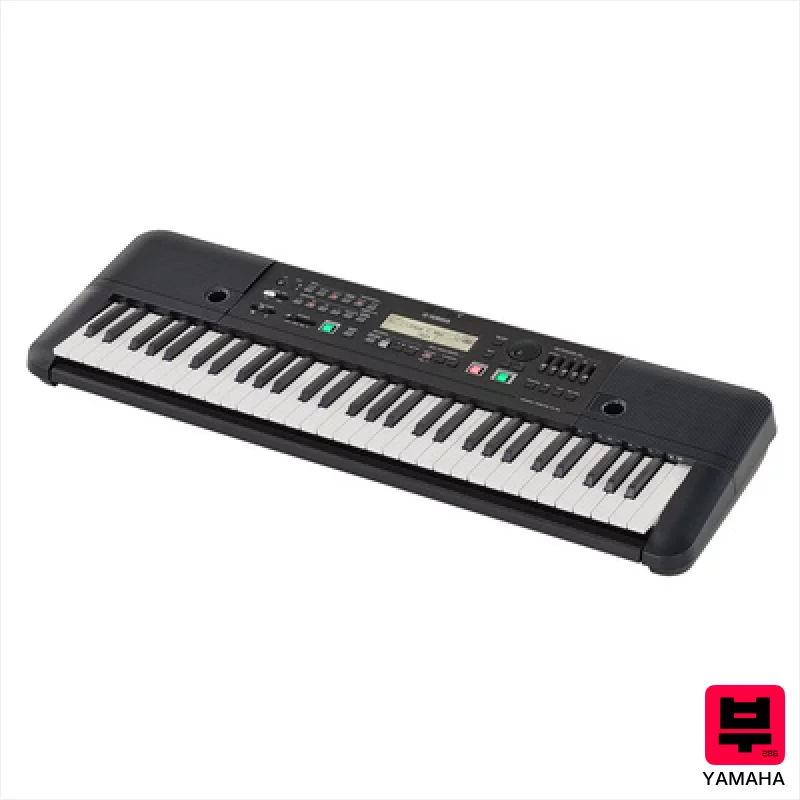
Yamaha HD-300 Harmony Director
- • Excellent ensemble timing training, invaluable for group music education.
- • Bluetooth MIDI/Audio connectivity expands creative possibilities significantly.
- • Built-in recording simplifies capturing practice sessions and performances.
- • The 61-key design provides a good balance of portability and functionality.
- • The 61-key action, while playable, lacks the nuance of a full-sized keyboard.
- • Limited polyphony could become an issue with complex arrangements.
- • The speaker output, while adequate, won't satisfy serious performance needs.
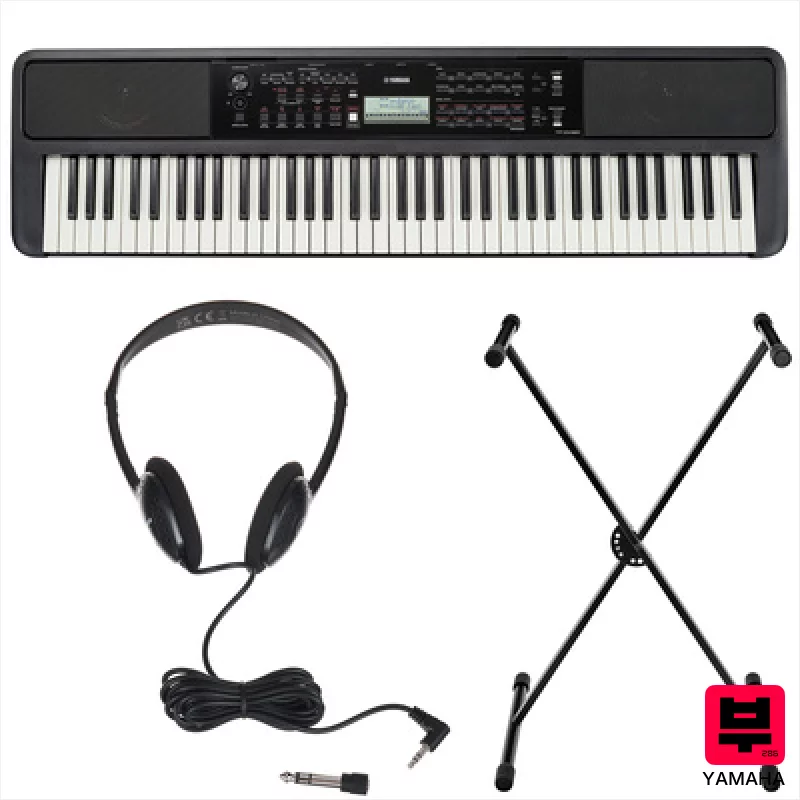
Yamaha PSR-EW320 Set
- • 76 velocity-sensitive keys offer expressive playing range.
- • Extensive sound library provides diverse musical possibilities.
- • Built-in lesson function aids learning for beginners.
- • Compact and relatively lightweight for easy portability.
- • Plastic key action lacks the feel of weighted or semi-weighted keys.
- • 2.5W speakers are adequate for practice but lack volume for performance.
- • Limited MIDI recording capabilities restrict advanced production workflows.
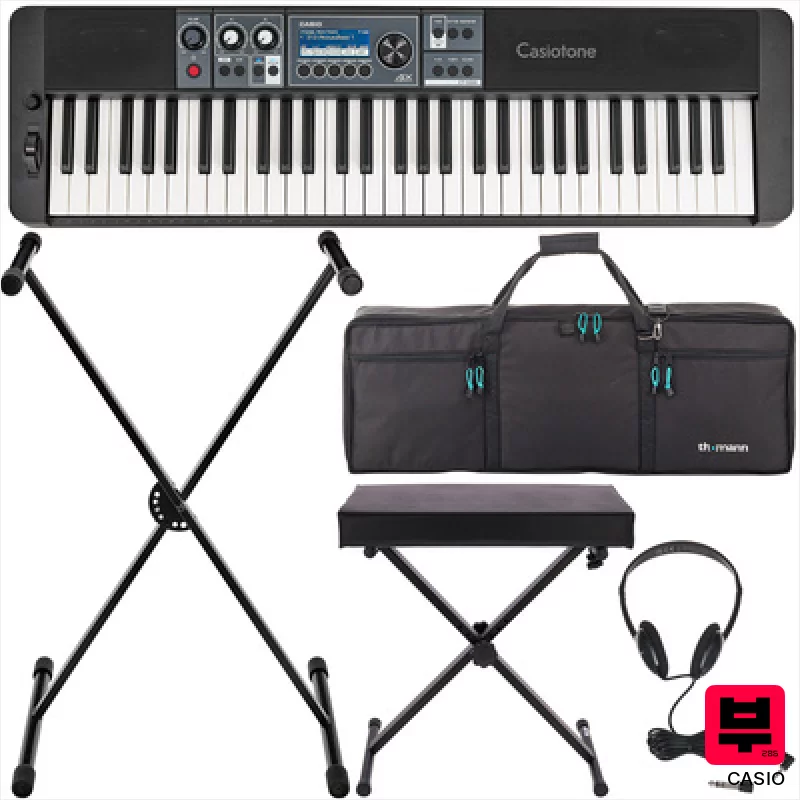
Casio CT-S500 Deluxe Bundle
- • Compact and lightweight design enhances portability for lessons or gigs.
- • Velocity-sensitive keys offer a surprisingly expressive playing experience.
- • The bundled content expands functionality beyond basic keyboard features.
- • Sampling capabilities allow for unique sound creation and personalization.
- • The 61-key layout limits complex chord voicings and advanced playing.
- • Speakers, while adequate, lack the power for larger rooms or performances.
- • Polyphony cap of 64 voices can cause dropouts with dense arrangements.
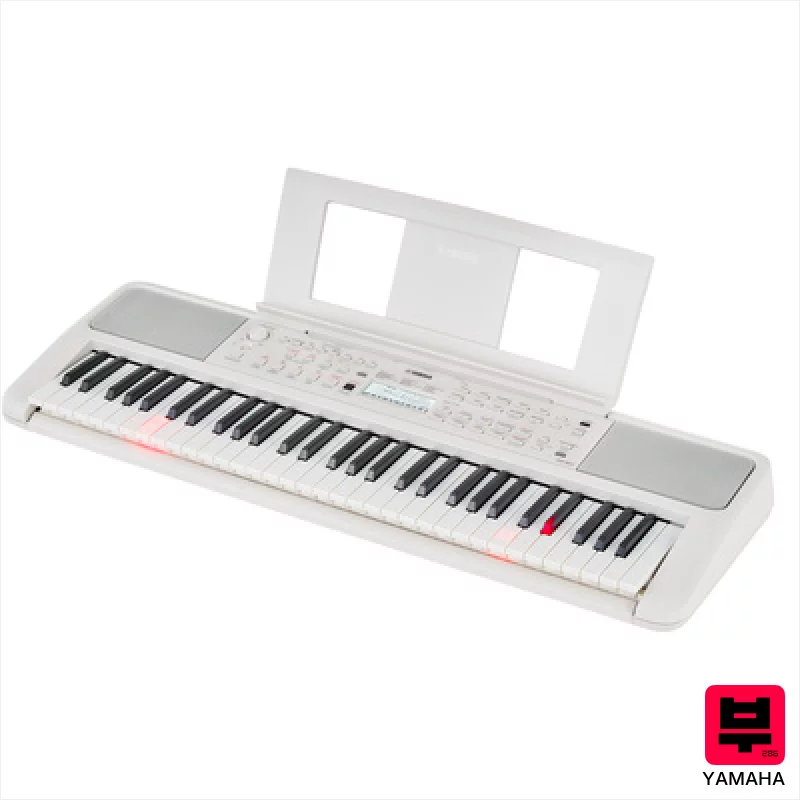
Yamaha EZ-310
- • Illuminated keys simplify learning and visual feedback.
- • Decent polyphony (48 voices) avoids basic song muddiness.
- • Built-in lesson functions are genuinely helpful for beginners.
- • Compact size and battery operation offer portability and convenience.
- • Plastic construction feels budget-oriented, lacks premium feel.
- • Limited MIDI recording capabilities hinder more advanced composition.
- • Small speakers are adequate, but lack substantial low-end response.
How to Choose the Best Home Keyboards
Action
It's gotta feel decent under your fingers. A mushy, unresponsive action will kill your motivation fast. We're not expecting Fatar-level quality, but something with a little spring and some defined resistance is crucial.
Sound Engine
That 'fat midrange honk' that makes a Rhodes sound like a Rhodes? You're not going to get it, but a usable selection of sounds that don't all sound like cheap digital cheese is important. A little bit of warmth and character goes a long way.
Portability
Let's be real, you're probably not hauling this thing to gigs. But being able to move it around the house or take it to a friend's place is a bonus. Size and weight matter.
Connectivity
Even casual players might want to record a quick idea or hook it up to a laptop for some basic MIDI sequencing. Basic USB connectivity is almost a must these days.
Ease of Use
Complex menus and confusing functions are a barrier to entry. We're looking for something intuitive and straightforward, so you can spend more time playing and less time reading the manual.
Buying Guide
At this price range, expect some trade-offs. The biggest corners usually get cut in the sound engine - don't expect nuanced, sampled sounds. Keybed quality also tends to suffer, so a lighter, less responsive action is common. Paying a bit more for a weighted action will make a huge difference in feel and expression, but it's not always worth it for pure casual use. Prioritize sounds you genuinely enjoy and a keybed you can tolerate.
Our Methodology
We're not just looking at specs here. We've spent weeks putting these keyboards through their paces - bedroom practice sessions, trying to make them cut through a rehearsal band mix, and just generally seeing if they're enjoyable to play. We've A/B'd them against more expensive alternatives to see where the compromises lie, because let's be honest, there always are some at this price point.

