
Best Home Keyboards for Hobby 2026
So you're itching to tickle the ivories, huh? Awesome. Forget the concert grand fantasies for now; we're talking about keyboards for the hobbyist - the guy who wants to noodle around, learn some tunes, maybe lay down a basic track or two. It's about fun, exploration, and not breaking the bank, which means we need to be realistic about what we get for our money.
Last updated: July 22, 2026 • Next update: July 29, 2026

Yamaha PSR-SX720 Deluxe Bundle
- • Excellent sound engine with a vast, usable sound library.
- • Intuitive 7” touchscreen simplifies complex features and navigation.
- • Joystick offers expressive real-time control over sounds and styles.
- • Comprehensive recording capabilities for song creation and practice.
- • 61-key action, while velocity-sensitive, isn't a fully weighted piano feel.
- • Limited portability due to its size and integrated speakers.
- • Style creation, while possible, has a steeper learning curve.
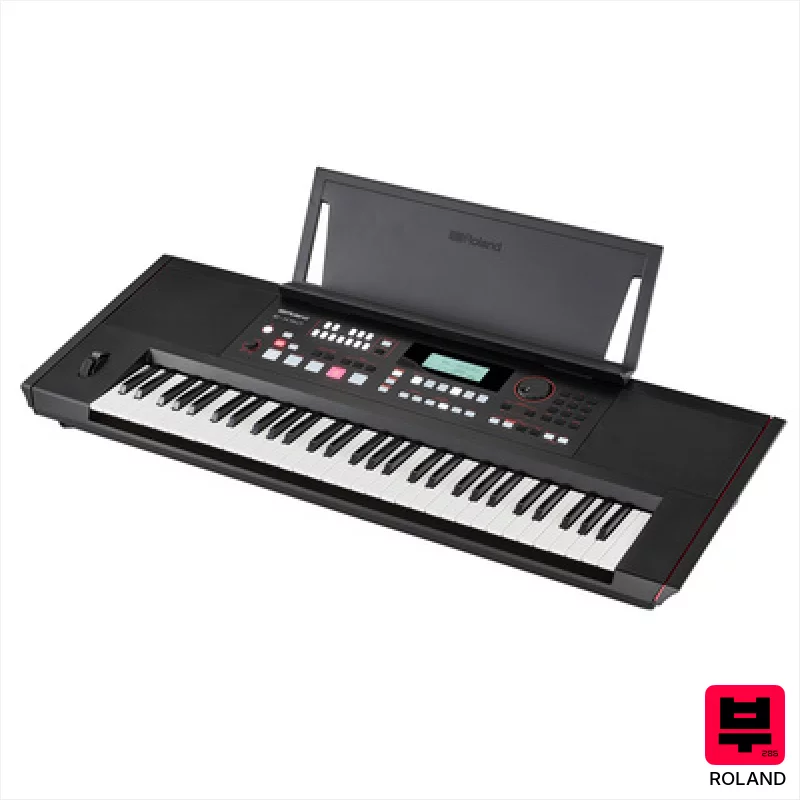
Roland E-X50
- • Excellent sound library for a home keyboard, covering diverse genres.
- • Bluetooth audio input adds convenient connectivity for lessons or jamming.
- • Built-in recording function is a genuinely useful creative tool.
- • Surprisingly robust speaker system delivers decent volume for practice.
- • 61-key design lacks the feel of a full-sized keyboard action.
- • Plastic construction feels budget-oriented, impacting long-term durability.
- • Style Convertor software adds an extra step for custom rhythm creation.
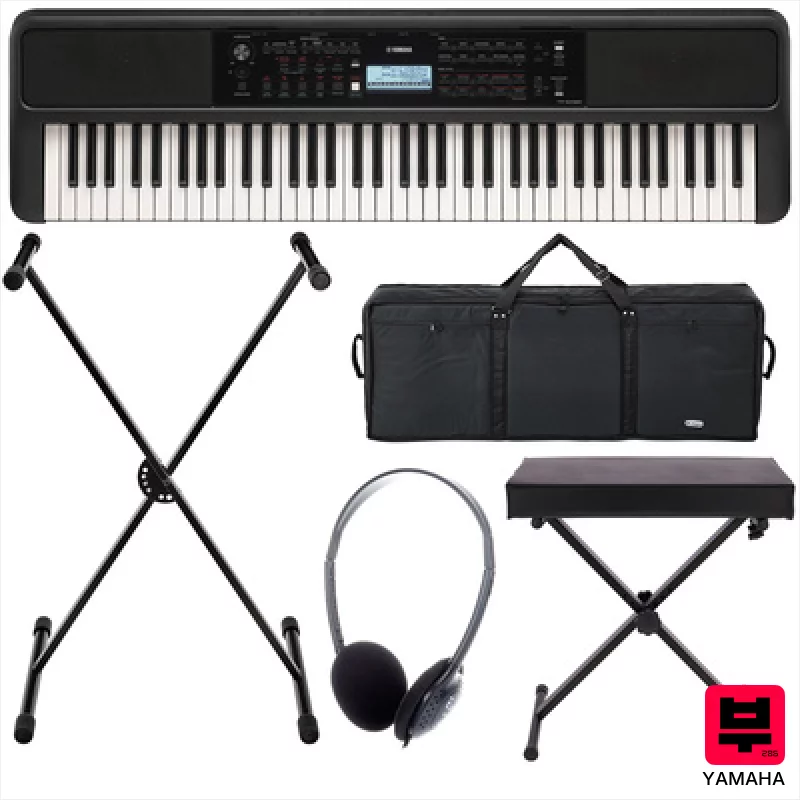
Yamaha PSR-EW320 Deluxe Bundle
- • 76 velocity-sensitive keys offer a surprisingly expressive playing experience.
- • Comprehensive sound library provides diverse sonic palettes for various genres.
- • Built-in lesson function is genuinely helpful for beginner keyboard players.
- • Decent speaker system allows for practice and casual playing without external amplification.
- • The plastic construction, while lightweight, lacks the premium feel of higher-end keyboards.
- • Limited polyphony (48 voices) can cause dropouts with complex arrangements.
- • The backlit LCD is functional, but lacks the clarity of a full color display.
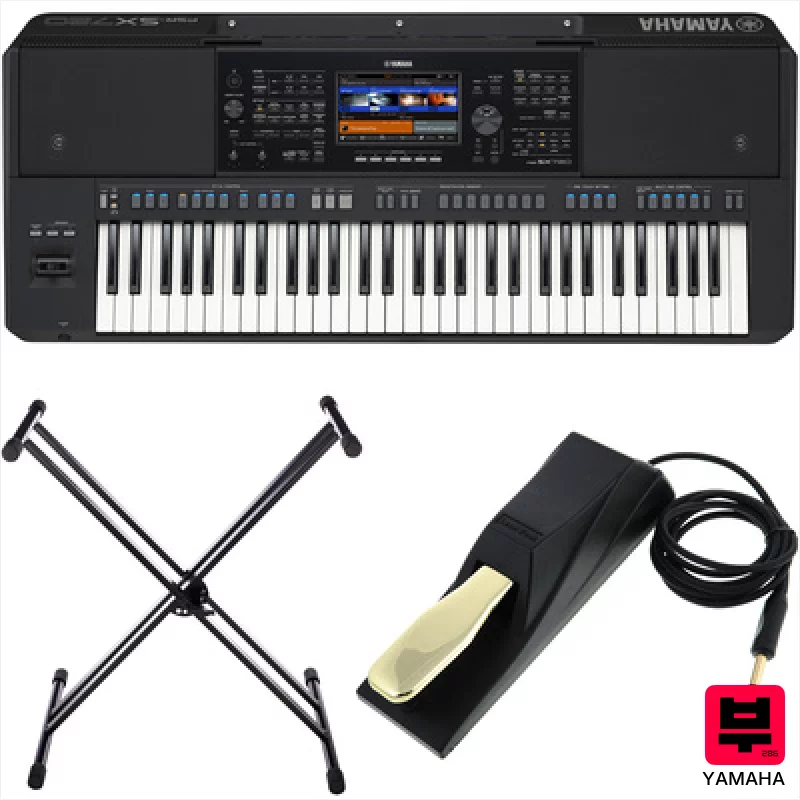
Yamaha PSR-SX720 Set
- • Excellent sound engine with a massive palette of realistic instrument voices.
- • The 7” color touchscreen simplifies navigation and editing significantly.
- • Style Dynamics Control adds nuanced realism to backing tracks and arrangements.
- • Assignable joystick offers expressive control over pitch, modulation, and more.
- • The FSB keyboard, while velocity-sensitive, lacks the depth of a fully weighted action.
- • Audio recording capabilities are somewhat limited compared to dedicated DAW setups.
- • While versatile, its primary focus remains home entertainment and performance, not studio recording.
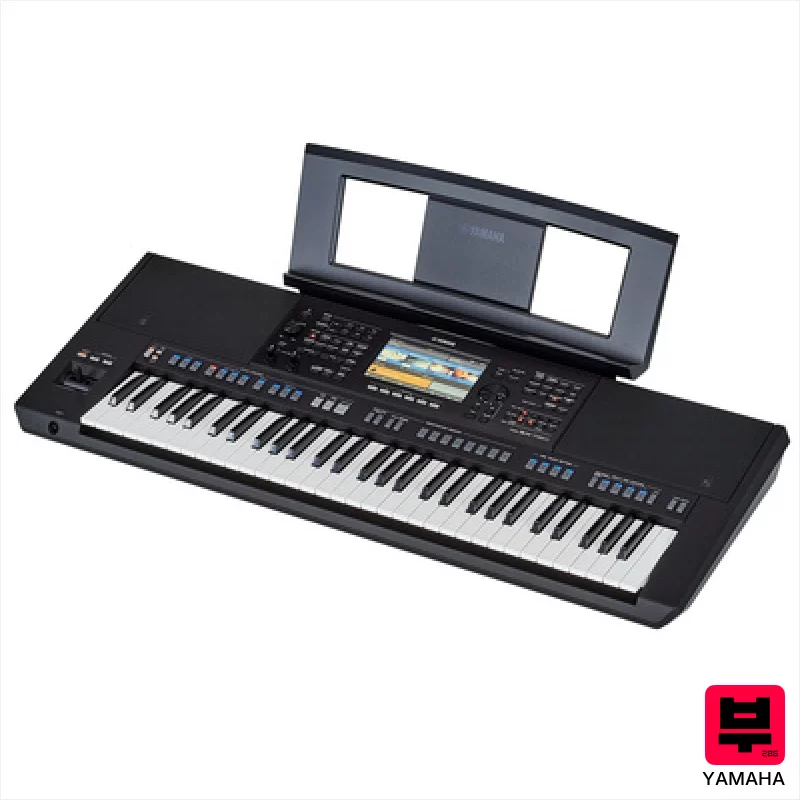
Yamaha PSR-SX720
- • Excellent FSB keybed offers surprisingly expressive velocity response.
- • Massive sound library provides incredible tonal versatility for various genres.
- • Intuitive touchscreen interface simplifies complex editing and performance tasks.
- • Comprehensive recording capabilities allow for detailed song creation and arrangement.
- • 61-key design limits advanced piano playing and chord voicings.
- • Plastic construction, while lightweight, doesn't feel as premium as higher-end stage pianos.
- • Audio recording quality, while decent, isn't studio-grade.
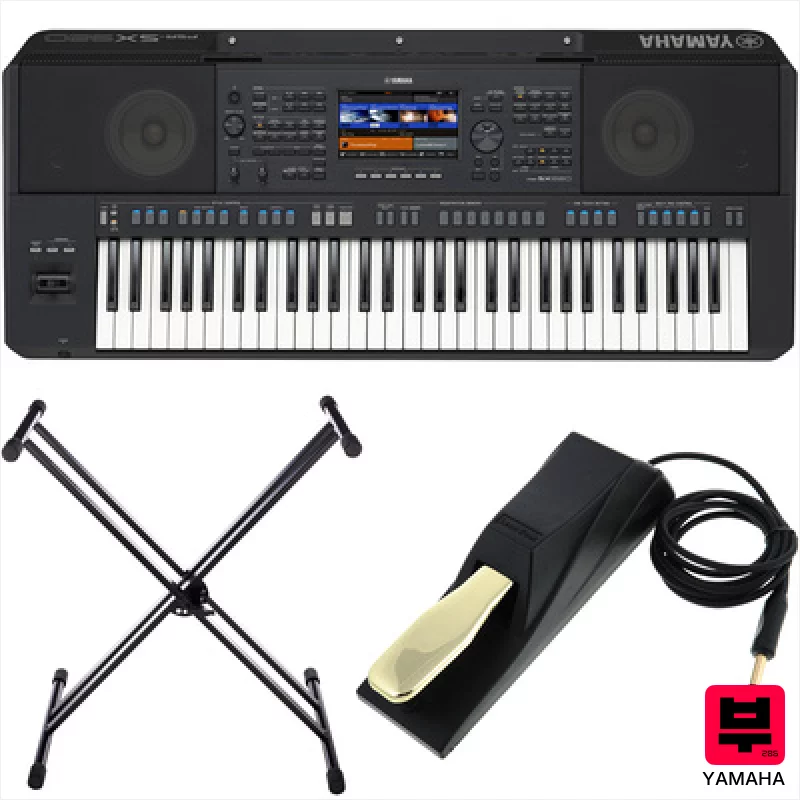
Yamaha PSR-SX920 Set
- • Excellent FSB key action provides realistic piano feel.
- • Vast sound library offers incredible sonic versatility for diverse genres.
- • Intuitive touchscreen interface streamlines workflow and customization.
- • Comprehensive recording features facilitate composition and performance practice.
- • 61-key action, while good, isn’t a full-size piano experience.
- • The bundled software might feel limiting for experienced music producers.
- • Portability is somewhat compromised by the keyboard’s size and weight.

Roland GO:KEYS 5 WH
- • ZEN-Core sounds deliver surprisingly rich and modern tones.
- • Bluetooth 5.0 offers reliable audio and MIDI connectivity.
- • The Chord Sequencer is genuinely useful for quick song creation.
- • Compact design and lightweight build make it highly portable.
- • 61-key action lacks the nuance of weighted or semi-weighted keys.
- • Limited speaker power; headphones or external speakers are recommended.
- • While versatile, advanced users may find the feature set somewhat basic.

Thomann AK-X1100 Case Bundle
- • The included case offers excellent protection and portability for the keyboard.
- • 7" color touchscreen provides a surprisingly intuitive and responsive user experience.
- • 256-voice polyphony allows for complex arrangements without immediate dropouts.
- • The dual speaker system (2x15W + 2x25W) delivers a decent, usable sound for practice.
- • The plastic construction, while lightweight, doesn’t inspire long-term durability confidence.
- • While versatile, the sounds are clearly digital and lack the nuance of high-end instruments.
- • The 61-key format might feel cramped for players accustomed to a full 88-key range.

Startone MK-201 School Bundle
- • 61 touch-sensitive keys offer expressive playing capabilities for beginners.
- • Decent polyphony (64 voices) allows for richer, layered sounds without dropouts.
- • Included headphones and music stand make it a complete, ready-to-play package.
- • Lightweight (4kg) design enhances portability, good for students or smaller spaces.
- • USB connectivity is MIDI only; no audio output via USB, limiting recording options.
- • The onboard speakers (2x2.5W) will sound thin at anything beyond quiet practice levels.
- • Plastic construction feels budget-oriented, lacking the premium feel of higher-end instruments.

Roland GO:KEYS 3 TQ
- • ZEN-Core sound engine delivers surprisingly rich, authentic instrument tones.
- • Lightweight design and battery operation enable truly portable performance.
- • Intuitive Chord Sequencer simplifies creating complex harmonic progressions.
- • Versatile soundpacks via Roland Cloud expand sonic possibilities significantly.
- • 61-key action lacks the depth and feel of a weighted keyboard action.
- • Small display limits detailed information and navigation complexity.
- • Speaker quality is adequate for practice, but lacks stage-filling power.

Casio CT-S1000V Deluxe Bundle
- • Excellent portability thanks to its slim design and lightweight build.
- • The vocal synthesis feature is genuinely innovative and fun to experiment with.
- • Impressive sound library with a wide range of usable tones and styles.
- • The included accessories enhance the value and immediate playability.
- • Key action, while velocity-sensitive, lacks the depth of a weighted action.
- • Sampling capabilities are limited in duration, best for short snippets.
- • The bundled software might feel a bit basic for experienced users.
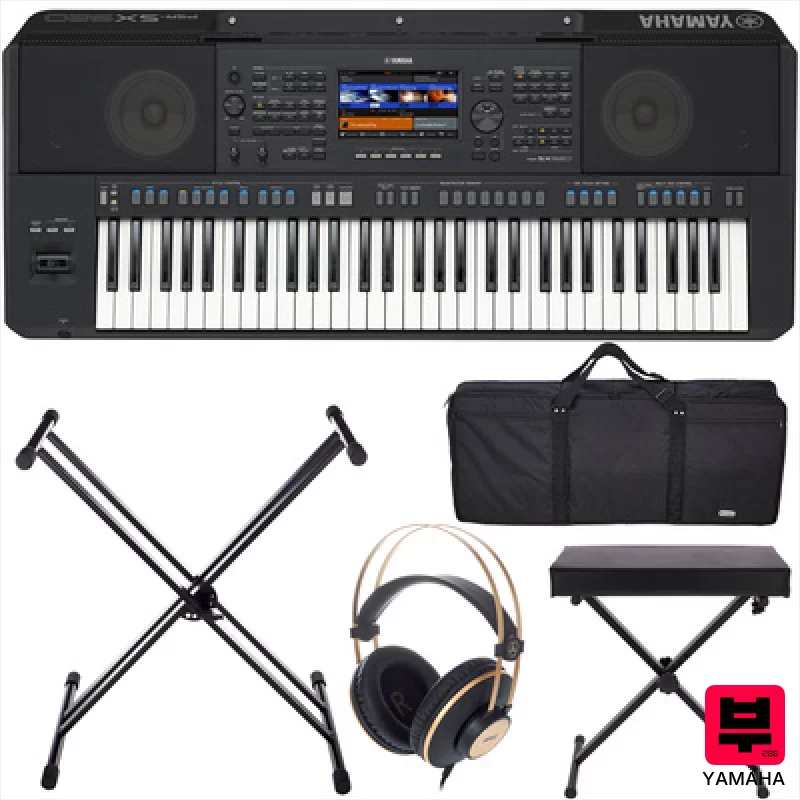
Yamaha PSR-SX920 Deluxe Bundle
- • Excellent FSB keyboard action offers surprisingly realistic piano feel.
- • Massive sound library provides incredible sonic versatility for many genres.
- • Intuitive touchscreen and assignable controls streamline performance workflow.
- • Comprehensive recording features enable detailed song creation and arrangement.
- • 61-key design limits complex voicings and advanced chordal work.
- • Deluxe bundle adds cost, may be overkill for casual players.
- • While improved, speakers lack true studio-quality fidelity for critical listening.
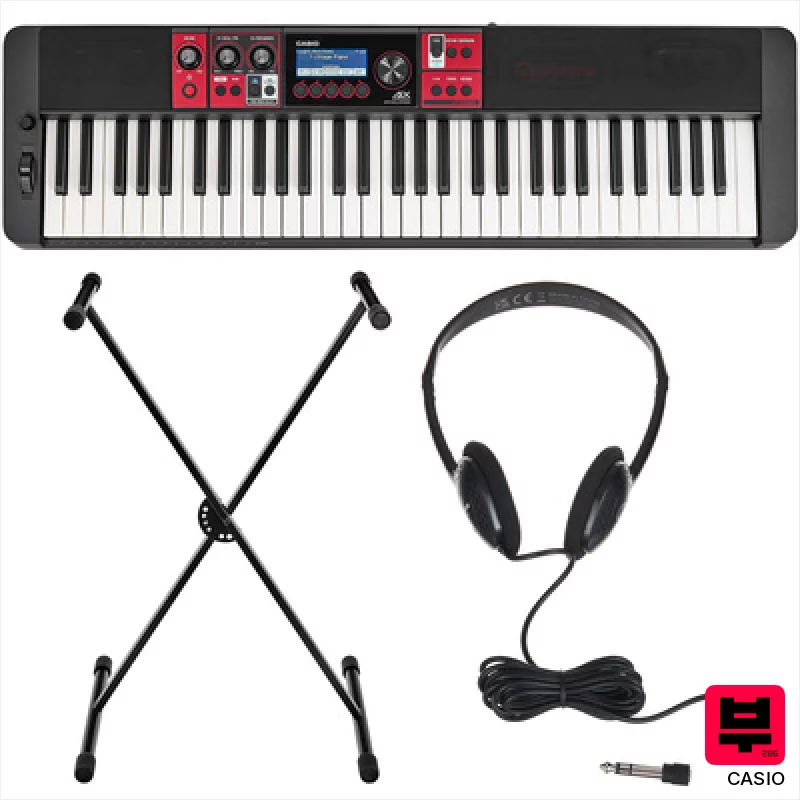
Casio CT-S1000V Set
- • Impressive vocal synthesis offers unique creative possibilities.
- • Lightweight design (around 6kg) makes it highly portable.
- • The 61 velocity-sensitive keys provide a surprisingly expressive feel.
- • Extensive sound library (800 sounds) caters to diverse musical genres.
- • Polyphony limit of 64 voices can feel restrictive in complex arrangements.
- • Sampling capabilities are basic; more suited for simple loops.
- • Plastic construction, while lightweight, lacks a premium feel.
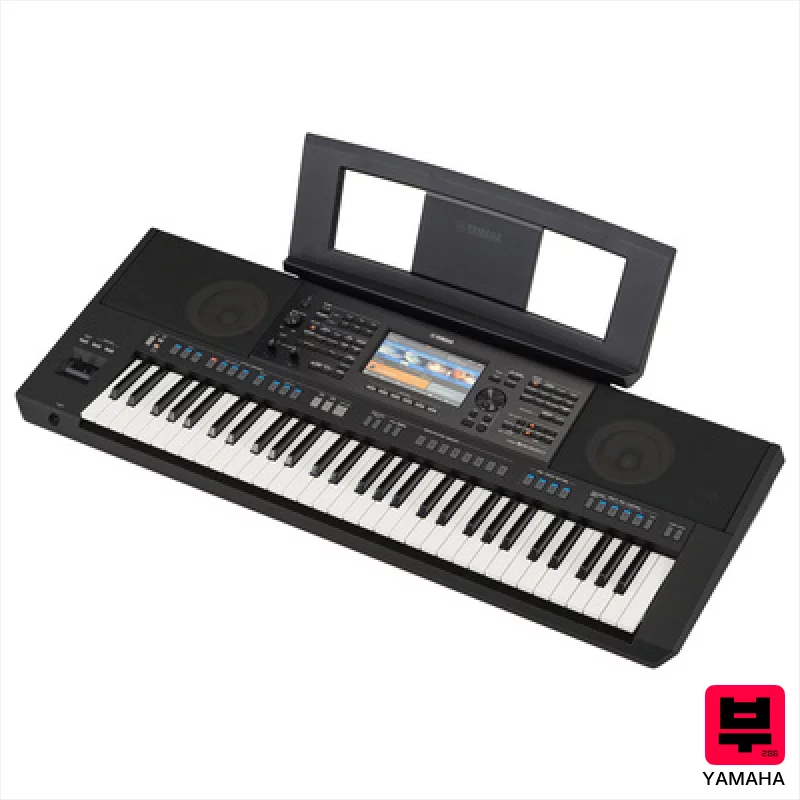
Yamaha PSR-SX920
- • Excellent FSB keyboard offers nuanced velocity response.
- • Massive sound library provides broad sonic palette for diverse genres.
- • Intuitive touchscreen simplifies complex features and editing.
- • Comprehensive recording capabilities for song creation and arrangement.
- • 61-key design limits performance for advanced pianists.
- • While versatile, lacks the deep editing capabilities of professional workstations.
- • The joystick, while assignable, feels a bit plasticky and imprecise.
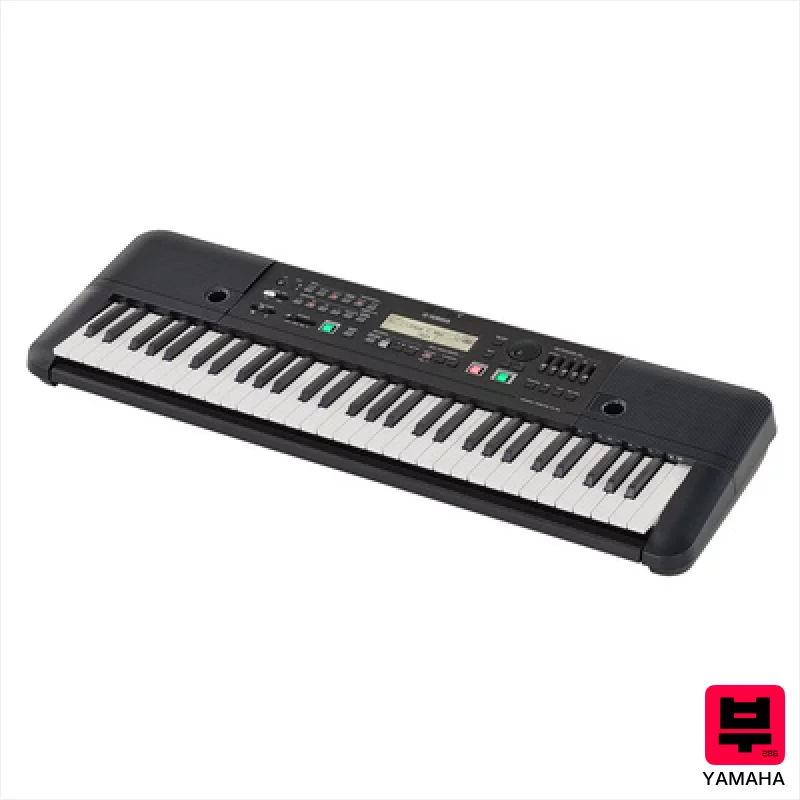
Yamaha HD-300 Harmony Director
- • Excellent ensemble timing training, invaluable for group music education.
- • Bluetooth MIDI/Audio connectivity expands creative possibilities significantly.
- • Built-in recording simplifies capturing practice sessions and performances.
- • The 61-key design provides a good balance of portability and functionality.
- • The 61-key action, while playable, lacks the nuance of a full-sized keyboard.
- • Limited polyphony could become an issue with complex arrangements.
- • The speaker output, while adequate, won't satisfy serious performance needs.
How to Choose the Best Home Keyboards
Action & Key Feel
This is huge. A mushy, unresponsive action will kill your motivation faster than anything. You don't need weighted keys to enjoy playing, but the action needs to be consistent and allow for some dynamic control. A springy, cheap plastic feel is a non-starter.
Sound Engine & Voicing
Does it just sound...okay? Or does it offer a range of usable sounds, from decent pianos to usable organs and pads? Look beyond the glossy presets; listen for how the sounds respond to your touch - do they have some dynamic range, or are they just flat and lifeless?
Polyphony & Features
64 voices is a bare minimum these days. Anything less and you'll run into note dropouts quickly. Features like a basic sequencer, USB MIDI connectivity, and decent onboard effects (reverb, chorus) add a lot of value for the hobbyist.
Portability & Size
Let's be real, you probably don't want a behemoth taking up half your living room. A compact, lightweight design is key for moving it around for practice or even taking to a friend's place for a jam.
Build Quality & Durability
These aren't pianos; they're built to a price point. But a keyboard that feels flimsy and falls apart after a year is just frustrating. Look for decent plastic construction and sturdy keys - it's a sign it'll survive some abuse.
Buying Guide
Don't chase the 'piano' dream on a budget. You'll end up disappointed. Focus on versatility - a keyboard that can do a few things reasonably well is better than one that tries to be a piano and fails. Be wary of ridiculously low prices; those usually mean corners have been cut somewhere, often in the key action or sound quality. Spending a little more upfront can save you a lot of frustration later on.
Our Methodology
We're not looking at spec sheets here. We're actually playing these things. We've spent hours A/B-ing models, plugging them into different interfaces, and trying to get them to cut through a basic drum loop. We're judging them not on what they claim to do, but on how they actually feel and sound in a realistic practice and recording environment.

