
Best Hanging Microphones Under $2,000 2026
So, you need to hang some mics - choir, drum overheads, a live band in a tricky space? Hanging mics aren't just about slapping a cable on the ceiling; it's about getting clean, usable signals without feedback, and that means choosing the right tool for the job. Finding quality hanging mics under $2000 can be tricky, but it's absolutely doable if you know what to look for. Let's break down your best options.
Last updated: April 11, 2026
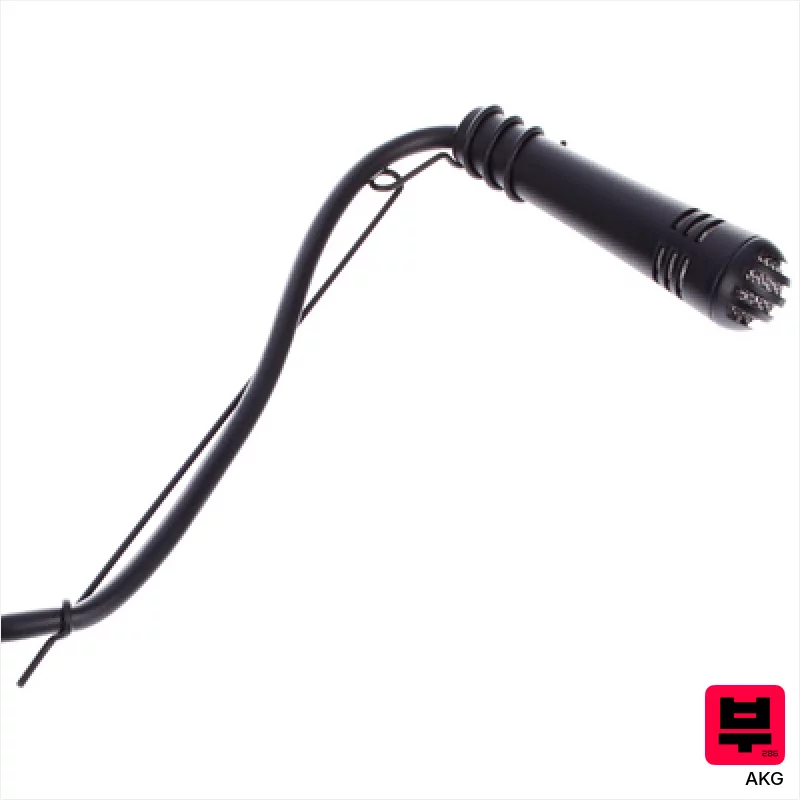
AKG CHM 99 B
- • Robust zinc die-cast housing handles demanding installations.
- • Cardioid pattern effectively isolates choirs, minimizing room noise.
- • Integrated spring clamp simplifies precise and secure alignment.
- • Included 10m cable reduces setup complexity and cable clutter.
- • Relatively heavy build might require stronger hanging hardware.
- • Limited polar pattern choice restricts use in diverse acoustic scenarios.
- • While decent, the frequency response isn't as refined as higher-end models.

AKG CHM 99 W
- • Robust spring clamp ensures precise, stable hanging alignment.
- • Cardioid pattern effectively rejects off-axis noise and feedback.
- • The white finish blends discreetly into choir loft environments.
- • Integrated 10m cable reduces clutter and simplifies installation.
- • The substantial weight (480g) requires secure mounting points.
- • Cardioid pattern limits versatility for non-choir applications.
- • Limited frequency response might lack detail for critical recordings.
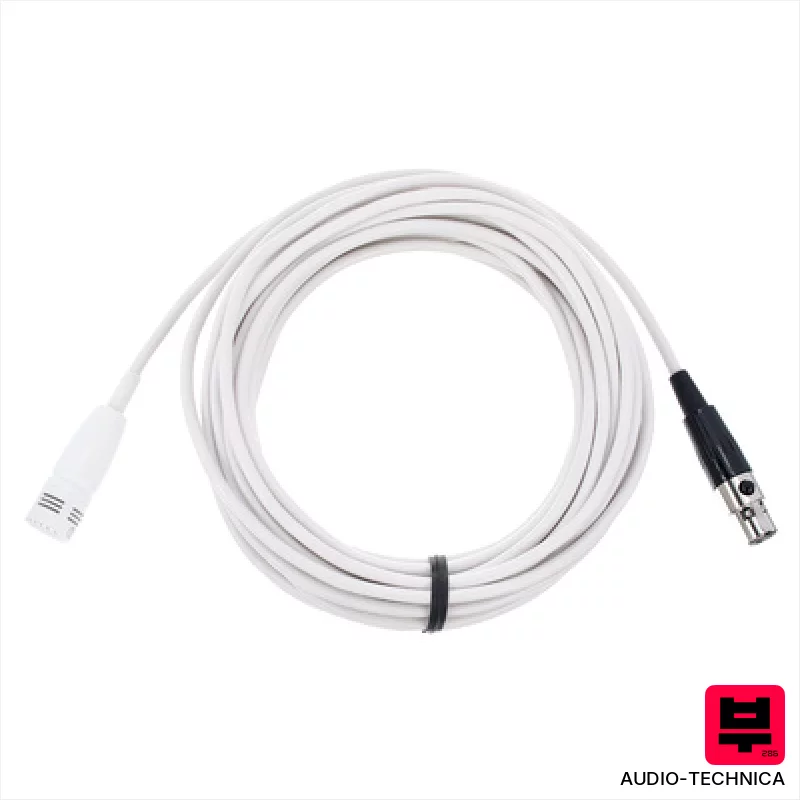
Audio-Technica U853RW
- • Excellent off-axis rejection minimizes room noise, crucial for installations.
- • Robust construction and white finish handle demanding environments reliably.
- • Integrated power supply and mounting hardware simplify installation and setup.
- • Low-cut filter effectively tames low-frequency rumble and proximity effect.
- • Cardioid pattern limits flexibility for diverse sound sources.
- • Relatively heavy for discreet, lightweight hanging applications.
- • White finish can be visually jarring in some aesthetic settings.
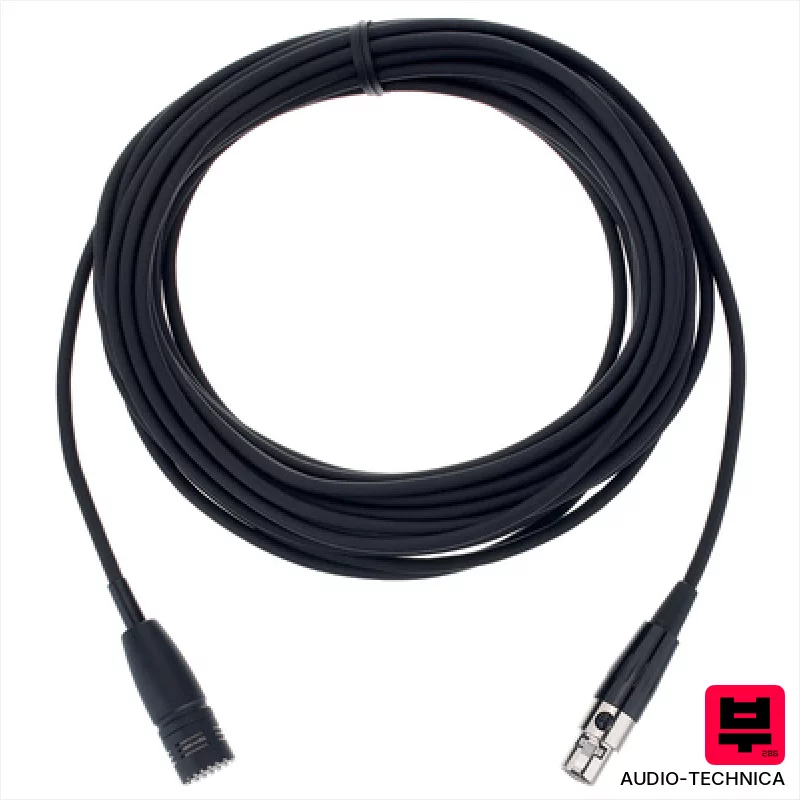
Audio-Technica U853R
- • Excellent off-axis rejection minimizes room noise effectively
- • Robust steel construction ensures long-term durability in demanding installs
- • Integrated low-cut filter cleans up low-frequency rumble reliably
- • Included mounting accessories simplify installation and positioning
- • Cardioid pattern limits flexibility for multi-source recording scenarios
- • The TAF3 connector isn't as universal as XLR, requiring an adapter
- • Relatively heavy for some hanging applications, requiring sturdy mounting
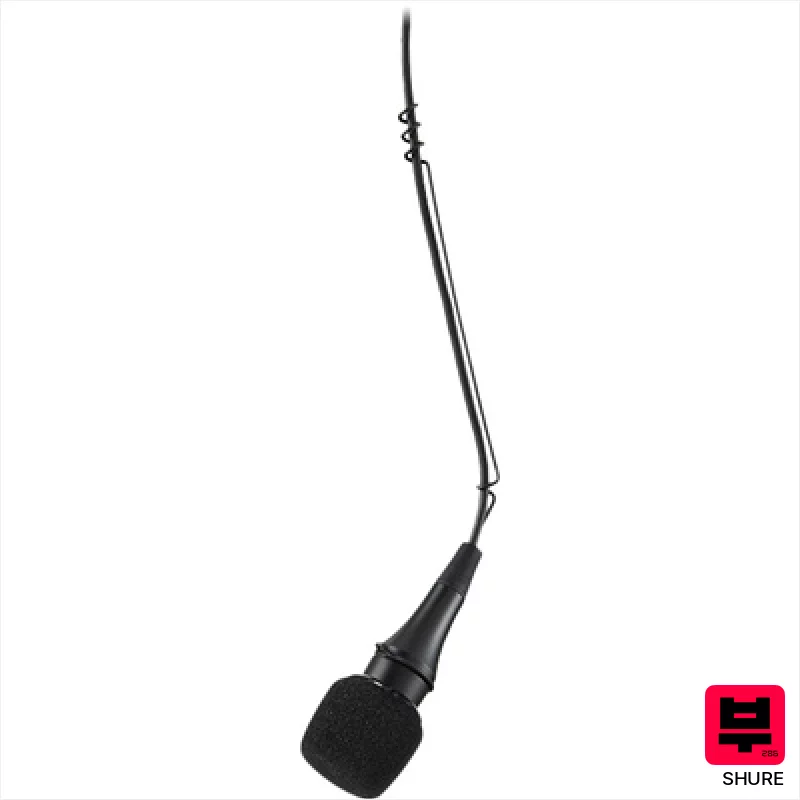
Shure Centraverse CVO-B/C
- • Excellent off-axis rejection minimizes room noise effectively.
- • The included Inmemoryin wire simplifies installation and cable management.
- • Cardioid pattern provides focused sound pickup, ideal for speech.
- • Durable construction with a robust housing designed for demanding environments.
- • Limited frequency response compared to higher-end studio condensers.
- • The 180 Ohm impedance might require a high-quality preamp for optimal gain.
- • Black finish can be prone to showing dust and handling marks.
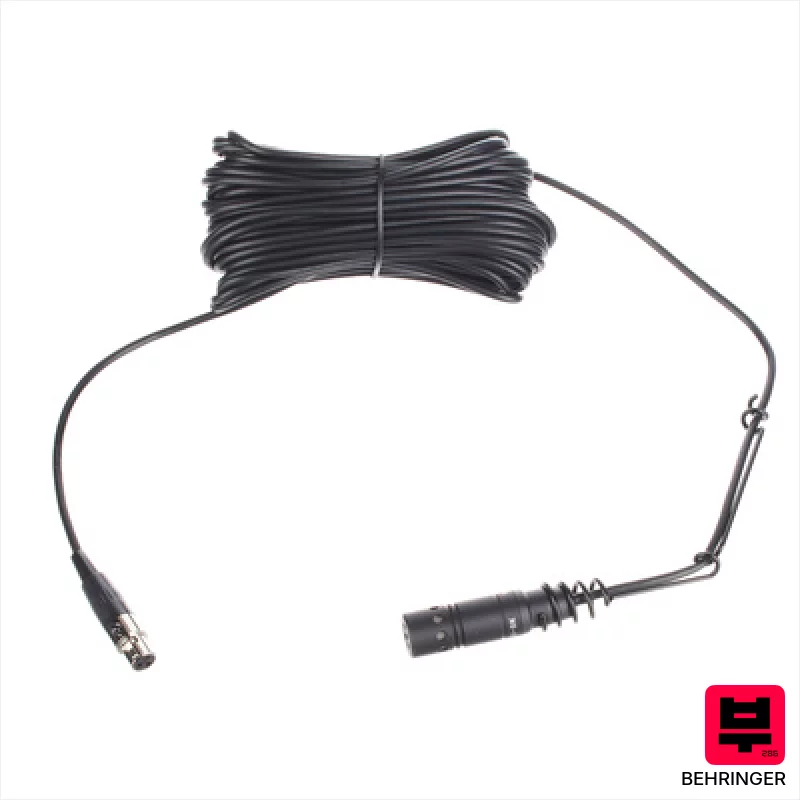
Behringer Hm50-BK
- • Surprisingly robust spring clip offers secure hanging
- • Cardioid pattern effectively rejects off-axis noise
- • 10m cable eliminates need for external cabling
- • Foam windscreen reduces plosives and wind noise
- • Body plastic feels cheap, impacting perceived quality
- • Limited frequency response lacks detail for critical recordings
- • Mini XLR connector is less common, requiring adapters
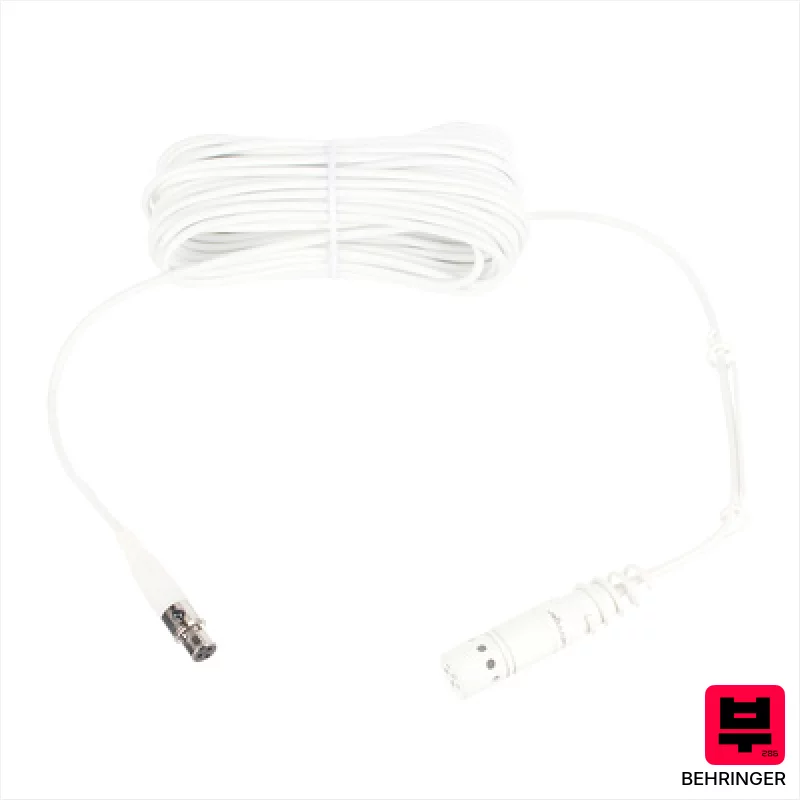
Behringer Hm50
- • Surprisingly robust spring clip offers secure and stable hanging.
- • Cardioid pattern effectively rejects off-axis noise for cleaner recordings.
- • Mini XLR connector and 10m cable provide ample reach and flexibility.
- • Foam windscreen minimizes plosives and wind noise, improving clarity.
- • Thin diaphragm limits transient response and detail compared to pricier mics.
- • Magnetically shielded, but still susceptible to interference in electrically noisy environments.
- • Plastic housing feels noticeably budget-oriented, impacting perceived durability.
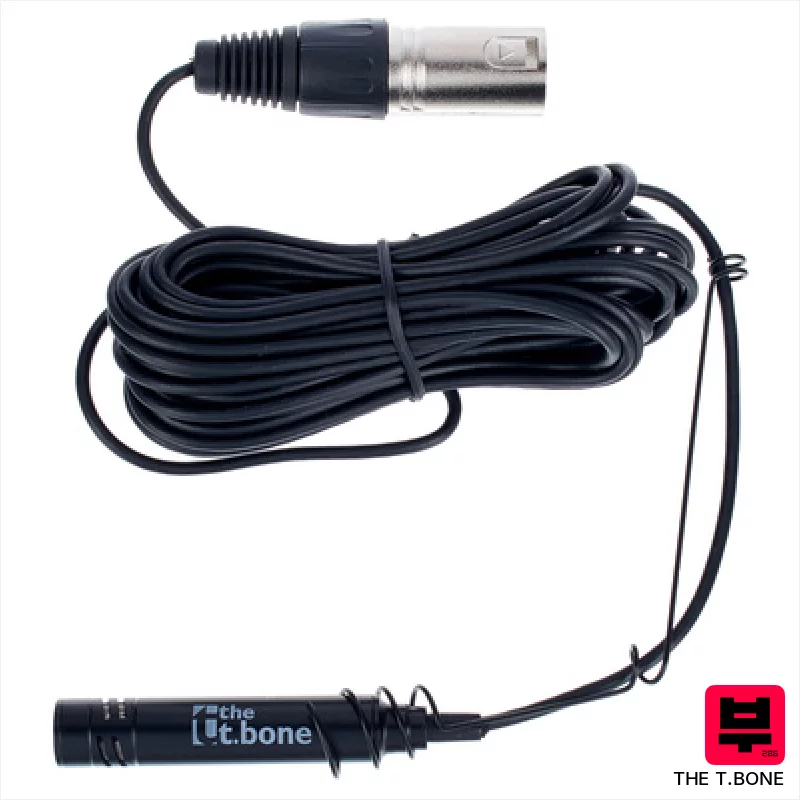
the t.bone HMC 1
- • Surprisingly robust capsule for the price point.
- • Cardioid pattern offers decent isolation in noisy environments.
- • Lightweight design minimizes stress on hanging points.
- • Included bracket simplifies installation and positioning.
- • Sound quality is basic; lacks detail and nuance.
- • Thin body construction feels a little fragile.
- • Limited frequency response; won't suit critical recording applications.
How to Choose the Best Hanging Microphones
Polar Pattern
Cardioid is king for minimizing bleed and feedback in live situations. Figure-8 can be useful for stereo imaging, but be mindful of room reflections. Omnis are gorgeous but rarely practical for hanging unless you're in a controlled acoustic environment.
Self-Noise
A noisy mic is a useless mic, especially when you're trying to capture quiet vocals or delicate acoustic instruments. Anything over 15 dBA starts to become noticeable, particularly when amplified.
Proximity Effect
That low-end boost when a mic is close to a source? It can be your friend for kick drums or bass amps, but a nightmare for vocalists. Look for mics with a balanced proximity response.
Suspension/Shockmount Compatibility
A hanging mic needs to be isolated from vibrations. Check if the mic is compatible with common suspension systems or if you'll need to factor in the cost of a suitable shockmount.
Build Quality & Ruggedness
Gigs are rough. Mics get bumped, cables get pulled. A mic that can withstand the abuse is worth its weight in gold; look for metal bodies and robust capsules.
Buying Guide
At this budget, you're trading off something somewhere. You're unlikely to get the absolute best of everything - the lowest noise, the flattest frequency response, and the most robust build - all in one package. Often, the biggest compromise is in the capsule material; cheaper mics will use diaphragms that don't have the same transient response or detail as more expensive ones. Don't chase the "perfect" mic; find one that nails the fundamentals for your specific application and budget.
How This List Is Built
We don't play these instruments — we're a catalog, not a review desk, and we'd rather say so than pretend otherwise. This page ranks 8 hanging microphones from the Thomann catalogue, which is the largest single source of specification data in this category.
Position is computed, not curated. Four signals, in order of weight: how completely the manufacturer documents the instrument (number of published specifications), where it sits in the price range, how specific the model designation is — which filters out generic accessories — and whether a product image exists. The same inputs always produce the same order, so nothing here is shuffled to look fresh.
What this list is good for: narrowing a category down to a shortlist by spec and budget. What it isn't: a substitute for hearing an instrument. Before you buy, read hands-on reviews and, where you can, play it. Full methodology.

