
Best Hanging Microphones for Church 2026
Okay, so you're hanging mics in a church - it's a whole different ballgame than a club gig. You're not just chasing a cool, tight snare sound; you're trying to capture a choir, a full band, and the pastor's sermon, all with clarity and warmth. It's about creating a space that sounds good for both live performance and recording, and that's tougher than it looks. We're going to look at some mics that actually cut through that challenge, and why they work.
Last updated: June 10, 2026 • Next update: June 17, 2026
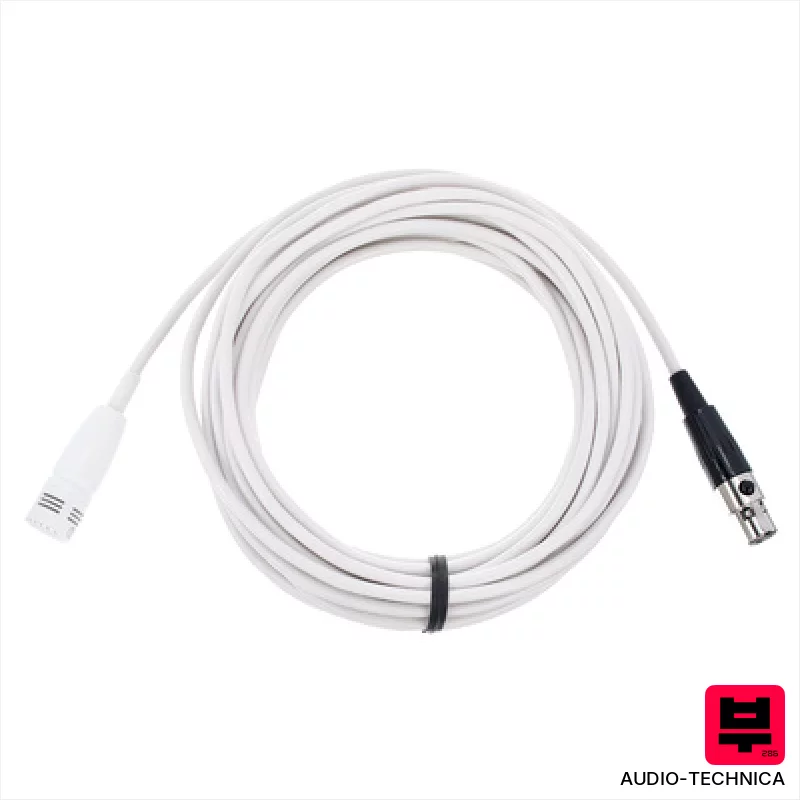
Audio-Technica U853RW
- • Excellent off-axis rejection minimizes room noise, crucial for installations.
- • Robust construction and white finish handle demanding environments reliably.
- • Integrated power supply and mounting hardware simplify installation and setup.
- • Low-cut filter effectively tames low-frequency rumble and proximity effect.
- • Cardioid pattern limits flexibility for diverse sound sources.
- • Relatively heavy for discreet, lightweight hanging applications.
- • White finish can be visually jarring in some aesthetic settings.
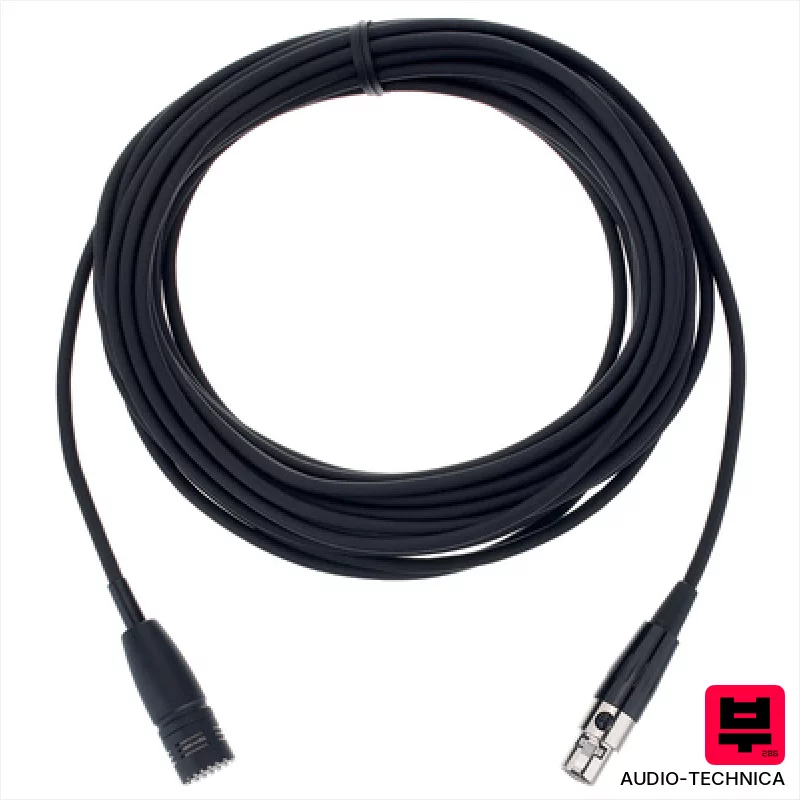
Audio-Technica U853R
- • Excellent off-axis rejection minimizes room noise effectively
- • Robust steel construction ensures long-term durability in demanding installs
- • Integrated low-cut filter cleans up low-frequency rumble reliably
- • Included mounting accessories simplify installation and positioning
- • Cardioid pattern limits flexibility for multi-source recording scenarios
- • The TAF3 connector isn't as universal as XLR, requiring an adapter
- • Relatively heavy for some hanging applications, requiring sturdy mounting
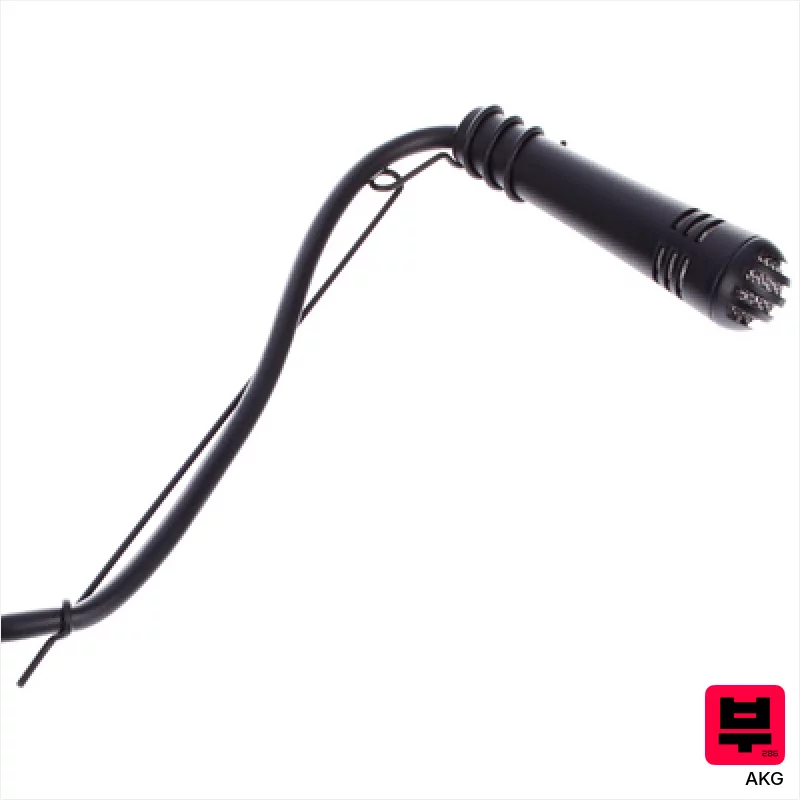
AKG CHM 99 B
- • Robust zinc die-cast housing handles demanding installations.
- • Cardioid pattern effectively isolates choirs, minimizing room noise.
- • Integrated spring clamp simplifies precise and secure alignment.
- • Included 10m cable reduces setup complexity and cable clutter.
- • Relatively heavy build might require stronger hanging hardware.
- • Limited polar pattern choice restricts use in diverse acoustic scenarios.
- • While decent, the frequency response isn't as refined as higher-end models.
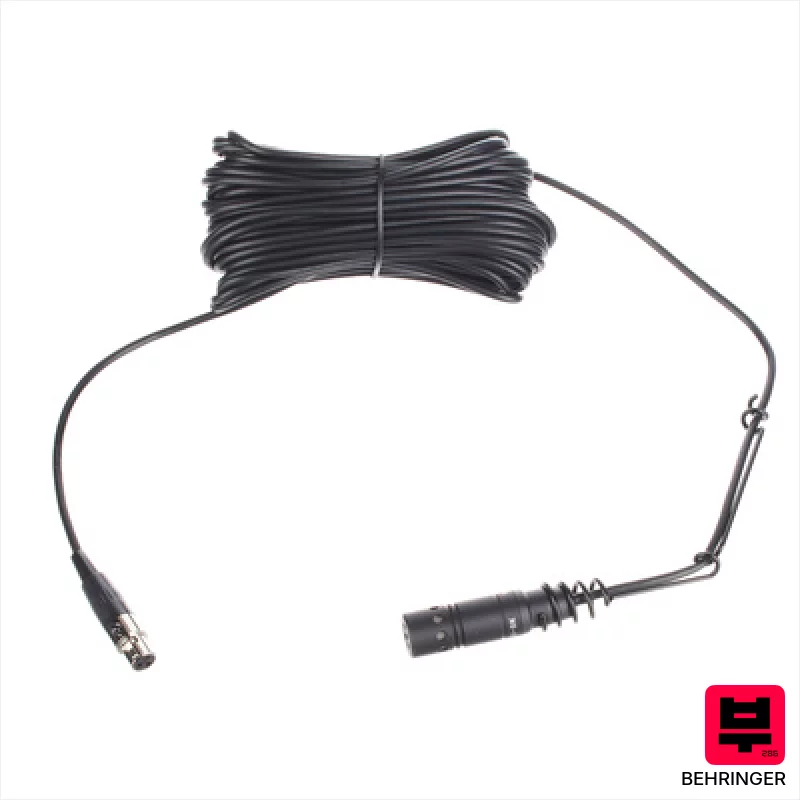
Behringer Hm50-BK
- • Surprisingly robust spring clip offers secure hanging
- • Cardioid pattern effectively rejects off-axis noise
- • 10m cable eliminates need for external cabling
- • Foam windscreen reduces plosives and wind noise
- • Body plastic feels cheap, impacting perceived quality
- • Limited frequency response lacks detail for critical recordings
- • Mini XLR connector is less common, requiring adapters

AKG CHM 99 W
- • Robust spring clamp ensures precise, stable hanging alignment.
- • Cardioid pattern effectively rejects off-axis noise and feedback.
- • The white finish blends discreetly into choir loft environments.
- • Integrated 10m cable reduces clutter and simplifies installation.
- • The substantial weight (480g) requires secure mounting points.
- • Cardioid pattern limits versatility for non-choir applications.
- • Limited frequency response might lack detail for critical recordings.
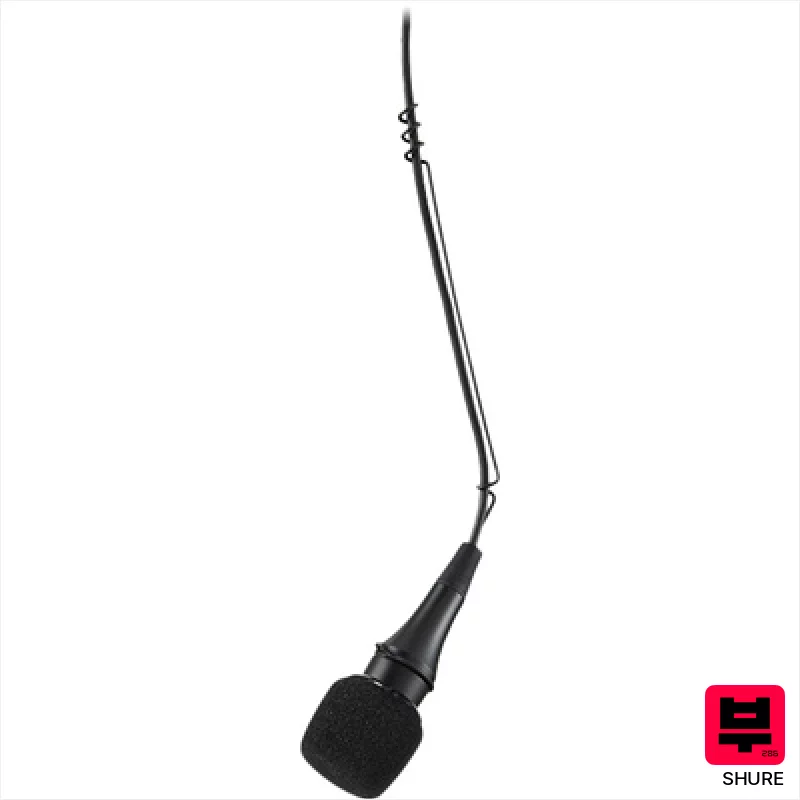
Shure Centraverse CVO-B/C
- • Excellent off-axis rejection minimizes room noise effectively.
- • The included Inmemoryin wire simplifies installation and cable management.
- • Cardioid pattern provides focused sound pickup, ideal for speech.
- • Durable construction with a robust housing designed for demanding environments.
- • Limited frequency response compared to higher-end studio condensers.
- • The 180 Ohm impedance might require a high-quality preamp for optimal gain.
- • Black finish can be prone to showing dust and handling marks.
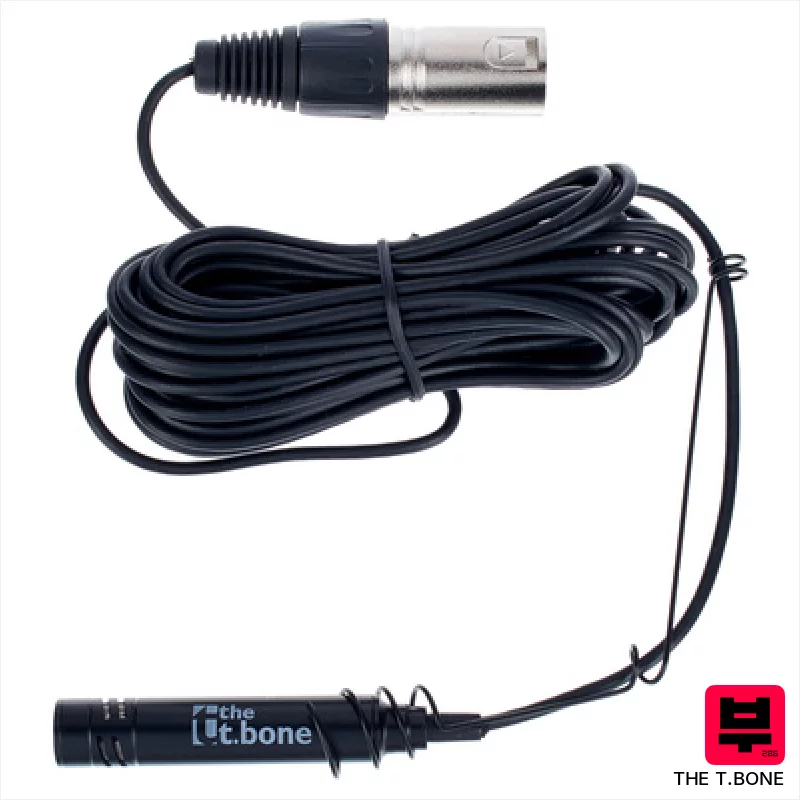
the t.bone HMC 1
- • Surprisingly robust capsule for the price point.
- • Cardioid pattern offers decent isolation in noisy environments.
- • Lightweight design minimizes stress on hanging points.
- • Included bracket simplifies installation and positioning.
- • Sound quality is basic; lacks detail and nuance.
- • Thin body construction feels a little fragile.
- • Limited frequency response; won't suit critical recording applications.
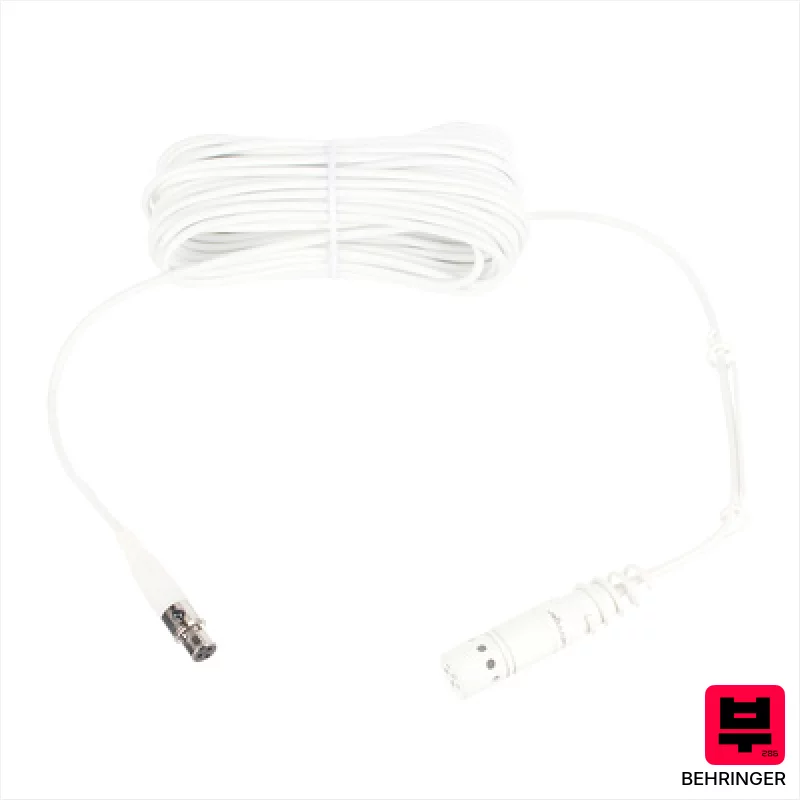
Behringer Hm50
- • Surprisingly robust spring clip offers secure and stable hanging.
- • Cardioid pattern effectively rejects off-axis noise for cleaner recordings.
- • Mini XLR connector and 10m cable provide ample reach and flexibility.
- • Foam windscreen minimizes plosives and wind noise, improving clarity.
- • Thin diaphragm limits transient response and detail compared to pricier mics.
- • Magnetically shielded, but still susceptible to interference in electrically noisy environments.
- • Plastic housing feels noticeably budget-oriented, impacting perceived durability.
How to Choose the Best Hanging Microphones
Polar Pattern
Cardioid is the baseline for rejecting stage bleed, but supercardioid or hypercardioid can be crucial for isolating vocals in a large space. Figure-8 can be useful for stereo recordings of choirs, but demands careful placement to avoid phasing issues.
Frequency Response
Church sound needs warmth - a rolled-off high-end can sound harsh with a lot of acoustic instruments. Look for a mic that emphasizes the lower mids (around 300-500Hz) for that full, present vocal tone without getting muddy. Avoid anything that sounds overly bright or ice-picky.
Sensitivity & SPL Handling
Choirs and praise bands can get loud. You need a mic with enough headroom to handle those dynamic peaks without distorting, and a good sensitivity to pick up quieter passages like a solo acoustic guitar. Don't skimp here, clipping is the death of a good recording.
Off-Axis Response
How a mic sounds when someone's singing slightly off-center is critical. A mic that sounds great straight on can become a phasey mess if the choir isn't perfectly aligned. Smooth off-axis rejection is a huge win for intelligibility.
Build Quality & Suspension
Church mics take a beating. They're getting bumped, adjusted, and generally abused. A robust build and a good suspension system (shock mount) are essential for longevity. Cheap plastic parts will crack, and vibrations will ruin your recordings.
Buying Guide
Don't get caught up in hype. A 'cheap' mic might sound decent in a bedroom, but it'll fall apart in a reverberant church. Paying a little more for a mic with a consistent frequency response and good off-axis rejection is an investment. Suspension is non-negotiable; a cheap foam shock mount won't cut it. Consider the room acoustics too - a mic can only do so much to fix a bad space.
Our Methodology
We're not just looking at spec sheets here. We've spent years playing in church bands, recording services, and swapping gear with other musicians. Our evaluations come from A/B comparisons against industry standards, real-world tests in spaces that aren't perfectly treated, and just plain old listening - because a mic's performance is all about how it sounds in a real room.

