
Best Groove Boxes Under $1,000 2026
Alright, so you're looking for a groove box without emptying your bank account? Smart move. These things can be a total game-changer - instant beats, evolving textures, a quick way to sketch out song ideas. But a grand doesn't go far these days, so we're focusing on getting the most sonic bang for your buck - stuff that'll actually inspire you, not just collect dust.
Last updated: September 28, 2026
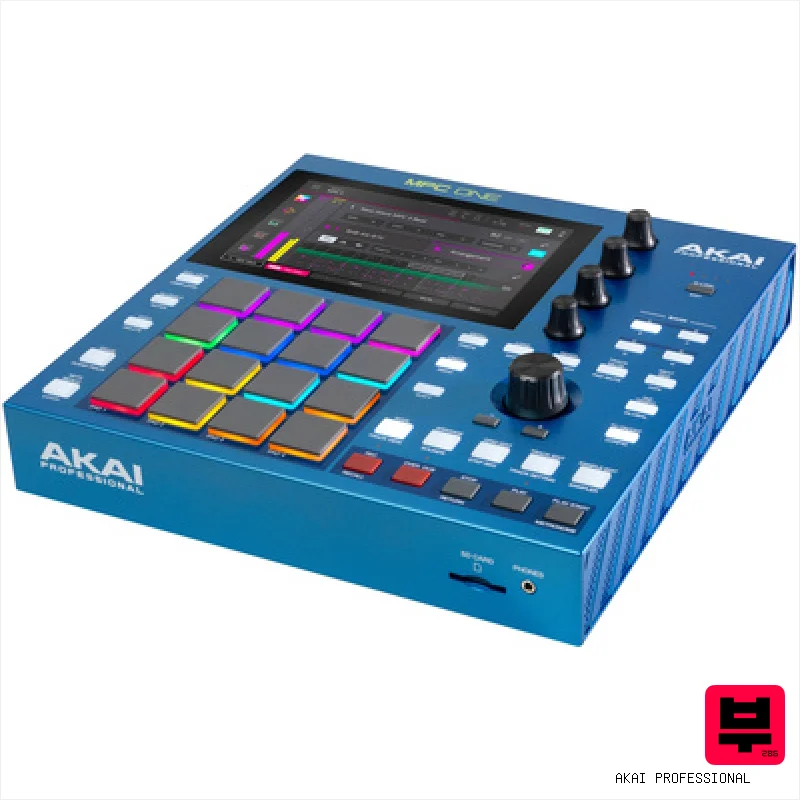
AKAI Professional MPC One G2
- • 16 velocity-sensitive pads with polyphonic aftertouch
- • G2 8-core processor handles complex projects easily
- • 7-inch multi-touch display for intuitive control
- • Built-in DAW supports up to 24 audio channels
- • 64 GB internal storage fills up quickly
- • Missing dedicated hardware faders for mixing
- • Compact size limits large keyboard setups
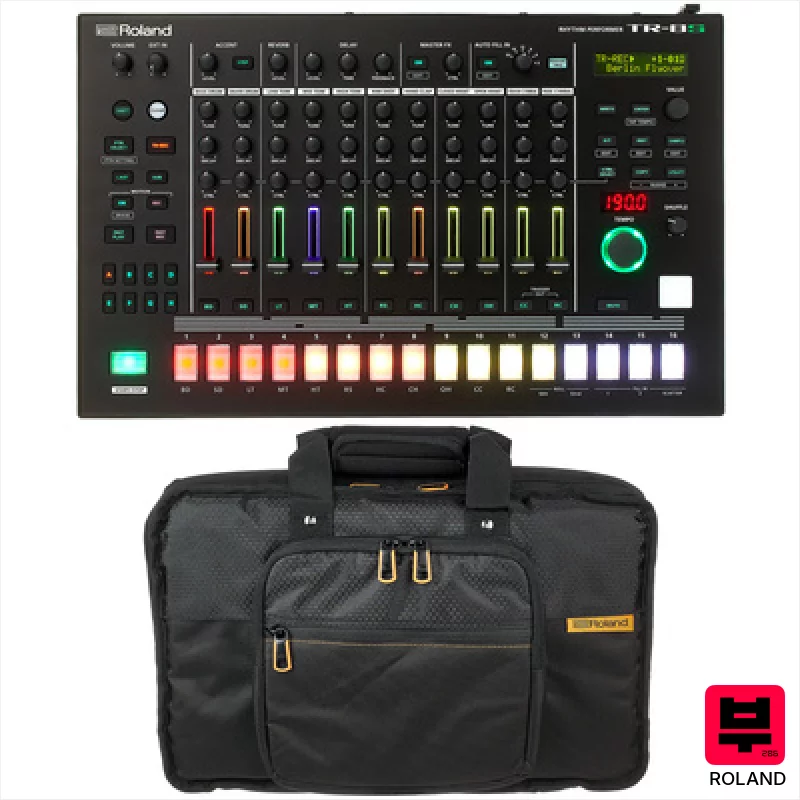
Roland TR-8S Bag Bundle
- • ACB accurately recreates classic Roland drum sounds
- • Stereo sample import expands sonic possibilities significantly
- • Comprehensive connectivity suite for studio and live use
- • Bag bundle offers portability and protection for the unit
- • TR-8S can feel slightly cramped for complex pattern creation
- • ACB engine, while excellent, can be CPU-intensive in some setups
- • Price point puts it in a premium-priced category for a groovebox
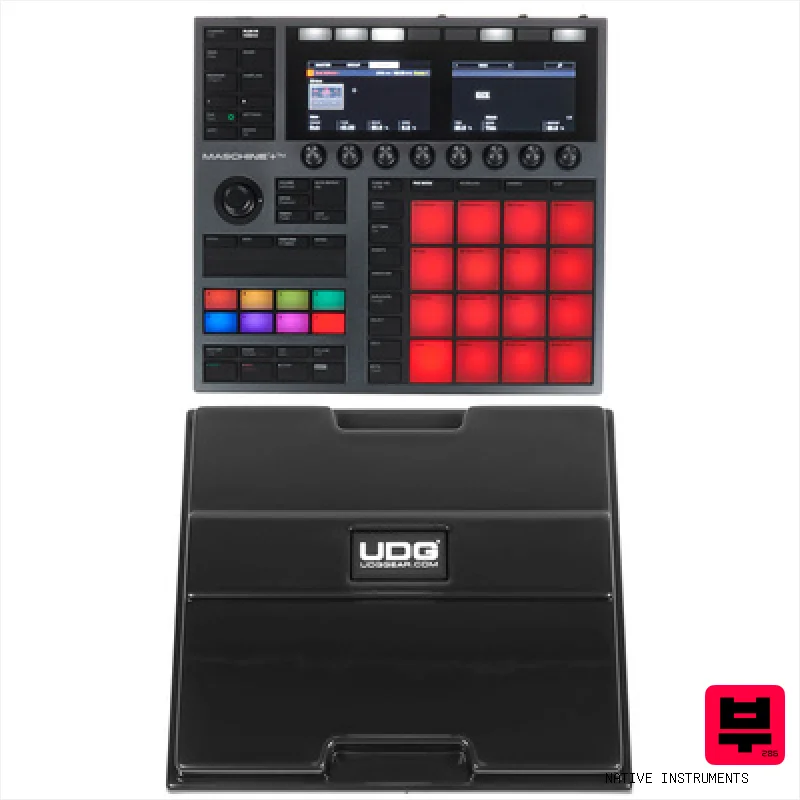
Native Instruments Maschine + Bundle
- • Anodised aluminium housing feels solid and durable in hand.
- • Quad-core CPU handles complex patterns without slowing down.
- • Built-in audio interface offers direct recording capabilities.
- • Includes massive 7.7 GB library and expansion vouchers.
- • 2.5 kg weight makes it heavier than some competitors.
- • Only 32 GB internal storage fills up quickly.
- • No specific track count or sample library size listed.
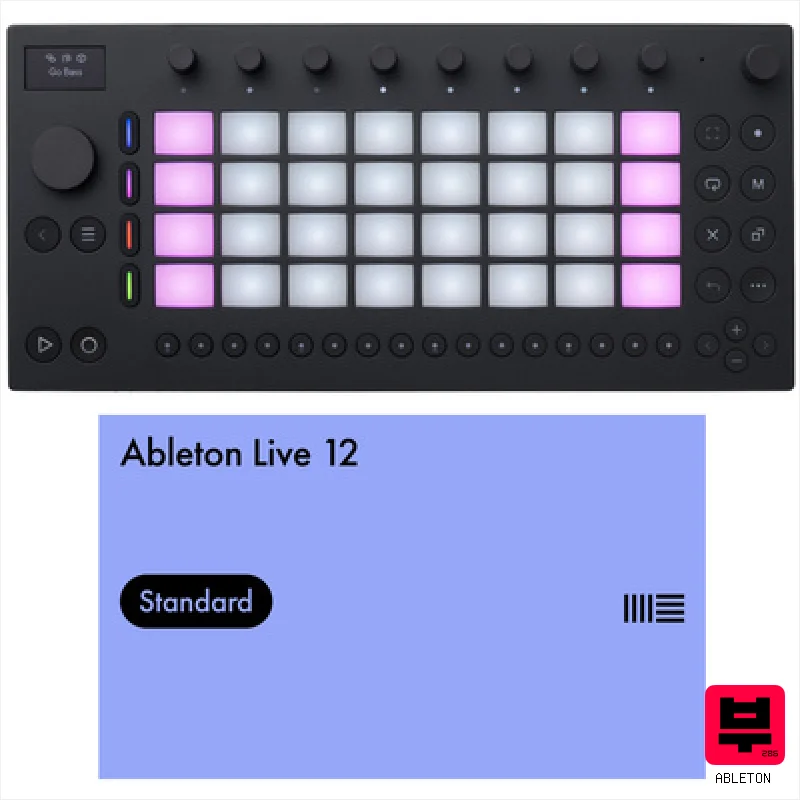
Ableton Move - Live Standard Bundle
- • Built-in battery, mic, speaker, and audio interface in one box.
- • Includes 1500 presets from major artists like L.Dre and BNYX.
- • Allows custom sample creation directly through the internal microphone.
- • Supports 4 flexible tracks with up to 256 steps of sequencing.
- • Lacks a dedicated MIDI controller for advanced playing styles.
- • Limited to 9 standard effects compared to a full studio rig.
- • No external expansion slots for adding more hardware modules.
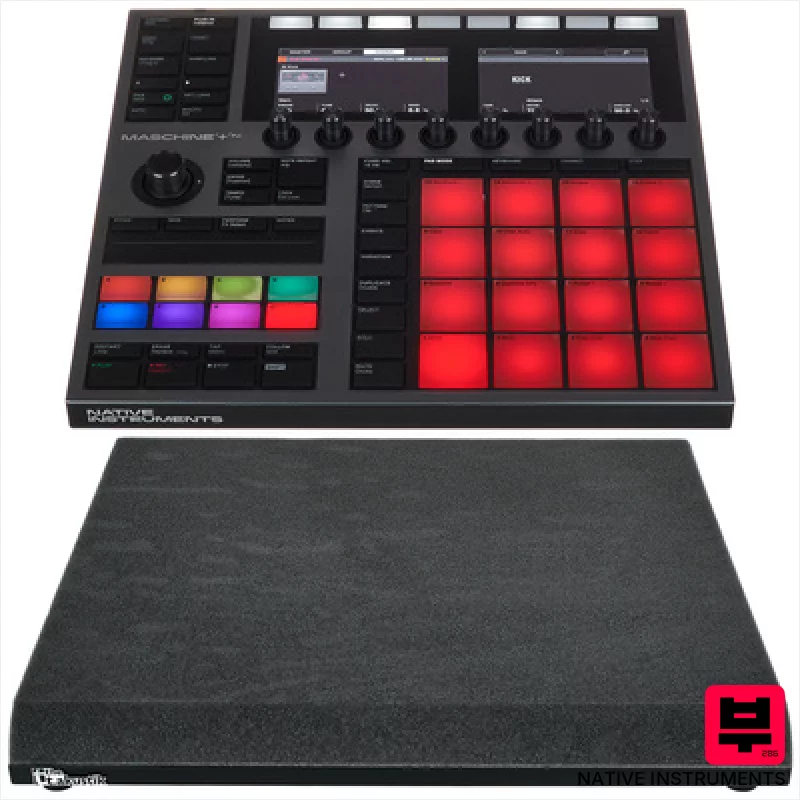
Native Instruments Maschine + ISO-Plate Bundle
- • Anodized aluminum housing feels robust and professional, a significant upgrade.
- • Stand-alone operation eliminates reliance on a computer for core functionality.
- • Maschine Central Library offers a substantial starting point for sound design.
- • Integrated audio interface simplifies recording and monitoring workflows.
- • The 16 velocity-sensitive keys are a bit cramped for complex playing.
- • Limited RAM (4GB) may restrict very large sample library usage.
- • Workflow can feel overwhelming initially, requiring a learning curve.
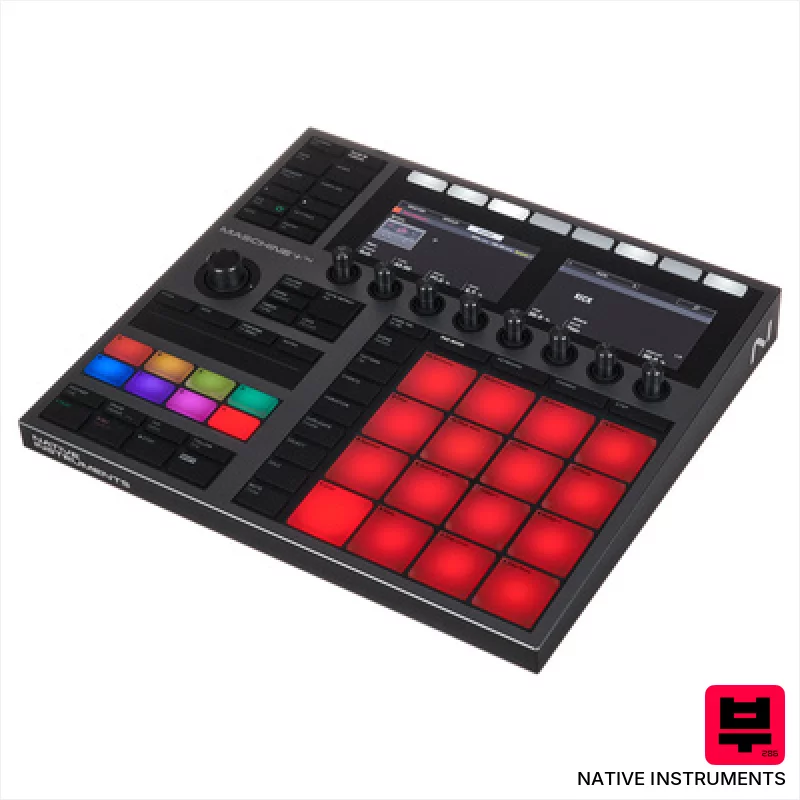
Native Instruments Maschine +
- • Anodized aluminum housing feels incredibly solid and premium.
- • Stand-alone operation removes DAW dependency for true creative freedom.
- • Integrated audio interface simplifies recording and monitoring workflows.
- • Maschine Central provides instant access to a vast sound library.
- • The 16 velocity-sensitive keys are a bit cramped for complex playing.
- • Price point puts it firmly in the premium-priced gear category.
- • Limited connectivity compared to full-blown studio setups.
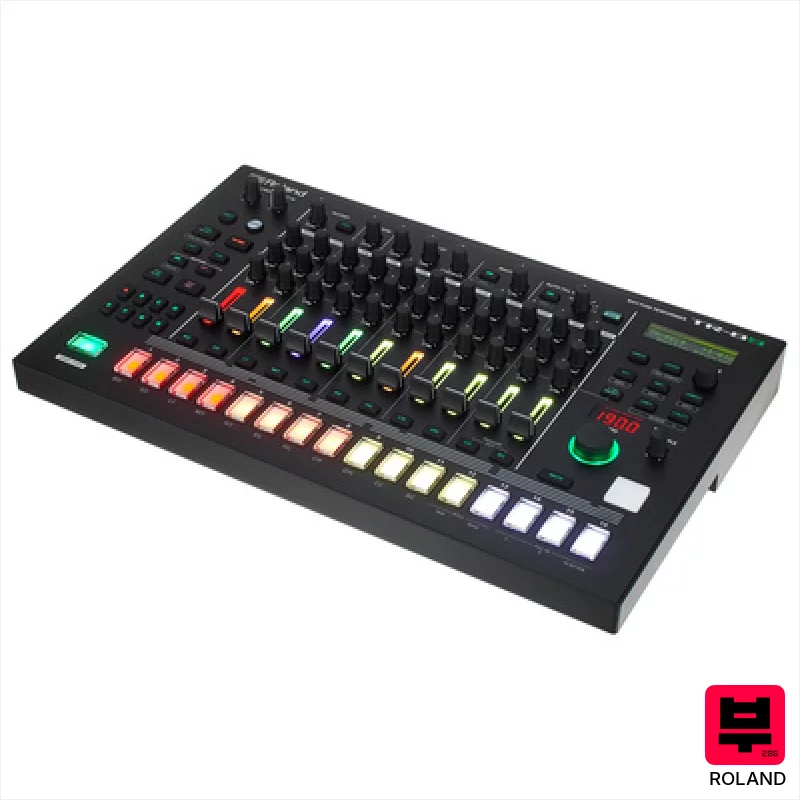
Roland TR-8S
- • ACB engine nails classic Roland drum sounds
- • Flexible sampling allows for custom sound design
- • Comprehensive connectivity for studio and live use
- • Intuitive sequencer fosters rapid beat creation
- • Plastic build feels less robust than higher-end gear
- • Limited polyphony restricts complex layering possibilities
- • Workflow can be overwhelming for absolute beginners
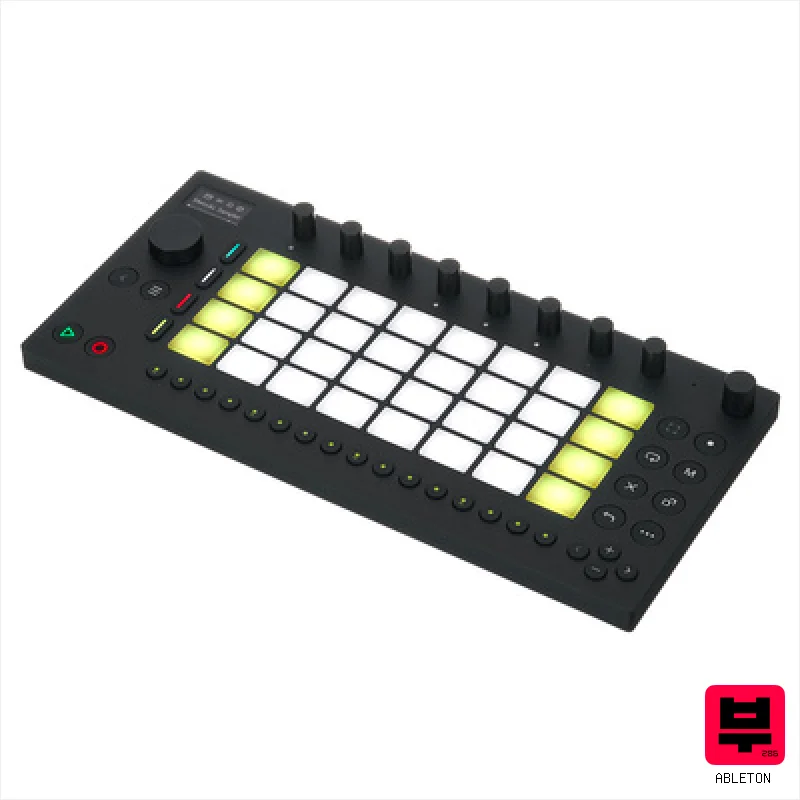
Ableton Move
- • Over 1,500 presets from Ableton Live and partner brands ready to use
- • Built-in battery, microphone, speaker, and audio interface in one box
- • Four flexible tracks for drums, synths, samples, or full audio
- • Direct recording with time-stretching for perfect loop synchronization
- • No external MIDI or keyboard connectivity mentioned for external control
- • No listed track names or specific synth engine details in the text
- • Missing explicit battery life duration or weight specifications
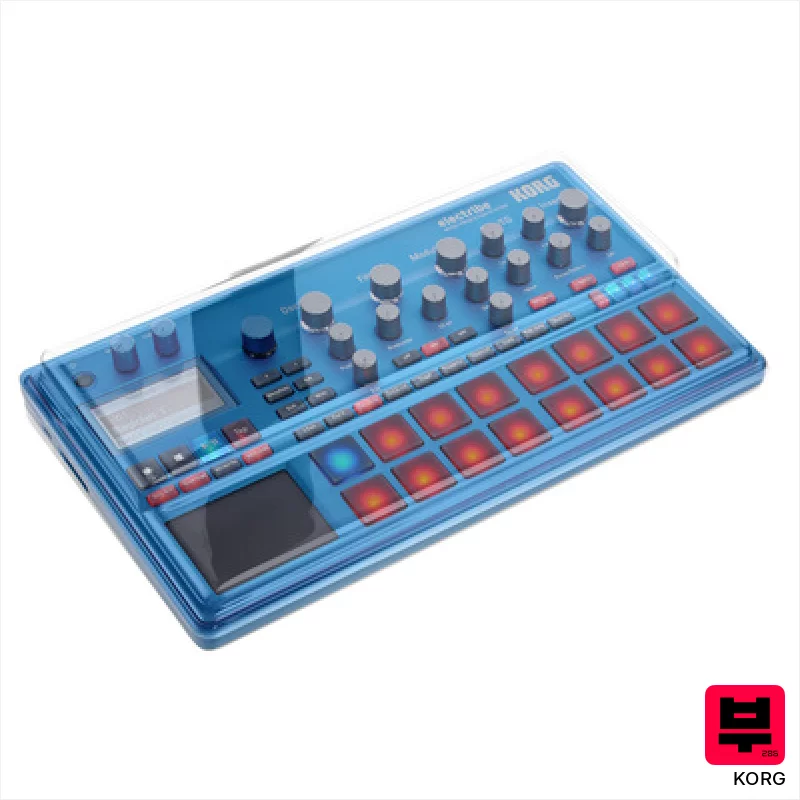
Korg Electribe Blue Decksaver Set
- • Decksaver provides excellent protection against dust and spills
- • Polyphony of 24 voices allows for richer, layered sounds
- • Ableton Live Lite integration streamlines workflow for many users
- • Compact size (339 x 189 x 45 mm) makes it highly portable
- • Limited sampling capabilities compared to more modern groove boxes
- • Micro B USB connection feels dated and somewhat fragile
- • The LCD screen, while functional, lacks the clarity of newer displays
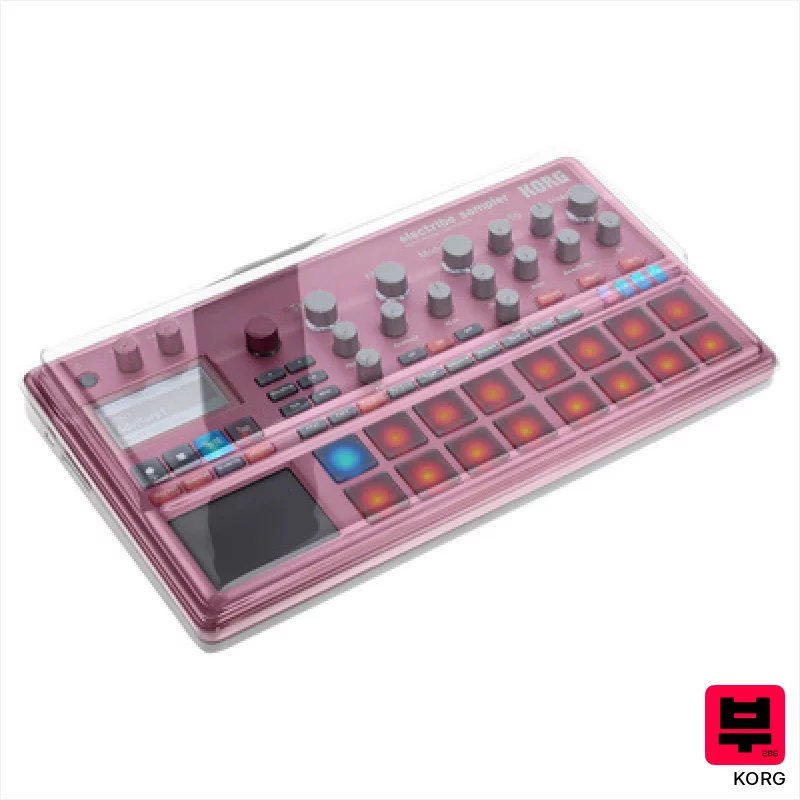
Korg Electribe Red Decksaver Set
- • Decksaver protects from dust and spills, extending lifespan.
- • Sampler's 24 voices offer substantial polyphony for complex arrangements.
- • Touchpad provides intuitive, expressive performance control.
- • Extensive modulation options (72 types) unlock deep sound design.
- • Micro B USB connection feels dated and limiting for modern workflows.
- • Sampling time (270 seconds) can feel restrictive for longer projects.
- • LCD screen is functional but lacks the clarity of newer displays.

Korg Electribe Blue
- • Solid build quality with a metallic blue finish feels premium
- • Versatile sequencing capabilities for complex rhythmic patterns
- • Extensive modulation options allow for evolving, dynamic sounds
- • Ableton Live Lite inclusion is a genuinely useful bonus
- • Limited screen resolution can be challenging for detailed editing
- • Micro B USB connection feels outdated for modern workflows
- • Polyphony limitations require careful part management in larger projects

Korg Electribe Sampler Red
- • Intuitive sequencer fosters rapid beat creation and experimentation.
- • Solid-state filters provide a characterful, gritty sonic texture.
- • Velocity-sensitive pads offer nuanced performance expression.
- • Compact form factor maximizes portability for mobile production.
- • Limited sample time restricts longer, more complex sample-based compositions.
- • Micro-USB B connection feels dated for modern connectivity needs.
- • LCD screen lacks brightness and viewing angles in certain lighting.
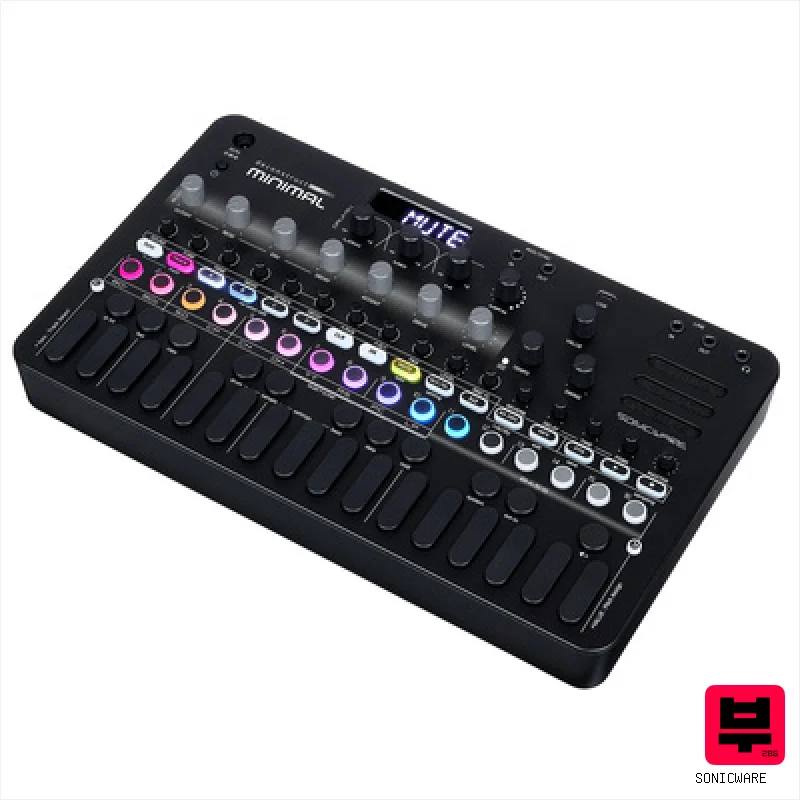
Sonicware deconstruct MINIMAL
- • 11-track setup handles drums, bass, and samples easily
- • 132 sounds cover minimal and techno styles perfectly
- • Analogue modelling bass with sub-oscillator and glide
- • Built-in sampler supports mono and stereo loops
- • No explicit USB or MIDI connection details listed
- • Weight is not stated, likely heavy for a small unit
- • Only 16 drum kits limits kit variety for some users

Playtime Engineering Blipblox myTRACKS
- • Intuitive interface fosters immediate creativity, even for young users.
- • The integrated speaker delivers surprisingly full and clear audio.
- • Pre-loaded kits offer diverse genres, inspiring varied musical exploration.
- • Randomize functions inject playful spontaneity into the music creation process.
- • Limited polyphony might frustrate more experienced, complex arrangement needs.
- • 3.5mm audio output restricts high-end monitoring options.
- • Plastic construction, while durable, lacks the premium feel of metal units.
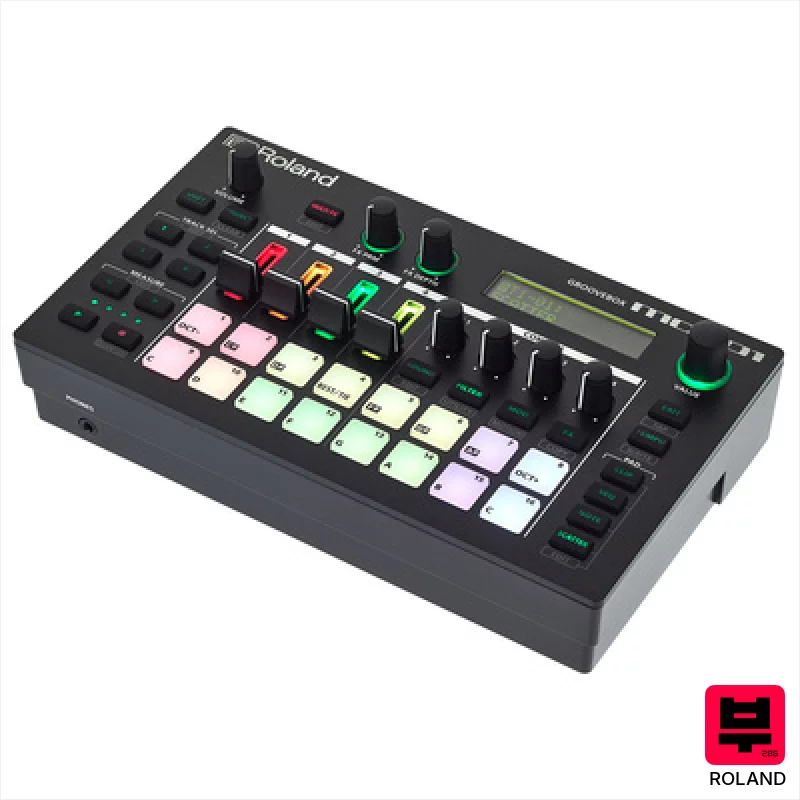
Roland MC-101
- • ZEN-Core engine delivers impressive sonic depth and versatility.
- • Compact size and battery power enable mobile music creation.
- • Intuitive pad-based workflow accelerates beat and loop creation.
- • Integrated audio/MIDI interface simplifies DAW integration and recording.
- • Limited sampling time restricts complex sample-based arrangements.
- • 4-track sequencer can feel restrictive for larger projects.
- • Small screen can be challenging for detailed editing on the go.
Every groove boxes that matches
19 models match this page. The 15 above are covered in detail; the rest are listed here with their published specifications.
| # | Model | Specifications | Price |
|---|---|---|---|
| 16 | Roland TR-6S Rhythm Performer | not published | $432 |
| 17 | Cyclone Analogic TT-78 Beat Bot | not published | $336 |
| 18 | Cyclone Analogic TT-606 Drum Drone | not published | $314 |
| 19 | Sonicware LIVEN Mega Synthesis | not published | $307 |
Groove Boxes by the numbers
Measured across all 19 models in this category, so «wide», «short» or «expensive» mean something you can check.
How to Choose the Best Groove Boxes
Sound Engine
A decent sound engine is the foundation. We're looking for something that goes beyond basic sampled drums and cheesy presets. Character, versatility, and the potential for tweaking are key - does it offer FM, wavetable, or sample manipulation?
Sequencing Capabilities
Step sequencing is a must, but look for polyphony, pattern chaining, and maybe even some basic automation. Can you create evolving rhythms and textures beyond a simple loop?
Connectivity
MIDI I/O is essential, but consider audio inputs/outputs for sampling or integrating with external gear. USB audio interface capability is a huge plus for recording directly into your DAW.
Workflow
Groove boxes are meant to be inspiring, not frustrating. A clunky interface or confusing menu system will kill your creativity fast. Look for tactile controls and a logical layout.
Sound Library/Expandability
While a good groove box should sound great with minimal tweaking, a decent starting library and the ability to load your own samples or expand with third-party sounds is a big bonus.
Buying Guide
At this price point, expect some compromises. You might not get the deepest synthesis engine or the most pristine converters. Often, you'll find a great core sound but the effects might be a little basic. Prioritize workflow and the core sound engine-those are the things that'll keep you creating. Don't get hung up on a massive sound library; a few killer sounds you can really dial in are better than hundreds of mediocre ones.
How This List Is Built
We don't play these instruments — we're a catalog, not a review desk, and we'd rather say so than pretend otherwise. This page covers 19 groove boxes from the Thomann catalogue, which is the largest single source of specification data in this category: 15 in detail, the rest listed with their specifications.
Position is computed, not curated. We parse the manufacturer's own description into actual values — nut width, scale, fret count, fingerboard radius, size, alloy — and rank on them: how many specifications a model has published, how many of them are measurable numbers, and how precisely it meets this page's criterion. A product image adds a little. Price is not a ranking signal: it tells you nothing about whether a neck fits your hand. The same inputs always produce the same order, so nothing here is shuffled to look fresh.
What this list is good for: narrowing a category down to a shortlist by spec and budget. What it isn't: a substitute for hearing an instrument. Before you buy, read hands-on reviews and, where you can, play it. Full methodology.

