
Best Groove Boxes for Advanced 2026
Alright, so you're not messing around with basic loops and one-bar phrases anymore. You want a groove box that can handle complex polyrhythms, deep sequencing, and sound design that goes beyond presets. These aren't toy boxes; they're production powerhouses for players who actually play and want to push boundaries - let's talk about which ones can keep up with you.
Last updated: April 11, 2026
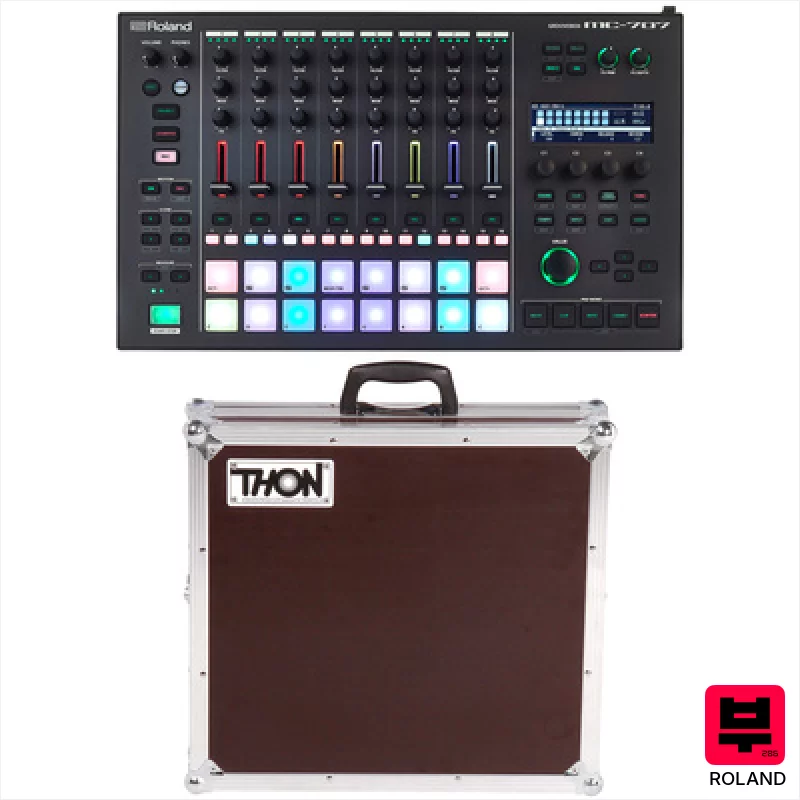
Roland MC-707 Case Bundle
- • Robust case provides excellent protection during transport and storage
- • ZEN-Core engine delivers a surprisingly wide palette of modern and classic sounds
- • 8-track sequencer offers significant compositional flexibility for intricate arrangements
- • Velocity-sensitive pads facilitate intuitive and expressive performance control
- • Limited sample storage space restricts longer or numerous custom samples
- • Workflow can feel slightly complex initially, requiring time to master
- • Lack of dedicated audio outputs limits professional studio integration options
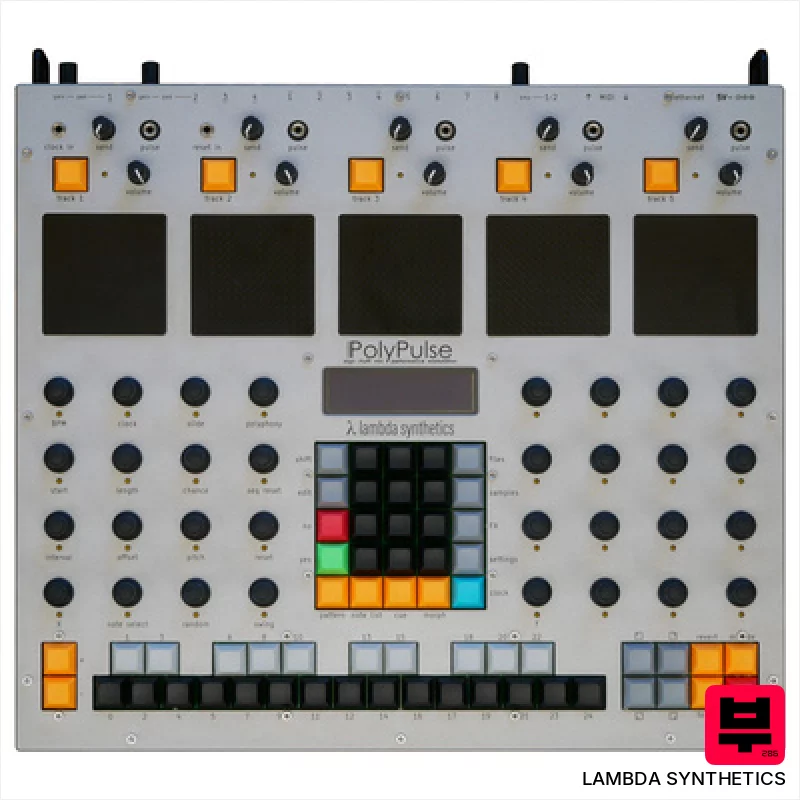
Lambda Synthetics PolyPulse
- • Algorithmic sequencing offers unparalleled rhythmic complexity and experimentation.
- • Resonator engine delivers uniquely organic and evolving textures.
- • Five independent parts allow for incredibly layered and intricate compositions.
- • Additive synthesis with 32 partials provides stunning harmonic richness.
- • Steep learning curve; the algorithmic sequencing demands dedication to master.
- • The granular sampler lacks real-time looping capabilities, limiting spontaneity.
- • Premium-priced; represents a significant investment for most musicians.

Teenage Engineering OP-XY
- • Robust matte black aluminum enclosure feels exceptionally premium and durable.
- • The dual CPU architecture ensures glitch-free performance even with complex sequences.
- • Versatile synth engines offer a surprisingly wide range of sonic textures, from gritty to lush.
- • Punch-in effects provide creative flexibility for on-the-fly performance alterations.
- • Limited screen size and menu navigation can feel cumbersome for complex editing.
- • The workflow, while unique, demands a significant learning curve and patience.
- • While portable, the relatively high price point restricts accessibility for many.
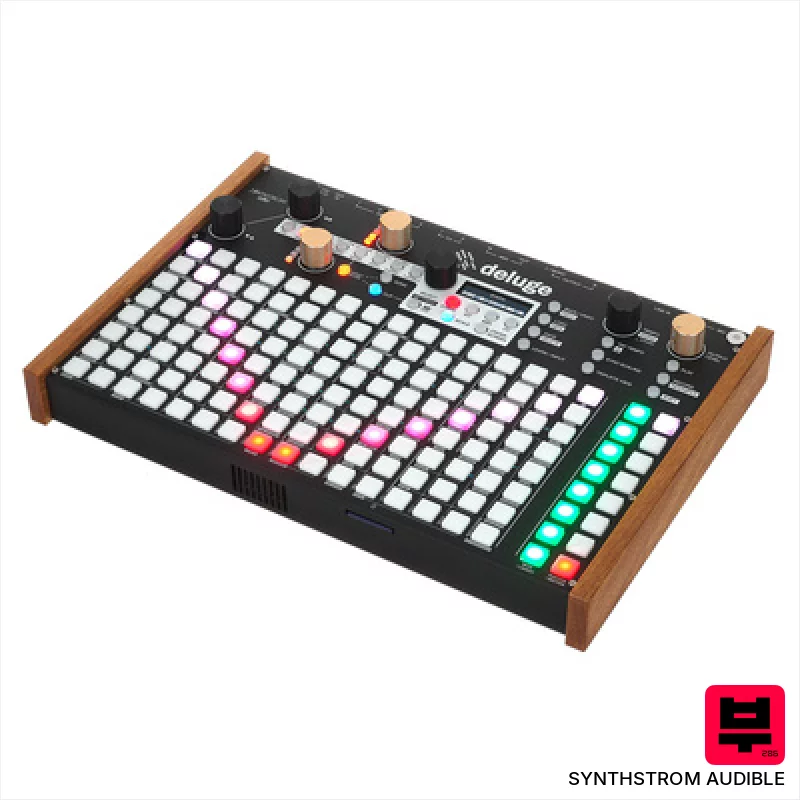
Synthstrom Audible Deluge
- • Exceptional sequencing capabilities with the RGB pads offer immediate workflow.
- • The polyphony (64 voices) allows for lush, complex soundscapes.
- • Versatile synthesis engine handles subtractive, wavetable, and FM sounds.
- • CV/gate outputs unlock deep integration with modular setups.
- • The learning curve is steep; mastering its full potential takes time.
- • The size and weight make it less ideal for mobile production.
- • Limited sampling capabilities compared to dedicated samplers.
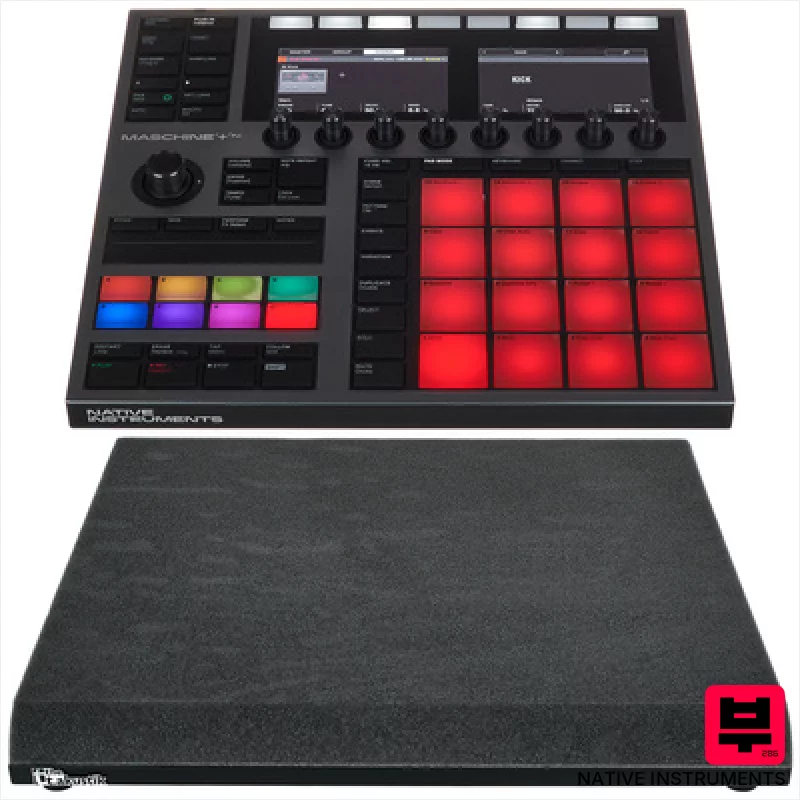
Native Instruments Maschine + ISO-Plate Bundle
- • Anodized aluminum housing feels robust and professional, a significant upgrade.
- • Stand-alone operation eliminates reliance on a computer for core functionality.
- • Maschine Central Library offers a substantial starting point for sound design.
- • Integrated audio interface simplifies recording and monitoring workflows.
- • The 16 velocity-sensitive keys are a bit cramped for complex playing.
- • Limited RAM (4GB) may restrict very large sample library usage.
- • Workflow can feel overwhelming initially, requiring a learning curve.
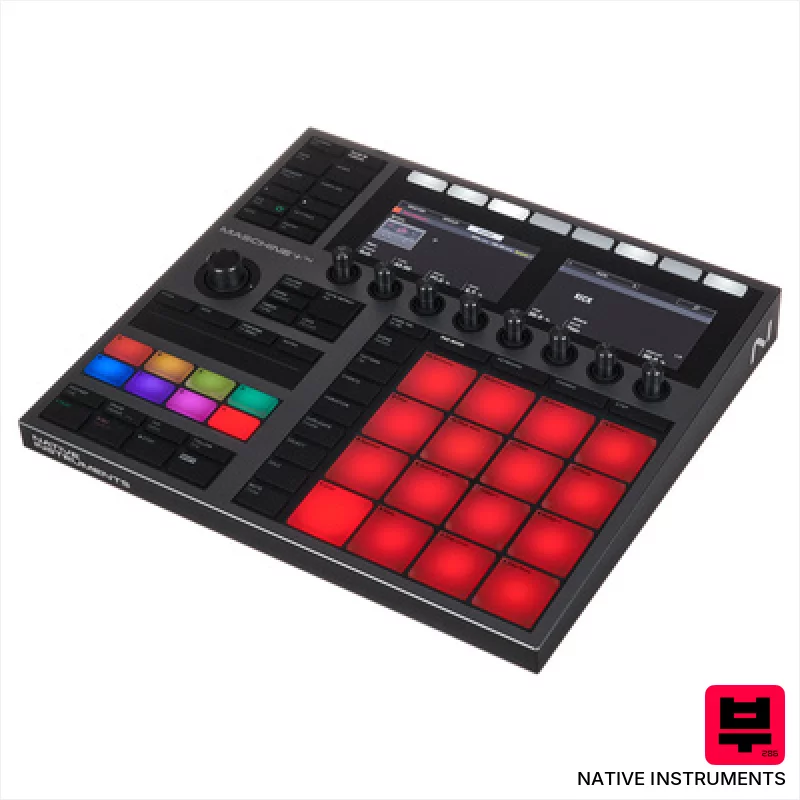
Native Instruments Maschine +
- • Anodized aluminum housing feels incredibly solid and premium.
- • Stand-alone operation removes DAW dependency for true creative freedom.
- • Integrated audio interface simplifies recording and monitoring workflows.
- • Maschine Central provides instant access to a vast sound library.
- • The 16 velocity-sensitive keys are a bit cramped for complex playing.
- • Price point puts it firmly in the premium-priced gear category.
- • Limited connectivity compared to full-blown studio setups.
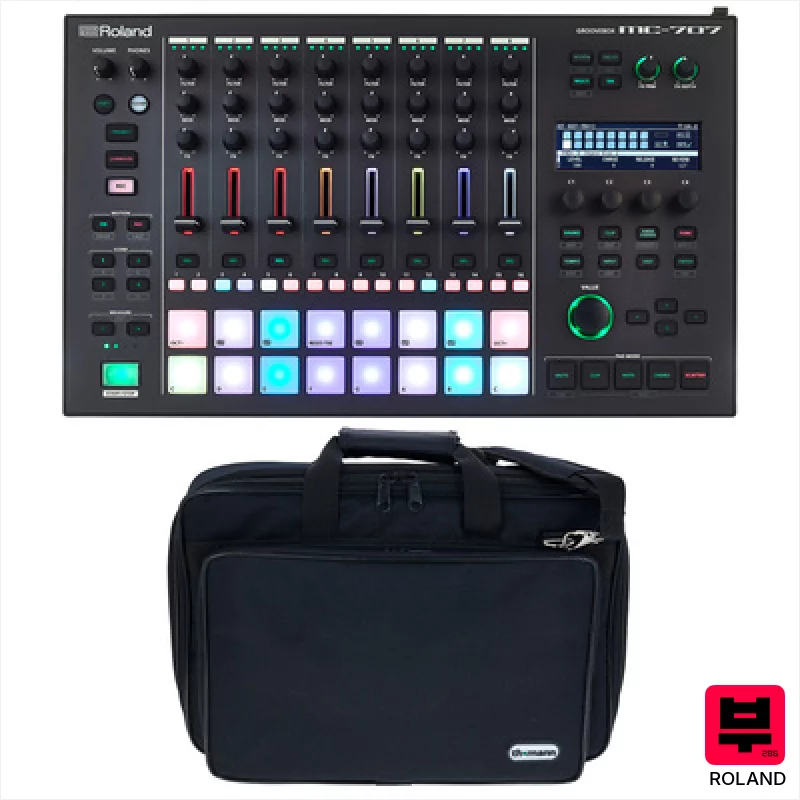
Roland MC-707 Bag Bundle
- • ZEN-Core engine delivers impressively detailed and versatile sounds.
- • 8-track sequencer provides robust arrangement capabilities for complex productions.
- • Velocity-sensitive pads offer immediate, expressive performance control.
- • Importing samples expands sonic palette and allows for personalized grooves.
- • Limited sample storage space restricts extensive user sample integration.
- • Workflow can be initially complex, requiring a learning curve for new users.
- • The all-plastic enclosure, while lightweight, lacks a premium feel.
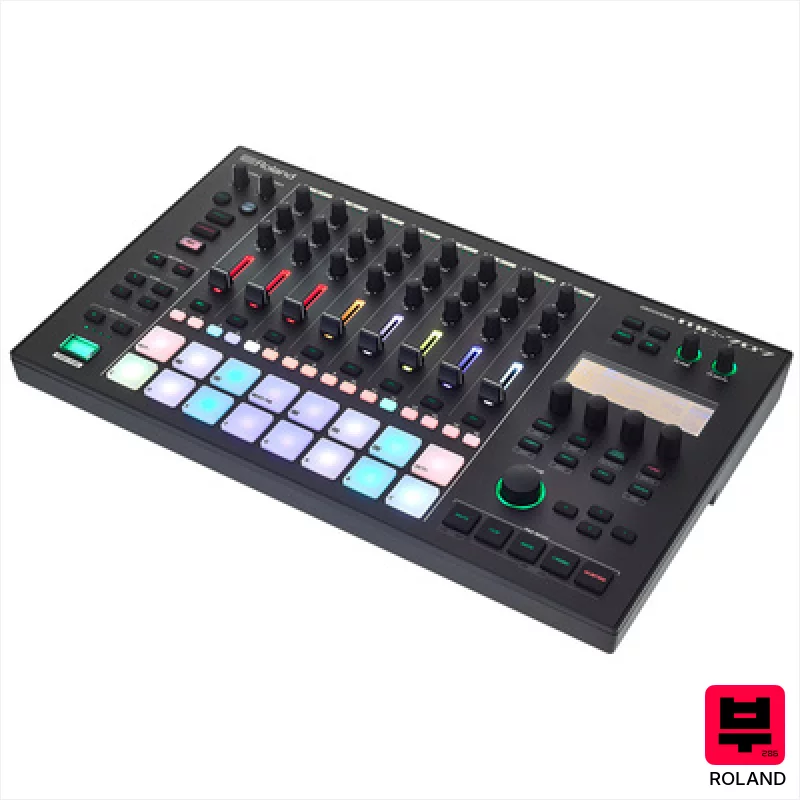
Roland MC-707
- • ZEN-Core engine delivers surprisingly rich, nuanced sounds
- • Intuitive TR-style sequencing is fast for beat creation
- • Comprehensive effects suite allows for deep sound shaping
- • Compact design and portability make it ideal for mobile production
- • Limited sample storage restricts longer, complex sample-based tracks
- • The workflow can feel cramped for intricate arrangement projects
- • ZEN-Core, while versatile, lacks the raw character of some older engines
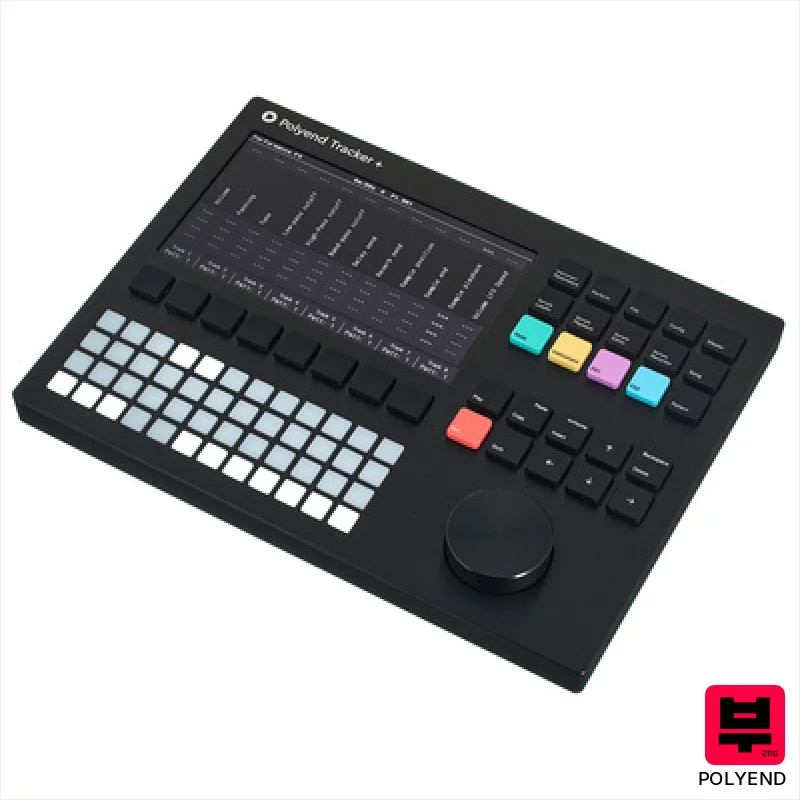
Polyend Tracker+
- • Excellent step sequencer offers incredible rhythmic complexity and precision.
- • Versatile synth engines cover a wide range of sonic textures, from fat analog to FM.
- • Illuminated silicone pads provide tactile, responsive performance and workflow.
- • Standalone operation eliminates reliance on a computer, boosting creative freedom.
- • The learning curve is steep, demanding significant time investment to master.
- • Limited polyphony (8 voices) can restrict complex arrangements.
- • Physical size makes it less ideal for truly portable music production.

Polyend Play+
- • Four distinct synth engines offer surprising tonal breadth and character.
- • The RGB silicon pads feel responsive and tactile, enhancing workflow.
- • Variation system provides impressive rhythmic complexity and creative possibilities.
- • 8x16 grid is remarkably intuitive for sequencing, especially for live performance.
- • Limited polyphony on the virtual analog engine can restrict larger arrangements.
- • Sample import process can be cumbersome, lacking advanced editing features.
- • The overall size and weight make it less ideal for purely mobile setups.
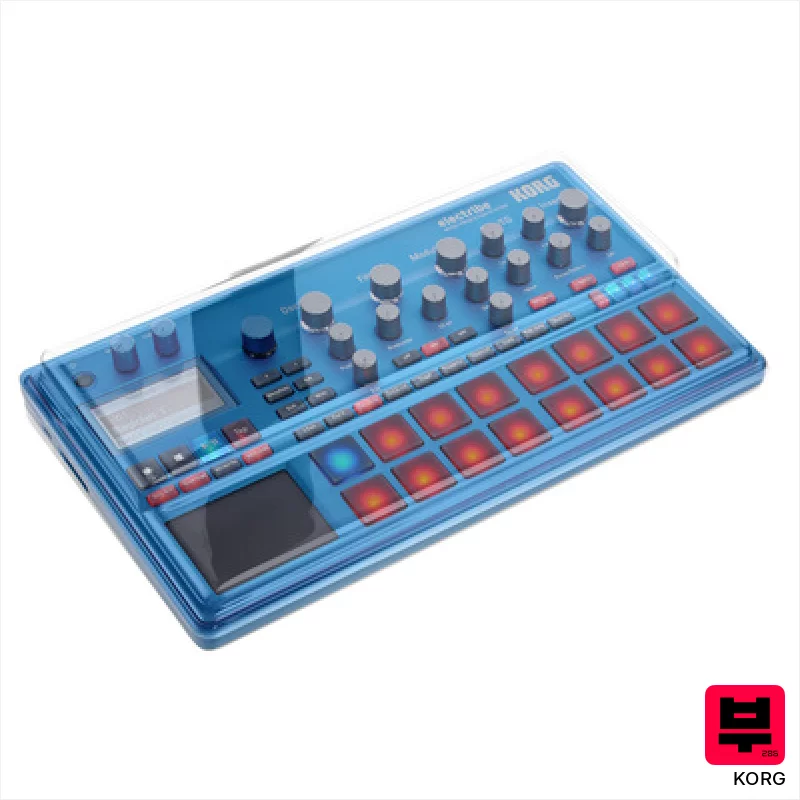
Korg Electribe Blue Decksaver Set
- • Decksaver provides excellent protection against dust and spills
- • Polyphony of 24 voices allows for richer, layered sounds
- • Ableton Live Lite integration streamlines workflow for many users
- • Compact size (339 x 189 x 45 mm) makes it highly portable
- • Limited sampling capabilities compared to more modern groove boxes
- • Micro B USB connection feels dated and somewhat fragile
- • The LCD screen, while functional, lacks the clarity of newer displays
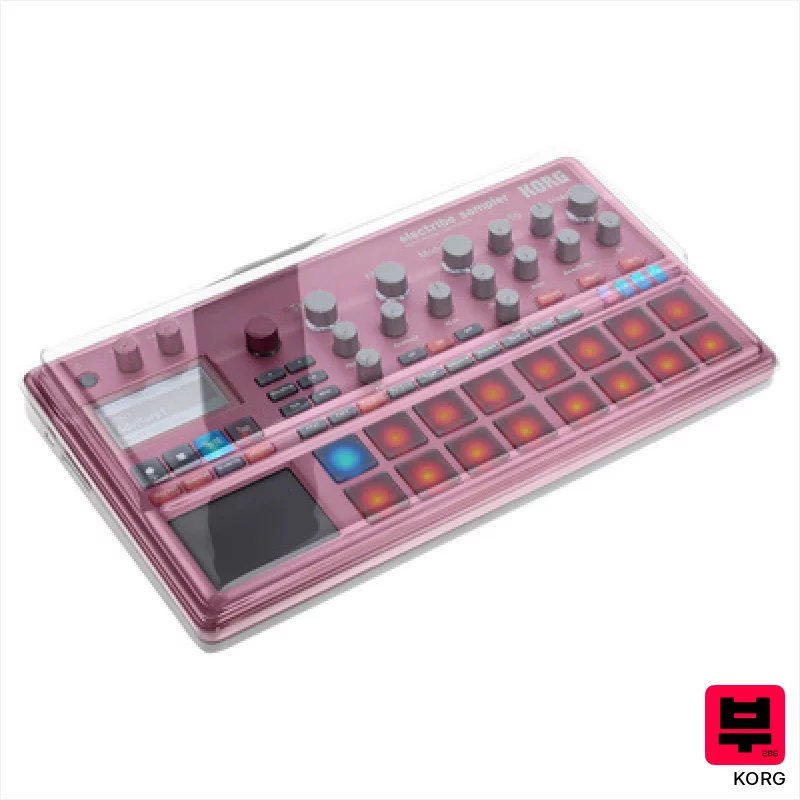
Korg Electribe Red Decksaver Set
- • Decksaver protects from dust and spills, extending lifespan.
- • Sampler's 24 voices offer substantial polyphony for complex arrangements.
- • Touchpad provides intuitive, expressive performance control.
- • Extensive modulation options (72 types) unlock deep sound design.
- • Micro B USB connection feels dated and limiting for modern workflows.
- • Sampling time (270 seconds) can feel restrictive for longer projects.
- • LCD screen is functional but lacks the clarity of newer displays.
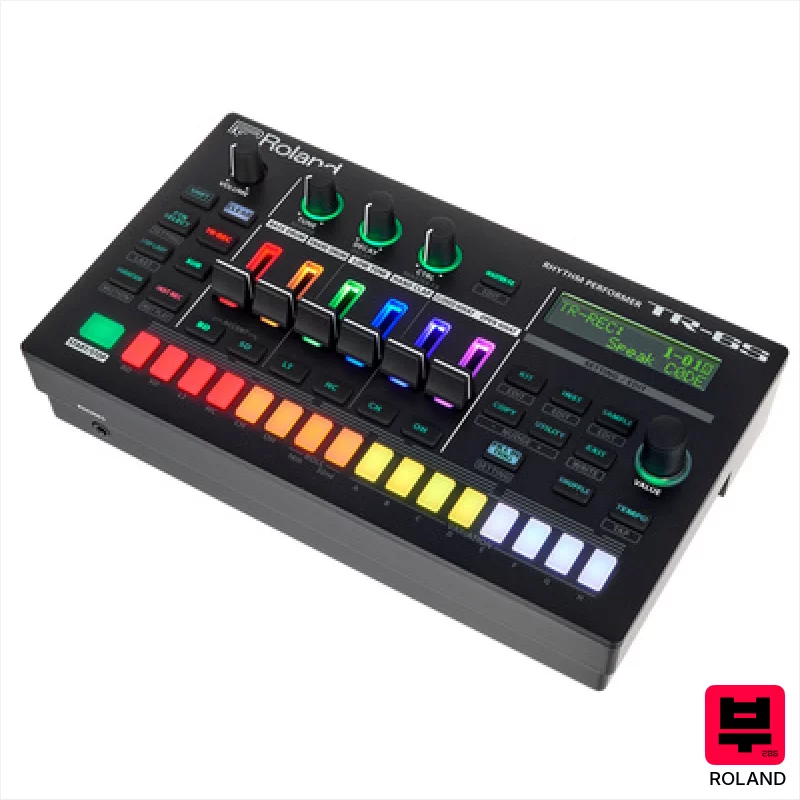
Roland TR-6S Rhythm Performer
- • ACB modeling captures classic Roland drum sounds authentically
- • Compact size makes it incredibly portable for gigging
- • Step sequencer’s motion recording adds nuanced rhythmic variation
- • Stereo sample import expands sonic possibilities beyond pre-loaded sounds
- • Limited polyphony restricts complex layering and arrangement options
- • 3.5mm headphone output feels a bit flimsy for serious monitoring
- • FM engine's sounds can feel thin compared to dedicated synths
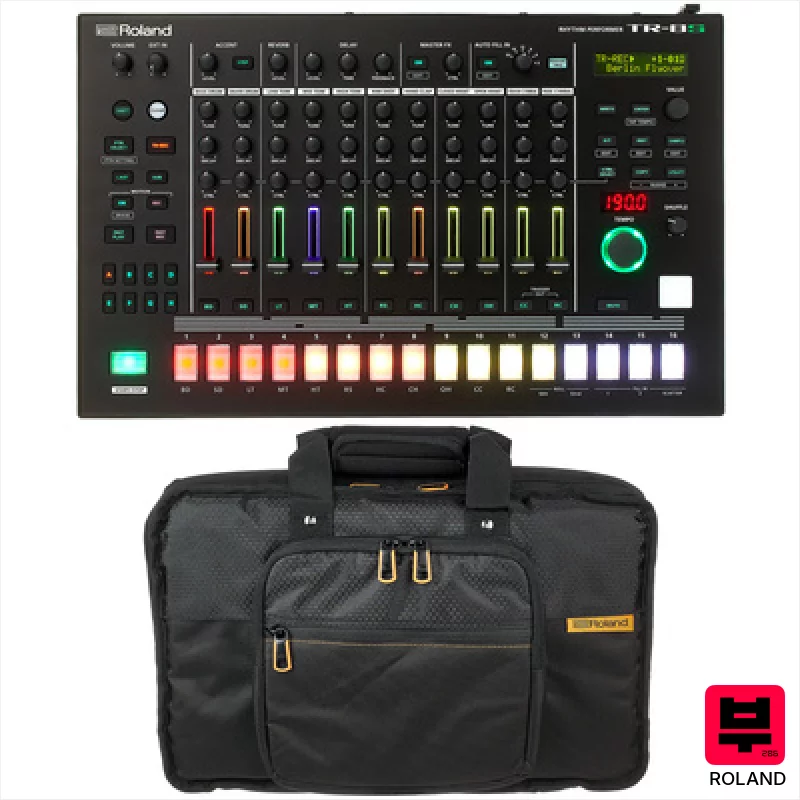
Roland TR-8S Bag Bundle
- • ACB accurately recreates classic Roland drum sounds
- • Stereo sample import expands sonic possibilities significantly
- • Comprehensive connectivity suite for studio and live use
- • Bag bundle offers portability and protection for the unit
- • TR-8S can feel slightly cramped for complex pattern creation
- • ACB engine, while excellent, can be CPU-intensive in some setups
- • Price point puts it in a premium-priced category for a groovebox

Korg Electribe Sampler Red
- • Intuitive sequencer fosters rapid beat creation and experimentation.
- • Solid-state filters provide a characterful, gritty sonic texture.
- • Velocity-sensitive pads offer nuanced performance expression.
- • Compact form factor maximizes portability for mobile production.
- • Limited sample time restricts longer, more complex sample-based compositions.
- • Micro-USB B connection feels dated for modern connectivity needs.
- • LCD screen lacks brightness and viewing angles in certain lighting.
How to Choose the Best Groove Boxes
Sequencing Depth
Forget simple step sequencing. We need MPE support, polyrhythm capabilities, LFO modulation of parameters, and the ability to create truly evolving patterns that don't sound robotic. The more control you have over timing and articulation, the better.
Sound Engine Flexibility
Preset sounds are a starting point, not the destination. Can you dive into oscillators, filters, envelopes, and effects to sculpt your own signature sounds? A limited sound palette quickly becomes a creative bottleneck.
Playability & Workflow
A complex machine shouldn't feel like a chore. Responsive pads, intuitive knob layout, and a logical menu structure are essential for getting ideas out quickly, especially when you're in the zone writing a bassline or tweaking a drum groove.
Modulation Matrix
This is where the magic happens. A robust modulation matrix lets you connect almost any parameter to almost any source - LFOs, envelopes, sequencers, velocity - unlocking complex textures and movement that's far beyond basic automation.
Integration & Expandability
Can it talk to your other gear via MIDI or CV/Gate? Can you load your own samples or plugins? Being locked into a closed ecosystem stifles creativity and limits your overall production potential.
Buying Guide
Don't be fooled by flashy interfaces. A groove box's true value is in its depth and flexibility. Paying extra for a unit with a deeper modulation matrix and more powerful sound engine is almost always worth it. The learning curve will be steeper, sure, but the payoff in sonic possibilities is huge - especially if you're gigging and need sounds that cut through a live mix. Beware of units that skimp on MIDI implementation; reliable MIDI sync is non-negotiable.
How This List Is Built
We don't play these instruments — we're a catalog, not a review desk, and we'd rather say so than pretend otherwise. This page ranks 15 groove boxes from the Thomann catalogue, which is the largest single source of specification data in this category.
Position is computed, not curated. Four signals, in order of weight: how completely the manufacturer documents the instrument (number of published specifications), where it sits in the price range, how specific the model designation is — which filters out generic accessories — and whether a product image exists. The same inputs always produce the same order, so nothing here is shuffled to look fresh.
What this list is good for: narrowing a category down to a shortlist by spec and budget. What it isn't: a substitute for hearing an instrument. Before you buy, read hands-on reviews and, where you can, play it. Full methodology.

