
Best Gooseneck Microphones Under $2,000 2026
Alright, so you need a gooseneck mic. Not just any mic, but one that'll actually sound decent and not fall over every time someone bumps the table - and you're trying to keep the budget under $2000. We've all been there. This isn't about flagship studio mics; it's about finding the sweet spot where reliability and usable tone meet affordability for gigs, rehearsals, and even decent vocal tracking.
Last updated: April 11, 2026
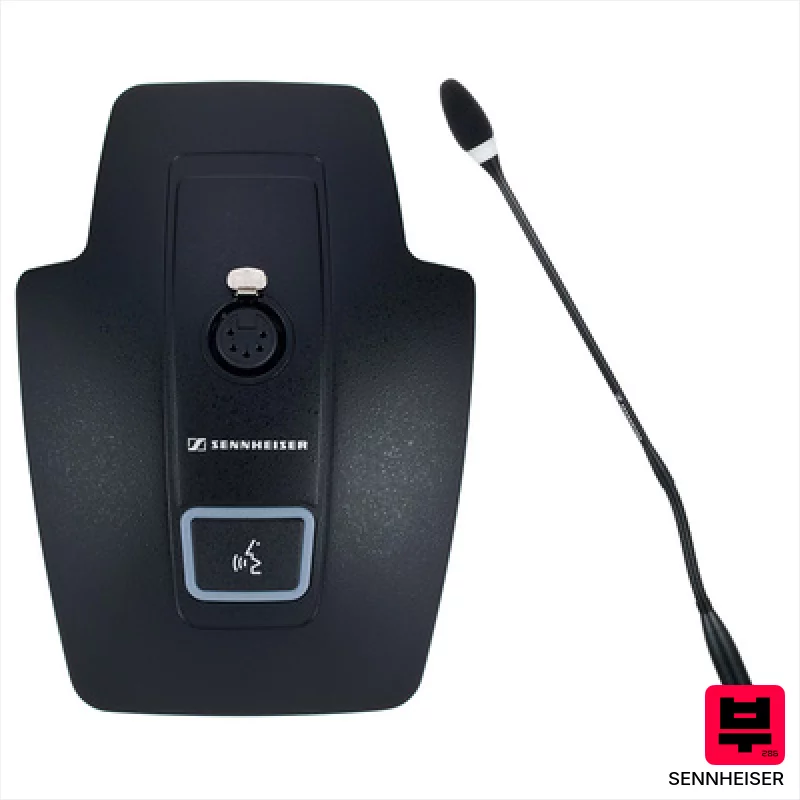
Sennheiser MEG 14-40-L-II B Stand Bundle
- • Robust gooseneck provides excellent positioning stability.
- • MAT 153-S base offers convenient talkback functionality.
- • Cardioid pattern effectively rejects off-axis noise.
- • Light ring aids visibility in dimly lit environments.
- • Limited frequency response compared to higher-end condenser mics.
- • The bundle's weight can be cumbersome for extended use.
- • Gooseneck length might be restrictive for some applications.
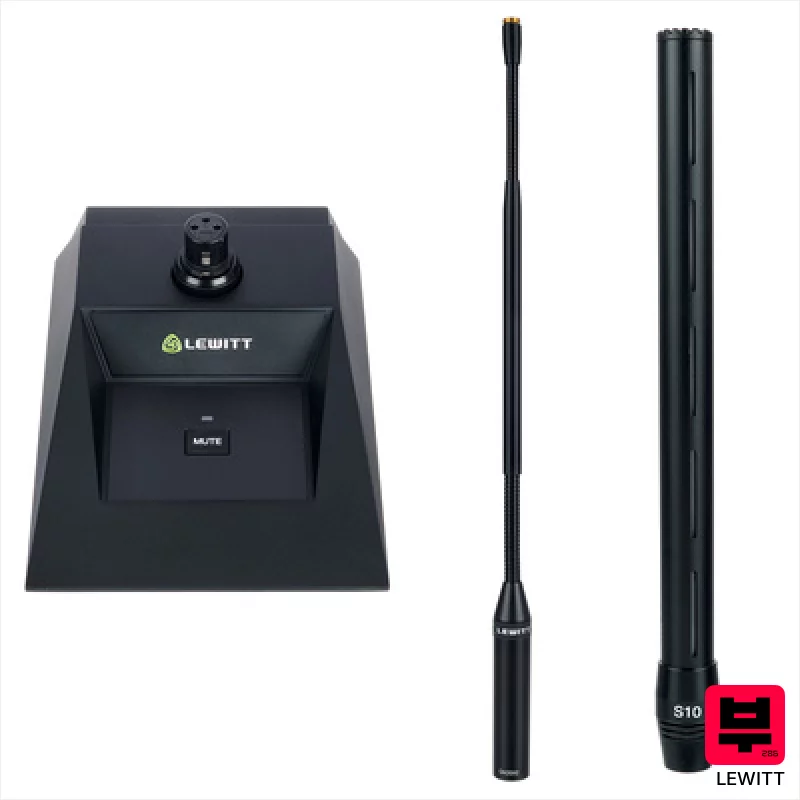
Lewitt S10 Conference Bundle
- • Excellent gain before feedback minimizes room noise issues.
- • The GN35X2 gooseneck's dual bending points offer precise positioning.
- • Lewitt's capsule delivers a surprisingly natural and clear vocal pickup.
- • Robust metal gooseneck construction feels stable and durable for frequent use.
- • The 350mm gooseneck length might be too short for some larger tables.
- • The capsule's small diameter (10mm) can be prone to wind noise if positioned too close to the mouth.
- • While versatile, it’s primarily suited for conferencing; not ideal for creative recording.
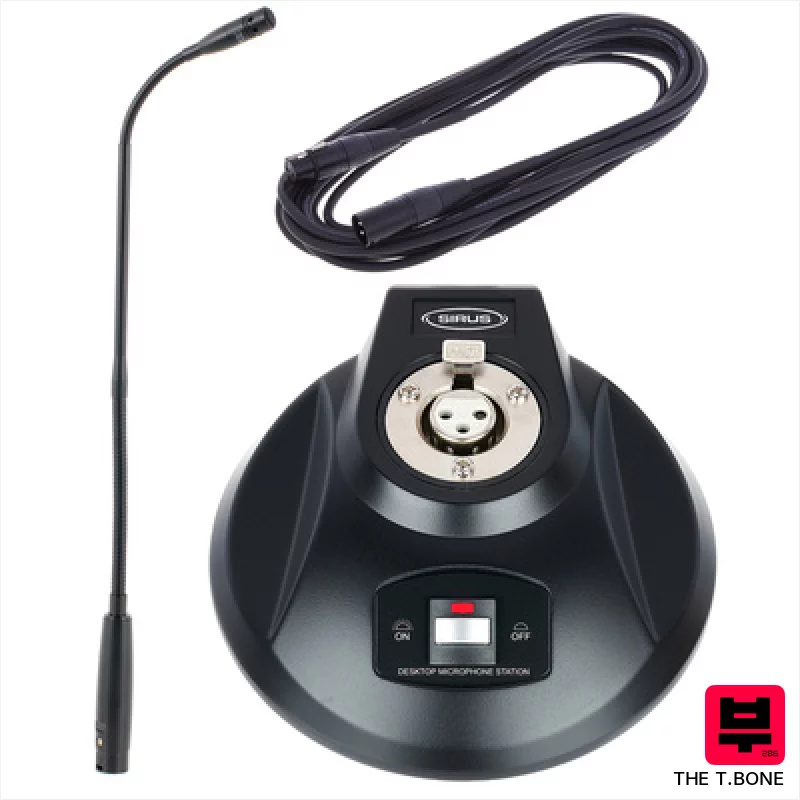
the t.bone GM 5212 Desktop Station Bundle
- • Solid zinc base provides exceptional stability, minimizing unwanted desk vibrations.
- • Supercardioid pickup pattern effectively isolates sound sources, reducing background noise.
- • Rean XLR connectors (Neutrik-made) ensure reliable signal transfer and durability.
- • Push-to-talk/mute functionality offers convenient control for streaming and communication.
- • Supercardioid pattern demands precise mic placement to avoid off-axis coloration.
- • Limited frequency response compared to higher-end condenser microphones.
- • The gooseneck, while flexible, might not hold its position perfectly under heavier use.

AKG GN 30 E CK33 Bundle
- • Excellent off-axis rejection minimizes room noise effectively.
- • The CK33 capsule delivers a clear, detailed vocal presence.
- • Robust gooseneck construction provides reliable positioning.
- • Integrated phantom power adapter simplifies setup and operation.
- • Limited capsule options restrict tonal flexibility somewhat.
- • Gooseneck length may be restrictive for certain applications.
- • Mounting flanges are an additional, necessary purchase.
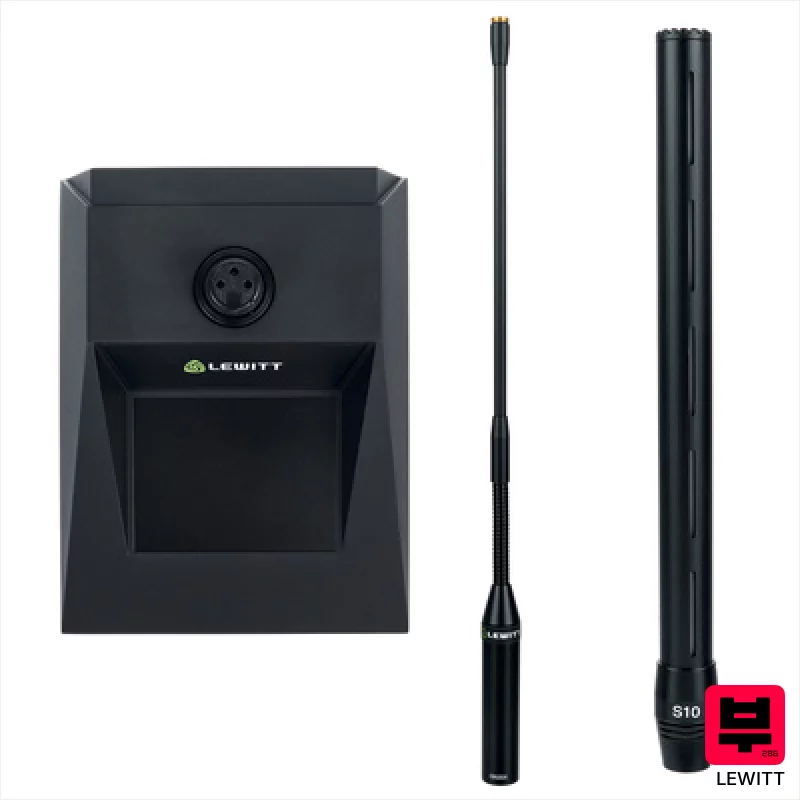
Lewitt S10 Presenter Bundle
- • Excellent gain before feedback minimizes unwanted room noise.
- • The metal gooseneck offers robust stability and precise positioning.
- • Dynamic capsule delivers clear vocal reproduction with decent detail.
- • Compact table base effectively dampens handling and table vibrations.
- • Limited polar pattern restricts flexibility for varied recording situations.
- • The capsule’s frequency response leans slightly towards a mid-focused sound.
- • Gooseneck length might feel short for some larger presentation spaces.

AKG GN 30 E CK31 Bundle
- • Solid gooseneck construction provides excellent stability, even with heavier capsules.
- • CK31 capsule delivers clear, articulate vocal reproduction with good detail.
- • Integrated phantom power adapter simplifies setup and reduces cable clutter.
- • Table flange provides secure mounting and minimizes unwanted vibrations.
- • Limited capsule options restrict versatility for diverse recording applications.
- • Gooseneck length (30cm) may be too short for some mounting scenarios.
- • Lacks a carrying case or protective bag, increasing vulnerability during transport.
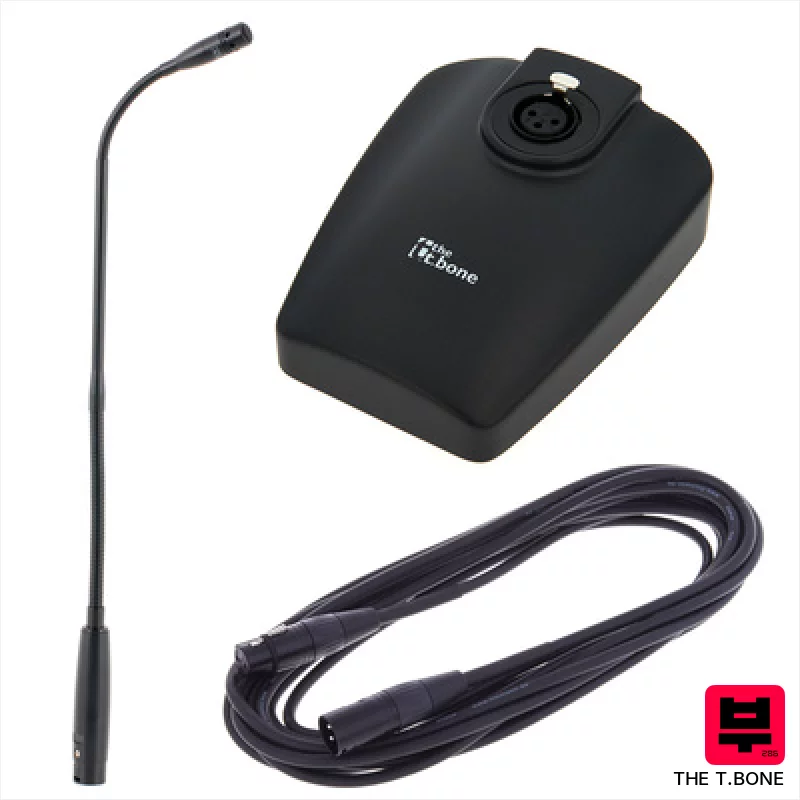
the t.bone GM 5212 Table Stand Bundle
- • Solid Rean XLR connector ensures reliable signal transfer and durability.
- • Gooseneck provides flexible positioning for focused audio capture.
- • Included windscreen minimizes plosives and breath noise effectively.
- • Compact table stand offers stable support and easy portability.
- • Supercardioid pattern demands precise mic placement for optimal results.
- • Lightweight build might feel less robust for demanding environments.
- • Frequency response likely leans towards vocal clarity, limiting broader applications.
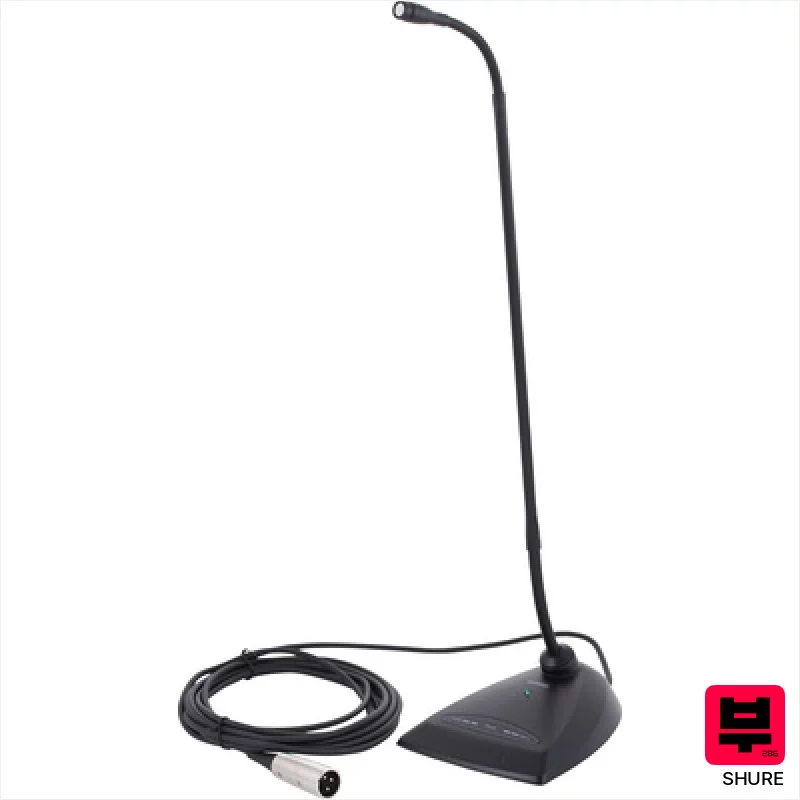
Shure MX418 D/C
- • Excellent cardioid pickup pattern minimizes room noise and feedback.
- • Interchangeable capsules offer flexibility for varied applications and future upgrades.
- • The gooseneck provides precise mic placement and stability on tables.
- • Shure’s proven condenser capsule delivers clear, accurate vocal reproduction.
- • The gooseneck can be easily bumped or repositioned accidentally.
- • Cardioid capsule can be susceptible to proximity effect at close speaking distances.
- • While versatile, it’s not ideal for handheld performance or dynamic stage use.
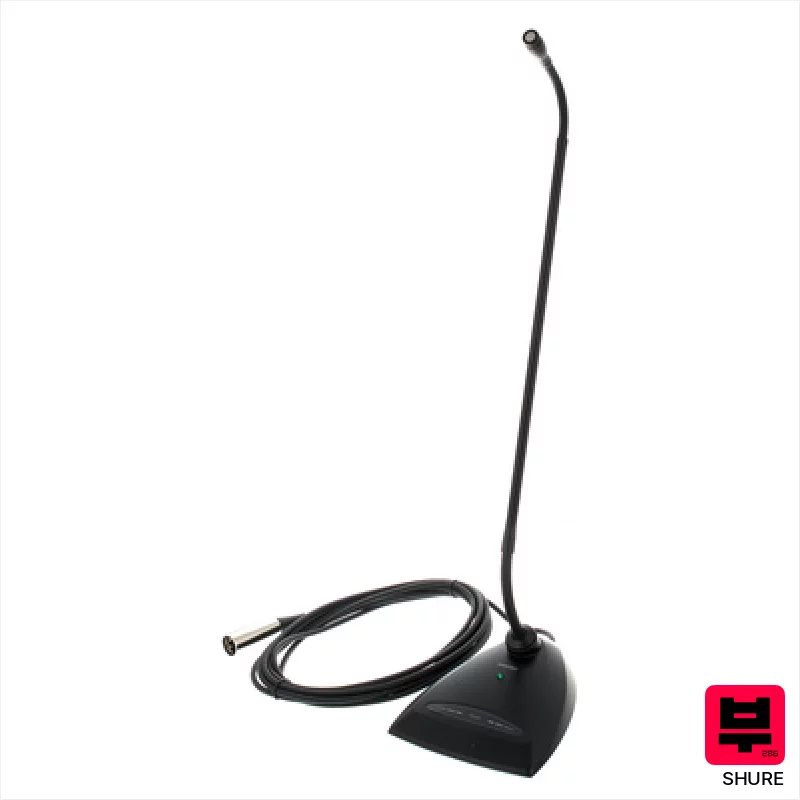
Shure MX418D/S
- • Supercardioid pattern excels at isolating voices in noisy rooms
- • Modular capsule design allows for future upgrades and customization
- • Slim gooseneck minimizes obstruction and visual clutter on tables
- • Integrated preamp delivers clean gain without external modules
- • Supercardioid pattern demands precise mic placement for optimal results
- • Limited frequency response compared to higher-end condenser mics
- • Gooseneck’s slimness can feel less stable for some users
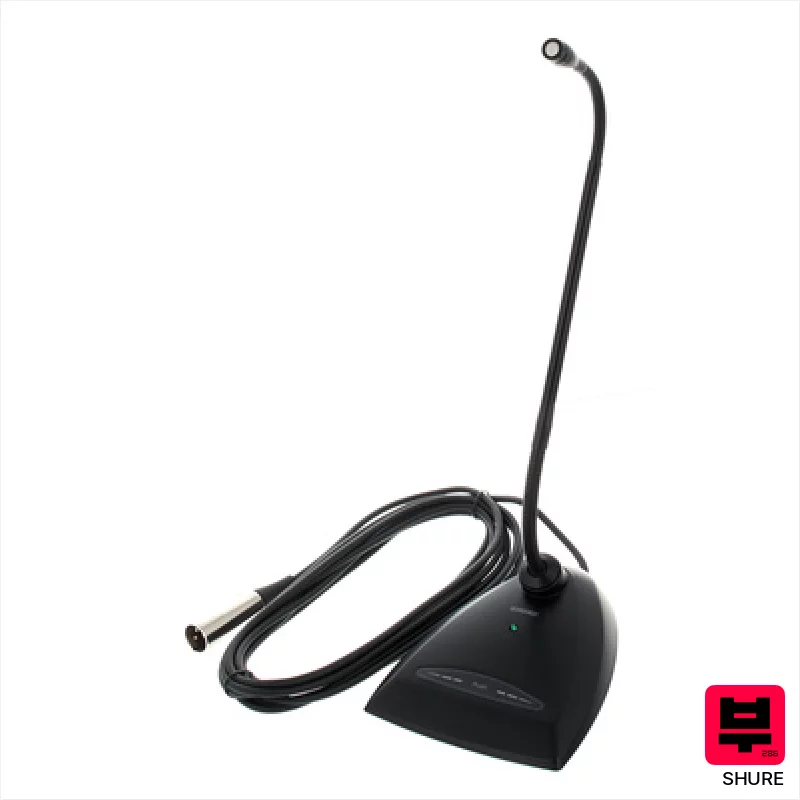
Shure MX412D/C
- • Excellent off-axis rejection minimizes room noise and feedback
- • Durable construction with a robust gooseneck for reliable use
- • Interchangeable capsules offer flexibility for various applications
- • Shure's proven Microflex design delivers clear, natural vocal reproduction
- • Gooseneck can be a bit stiff for very delicate positioning
- • Cardioid pattern isn't ideal for multi-person table discussions
- • Requires phantom power, limiting use without compatible equipment
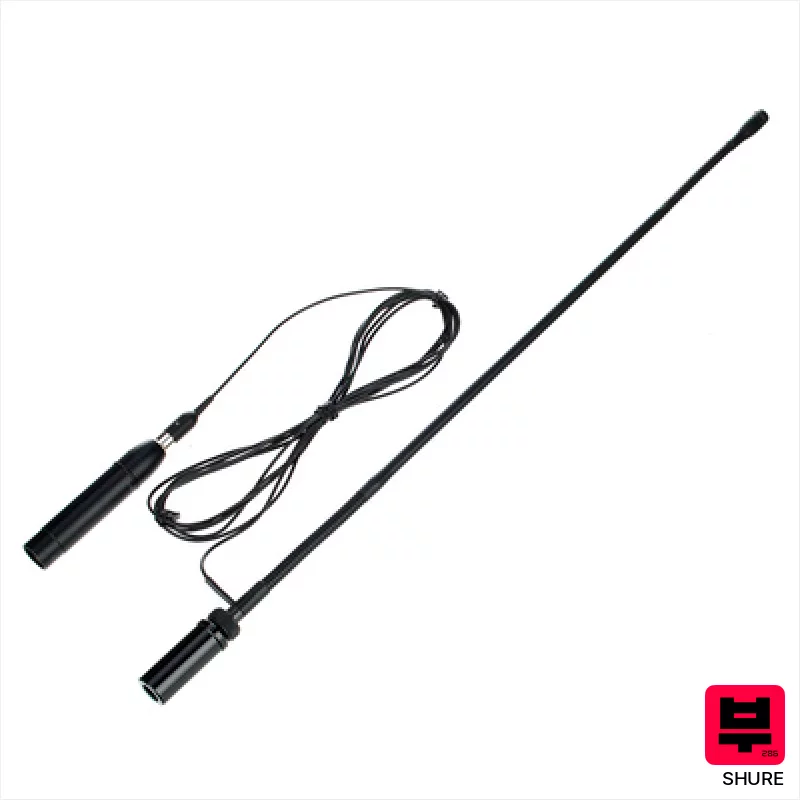
Shure MX418 SE/S
- • Exceptional off-axis rejection minimizes room noise and feedback.
- • Modular capsule design allows for future adaptability and upgrades.
- • Slim gooseneck profile integrates discreetly into various installations.
- • Robust construction and Shure’s proven preamp deliver reliable performance.
- • Supercardioid pattern demands precise mic technique for optimal results.
- • The relatively high output impedance might require a preamp with suitable input impedance.
- • Limited frequency response compared to wider-range condenser mics.
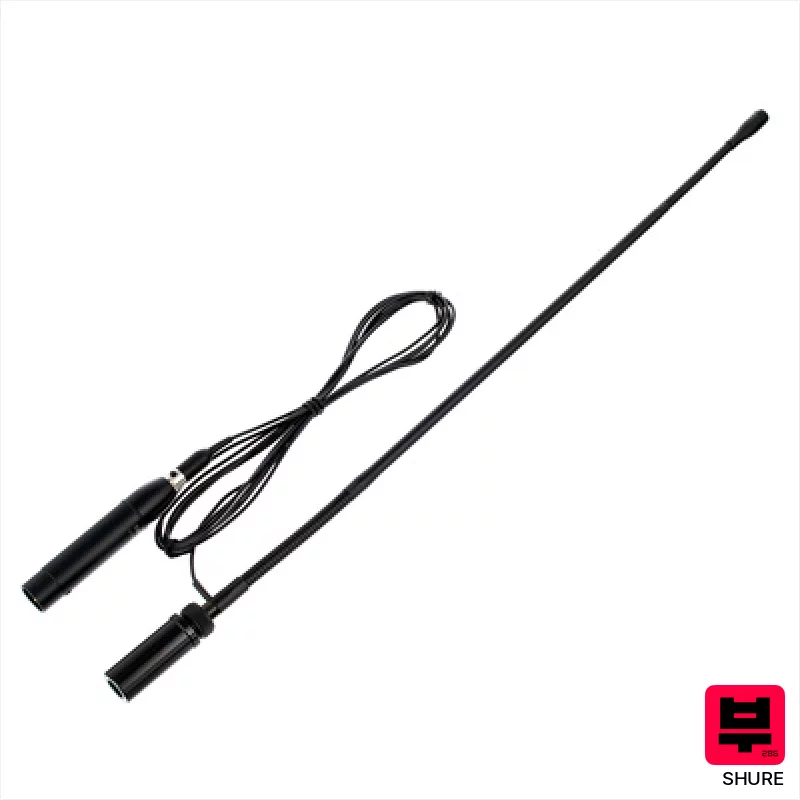
Shure MX418 SE/C
- • Excellent off-axis rejection minimizes room noise effectively
- • Slim gooseneck offers discreet and flexible positioning
- • Modular capsule design allows for future upgrade options
- • Robust construction ensures reliable performance in demanding installations
- • Limited frequency response compared to higher-end studio condensers
- • Gooseneck length might be restrictive for some applications
- • Cardioid pattern isn't ideal for multi-mic setups requiring broader pickup

Shure MX412/S
- • Remarkably slim gooseneck minimizes sightline obstruction
- • Modular capsule design offers future upgrade flexibility
- • Excellent off-axis rejection minimizes room noise
- • Robust construction promises reliable, long-term performance
- • Supercardioid pattern demands precise mic technique
- • Limited frequency response compared to broader condenser mics
- • Gooseneck stiffness might not suit all mounting preferences
- • Higher power requirements compared to some simpler microphones
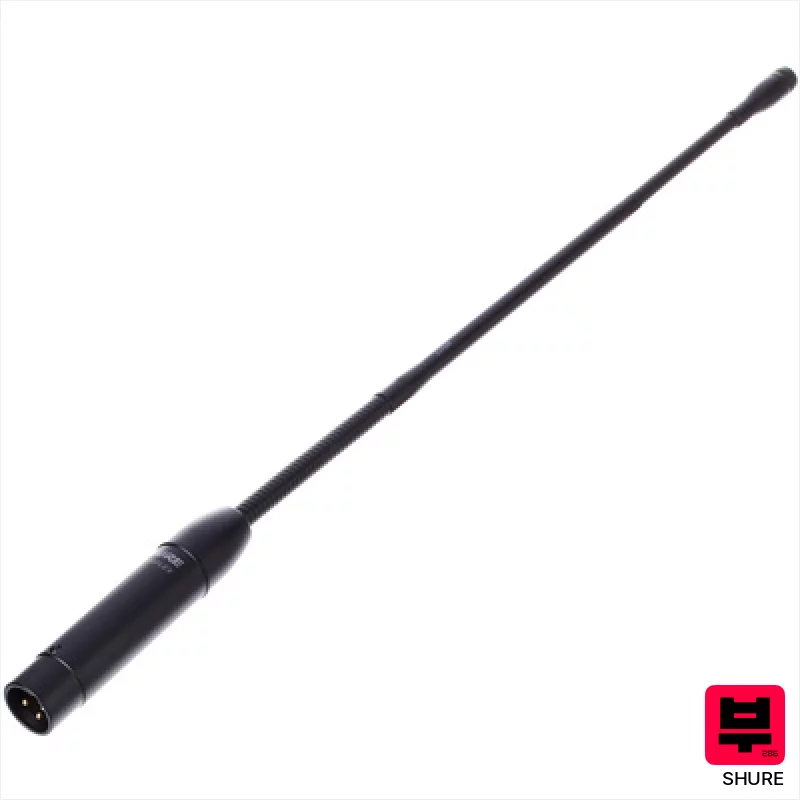
Shure MX412/C
- • Excellent off-axis rejection minimizes room noise effectively
- • Modular capsule design offers future upgrade flexibility
- • Slim gooseneck profile is discreet and adaptable
- • Robust construction ensures reliable performance in demanding installs
- • Capsule replacement adds to the overall investment
- • Limited frequency response compared to higher-end studio condensers
- • Gooseneck length might be restrictive for some applications
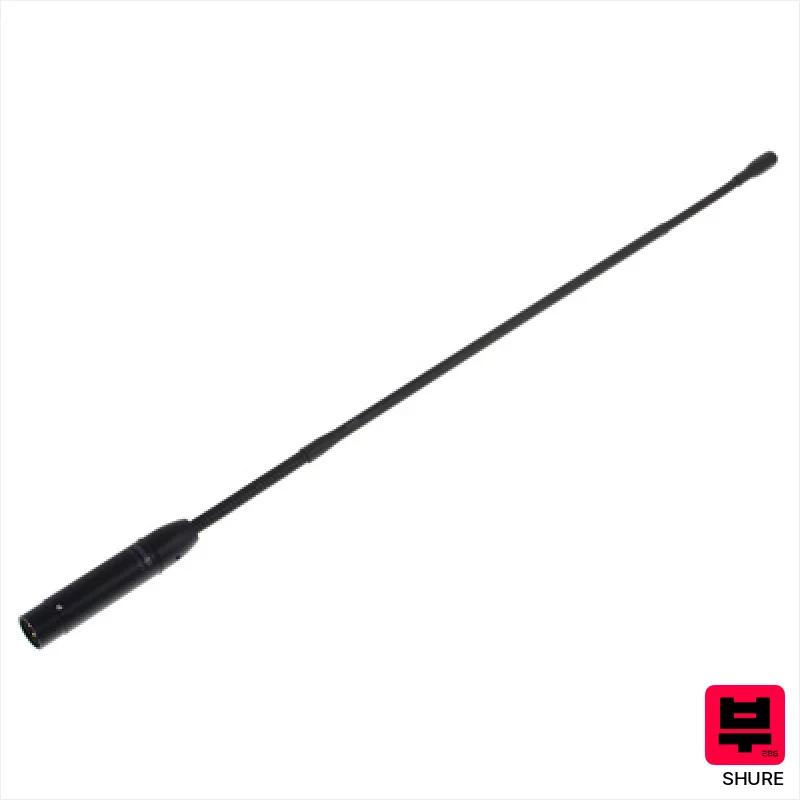
Shure MX418/C
- • Remarkably slim gooseneck offers precise positioning.
- • Modular capsule system provides future upgrade flexibility.
- • Cardioid pattern effectively rejects off-axis noise and feedback.
- • Solid construction and integrated preamp ensure consistent performance.
- • Limited frequency response compared to higher-end studio condensers.
- • Gooseneck length might be too short for some applications.
- • Requires phantom power, adding complexity to the setup.
How to Choose the Best Gooseneck Microphones
Polar Pattern
Cardioid is the most common and usually the safest bet for live use - it'll reject a lot of stage bleed without sounding overly sterile. Omni patterns are gorgeous for capturing room tone in a good space but are a nightmare in a loud band rehearsal.
Frequency Response
Expect a slight emphasis in the upper mids to cut through the mix, but avoid anything overly harsh. A mic that's too scooped in the low-end will sound muddy; too much high-end and it'll be ice-picky and fatiguing. The 'sweet spot' depends on your vocalist's timbre.
Sensitivity & Output
Lower sensitivity means you'll need more gain from your preamp, which can introduce noise. Higher output is generally easier to work with, especially in less-than-ideal environments, but can clip if you're not careful. It's a balance.
Build Quality & Flexibility
Goosenecks can be flimsy. Look for a robust gooseneck that holds its position and doesn't droop under the weight of the capsule. The capsule itself should feel solid, not like it's going to fall off with a sneeze.
Off-Axis Rejection
How well does the mic reject sound coming from the sides and rear? This is crucial for minimizing feedback on stage and capturing a cleaner vocal in a noisy environment. A quick drop-off is your friend.
Buying Guide
At this price point, you're making compromises. Don't expect the pristine, hyper-detailed sound of a $3000 mic. Often, you'll be trading off a bit of low-end thump or nuanced high-frequency detail for a more robust build and better feedback rejection. Prioritize a mic that sounds good enough in your typical environment and is built to withstand the rigors of gigging - a mic that sounds amazing in a perfectly treated studio is useless if it breaks after three gigs.
How This List Is Built
We don't play these instruments — we're a catalog, not a review desk, and we'd rather say so than pretend otherwise. This page ranks 15 gooseneck microphones from the Thomann catalogue, which is the largest single source of specification data in this category.
Position is computed, not curated. Four signals, in order of weight: how completely the manufacturer documents the instrument (number of published specifications), where it sits in the price range, how specific the model designation is — which filters out generic accessories — and whether a product image exists. The same inputs always produce the same order, so nothing here is shuffled to look fresh.
What this list is good for: narrowing a category down to a shortlist by spec and budget. What it isn't: a substitute for hearing an instrument. Before you buy, read hands-on reviews and, where you can, play it. Full methodology.

