AudioFu Chart · October 2026
Best Fretless Acoustic Basses for Intermediate 2026
The top pick is Warwick Rockbass Alien Standard 4 ($898). Warwick Rockbass Alien Standard 4 gives you the most for the money at $561. Ranked by the AudioFu Index from 22 models across 6 brands, prices checked every night.
Last updated: October 22, 2026
Top 10
Full detail for the 10 highest AudioFu Index scores. Every other model is listed below.
-
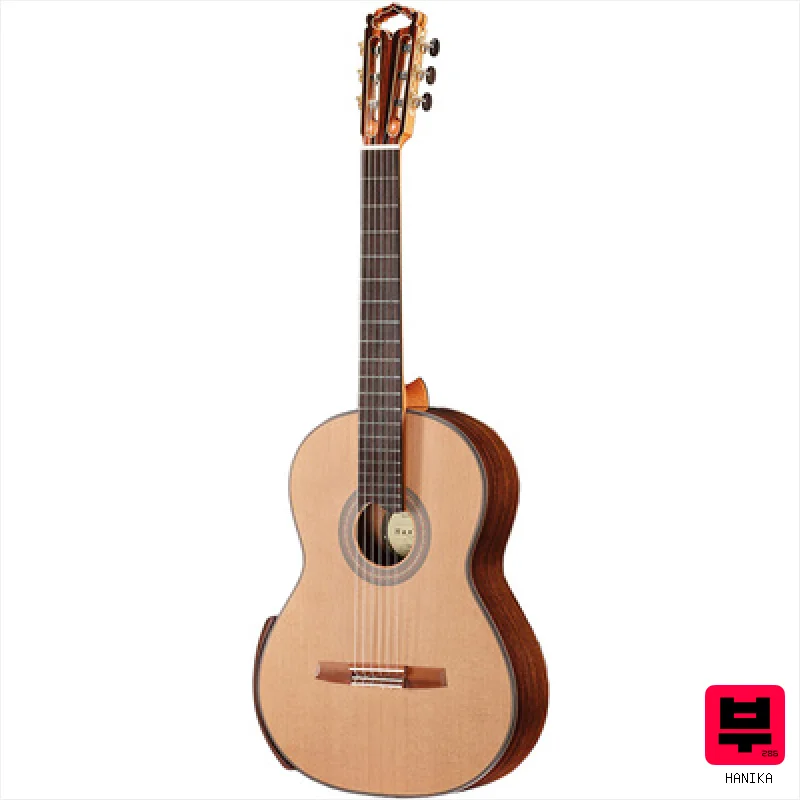
Warwick Rockbass Alien Standard 4
RockBass Alien Standard 4 BLS · Warwick
9 for sale on Reverb1 finish at Thomann
- Nut width38.5 mm (1.52")
- Frets24 frets
- FingerboardEbony fingerboard
- Weight3.2 kg
This fretless bass uses a solid spruce top for a warm, acoustic tone that cuts through a mix. The piezo pickup cleans up the sound, but the laminated wood body and heavy weight are noticeable during long sessions. It works best for players who want a natural feel without needing to learn fingered fretting.
Pros
- Solid spruce top gives strong acoustic projection
- Fretless design creates smooth, natural notes
- Fishman Sonicore pickup adds clear piezo response
Cons
- Laminated back and sides lack resonance depth
- No frets makes intonation harder for beginners
74AudioFu
IndexStableno change since Aug 17Aug 17$898 now$898€799 at Thomann · in stockCheck price ↗ -
Warwick Rockbass Alien Deluxe Hybrid Thinline 5
Alien Deluxe Hybrid 5 LH FL · Warwick
6 for sale on Reverb2 finishes at Thomann
- Nut width45 mm (1.77")
- Strings5-string
- Weight3.3 kg
This left-handed bass plays like a solid acoustic guitar with a dark ebony fingerboard. The hybrid pickups let you mix electric punch with acoustic warmth easily. It suits players who want a unique sound and don't mind learning fretless technique.
Pros
- Solid Sitka spruce top for strong acoustic response
- Tigerstripe ebony fingerboard provides dark, rich tone
- Hybrid Shadow NanoMag and Piezo pickups for balanced sound
Cons
- No specific weight listed makes handling unknown
- Thin-line body depth may lack resonance depth
71AudioFu
IndexStableno change since Aug 17Aug 17$707 now$707€629 at Thomann · in stockCheck price ↗ -
Warwick Rockbass Alien Deluxe Hybrid Thinline 4
RockBass Alien Deluxe 4 Fret N · Warwick
9 for sale on Reverb1 finish at Thomann
- Nut width38.5 mm (1.52")
- FingerboardEbony fingerboard
- Weight3.2 kg
This fretless acoustic bass hits hard with a solid spruce top but relies on laminate wood in the body. The Fishman Sonicore pickup makes it easy to plug in, though the heavy weight might be tough for some players. It is perfect for pros who want a deep, acoustic tone and don't mind learning without frets.
Pros
- Solid spruce top for strong acoustic projection
- Tigerstripe ebony fingerboard offers smooth playability
- Fishman Sonicore pickup ensures reliable amplification
Cons
- No frets means harder technique for new players
- Laminated back and sides lack tonal resonance
71AudioFu
IndexStableno change since Aug 17Aug 17$1,010 now$1,010€899 at Thomann · in stockCheck price ↗ -
Warwick Rockbass Alien Deluxe Hybrid Thinline 4
Alien Deluxe Hybrid 4 FL NT · Warwick
9 for sale on Reverb1 finish at Thomann
- Nut width38.5 mm (1.52")
- FingerboardEbony fingerboard
- Weight3.1 kg
This Alien Deluxe Hybrid is a really interesting acoustic-electric. The hybrid pickup system gives you a surprising amount of versatility, from mellow acoustic tones to something with more growl. It's a great option for gigging musicians who want a stage-ready acoustic bass with a premium feel, especially those who appreciate the warmth of a fretless neck.
Pros
- Solid AA Sitka top provides exceptional clarity and projection
- Hybrid Shadow pickup system offers versatile tonal options
- Tigerstripe Ebony fingerboard delivers a luxurious feel and precise intonation
Cons
- Thin-line body (80mm) might feel less resonant compared to deeper acoustic basses
- Fretless design requires precise technique and careful tuning
71AudioFu
IndexStableno change since Aug 17Aug 17$1,010 now$1,010€899 at Thomann · in stockCheck price ↗ -
Warwick Rockbass Alien Standard 5
RockBass Alien Standard 5 FR B · Warwick
3 for sale on Reverb2 finishes at Thomann
- Nut width45 mm (1.77")
- Fingerboard radius660 mm (25.98")
- Strings5-string
- FingerboardEbony fingerboard
- Weight3.25 kg
This fretless five-string looks great for players who want acoustic warmth with modern pickup clarity. The solid spruce top sounds lively, but the laminated sides mean less resonance than solid wood. It suits session musicians needing extra range without losing that organic bass feel.
Pros
- Solid spruce top offers bright, punchy acoustic tone
- Two-way steel trussrod ensures stable neck alignment
- Fishman Sonicore pickup handles quiet acoustic strings
Cons
- 5-string length may be too long for some players
- Only two control knobs limit tone shaping options
69AudioFu
IndexStableno change since Sep 19Sep 19$954 now$954€849 at Thomann · in stockCheck price ↗ -
Warwick Rockbass Alien Deluxe Hybrid Thinline 5
Alien Deluxe 5 NT FL LH · Warwick
6 for sale on Reverb1 finish at Thomann
- Nut width45 mm (1.77")
- Strings5-string
- FingerboardEbony fingerboard
- Weight3.3 kg
This fretless bass plays big thanks to its solid spruce top and walnut body. The Fishman pickup sounds clean but the heavy weight can tire your arm. It is a solid choice for players who like a warm, low-end voice without frets.
Pros
- Solid Sitka spruce top drives strong low-end response
- Walnut back and sides add warmth and sustain
- Fishman Sonicore pickup offers clear piezo tone
Cons
- 3.3kg weight feels heavy for long playing sessions
- No frets makes intonation tuning difficult for beginners
68AudioFu
IndexStableno change since Aug 17Aug 17$729 now$729€649 at Thomann · in stockCheck price ↗ -
Warwick Rockbass Alien Standard 4
RB Alien Standard 4 FL NT LH · Warwick
9 for sale on Reverb1 finish at Thomann
- Nut width38.5 mm (1.52")
- FingerboardEbony fingerboard
- Weight3 kg
This left-handed acoustic bass sounds great thanks to its spruce top and piezo pickup. It plays well for those who prefer a natural tone without metal frets. The set-in mahogany neck fits the left-handed model perfectly. It suits players who want a clean, acoustic sound in a budget-friendly package.
Pros
- Solid Sitka spruce top for strong acoustic projection
- Fishman Sonicore piezo pickup for reliable signal
- Left-handed setup for right-handed players playing left
Cons
- Agathis back and sides lack the density of rosewood
- No frets means higher learning curve for new players
71AudioFu
IndexStableno change since Aug 17Aug 17$561 now$561€499 at Thomann · in stockCheck price ↗ -
Warwick Rockbass Alien Standard 5
RB Alien Standard 5 FL NT LH · Warwick
3 for sale on Reverb1 finish at Thomann
- Nut width45 mm (1.77")
- Strings5-string
- FingerboardEbony fingerboard
- Weight3.3 kg
This bass plays with a bright, direct sound thanks to its piezo pickup and spruce top. The long scale and ebony fingerboard give it a solid, cutting tone perfect for live settings. It suits players who want a reliable workhorse without complex electronics.
Pros
- Solid Sitka spruce top for strong fundamental response
- Tigerstripe ebony fingerboard offers dark, clear tone
- Fishman Sonicore piezo system ensures reliable output
Cons
- Only single volume and tone controls limit adjustment
- Agathis back and sides lack the density of rosewood
60AudioFu
IndexStableno change since Aug 17Aug 17$617 now$617€549 at Thomann · in stockCheck price ↗ -
Gold Tone M-Bass25/
FL Micro 25" Scale Fretless Acoustic / Electric Bass… Micro Bass 25 Fretless w/Bag · Gold Tone
14 for sale on Reverb1 finish at Thomann
- Nut width42.9 mm (1.69")
- Scale635 mm (25")
This bass feels like a friendly conversation starter for players who want a warm, vocal tone without frets. The mahogany top sounds rich and the included bag makes it ready to go. It suits small gigs and studio sessions where its compact size helps, though the headstock design needs careful tuning.
Pros
- Fretless design offers smooth, vocal-like tone for jazz and fingerstyle playing
- Ergo Glide mahogany top provides warm, resonant acoustic projection
- Built-in piezo pickup with active electronics ensures reliable on-stage sound
Cons
- Butterfly-style machine heads are less stable than traditional locking systems
- Scale length is shorter than standard 3/4 or full size basses
66AudioFu
IndexStableno change since Aug 17Aug 17$538 now$538€479 at Thomann · in stockCheck price ↗ -
Guild Westerly Collection B-240E Natural
B-240EF Acoustic Bass · Guild
6 for sale on Reverb1 finish at Thomann
- Nut width41.1 mm (1.62")
- Scale781 mm (30.75")
- Neck profileC-shape neck
The B-240EF is a surprisingly capable acoustic bass, offering a warm, resonant tone and a comfortable neck profile. It’s a fantastic option for gigging acoustic musicians, folk players, or anyone wanting a unique, organic bass sound without the need for electricity. The fretless nature adds a touch of class and expressive possibilities, making it a joy to play.
Pros
- Solid Sitka spruce top delivers a responsive, articulate acoustic tone.
- Mahogany back and sides provide a warm, woody resonance and sustain.
- Guild/Fishman Bass Sonitone pickup system offers a surprisingly natural amplified sound.
Cons
- Fretless design requires precise intonation and a willingness to learn.
- Mahogany construction can make it feel a bit heavier than some basses.
58AudioFu
IndexStableno change since Aug 17Aug 17$617 now$617€549 at Thomann · in stockCheck price ↗
All 22 fretless acoustic basses
Same index, same nightly prices — compact. Colour options of one model share a row. Tap a photo to zoom.
- 11
Warwick RockBass Alien Std 4 FL NTSWarwick45Stable$898€799$898€799Check ↗
- 12
Breedlove Pursuit Exotic S Concerto Bass CE FretlessPursuit Exotic S Fretless Bass · Breedlove42Stable$606€539$606€539Check ↗
- 13
Warwick Rockbass Alien Deluxe Hybrid Thinline 5RockBass Alien Deluxe 5 FL NTS · Warwick71Stable$1,066€949$1,066€949Check ↗
- 14
Harley Benton B-35BK-FL Acoustic Bass w/BagHarley Benton · 3 finishes59Stable$201€179$201€179Check ↗
- 15
Harley Benton B-30BK-FL Acoustic Bass w/BagHarley Benton · 3 finishes56Stable$190€169$190€169Check ↗
- 16
Warwick Alien 5 NT FLWarwick · 2 finishes57Stable$1,796€1,599$1,796€1,599Check ↗
- 17
Warwick Alien Deluxe 6 NT FL LHWarwick51Stable$1,201€1,069$1,201€1,069Check ↗
- 18
Warwick RockBass Alien Deluxe 6 NT FRWarwick51Stable$1,347€1,199$1,347€1,199Check ↗
- 19
Warwick Alien 6 NT FLWarwick51Stable$1,909€1,699$1,909€1,699Check ↗
- 20
Harley Benton Kahuna CLU-Bass Ukulele FLHarley Benton49Stable$156€139$156€139Check ↗
- 21
Warwick Alien 4Alien 4 NT FL LH · Warwick47Stable$1,122€999$1,122€999Check ↗
- 22
Takamine DB10 w.CaseTakamine41Stable$3,144€2,799$3,144€2,799Check ↗
Fretless Acoustic Basses by the numbers
Measured across all 29 models we track, not a sample.
Median $898 — half of all fretless acoustic basses here cost less.
median of 29 models · 38.5 mm (1.52")–52 mm (2.05")
median of 11 models · 534 mm (21.02")–864 mm (34.02")
median of 15 models · 5-string–6-string
most common · 22 models
How to choose the best fretless acoustic basses
Playability (Action & Neck Profile)
Fretless basses are unforgiving. A high action or uncomfortable neck profile will make learning microtonal accuracy a nightmare. We're looking for something with a manageable action - ideally 2.5mm - 3.5mm at the 12th fret - and a neck profile that fits your hand without being a wrestling match.
String Spacing
Narrower string spacing can feel easier initially, but wider spacing gives you more room for error and allows for cleaner articulation. Intermediate players often benefit from slightly wider spacing (around 1 9/16" or a bit more) as you develop your finger independence.
Tonewoods & Voicing
Different woods offer different tonal flavors. Mahogany tends to be warmer with a pronounced midrange, while maple is brighter and more articulate. As an intermediate player, you want something versatile - mahogany with a spruce top is a safe bet for a balanced tone that can handle a variety of styles.
Pickup Voicing & Amplification
Fretless acoustic basses are meant to be amplified, so the pickup system matters. Avoid overly bright or harsh pickups that accentuate fret buzz. A natural-sounding pickup with good headroom and a decent low-end thump is key for cutting through a band mix without sounding brittle.
Construction & Stability
Fretless basses are more susceptible to intonation issues caused by changes in humidity. A solid wood construction (not laminate) is generally more stable and will hold its tuning better. Look for a well-fitted neck and a responsive top - those are signs of a well-built instrument.
Buying guide
So, you're eyeing a fretless acoustic bass? Smart move. They're gorgeous instruments, capable of a warmth and expressiveness you just don't get with fretted basses. But jumping straight to a high-end Journeyman or Sadowsky isn't the best path for an intermediate player - it's a recipe for frustration. Let's find some solid options that'll help you develop your technique and unlock that singing, microtonal tone without breaking the bank or feeling totally overwhelmed.
Don't chase the 'vintage' vibe right away. Focus on playability and a comfortable feel. Cheaper fretless basses often cut corners on neck fit and finish, leading to more fret buzz and intonation problems - which will hinder your learning.
Spending a little more on a well-made instrument with a good setup will pay off immensely in terms of your progress and enjoyment. A good preamp can make a huge difference in how a fretless bass translates to a PA system too.
How the AudioFu Index works
Five measured signals and nothing else — no stars from strangers, no “tested by experts” we didn’t do. The weights are fixed and public. We don’t play these instruments; we measure the market around them.
This chart covers 29 fretless acoustic basses from the Thomann catalogue. Before you buy, read hands-on reviews and, where you can, play it. Full methodology.
AudioFu earns a commission when you buy through our Thomann links. It never changes the order — the index does.
- Demand40%
How many of this exact model are for sale on Reverb right now — what musicians actually buy and resell.
- Lineup20%
How many finishes Thomann stocks — makers expand the models that sell.
- Price15%
Where the price has moved since we started tracking in August.
- Specs15%
How completely the maker documents it.
- Maker10%
How deep the brand’s range is in this category.
Questions
How much fret buzz is 'normal' on a fretless bass?
Some fret buzz is inherent to the design - it's part of the microtonal character. However, excessive buzz indicates a setup issue or a poorly fitted neck. A skilled tech can often minimize it, but don't expect it to disappear entirely.
What string gauge should I use?
Medium gauge strings (around 45-55mm) are a good starting point. Lighter strings are easier to bend, but they can also feel 'floppy'. Experiment to find what feels comfortable and gives you the tone you're after.
Is it okay to use a pick on a fretless bass?
Absolutely! It's a different feel, and you'll lose some of the subtle nuances, but it can be useful for certain styles. Just be mindful of the attack - a pick can accentuate any imperfections.
How often should I get a fretless bass setup?
More often than a fretted bass, especially when the humidity changes. Aim for at least once a year, or more if you notice intonation drift or increased fret buzz.
Can I learn fretless bass without knowing music theory?
You can learn to play, but understanding basic music theory will accelerate your progress significantly. Knowing scales and intervals will help you internalize the fretless landscape and develop a more musical approach.