
Best Flamenco Guitars Under $800 2026
So, you want to dive into the fiery world of flamenco but your wallet's whispering sweet nothings about ramen noodles? It's totally doable. Finding a decent flamenco guitar under $800 isn't about getting a Torres or a Ramirez - it's about smart choices, understanding compromises, and getting the most percussive snap and responsive action you can. Let's look at some options that won't leave you eating instant noodles for a month.
Last updated: September 28, 2026
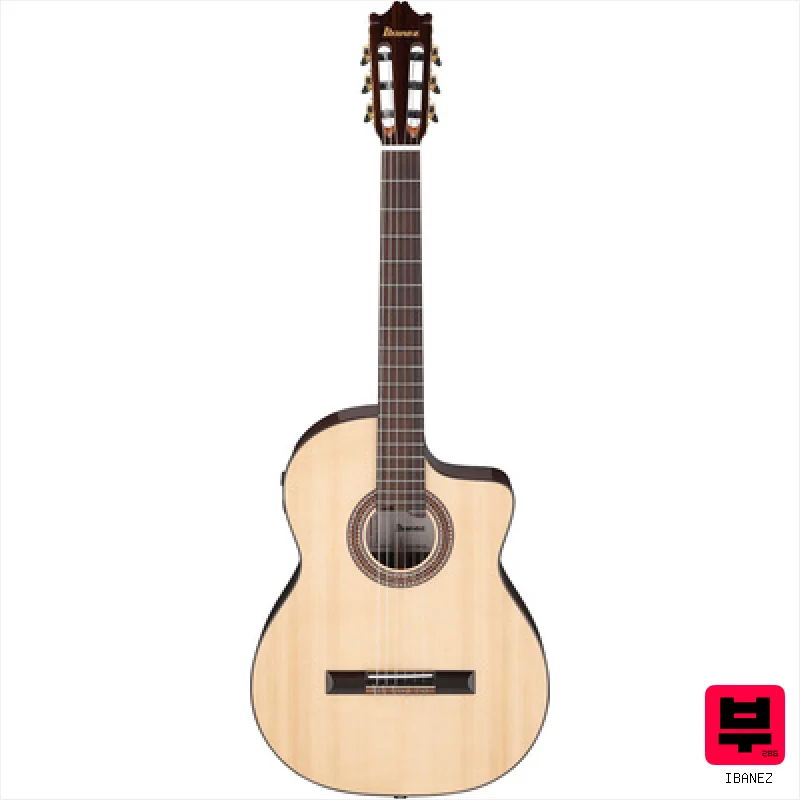
Ibanez GA380CE-NT
- • Solid German spruce top drives strong volume
- • Flamenco fan bracing supports heavy attack
- • Cutaway design gives easy access to high frets
- • Undersaddle pickup offers clear amplified tone
- • Okoume neck is softer than typical tonewoods
- • Weight is not specified so it may feel heavy
- • No electronics specs listed beyond basic compatibility
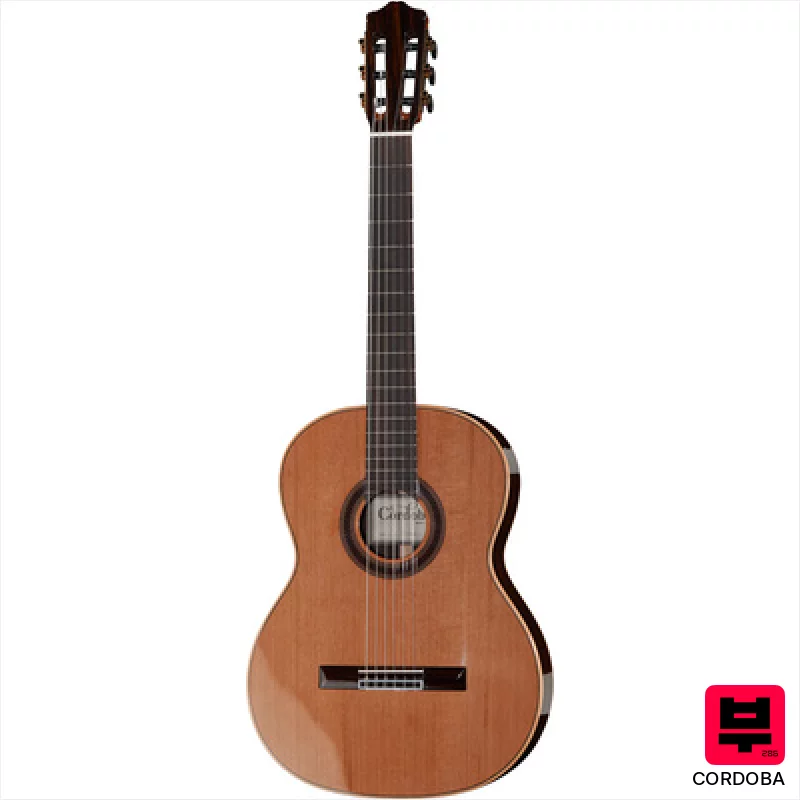
Cordoba F7 Paco Flamenco Iberia
- • Solid cedar top delivers a bright, responsive, and flamenco-appropriate tone
- • Rosewood back and sides provide warmth and sustain for a balanced sound
- • Traditional neck profile offers comfortable playability for various hand sizes
- • Cordoba's machine heads provide stable tuning, crucial for demanding flamenco rhythms
- • High-tension strings demand stronger fingers; may be challenging for beginners
- • Cedar top is susceptible to humidity changes, requiring careful maintenance
- • While versatile, it's primarily designed for flamenco and less suited for other styles
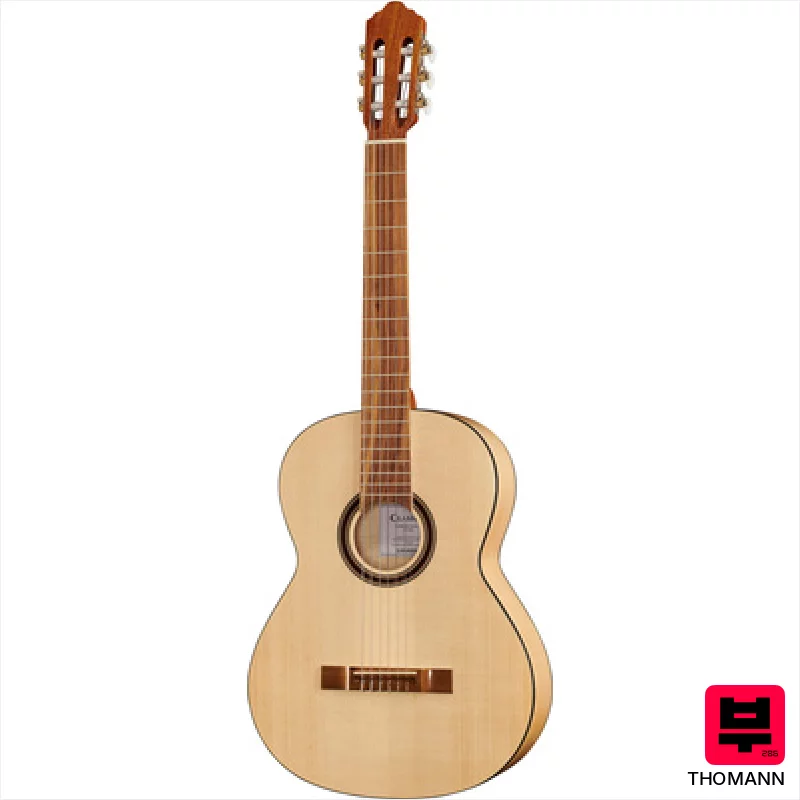
Thomann Classica Flamenco 1F
- • Solid spruce top delivers bright, responsive flamenco tone.
- • Portuguese construction ensures respectable build quality and consistency.
- • Mahogany neck provides comfortable feel and good sustain.
- • Acacia fingerboard offers a slightly softer playing experience.
- • Maple back and sides can sound a little boxy compared to rosewood.
- • High gloss finish might be a bit too reflective for some players’ preference.
- • 19 frets limit access to higher registers; less versatile for non-flamenco styles.

Alhambra 3F-G Flamenco incl.Gig Bag
- • Solid spruce top delivers a bright, responsive flamenco tone.
- • Sycamore back and sides offer a balanced, warm counterpoint to the spruce.
- • MRF bracing enhances projection and reduces unwanted overtones, crucial for golpe.
- • Sapele neck provides stability and a comfortable playing feel for fast passages.
- • Sycamore, while acceptable, isn’t the most tonally complex back/sides wood.
- • High-gloss finish can be a bit too reflective for some players’ preferences.
- • Gig bag offers basic protection; a hardshell case is recommended for serious transport.
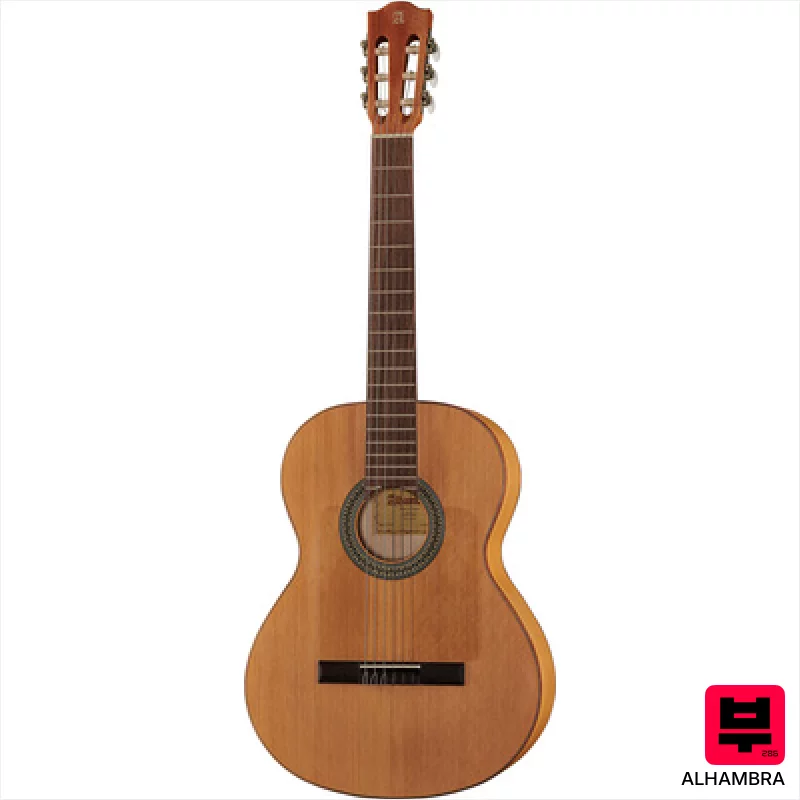
Alhambra 2F Flamenco incl.Gig Bag
- • Solid cedar top delivers a warm, responsive, and lively flamenco tone.
- • Sicomore back and sides provide good projection and balanced tonal character.
- • MRF bracing enhances responsiveness and allows for percussive golpe techniques.
- • Sapelli neck offers stability and a comfortable playing feel for extended sessions.
- • Sicomore (Sycamore) back and sides aren't as tonally rich as rosewood or mahogany.
- • High gloss open pore finish might require more careful maintenance to prevent stickiness.
- • While a great value, it lacks the refined appointments of more premium flamenco guitars.
Flamenco Guitars by the numbers
Measured across all 5 models in this category, so «wide», «short» or «expensive» mean something you can check.
How to Choose the Best Flamenco Guitars
Solid Top Wood
Spruce is common, cedar offers a warmer, more immediate response. Spruce will generally offer more headroom and clarity, while cedar gives you a quicker, more 'woody' feel - crucial for those fast, percussive passages.
Bracing Pattern
Flamenco bracing is lighter than classical bracing to maximize responsiveness and projection. Look for 'fan bracing' specifically, and be aware that cheaper guitars might use less refined bracing patterns that can lead to a boxier sound.
Action & Setup
This is HUGE. A flamenco guitar needs low action to facilitate those fast techniques. Many budget guitars ship with higher action - factor in a setup from a qualified luthier ($50-$100) to really unlock the potential.
Golpeador (Pickguard)
A must-have. Flamenco playing is percussive, and you will be hitting the top. A golpeador protects the finish and prevents cracking - don't buy a guitar without one.
Overall Build Quality
Check for even finish, clean fretwork, and a comfortable neck profile. Sloppy construction will impact playability and longevity. A slightly rougher finish is common at this price point, but major flaws are red flags.
Buying Guide
Realistically, at this price point, you're trading off something. Expect thinner spruce tops or less refined cedar, simpler bracing, and potentially less figured woods. Don't chase 'ornate' - focus on playability and responsiveness. A good setup is non-negotiable, and consider a used instrument to stretch your budget further - you can often snag a higher-end model for a steal.
How This List Is Built
We don't play these instruments — we're a catalog, not a review desk, and we'd rather say so than pretend otherwise. This page covers 5 flamenco guitars from the Thomann catalogue, which is the largest single source of specification data in this category: 5 in detail, the rest listed with their specifications.
Position is computed, not curated. We parse the manufacturer's own description into actual values — nut width, scale, fret count, fingerboard radius, size, alloy — and rank on them: how many specifications a model has published, how many of them are measurable numbers, and how precisely it meets this page's criterion. A product image adds a little. Price is not a ranking signal: it tells you nothing about whether a neck fits your hand. The same inputs always produce the same order, so nothing here is shuffled to look fresh.
What this list is good for: narrowing a category down to a shortlist by spec and budget. What it isn't: a substitute for hearing an instrument. Before you buy, read hands-on reviews and, where you can, play it. Full methodology.

