
Best Equalizer Pedals for Tone Shaping 2026
Okay, so you're not looking for a distortion pedal or a chorus - you want to shape your tone. An EQ pedal isn't just about boosting bass or cutting highs; it's about sculpting your sound to sit better in a mix, dialing in that specific midrange character, or even emulating the frequency response of a different amp. It's a subtle but powerful tool, and choosing the right one can make a massive difference between sounding muddy and sounding like you're actually there.
Last updated: July 8, 2026 • Next update: July 15, 2026
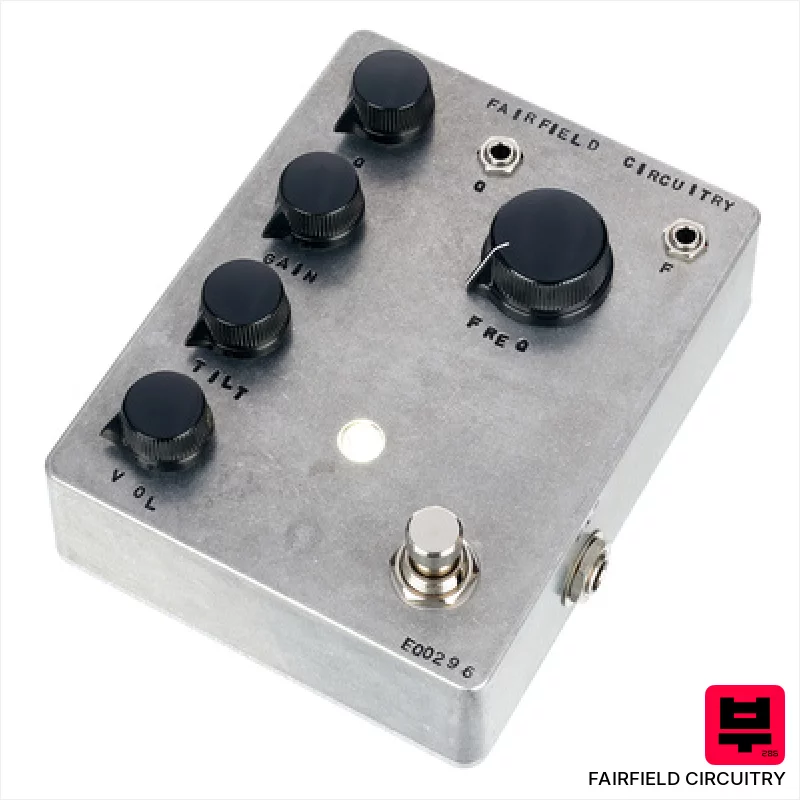
Fairfield Circuitry Long Life Parametric EQ
- • Exceptional single-band precision for targeted frequency sculpting
- • Unique 'Tilt' function adds broad tonal shaping possibilities
- • CV control offers deep integration with modular synth setups
- • Robust build quality hints at longevity and reliable performance
- • Single-band design limits complex EQ adjustments
- • Higher current draw necessitates a quality power supply
- • Learning curve for mastering the 'Tilt' and CV functions
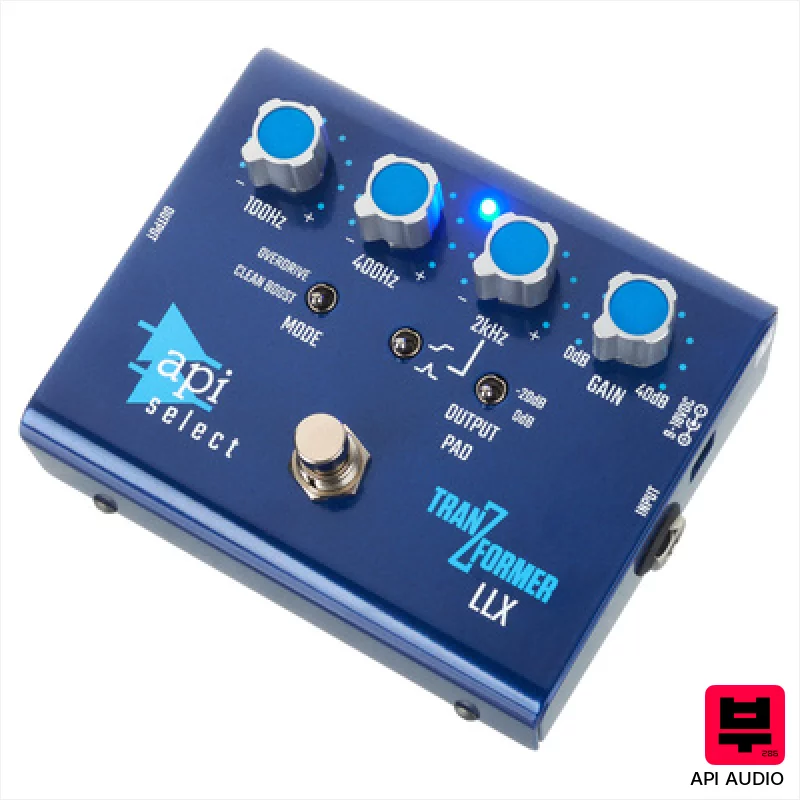
API Audio TranZformer LLX Bass Pedal
- • API 2510 OpAmp delivers a signature API warmth and clarity.
- • The output transformer adds crucial harmonic richness and low-end authority.
- • Hi-Z input/output handles active and passive basses with exceptional fidelity.
- • Robust build quality; feels solid and well-engineered for pedalboard use.
- • Limited EQ band flexibility compared to more complex parametric EQs.
- • Requires external power supply, adding to overall cost and cable clutter.
- • The overdrive, while usable, isn't a primary focus and lacks versatility.
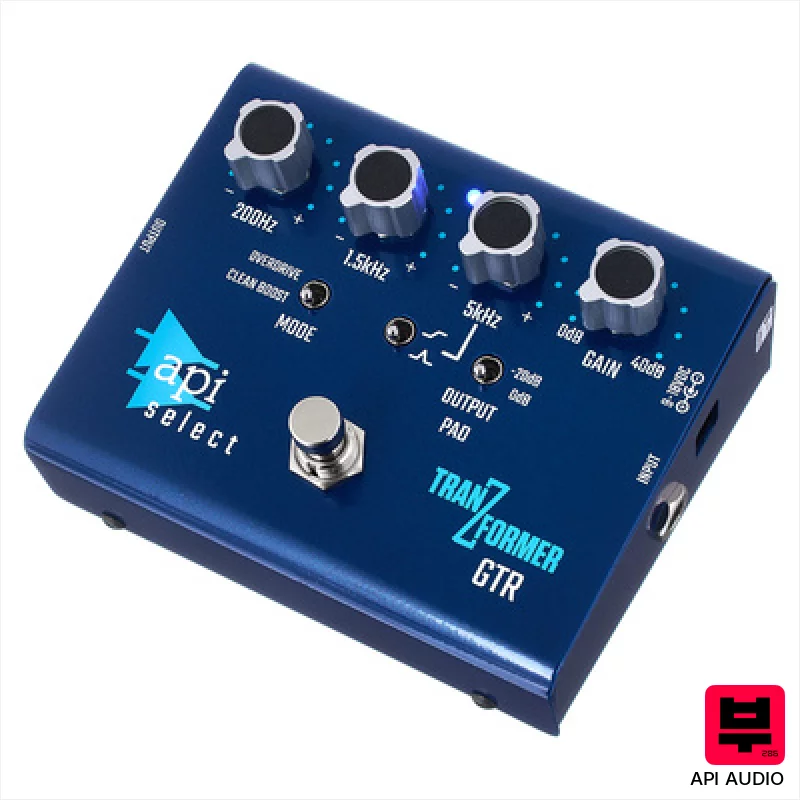
API Audio TranZformer GTR
- • API 2510 OpAmp delivers characteristic API warmth and punch.
- • Transformer output adds desirable harmonic richness and output drive.
- • Fixed frequencies offer targeted EQ shaping for common guitar tones.
- • Buffered bypass preserves signal integrity and eliminates pickup noise.
- • Limited 3-band EQ restricts complex tonal sculpting options.
- • Fixed frequencies may not suit all playing styles or guitars.
- • Relatively premium-priced compared to simpler EQ pedals.
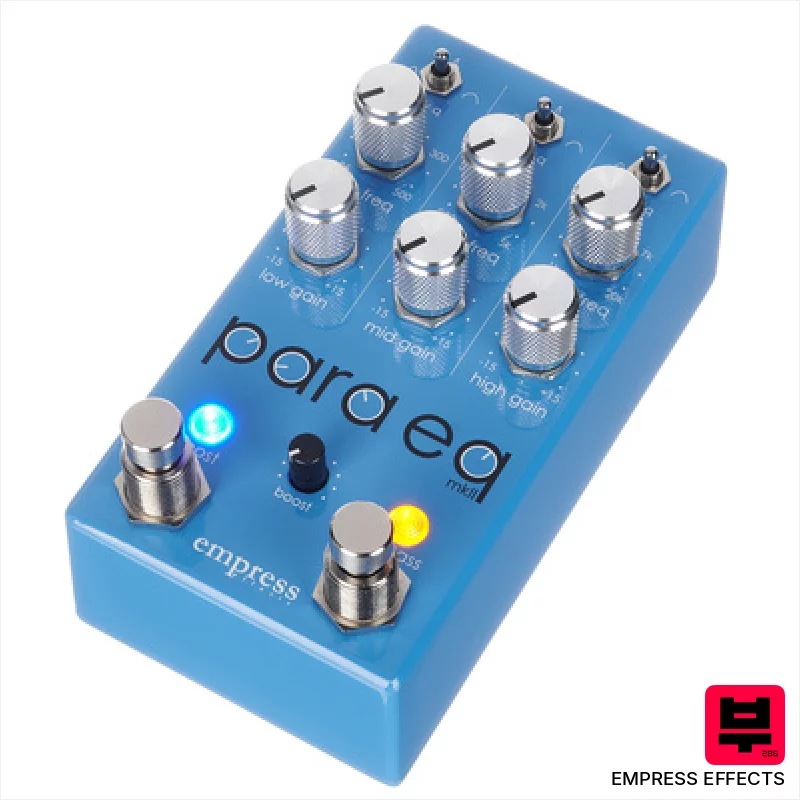
Empress Effects ParaEQ MKII
- • Exceptional clarity and control over tonal shaping.
- • Robust, milled aluminum enclosure provides excellent durability.
- • The boost function adds significant headroom and a warm, musical gain.
- • Intuitive rotary controls offer precise frequency adjustments.
- • Limited to three bands, restricting complex EQ sculpting.
- • Lack of battery operation adds power supply dependency.
- • Premium-priced, potentially prohibitive for budget-conscious players.
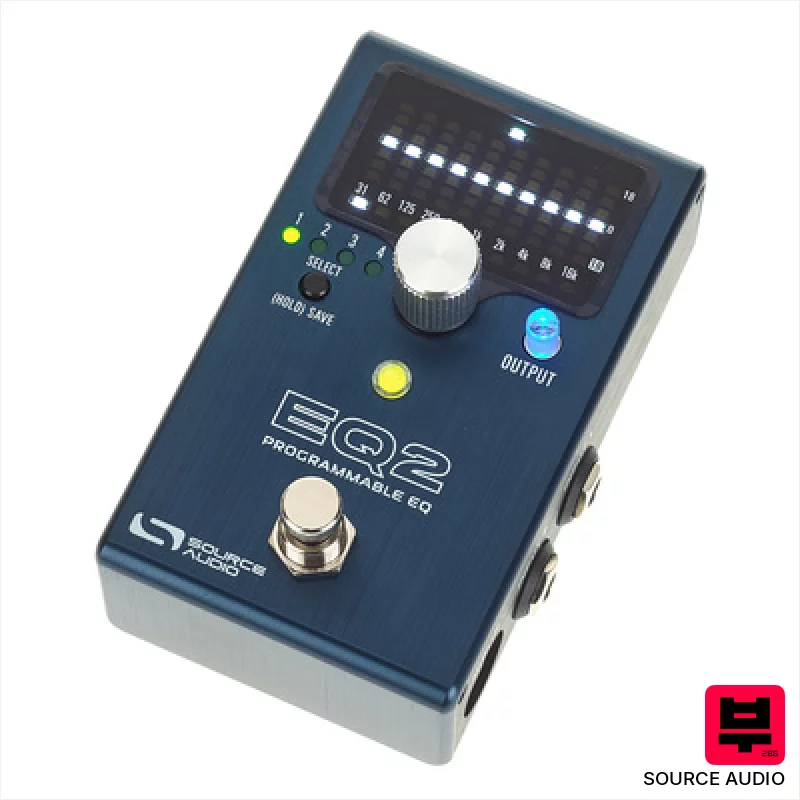
Source Audio SA 270 - One Series EQ2
- • Exceptional parametric control offers sculpting precision beyond typical EQs
- • Integrated noise gate and limiter are surprisingly effective, cleaning up signal
- • Comprehensive MIDI implementation unlocks deep preset customization possibilities
- • Clean boost provides useful volume shaping without added coloration.
- • Complex interface demands time investment to fully master its features
- • Relatively large footprint might be an issue for smaller pedalboards
- • The sheer number of options can be overwhelming for casual users.
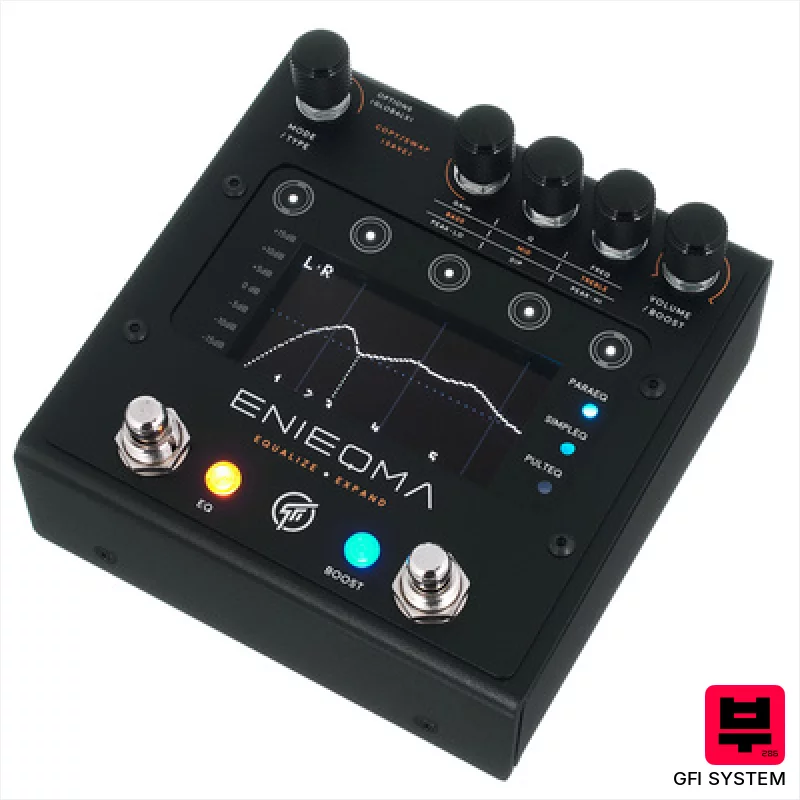
GFI System Enieqma Equalizer
- • Exceptional flexibility with multiple EQ modes and routing options.
- • Pultec emulation delivers a truly vintage, warm midrange character.
- • The stereo expander adds significant width and depth to the signal.
- • Intuitive interface and high-contrast display enhance usability in low light.
- • Premium-priced, representing a significant investment for many players.
- • Size and weight might be cumbersome for smaller pedalboards.
- • Complex feature set may present a learning curve for less experienced users.
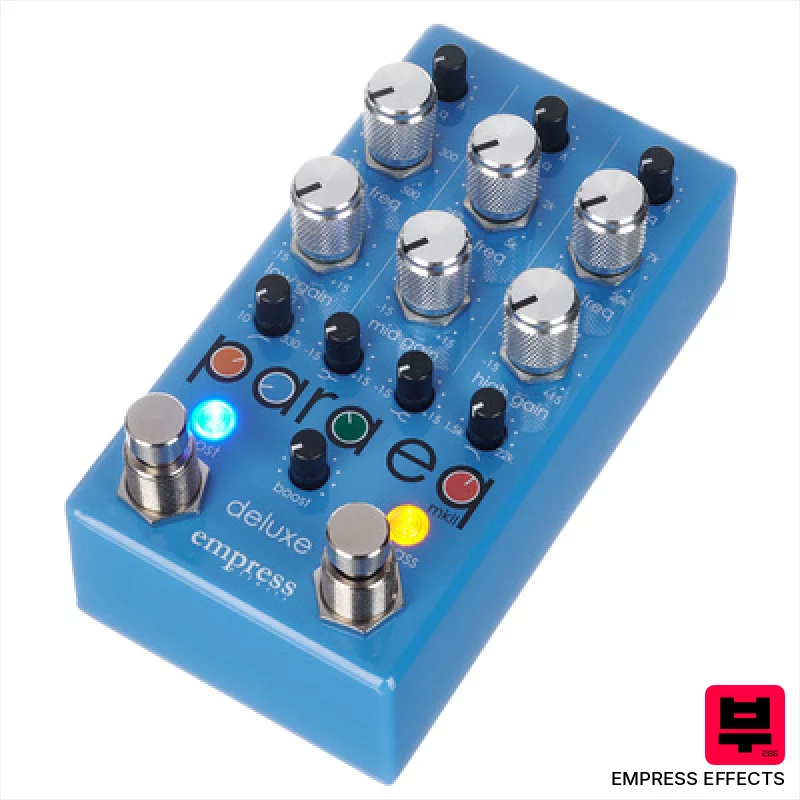
Empress Effects ParaEQ MKII Deluxe
- • Exceptional clarity and precision shaping tonal possibilities with surgical accuracy.
- • The boost provides a clean, powerful gain for solos or adding sustain.
- • Robust, aircraft-grade aluminum enclosure ensures durability for gigging musicians.
- • Flexible filter options (high-pass, low-pass, shelves) add unique sculpting capabilities.
- • Relatively complex controls require time and effort to master fully.
- • Lack of battery operation limits portability and convenience on stage.
- • Premium-priced, potentially prohibitive for budget-conscious players.
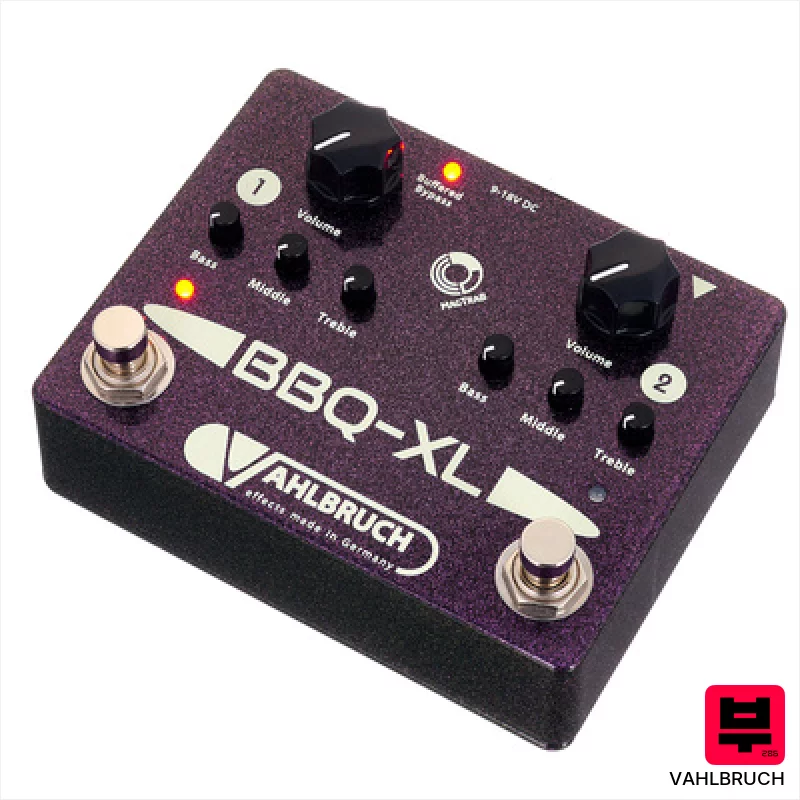
Vahlbruch BBQ-XL Buffer,Booster,EQ
- • Dual-channel design offers unparalleled flexibility for stereo rigs or complex signal chains.
- • MagTraB footswitch provides absolutely silent switching – a crucial feature for stage use.
- • German craftsmanship ensures exceptional build quality and longevity; feels solid and well-made.
- • The EQ section delivers musical boosts and cuts, avoiding harshness common in cheaper pedals.
- • Limited power options; requires a dedicated mains adapter, adding to the overall cost.
- • Relatively compact size might feel cramped for players with larger feet or limited dexterity.
- • EQ range, while musical, isn't as extreme as some dedicated parametric EQs.

Boss EQ-200 Graphic Eq
- • Boss’s renowned build quality ensures long-term reliability and road-worthiness
- • Flexible routing options (parallel, serial, stereo) offer creative tonal sculpting
- • The 32-bit processing provides pristine audio quality with minimal noise
- • Comprehensive MIDI and USB connectivity expands integration with digital setups
- • The 10-band EQ might feel limiting for users needing very precise adjustments
- • The physical size makes it less ideal for extremely compact pedalboards
- • The lack of a true TRS insert point restricts complex signal chain configurations
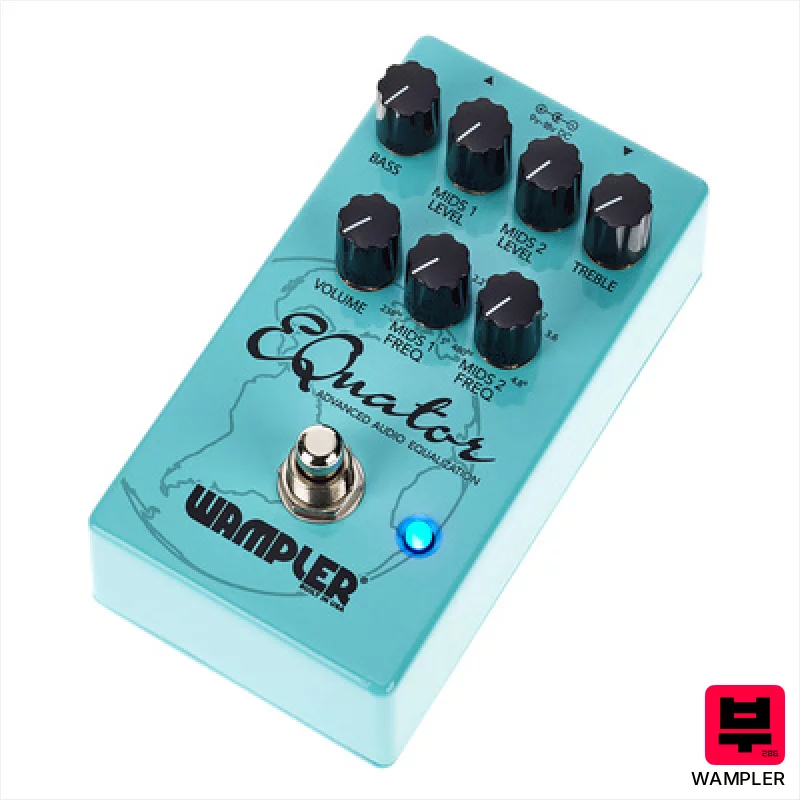
Wampler EQuator Equalizer
- • Precise parametric control offers exceptional tonal sculpting ability
- • High headroom allows for significant boost without harsh distortion
- • Robust enclosure and quality components ensure long-term reliability
- • True bypass preserves your signal integrity when the effect is off
- • Limited frequency range compared to more expansive EQ solutions
- • Lack of battery operation adds to setup complexity
- • Size, while compact, can be restrictive on smaller pedalboards
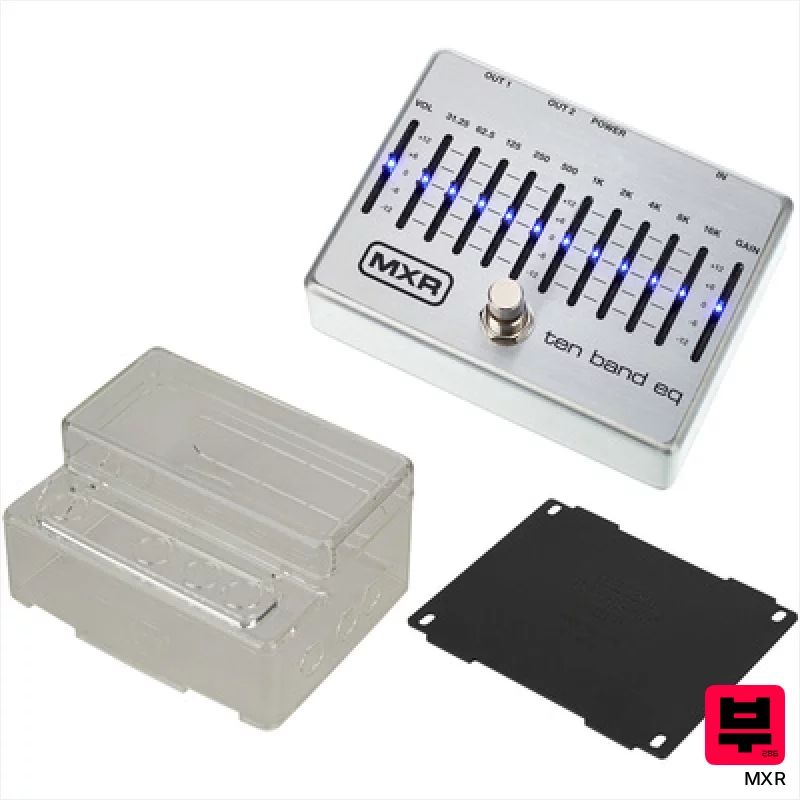
MXR 10 Band Equalizer Bundle
- • Robust aluminum housing offers excellent protection against pedalboard abuse.
- • True bypass preserves signal integrity when the EQ is disengaged.
- • Dual outputs enable flexible signal routing and parallel processing options.
- • Illuminated sliders provide clear visual feedback in low-light conditions.
- • The size (124 x 92 x 54 mm) can be a constraint on smaller pedalboards.
- • While versatile, the fixed frequency bands limit precise shaping compared to parametric EQs.
- • The included power supply, while functional, is a basic Dunlop unit.
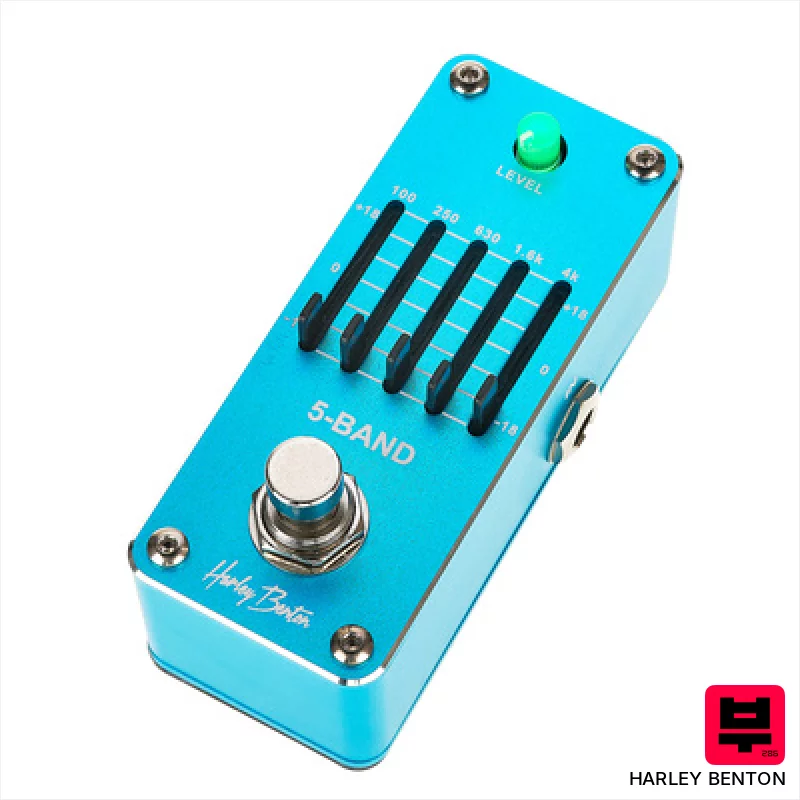
Harley Benton MiniStomp 5-Band
- • Solid metal enclosure provides surprising durability for the price.
- • True bypass preserves your signal when the EQ isn't engaged.
- • Five fixed frequencies offer targeted tonal shaping.
- • Compact size makes it pedalboard-friendly for smaller setups.
- • Fixed frequencies limit versatility compared to parametric EQs.
- • The plastic knobs feel a bit cheap and may loosen over time.
- • No LED indication of whether the pedal is engaged or bypassed.

Vahlbruch BBQ Buffer/Boost/EQ
- • Solid, all-analog circuitry ensures pristine signal integrity and warmth.
- • German craftsmanship delivers exceptional build quality and reliability.
- • Effective EQ range allows subtle shaping or more aggressive tonal sculpting.
- • Silent button eliminates unwanted noise during EQ adjustments, a crucial feature.
- • Lack of battery operation limits portability and convenience.
- • Relatively compact size might be restrictive for some pedalboard layouts.
- • EQ band spacing isn't ideal for precise mid-range adjustments.
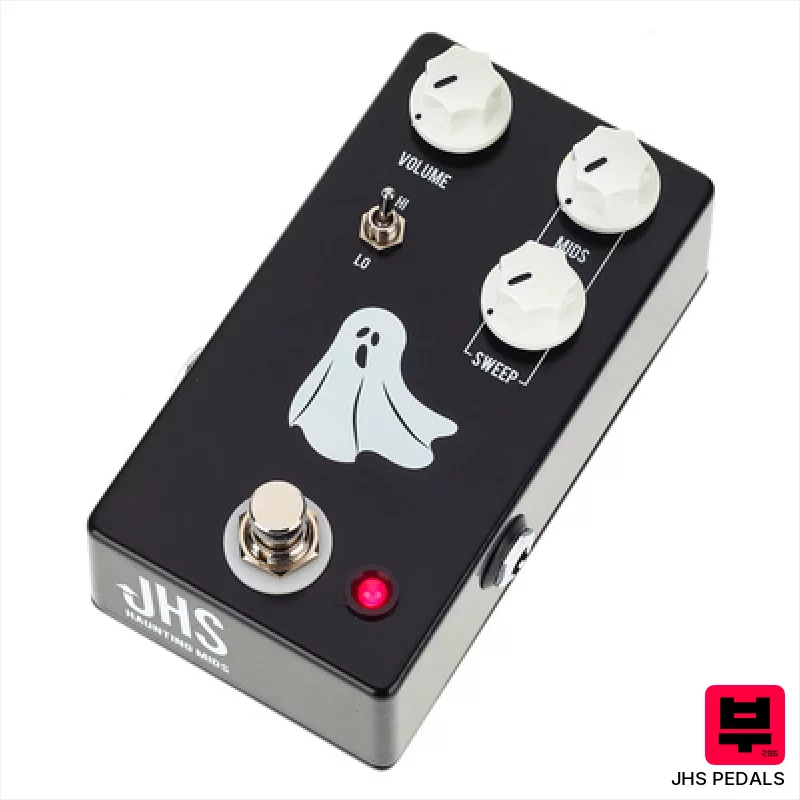
JHS Pedals Haunting Mids - Parametric EQ
- • Metal enclosure feels robust, suggesting long-term durability under gigging conditions.
- • Sweep range (400Hz-7.5kHz) offers precise mid-frequency sculpting capabilities.
- • Switchable Q settings (LO/HI) provide tonal flexibility for subtle or aggressive boosts.
- • True bypass ensures signal integrity when the effect is disengaged, avoiding unwanted coloration.
- • Limited to a single mid band; not ideal for broad, multi-band equalization.
- • Power supply not included; an additional expense for many users.
- • Compact size (122 x 66 mm) might feel cramped for players with large pedalboards.
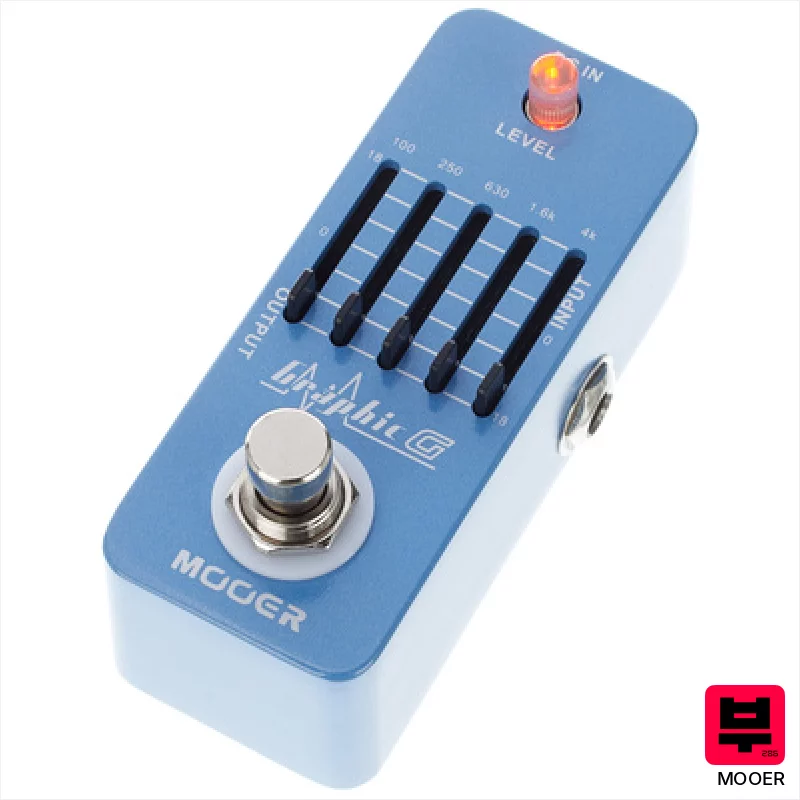
Mooer Graphic G
- • Provides surprisingly precise tonal shaping for the price.
- • Compact size makes it pedalboard-friendly, even in tight spaces.
- • True bypass preserves your signal when the effect is off.
- • Simple controls allow for quick adjustments on the fly.
- • Plastic enclosure feels somewhat cheap compared to metal alternatives.
- • Limited band count restricts complex EQ sculpting capabilities.
- • Requires a separate 9V power supply, adding to the overall cost.
How to Choose the Best Equalizer Pedals
Frequency Bandwidth & Control
More bands aren't always better, but having precise control over each frequency range - especially the mids - is crucial for surgical tone shaping. A broad sweepable band can be incredibly useful, but fixed bands offer more predictable results.
Cleanliness & Transparency
The best EQ pedals shouldn't add anything to your signal besides the frequency adjustments you make. Any coloration or noise is a deal-breaker. Listen for muddiness or a loss of dynamics.
Versatility
Can it be a subtle boost for a little extra clarity, or a radical tone transformation? Some pedals are designed for a specific purpose (like compensating for a dark amp), while others are more general-purpose.
Ease of Use
Too many knobs can be overwhelming. A well-laid-out interface and clear markings make dialing in your desired tone much easier, especially when you're scrambling to make adjustments between sets at a gig.
Build Quality & Noise Floor
Pedalboard real estate is precious, so you want something that's going to last. A quiet noise floor is essential - nobody wants their EQ to introduce hiss or hum into the signal.
Buying Guide
Don't fall for the trap of thinking more bands automatically equals better tone. Often, simpler designs are cleaner and more transparent. Consider your needs: are you compensating for a specific amp weakness or just trying to refine your existing tone? Spending a little more for a pedal with a truly transparent circuit and well-chosen frequency ranges will pay off in the long run. Cheap pedals often cut corners on components, leading to a muddy low-end or a brittle high-end - neither of which is what you're after.
Our Methodology
We're not just looking at spec sheets here. We've spent countless hours A/B'ing these pedals through various amps and guitars, both in the studio and live. We're paying attention to how they interact with different pickup voicings, how they handle dynamics, and whether they introduce any unwanted noise or coloration - because a clean EQ should be clean.

