
Best Equalizer Pedals for Professional 2026
Look, you're not messing around anymore. You're chasing a specific tone, wrestling with a muddy low-end, or desperately trying to carve out some space for your guitar in a dense band mix. An EQ pedal isn't just about boosting highs or scooping mids-it's a surgical tool for shaping your sonic identity. Forget the impulse buys; we're focusing on pedals that give you real control and don't leave you feeling like you're fighting the gear itself.
Last updated: October 8, 2026
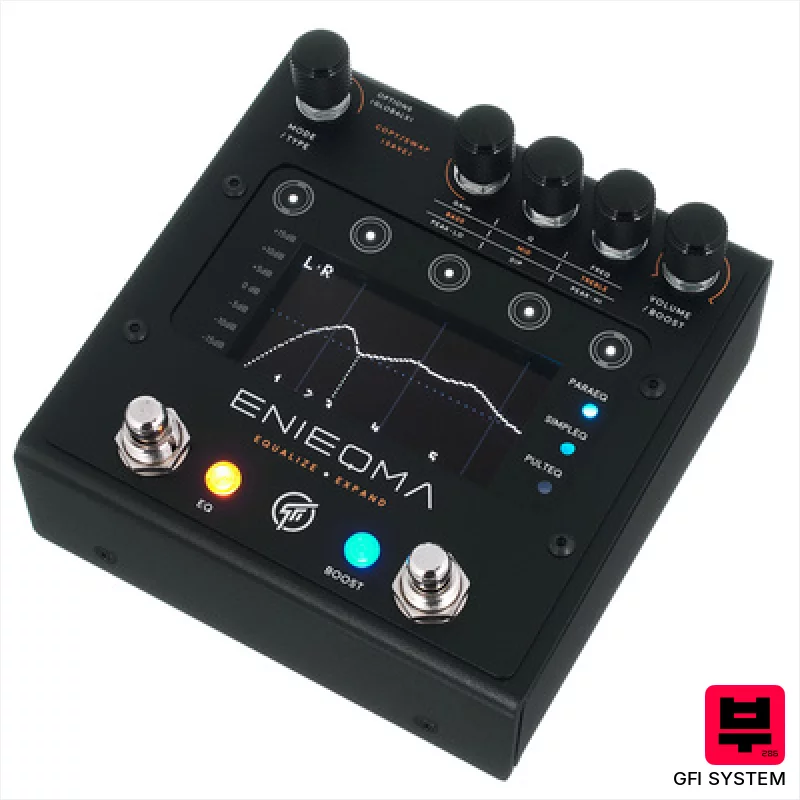
GFI System Enieqma Equalizer
- • Exceptional flexibility with multiple EQ modes and routing options.
- • Pultec emulation delivers a truly vintage, warm midrange character.
- • The stereo expander adds significant width and depth to the signal.
- • Intuitive interface and high-contrast display enhance usability in low light.
- • Premium-priced, representing a significant investment for many players.
- • Size and weight might be cumbersome for smaller pedalboards.
- • Complex feature set may present a learning curve for less experienced users.
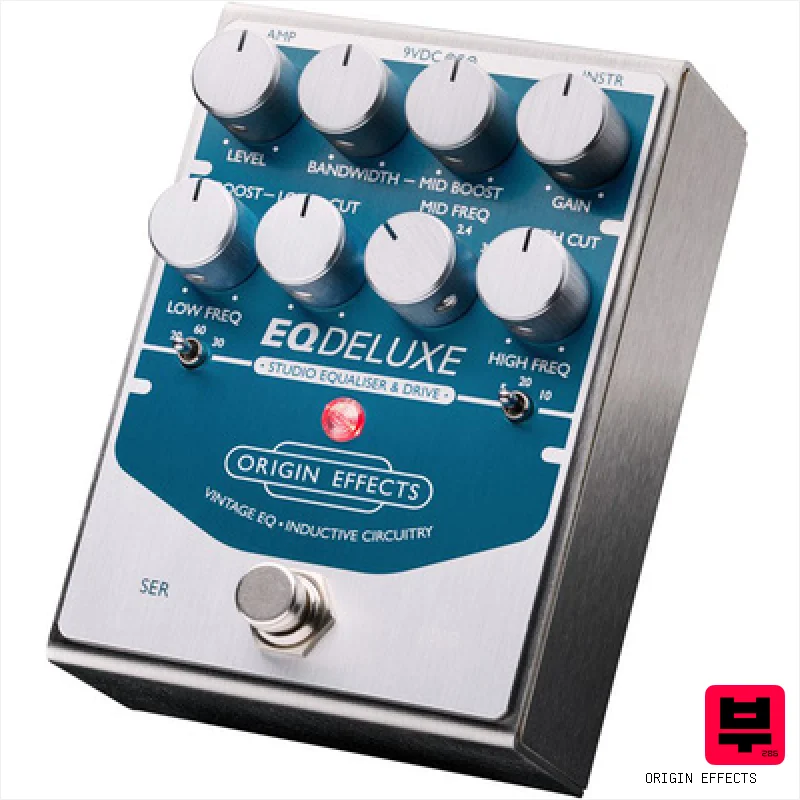
Origin Effects EQ Deluxe Studio EQ & Drive
- • Delivers legendary Pultec valve warmth and tube saturation
- • Includes both EQ and drive effects in one pedal
- • Features physical knobs for precise low and high cut control
- • Compact 108mm width fits easily in any pedalboard
- • Cannot run on battery power only mains adapter
- • No power adapter included in the package
- • Lacks mid frequency boost control knob
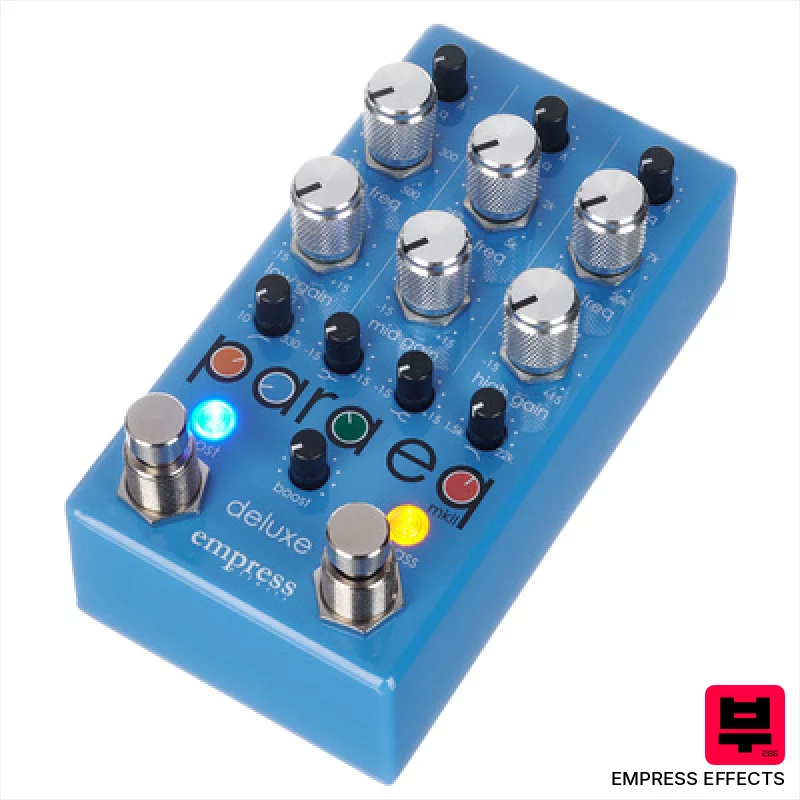
Empress Effects ParaEQ MKII Deluxe
- • Exceptional clarity and precision shaping tonal possibilities with surgical accuracy.
- • The boost provides a clean, powerful gain for solos or adding sustain.
- • Robust, aircraft-grade aluminum enclosure ensures durability for gigging musicians.
- • Flexible filter options (high-pass, low-pass, shelves) add unique sculpting capabilities.
- • Relatively complex controls require time and effort to master fully.
- • Lack of battery operation limits portability and convenience on stage.
- • Premium-priced, potentially prohibitive for budget-conscious players.
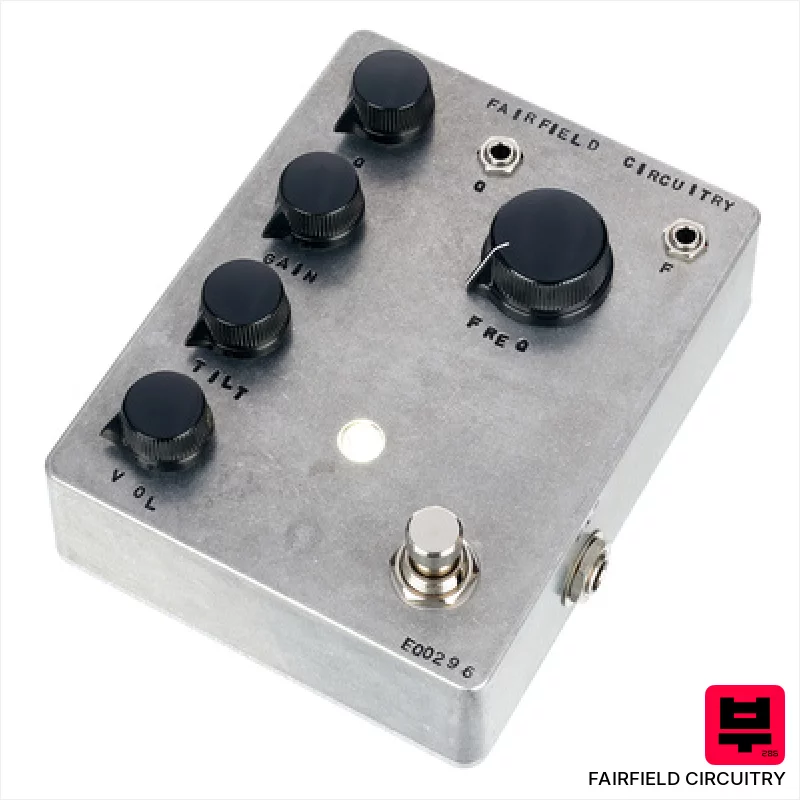
Fairfield Circuitry Long Life Parametric EQ
- • Exceptional single-band precision for targeted frequency sculpting
- • Unique 'Tilt' function adds broad tonal shaping possibilities
- • CV control offers deep integration with modular synth setups
- • Robust build quality hints at longevity and reliable performance
- • Single-band design limits complex EQ adjustments
- • Higher current draw necessitates a quality power supply
- • Learning curve for mastering the 'Tilt' and CV functions
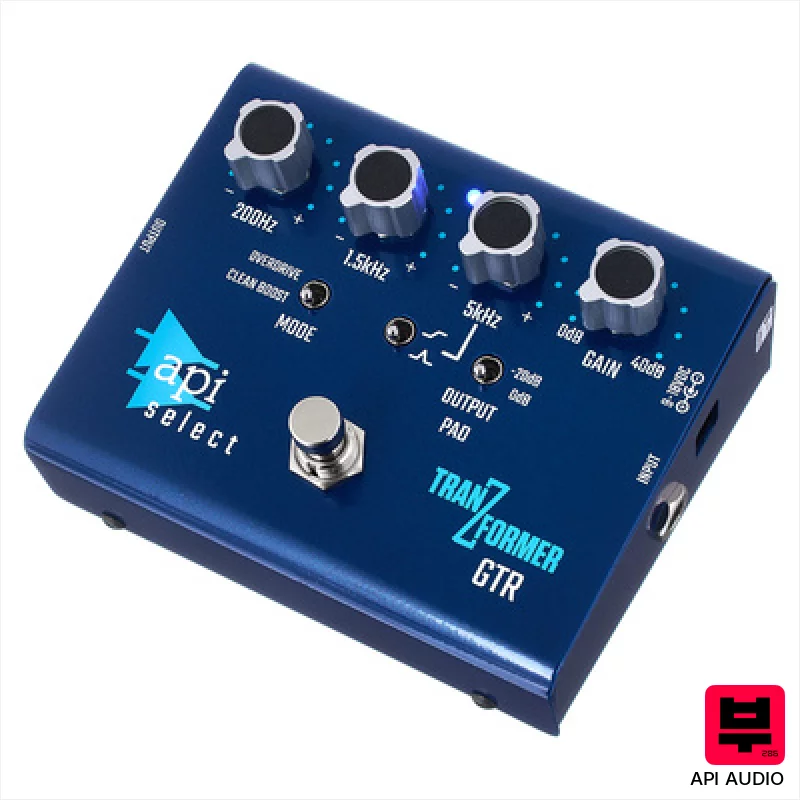
API Audio TranZformer GTR
- • API 2510 OpAmp delivers characteristic API warmth and punch.
- • Transformer output adds desirable harmonic richness and output drive.
- • Fixed frequencies offer targeted EQ shaping for common guitar tones.
- • Buffered bypass preserves signal integrity and eliminates pickup noise.
- • Limited 3-band EQ restricts complex tonal sculpting options.
- • Fixed frequencies may not suit all playing styles or guitars.
- • Relatively premium-priced compared to simpler EQ pedals.
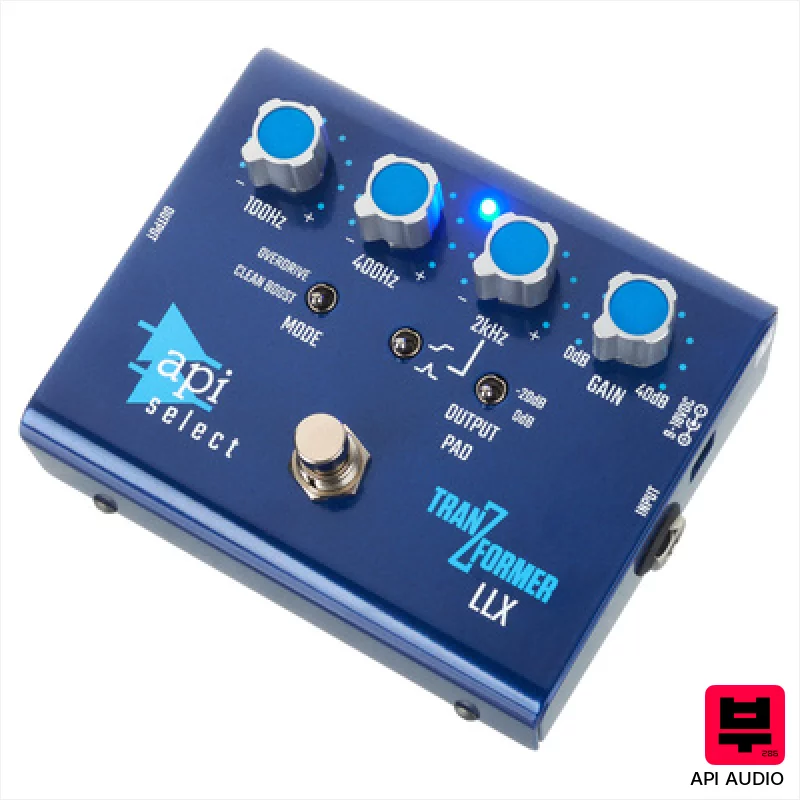
API Audio TranZformer LLX Bass Pedal
- • API 2510 OpAmp delivers a signature API warmth and clarity.
- • The output transformer adds crucial harmonic richness and low-end authority.
- • Hi-Z input/output handles active and passive basses with exceptional fidelity.
- • Robust build quality; feels solid and well-engineered for pedalboard use.
- • Limited EQ band flexibility compared to more complex parametric EQs.
- • Requires external power supply, adding to overall cost and cable clutter.
- • The overdrive, while usable, isn't a primary focus and lacks versatility.
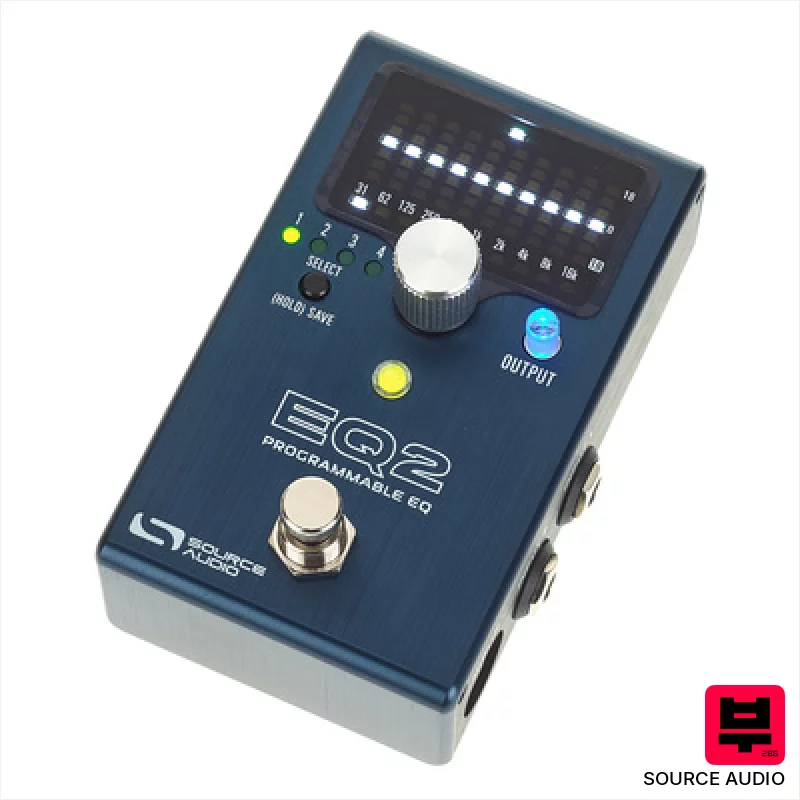
Source Audio SA 270 - One Series EQ2
- • Exceptional parametric control offers sculpting precision beyond typical EQs
- • Integrated noise gate and limiter are surprisingly effective, cleaning up signal
- • Comprehensive MIDI implementation unlocks deep preset customization possibilities
- • Clean boost provides useful volume shaping without added coloration.
- • Complex interface demands time investment to fully master its features
- • Relatively large footprint might be an issue for smaller pedalboards
- • The sheer number of options can be overwhelming for casual users.
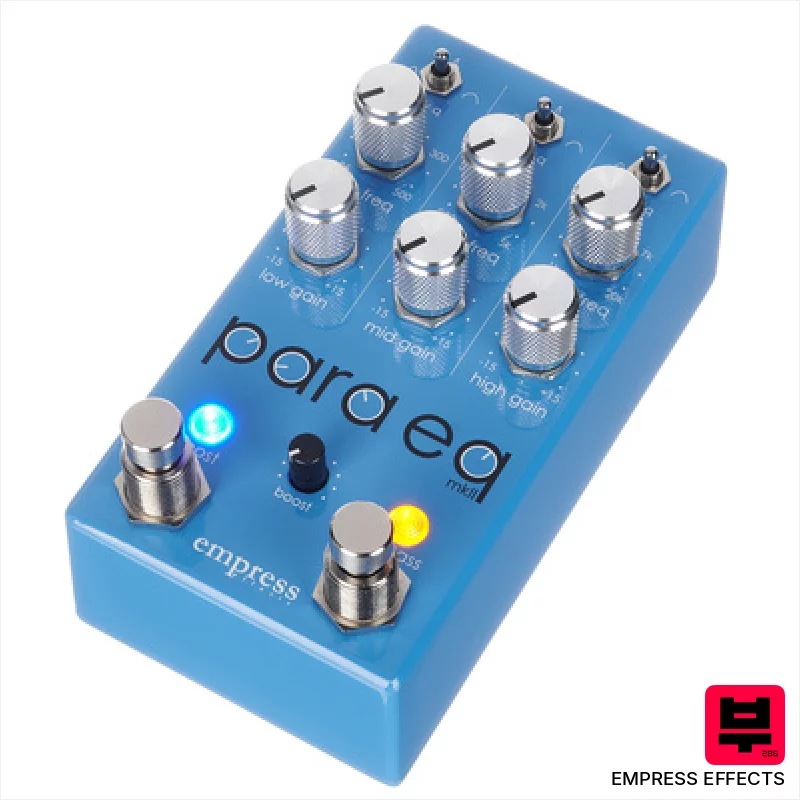
Empress Effects ParaEQ MKII
- • Exceptional clarity and control over tonal shaping.
- • Robust, milled aluminum enclosure provides excellent durability.
- • The boost function adds significant headroom and a warm, musical gain.
- • Intuitive rotary controls offer precise frequency adjustments.
- • Limited to three bands, restricting complex EQ sculpting.
- • Lack of battery operation adds power supply dependency.
- • Premium-priced, potentially prohibitive for budget-conscious players.

Boss EQ-200 Graphic Eq
- • Boss’s renowned build quality ensures long-term reliability and road-worthiness
- • Flexible routing options (parallel, serial, stereo) offer creative tonal sculpting
- • The 32-bit processing provides pristine audio quality with minimal noise
- • Comprehensive MIDI and USB connectivity expands integration with digital setups
- • The 10-band EQ might feel limiting for users needing very precise adjustments
- • The physical size makes it less ideal for extremely compact pedalboards
- • The lack of a true TRS insert point restricts complex signal chain configurations
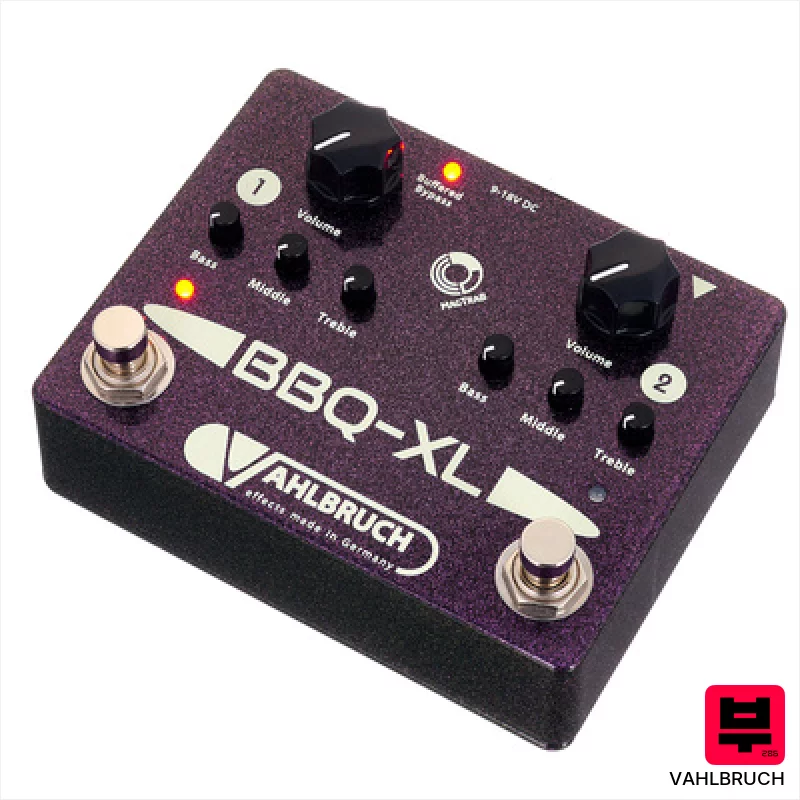
Vahlbruch BBQ-XL Buffer,Booster,EQ
- • Dual-channel design offers unparalleled flexibility for stereo rigs or complex signal chains.
- • MagTraB footswitch provides absolutely silent switching – a crucial feature for stage use.
- • German craftsmanship ensures exceptional build quality and longevity; feels solid and well-made.
- • The EQ section delivers musical boosts and cuts, avoiding harshness common in cheaper pedals.
- • Limited power options; requires a dedicated mains adapter, adding to the overall cost.
- • Relatively compact size might feel cramped for players with larger feet or limited dexterity.
- • EQ range, while musical, isn't as extreme as some dedicated parametric EQs.
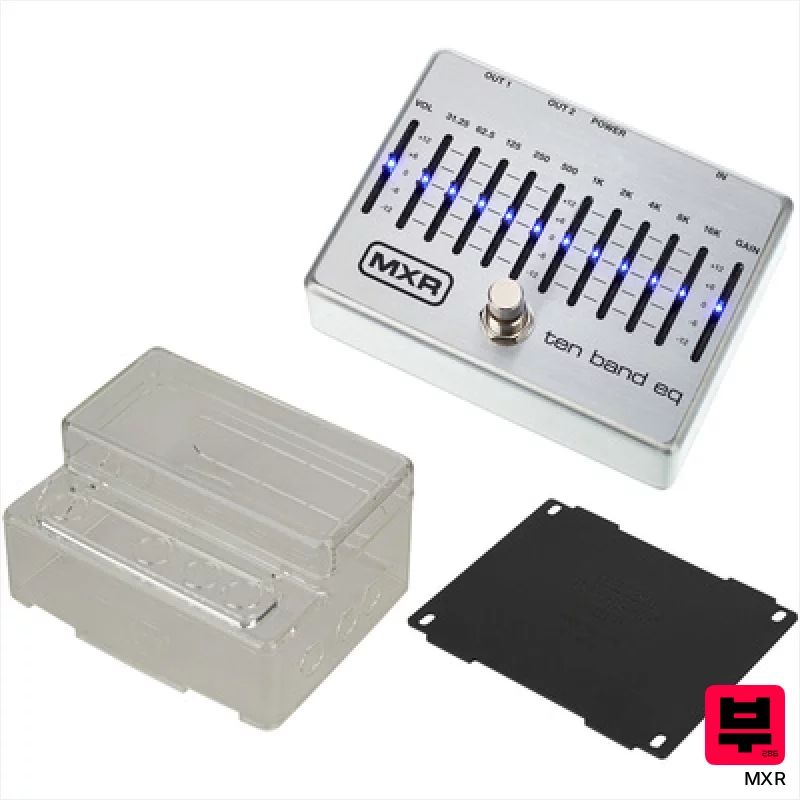
MXR 10 Band Equalizer Bundle
- • Robust aluminum housing offers excellent protection against pedalboard abuse.
- • True bypass preserves signal integrity when the EQ is disengaged.
- • Dual outputs enable flexible signal routing and parallel processing options.
- • Illuminated sliders provide clear visual feedback in low-light conditions.
- • The size (124 x 92 x 54 mm) can be a constraint on smaller pedalboards.
- • While versatile, the fixed frequency bands limit precise shaping compared to parametric EQs.
- • The included power supply, while functional, is a basic Dunlop unit.
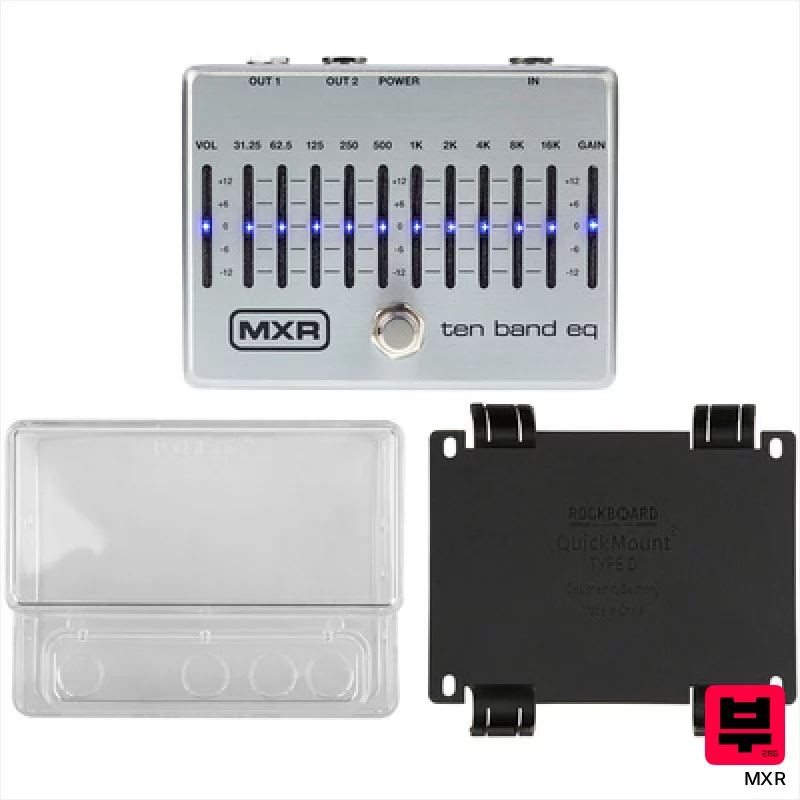
MXR 10 Band Equalizer Bundle RB
- • Robust aluminum housing provides excellent durability for stage use
- • True bypass preserves signal integrity when bypassed, crucial for tone purists
- • Dual outputs allow for flexible signal routing and parallel processing
- • Illuminated sliders offer clear visual feedback, especially in dimly lit environments
- • The size and weight (700g) can be cumbersome on smaller pedalboards
- • 10-band EQ can feel limiting for extremely precise tonal shaping
- • The Rockboard protective cover, while appreciated, feels like a budget accessory
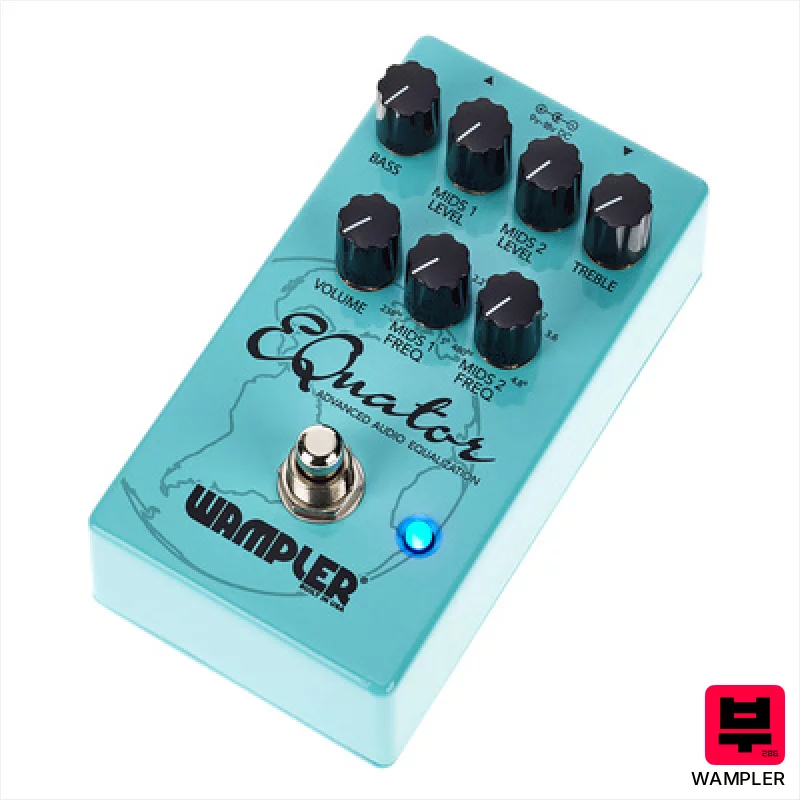
Wampler EQuator Equalizer
- • Precise parametric control offers exceptional tonal sculpting ability
- • High headroom allows for significant boost without harsh distortion
- • Robust enclosure and quality components ensure long-term reliability
- • True bypass preserves your signal integrity when the effect is off
- • Limited frequency range compared to more expansive EQ solutions
- • Lack of battery operation adds to setup complexity
- • Size, while compact, can be restrictive on smaller pedalboards

Vahlbruch BBQ Buffer/Boost/EQ
- • Solid, all-analog circuitry ensures pristine signal integrity and warmth.
- • German craftsmanship delivers exceptional build quality and reliability.
- • Effective EQ range allows subtle shaping or more aggressive tonal sculpting.
- • Silent button eliminates unwanted noise during EQ adjustments, a crucial feature.
- • Lack of battery operation limits portability and convenience.
- • Relatively compact size might be restrictive for some pedalboard layouts.
- • EQ band spacing isn't ideal for precise mid-range adjustments.
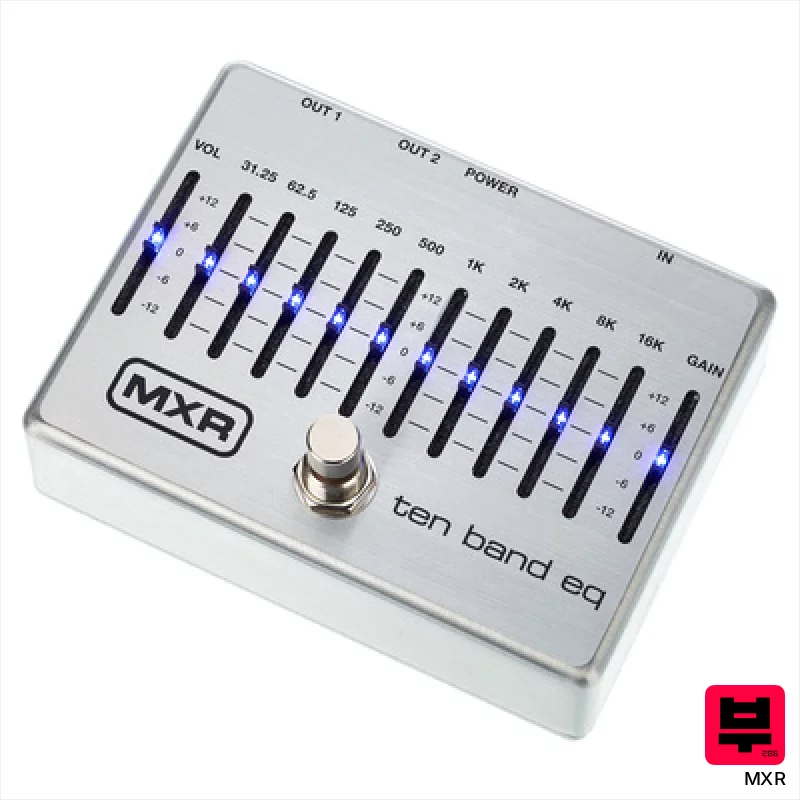
MXR 10 Band Equalizer Silver
- • Robust aluminum housing offers excellent protection and a premium feel
- • Dual outputs allow for flexible signal routing and parallel processing
- • True bypass preserves your signal when the pedal is disengaged
- • Wide frequency range provides substantial tonal shaping capabilities.
- • Can be overwhelming for beginners due to the numerous controls
- • The size and weight make it less ideal for smaller pedalboards
- • The 18V power supply, while included, is a slightly less common voltage.
Every equalizer pedals that matches
28 models match this page. The 15 above are covered in detail; the rest are listed here with their published specifications.
| # | Model | Specifications | Price |
|---|---|---|---|
| 16 | JHS Pedals Haunting Mids - Parametric EQ | not published | $173 |
| 17 | MXR 6 Band Equalizer Silver | not published | $143 |
| 18 | Ibanez Pentatone Equalizer PTEQ | not published | $130 |
| 19 | Boss GE-7 Equalizer | not published | $120 |
| 20 | Joyo R-12 Band Controller EQ | not published | $83 |
| 21 | Mooer Graphic G | not published | $65 |
| 22 | Artec Graphic EQ & Tuner | not published | $50 |
| 23 | Yuer YF-40 Ten Band EQ | not published | $44 |
| 24 | Artec SE-EQ8 Graphic EQ | not published | $42 |
| 25 | Artec Parametric EQ | not published | $42 |
| 26 | Behringer EQ700 | not published | $26 |
| 27 | Behringer BEQ700 Bass Graphic Equalizer | not published | $23 |
| 28 | Harley Benton MiniStomp 5-Band | not published | $22 |
Equalizer Pedals by the numbers
Measured across all 28 models in this category, so «wide», «short» or «expensive» mean something you can check.
How to Choose the Best Equalizer Pedals
Frequency Range & Bandwidth
Professional players need precise control. A narrow Q can surgically remove a harsh resonance, while a broad Q can subtly shift the overall tonal balance. Limited frequency ranges are a non-starter.
Control Accuracy & Resolution
Fiddly knobs and a lack of fine-grained control are frustrating. We're looking for pedals where even small adjustments make a noticeable and predictable difference-essential for dialing in subtle nuances.
Noise Performance
A noisy EQ pedal is worse than no EQ pedal. Any added hiss or hum will bury your signal, especially when stacking it with other effects. Clean headroom is paramount.
Flexibility (Parametric vs. Graphic)
Graphic EQs are quick and intuitive for broad shaping, but parametric EQs offer surgical precision. The best choice depends on your workflow, but professional players often need both capabilities.
Build Quality & Durability
Gigging demands a robust pedal. We're judging based on component quality, chassis construction, and overall feel - something that can withstand years of abuse and temperature changes.
Buying Guide
Don't fall for the 'more knobs equals better' trap. Complexity adds a learning curve, and a poorly designed parametric EQ can be more trouble than it's worth. If you're new to EQ, start with a graphic EQ to grasp the basics, then move to parametric for finer adjustments. Paying extra for a pedal with a wider frequency range, higher resolution controls, and genuinely low noise is an investment in your tone and sanity.
How This List Is Built
We don't play these instruments — we're a catalog, not a review desk, and we'd rather say so than pretend otherwise. This page covers 28 equalizer pedals from the Thomann catalogue, which is the largest single source of specification data in this category: 15 in detail, the rest listed with their specifications.
Position is computed, not curated. We parse the manufacturer's own description into actual values — nut width, scale, fret count, fingerboard radius, size, alloy — and rank on them: how many specifications a model has published, how many of them are measurable numbers, and how precisely it meets this page's criterion. A product image adds a little. Price is not a ranking signal: it tells you nothing about whether a neck fits your hand. The same inputs always produce the same order, so nothing here is shuffled to look fresh.
What this list is good for: narrowing a category down to a shortlist by spec and budget. What it isn't: a substitute for hearing an instrument. Before you buy, read hands-on reviews and, where you can, play it. Full methodology.

