
Best Electronic Drum Triggers for Sound Layering 2026
So, you're not satisfied with just a kit sound, huh? You want to layer a gritty, processed snare over your acoustic backbeat, or add a sub-bass rumble to your kick? Electronic drum triggers are the key, but not all triggers are created equal when it comes to sound layering. It's not just about sensitivity; it's about the tonal character they impart, how they respond to your dynamics, and how well they integrate into a complex mix - especially when you're gigging, not just in the studio.
Last updated: July 8, 2026 • Next update: July 15, 2026
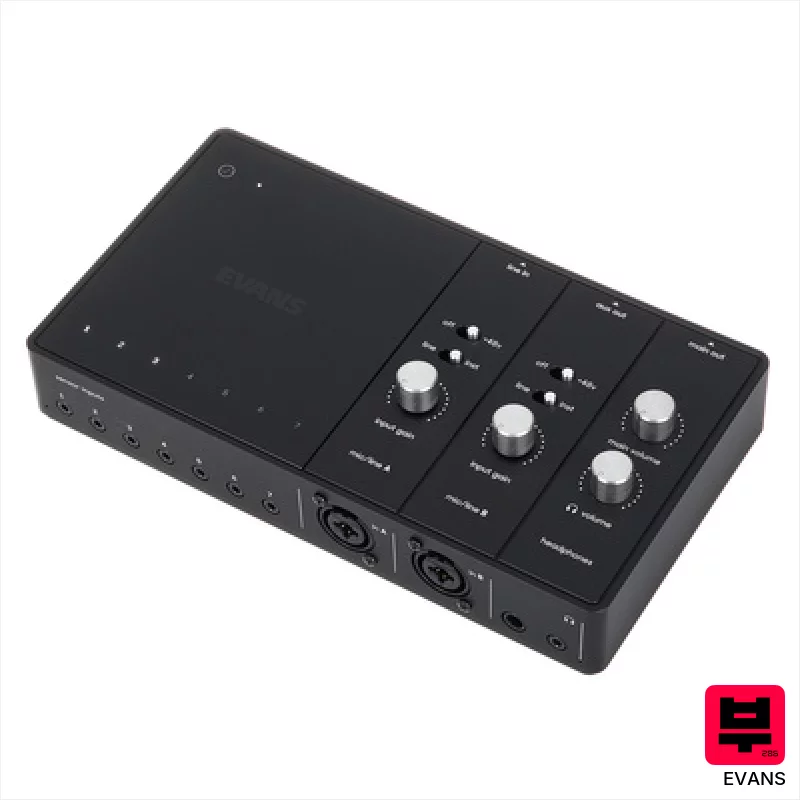
Evans Hybrid Sensory Perc. Bundle
- • Sensors offer surprisingly accurate and nuanced dynamic response.
- • Sunhouse software unlocks creative possibilities beyond simple trigger sounds.
- • The ADAT output provides expandability for complex routing setups.
- • Robust build quality; sensors feel durable for gigging.
- • System requirements are fairly demanding; older computers may struggle.
- • Limited number of plug-and-play sensor connections (7) may restrict larger kits.
- • Software dependency means functionality is tied to ongoing software support.
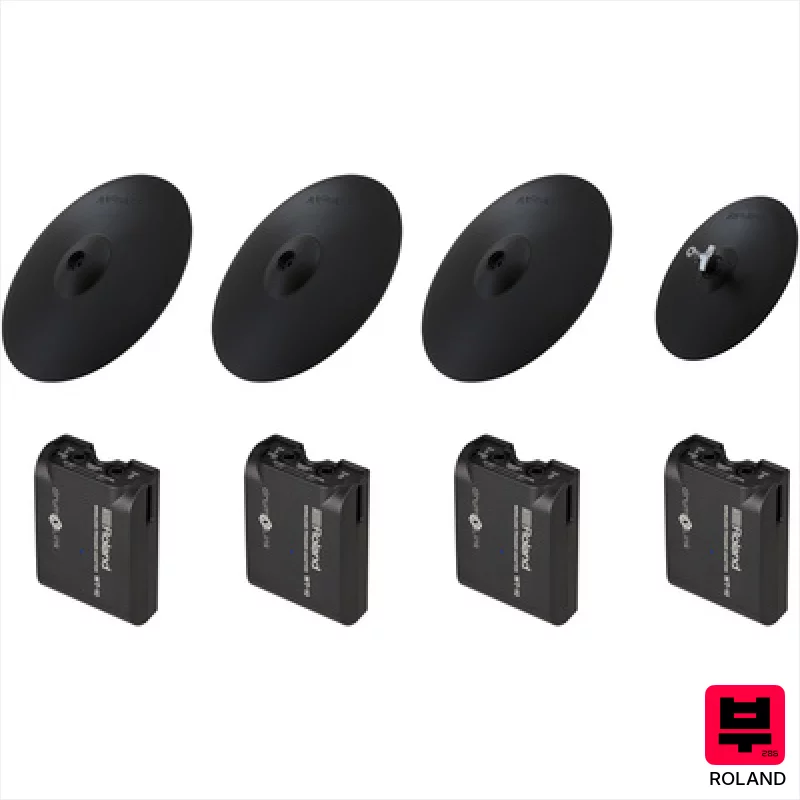
Roland 4CY-4WT-01 DrumLink Cymb. Pack
- • Wireless connectivity eliminates cable clutter and stage setup headaches.
- • VH-10 hi-hat offers realistic pedal movement and nuanced control.
- • CY-16R-T cymbals provide a responsive, expressive playing feel.
- • DrumLink system ensures ultra-low latency, crucial for realistic feel.
- • The initial investment is premium-priced, a significant barrier for some.
- • Requires a DH-10 DrumLink Hub for full functionality, adding to the cost.
- • Battery operation necessitates periodic charging or replacements.
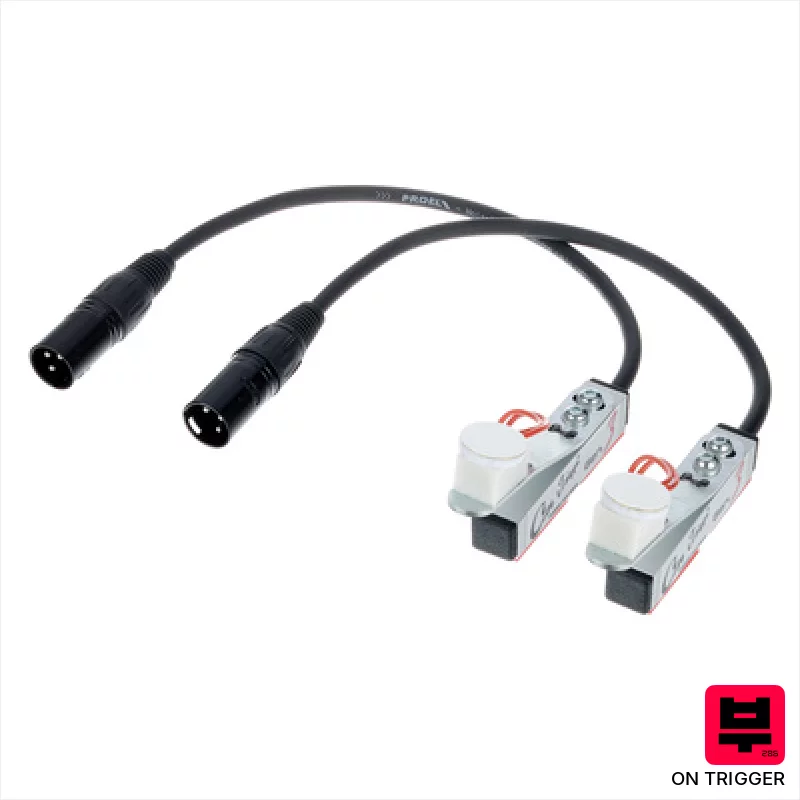
On Trigger Bass Drum Trigger XLR
- • Integrated adhesive strips simplify installation and ensure secure attachment.
- • Adjustable sensor pressure allows for fine-tuning to various playing styles.
- • XLR output provides a clean, professional signal for direct recording or mixing.
- • Included replacement sensor extends the trigger's lifespan and value.
- • The adhesive may leave residue upon removal, requiring careful cleanup.
- • Limited zone sensitivity compared to higher-end multi-zone triggers.
- • Plastic housing feels somewhat budget-oriented, potentially impacting long-term durability.

Roland WT-10 Wireless Trigger Adapter
- • Rock-solid Roland build quality, feels durable and dependable
- • Ultra-low latency ensures responsive, natural playing feel
- • Simple setup process, integrates seamlessly with Roland’s ecosystem
- • Wireless freedom expands kit configuration possibilities significantly
- • Requires DH-10 DrumLink Hub, adding to overall investment
- • Limited to Roland’s trigger system, lacks universal compatibility
- • Battery operation necessitates periodic charging or replacement
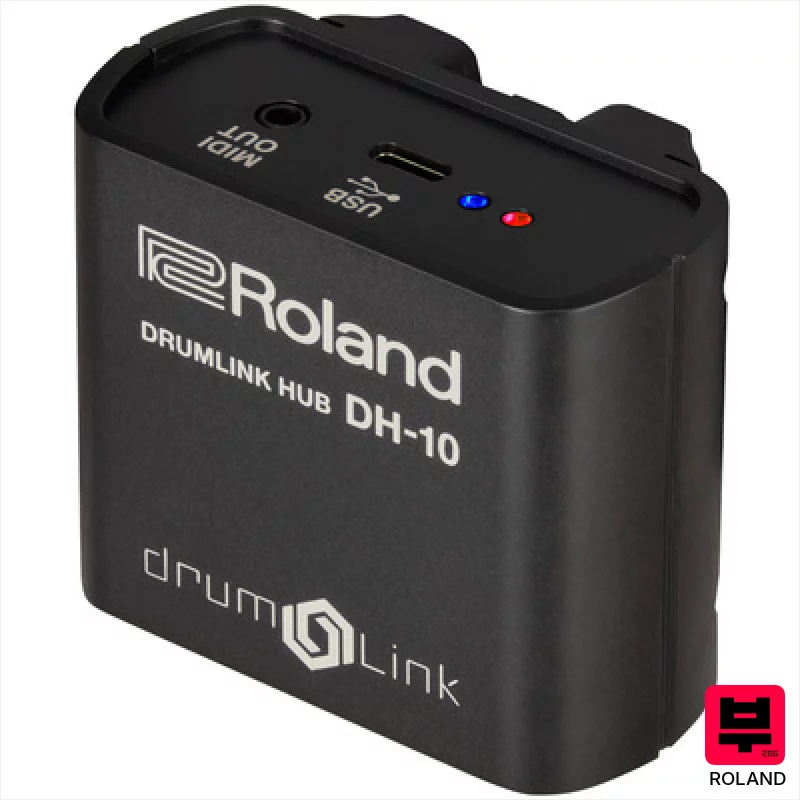
Roland DH-10 DrumLink Hub
- • Ultra-low latency ensures responsive, gig-ready performance.
- • Rock-solid wireless stability eliminates frustrating dropouts.
- • Compact design and included bracket simplify mounting options.
- • Seamless integration with Roland’s ecosystem provides advanced control.
- • Requires multiple WT-10 units for full pad coverage, increasing cost.
- • DH-10 itself offers no triggering functionality; reliant on WT-10’s.
- • Limited compatibility outside Roland’s ecosystem can restrict flexibility.
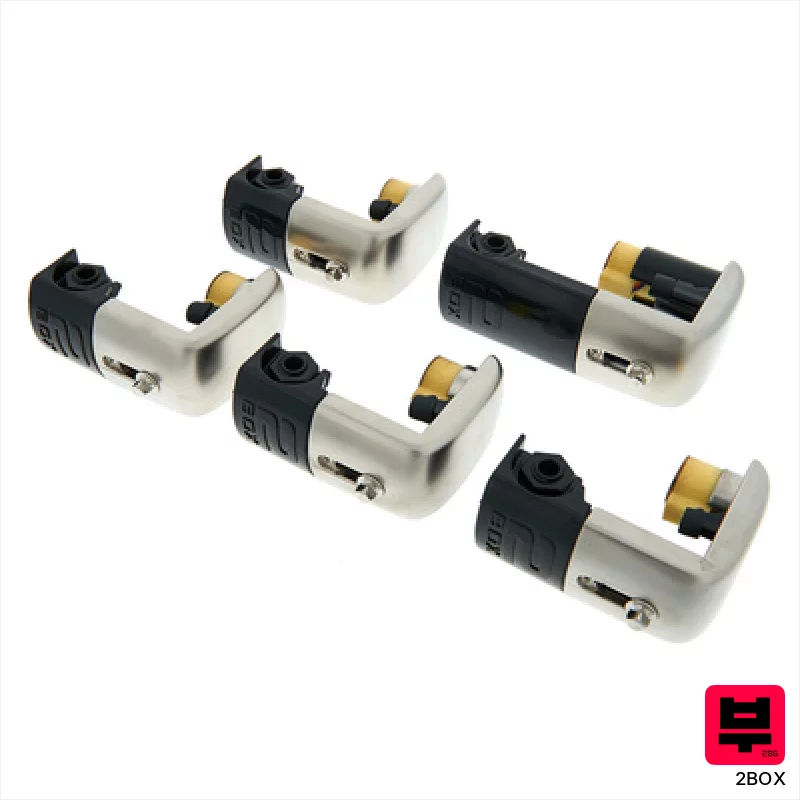
2box TriggerIt Triggerset
- • Improved piezo elements offer noticeably cleaner, more responsive triggering.
- • Silicon-covered hooks genuinely protect drum hoops from damage, a welcome detail.
- • The 'memory foam' pad delivers consistent pressure, improving dynamic response.
- • Satin chrome finish looks and feels premium, a step above typical budget triggers.
- • The trigger set's range is limited to five triggers – expansion is not straightforward.
- • The jack sockets are side-mounted, potentially creating cable clutter.
- • While accurate, the dynamic range, while natural, may not satisfy advanced, nuanced playing styles.

TDrum Snare Drum Trigger
- • Metal casing offers robust protection from stage abuse.
- • Stereo head/hoop triggering allows for nuanced snare response.
- • Dynamic sensitivity captures subtle ghost notes and powerful hits.
- • Secure XLR connector ensures reliable signal transfer to your module.
- • Cable not included; a frustrating omission at this price point.
- • Clamping mechanism might not be universally compatible with all hoop sizes.
- • Replaceable trigger design hints at potential reliability concerns over time.
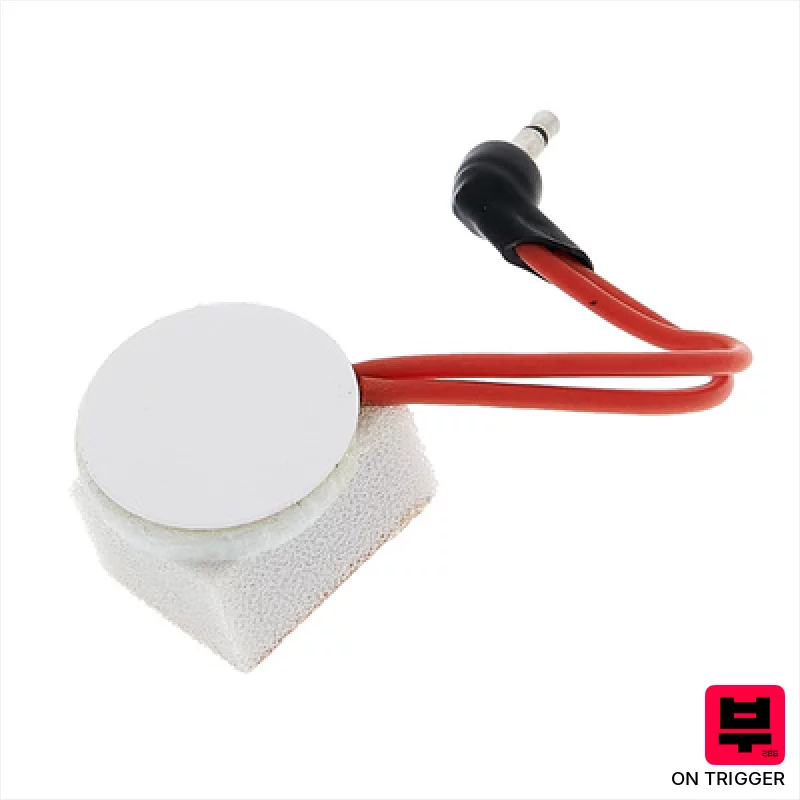
On Trigger Spare Sensor
- • Simple plug-in design enables quick and easy replacement
- • Reliable piezo element ensures consistent trigger response
- • Lightweight construction minimizes impact on drum balance
- • Affordable spare part for maintaining On Trigger systems
- • Limited compatibility; only works with On Trigger systems
- • Plastic housing feels somewhat fragile under heavy impact
- • No adjustable sensitivity – relies on the main unit's settings

Evans Hybrid Sensory Perc. Sensor
- • Excellent pickup elements capture nuanced drum dynamics.
- • Robust sensor cable minimizes signal interference and wear.
- • Versatile mounting system adapts to various drum sizes and types.
- • Integrated pickup elements offer surprisingly accurate zone triggering.
- • Requires the Sensory Percussion system, a significant additional investment.
- • Limited to Sensory Percussion's sound engine; lacks universal trigger compatibility.
- • Sensor cable length might be restrictive for larger drum kits.
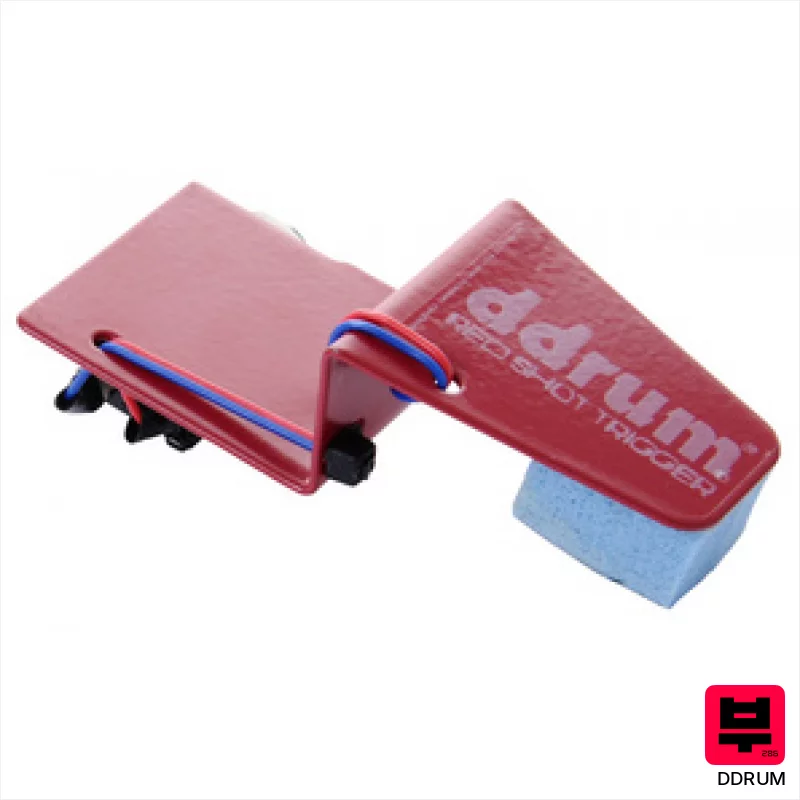
DDrum Red Shot Snare / Tom Trigger
- • Robust mounting system adapts to varied drum hoop thicknesses
- • Simple piezo trigger design provides a consistent, reliable signal
- • Lightweight construction minimizes impact on drum feel and resonance
- • Affordable entry point for electronic triggering experimentation
- • Cable not included; necessitates an additional purchase and potential compatibility issues
- • Single-zone triggering limits dynamic expressive possibilities
- • Basic construction means limited long-term durability compared to higher-end triggers

Triggera Ontrigg External Drum Trigger
- • Robust stainless steel housing provides excellent durability for gigging.
- • Two-zone capability offers nuanced rim sounds and greater expressive control.
- • Universal compatibility ensures seamless integration with a wide range of drum modules.
- • Simple clamp mounting system allows for quick and easy installation on acoustic drums.
- • The stainless steel housing, while durable, adds noticeable weight compared to lighter triggers.
- • Sensitivity adjustment might require fine-tuning for optimal performance with varied playing styles.
- • Limited to steel drum hoops; unsuitable for wood or composite rims.
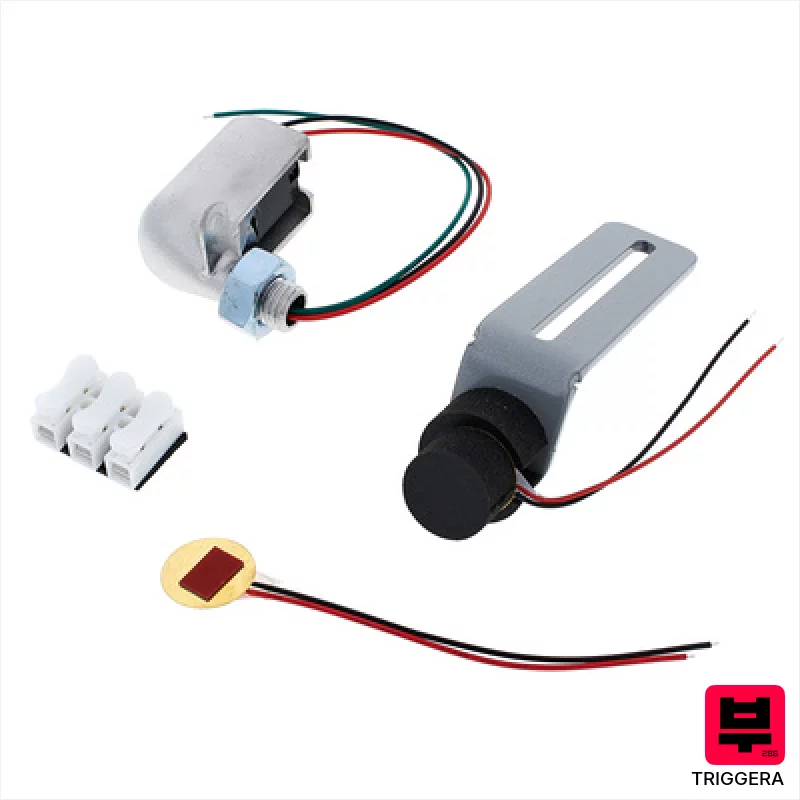
Triggera Intrigg Internal Drum Trigger
- • Compact design minimizes impact on drumhead resonance
- • Stereo output allows for nuanced cymbal/drum layering
- • Simple screw-bracket attachment simplifies installation
- • Affordable entry point to internal triggering
- • Limited zone sensitivity compared to higher-end systems
- • 6.3mm jack may require adapters for some modules
- • Construction feels a bit plasticky – not super robust
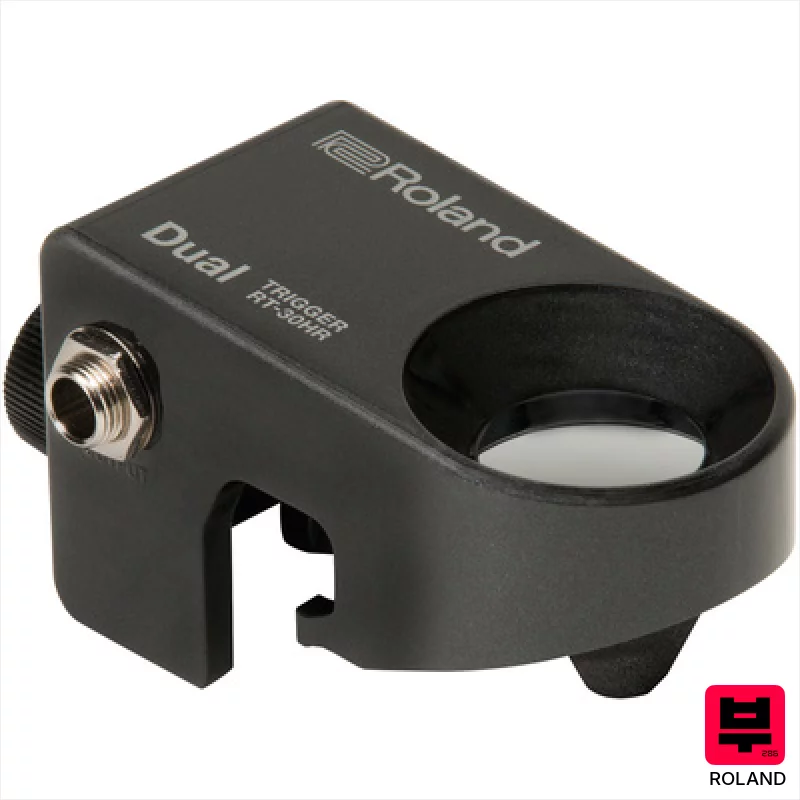
Roland RT-30HR Dual Trigger
- • Lightweight fibreglass body minimizes fatigue during extended playing sessions
- • Dual sensor system delivers nuanced rim and center hits for expressive playing
- • Roland’s proven triggering technology ensures reliable and consistent response
- • Side-mounted output simplifies cable management and reduces clutter on the drum.
- • Limited compatibility beyond Roland modules restricts its versatility for some users
- • Fibreglass body, while light, can feel less robust than metal alternatives
- • Requires careful adjustment for optimal sensitivity and to avoid false triggers.
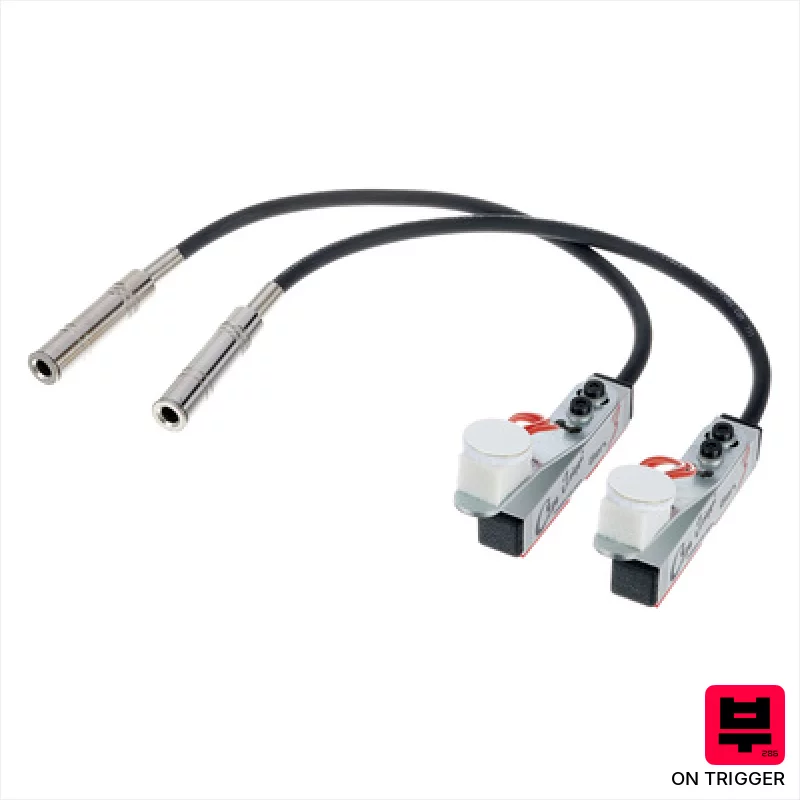
On Trigger Bass Drum Trigger Jack
- • Integrated adhesive simplifies installation, a real time-saver.
- • Replaceable sensor extends the trigger’s lifespan considerably.
- • Adjustable pressure caters to various playing styles and drum sizes.
- • Compact design minimizes interference with bass drum mechanics.
- • Adhesive bond might not hold on all drum shell finishes.
- • Limited zone response; primarily focused on beater impact.
- • Plastic construction feels less robust than metal trigger options.

DDrum Red Shot Bass Drum Trigger
- • Robust clip design securely attaches to tuning lugs
- • Long cable version accommodates thicker wooden bass drum hoops
- • Simple, reliable piezo trigger for consistent response
- • Affordable entry point to electronic bass drum triggering
- • Cable not included – a frustrating omission at this price
- • Piezo trigger may lack nuance for complex bass drum sounds
- • Limited zone sensitivity compared to more advanced triggers
How to Choose the Best Electronic Drum Triggers
Transient Response
Layering relies on clean, defined transients. Triggers that smear the attack will muddy your layered sounds, especially on snares and toms. You want something that's snappy and articulate, not soft and rounded.
Dynamic Range
The best triggers respond to your playing intensity. A trigger that consistently fires at the same level, regardless of how hard you hit, is useless for layering - you'll lose that ghost note subtlety or the impact of a backbeat.
Tonal Character
Some triggers add a slight color to the sound, which can be a good thing - a little warmth or a touch of bite can help the layered sound gel. Others are completely neutral, which is what you want if you're going for a pristine, unprocessed layered sound. Knowing which is which matters.
Sensitivity Adjustment
Fine-grained sensitivity control is essential. You need to dial them in so they trigger reliably without false positives from cymbal bleed or kit vibrations - especially crucial in a loud band setting.
Mounting System & Durability
This isn't just about convenience; a flimsy mount will introduce unwanted noise and vibration. A trigger that falls off mid-gig is a disaster. Think about how it'll hold up to the rigors of touring.
Buying Guide
Don't be fooled by cheap triggers promising the world. They'll usually cut corners on transient response and dynamic sensitivity, resulting in a sloppy, unpredictable sound. Spending a bit more on a reputable brand gets you better mounting hardware, more precise sensitivity controls, and a more consistent trigger response. Consider the type of acoustic drum you're using - a bright, resonant kit will require a different trigger profile than a darker, more muffled one.
Our Methodology
We're not just looking at spec sheets here. We've put these triggers through the wringer - live rehearsals with loud bands, tracking sessions with multiple mics, and countless hours of bedroom experimentation. Our evaluations are based on how they feel to play, how they sound in a real-world mix, and how consistently they perform across different playing styles and acoustic drum kits. A/B comparisons against each other and against high-end acoustic drums are a must.

