
Best Electronic Drum Triggers for Hybrid Setups 2026
So, you're diving into the hybrid drum world - acoustic kit augmented with electronic sounds. Smart move; it's the best of both worlds. But slapping a trigger on every tom and snare is a recipe for frustration if you pick the wrong ones. Let's cut through the marketing and talk about triggers that actually work well in a hybrid setup, so you can get that blend of organic feel and electronic punch without sounding like a digital mess.
Last updated: July 8, 2026 • Next update: July 15, 2026
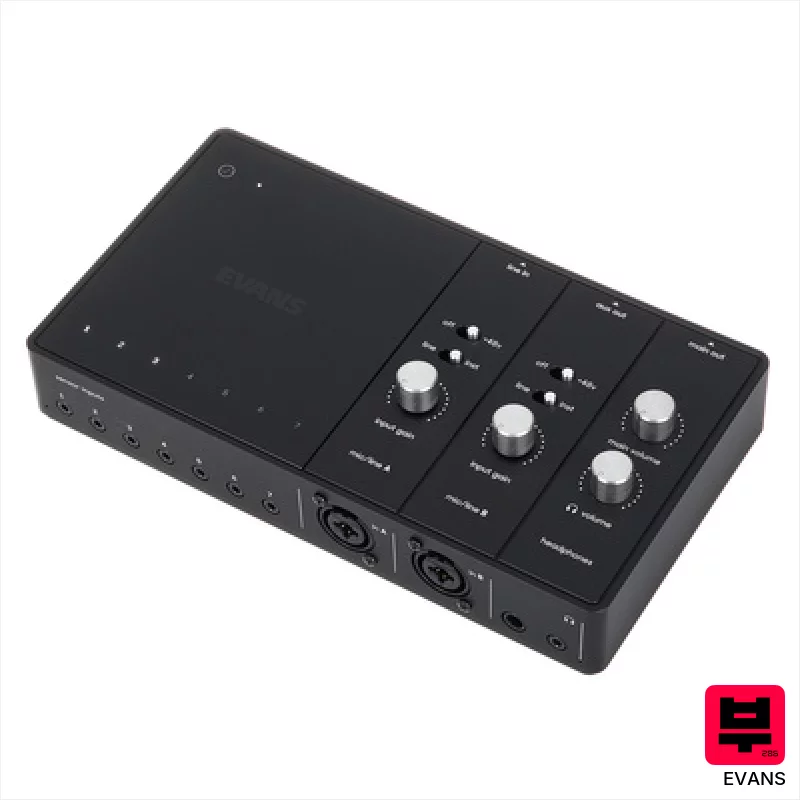
Evans Hybrid Sensory Perc. Bundle
- • Sensors offer surprisingly accurate and nuanced dynamic response.
- • Sunhouse software unlocks creative possibilities beyond simple trigger sounds.
- • The ADAT output provides expandability for complex routing setups.
- • Robust build quality; sensors feel durable for gigging.
- • System requirements are fairly demanding; older computers may struggle.
- • Limited number of plug-and-play sensor connections (7) may restrict larger kits.
- • Software dependency means functionality is tied to ongoing software support.
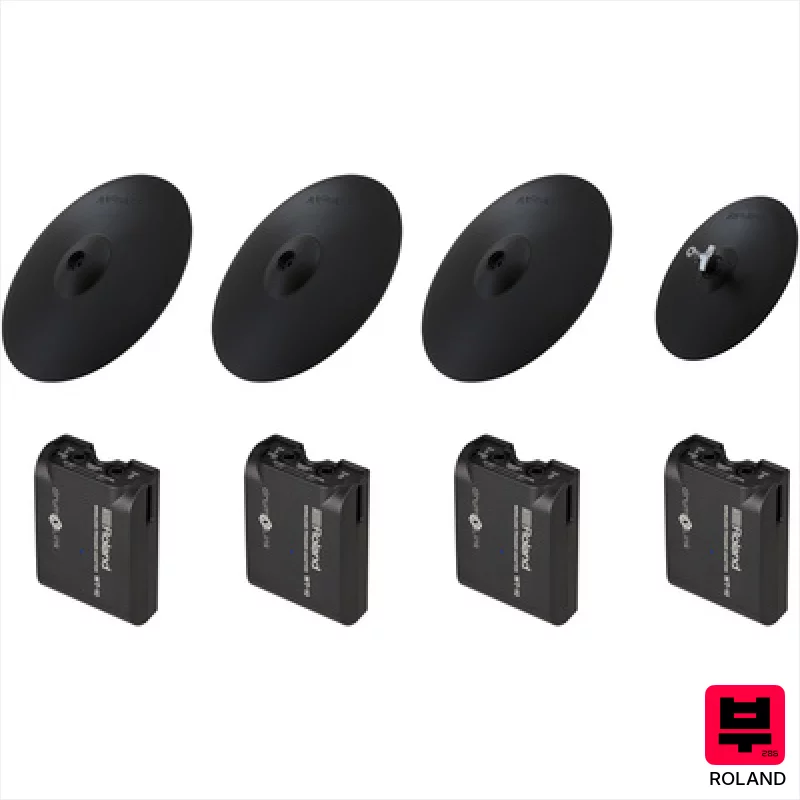
Roland 4CY-4WT-01 DrumLink Cymb. Pack
- • Wireless connectivity eliminates cable clutter and stage setup headaches.
- • VH-10 hi-hat offers realistic pedal movement and nuanced control.
- • CY-16R-T cymbals provide a responsive, expressive playing feel.
- • DrumLink system ensures ultra-low latency, crucial for realistic feel.
- • The initial investment is premium-priced, a significant barrier for some.
- • Requires a DH-10 DrumLink Hub for full functionality, adding to the cost.
- • Battery operation necessitates periodic charging or replacements.
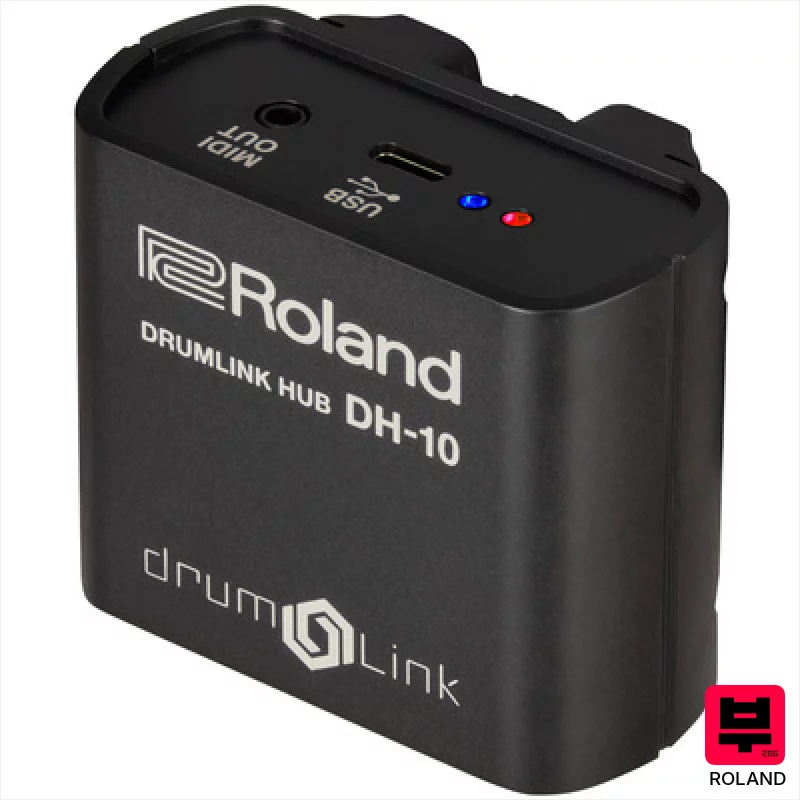
Roland DH-10 DrumLink Hub
- • Ultra-low latency ensures responsive, gig-ready performance.
- • Rock-solid wireless stability eliminates frustrating dropouts.
- • Compact design and included bracket simplify mounting options.
- • Seamless integration with Roland’s ecosystem provides advanced control.
- • Requires multiple WT-10 units for full pad coverage, increasing cost.
- • DH-10 itself offers no triggering functionality; reliant on WT-10’s.
- • Limited compatibility outside Roland’s ecosystem can restrict flexibility.
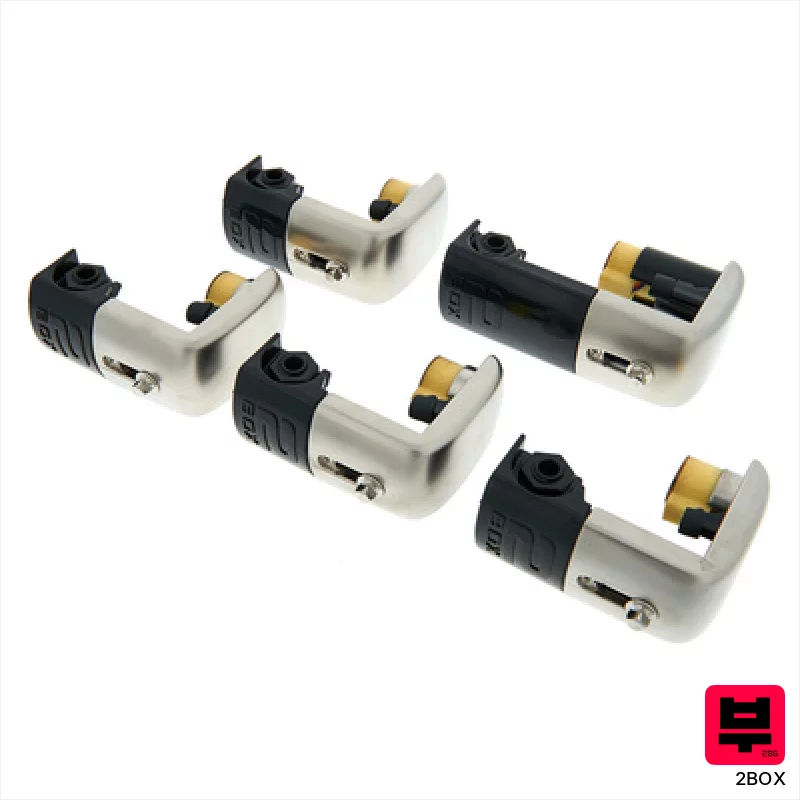
2box TriggerIt Triggerset
- • Improved piezo elements offer noticeably cleaner, more responsive triggering.
- • Silicon-covered hooks genuinely protect drum hoops from damage, a welcome detail.
- • The 'memory foam' pad delivers consistent pressure, improving dynamic response.
- • Satin chrome finish looks and feels premium, a step above typical budget triggers.
- • The trigger set's range is limited to five triggers – expansion is not straightforward.
- • The jack sockets are side-mounted, potentially creating cable clutter.
- • While accurate, the dynamic range, while natural, may not satisfy advanced, nuanced playing styles.
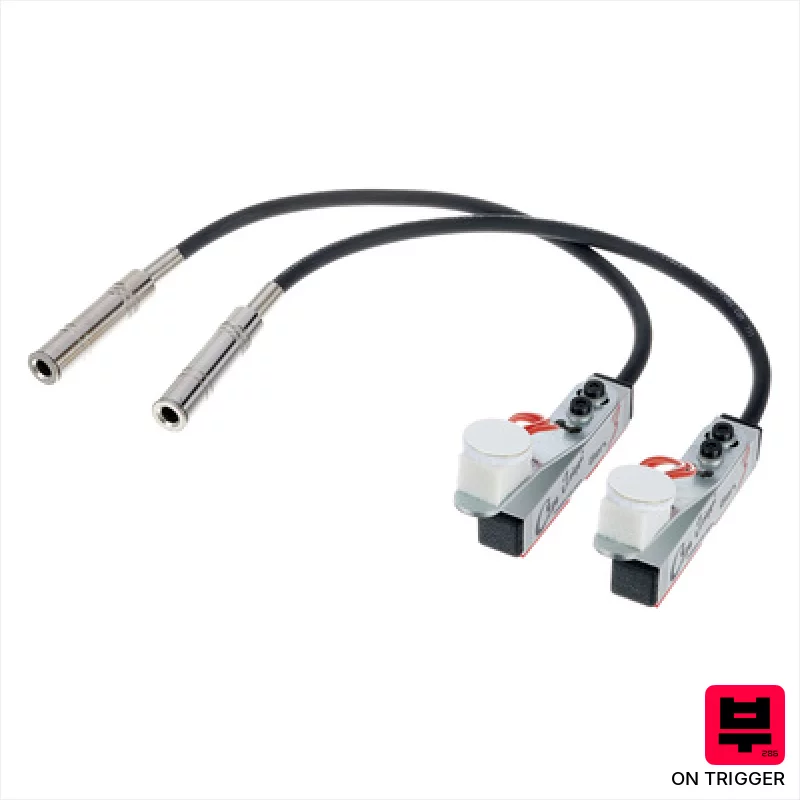
On Trigger Bass Drum Trigger Jack
- • Integrated adhesive simplifies installation, a real time-saver.
- • Replaceable sensor extends the trigger’s lifespan considerably.
- • Adjustable pressure caters to various playing styles and drum sizes.
- • Compact design minimizes interference with bass drum mechanics.
- • Adhesive bond might not hold on all drum shell finishes.
- • Limited zone response; primarily focused on beater impact.
- • Plastic construction feels less robust than metal trigger options.
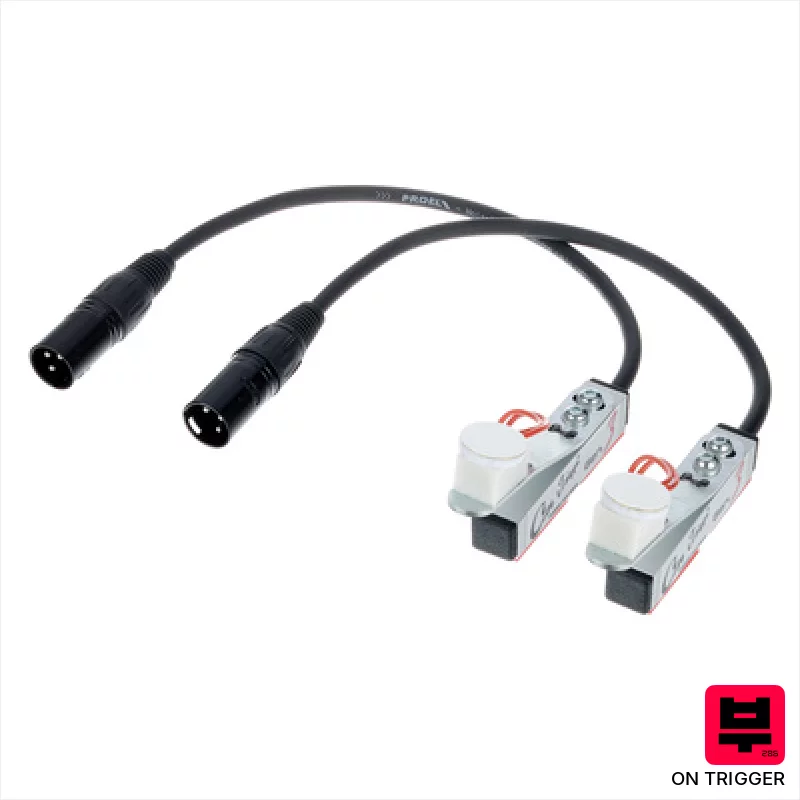
On Trigger Bass Drum Trigger XLR
- • Integrated adhesive strips simplify installation and ensure secure attachment.
- • Adjustable sensor pressure allows for fine-tuning to various playing styles.
- • XLR output provides a clean, professional signal for direct recording or mixing.
- • Included replacement sensor extends the trigger's lifespan and value.
- • The adhesive may leave residue upon removal, requiring careful cleanup.
- • Limited zone sensitivity compared to higher-end multi-zone triggers.
- • Plastic housing feels somewhat budget-oriented, potentially impacting long-term durability.
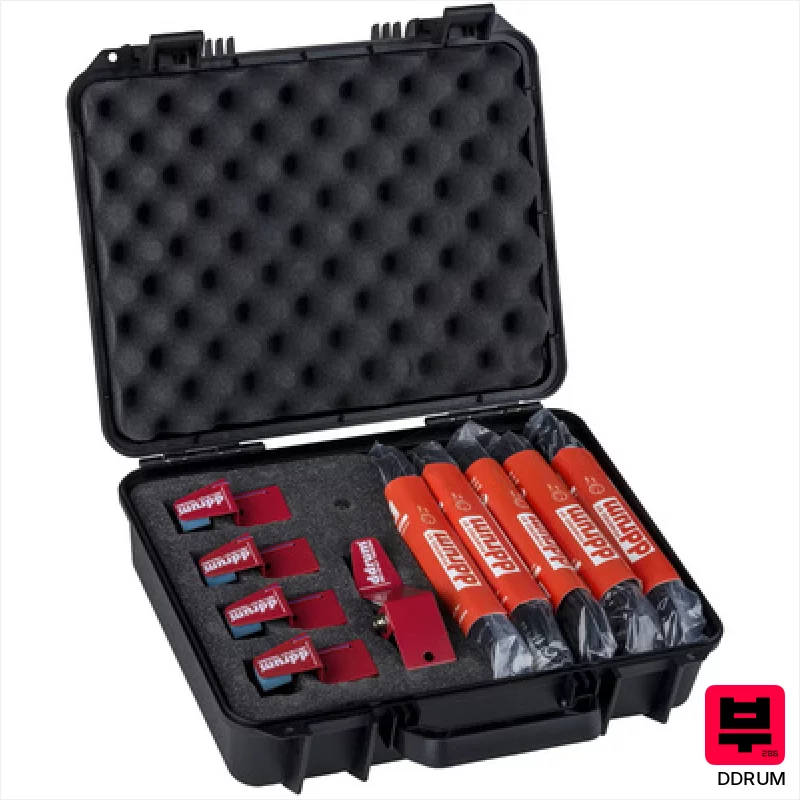
DDrum Red Shot Tour Pack
- • Robust clamping system secures firmly to tuning lugs
- • Solid jack outputs handle demanding performance use
- • Includes padded hard case for reliable transport and storage
- • Versatile compatibility with most drum modules expands sonic possibilities
- • Bass drum trigger’s sensitivity may need fine-tuning for optimal response
- • Plastic construction feels less premium than metal alternatives
- • Limited zone sensitivity compared to higher-end trigger systems

Roland WT-10 Wireless Trigger Adapter
- • Rock-solid Roland build quality, feels durable and dependable
- • Ultra-low latency ensures responsive, natural playing feel
- • Simple setup process, integrates seamlessly with Roland’s ecosystem
- • Wireless freedom expands kit configuration possibilities significantly
- • Requires DH-10 DrumLink Hub, adding to overall investment
- • Limited to Roland’s trigger system, lacks universal compatibility
- • Battery operation necessitates periodic charging or replacement
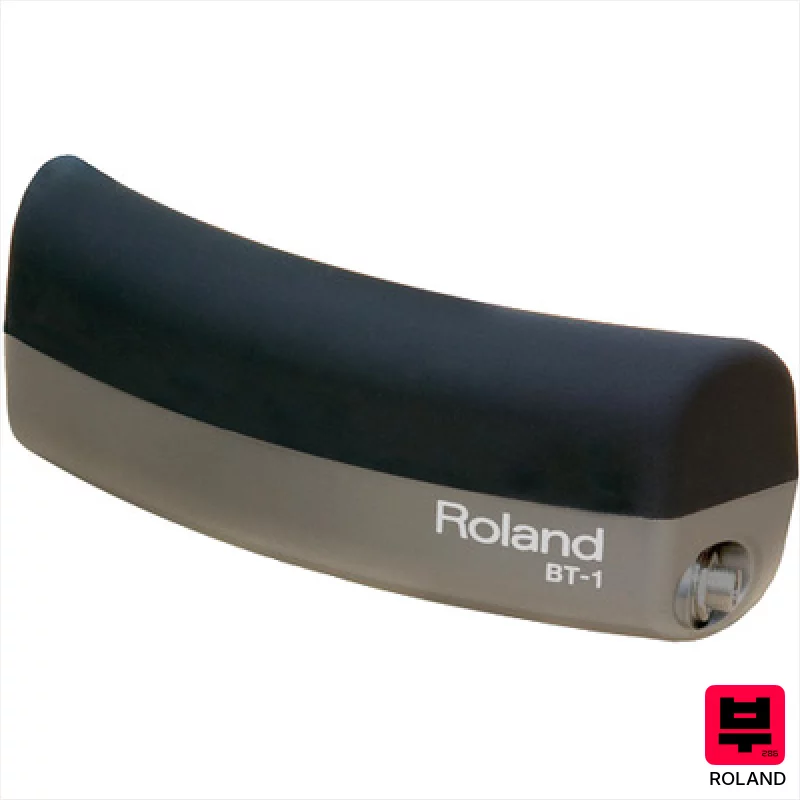
Roland BT-1 Bar Trigger Pad
- • Compact size allows for creative, unconventional mounting options.
- • Roland’s robust construction ensures durability under repeated impact.
- • Universal compatibility with V-Drums and SPD series expands sound design.
- • Curved surface promotes a natural, responsive playing feel akin to a rimshot.
- • Single trigger limits expressive possibilities compared to multi-zone pads.
- • The small size may feel cramped for players with larger hands.
- • Limited to triggering functions; lacks a built-in sound engine.
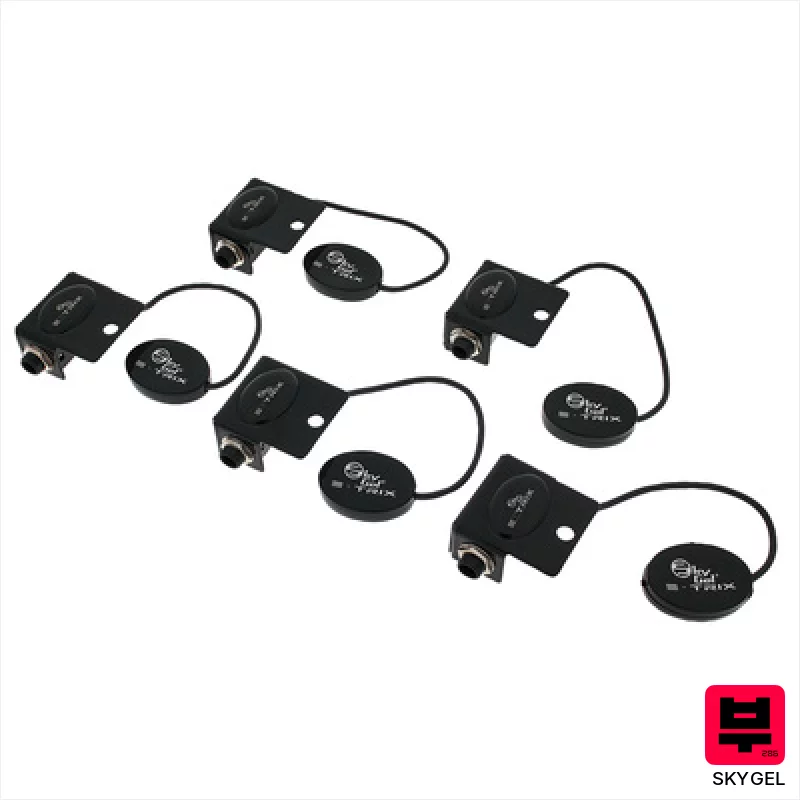
SkyGel E-Trix Gel Drum Trigger Set
- • SkyGel pads offer surprisingly natural feel and responsiveness for the price.
- • Metal housings provide robust durability, handling gigging conditions well.
- • The 30mm gel pads effectively dampen drums, preventing unwanted overtones.
- • Simple design and mounting system allow for quick and easy setup on any kit.
- • Single zone triggering limits expressive possibilities for advanced players.
- • The jack sockets feel somewhat flimsy; careful cable management is needed.
- • Limited dynamic range compared to higher-end piezo or magnetic triggers.
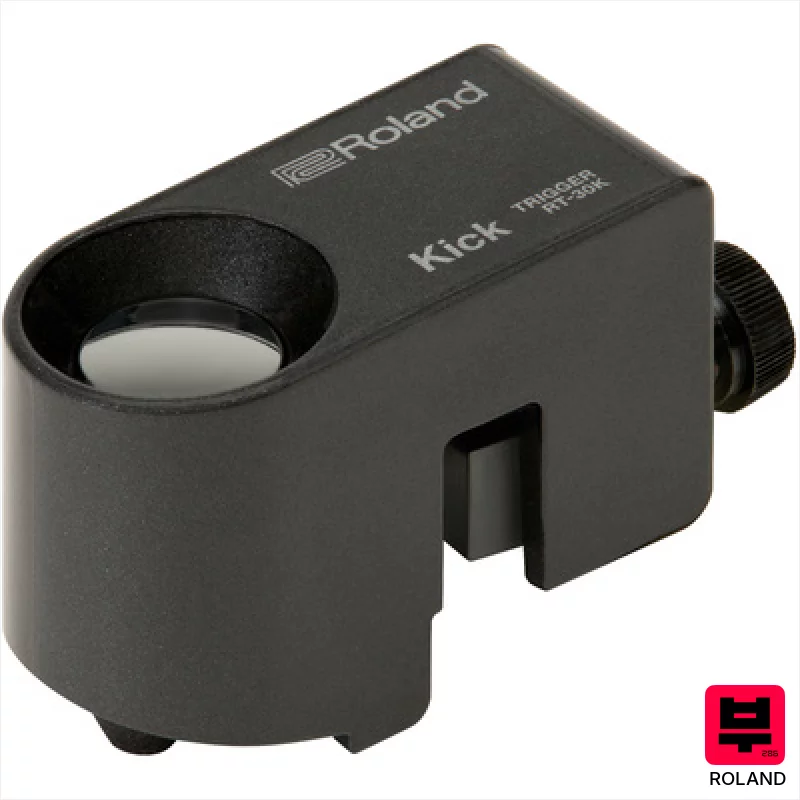
Roland RT-30K Kick Trigger
- • Lightweight fibreglass body minimizes impact on bass drum resonance
- • Roland’s proven single-sensor technology delivers consistent trigger response
- • Side-mounted output prevents cable snagging and hoop damage
- • Excellent compatibility across Roland’s TD modules and TM-2
- • Single sensor limits dynamic range compared to dual-zone triggers
- • Fibreglass body, while light, can feel less robust than metal alternatives
- • Limited versatility – primarily designed for kick drums only

TDrum Snare Drum Trigger
- • Metal casing offers robust protection from stage abuse.
- • Stereo head/hoop triggering allows for nuanced snare response.
- • Dynamic sensitivity captures subtle ghost notes and powerful hits.
- • Secure XLR connector ensures reliable signal transfer to your module.
- • Cable not included; a frustrating omission at this price point.
- • Clamping mechanism might not be universally compatible with all hoop sizes.
- • Replaceable trigger design hints at potential reliability concerns over time.

Evans Hybrid Sensory Perc. Sensor
- • Excellent pickup elements capture nuanced drum dynamics.
- • Robust sensor cable minimizes signal interference and wear.
- • Versatile mounting system adapts to various drum sizes and types.
- • Integrated pickup elements offer surprisingly accurate zone triggering.
- • Requires the Sensory Percussion system, a significant additional investment.
- • Limited to Sensory Percussion's sound engine; lacks universal trigger compatibility.
- • Sensor cable length might be restrictive for larger drum kits.

RTOM BH Single Zone Trigger Set 5pc
- • Plastic housing offers decent impact resistance for practice environments.
- • Single-zone triggering provides clean, defined drum sounds.
- • Quick mounting simplifies setup on RTOM Black Hole pads.
- • Affordable price point makes it accessible for budget-conscious drummers.
- • Limited to RTOM Black Hole pads; restricts versatility considerably.
- • Plastic housing feels less robust than metal alternatives.
- • Single-zone design lacks the nuance of multi-zone triggers.
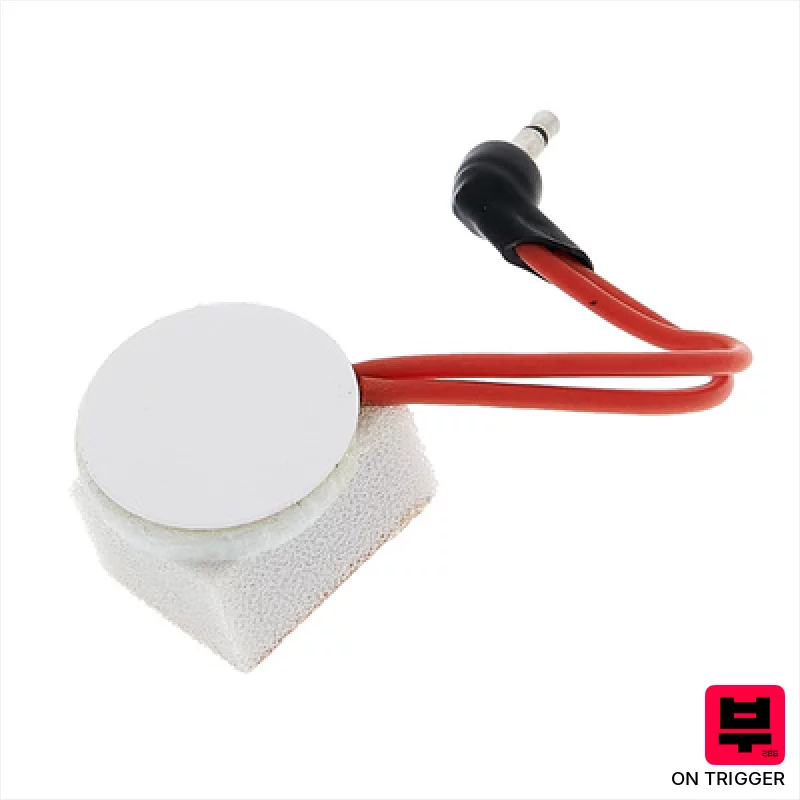
On Trigger Spare Sensor
- • Simple plug-in design enables quick and easy replacement
- • Reliable piezo element ensures consistent trigger response
- • Lightweight construction minimizes impact on drum balance
- • Affordable spare part for maintaining On Trigger systems
- • Limited compatibility; only works with On Trigger systems
- • Plastic housing feels somewhat fragile under heavy impact
- • No adjustable sensitivity – relies on the main unit's settings
How to Choose the Best Electronic Drum Triggers
Dynamic Response
Hybrid players need triggers that react to nuanced playing - ghost notes, subtle fills. Triggers that are either too sensitive (chattering) or too unresponsive kill the feel. We're looking for a wide dynamic range and a consistent threshold.
Transient Response
How quickly a trigger fires is crucial. A slow transient response creates a noticeable lag between the acoustic hit and the electronic sound, throwing off the timing and making it feel unnatural. Quick, clean transients are essential for believable integration.
Tonal Quality/Headroom
The 'trigger sound' itself matters. Some triggers add a harsh, digital edge; others can be surprisingly natural. Headroom is key - you want the trigger to handle loud hits without clipping and distorting. That's especially important for gigs.
Mounting System/Versatility
Hybrid setups often require unconventional trigger placement. A robust, adaptable mounting system that can handle various shell sizes and angles is a must. Being able to easily reposition or swap triggers between drums is a huge time-saver.
Noise Floor/Artifacts
Unwanted clicks, pops, or buzzing are a trigger's worst enemy. These artifacts can ruin a recording or distract an audience. We're listening for clean signal paths and minimal noise - anything that detracts from the acoustic drum sound.
Buying Guide
Don't chase the cheapest option; you'll pay for it in frustration. Cheaper triggers often have sloppy mounting systems, poor dynamic response, and a noticeable digital 'click' that ruins the acoustic feel. Spending a bit more on a reputable brand will get you a more consistent trigger feel and better sonic integration. Consider the type of acoustic drums you're using - a trigger that sounds great on a maple kit might not work as well on a thinner birch shell.
Our Methodology
We're not relying on spec sheets here. We've spent countless hours playing these triggers - live gigs, tracking sessions, even just banging around in the studio. We A/B compared them against each other, and against acoustic drums, paying close attention to how they respond to dynamic playing and how they sit in a mix. This isn't about buzzwords; it's about real-world performance.

