
Best Electronic Drum Triggers for Effects 2026
So, you're not just looking for triggers to make your kit sound like a drum machine. You want to sculpt sound, create textures, add weird and wonderful effects - the kind of stuff that takes a basic beat and turns it into something genuinely unique. That means your triggers need to do more than just send a signal; they need to respond to your playing with nuance and offer a wide palette of sonic possibilities. Let's break down what makes a trigger great for effects work, whether you're layering synths in the studio or adding a percussive drone to your live set.
Last updated: July 8, 2026 • Next update: July 15, 2026
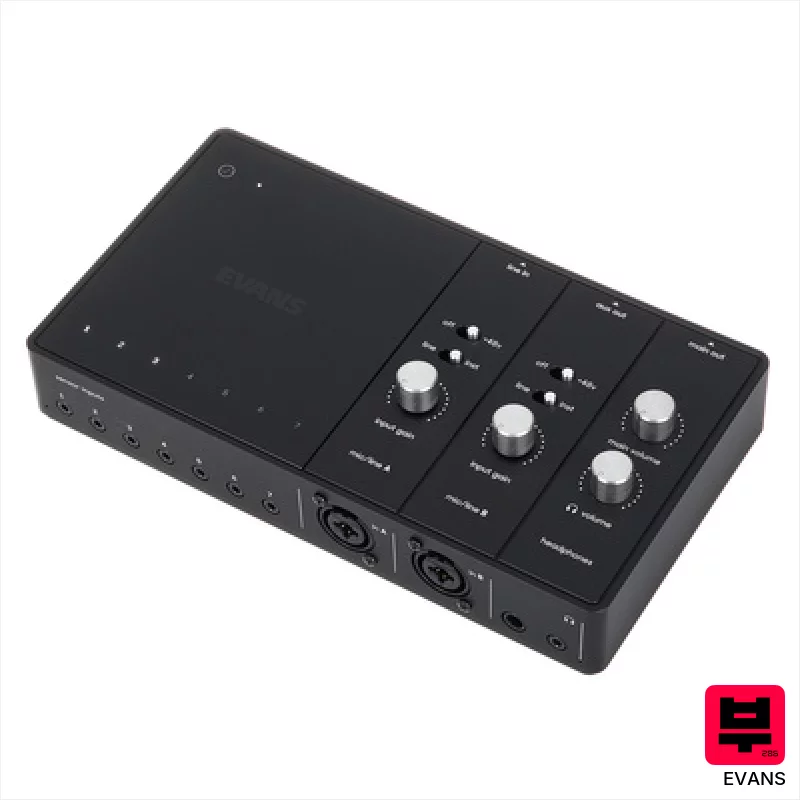
Evans Hybrid Sensory Perc. Bundle
- • Sensors offer surprisingly accurate and nuanced dynamic response.
- • Sunhouse software unlocks creative possibilities beyond simple trigger sounds.
- • The ADAT output provides expandability for complex routing setups.
- • Robust build quality; sensors feel durable for gigging.
- • System requirements are fairly demanding; older computers may struggle.
- • Limited number of plug-and-play sensor connections (7) may restrict larger kits.
- • Software dependency means functionality is tied to ongoing software support.
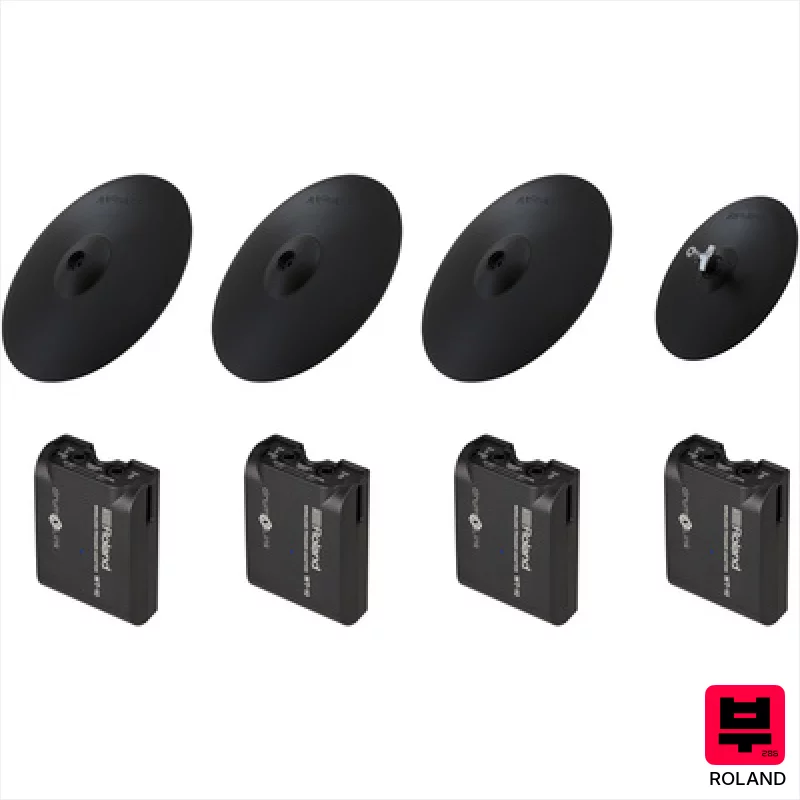
Roland 4CY-4WT-01 DrumLink Cymb. Pack
- • Wireless connectivity eliminates cable clutter and stage setup headaches.
- • VH-10 hi-hat offers realistic pedal movement and nuanced control.
- • CY-16R-T cymbals provide a responsive, expressive playing feel.
- • DrumLink system ensures ultra-low latency, crucial for realistic feel.
- • The initial investment is premium-priced, a significant barrier for some.
- • Requires a DH-10 DrumLink Hub for full functionality, adding to the cost.
- • Battery operation necessitates periodic charging or replacements.

Roland WT-10 Wireless Trigger Adapter
- • Rock-solid Roland build quality, feels durable and dependable
- • Ultra-low latency ensures responsive, natural playing feel
- • Simple setup process, integrates seamlessly with Roland’s ecosystem
- • Wireless freedom expands kit configuration possibilities significantly
- • Requires DH-10 DrumLink Hub, adding to overall investment
- • Limited to Roland’s trigger system, lacks universal compatibility
- • Battery operation necessitates periodic charging or replacement
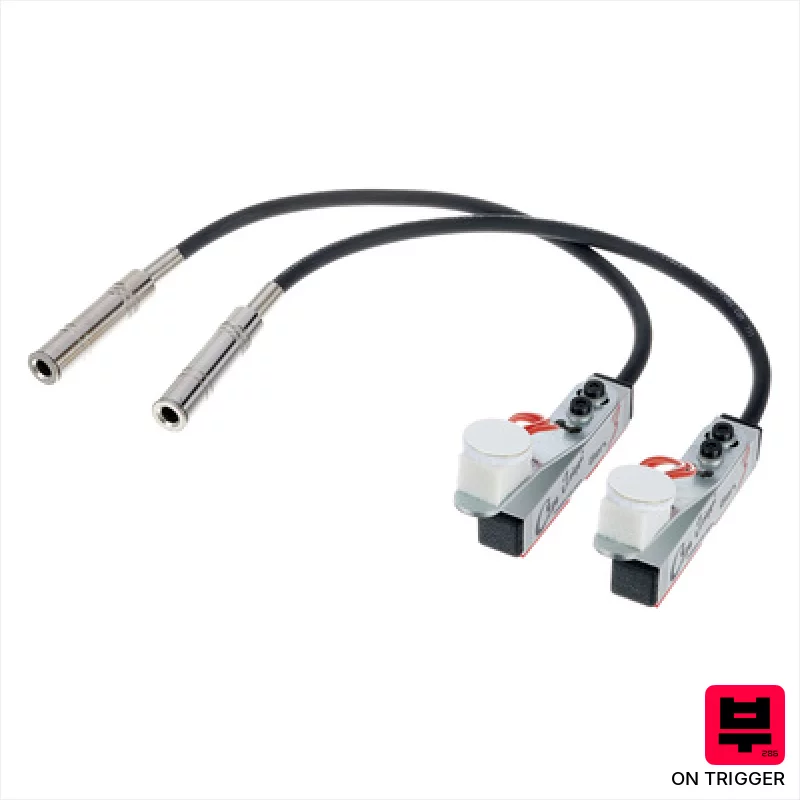
On Trigger Bass Drum Trigger Jack
- • Integrated adhesive simplifies installation, a real time-saver.
- • Replaceable sensor extends the trigger’s lifespan considerably.
- • Adjustable pressure caters to various playing styles and drum sizes.
- • Compact design minimizes interference with bass drum mechanics.
- • Adhesive bond might not hold on all drum shell finishes.
- • Limited zone response; primarily focused on beater impact.
- • Plastic construction feels less robust than metal trigger options.
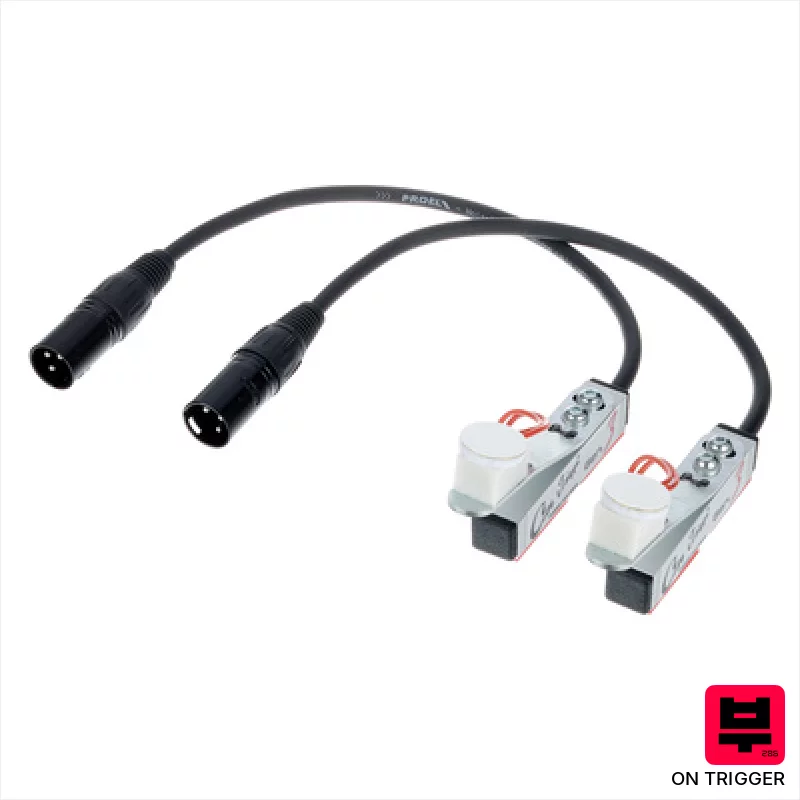
On Trigger Bass Drum Trigger XLR
- • Integrated adhesive strips simplify installation and ensure secure attachment.
- • Adjustable sensor pressure allows for fine-tuning to various playing styles.
- • XLR output provides a clean, professional signal for direct recording or mixing.
- • Included replacement sensor extends the trigger's lifespan and value.
- • The adhesive may leave residue upon removal, requiring careful cleanup.
- • Limited zone sensitivity compared to higher-end multi-zone triggers.
- • Plastic housing feels somewhat budget-oriented, potentially impacting long-term durability.

Triggera Ontrigg External Drum Trigger
- • Robust stainless steel housing provides excellent durability for gigging.
- • Two-zone capability offers nuanced rim sounds and greater expressive control.
- • Universal compatibility ensures seamless integration with a wide range of drum modules.
- • Simple clamp mounting system allows for quick and easy installation on acoustic drums.
- • The stainless steel housing, while durable, adds noticeable weight compared to lighter triggers.
- • Sensitivity adjustment might require fine-tuning for optimal performance with varied playing styles.
- • Limited to steel drum hoops; unsuitable for wood or composite rims.
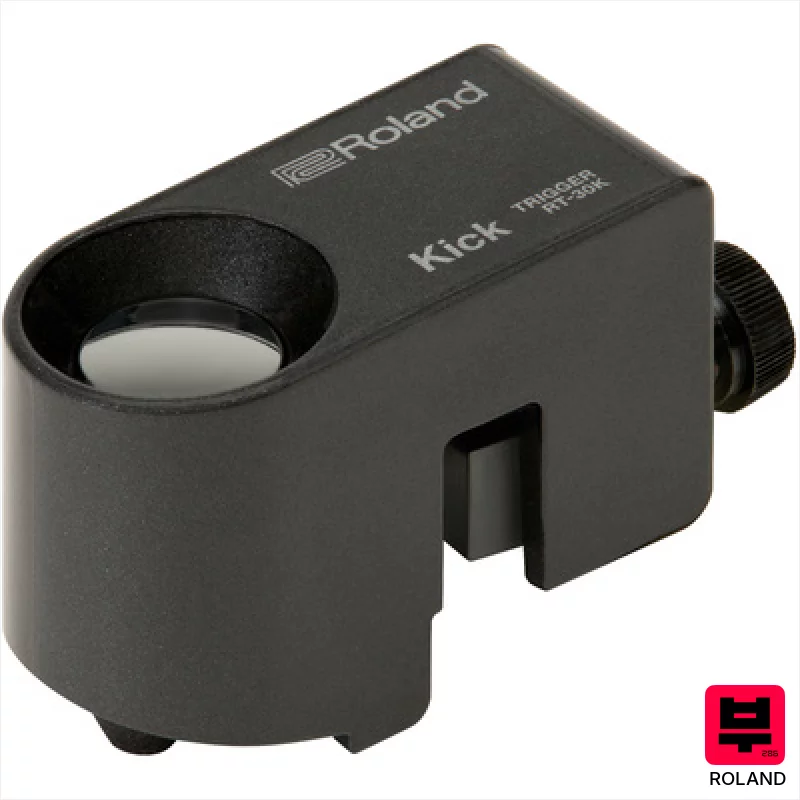
Roland RT-30K Kick Trigger
- • Lightweight fibreglass body minimizes impact on bass drum resonance
- • Roland’s proven single-sensor technology delivers consistent trigger response
- • Side-mounted output prevents cable snagging and hoop damage
- • Excellent compatibility across Roland’s TD modules and TM-2
- • Single sensor limits dynamic range compared to dual-zone triggers
- • Fibreglass body, while light, can feel less robust than metal alternatives
- • Limited versatility – primarily designed for kick drums only
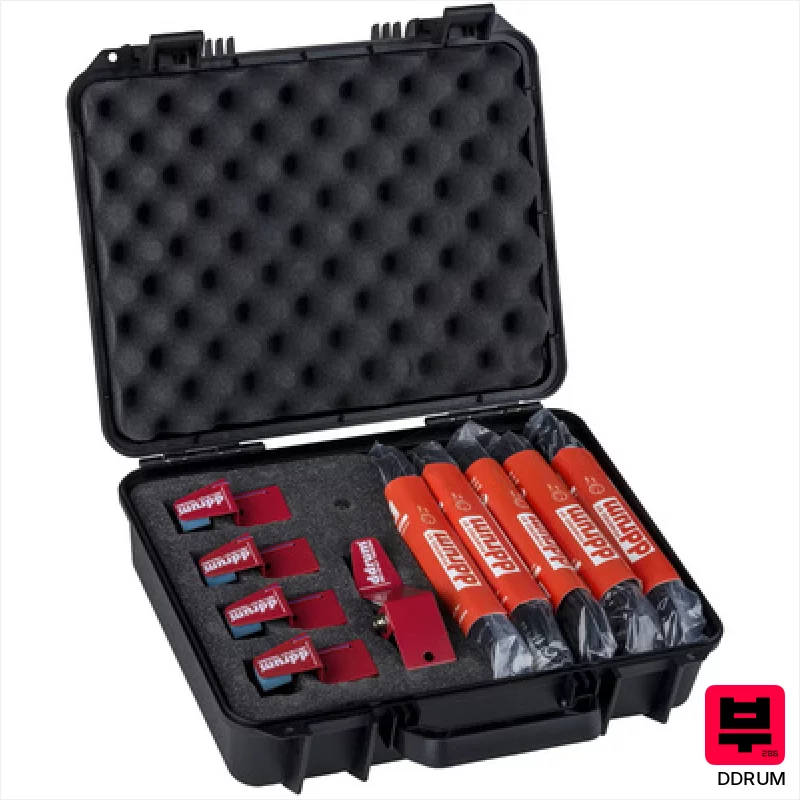
DDrum Red Shot Tour Pack
- • Robust clamping system secures firmly to tuning lugs
- • Solid jack outputs handle demanding performance use
- • Includes padded hard case for reliable transport and storage
- • Versatile compatibility with most drum modules expands sonic possibilities
- • Bass drum trigger’s sensitivity may need fine-tuning for optimal response
- • Plastic construction feels less premium than metal alternatives
- • Limited zone sensitivity compared to higher-end trigger systems
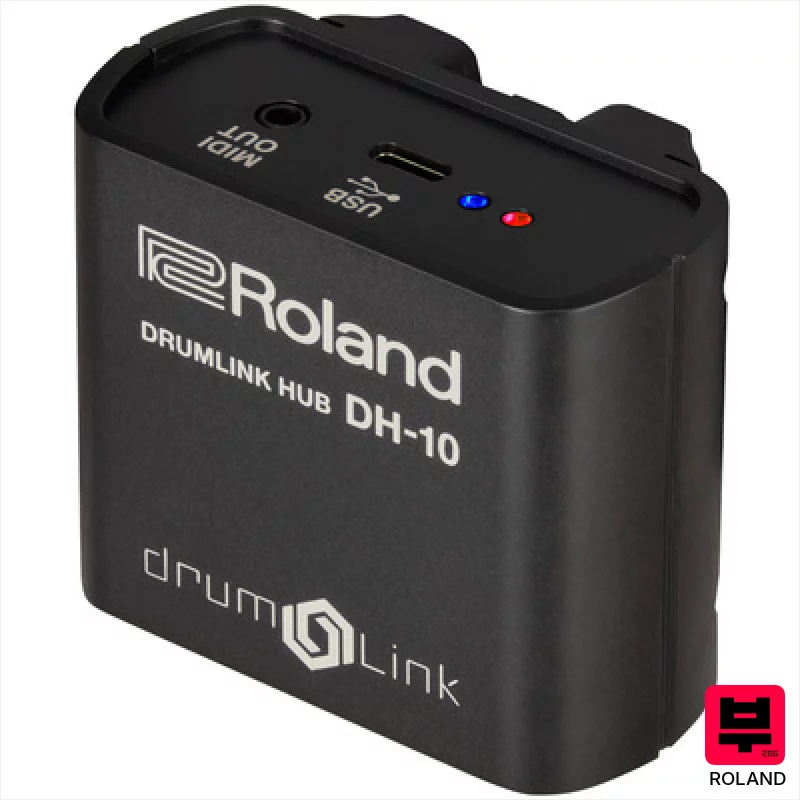
Roland DH-10 DrumLink Hub
- • Ultra-low latency ensures responsive, gig-ready performance.
- • Rock-solid wireless stability eliminates frustrating dropouts.
- • Compact design and included bracket simplify mounting options.
- • Seamless integration with Roland’s ecosystem provides advanced control.
- • Requires multiple WT-10 units for full pad coverage, increasing cost.
- • DH-10 itself offers no triggering functionality; reliant on WT-10’s.
- • Limited compatibility outside Roland’s ecosystem can restrict flexibility.
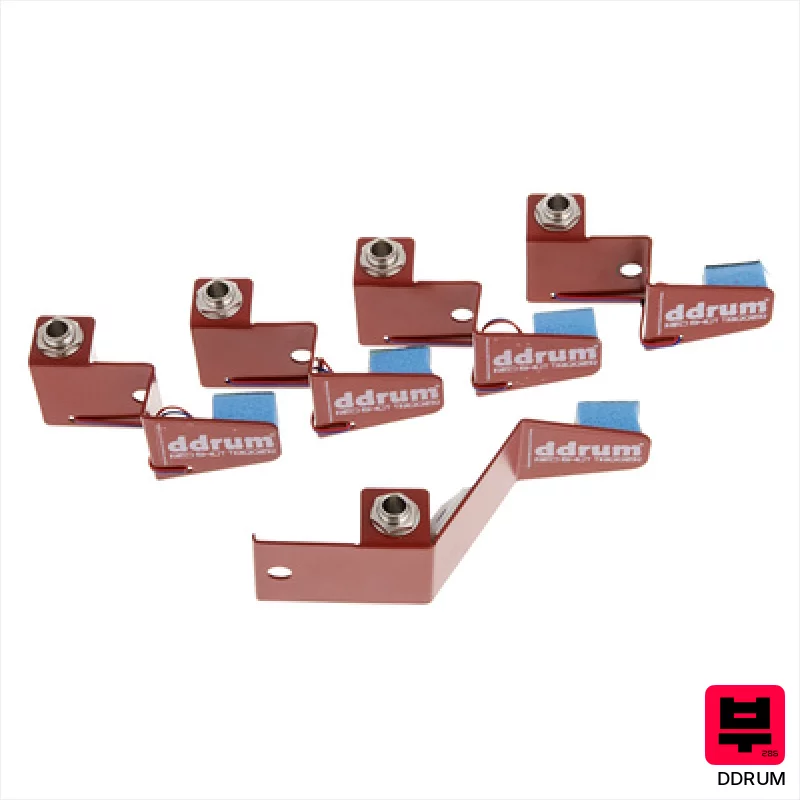
DDrum Red Shot Trigger Set
- • Simple, robust design ideal for budget-conscious electronic kits
- • Decent sensitivity for triggering a wide range of sounds
- • Universal compatibility with most drum modules is a huge plus
- • Bass drum trigger provides a solid low-end foundation
- • Lack of adjustable sensitivity settings limits customization
- • Cable not included is a frustrating, cost-saving omission
- • Plastic construction feels less durable than higher-end triggers

Yamaha DT50S Snare Trigger
- • Robust chrome casing offers excellent durability and a professional look
- • Knurled screw provides precise, repeatable sensitivity adjustments
- • Stereo triggering allows for nuanced dynamic response and rimshot detection
- • Compact design minimizes interference with drum playing space and hardware
- • Limited zone sensitivity compared to higher-end multi-zone triggers
- • Basic construction lacks advanced features like velocity curves
- • May require additional adapters depending on strainer compatibility
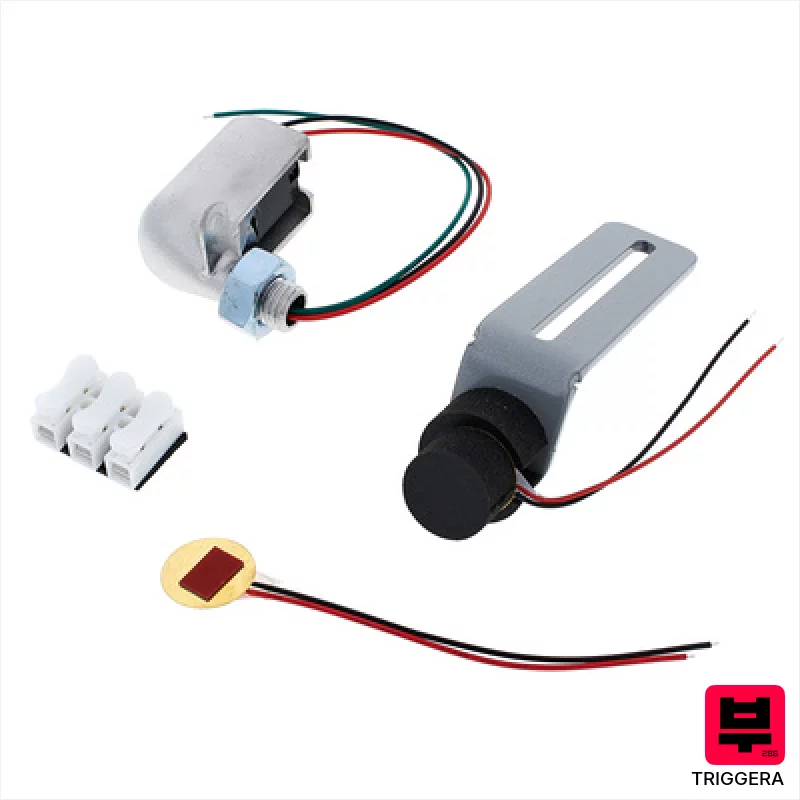
Triggera Intrigg Internal Drum Trigger
- • Compact design minimizes impact on drumhead resonance
- • Stereo output allows for nuanced cymbal/drum layering
- • Simple screw-bracket attachment simplifies installation
- • Affordable entry point to internal triggering
- • Limited zone sensitivity compared to higher-end systems
- • 6.3mm jack may require adapters for some modules
- • Construction feels a bit plasticky – not super robust
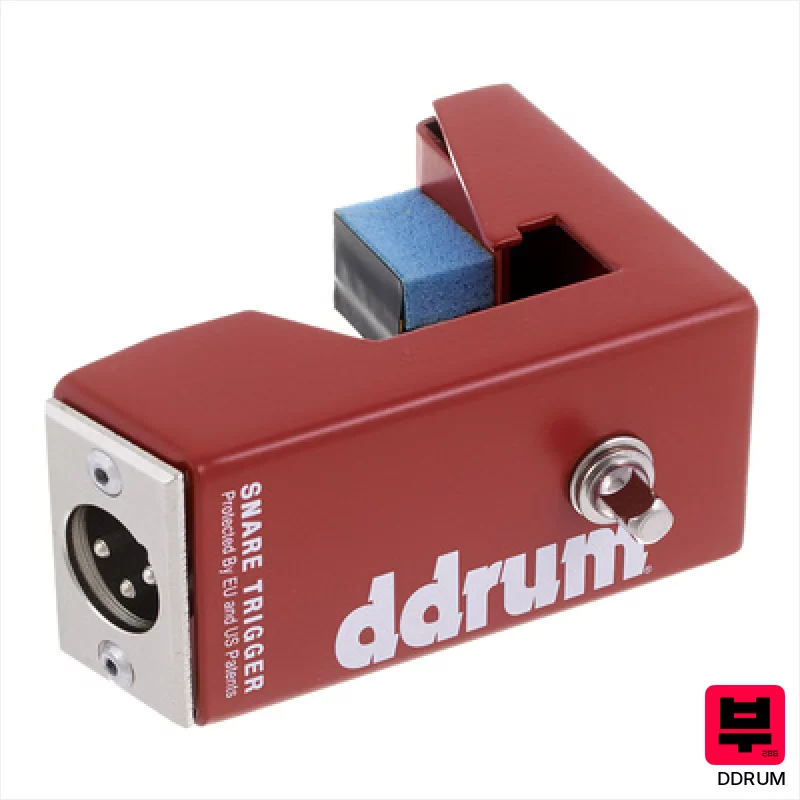
DDrum Acoustic Pro Snare Trigger
- • Stereo triggering provides nuanced rim and head response for expressive playing.
- • Robust clamping mechanism ensures secure attachment to acoustic snare hoops.
- • Compatible with a vast range of drum modules, offering broad sonic possibilities.
- • Lightweight design minimizes impact on snare drum resonance and overall kit feel.
- • Lack of included cable adds to the overall cost and inconvenience.
- • Sensitivity adjustment may require careful tweaking for optimal performance.
- • Budget-friendly build might not withstand extremely heavy or aggressive playing.
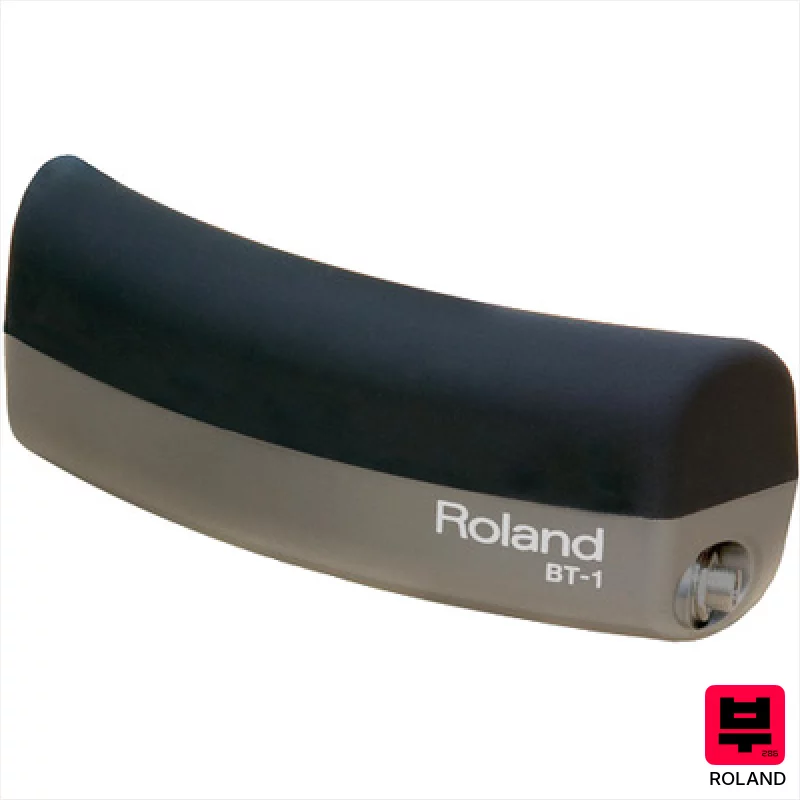
Roland BT-1 Bar Trigger Pad
- • Compact size allows for creative, unconventional mounting options.
- • Roland’s robust construction ensures durability under repeated impact.
- • Universal compatibility with V-Drums and SPD series expands sound design.
- • Curved surface promotes a natural, responsive playing feel akin to a rimshot.
- • Single trigger limits expressive possibilities compared to multi-zone pads.
- • The small size may feel cramped for players with larger hands.
- • Limited to triggering functions; lacks a built-in sound engine.
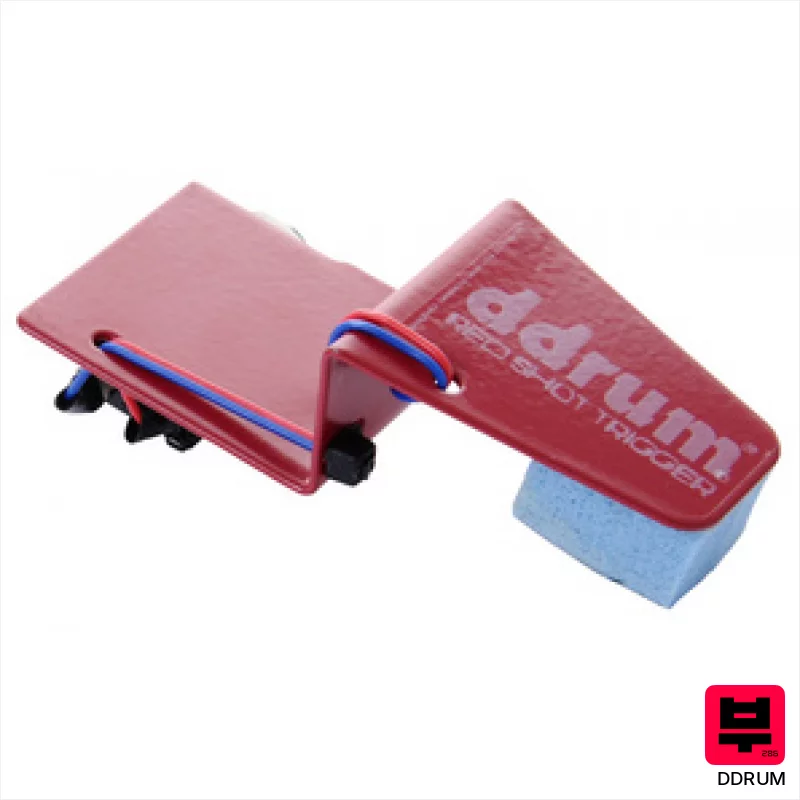
DDrum Red Shot Snare / Tom Trigger
- • Robust mounting system adapts to varied drum hoop thicknesses
- • Simple piezo trigger design provides a consistent, reliable signal
- • Lightweight construction minimizes impact on drum feel and resonance
- • Affordable entry point for electronic triggering experimentation
- • Cable not included; necessitates an additional purchase and potential compatibility issues
- • Single-zone triggering limits dynamic expressive possibilities
- • Basic construction means limited long-term durability compared to higher-end triggers
How to Choose the Best Electronic Drum Triggers
Sensitivity & Dynamic Range
It's not just about triggering; it's about how it triggers. A trigger with a wide dynamic range will respond to ghost notes and subtle nuances, letting you layer effects that react to your dynamics. Cheap triggers often have a very binary on/off response - no subtlety, just loud or quiet.
Latency
This is critical, especially when layering effects. Even a few milliseconds of latency can throw off your timing and make things feel disconnected. We're talking about triggers that consistently measure under 1ms - anything more noticeable will be a problem.
Output Signal Quality
A clean, low-noise trigger signal is essential. A dirty signal will introduce unwanted artifacts into your effects chain, muddying up the sound. Look for triggers with a good signal-to-noise ratio and minimal internal hiss.
Multiple Trigger Zones
The ability to assign different sounds to different zones on a single drumhead (bow, edge, center) opens up a world of possibilities for textured effects. This is where you can really start creating unique percussive soundscapes.
Routing Flexibility
Can you split the signal? Can you use multiple triggers to control a single effect? The more routing options you have, the more creative control you'll have over your sound. Some triggers offer MIDI output, which is a huge bonus for complex setups.
Buying Guide
Don't fall for the hype. A lot of triggers on the market make big claims but fall short in the real world. Spend more on a trigger with a wide dynamic range and low latency - it's an investment in your sound. Be wary of super-cheap triggers; they almost always cut corners on sensitivity and signal quality, and those limitations will be frustrating quickly. Consider your workflow - if you're gigging, portability and durability matter.
Our Methodology
We're not looking at spec sheets here. We've spent countless hours playing these triggers - live, in the studio, and in rehearsal - A/B'ing them against each other and against acoustic drums. We're evaluating how they respond to different playing styles, how well they integrate with various effect chains, and frankly, whether they're a pain to use in a real-world setting. It's about feel, response, and how they contribute to a cohesive sound, not just numbers on a page.

