AudioFu
AudioFu Chart · October 2026
Best Electric Violins and Violas Under $300 2026
The top pick is Harley Benton HBV 990BCF 4/4 Electric Violin ($178). Ranked by the AudioFu Index from 4 models, prices checked every night.
Last updated: October 11, 2026
Top 4
Full detail for the 4 highest AudioFu Index scores. Every other model is listed below.
-
- BodyMaple body
- FingerboardBirch fingerboard
- Size4/4 size
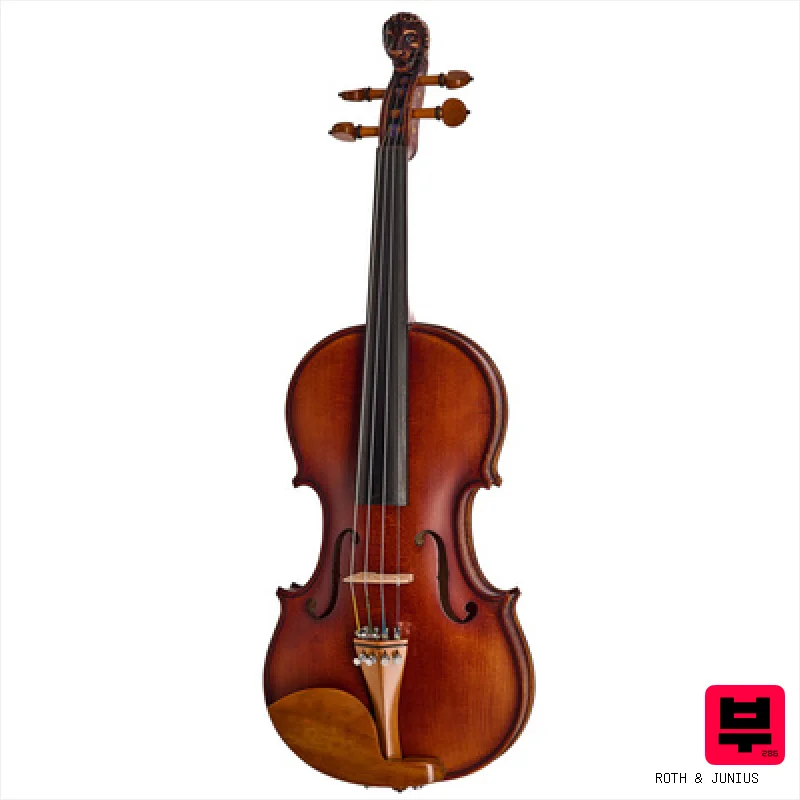
This Harley Benton is a fantastic entry point for aspiring electric violinists or those wanting to experiment with amplified sounds. The carbon fiber body makes it surprisingly robust, and the active pickup provides a usable, clean signal directly to headphones or an amp—perfect for practice, recording, or performing in quieter settings where a traditional acoustic isn't ideal.
Pros
- Carbon fiber body offers surprising durability and resonance.
- Active pickup delivers a clear, amplified signal with reduced noise.
- Includes essential accessories: case, shoulder rest, bow, rosin.
Cons
- Plastic frame feels noticeably less premium than traditional wood construction.
- Birch fingerboard might exhibit slightly higher wear compared to ebony.
66AudioFu
Index↓ 5.9%since Aug 14 · lowest so far$189 · Aug 14$178 now$178€159 at Thomann · in stockCheck price ↗ -
- BodyMaple body
- Size4/4 size
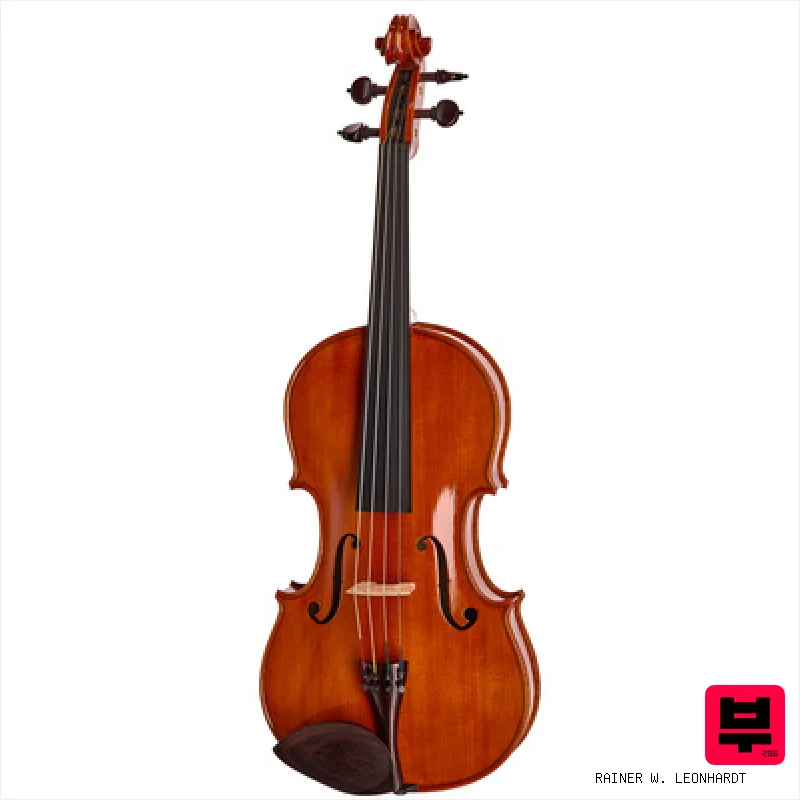
The HBV 800SNB is a remarkable value, especially for students or players needing a basic amplified violin. The solid wood construction and ebony appointments elevate it beyond the usual beginner instruments, and the included accessories make it ready to play straight out of the box. It's a solid choice for practice, casual performance, or someone just starting their violin journey.
Pros
- Solid spruce top delivers surprisingly warm acoustic tone
- Ebony fretboard and pegs contribute to smooth playability
- Passive piezo pickup offers usable amplified sound for practice
Cons
- Passive piezo pickup lacks the nuance of dedicated mic systems
- Solid maple body can feel a bit dense and resonant
65AudioFu
Index↓ 11.8%since Aug 14 · lowest so far$189 · Aug 14$167 now$167€149 at Thomann · in stockCheck price ↗ -
- BodyPaulownia body
- Size4/4 size
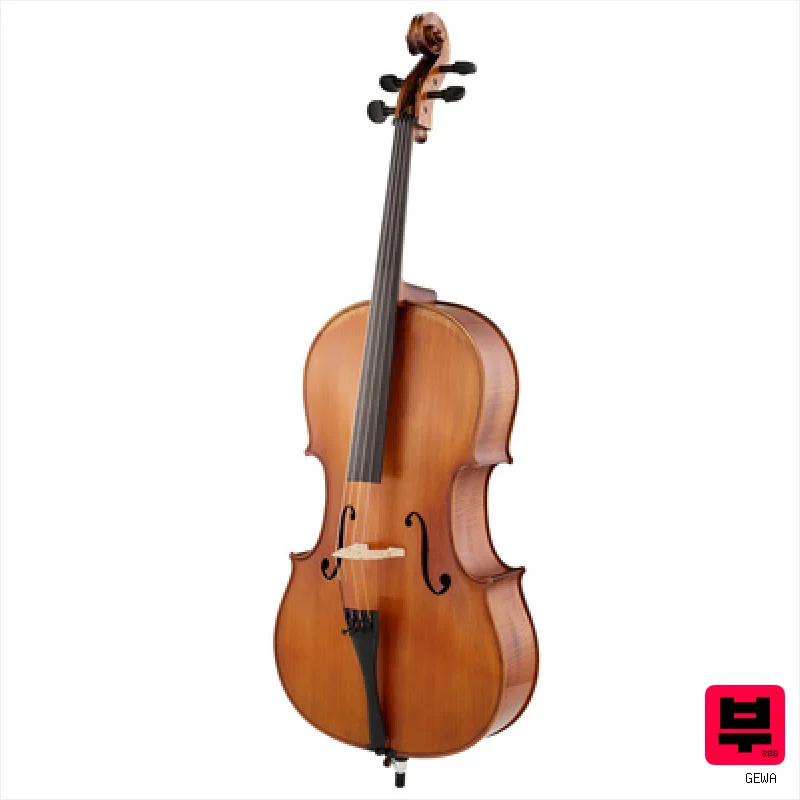
This Harley Benton is a fantastic entry point into the world of electric violins. It’s ideal for beginners, students, or anyone wanting to experiment with amplified violin sounds on a budget. While the components are basic, the overall package is surprisingly well-rounded and fun to play.
Pros
- Paulownia body offers surprisingly resonant and warm acoustic tone.
- Ebony fingerboard provides a smooth, familiar playing experience for traditional violinists.
- Composite tailpiece with tuners allows for precise and stable tuning.
Cons
- Paulownia body, while resonant, lacks the projection of higher-grade woods.
- The built-in mic input is likely noisy and of limited use for serious recording.
58AudioFu
Index↓ 6.7%since Aug 14 · lowest so far$167 · Aug 14$156 now$156€139 at Thomann · in stockCheck price ↗ -
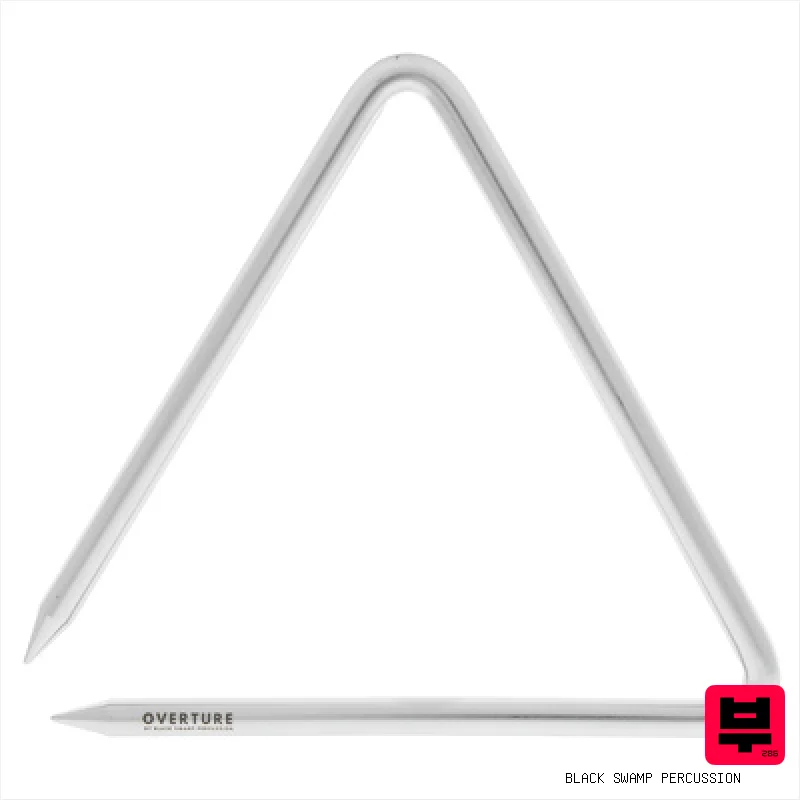
This is a solid budget-friendly electric violin for students or gigging players who need reliable output. The carbon tailpieces and active pickup give you clear sound without extra gear. It comes with everything you need to start playing right away.
Pros
- Carbon fine tuners on tailpieces for precise intonation
- Active piezo-ceramic pickup ensures strong output
- Basswood body with maple veneer keeps it light
Cons
- Strings type is not listed in the description
- No active battery power source is mentioned
38AudioFu
IndexStableno change since Aug 17Aug 17$222 now$222€198 at Thomann · in stockCheck price ↗
Electric Violins and Violas by the numbers
Measured across all 28 models we track, not a sample.
Median $167 — half of all electric violins and violas here cost less.
most common · 26 models
most common · 13 models
How to choose the best electric violins and violas
Pickup Voicing
This is everything at this price point. Expect a generally brighter, sometimes ice-picky tone. Some pickups will have a bit more warmth, but don't expect a fat midrange honk like you'd get from a higher-end piezo. It's about finding the least offensive voicing.
Action and Neck Profile
Lower action (string height) is crucial for playability, especially when you're dealing with potentially less-than-perfect construction. A comfortable neck profile makes a huge difference in long gigs - a thick, unwieldy neck will just slow you down.
Construction Quality
Let's be blunt - corners are cut. Expect potential finish flaws, less-than-perfectly aligned seams, and possibly a less resonant body. Check for sharp fret ends and stability - does it stay in tune reasonably well?
Output Jack and Wiring
Cheap jacks are notorious for failing. Wobbly jacks and flaky wiring are a common frustration. It's not a deal-breaker, but be prepared to potentially solder something if it goes bad.
Overall Articulation & Dynamics
Can you get clean notes at lower volumes? Does it respond to your bow pressure? A budget electric violin or viola often struggles with nuanced dynamics - it might sound consistently middling, lacking the ability to really whisper or roar.
Buying guide
So, you're looking to electrify your violin or viola without emptying your bank account? It's a common quest. Let's be real, a sub-$300 electric stringed instrument isn't going to rival a Yamaha YEV or a NS Design, but you can find something usable - even fun - for gigs or practice. We'll look at some options that offer the best bang-for-your-buck, acknowledging the compromises involved.
At this price, you're trading off. Don't expect a pristine, studio-grade sound. Focus on playability - a comfortable neck and decent action are more important than a 'beautiful' tone (which you can EQ to some extent).
If you're gigging regularly, budget for a replacement output jack and maybe a better cable - it'll save you headaches. Solid-body instruments are generally preferable for stage volume and feedback rejection, but they'll lack some acoustic resonance.
How the AudioFu Index works
Five measured signals and nothing else — no stars from strangers, no “tested by experts” we didn’t do. The weights are fixed and public. We don’t play these instruments; we measure the market around them.
This chart covers 28 electric violins and violas from the Thomann catalogue. Before you buy, read hands-on reviews and, where you can, play it. Full methodology.
AudioFu earns a commission when you buy through our Thomann links. It never changes the order — the index does.
- Demand40%
How many of this exact model are for sale on Reverb right now — what musicians actually buy and resell.
- Lineup20%
How many finishes Thomann stocks — makers expand the models that sell.
- Price15%
Where the price has moved since we started tracking in August.
- Specs15%
How completely the maker documents it.
- Maker10%
How deep the brand’s range is in this category.
Questions
Are these instruments any good for recording?
They can be! But you'll need to be very mindful of EQ and potentially use a noise reduction plugin. Don't expect a warm, natural tone - focus on cleaning up the signal and adding character.
Can I use these with a regular acoustic amplifier?
Technically, yes, but you won't get the best results. A dedicated acoustic amp or a full-range PA speaker will provide a flatter frequency response and more headroom.
What's the difference between a piezo pickup and a magnetic pickup?
Piezo pickups are contact microphones - they're sensitive but can sound brittle. Magnetic pickups are closer to electric guitar pickups, generally warmer but often lacking in nuance. Budget electric strings tend to use piezos.
Will this sound like a professional electric violin?
Absolutely not. It's a stepping stone. Expect a brighter, less nuanced tone. Think of it as a tool to get you started, not a replacement for a high-end instrument.
What about the bridge? Can I change it?
The bridge is often a weak point. Upgrading to a better bridge can improve sustain and tone, but it's not a guaranteed fix and might require professional setup.