AudioFu
AudioFu Chart · October 2026
Best Electric Violins and Violas Under $200 2026
The top pick is Harley Benton HBV 990BCF 4/4 Electric Violin ($178). Ranked by the AudioFu Index from 3 models, prices checked every night.
Last updated: October 11, 2026
Top 3
Full detail for the 3 highest AudioFu Index scores. Every other model is listed below.
-
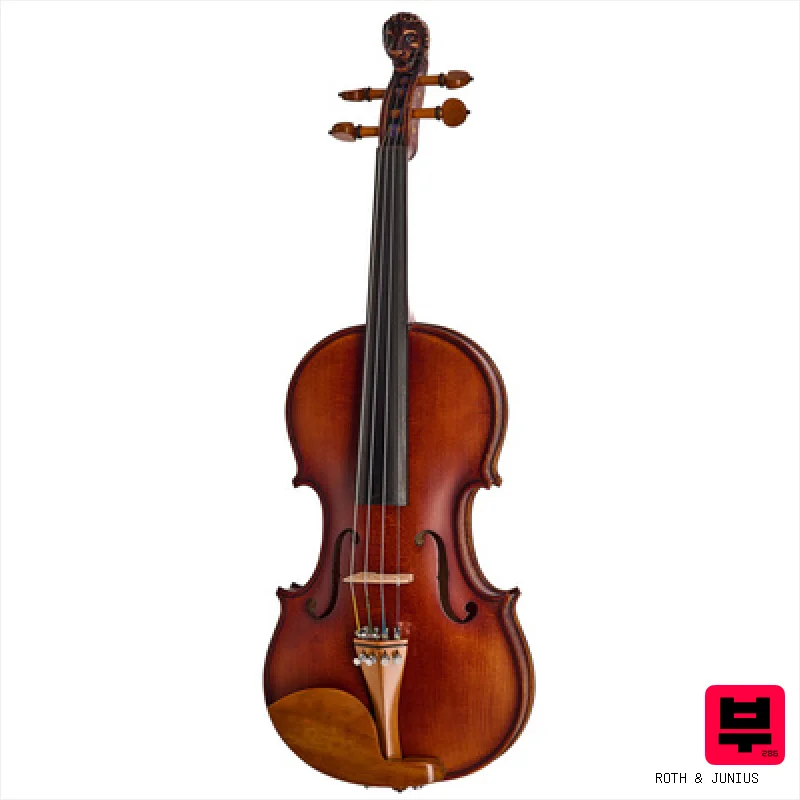
- BodyMaple body
- FingerboardBirch fingerboard
- Size4/4 size
This Harley Benton is a fantastic entry point for aspiring electric violinists or those wanting to experiment with amplified sounds. The carbon fiber body makes it surprisingly robust, and the active pickup provides a usable, clean signal directly to headphones or an amp—perfect for practice, recording, or performing in quieter settings where a traditional acoustic isn't ideal.
Pros
- Carbon fiber body offers surprising durability and resonance.
- Active pickup delivers a clear, amplified signal with reduced noise.
- Includes essential accessories: case, shoulder rest, bow, rosin.
Cons
- Plastic frame feels noticeably less premium than traditional wood construction.
- Birch fingerboard might exhibit slightly higher wear compared to ebony.
66AudioFu
Index↓ 5.9%since Aug 14 · lowest so far$189 · Aug 14$178 now$178€159 at Thomann · in stockCheck price ↗ -
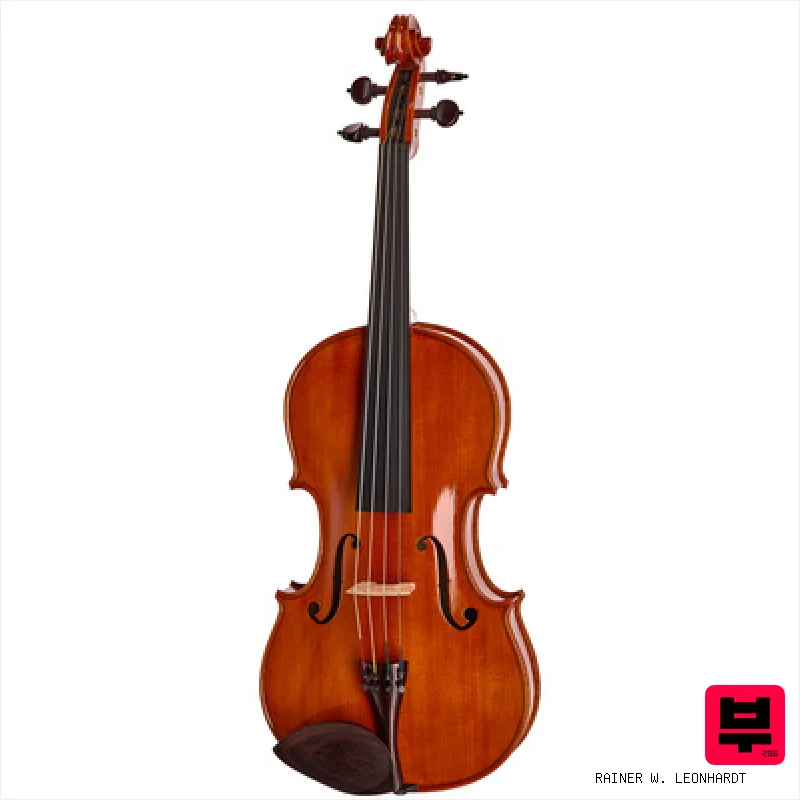
- BodyMaple body
- Size4/4 size
The HBV 800SNB is a remarkable value, especially for students or players needing a basic amplified violin. The solid wood construction and ebony appointments elevate it beyond the usual beginner instruments, and the included accessories make it ready to play straight out of the box. It's a solid choice for practice, casual performance, or someone just starting their violin journey.
Pros
- Solid spruce top delivers surprisingly warm acoustic tone
- Ebony fretboard and pegs contribute to smooth playability
- Passive piezo pickup offers usable amplified sound for practice
Cons
- Passive piezo pickup lacks the nuance of dedicated mic systems
- Solid maple body can feel a bit dense and resonant
65AudioFu
Index↓ 11.8%since Aug 14 · lowest so far$189 · Aug 14$167 now$167€149 at Thomann · in stockCheck price ↗ -
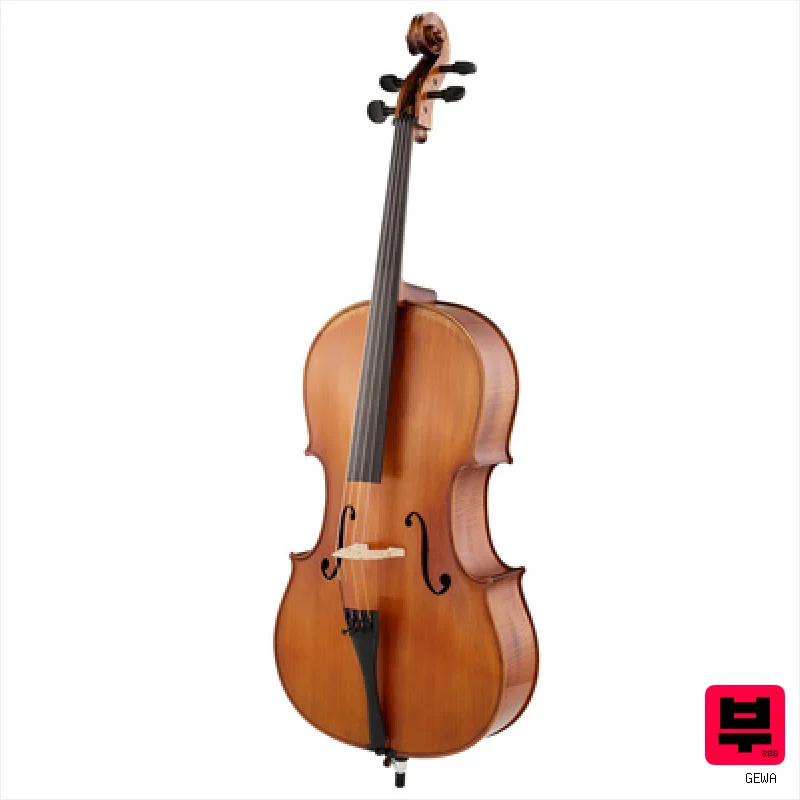
- BodyPaulownia body
- Size4/4 size
This Harley Benton is a fantastic entry point into the world of electric violins. It’s ideal for beginners, students, or anyone wanting to experiment with amplified violin sounds on a budget. While the components are basic, the overall package is surprisingly well-rounded and fun to play.
Pros
- Paulownia body offers surprisingly resonant and warm acoustic tone.
- Ebony fingerboard provides a smooth, familiar playing experience for traditional violinists.
- Composite tailpiece with tuners allows for precise and stable tuning.
Cons
- Paulownia body, while resonant, lacks the projection of higher-grade woods.
- The built-in mic input is likely noisy and of limited use for serious recording.
58AudioFu
Index↓ 6.7%since Aug 14 · lowest so far$167 · Aug 14$156 now$156€139 at Thomann · in stockCheck price ↗
Electric Violins and Violas by the numbers
Measured across all 26 models we track, not a sample.
Median $167 — half of all electric violins and violas here cost less.
most common · 26 models
most common · 13 models
How to choose the best electric violins and violas
Playability (Action & Neck Profile)
Forget about blazing fast runs; you'll be happy if the action isn't ridiculously high and the neck isn't a total pain to navigate. A comfortable neck makes a huge difference when you're just starting or gigging regularly.
Pickup Voicing & Dynamics
Expect a somewhat generic, often bright sound. The goal here is to find a pickup that isn't completely lifeless and responds reasonably to your bow pressure - some dynamic range is crucial.
Build Quality & Hardware
Don't expect premium materials. We're looking for something that stays in tune reasonably well and doesn't fall apart after a few gigs. The tuners are often the first thing to go on budget instruments.
Output Jack & Wiring
A flimsy jack and poorly shielded wiring can lead to noise and dropouts. This is a common weak point on cheaper instruments; listen for hum and test the jack connection thoroughly.
Overall Resonance (Acoustic Tone)
Even electrics benefit from a decent acoustic foundation. A dead-sounding body will just amplify the shortcomings of the pickups. It doesn't need to be concert-hall quality, but it shouldn't sound like cardboard.
Buying guide
Alright, so you're looking for an electric violin or viola without breaking the bank? Let's be real - getting a truly amazing instrument under $200 is a challenge, but it's not impossible. We're talking about finding something playable, something that can cut through a rehearsal or add a little something extra to a home recording, and honestly, something you won't feel bad about hauling to gigs. This isn't about pristine tone; it's about getting the most usable instrument for your money.
At this price point, you're making trade-offs. The biggest corner cut is almost always in the pickups and the overall build quality. Don't expect a warm, woody tone or a ton of sustain - you'll likely get a brighter, somewhat brittle sound.
Focus on playability first; a comfortable neck is more valuable than a slightly better-sounding pickup. If possible, try before you buy, and be prepared to tweak the setup (action, bridge position) to make it playable.
How the AudioFu Index works
Five measured signals and nothing else — no stars from strangers, no “tested by experts” we didn’t do. The weights are fixed and public. We don’t play these instruments; we measure the market around them.
This chart covers 26 electric violins and violas from the Thomann catalogue. Before you buy, read hands-on reviews and, where you can, play it. Full methodology.
AudioFu earns a commission when you buy through our Thomann links. It never changes the order — the index does.
- Demand40%
How many of this exact model are for sale on Reverb right now — what musicians actually buy and resell.
- Lineup20%
How many finishes Thomann stocks — makers expand the models that sell.
- Price15%
Where the price has moved since we started tracking in August.
- Specs15%
How completely the maker documents it.
- Maker10%
How deep the brand’s range is in this category.
Questions
Can I really expect a professional-sounding tone under $200?
No. You can get usable tones, but don't expect to replicate a professional studio recording. These are great for practice, rehearsals, or adding a unique texture to home recordings, but might not cut it for critical tracking.
What's the difference between an electric violin and a viola?
It's the same basic concept, but the viola is larger and tuned a fifth lower. The strings are thicker and require more bow pressure. The body resonance is also different; violas often have a slightly darker, more mellow acoustic tone, but this is less important on an electric.
Do I need an amplifier?
Yes. Electric violins and violas are designed to be amplified. You'll need a decent amp, even a small practice amp, to get a usable sound. A clean amp is preferable to avoid unwanted distortion.
Can I use effects pedals with these?
Absolutely! That's where you can really shape the sound. Reverb, delay, chorus, and even some distortion can work surprisingly well, helping to mask some of the inherent limitations of the pickups.
What about setup? Should I have a luthier adjust it?
It's highly recommended. The action (string height) is often too high out of the box, making it difficult to play. A simple setup can dramatically improve the instrument's playability, and it's a worthwhile investment.