
Best Electric Violins and Violas for Rock 2026
So you want to shred on an electric violin or viola? It's a bold move, and honestly, it's not easy to get right. Most electric strings aren't built for the grit and aggression of rock - they're geared towards classical or jazz. But with the right setup and a bit of tweaking, you can absolutely carve out a unique sonic space. Let's look at some options that'll let you lay down some serious, cutting riffs.
Last updated: July 15, 2026 • Next update: July 22, 2026
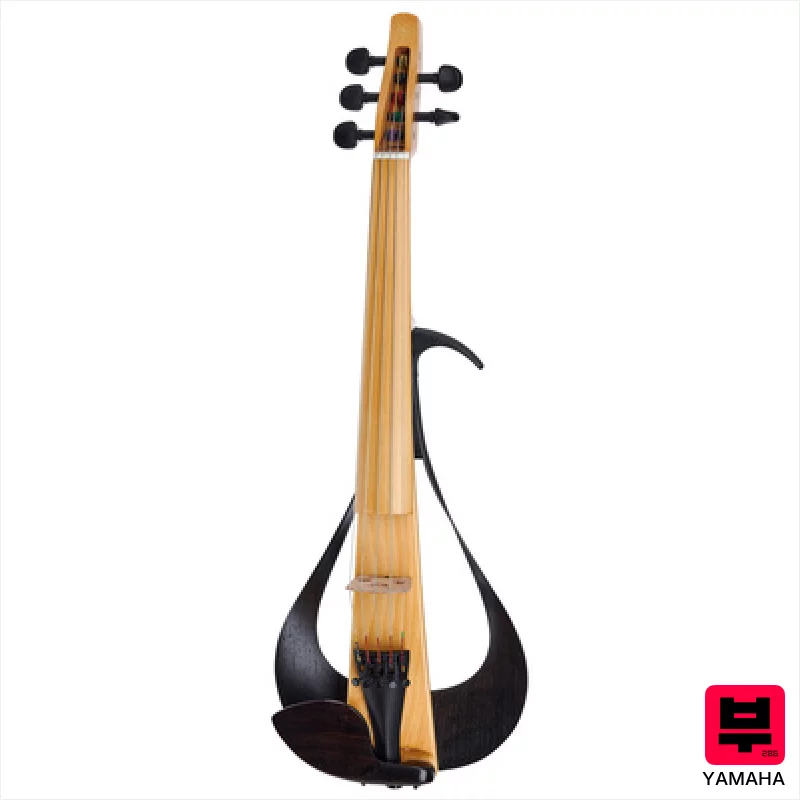
Yamaha YEV105 Pro NBL Electric Violin
- • Lightweight design (around 550g less) enhances playability for extended sessions.
- • ARE-treated maple bridge provides a surprisingly warm, acoustic-like tone.
- • Walnut frame adds rigidity and a touch of elegance to the instrument’s build.
- • Wittner fine tuners offer precise intonation adjustments for demanding performances.
- • The synthetic resin pegbox, while durable, lacks the aesthetic feel of traditional ebony.
- • Limited tonal versatility compared to more complex electric violin setups with multiple pickups.
- • The built-in piezo pickup, while decent, won't rival dedicated, high-end magnetic systems.
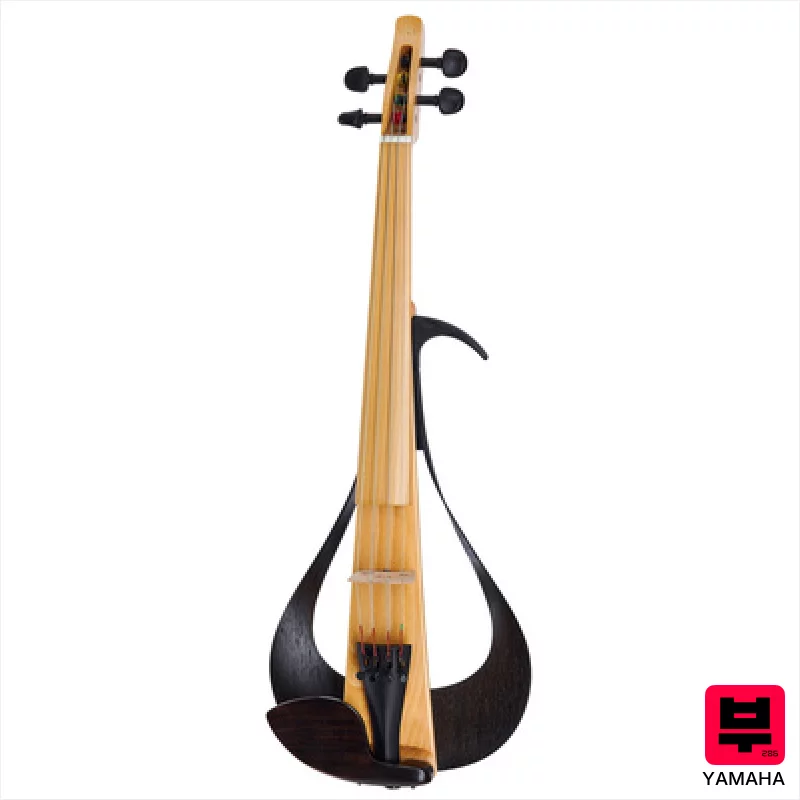
Yamaha YEV104 Pro NBL Electric Violin
- • Spruce top delivers a surprisingly warm, resonant acoustic tone even amplified.
- • The ARE-treated maple bridge provides a natural, aged acoustic response and improved pickup clarity.
- • Reduced weight (approx. 510g) makes extended playing sessions significantly more comfortable.
- • Walnut frame and ebony chinrest offer a premium feel and secure playing position.
- • The hollowbody design, while adding resonance, can pick up unwanted stage noise.
- • Zyex strings, while decent, might be a first upgrade for serious players seeking a richer tone.
- • The selector switch for volume control is a slightly clunky, less refined design choice.
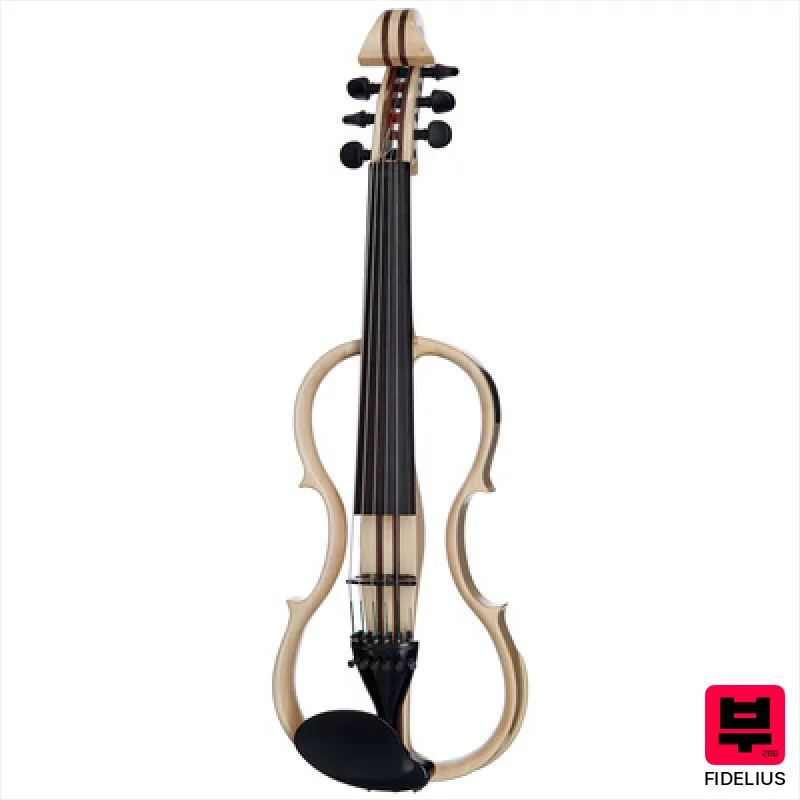
Fidelius F-Trad-6 Electric Violin 6-str
- • Solid ebony fingerboard and saddle offer excellent clarity and sustain.
- • Passive electronics minimize noise and provide a pure, natural tone.
- • Walnut inlays on the poplar frame add a touch of elegance and refinement.
- • Wittner fine tuners ensure precise and stable intonation across all six strings.
- • Poplar construction, while resonant, might lack the premium feel of maple or spruce.
- • Passive electronics limit tonal shaping options compared to active systems.
- • The 6-string configuration may feel awkward for traditional violinists.
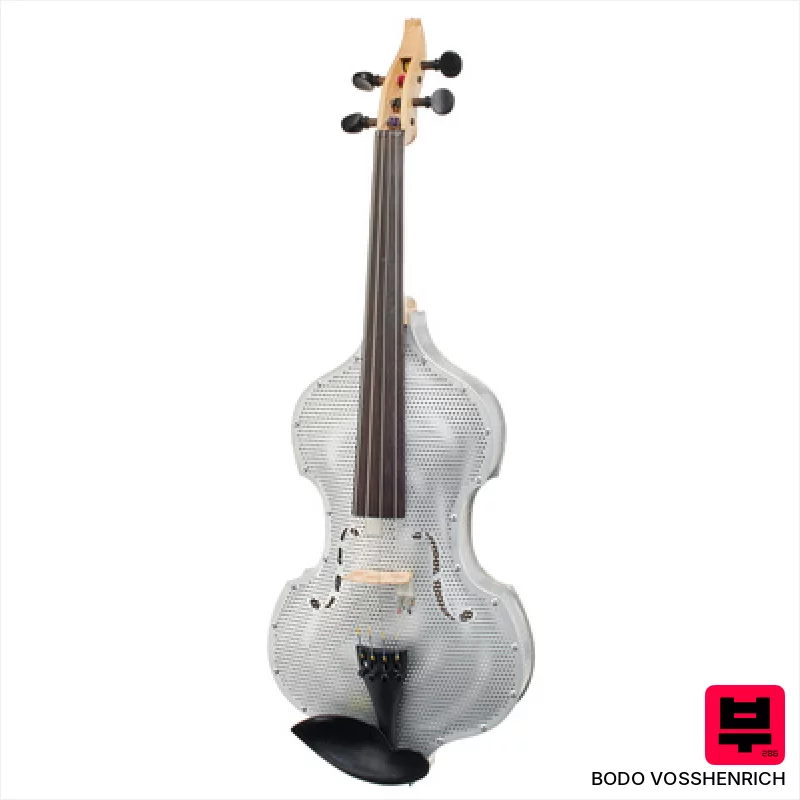
Bodo Vosshenrich Electrola Standard E-Viola 16"
- • Aluminum body eliminates feedback, a huge win for stage use.
- • PDVF pickups offer a surprisingly warm, nuanced amplified tone.
- • Cold-pressed aluminum provides exceptional resonance and sustain.
- • Ebony fingerboard and pegs ensure a refined, professional playing experience.
- • The increased weight (15% more than acoustic) can be fatiguing in long sessions.
- • Aluminum construction might lack the 'warmth' some players seek in a viola.
- • Limited tonal palette compared to more versatile, complex pickup systems.

Yamaha YEV105 Pro NBR Electric Violin
- • Lightweight design (approx. 550g lighter) enhances playability significantly.
- • ARE-treated maple bridge delivers a surprisingly warm, resonant acoustic tone.
- • Walnut frame provides excellent rigidity and contributes to a balanced feel.
- • D'Addario Zyex strings offer a bright, focused sound with good projection.
- • Limited tonal shaping options compared to more complex electric violins.
- • The synthetic resin pegbox, while durable, lacks the traditional feel of ebony.
- • Natural/Brown finish might not appeal to players seeking a darker aesthetic.
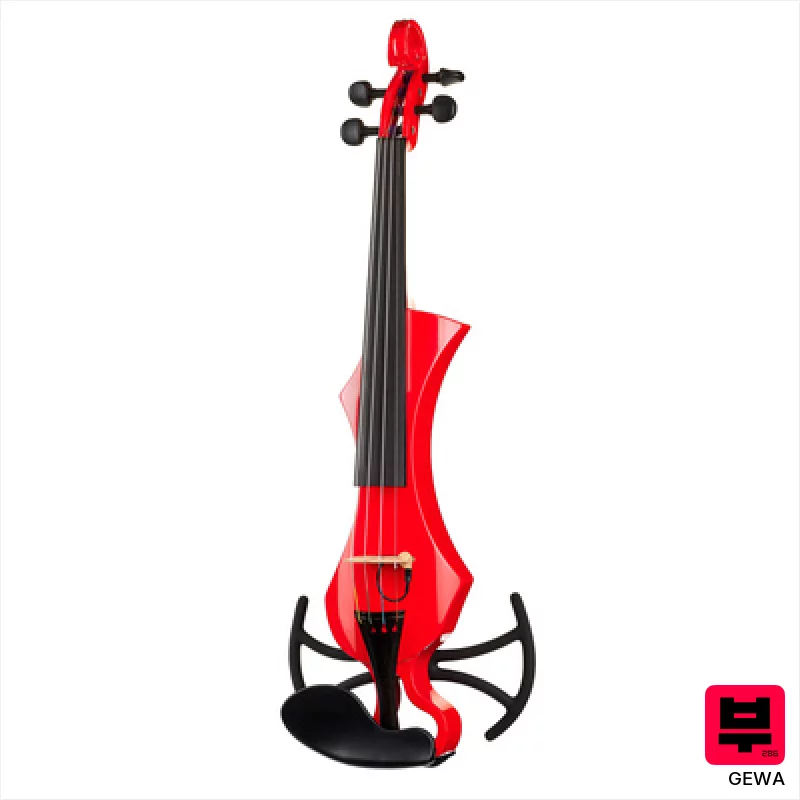
Gewa Novita 3.0 El. Violin RD/HG
- • Solid maple neck provides excellent playability and sustain
- • Despiau bridge enhances tone and vibration transfer
- • GEWA pickup system offers surprisingly clean amplified sound
- • Adaptable design fits standard shoulder rests for comfortable playing
- • Piezo pickup system lacks the nuance of magnetic or condenser mics
- • Red high gloss finish can be prone to fingerprints and scratches
- • Limited tonal versatility compared to more premium electric violins
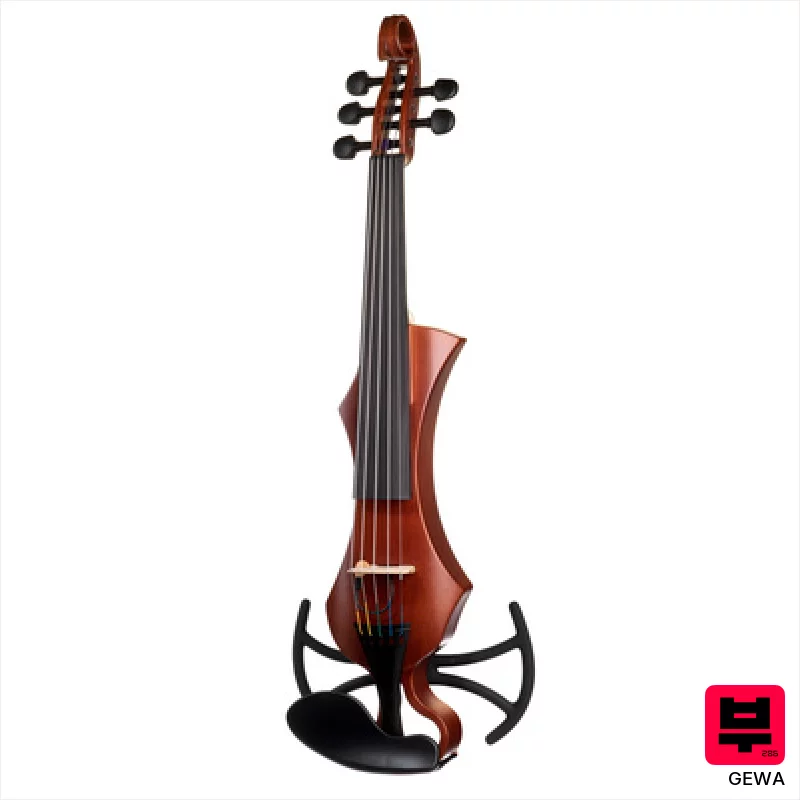
Gewa Novita 3.0 UA 5-Str. Violin GB
- • Solid maple neck provides excellent sustain and playability.
- • Gewa pickup offers a surprisingly natural acoustic tone.
- • Universal shoulder rest adapter allows for personalized comfort.
- • Five-string setup expands tonal possibilities for experimentation.
- • The Piezo pickup system lacks the nuance of a dedicated magnetic system.
- • 650g weight might be fatiguing for some players over extended periods.
- • The silk-matte finish, while attractive, can be susceptible to fingerprints.
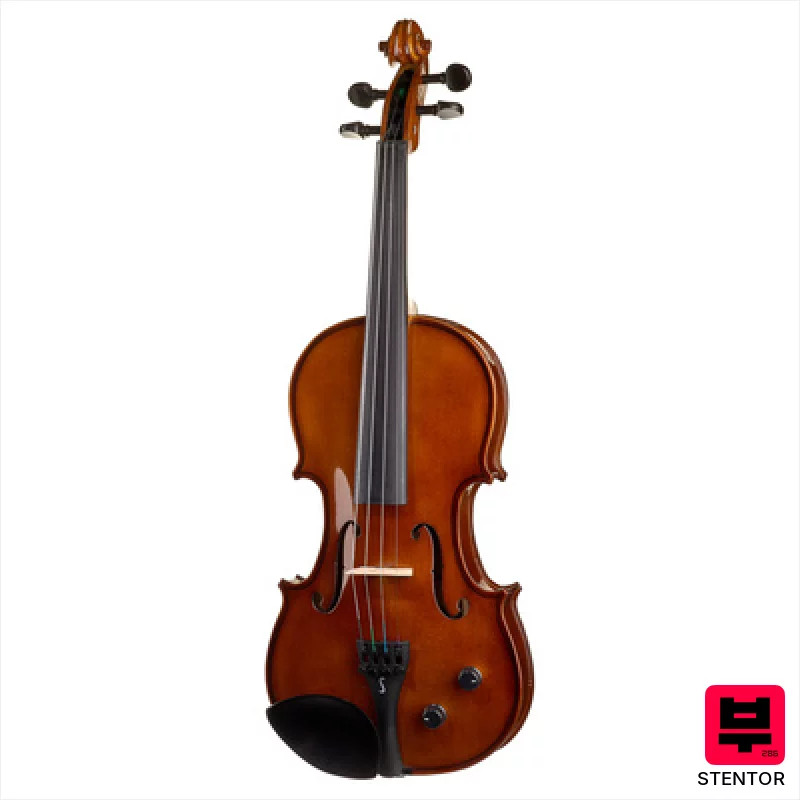
Stentor SR1515A Electric Violin Set
- • Solid tonewood construction provides a surprisingly warm acoustic base.
- • Artec piezo pickup offers decent amplified tone for practice and basic performance.
- • Brazilwood bow with real horsehair is a significant upgrade over synthetic options.
- • Lightweight case is practical and protects the instrument well during transport.
- • The Artec pickup, while functional, lacks the nuance of higher-end systems.
- • Ebony fingerboard can feel a bit unfinished compared to more premium instruments.
- • The traditional lacquer finish is prone to scratches and requires careful handling.
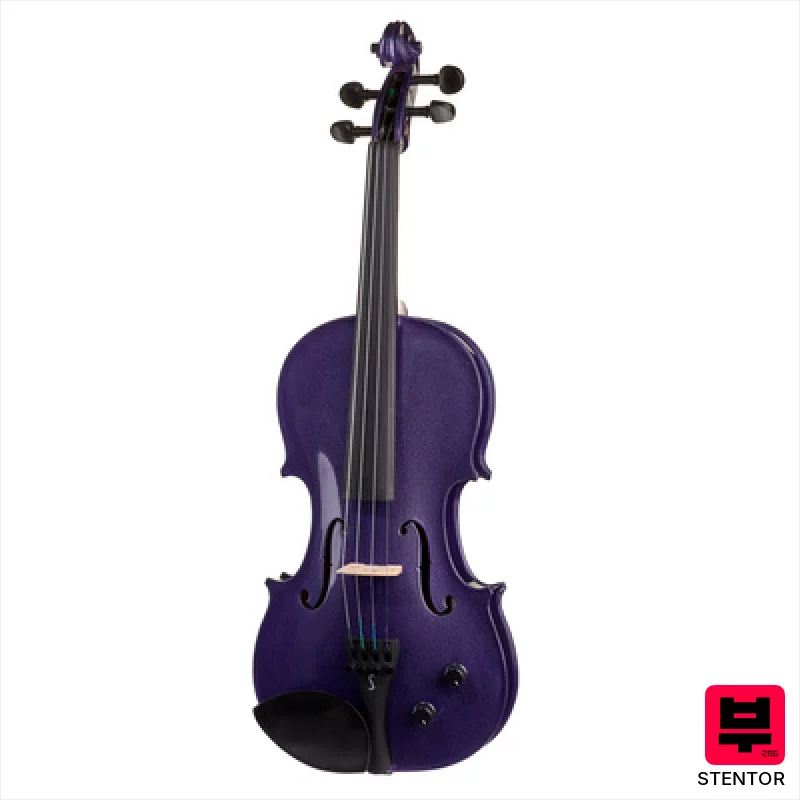
Stentor SR1515DPA Electric Violin Set
- • Solid tonewood construction provides a surprisingly resonant acoustic base.
- • The Artec piezo pickup delivers a usable, if not stellar, amplified signal.
- • Ebony fingerboard offers a smooth playing experience and good note definition.
- • Lightweight case and brazilwood bow make it a complete, travel-friendly package.
- • The purple finish, while unique, might not appeal to all players.
- • Artec pickup lacks tonal shaping options beyond basic volume and tone controls.
- • Solid tonewood body, while good, isn't the same as a higher-grade aged instrument.

Fidelius HK-6 Stag Beetle Violin 6-str
- • Exotic stag beetle shape offers unique aesthetic appeal and comfortable ergonomics
- • Fidelius pickup system provides surprisingly natural amplified tone, good for recording
- • Ebony fingerboard and chinrest enhance playability and contribute to a refined feel
- • Wittner fine tuners allow for exceptionally precise intonation across all six strings
- • Walnut body, while attractive, may lack the resonance of higher-grade tonewoods
- • Built-in preamp adds slight weight and can introduce subtle hum with certain setups
- • Limited tonal versatility; excels in folk and classical, less suited for aggressive genres
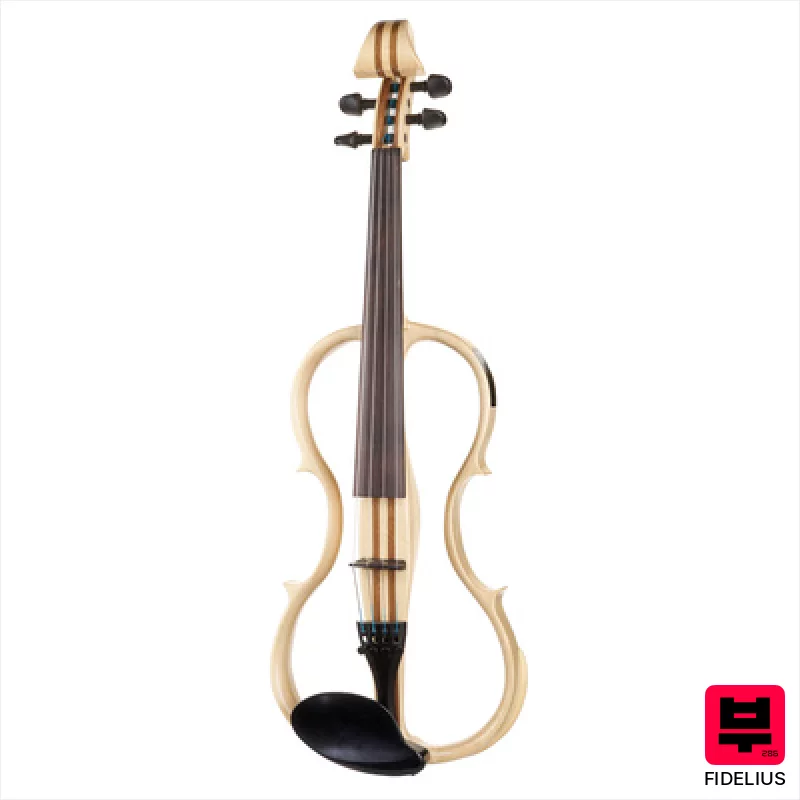
Fidelius F-Trad-4 Electric Violin 4-str
- • Ebony fingerboard & saddle offer excellent clarity and sustain
- • Wittner pegs provide precise and stable tuning
- • Fidelius Sbridge pickup delivers a surprisingly natural acoustic tone
- • Poplar/walnut construction balances weight and tonal warmth
- • Passive electronics limit tonal shaping options considerably
- • Poplar construction, while good, isn't as resonant as maple
- • Walnut inlays feel a touch basic for the price point
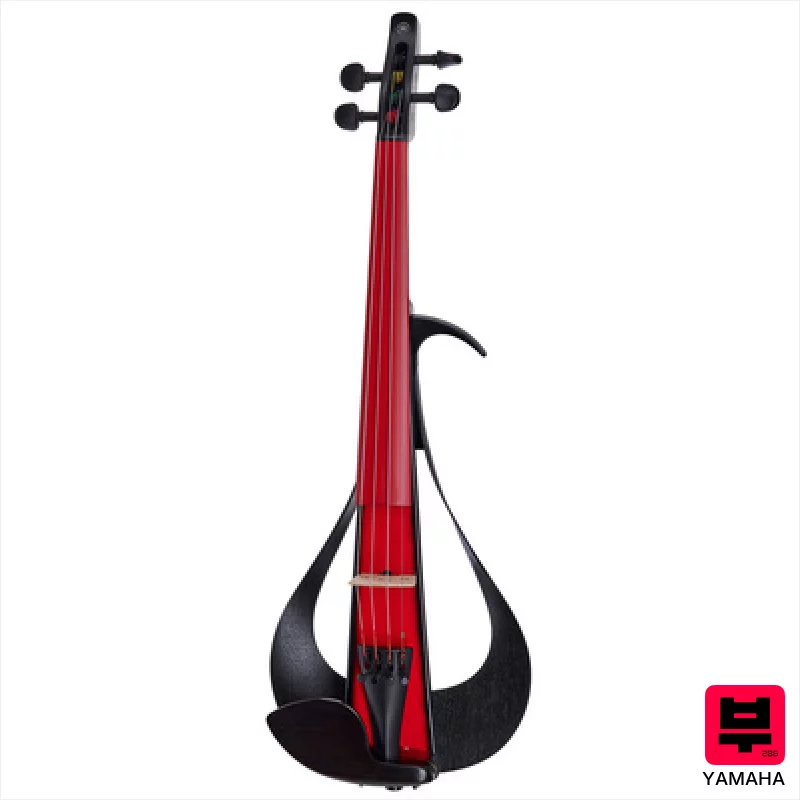
Yamaha YEV104 Pro DR Electric Violin
- • Lightweight design (approx. 510g less) enhances playability and comfort.
- • ARE-treated maple bridge provides a surprisingly warm, acoustic-like tone.
- • Walnut frame offers a pleasing aesthetic and structural stability.
- • D'Addario Zyex strings deliver a bright, responsive, and consistent performance.
- • The red/black color scheme might not appeal to all players' aesthetic preferences.
- • Limited tonal versatility compared to more complex electric violin setups.
- • The piezo pickup, while decent, won't match the nuance of a magnetic system.

NS Design WAV5 Violin Transparent Blue
- • Solid body construction minimizes feedback, crucial for amplified performance.
- • Ebony fingerboard provides a smooth, consistent playing experience and excellent note definition.
- • Passive piezo pickup delivers a surprisingly natural and warm acoustic-electric tone.
- • Transparent blue finish showcases the violin's construction and offers a unique aesthetic.
- • Solid body design lacks the resonance and warmth of a traditional acoustic violin.
- • Passive pickups may require more careful EQ adjustments for optimal amplification.
- • The WAV5’s weight can be a factor for extended playing sessions.
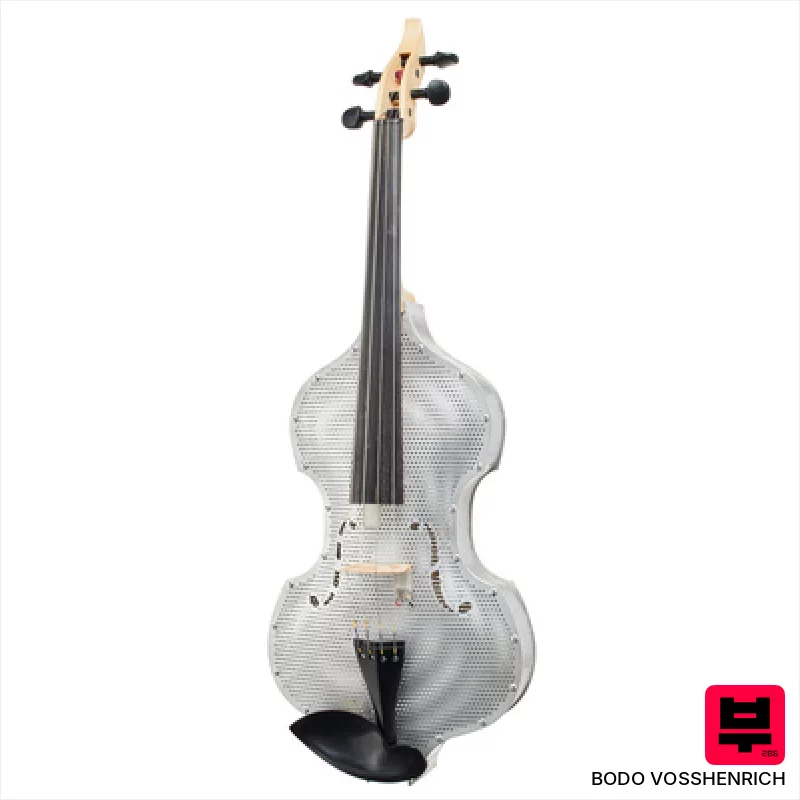
Bodo Vosshenrich Electrola Ergo E-Viola 16"
- • Cold-pressed aluminum body eliminates feedback, a huge boon for stage use.
- • PDVF foil pickups capture a surprisingly warm and nuanced viola tone.
- • Ergo design and familiar scale length offer comfortable playability for traditional players.
- • High-tech epoxy construction ensures exceptional durability and structural integrity.
- • Aluminum body, while feedback-resistant, may feel less resonant than a traditional wood instrument.
- • Premium-priced, placing it out of reach for many student or casual players.
- • Limited tonal palette compared to acoustic violas; inherently more sterile sound.
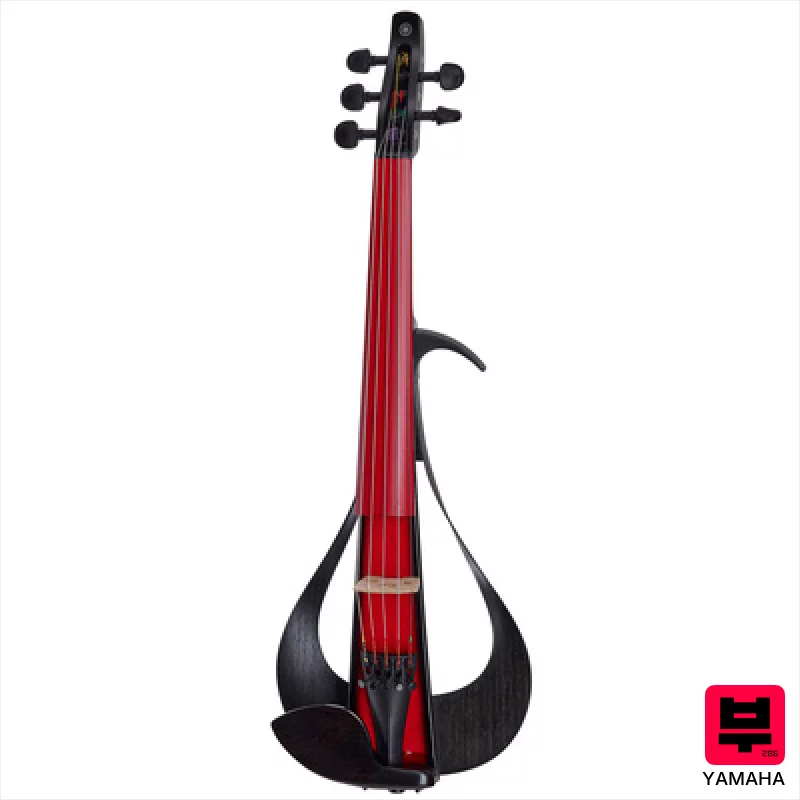
Yamaha YEV105 Pro DR Electric Violin
- • Lightweight design (approx. 550g lighter) enhances playing comfort significantly.
- • ARE-treated maple bridge delivers a surprisingly resonant and warm acoustic tone.
- • Zyex/Helicore string set provides a balanced, modern, and articulate sound.
- • Walnut frame and ebony chinrest offer a premium feel and excellent ergonomics.
- • Limited tonal versatility compared to more complex pickup systems or acoustic-electric hybrids.
- • Deep Red finish might not appeal to all players; color options are restricted.
- • While improved, the piezo pickup still has inherent limitations in capturing nuanced dynamics.
How to Choose the Best Electric Violins and Violas
Pickup Voicing
Forget those polite, airy pickups. Rock demands a pickup that can deliver some serious bite, a bit of that fat midrange honk, and enough output to drive an amp into natural breakup without needing a ton of gain. A hotter pickup is often essential.
Body Resonance & Sustain
A solid body (often maple or mahogany) is key for sustain and projection. You need that note to hang in the air, especially when you're competing with drums and a distorted guitar.
Bridge & Tailpiece Design
Cheap bridges often dampen sustain and introduce unwanted noise. A well-machined bridge and tailpiece (if applicable) will transmit vibrations more efficiently and help control feedback - a constant battle with amplified strings.
Electronics & Controls
Simple is often better for rock. A volume and tone knob, maybe a pickup selector, are all you really need. Avoid overly complex effects built into the instrument; those rarely sound great.
Ergonomics & Neck Profile
You're going to be playing hard, so a comfortable neck profile and balanced instrument are essential. A neck that's too thick or a body that's neck-heavy will kill your stamina during gigs or long rehearsal sessions.
Buying Guide
Don't expect a bargain. Electric violins and violas are niche instruments, and corners get cut quickly when manufacturers try to lower the price. You're paying for quality construction, decent pickups, and a playable setup. Be wary of instruments with flimsy hardware or overly bright, ice-picky high frequencies - those are usually red flags. A good setup from a luthier is almost always worth the investment.
Our Methodology
We're not relying on spec sheets here. We've spent hours playing these instruments through a variety of amps - from clean Fender Twins to cranked Orange stacks - and ran them alongside traditional guitars and basses to see how they cut through a mix. Our focus is always on how the instrument feels and sounds in a real-world rock context, not just the theoretical specs on paper.

