
Best Electric Violins and Violas for Live Performance 2026
So, you're thinking about taking your violin or viola electric? It's a huge step, especially for live work. Forget the cheesy, toy-like sounds you might associate with electric strings - a good electric violin can cut through a rock band like butter, or add a haunting, ethereal vibe to a folk ensemble. But choosing the right one isn't as simple as picking something that looks cool; it's about the tone, the feel, and how it handles the rigors of a gig.
Last updated: July 8, 2026 • Next update: July 15, 2026
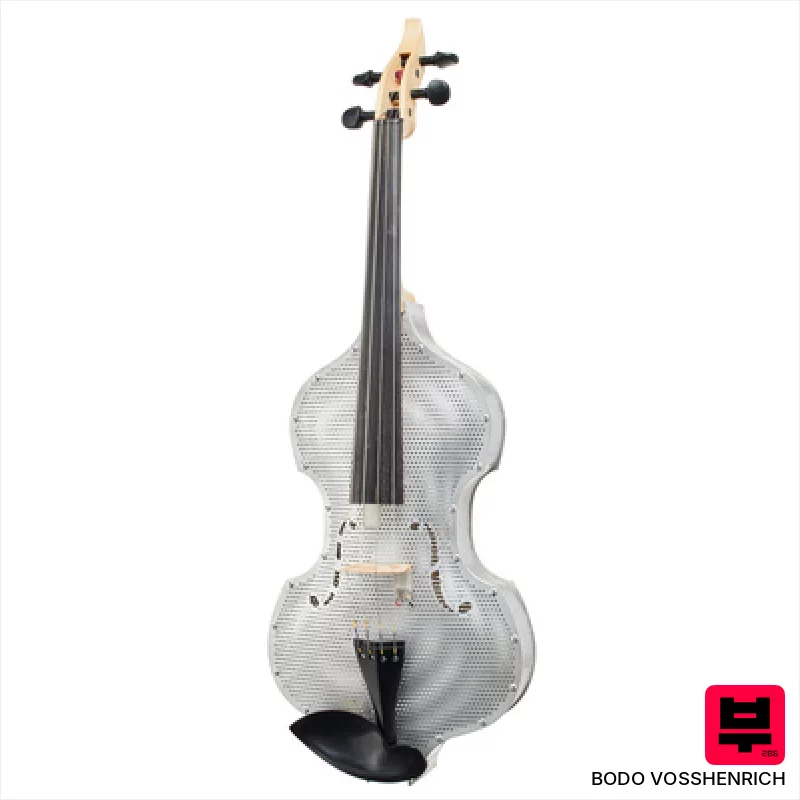
Bodo Vosshenrich Electrola Ergo E-Viola 16"
- • Cold-pressed aluminum body eliminates feedback, a huge boon for stage use.
- • PDVF foil pickups capture a surprisingly warm and nuanced viola tone.
- • Ergo design and familiar scale length offer comfortable playability for traditional players.
- • High-tech epoxy construction ensures exceptional durability and structural integrity.
- • Aluminum body, while feedback-resistant, may feel less resonant than a traditional wood instrument.
- • Premium-priced, placing it out of reach for many student or casual players.
- • Limited tonal palette compared to acoustic violas; inherently more sterile sound.
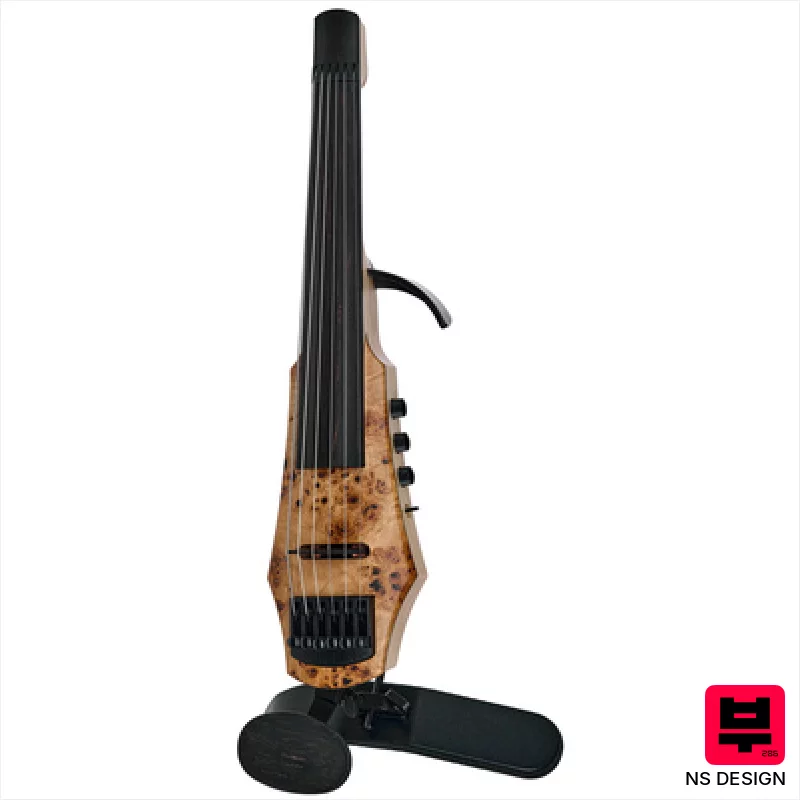
NS Design CR6-VN-PB Electric Violin
- • Poplar Burl top provides stunning aesthetics and surprisingly resonant tone.
- • Polar pickup system delivers a wide range of tonal options, from acoustic to electric.
- • Ebony fingerboard offers exceptional playability and a smooth, consistent feel.
- • Built-in headphone output allows for silent practice and monitoring without external amps.
- • The 6-string configuration may feel unwieldy for traditional violinists.
- • Maple body construction can be somewhat resonant, potentially amplifying unwanted vibrations.
- • Premium-priced, representing a significant investment for many musicians.
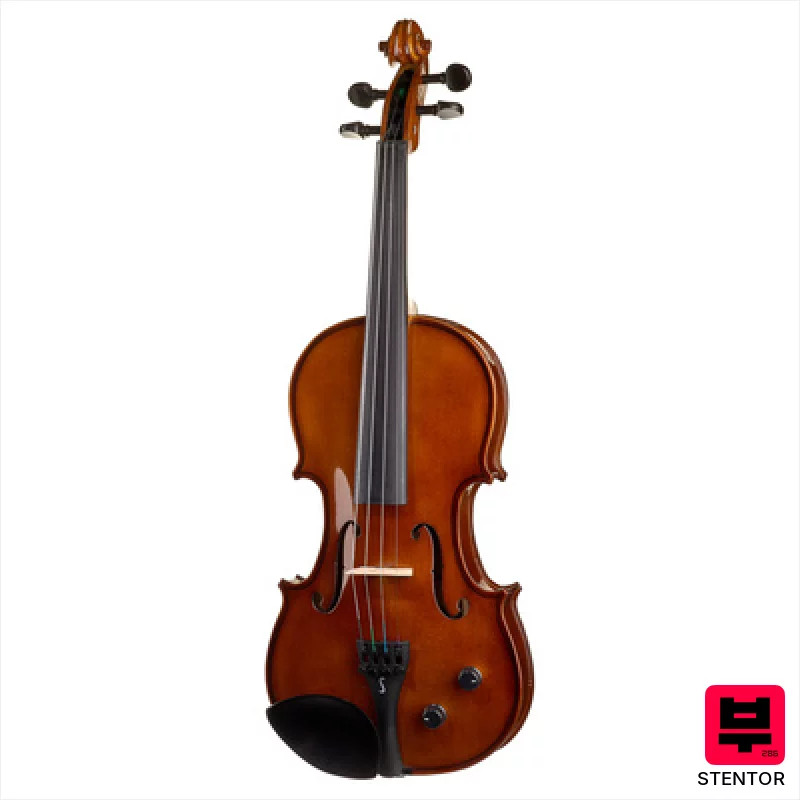
Stentor SR1515A Electric Violin Set
- • Solid tonewood construction provides a surprisingly warm acoustic base.
- • Artec piezo pickup offers decent amplified tone for practice and basic performance.
- • Brazilwood bow with real horsehair is a significant upgrade over synthetic options.
- • Lightweight case is practical and protects the instrument well during transport.
- • The Artec pickup, while functional, lacks the nuance of higher-end systems.
- • Ebony fingerboard can feel a bit unfinished compared to more premium instruments.
- • The traditional lacquer finish is prone to scratches and requires careful handling.

Fidelius HK-6 Stag Beetle Violin 6-str
- • Exotic stag beetle shape offers unique aesthetic appeal and comfortable ergonomics
- • Fidelius pickup system provides surprisingly natural amplified tone, good for recording
- • Ebony fingerboard and chinrest enhance playability and contribute to a refined feel
- • Wittner fine tuners allow for exceptionally precise intonation across all six strings
- • Walnut body, while attractive, may lack the resonance of higher-grade tonewoods
- • Built-in preamp adds slight weight and can introduce subtle hum with certain setups
- • Limited tonal versatility; excels in folk and classical, less suited for aggressive genres
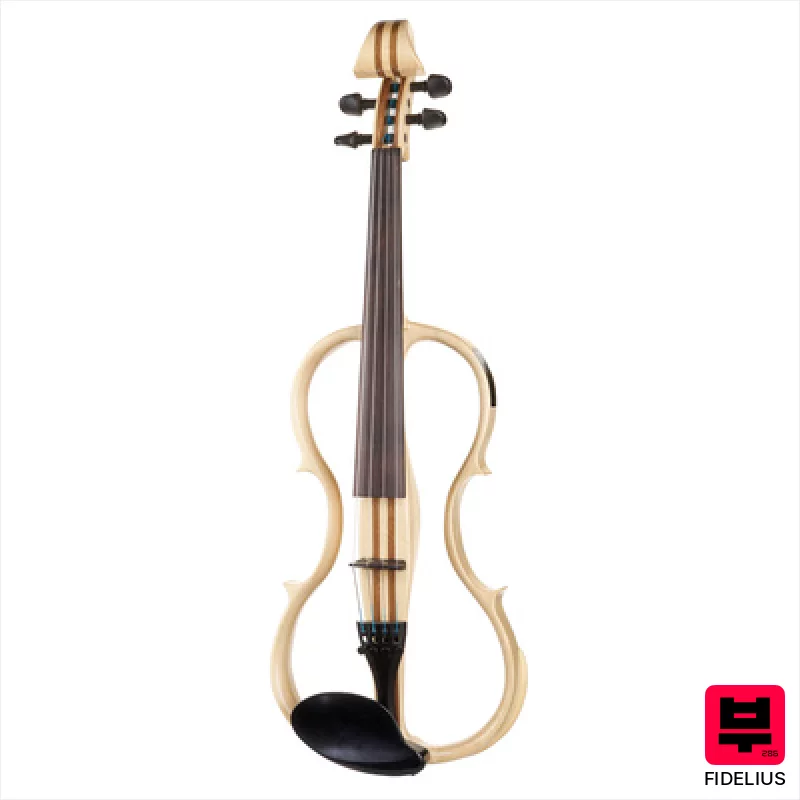
Fidelius F-Trad-4 Electric Violin 4-str
- • Ebony fingerboard & saddle offer excellent clarity and sustain
- • Wittner pegs provide precise and stable tuning
- • Fidelius Sbridge pickup delivers a surprisingly natural acoustic tone
- • Poplar/walnut construction balances weight and tonal warmth
- • Passive electronics limit tonal shaping options considerably
- • Poplar construction, while good, isn't as resonant as maple
- • Walnut inlays feel a touch basic for the price point
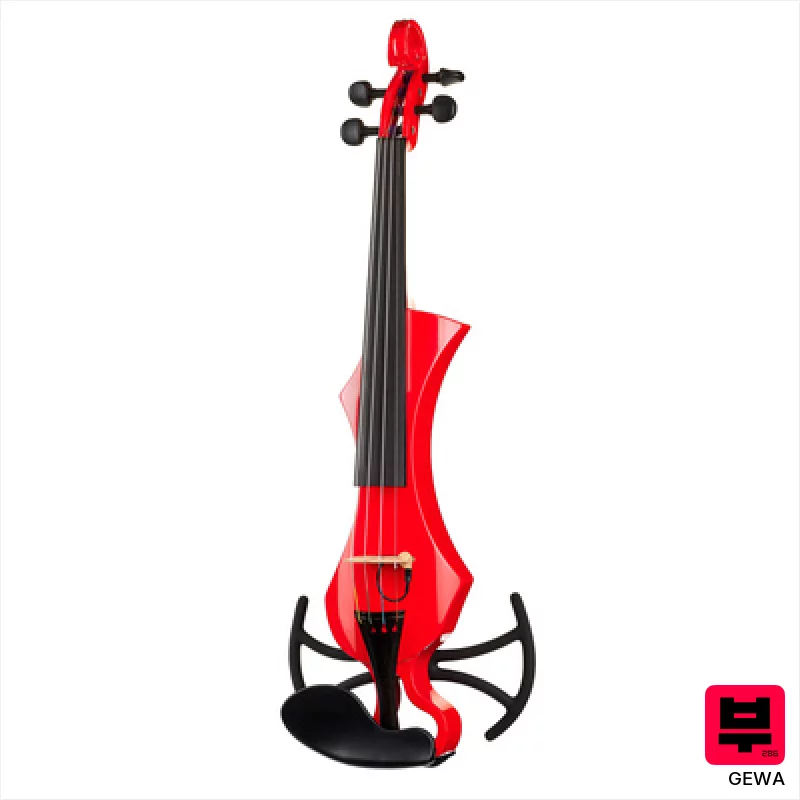
Gewa Novita 3.0 El. Violin RD/HG
- • Solid maple neck provides excellent playability and sustain
- • Despiau bridge enhances tone and vibration transfer
- • GEWA pickup system offers surprisingly clean amplified sound
- • Adaptable design fits standard shoulder rests for comfortable playing
- • Piezo pickup system lacks the nuance of magnetic or condenser mics
- • Red high gloss finish can be prone to fingerprints and scratches
- • Limited tonal versatility compared to more premium electric violins
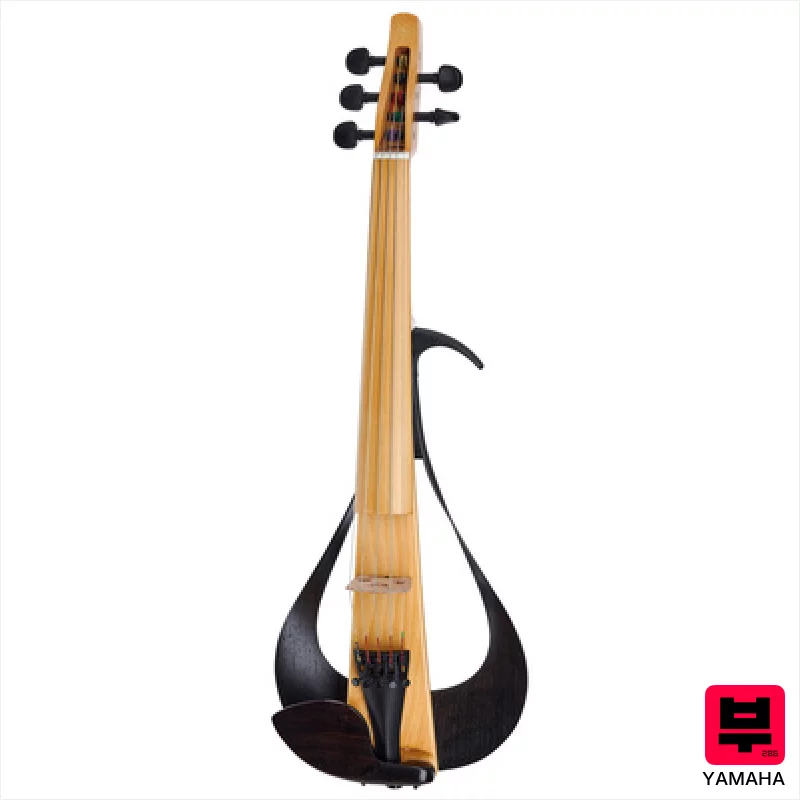
Yamaha YEV105 Pro NBL Electric Violin
- • Lightweight design (around 550g less) enhances playability for extended sessions.
- • ARE-treated maple bridge provides a surprisingly warm, acoustic-like tone.
- • Walnut frame adds rigidity and a touch of elegance to the instrument’s build.
- • Wittner fine tuners offer precise intonation adjustments for demanding performances.
- • The synthetic resin pegbox, while durable, lacks the aesthetic feel of traditional ebony.
- • Limited tonal versatility compared to more complex electric violin setups with multiple pickups.
- • The built-in piezo pickup, while decent, won't rival dedicated, high-end magnetic systems.
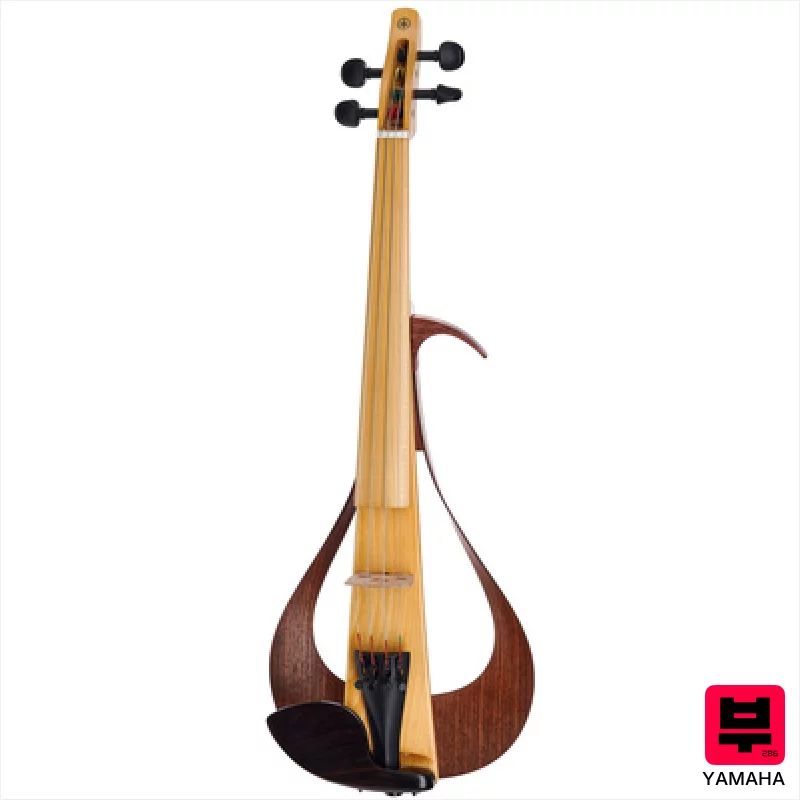
Yamaha YEV104 Pro NBR Electric Violin
- • Spruce top delivers a surprisingly warm and resonant acoustic tone.
- • The ARE-treated maple bridge enhances natural wood resonance.
- • Reduced weight (approx. 510g) improves playability significantly.
- • Walnut frame adds a touch of elegance and structural stability.
- • Limited tonal versatility compared to more complex electric violin systems.
- • Piezo pickup system, while decent, lacks the nuance of magnetic pickups.
- • Natural/Brown finish might not appeal to all players' aesthetic preferences.
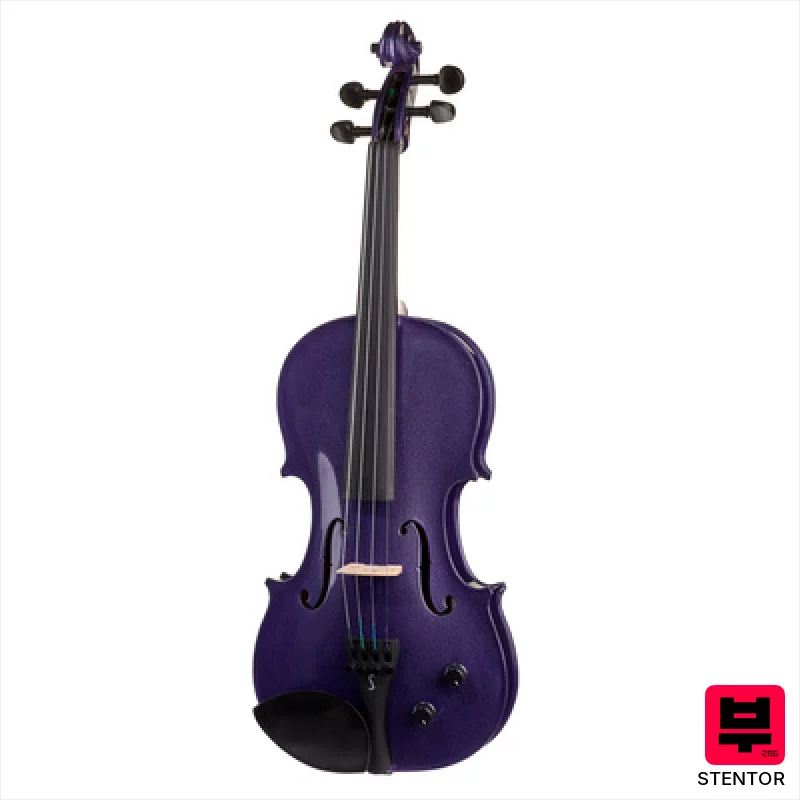
Stentor SR1515DPA Electric Violin Set
- • Solid tonewood construction provides a surprisingly resonant acoustic base.
- • The Artec piezo pickup delivers a usable, if not stellar, amplified signal.
- • Ebony fingerboard offers a smooth playing experience and good note definition.
- • Lightweight case and brazilwood bow make it a complete, travel-friendly package.
- • The purple finish, while unique, might not appeal to all players.
- • Artec pickup lacks tonal shaping options beyond basic volume and tone controls.
- • Solid tonewood body, while good, isn't the same as a higher-grade aged instrument.
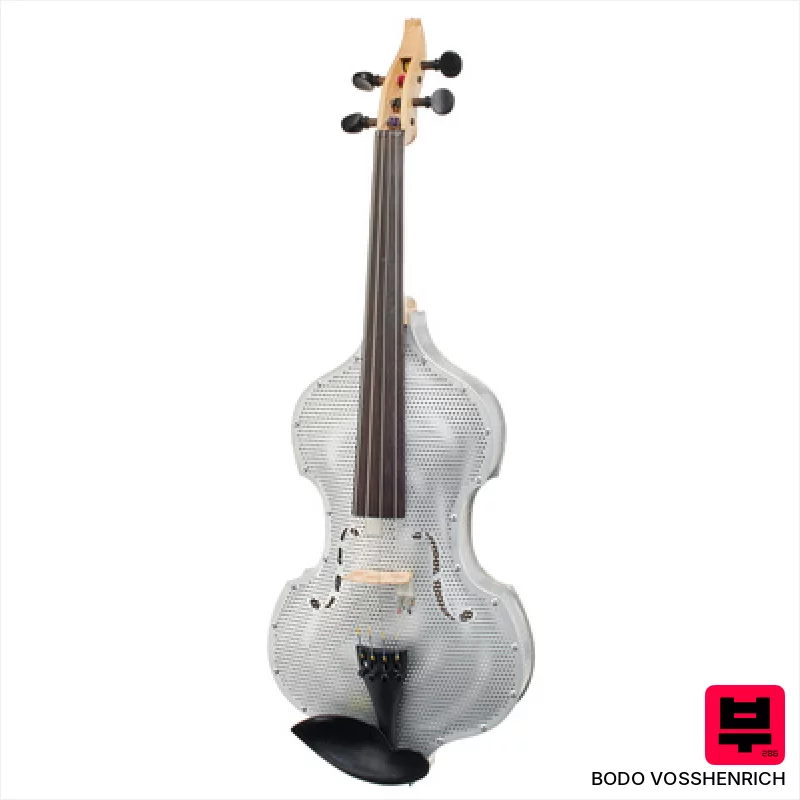
Bodo Vosshenrich Electrola Standard E-Viola 16"
- • Aluminum body eliminates feedback, a huge win for stage use.
- • PDVF pickups offer a surprisingly warm, nuanced amplified tone.
- • Cold-pressed aluminum provides exceptional resonance and sustain.
- • Ebony fingerboard and pegs ensure a refined, professional playing experience.
- • The increased weight (15% more than acoustic) can be fatiguing in long sessions.
- • Aluminum construction might lack the 'warmth' some players seek in a viola.
- • Limited tonal palette compared to more versatile, complex pickup systems.

Yamaha YEV105 Pro NBR Electric Violin
- • Lightweight design (approx. 550g lighter) enhances playability significantly.
- • ARE-treated maple bridge delivers a surprisingly warm, resonant acoustic tone.
- • Walnut frame provides excellent rigidity and contributes to a balanced feel.
- • D'Addario Zyex strings offer a bright, focused sound with good projection.
- • Limited tonal shaping options compared to more complex electric violins.
- • The synthetic resin pegbox, while durable, lacks the traditional feel of ebony.
- • Natural/Brown finish might not appeal to players seeking a darker aesthetic.
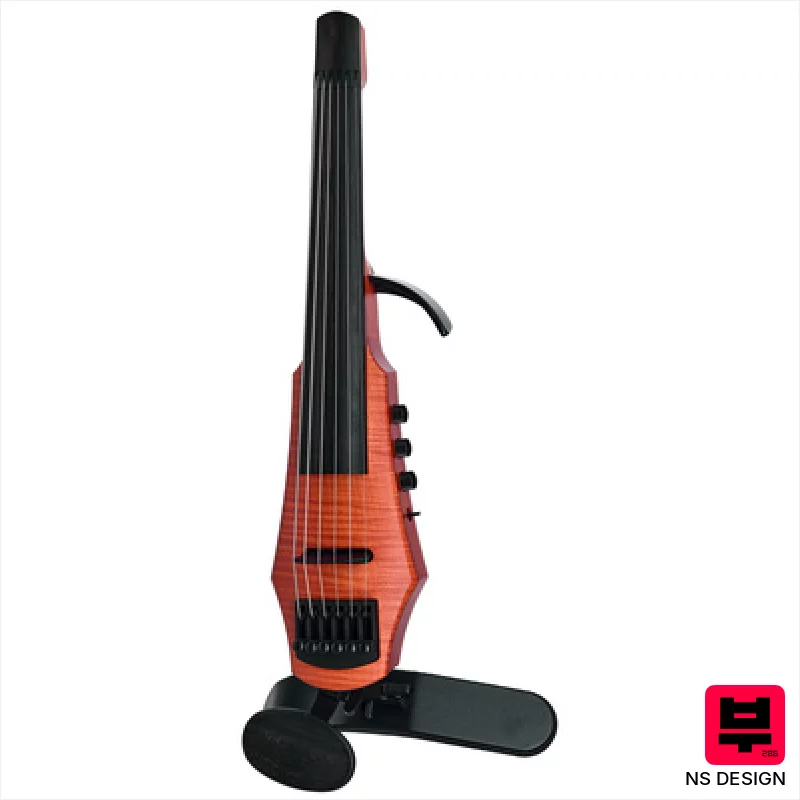
NS Design CR6-VN-AM Electric Violin
- • Amber maple body offers striking aesthetics and resonance.
- • Polar pickup system delivers a remarkably clear and focused amplified tone.
- • Ebony fingerboard provides exceptional playability and note definition.
- • Integrated headphone output enables silent practice and monitoring.
- • The 6-string configuration limits versatility for traditional violin repertoire.
- • Maple construction, while beautiful, can be prone to finish checking with heavy use.
- • Premium-priced, representing a significant investment for most musicians.
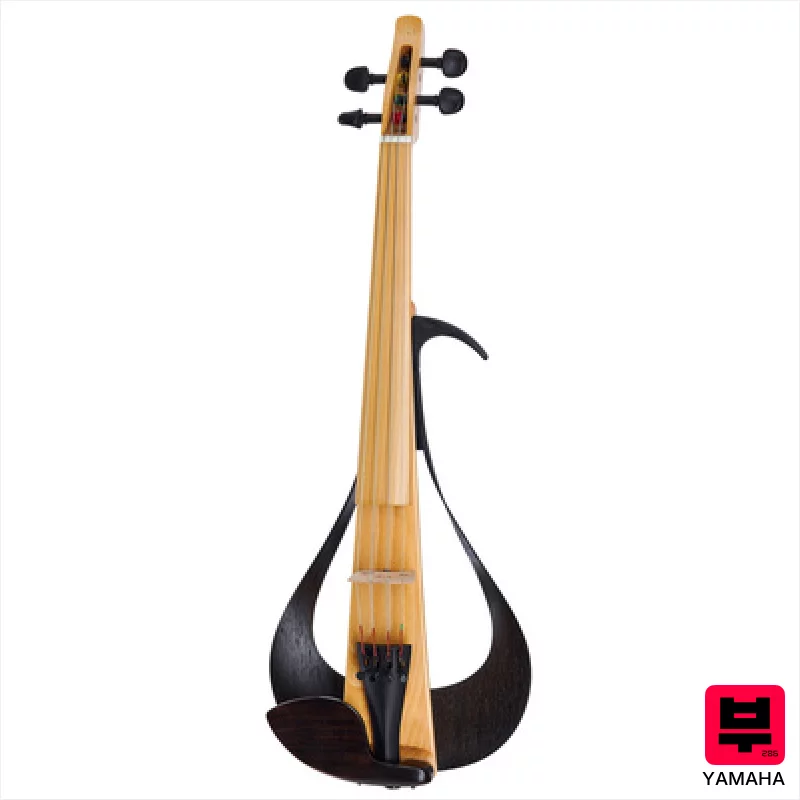
Yamaha YEV104 Pro NBL Electric Violin
- • Spruce top delivers a surprisingly warm, resonant acoustic tone even amplified.
- • The ARE-treated maple bridge provides a natural, aged acoustic response and improved pickup clarity.
- • Reduced weight (approx. 510g) makes extended playing sessions significantly more comfortable.
- • Walnut frame and ebony chinrest offer a premium feel and secure playing position.
- • The hollowbody design, while adding resonance, can pick up unwanted stage noise.
- • Zyex strings, while decent, might be a first upgrade for serious players seeking a richer tone.
- • The selector switch for volume control is a slightly clunky, less refined design choice.
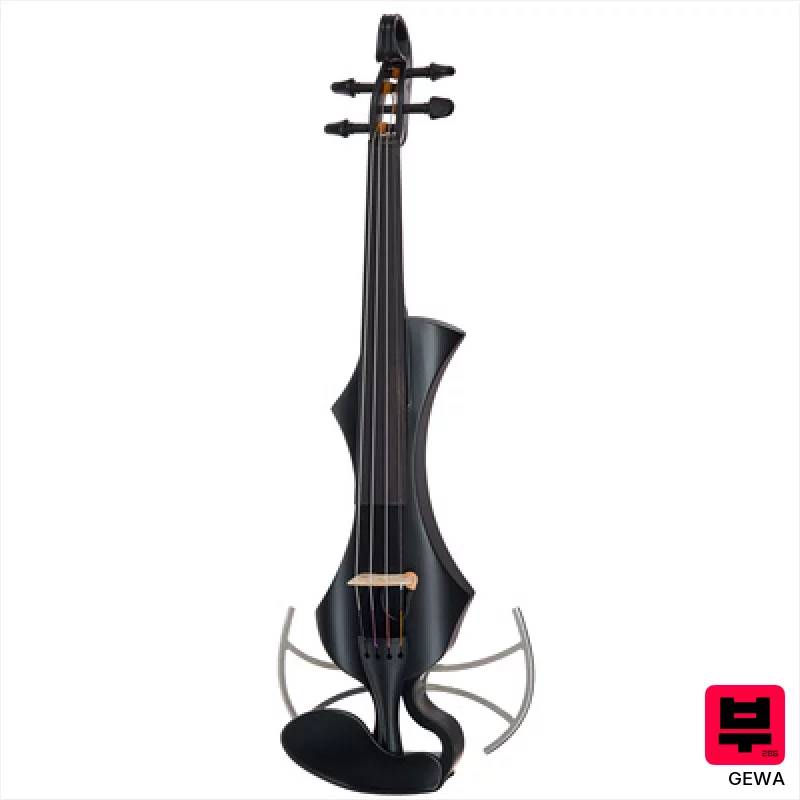
Gewa Novita 3.0 UA Elec. Violin BK
- • Solid maple neck offers excellent playability and sustain.
- • Aubert bridge contributes to a surprisingly warm acoustic tone.
- • Gewa pickup provides a clean, usable amplified signal for most applications.
- • Universal adapter allows easy integration with existing shoulder rests.
- • The Piezo pickup system can sound somewhat 'thin' compared to magnetic pickups.
- • Weight of 550g might be tiring for extended practice sessions.
- • AUX-IN input lacks volume control, requiring external adjustment.
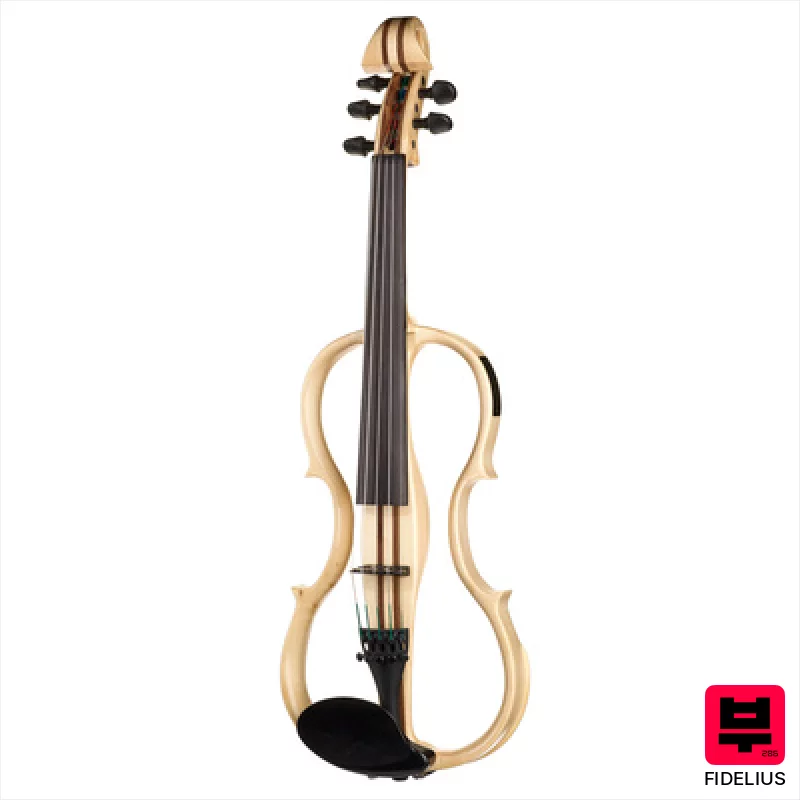
Fidelius F-Trad-5 Electric Violin 5-str
- • Solid ebony fingerboard and saddle enhance sustain and clarity
- • Five-string expands tonal possibilities and range significantly
- • Wittner fine tuners allow for precise intonation adjustments
- • Poplar/walnut construction offers a surprisingly resonant and attractive build
- • Passive electronics limit tonal shaping options compared to active systems
- • Poplar body, while resonant, isn't as premium as maple or spruce
- • 5-string design can feel unwieldy for traditional violinists initially
How to Choose the Best Electric Violins and Violas
Pickup Voicing
This is everything. Cheap pickups often sound brittle and harsh, lacking warmth or that juicy midrange. You want something that retains the character of your acoustic tone, but with added clarity and headroom when pushed. Think about how it interacts with effects - a muddy pickup will just get muddier.
Body Resonance & Construction
Even though it's electric, the body still affects the instrument's sustain and overall feel. A solid wood body (maple, ebony) will generally offer better resonance and sustain compared to a composite or hollow body, but hollow bodies can be warmer and less fatiguing to play for long sets.
Electronics & Output Stage
A noisy preamp is a dealbreaker. Look for instruments with well-shielded electronics and a clean, strong output signal. The ability to adjust the output impedance can be a huge advantage for matching different amplifiers and avoiding tone suck.
Ergonomics & Neck Profile
You'll be playing for hours, so comfort matters. A thin, fast neck is great for shredding, but a thicker neck can offer better control and a more traditional feel. Action is also crucial - too high, and it's a pain to play; too low, and you'll get fret buzz.
Stage Readiness & Durability
Let's be honest, gear gets knocked around. Solid hardware, a robust finish, and a comfortable strap button placement are essential for surviving the club circuit. A built-in preamp is convenient, but consider the quality of its components; cheap preamps can fail.
Buying Guide
Don't fall for the hype. A lot of electric violins look futuristic but sound thin and lifeless. Spend your money on the pickups and preamp first; those are the core of the electric sound. Used instruments are your friend - you can often snag a higher-end model for a fraction of the original price. And seriously, get a good case - these things are fragile.
Our Methodology
We're not just looking at spec sheets here. We've spent countless hours playing these instruments through a variety of amps and effects, from clean tube amps to high-gain distortion. Our evaluations are based on how they sound in a band setting, how they feel under the fingers, and how they hold up to the inevitable bumps and bruises of gigging - crucial stuff when you're hauling gear in and out of venues.

