
Best Electric Organs for Soul 2026
Alright, so you're chasing that classic soul organ sound? It's not just about having an electric organ; it's about nailing that Leslie-soaked, gospel-infused vibe. We're talking about the backbone of countless Motown, Stax, and Atlantic recordings - a sound that's as much about feel as it is about the instrument itself. This isn't about bright, glassy tones; it's about warmth, grit, and that unmistakable low-end thump that locks into a pocket.
Last updated: July 15, 2026 • Next update: July 22, 2026
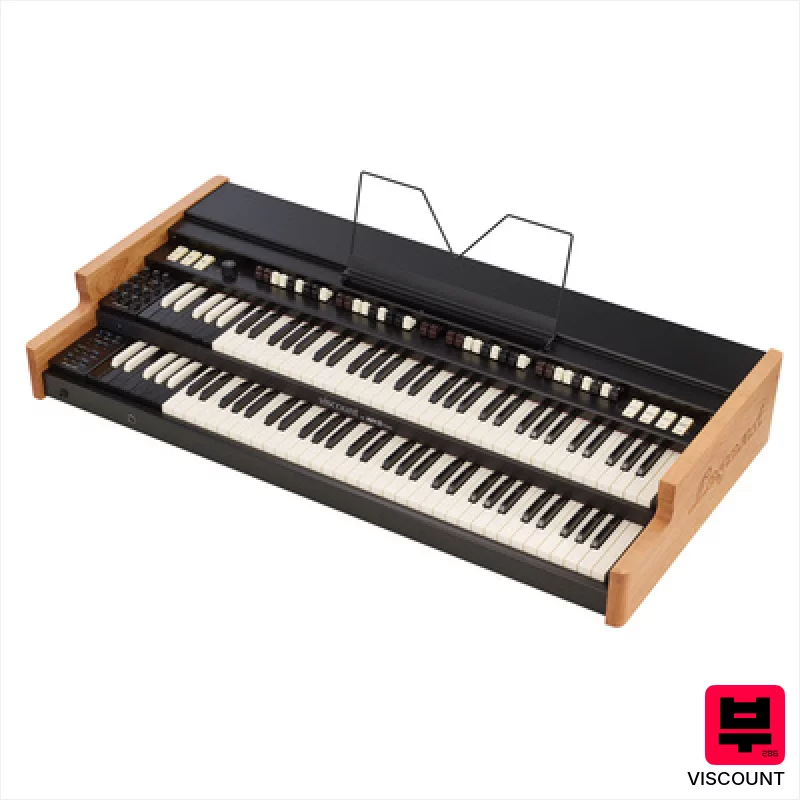
Viscount Legend
- • Exceptional Tonewheel emulation captures classic organ character.
- • Dual-manual layout expands harmonic possibilities and expression.
- • Robust build quality with solid internal components and durable keys.
- • Comprehensive effects suite provides versatile sonic shaping options.
- • Limited versatility beyond traditional organ sounds.
- • Considerable weight makes portability challenging for gigging musicians.
- • Waterfall keys may not suit all playing styles or preferences.

Crumar Mojo Classic
- • Physical modeling engine convincingly recreates vintage organ tones.
- • Waterfall keys offer authentic Hammond organ feel and expression.
- • Comprehensive drawbar controls provide deep tonal shaping capabilities.
- • Flexible routing and MIDI connectivity expand performance possibilities.
- • Semi-weighted keys lack the feel of a fully weighted action.
- • Physical modeling can be CPU-intensive, potentially impacting latency.
- • Limited onboard speaker system necessitates external amplification for stage use.
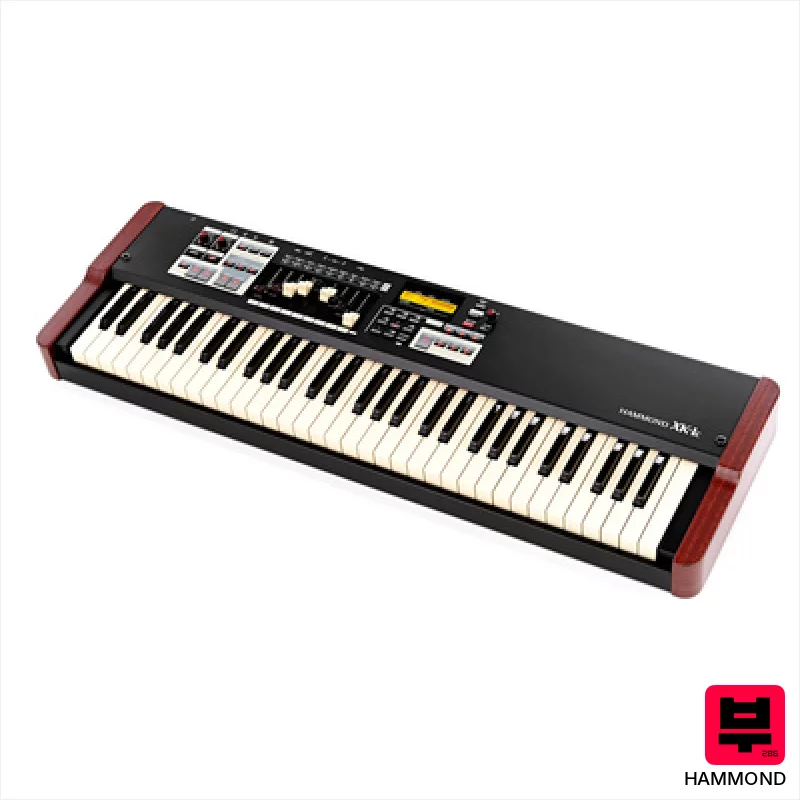
Hammond XK-1C
- • VASE III engine delivers authentic B3 tone reproduction
- • Compact size makes it ideal for smaller stages and home studios
- • Waterfall keys provide excellent Hammond feel and response
- • Drawbar flexibility with selectable upper/lower offers tonal sculpting
- • Lacks built-in speakers, requiring external amplification or Leslie
- • Plastic construction feels less premium compared to higher-end Hammonds
- • Limited polyphony can be a constraint for complex layered patches
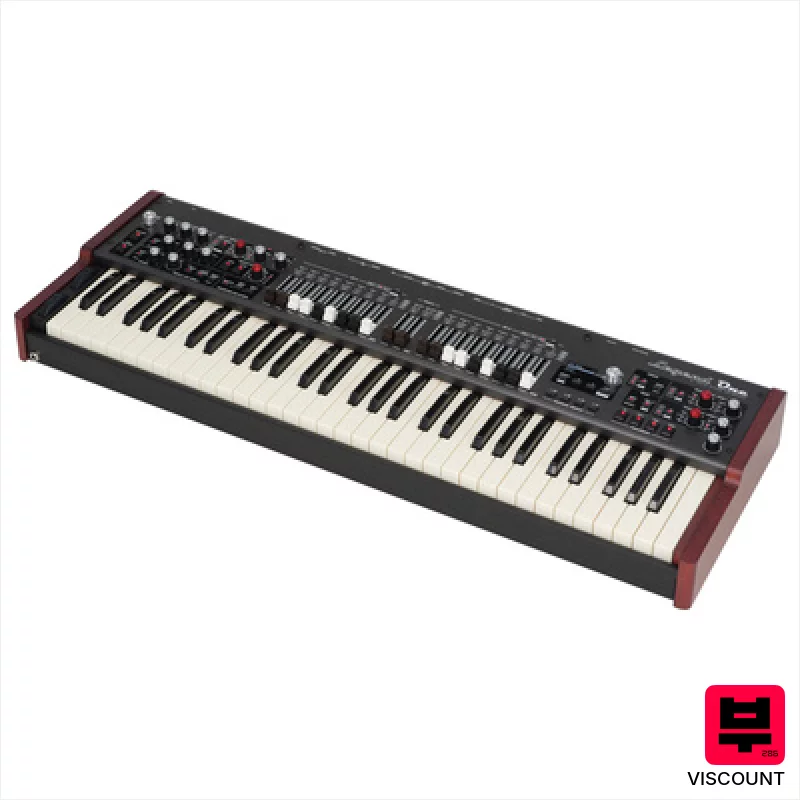
Viscount Legend ONE 61
- • Solid wood construction provides excellent resonance and a premium feel.
- • TMT and HDS engine convincingly recreates classic tonewheel organ sounds.
- • Extensive drawbar controls offer incredible tonal flexibility and customization.
- • Comprehensive effects suite allows for nuanced shaping of organ character.
- • 61-key waterfall action limits versatility for piano or other keyboard parts.
- • The relatively compact size may feel cramped for some players.
- • Lacks onboard recording capabilities, requiring external solutions.

Crumar Mojo 61
- • VB3-II emulation nails the classic Tonewheel organ sound
- • Waterfall keys offer authentic organ playing feel and expression
- • Compact size makes it stage-friendly and easy to transport
- • Drawbars provide immediate, hands-on control over organ timbre
- • Limited to a single manual restricts complex voicing possibilities
- • Physical modeling Clavinet is a pleasant surprise but not a primary strength
- • Lack of built-in speakers demands an external amplification solution
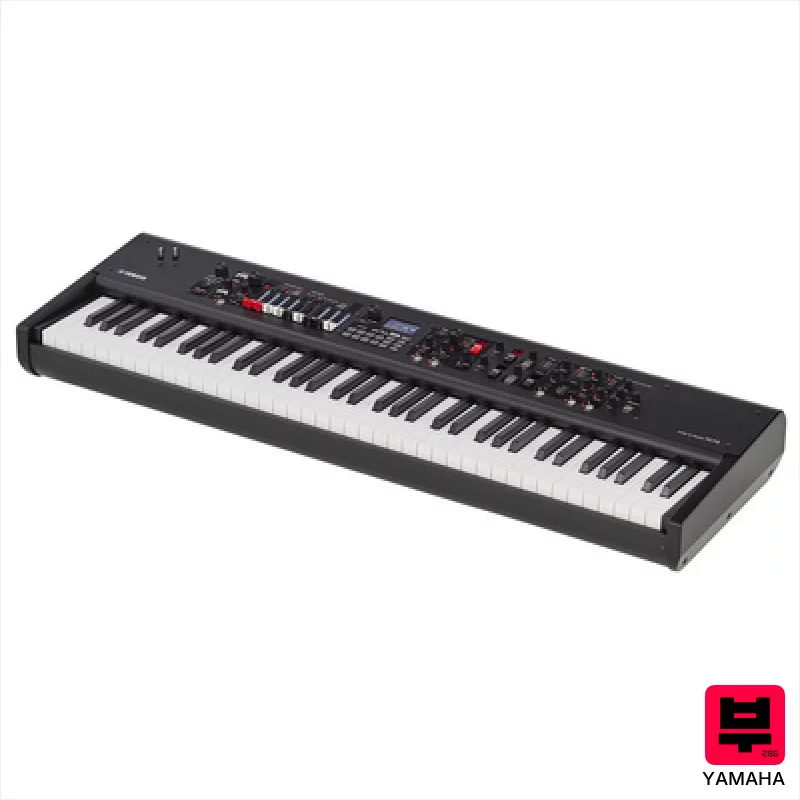
Yamaha YC73
- • Exceptional VCM organ engine delivers authentic vintage tones
- • BHS keyboard action convincingly emulates classic organ feel
- • Joystick provides expressive pitch and modulation control
- • Compact 73-key design balances portability and playability
- • Limited polyphony can be a constraint in complex layered patches
- • Lack of onboard speakers necessitates external amplification
- • Drawbar range, while comprehensive, lacks dedicated percussion simulation

Clavia Nord Organ 3
- • Exceptional B3 emulation with nuanced Leslie simulation
- • Waterfall keys offer authentic organ feel and expression
- • Dual manual design enables complex voicing and layering
- • LED drawbars provide visual clarity and precise control
- • Premium-priced, a significant investment for many players
- • Limited polyphony compared to stage pianos; best for organ sounds
- • Size and weight make it less portable than some alternatives

Viscount Legend Soul 261
- • Excellent TMT modeling authentically recreates vintage Hammond tone.
- • Two manuals offer expanded voicing and performance possibilities.
- • Improved key pressure simulation adds nuance and responsiveness.
- • Compact and relatively lightweight for a two-manual organ.
- • Limited speaker options necessitate external amplification for serious gigs.
- • Drawbar interaction can feel slightly less immediate than a true Hammond.
- • Effect suite, while extensive, lacks deep customization options.

Crumar Mojo 61 Black Limited Edition
- • Waterfall keys offer authentic organ playing feel
- • VB3-II engine delivers remarkably convincing tonewheel emulation
- • Drawbar flexibility allows for nuanced organ voicing
- • Integrated Wi-Fi unlocks convenient editor access and updates
- • Limited to a single manual restricts complex registrations
- • 61-key range might feel cramped for seasoned keyboardists
- • Black finish shows fingerprints and smudges easily
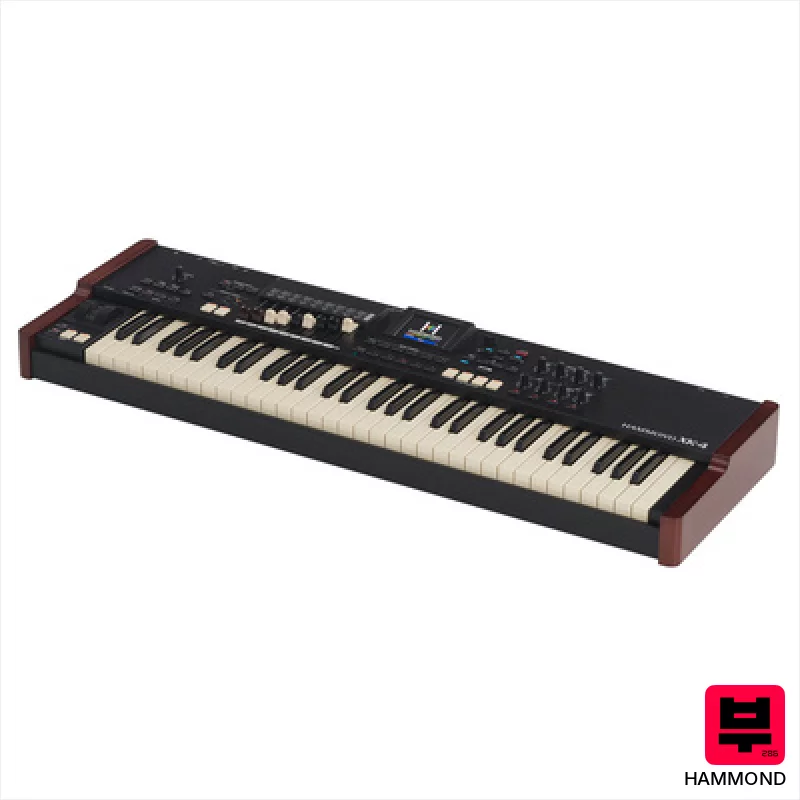
Hammond XK-4
- • MTW2 engine delivers surprisingly authentic Hammond voicing and response.
- • 61-key action offers decent velocity sensitivity for organ playing.
- • Compact size and relatively light weight make it giggable.
- • Drawbar flexibility allows for considerable tonal sculpting.
- • Semi-weighted keys lack the feel of a true organ action.
- • Limited key range restricts complex voicings and registrations.
- • Build quality, while acceptable, doesn't match higher-end Hammond models.
- • Leslie speaker simulation, while decent, can't replace the real thing.
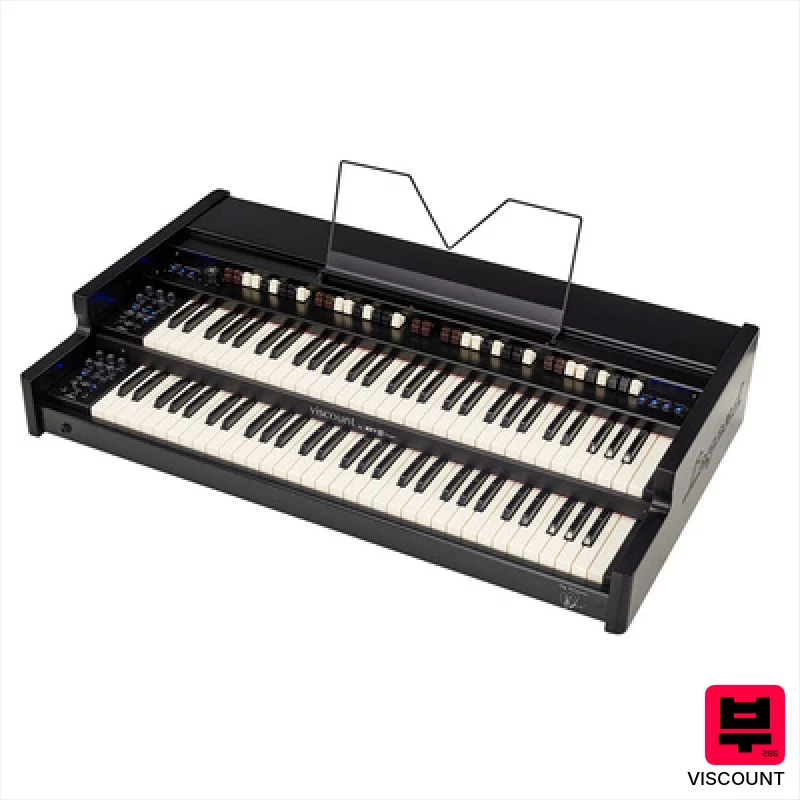
Viscount Legend Live Black Signature
- • Joey DeFrancesco signature voicing delivers authentic Hammond tone
- • Excellent Tonewheel modelling captures nuanced vintage organ character
- • Compact size and lightweight design (18kg) enhance portability
- • Comprehensive effects suite provides flexible sonic shaping options
- • Limited polyphony might be a constraint for complex layering
- • Waterfall keys lack the premium feel of wooden keys found on high-end organs
- • Black finish shows fingerprints and smudges easily

Crumar Sorrento
- • Excellent spinet emulation captures classic Vox Continental vibe convincingly.
- • Integrated Crumar Burn pedal delivers authentic Leslie-like rotation and overdrive.
- • Bass synth engine adds surprising depth, controllable with dedicated parameters.
- • Intuitive OLED editor simplifies complex tone shaping and preset management.
- • Semi-weighted keys lack the feel of a full hammer-action organ action.
- • Spinet-style limitations restrict versatility beyond vintage organ tones.
- • Build quality, while decent, feels a step below premium-priced competitors.
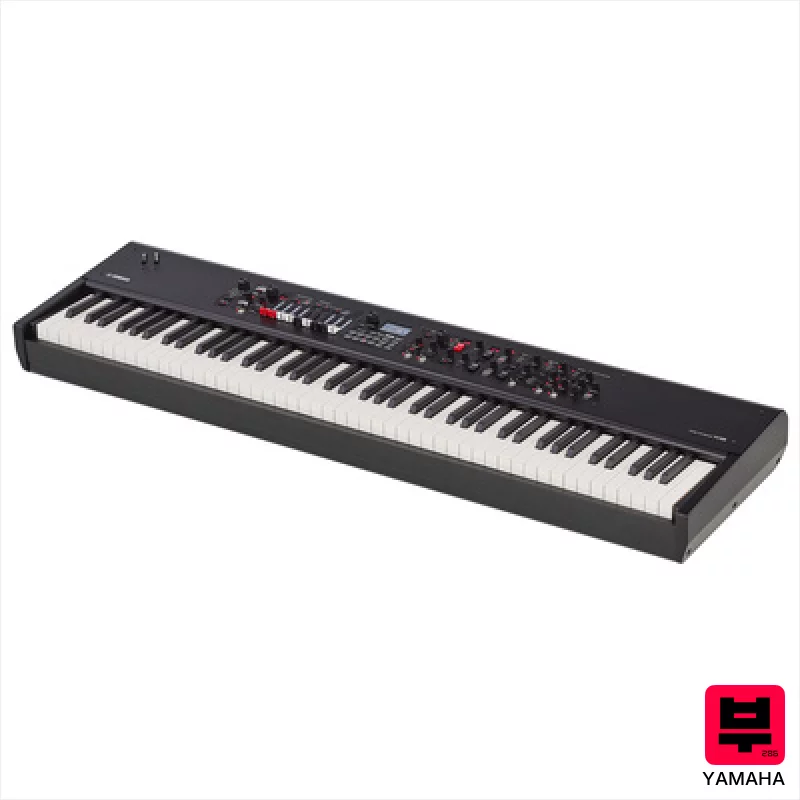
Yamaha YC88
- • NW-GH3 action feels remarkably authentic for a digital organ
- • VCM organ engine delivers surprisingly nuanced and complex tones
- • Joystick provides intuitive and expressive pitch/mod control
- • Comprehensive effects suite significantly expands sonic possibilities
- • The physical footprint is substantial, limiting portability
- • Drawbar range is somewhat limited compared to vintage B3s
- • Lack of built-in speakers necessitates external amplification
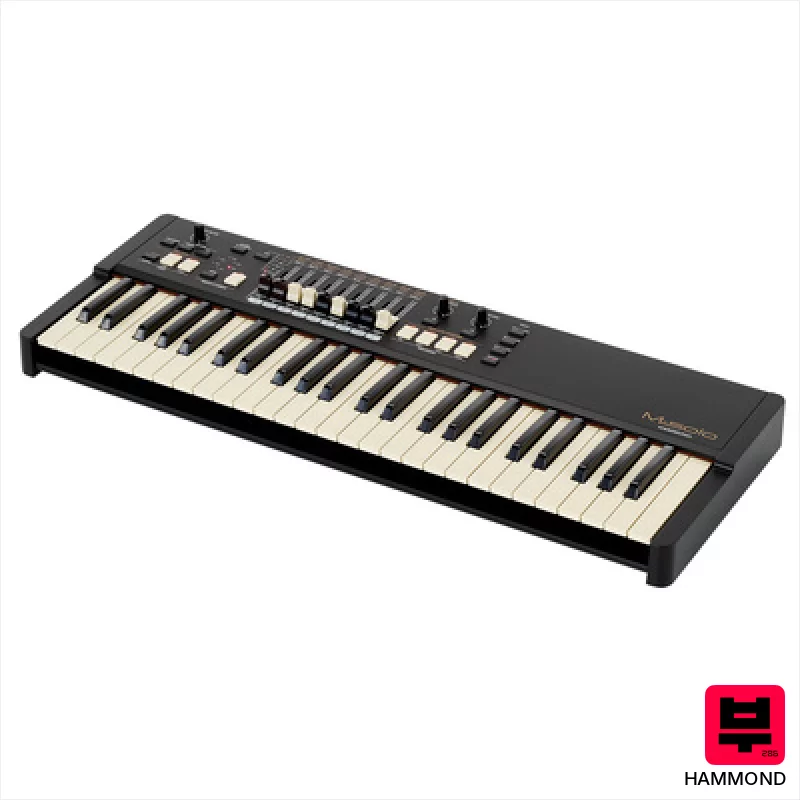
Hammond M-solo Black
- • Excellent B-3 emulation captures that classic Hammond warmth.
- • Velocity-sensitive keys offer expressive playing feel.
- • Compact size and lightweight design enable easy portability.
- • Synthesizer section adds surprising versatility beyond organ sounds.
- • 49-key layout limits complex chord voicings and registrations.
- • Aux input's 3.5mm jack feels like an afterthought.
- • Virtual Leslie effect, while decent, lacks the nuance of a real Leslie.
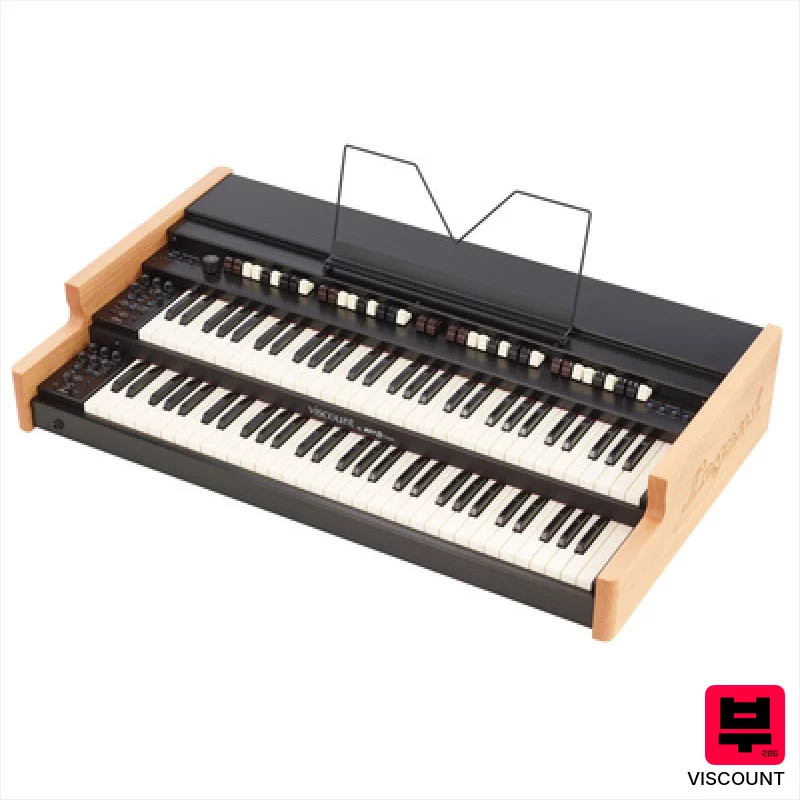
Viscount Legend Live
- • Excellent Tonewheel modeling; convincingly replicates vintage Hammond sound
- • Waterfall keys offer authentic organ playing feel and technique
- • Compact size and relatively light weight for a dual-manual organ
- • Comprehensive built-in effects provide immediate sonic shaping options
- • Limited polyphony compared to modern digital stage pianos
- • Lack of aftertouch on the keys restricts expressive control
- • The included digital expression pedal feels somewhat budget-oriented
How to Choose the Best Electric Organs
Leslie Simulation
It's not just about a rotary effect; it's about the type of rotation - slow for that creamy sustain, fast for a more percussive, cutting edge. A cheap Leslie sim will sound thin and brittle; a good one breathes.
Drawbar Voicing
Drawbars are your tonal playground. Soul needs that fat midrange honk and a solid, round low-end. Look for organs with a good spread of drawbars, especially those that allow for some creative tweaking and unexpected combinations.
Key Action/Feel
A worn-out, mushy action kills the dynamics. You need a responsive, tactile feel that lets you control the attack and articulation - essential for those funky, syncopated lines. A heavier action can be a workout, though.
Percussion/Effects
Many organs offer built-in percussion and effects like tremolo and reverb. Soul often benefits from a touch of grit and space, but avoid anything overly processed or digital-sounding; subtle is key.
Reliability/Build Quality
Gigs are brutal. Cheap organs will fall apart under the strain of constant transport and use. Solid construction and reliable components are worth the investment - you don't want a mid-set failure during 'Respect'.
Buying Guide
Don't be fooled by vintage prices; even 'vintage' organs have had varying levels of maintenance. Factor in potential repair costs - tubes wear out, and those Leslie motors aren't immortal. A newer digital model with a solid emulation can often be a more practical choice, especially if you're gigging regularly. That said, the nuances of a true vintage instrument are hard to replicate - it's a trade-off.
Our Methodology
We didn't just look at spec sheets here. We spent hours playing these organs through various Leslie emulations and vintage cabs, A/B'ing them against recordings of Booker T. Jones and Jimmy Smith. We've gigged with some of these in sweaty clubs and laid down tracks in studios, so our assessment isn't based on marketing hype - it's based on what sounds good and holds up under pressure.

