
Best Electric Organs for Gospel 2026
Alright, let's talk about electric organs for Gospel. It's a demanding genre - you need something that can lay down a solid foundation for the vocals, cut through a powerful choir, and still have enough versatility to nail those soulful runs and swells. Forget those thin, brittle Rhodes sounds - we're looking for grit, warmth, and a serious low-end thump. This isn't about pristine clean tones; it's about character and feel.
Last updated: July 15, 2026 • Next update: July 22, 2026

Viscount Legend Solo
- • Excellent TMT engine convincingly models vintage Hammond tones
- • Lightweight and portable for gigging musicians, easy transport
- • Comprehensive drawbar controls offer extensive tonal shaping
- • Integrated effects provide usable sounds straight out of the box
- • 61-key action feels somewhat basic for experienced organists
- • Lacks built-in speakers, requiring external amplification
- • Mono audio input limits versatility for certain recording setups
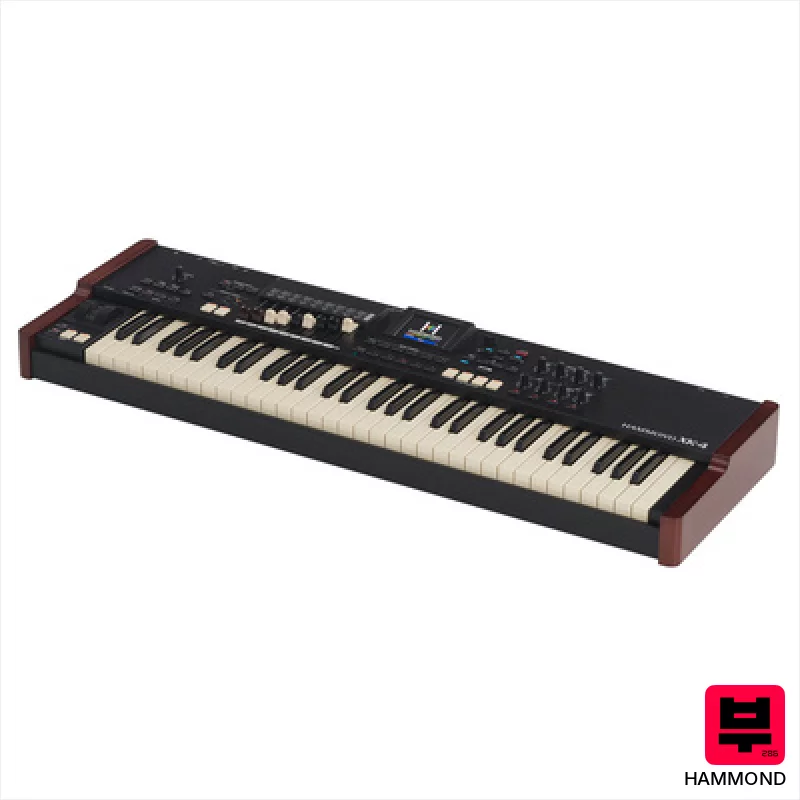
Hammond XK-4
- • MTW2 engine delivers surprisingly authentic Hammond voicing and response.
- • 61-key action offers decent velocity sensitivity for organ playing.
- • Compact size and relatively light weight make it giggable.
- • Drawbar flexibility allows for considerable tonal sculpting.
- • Semi-weighted keys lack the feel of a true organ action.
- • Limited key range restricts complex voicings and registrations.
- • Build quality, while acceptable, doesn't match higher-end Hammond models.
- • Leslie speaker simulation, while decent, can't replace the real thing.
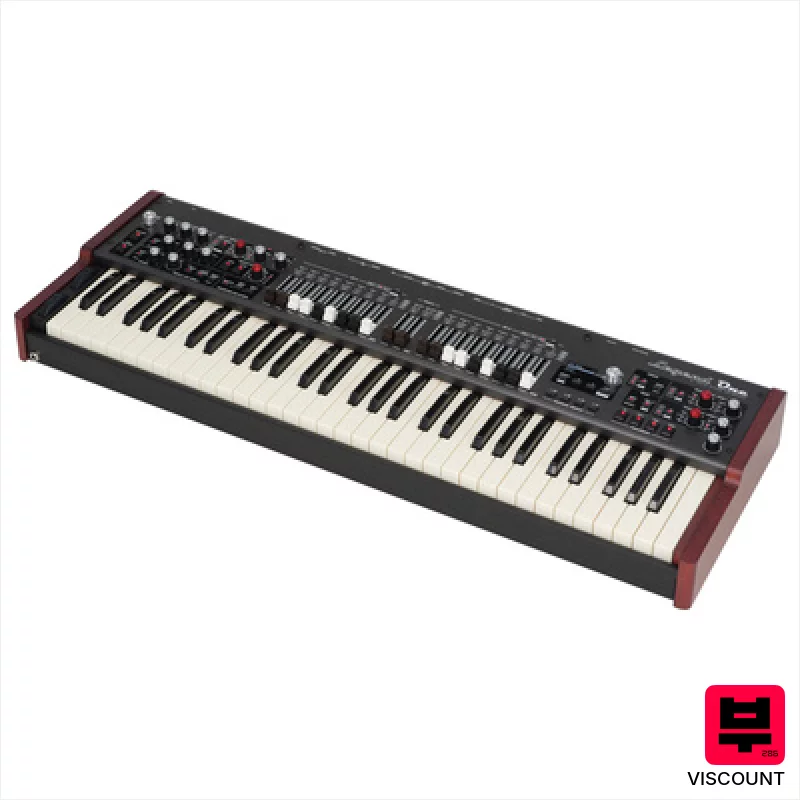
Viscount Legend ONE 61
- • Solid wood construction provides excellent resonance and a premium feel.
- • TMT and HDS engine convincingly recreates classic tonewheel organ sounds.
- • Extensive drawbar controls offer incredible tonal flexibility and customization.
- • Comprehensive effects suite allows for nuanced shaping of organ character.
- • 61-key waterfall action limits versatility for piano or other keyboard parts.
- • The relatively compact size may feel cramped for some players.
- • Lacks onboard recording capabilities, requiring external solutions.
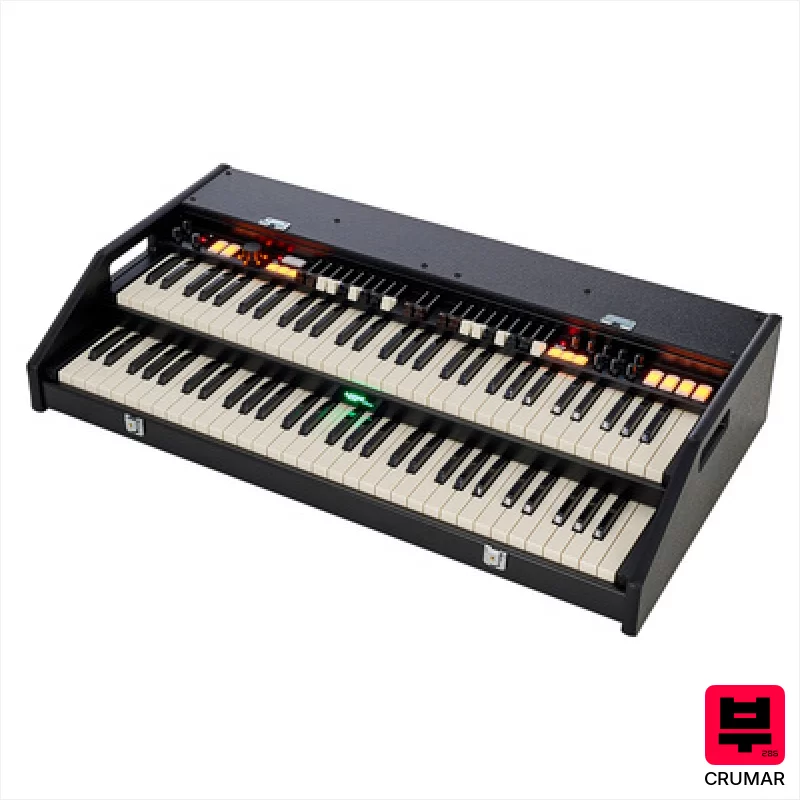
Crumar Mojo Suitcase
- • Excellent physical modeling delivers authentic vintage organ tones
- • Compact 'suitcase' design prioritizes portability for gigging musicians
- • Intuitive drawbar controls and presets streamline performance
- • Robust build quality with durable waterfall keys and solid construction
- • Semi-weighted keys offer a less nuanced feel than fully weighted action
- • Limited polyphony can be noticeable with complex registrations
- • Wi-Fi connectivity requires an optional external antenna for reliable use
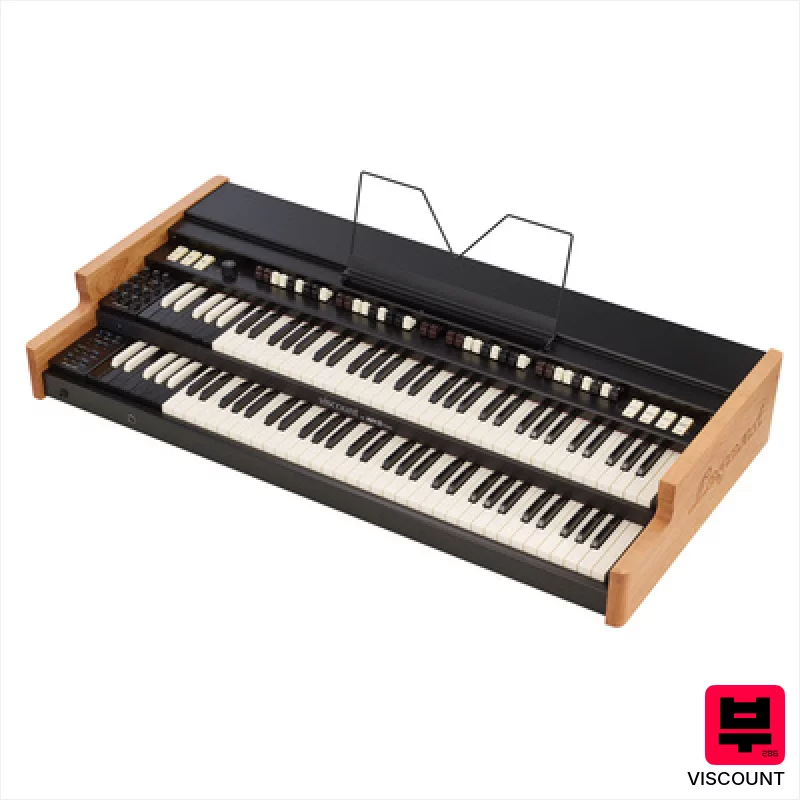
Viscount Legend
- • Exceptional Tonewheel emulation captures classic organ character.
- • Dual-manual layout expands harmonic possibilities and expression.
- • Robust build quality with solid internal components and durable keys.
- • Comprehensive effects suite provides versatile sonic shaping options.
- • Limited versatility beyond traditional organ sounds.
- • Considerable weight makes portability challenging for gigging musicians.
- • Waterfall keys may not suit all playing styles or preferences.
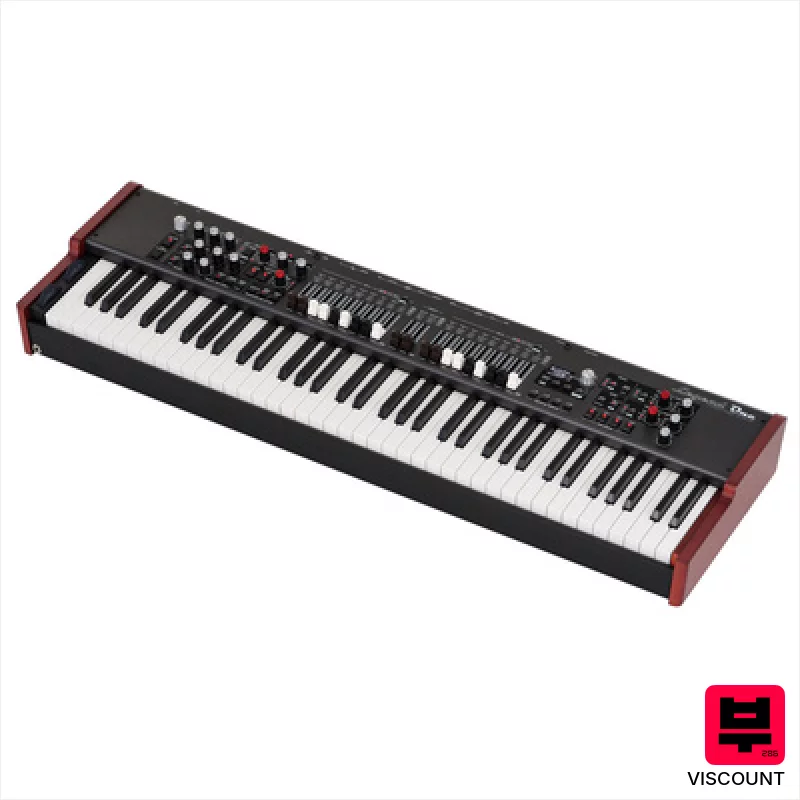
Viscount Legend ONE 73
- • Solid wood construction lends excellent resonance and stability.
- • TMT technology convincingly replicates vintage Tonewheel organ sound.
- • Extensive drawbar controls offer incredible tonal shaping flexibility.
- • HDS sampled sounds provide realistic and nuanced accompaniment textures.
- • Semi-weighted keys lack the feel of a fully weighted piano action.
- • The OLED display, while functional, isn’t the brightest or most detailed.
- • Limited polyphony might be a constraint for complex layered sounds.
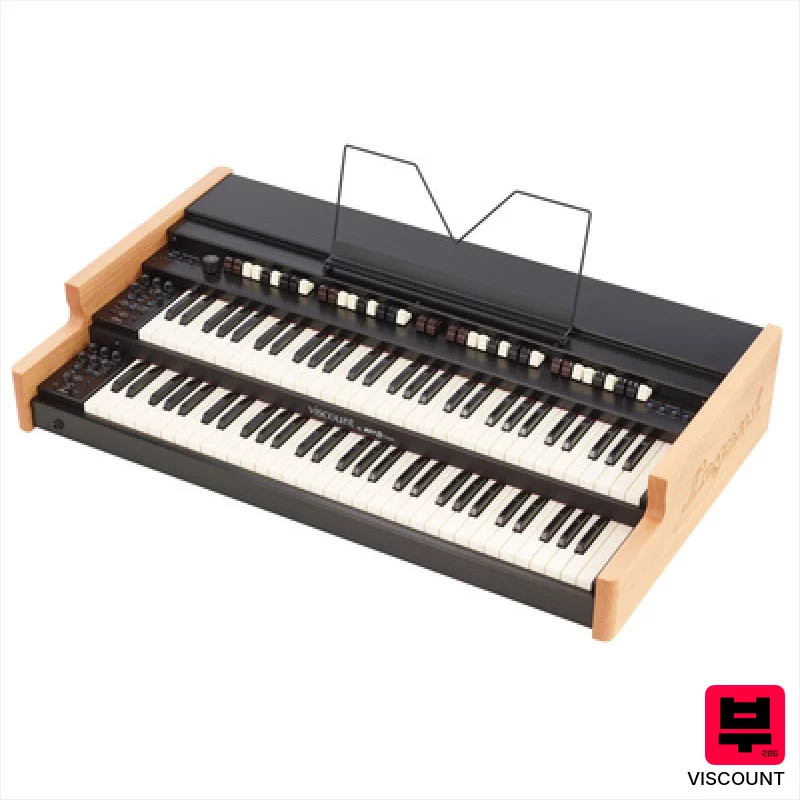
Viscount Legend Live
- • Excellent Tonewheel modeling; convincingly replicates vintage Hammond sound
- • Waterfall keys offer authentic organ playing feel and technique
- • Compact size and relatively light weight for a dual-manual organ
- • Comprehensive built-in effects provide immediate sonic shaping options
- • Limited polyphony compared to modern digital stage pianos
- • Lack of aftertouch on the keys restricts expressive control
- • The included digital expression pedal feels somewhat budget-oriented
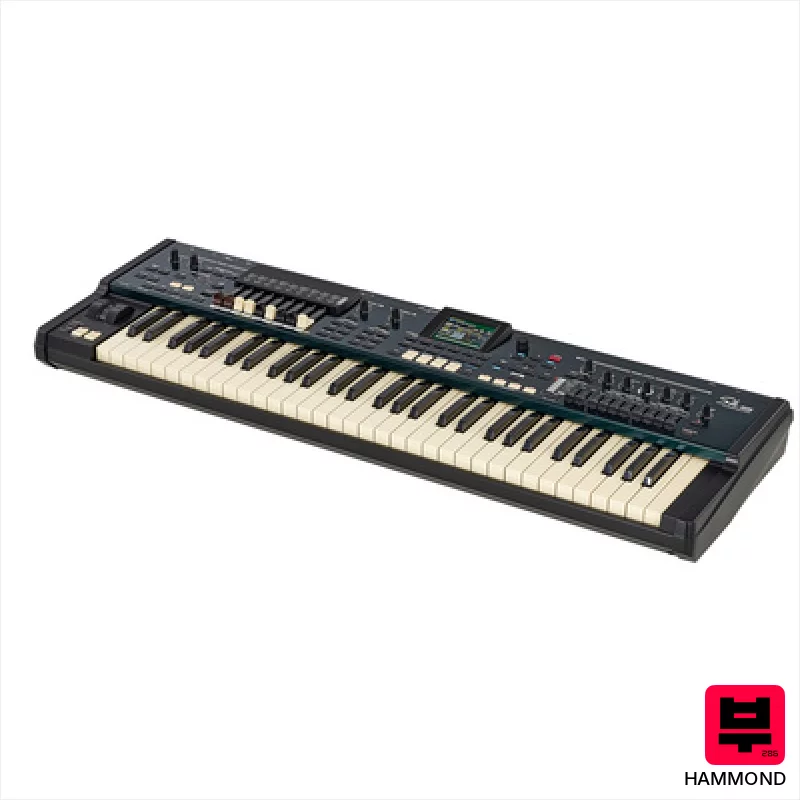
Hammond SK PRO
- • Authentic Hammond organ engine delivers classic Leslie speaker simulation
- • Versatile synth engine expands beyond organ sounds, offering creative possibilities
- • Waterfall key action replicates vintage organ feel with excellent responsiveness
- • Comprehensive editing tools allow deep customization of all sound engines
- • The LCD display is small and can be difficult to read in bright environments
- • Weight makes it less than ideal for frequent gigging or transport
- • Mono synth engine, while capable, isn't as deep as dedicated synth workstations

Crumar Mojo 61 Black Limited Edition
- • Waterfall keys offer authentic organ playing feel
- • VB3-II engine delivers remarkably convincing tonewheel emulation
- • Drawbar flexibility allows for nuanced organ voicing
- • Integrated Wi-Fi unlocks convenient editor access and updates
- • Limited to a single manual restricts complex registrations
- • 61-key range might feel cramped for seasoned keyboardists
- • Black finish shows fingerprints and smudges easily
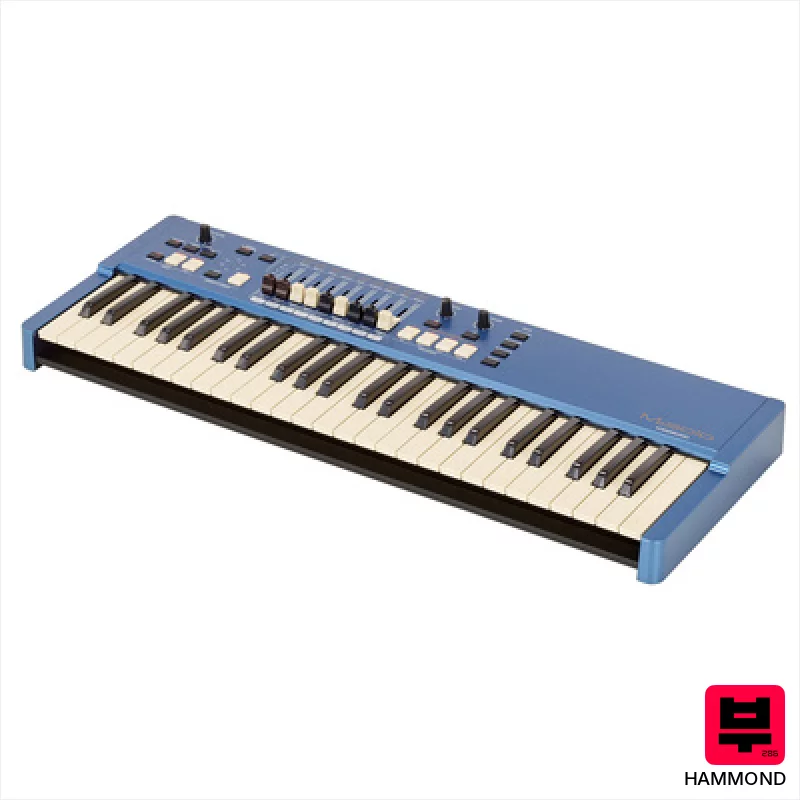
Hammond M-solo Blue
- • Excellent B-3 emulation captures that classic Hammond warmth and grit.
- • Surprisingly versatile synth section expands beyond typical organ sounds.
- • Lightweight and compact design makes gigging and transport much easier.
- • Virtual Leslie effect convincingly simulates rotating speaker ambience.
- • 49-key keyboard limits complex voicings and fast playing.
- • Aux input is only 3.5mm, a bit limiting for modern sources.
- • Synthesizer section lacks depth compared to dedicated synth instruments.

Roland VR-09 V-Combo B
- • Excellent SuperNATURAL organ engine convincingly emulates vintage tone wheels
- • Lightweight and portable for gigging musicians, truly stage-ready
- • Versatile synth section expands beyond organ sounds with modern textures
- • Built-in looper and drum section offer basic song creation tools
- • 61 velocity-sensitive keys limit expressive piano playing potential
- • Polyphony of 128 voices can become restrictive with complex patches
- • LCD screen is relatively small and can be difficult to read in bright light
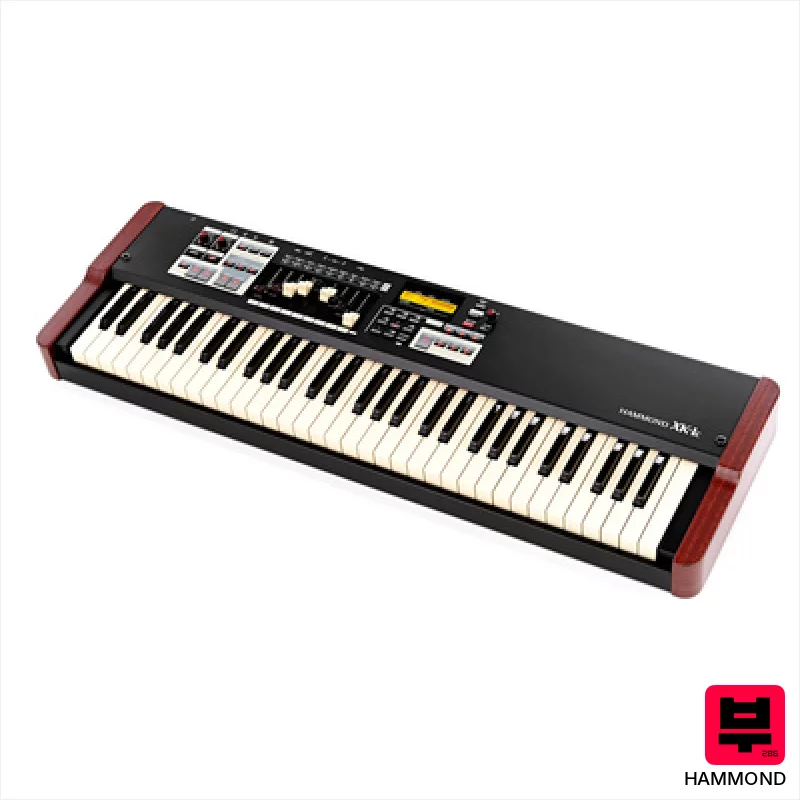
Hammond XK-1C
- • VASE III engine delivers authentic B3 tone reproduction
- • Compact size makes it ideal for smaller stages and home studios
- • Waterfall keys provide excellent Hammond feel and response
- • Drawbar flexibility with selectable upper/lower offers tonal sculpting
- • Lacks built-in speakers, requiring external amplification or Leslie
- • Plastic construction feels less premium compared to higher-end Hammonds
- • Limited polyphony can be a constraint for complex layered patches

Hammond XLK-5
- • Waterfall keys provide excellent action for organ playing.
- • H-BUS connectivity seamlessly integrates with the XK-5’s engine.
- • 61 buttons offer a full lower manual range for nuanced playing.
- • Robust construction ensures long-term reliability and gig-worthiness.
- • Limited to lower manual functionality; requires an XK-5 base unit.
- • The button layout takes time to re-learn after traditional keyboard playing.
- • Adds significant weight to the overall rig.
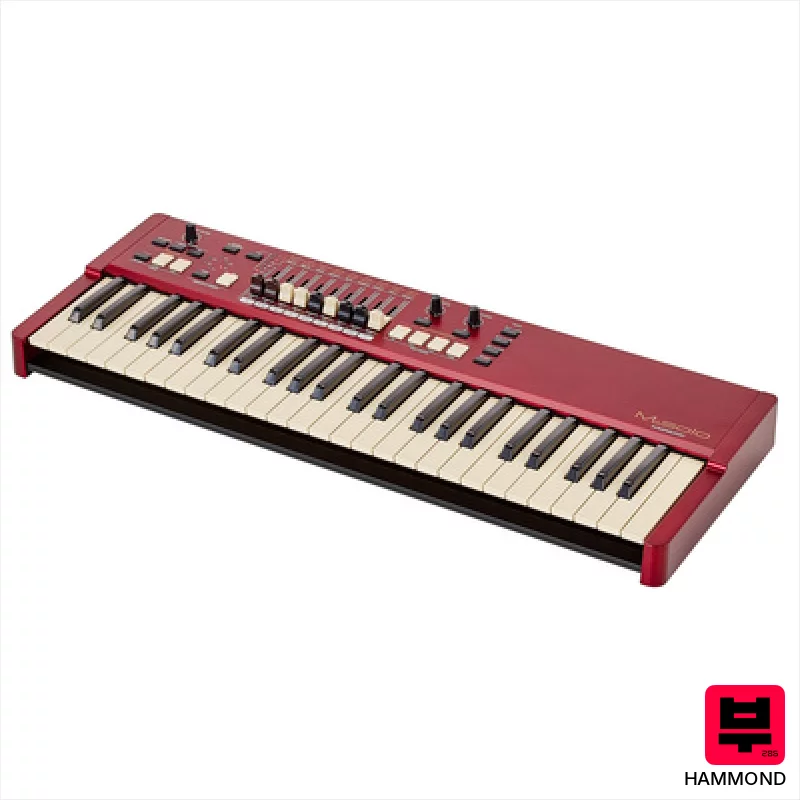
Hammond M-solo Burgundy
- • Excellent B-3 emulation captures classic Hammond warmth and grit.
- • Compact design and lightweight build facilitate easy transport and setup.
- • Synthesizer section adds unexpected sonic textures and versatility.
- • Virtual Leslie effect convincingly replicates rotating speaker ambiance.
- • 49-key keyboard limits complex voicings and bass lines.
- • Aux input is a less-than-ideal 3.5mm jack – feels flimsy.
- • Synthesizer section’s filter lacks the depth of dedicated synths.

Crumar Mojo 61
- • VB3-II emulation nails the classic Tonewheel organ sound
- • Waterfall keys offer authentic organ playing feel and expression
- • Compact size makes it stage-friendly and easy to transport
- • Drawbars provide immediate, hands-on control over organ timbre
- • Limited to a single manual restricts complex voicing possibilities
- • Physical modeling Clavinet is a pleasant surprise but not a primary strength
- • Lack of built-in speakers demands an external amplification solution
How to Choose the Best Electric Organs
Low-End Response
Gospel needs that fundamental presence. A weak low-end gets buried instantly; we're looking for a solid, defined bottom that doesn't muddy the mix but still has a nice, round quality. It's not about boomy, it's about authoritative.
Percussion/Tremolo
Essential for that classic Gospel organ vibe. A good tremolo adds movement and shimmer, while convincing percussion emulations give you the feel of a Leslie without needing the space and expense. The nuance here really separates the good from the great.
Key Travel & Action
Gospel playing is often dynamic and expressive. You want an action that's responsive to your touch, allowing for subtle swells and powerful attacks. A sloppy or overly heavy action will fight you every step of the way.
Voicing Versatility
While the classic Hammond sound is a starting point, Gospel players often need to dial in different flavors - a brighter, more cutting tone for solos, a warmer, smoother sound for intros and pads. Having a range of drawbar/virtual patch options is key.
Reliability & Gig-Worthiness
Let's be honest, Gospel gigs can be rough on gear. We're prioritizing instruments that can handle the heat - robust builds, dependable electronics, and a track record of performance in demanding environments. Stage wobbles and bad power are a fact of life.
Buying Guide
Don't get lured in by cheap clones promising the Hammond B3 experience for under $500. Those usually cut serious corners on the speaker simulation - that thin, brittle sound doesn't translate well in a live Gospel setting. Spend a little more for something with decent internal speakers or a solid headphone amp, or budget for a decent external speaker setup. Used, you can find some real gems, but be prepared to do your homework and potentially deal with some maintenance.
Our Methodology
We're not basing this list on manufacturer claims. We've spent countless hours playing these organs - in rehearsal rooms, on stage, and tracking in studios. We've A/B'd them against each other, listened critically through different PA systems, and generally tried to nail down what actually sounds good and works reliably in a Gospel context. It's about real-world performance, not just spec sheets.

