
Best Electric Cellos for Amplified Performance 2026
So, you're looking to electrify your cello game? It's a cool move, but not all electric cellos are created equal - especially when you want them to cut through a band, record cleanly, or just sound good on a PA. Forget the novelty instruments; we're talking about cellos built to amplify, with the right pickup voicing and construction to handle stage volume and studio tracking. Let's break down what you need to look for.
Last updated: July 8, 2026 • Next update: July 15, 2026
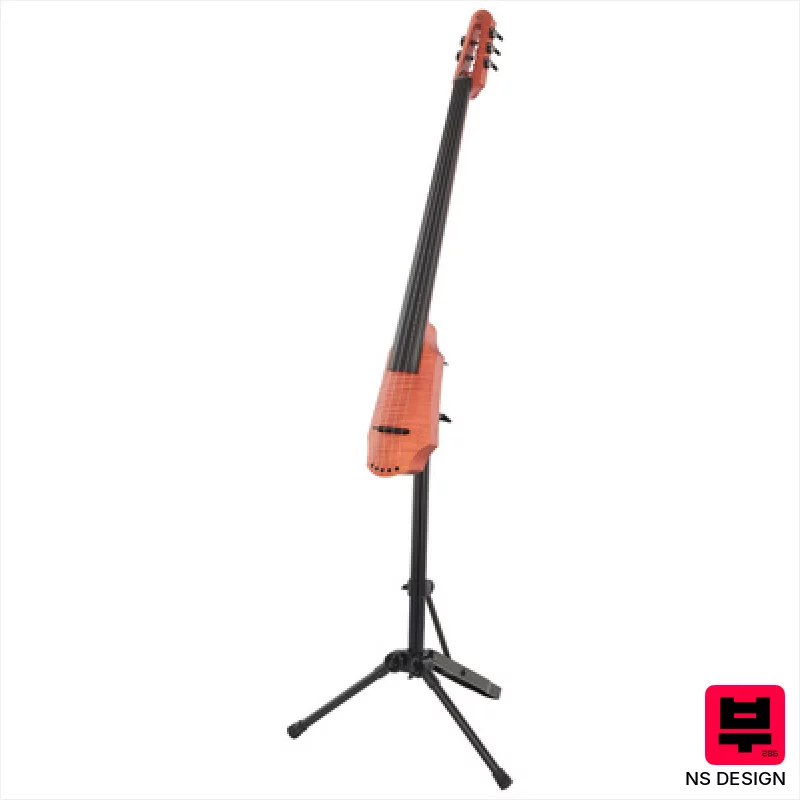
NS Design CR5-CO-AM High E Cello
- • Richlite fingerboard offers exceptional playability and consistent feel.
- • Active pickup system delivers a clear, amplified tone with reduced feedback.
- • Solid maple construction provides warmth and resonance, even when amplified.
- • High E string expands range and offers unique melodic possibilities.
- • The weight, typical for a full-size cello, can be fatiguing for extended playing.
- • Richlite, while durable, lacks the traditional feel of ebony for some players.
- • The built-in EQ, while useful, is relatively basic compared to external processors.
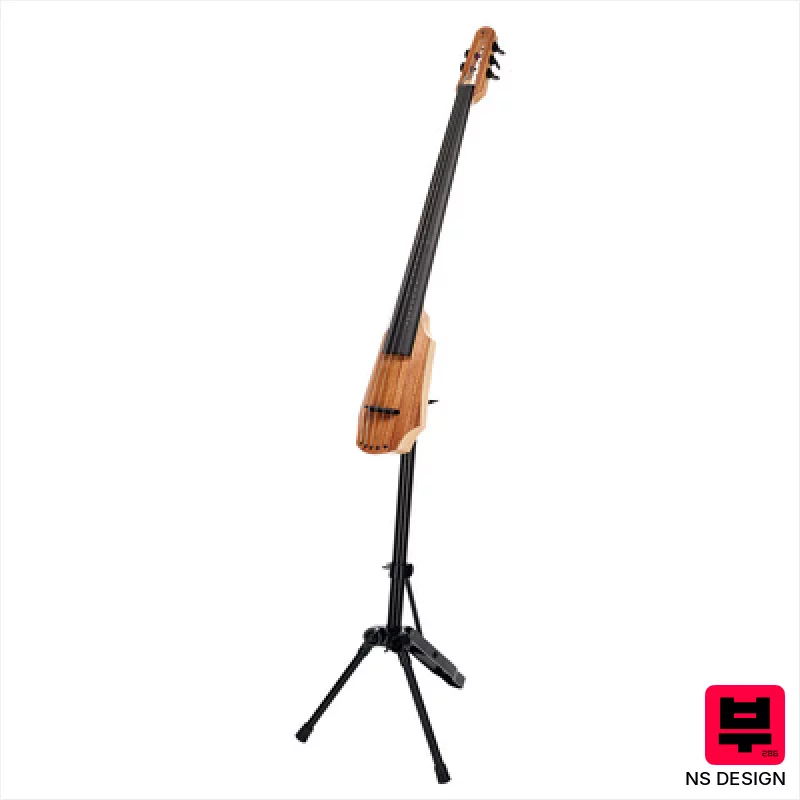
NS Design CR5-CO-ZW Low F Cello
- • Solid sycamore body provides excellent resonance and sustain
- • Richlite fingerboard offers a smooth, consistent playing surface
- • Active pickup system delivers a clear, amplified tone with minimal feedback
- • Low F string expands range and offers unique tonal possibilities
- • Sycamore body, while resonant, can feel less 'traditional' than maple
- • Zebra wood finish, while visually striking, can be prone to minor cosmetic scratches
- • The active electronics require power, necessitating battery changes or external power supply
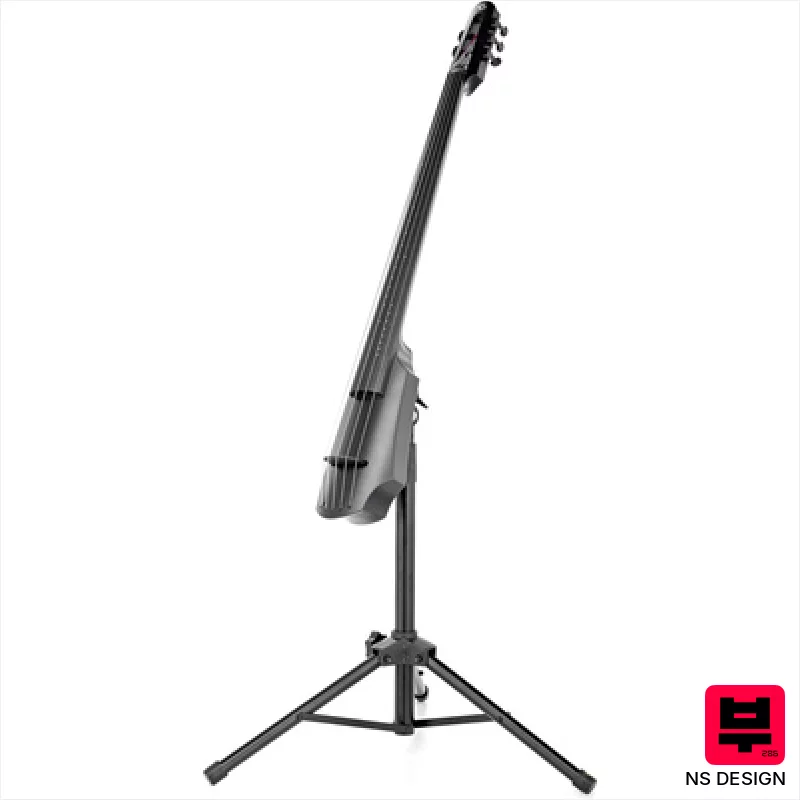
NS Design NXT5a-CO-BK Low F Cello
- • Richlite fingerboard offers consistent playability and avoids temperature-related issues
- • Polar pickup system delivers a remarkably natural and balanced amplified tone
- • Low F string expands range, ideal for solo work and orchestral passages
- • Maple body provides a warm, resonant foundation even when amplified
- • Lightweight design may feel 'floaty' for players accustomed to heavier cellos
- • Richlite, while stable, lacks the traditional feel of ebony for some players
- • Dual-mode output can introduce noise if gain staging isn't carefully managed
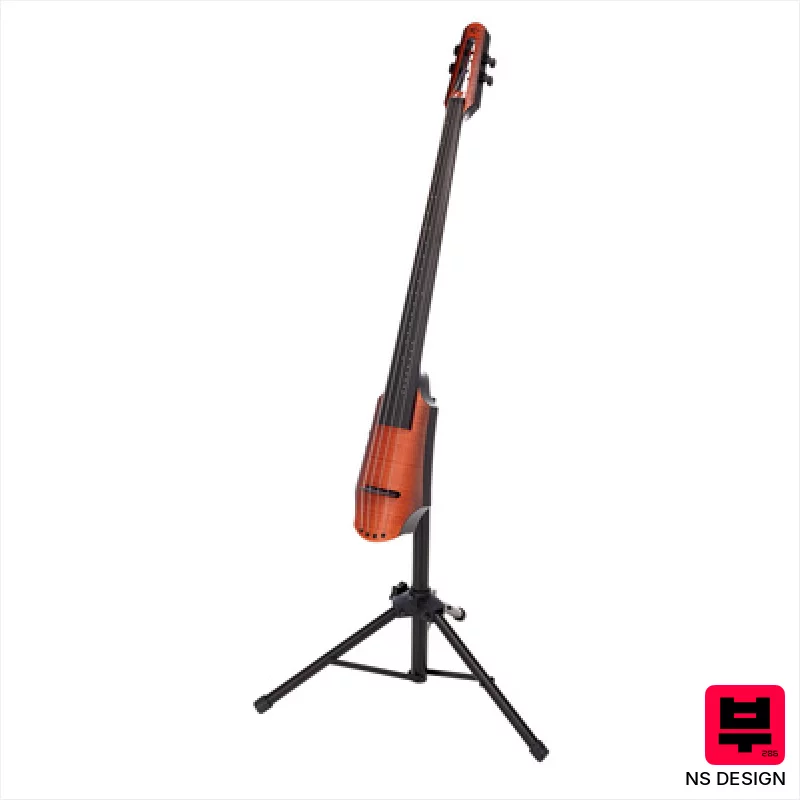
NS Design NXT4a-CO-SB Cello
- • Richlite fingerboard offers consistent playability and resists temperature changes
- • Polar pickup system delivers a surprisingly natural and warm amplified tone
- • Maple construction provides a resonant body with good projection
- • Lightweight design (1.9 kg) makes extended playing much more comfortable
- • Richlite, while stable, lacks the traditional feel of ebony for some players
- • Dual-mode active output can be a bit noisy if gain staging isn't careful
- • Satin sunburst finish, while attractive, can be prone to fingerprints
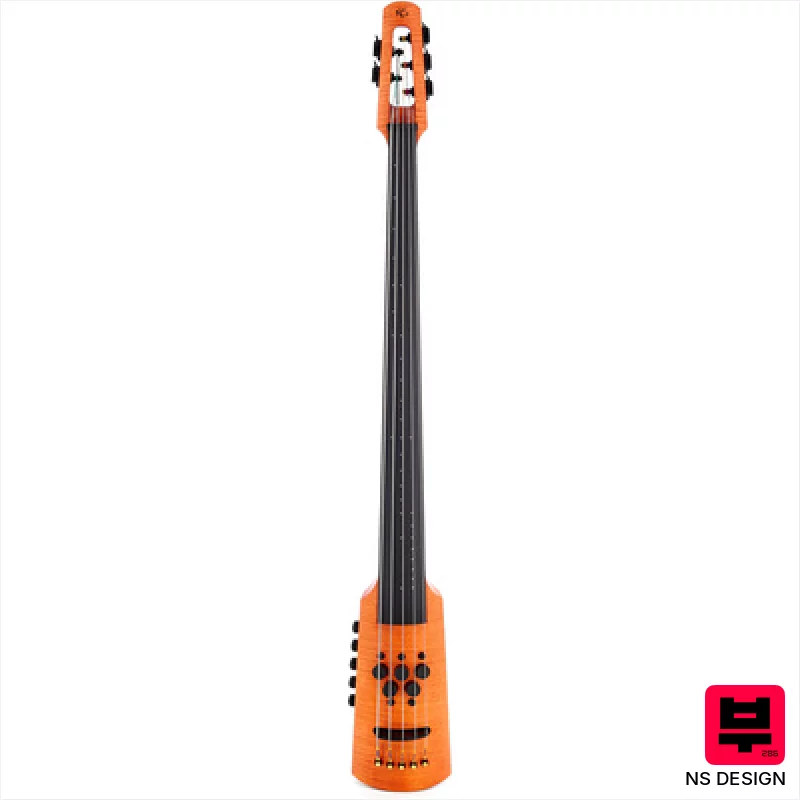
NS Design CR5 Omni Bass
- • Richlite fingerboard offers excellent bow response and comfortable playability
- • Polar/EMG pickup combo delivers a wide range of tonal possibilities
- • 34’ scale provides cello-like feel with bass-like low end
- • Maple body provides a warm, resonant foundation for the electronics
- • The composite construction, while stable, lacks the traditional acoustic resonance of a wood cello
- • Active electronics require a power source, limiting silent practice options
- • The boomerang strap, while innovative, might not suit all playing styles

NS Design CR5-CO-PB Low F Cello
- • Solid sycamore construction delivers a surprisingly resonant, focused tone.
- • Richlite fingerboard offers a smooth, consistent playing experience, resists temperature changes.
- • Active pickup system provides a clean, amplified signal with reduced noise.
- • Low F string expands range, ideal for solo performance and lower register work.
- • Sycamore body, while resonant, isn’t as tonally complex as traditional tonewoods.
- • The CR5’s weight can be tiring for extended performances, especially for smaller players.
- • Active electronics necessitate a power source, limiting completely acoustic playing.
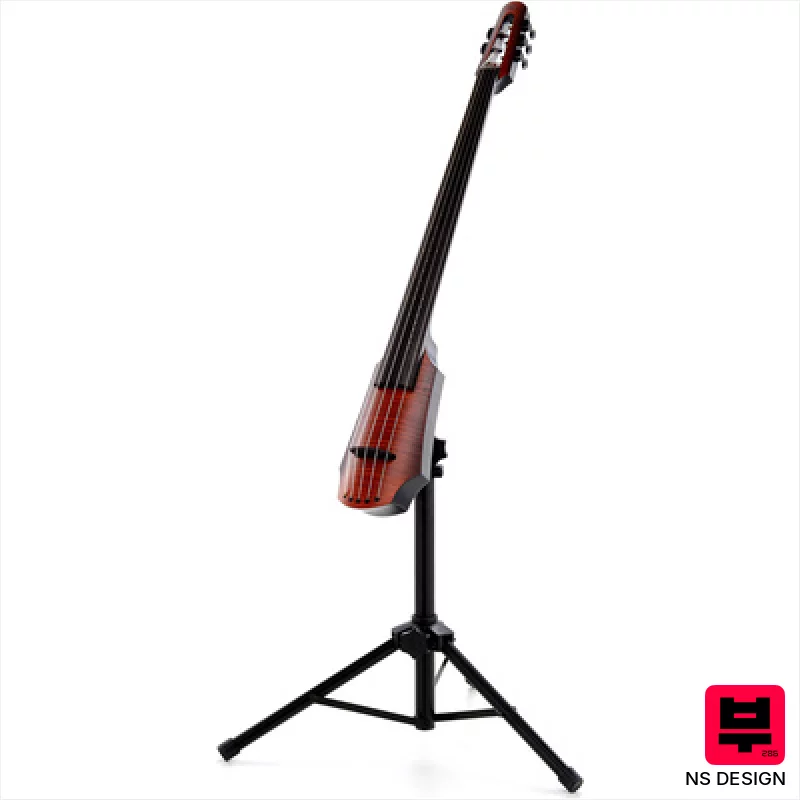
NS Design NXT5a-CO-SB High E Cello
- • Richlite fingerboard offers exceptional playability and stability.
- • Polar pickup system delivers a clear, amplified acoustic cello tone.
- • Maple construction provides a warm, resonant body with good projection.
- • High E string expands range, enabling higher melodies and complex arrangements.
- • The lighter weight (1.9 kg) might feel insubstantial to experienced cellists.
- • Satin Sunburst finish, while attractive, can be prone to fingerprints and smudges.
- • Active electronics require power, adding a dependency on the included charger.

sbip C4171BL Electric Cello 4/4
- • Flaxwood fingerboard offers a surprisingly smooth, responsive playing experience.
- • Anodized aluminum body provides excellent resonance and projection for an electric.
- • Weidler Nuremberg strings deliver a warm, focused tone suitable for various genres.
- • Integrated hip and chest support enhances comfort and playing stability for extended use.
- • Aluminum body, while resonant, can feel less 'traditional' than a wooden instrument.
- • Passive pickup limits tonal shaping options compared to active systems.
- • Weight, typical of aluminum-bodied instruments, may be fatiguing for some players.
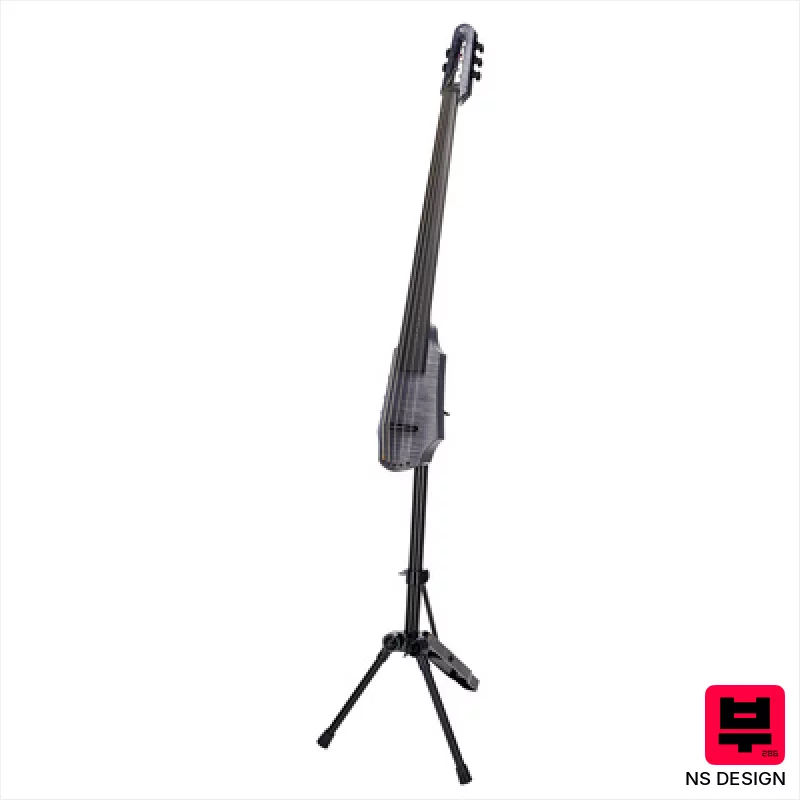
NS Design CR5-CO-SG Low F Cello
- • Solid sycamore body delivers a surprisingly warm, resonant tone.
- • Richlite fingerboard offers excellent playability and consistent feel.
- • Active pickup system provides a clean, amplified signal with low noise.
- • Low F string expands range and offers unique sonic possibilities.
- • Sycamore body, while resonant, isn't as tonally complex as aged spruce.
- • Slate Grey finish can appear a bit plain compared to traditional varnish.
- • The active electronics require a power source, limiting purely acoustic use.

NS Design CR4-CO-SG
- • Solid sycamore body delivers a surprisingly warm, resonant tone.
- • Polar pickup system provides a clean, amplified signal with low noise.
- • Richlite fingerboard offers a smooth, consistent playing experience.
- • Built-in EQ and headphone output enable versatile practice and performance.
- • Sycamore body, while resonant, lacks the traditional tonal complexity of seasoned hardwoods.
- • Slate Grey finish, while aesthetically pleasing, may show fingerprints and smudges easily.
- • Active electronics require a power source, adding a potential point of failure.

NS Design NXT4a-CO-BK-F Fretted Cello
- • Richlite fingerboard offers consistent feel and intonation.
- • Steel-reinforced neck prevents warping, crucial for cellos.
- • Dual-mode output provides flexibility for direct recording or amplification.
- • Lightweight (1.9 kg) enhances playability, especially for extended practice.
- • Fretted design limits expressive slides common in traditional cello playing.
- • Polar pickup system can be prone to feedback at high volumes.
- • Maple construction, while good, isn't the most premium tonewood available.

NS Design NXT5a-CO-SB-F Fretted Low F
- • Richlite fingerboard offers exceptional fret stability and comfortable playing feel.
- • Polar pickup system delivers a remarkably natural and balanced amplified tone.
- • Maple construction provides a warm, resonant core with excellent projection.
- • Low F string expands range, ideal for solo work and orchestral textures.
- • The lighter weight (1.9 kg) might feel unstable for some traditional cellists.
- • Fretted design limits expressive sliding and vibrato techniques.
- • Dual-mode output may require experimentation to find optimal settings.
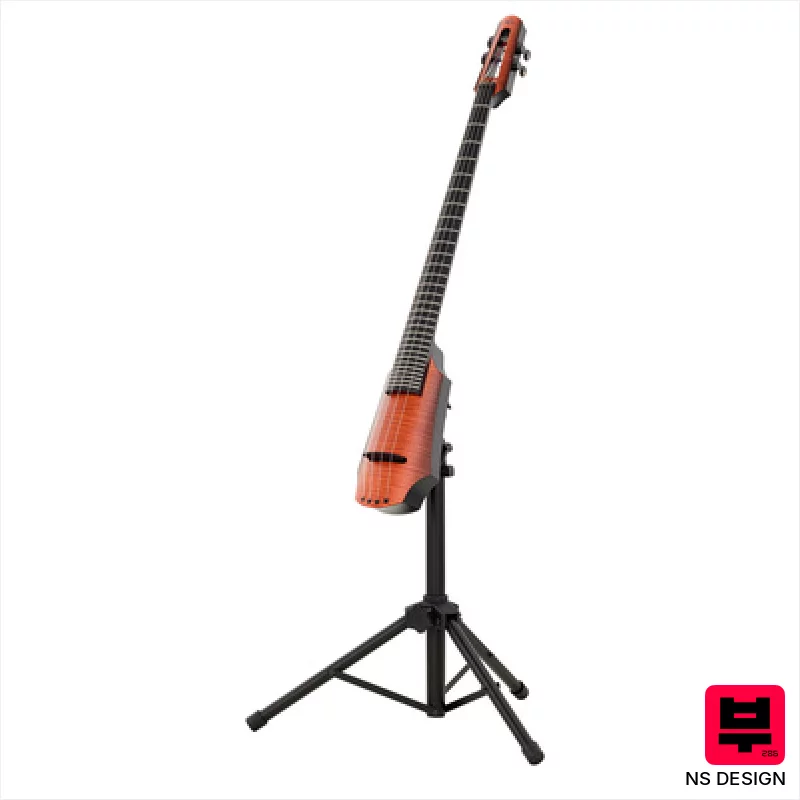
NS Design NXT4a-CO-SB-F Fretted Cello
- • Richlite fingerboard offers exceptional playability and fret stability
- • Polar pickup system delivers a surprisingly natural, warm amplified tone
- • Maple construction provides a balanced, resonant acoustic foundation
- • Fretted design simplifies learning and allows for easier intonation
- • Lightweight design might feel 'floppy' to players accustomed to heavier cellos
- • Dual-mode output can introduce noise if grounding isn’t perfect
- • Satin sunburst finish, while attractive, can be prone to fingerprints

NS Design WAV4c Cello Amberburst
- • Solid spruce top delivers a surprisingly warm acoustic tone
- • Polar piezo pickup captures a natural, articulate amplified sound
- • Coform fingerboard enhances playability and intonation accuracy
- • Lightweight design (for an electric cello) improves comfort during extended playing
- • Polar piezo pickup can exhibit some inherent piezo quack if not EQ’d carefully
- • Amberburst finish, while attractive, may not appeal to all tastes
- • Limited onboard controls require external amplification for extensive shaping
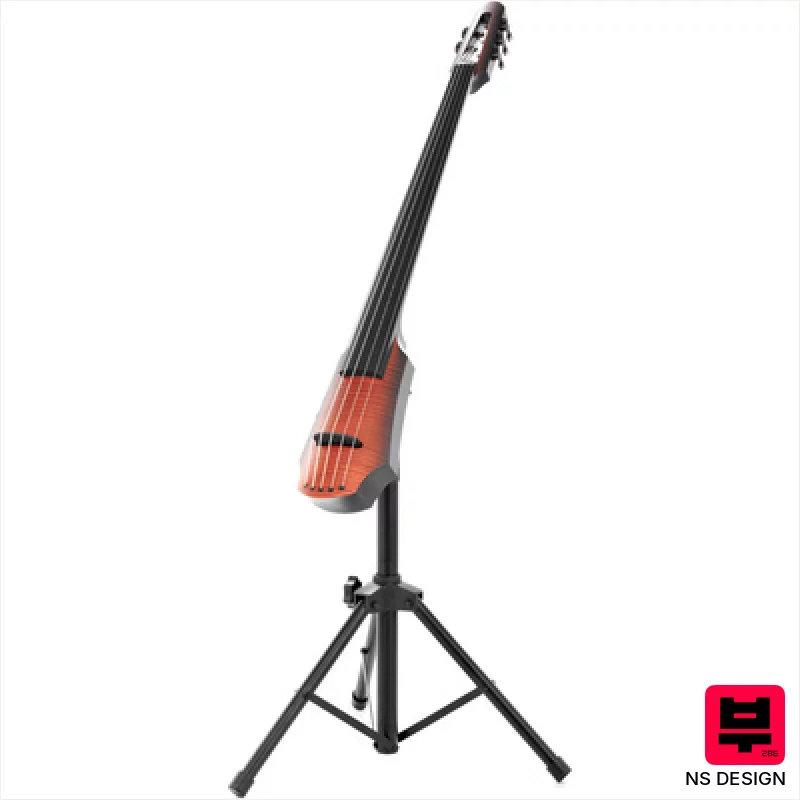
NS Design NXT5a-CO-SB Low F Cello
- • Richlite fingerboard offers excellent playability and stability.
- • Polar pickup system delivers a remarkably natural and balanced tone.
- • Low F string expands range and provides cello bass versatility.
- • Lightweight construction (1.9 kg) enhances comfort during extended playing.
- • Richlite, while stable, lacks the traditional feel of ebony.
- • Dual-mode output might require experimentation to find preferred settings.
- • Sunburst finish, while attractive, may not suit all performance aesthetics.
How to Choose the Best Electric Cellos
Pickup Voicing
This is HUGE. Cheap piezo pickups often sound brittle and ice-picky. You want something that captures the warmth of the cello's natural tone while providing a usable signal for amplification - a little bit of that fat midrange honk is a plus. Magnetic pickups are generally warmer, but can sometimes lack the responsiveness of a piezo.
Body Resonance & Construction
A dead-sounding body will choke your amplified tone. While the acoustic properties aren't as critical as with an acoustic cello, a resonant body will still add sustain and character. Solid-body instruments are common for amplified use, but avoid anything that feels completely lifeless.
Output Jack & Wiring
Sounds basic, but a flimsy output jack or poorly shielded wiring can introduce noise and signal loss. Cheap cellos often skimp here. Check the jack's stability and look for properly shielded cables.
Neck Profile & Action
A comfortable neck is non-negotiable, especially when you're playing for extended periods. The action (string height) also matters-too high and it's a struggle, too low and you'll get fret buzz. Ideally, you want something adjustable and comfortable for your playing style.
Headroom & Dynamics
Amplified instruments need headroom. A cello that clips easily under moderate volume will sound harsh and distorted. A good electric cello will maintain clarity and articulation even when pushed, allowing for dynamic performance without immediate breakup.
Buying Guide
Don't fall for the hype. A lot of electric cellos are built as budget instruments, and the compromises show in the pickups and construction. Spending a bit more for a cello with a decent pickup system and solid build quality will pay dividends in tone and reliability. Watch out for overly bright, thin tones - those are usually a sign of a cheap piezo pickup. A good setup from a luthier is almost mandatory, regardless of price.
Our Methodology
We didn't just look at spec sheets here. We've spent hours playing these instruments through various amps - from boutique tube heads to solid-state power sections - and in different recording scenarios. A/B comparisons against acoustic cellos and other amplified string instruments were crucial, focusing on how they translate to a mix and how they feel under your hands on stage. It's about real-world performance, not numbers on a page.

