
Best DSP Audio Systems for Plugin Processing 2026
So you're chasing that dream studio sound, but your laptop's CPU is screaming louder than your kick drum? A DSP audio system can be a game-changer, freeing up your computer to run those killer plugins - think emulations of Neve consoles, vintage compressors, or those lush reverb tails. It's not just about horsepower; it's about how that DSP translates into a usable workflow and, crucially, a good-sounding signal. Let's break down what to look for when choosing a system that'll actually enhance your plugin processing, not just add another layer of complexity.
Last updated: July 22, 2026 • Next update: July 29, 2026
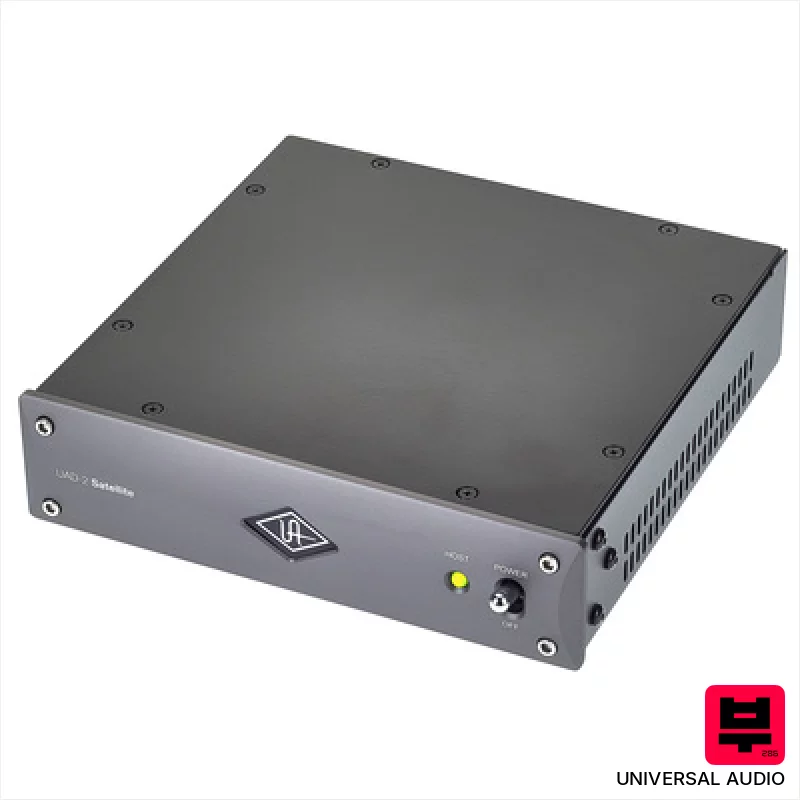
Universal Audio UAD-2 Satellite TB3 Octo
- • Massive DSP power frees up your host computer's resources.
- • Thunderbolt 3 connectivity offers incredibly low latency.
- • Expandable architecture allows for future growth and flexibility.
- • Analog Classics Plus bundle provides a great starting point for UAD plug-ins.
- • Relies on UAD ecosystem; not compatible with non-UAD plugins natively.
- • Thunderbolt cable not included, adding to the overall investment.
- • Can be a complex setup for users unfamiliar with DSP systems.
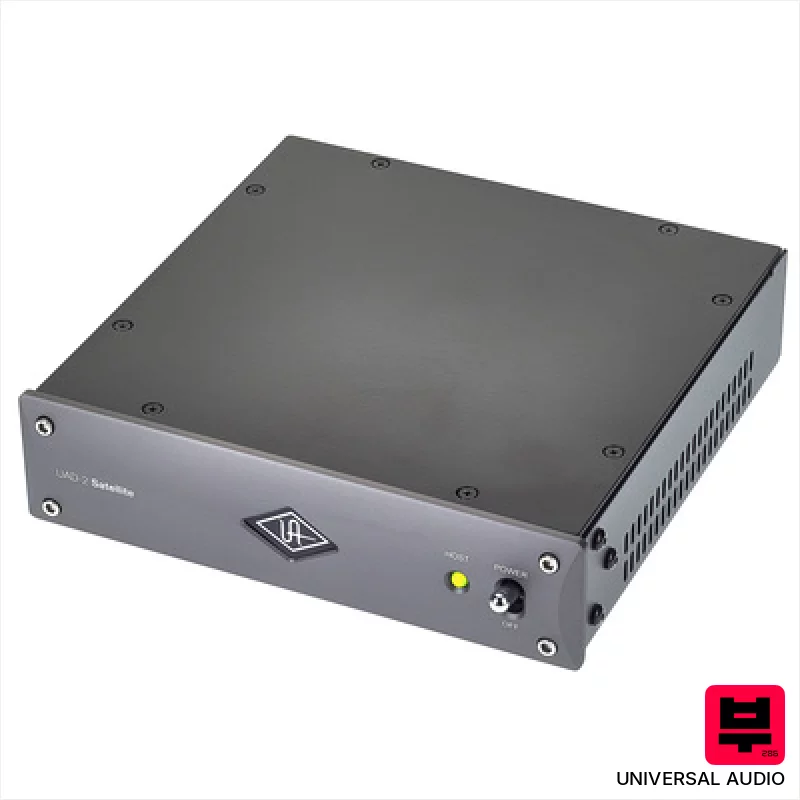
Universal Audio UAD-2 Satellite TB3 Quad
- • Offloads significant CPU load, enabling complex UAD plugin chains
- • Quad SHARC processors provide ample DSP power for demanding workflows
- • Thunderbolt 3 connectivity ensures low latency and high bandwidth
- • Expandable architecture allows chaining with other UAD Satellites for even more power
- • Requires a Thunderbolt 3 equipped host computer for operation
- • Can be expensive, especially when factoring in UAD plugins
- • Adds another device to your signal chain, potentially increasing cable clutter

Waves SuperRack LiveBox Dante
- • Exceptional Dante channel count for complex live rigs.
- • Powerful Intel i7 processor handles demanding Waves plugin chains.
- • Robust build quality with redundant PSU for stage reliability.
- • Integrated Live Bundle provides immediate, useful processing options.
- • Significant investment, limiting accessibility for smaller operations.
- • USB 2.0 ports feel dated given the system’s power.
- • Requires familiarity with SoundGrid and Waves ecosystem.
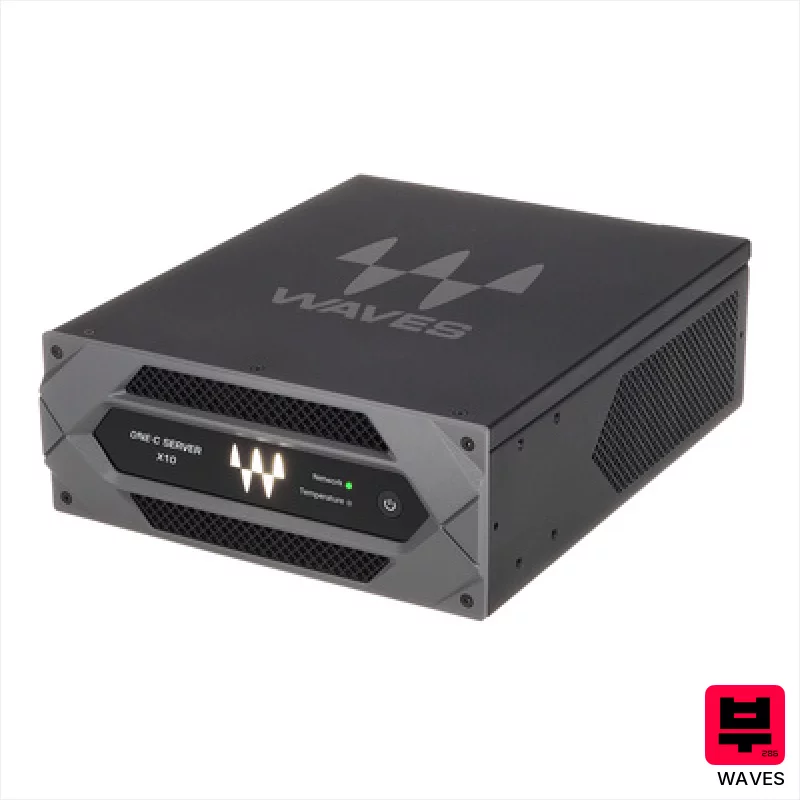
Waves SoundGrid Server One-C X10
- • Extremely low latency significantly improves real-time processing workflows.
- • Intel Core i3 provides ample power for demanding SoundGrid plugins.
- • Compact 2U form factor maximizes rack space efficiency.
- • Neutrik EtherCon connector ensures robust and reliable network connectivity.
- • 8GB RAM may limit simultaneous plugin usage in complex projects.
- • Requires SoundGrid-compatible plugins for full functionality – adds cost.
- • Limited expandability beyond the core processing capabilities.

Waves Proton SoundGrid Server
- • Extremely low latency minimizes tracking and mixing delays.
- • SoundGrid compatibility unlocks Waves' vast plugin ecosystem.
- • Compact 1U rackmount design saves valuable studio space.
- • Silent operation avoids distracting fan noise during critical recording.
- • Limited sampling rate range restricts high-resolution audio workflows.
- • Celeron processor isn’t ideal for demanding, non-Waves processing.
- • HDMI output feels like an afterthought for a professional audio device.

Waves Axis Scope
- • Solid Gigabyte motherboard ensures stability and longevity.
- • Intel i5-10600 provides ample processing for demanding plugin chains.
- • SoundGrid compatibility unlocks seamless live performance workflows.
- • Compact 2U rackmount design saves valuable rack space.
- • USB 2.0 front ports limit bandwidth for high-resolution audio interfaces.
- • Limited expandability beyond the pre-configured components.
- • Price point positions it as a premium investment for serious users.
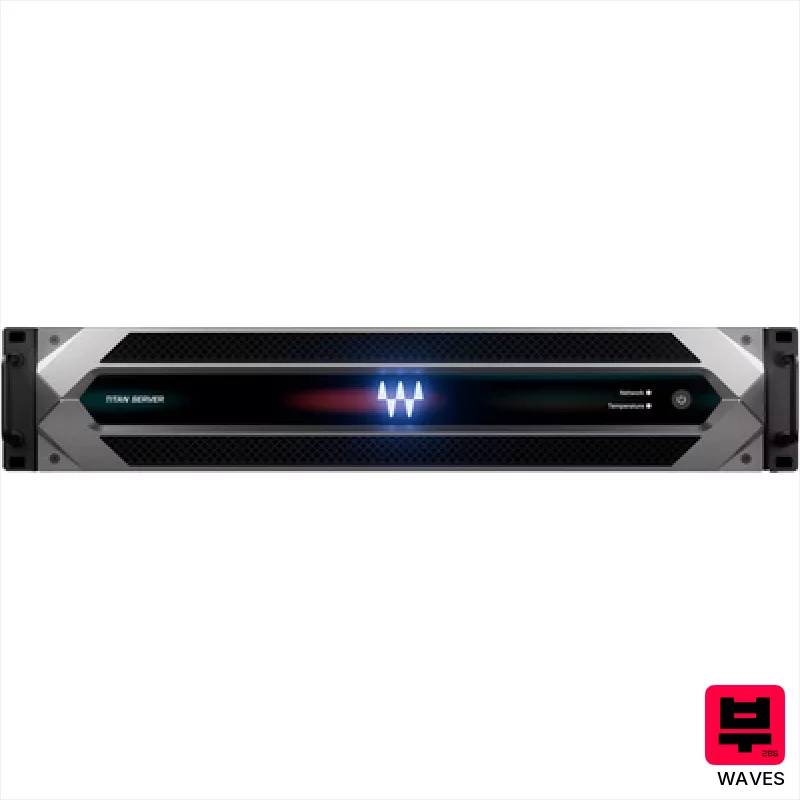
Waves Titan SoundGrid Server
- • Intel Gen 14 CPU delivers exceptional processing headroom.
- • SoundGrid protocol ensures incredibly low, consistent latency.
- • Integrated rack brackets simplify studio integration.
- • Minimal fan noise maintains a quiet, professional environment.
- • High-end price point restricts accessibility for smaller studios.
- • SoundGrid ecosystem ties you to Waves plugins primarily.
- • Limited physical I/O compared to full-fledged audio interfaces.

Waves Proton Duo
- • Compact 1U rack design maximizes precious studio space.
- • Integrated PC eliminates separate computer for Waves plugins.
- • mITX motherboard provides reliable, low-power operation.
- • RJ45 Ethernet ports enable seamless SoundGrid network integration.
- • Celeron J4125 CPU limits performance for demanding, non-plugin tasks.
- • Limited 8GB RAM might bottleneck with extensive plugin chains.
- • Closed system restricts OS flexibility and future hardware upgrades.

Waves SuperRack Extreme-C Combo
- • Waves' Ren plugins deliver exceptional, studio-grade sonic character.
- • SGX-C server provides ample processing power for complex plugin chains.
- • Dedicated network switch ensures ultra-low latency for real-time performance.
- • SuperRack's modularity allows for future plugin expansion and customization.
- • The initial setup and configuration can be daunting for less experienced users.
- • The system's size and weight make it less portable than a traditional interface.
- • Reliance on Waves’ plugin ecosystem limits flexibility with third-party plugins.
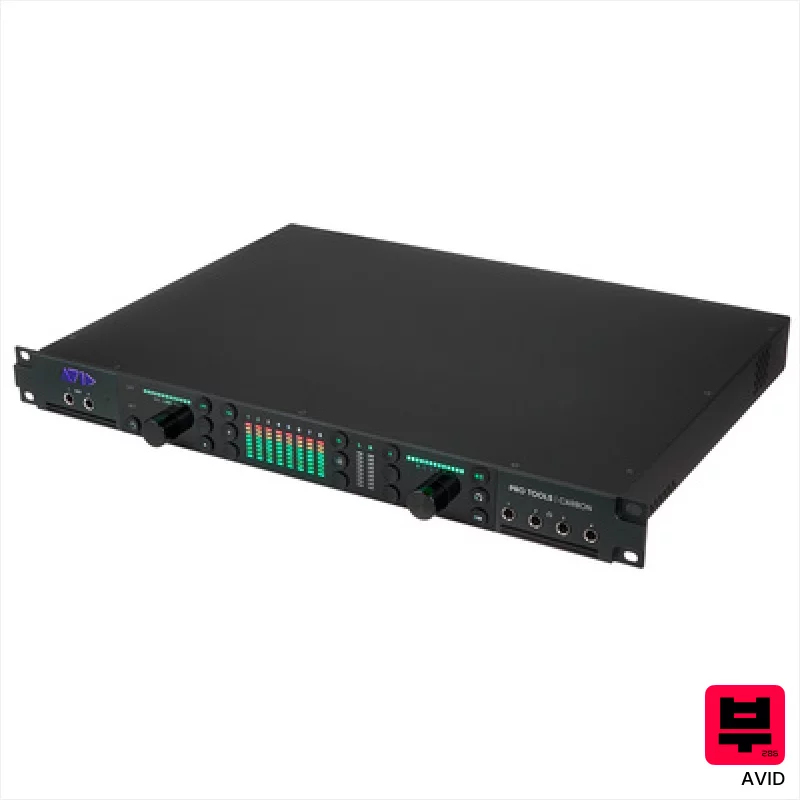
Avid Pro Tools Carbon
- • Seamless Pro Tools integration minimizes latency and workflow hiccups
- • Onboard HDX DSP significantly reduces CPU load for demanding plug-in chains
- • Flexible monitoring options handle immersive formats like Dolby Atmos with ease
- • Robust 1U rackmount chassis ensures stability in studio environments
- • High price point makes it a significant investment for most users
- • Limited input/output count compared to some competing interfaces
- • Strictly tied to the Avid Pro Tools ecosystem, reducing versatility
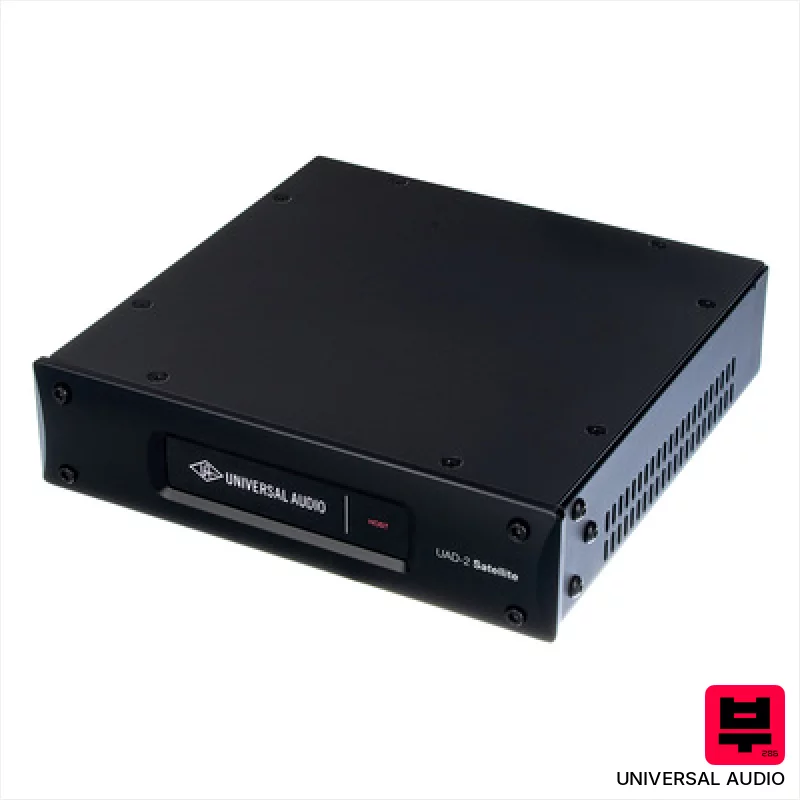
Universal Audio UAD-2 Satellite USB Octo
- • Exceptional DSP power for complex UAD plugins.
- • USB connectivity offers flexibility and ease of setup.
- • Expandable design allows scaling for larger projects.
- • Analog Classics Plus bundle provides immediate value.
- • USB connection can be a bottleneck for very high track counts.
- • Premium-priced, represents a significant investment.
- • Relies on UAD software ecosystem, potential for compatibility quirks.

Waves SuperRack LiveBox Madi
- • Massive processing power with the Intel Core i7-14700 handles complex live plugin chains.
- • MADI I/O offers exceptional channel count and flexibility for large-scale live rigs.
- • Waves Live Bundle provides a comprehensive, immediately useful collection of live-focused plugins.
- • Redundant PSU ensures critical performance reliability during demanding live performances.
- • The 2U height and 7kg weight make rack space and transport a consideration.
- • Steep learning curve for those unfamiliar with SoundGrid and Waves Multirack.
- • USB 2.0 ports feel dated given the system’s high-end performance capabilities.
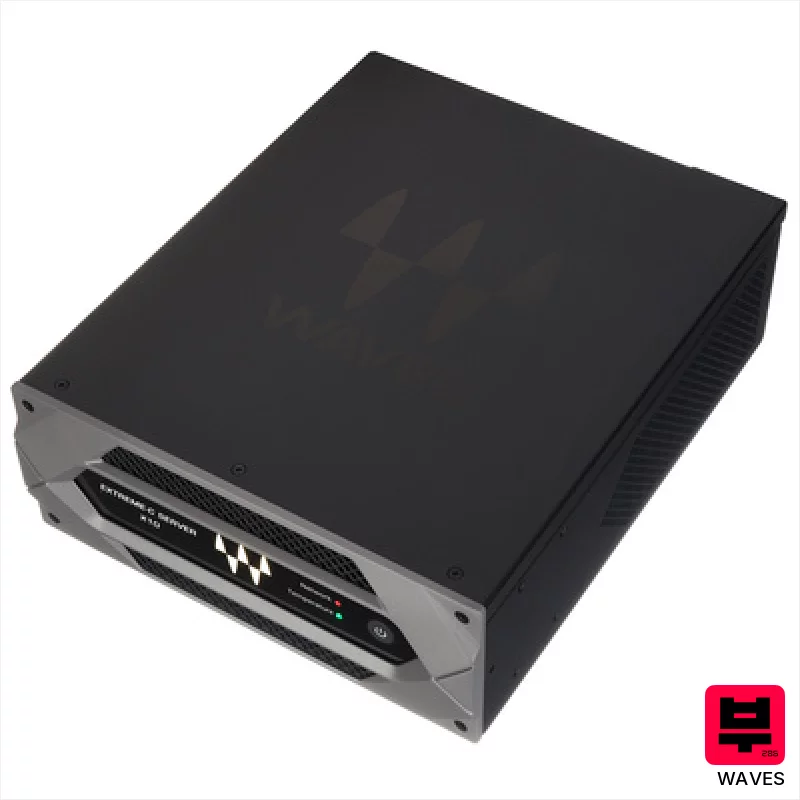
Waves Extreme-C SoundGrid Server
- • Robust Intel Core i7-10700 provides ample processing headroom.
- • Neutrik EtherCon ensures rock-solid, reliable SoundGrid network connection.
- • Compact 2U half-rack design maximizes rack space efficiency.
- • Comprehensive network and temperature monitoring for stability.
- • Premium-priced, a significant investment for smaller studios.
- • Limited expandability beyond SoundGrid ecosystem; not a general-purpose interface.
- • Requires familiarity with SoundGrid networking and Waves plugins.
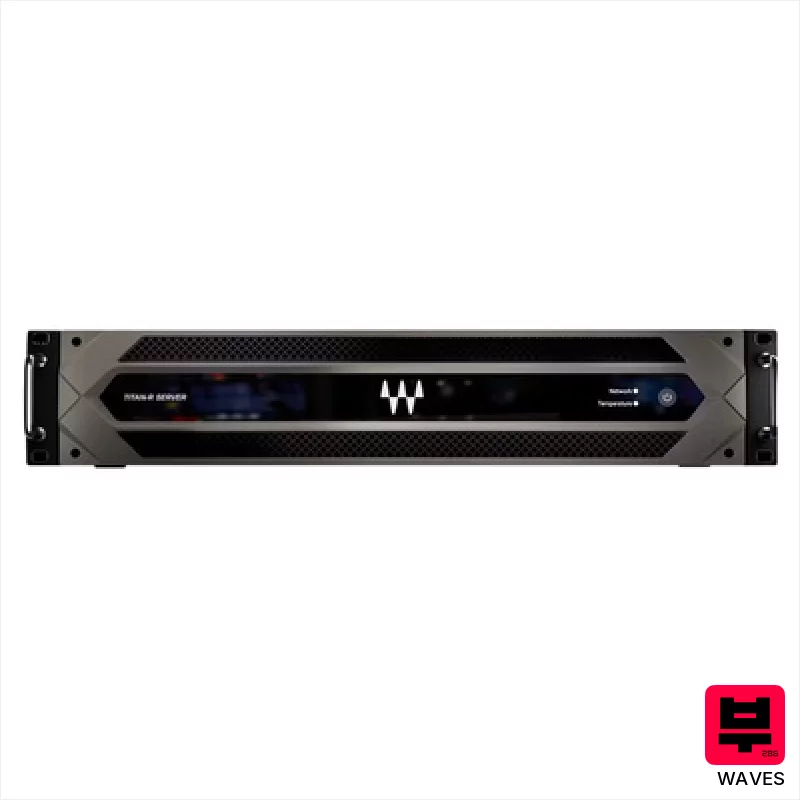
Waves Titan-R SoundGrid Server
- • Redundant PSU ensures reliable operation in demanding live environments.
- • Intel Core i9 processor offers significantly more headroom than previous models.
- • SoundGrid networking provides incredibly low latency for real-time processing.
- • Rackmount design simplifies integration into professional audio setups.
- • High-end price point places it beyond the reach of many smaller studios.
- • Requires familiarity with Waves Multirack and SoundGrid ecosystem.
- • Limited physical I/O necessitates external audio interfaces for broader connectivity.
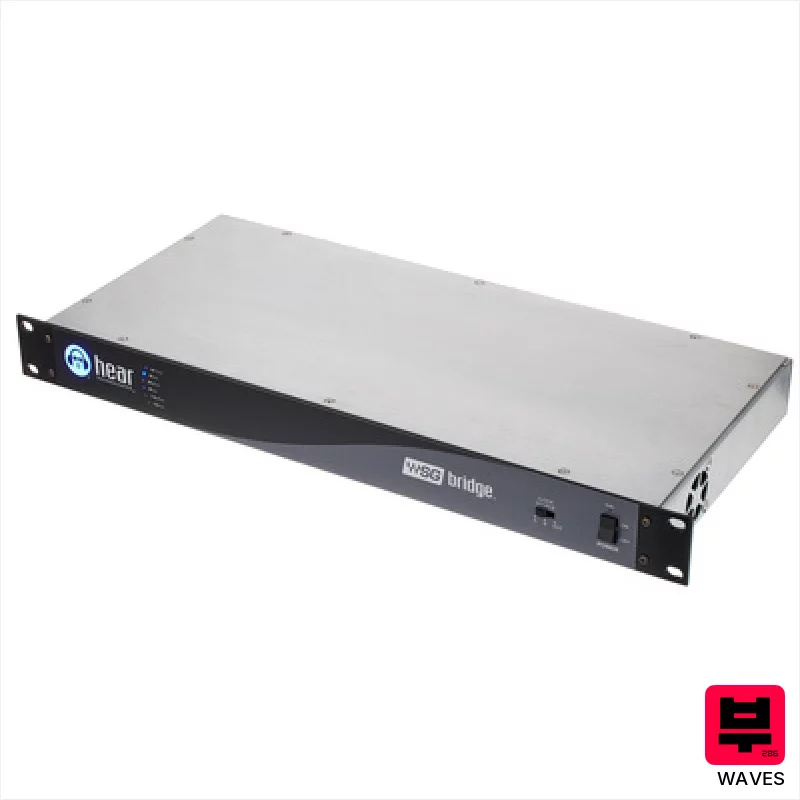
Waves Hear Technologies WSG Bridge
- • Seamless Dante/Soundgrid integration simplifies complex routing.
- • HBUS connectivity allows for flexible system expansion and redundancy.
- • Four card slots provide significant I/O and processing upgrade paths.
- • Robust 19in rackmount format ensures stability in demanding environments.
- • High barrier to entry; requires familiarity with Dante and SoundGrid protocols.
- • Premium-priced, limiting accessibility for smaller studios or budget-conscious users.
- • Size and weight make it less suitable for portable or mobile setups.
How to Choose the Best DSP Audio Systems
DSP Chipset & Power
More cores and higher clock speeds obviously mean more plugins, but the quality of the DSP matters. Some cheaper systems use lower-grade chips that introduce subtle noise or artifacts, especially when pushing them hard. Look for systems built around SHARC or similar high-performance processors.
Latency Performance
This is critical. Nothing's worse than a noticeable delay when tracking or monitoring through plugins. We're talking sub-5ms roundtrip latency at 96kHz - anything higher is going to feel sluggish and impact your performance. Don't be fooled by marketing numbers; test it yourself.
Plugin Compatibility & Format Support
VST, AU, AAX - make sure the system supports the plugin formats you actually use. Some systems lock you into proprietary plugin formats, which is a huge limitation. Universal compatibility is key for future-proofing.
I/O & Connectivity
Beyond just the number of inputs and outputs, consider the quality of the preamps and converters. A great DSP system is useless if the signal going in or out is garbage. XLR inputs are a must, and ADAT/SPDIF is a bonus for expanding your connectivity options.
Workflow & User Interface
A complicated interface can kill your productivity. Look for a system with a clear, intuitive interface that allows you to easily route signals, manage plugins, and monitor levels. Having physical controls for common tasks - like EQ or reverb - can be a real time-saver.
Buying Guide
Don't chase the biggest numbers; focus on the overall package. Cheaper systems often cut corners on the converters or preamps, negating the benefits of the DSP. Paying a bit more for a system with a well-balanced design and quality components will result in a better-sounding, more reliable setup in the long run. Think of it like this: a great CPU won't make a bad guitar sound good.
Our Methodology
We're not looking at spec sheets here. Our evaluations involve running a suite of plugins - everything from subtle EQ tweaks to full-on parallel processing chains - on each system. We A/B compared the results against identical processing done directly on a high-end laptop, and most importantly, we put these systems through real-world scenarios: recording drums, tracking guitars, and even simulating a live band rehearsal to see how they handle dynamics and headroom under pressure.

