
Best DSP Audio Systems for Low Latency Recording 2026
So, you're chasing that ghost note clarity in your drum tracks or laying down some killer synth pads without the dreaded audio delay? Low latency recording demands a serious DSP audio system. It's not just about the interface; it's about the processing power handling the effects and routing - otherwise, you'll be fighting against a lag that kills your groove. Let's break down what to look for, because a 'low latency' claim on a spec sheet doesn't always translate to a playable experience.
Last updated: July 22, 2026 • Next update: July 29, 2026
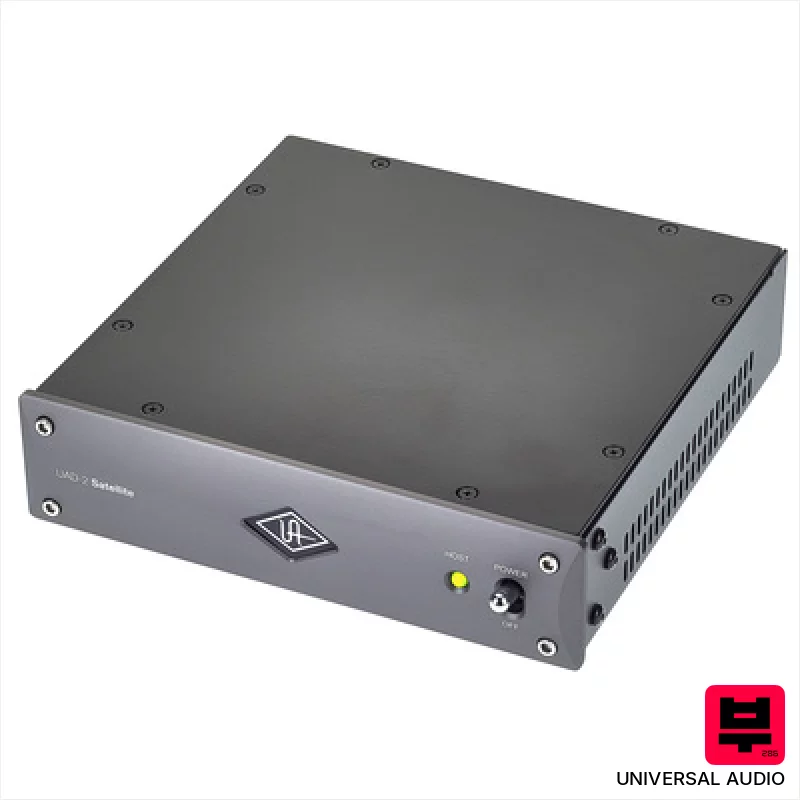
Universal Audio UAD-2 Satellite TB3 Octo
- • Massive DSP power frees up your host computer's resources.
- • Thunderbolt 3 connectivity offers incredibly low latency.
- • Expandable architecture allows for future growth and flexibility.
- • Analog Classics Plus bundle provides a great starting point for UAD plug-ins.
- • Relies on UAD ecosystem; not compatible with non-UAD plugins natively.
- • Thunderbolt cable not included, adding to the overall investment.
- • Can be a complex setup for users unfamiliar with DSP systems.
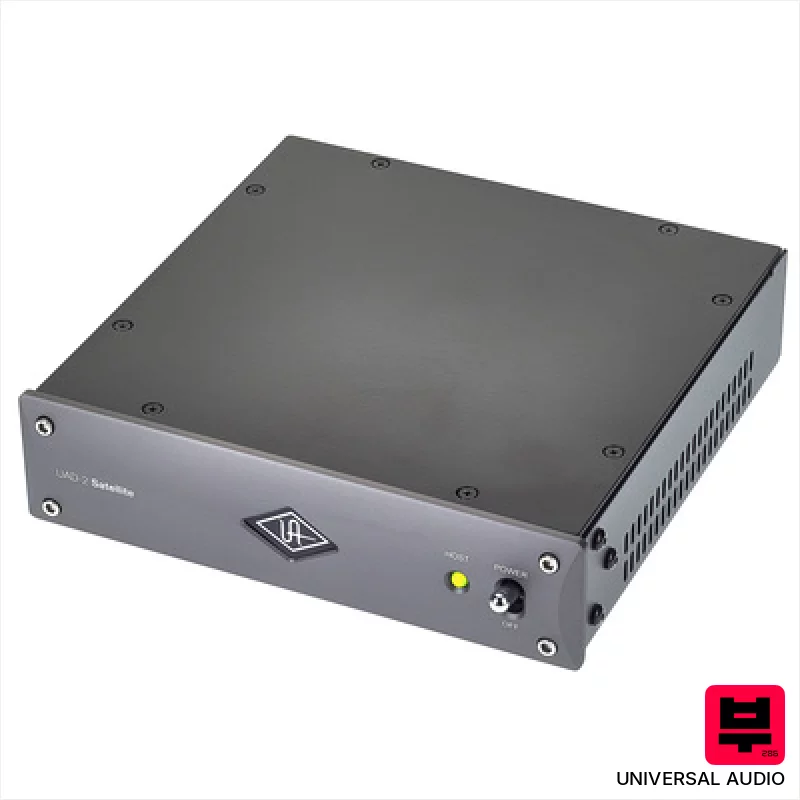
Universal Audio UAD-2 Satellite TB3 Quad
- • Offloads significant CPU load, enabling complex UAD plugin chains
- • Quad SHARC processors provide ample DSP power for demanding workflows
- • Thunderbolt 3 connectivity ensures low latency and high bandwidth
- • Expandable architecture allows chaining with other UAD Satellites for even more power
- • Requires a Thunderbolt 3 equipped host computer for operation
- • Can be expensive, especially when factoring in UAD plugins
- • Adds another device to your signal chain, potentially increasing cable clutter

Waves SuperRack LiveBox Madi
- • Massive processing power with the Intel Core i7-14700 handles complex live plugin chains.
- • MADI I/O offers exceptional channel count and flexibility for large-scale live rigs.
- • Waves Live Bundle provides a comprehensive, immediately useful collection of live-focused plugins.
- • Redundant PSU ensures critical performance reliability during demanding live performances.
- • The 2U height and 7kg weight make rack space and transport a consideration.
- • Steep learning curve for those unfamiliar with SoundGrid and Waves Multirack.
- • USB 2.0 ports feel dated given the system’s high-end performance capabilities.
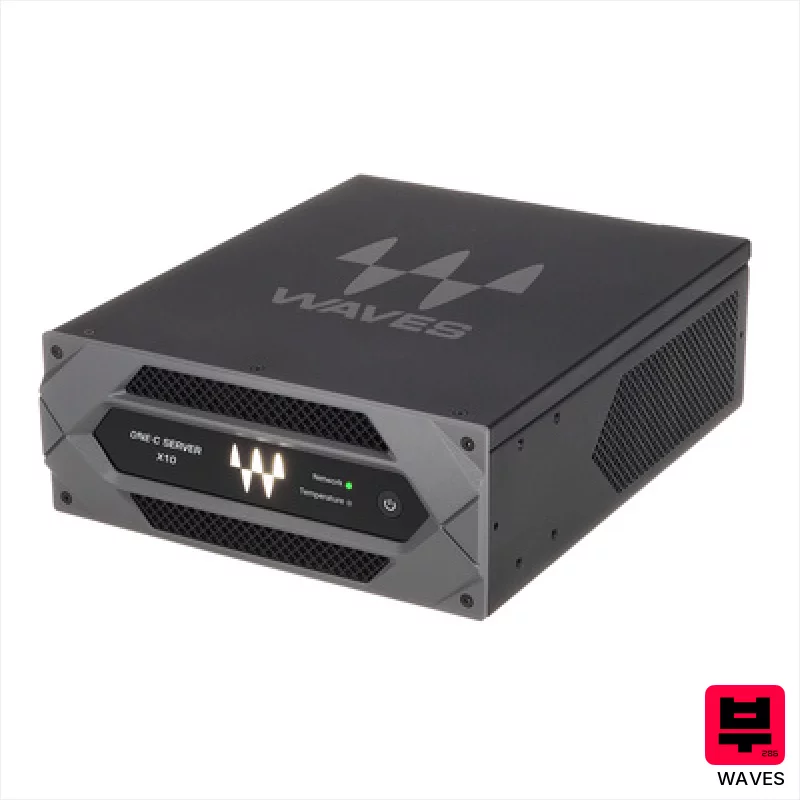
Waves SoundGrid Server One-C X10
- • Extremely low latency significantly improves real-time processing workflows.
- • Intel Core i3 provides ample power for demanding SoundGrid plugins.
- • Compact 2U form factor maximizes rack space efficiency.
- • Neutrik EtherCon connector ensures robust and reliable network connectivity.
- • 8GB RAM may limit simultaneous plugin usage in complex projects.
- • Requires SoundGrid-compatible plugins for full functionality – adds cost.
- • Limited expandability beyond the core processing capabilities.

Waves Proton SoundGrid Server
- • Extremely low latency minimizes tracking and mixing delays.
- • SoundGrid compatibility unlocks Waves' vast plugin ecosystem.
- • Compact 1U rackmount design saves valuable studio space.
- • Silent operation avoids distracting fan noise during critical recording.
- • Limited sampling rate range restricts high-resolution audio workflows.
- • Celeron processor isn’t ideal for demanding, non-Waves processing.
- • HDMI output feels like an afterthought for a professional audio device.
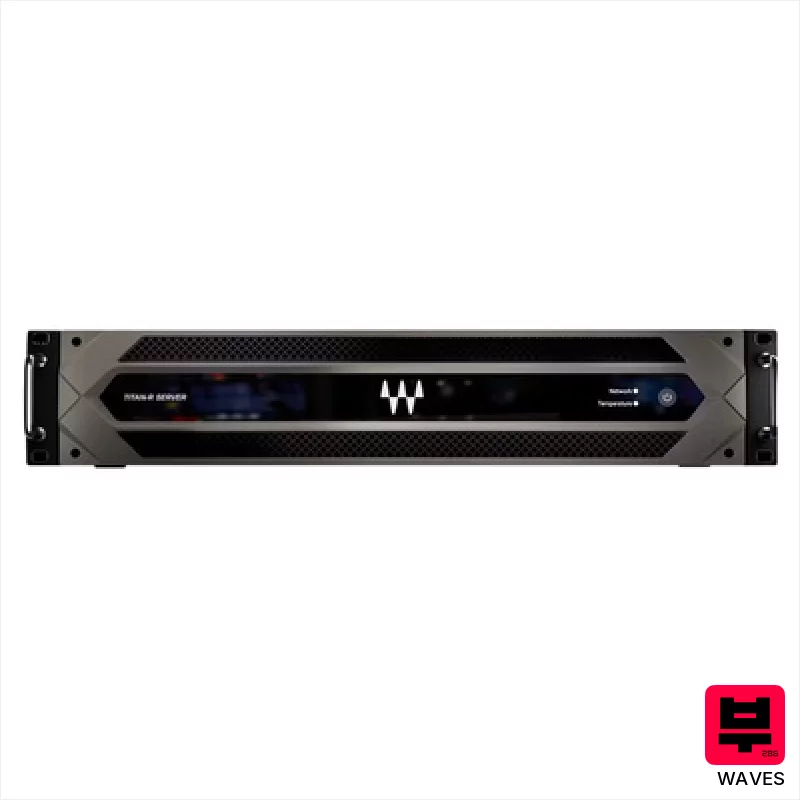
Waves Titan-R SoundGrid Server
- • Redundant PSU ensures reliable operation in demanding live environments.
- • Intel Core i9 processor offers significantly more headroom than previous models.
- • SoundGrid networking provides incredibly low latency for real-time processing.
- • Rackmount design simplifies integration into professional audio setups.
- • High-end price point places it beyond the reach of many smaller studios.
- • Requires familiarity with Waves Multirack and SoundGrid ecosystem.
- • Limited physical I/O necessitates external audio interfaces for broader connectivity.
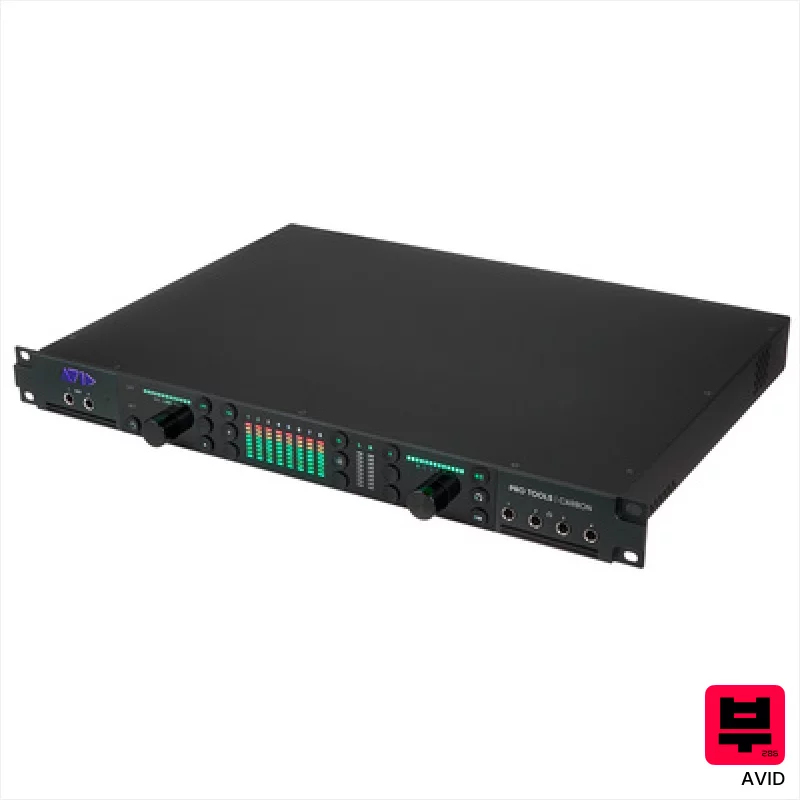
Avid Pro Tools Carbon
- • Seamless Pro Tools integration minimizes latency and workflow hiccups
- • Onboard HDX DSP significantly reduces CPU load for demanding plug-in chains
- • Flexible monitoring options handle immersive formats like Dolby Atmos with ease
- • Robust 1U rackmount chassis ensures stability in studio environments
- • High price point makes it a significant investment for most users
- • Limited input/output count compared to some competing interfaces
- • Strictly tied to the Avid Pro Tools ecosystem, reducing versatility

Waves SuperRack Extreme-C Combo
- • Waves' Ren plugins deliver exceptional, studio-grade sonic character.
- • SGX-C server provides ample processing power for complex plugin chains.
- • Dedicated network switch ensures ultra-low latency for real-time performance.
- • SuperRack's modularity allows for future plugin expansion and customization.
- • The initial setup and configuration can be daunting for less experienced users.
- • The system's size and weight make it less portable than a traditional interface.
- • Reliance on Waves’ plugin ecosystem limits flexibility with third-party plugins.
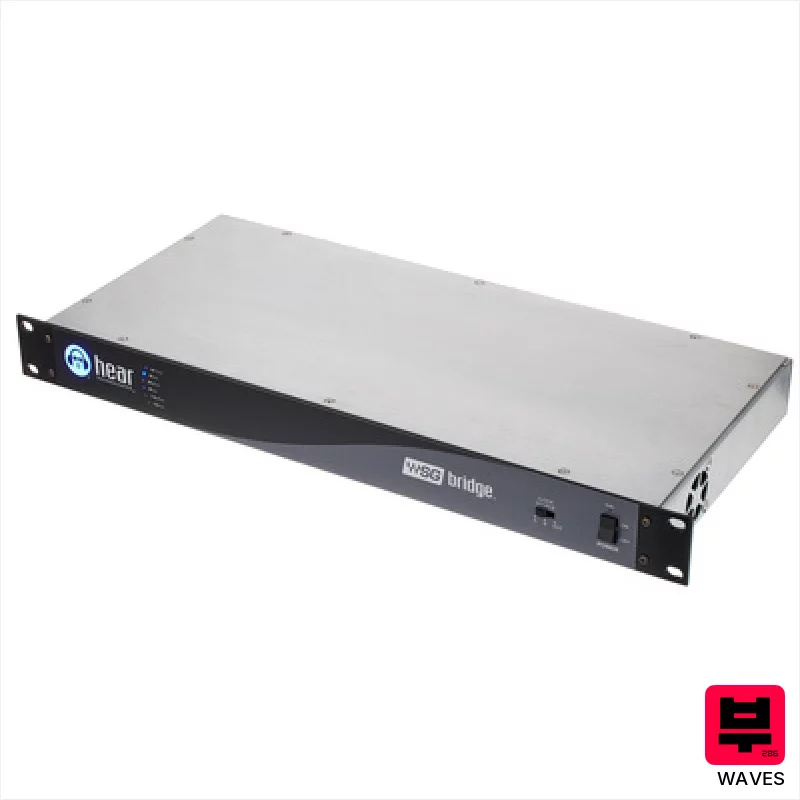
Waves Hear Technologies WSG Bridge
- • Seamless Dante/Soundgrid integration simplifies complex routing.
- • HBUS connectivity allows for flexible system expansion and redundancy.
- • Four card slots provide significant I/O and processing upgrade paths.
- • Robust 19in rackmount format ensures stability in demanding environments.
- • High barrier to entry; requires familiarity with Dante and SoundGrid protocols.
- • Premium-priced, limiting accessibility for smaller studios or budget-conscious users.
- • Size and weight make it less suitable for portable or mobile setups.

Waves SuperRack LiveBox Dante
- • Exceptional Dante channel count for complex live rigs.
- • Powerful Intel i7 processor handles demanding Waves plugin chains.
- • Robust build quality with redundant PSU for stage reliability.
- • Integrated Live Bundle provides immediate, useful processing options.
- • Significant investment, limiting accessibility for smaller operations.
- • USB 2.0 ports feel dated given the system’s power.
- • Requires familiarity with SoundGrid and Waves ecosystem.

Waves Proton Duo
- • Compact 1U rack design maximizes precious studio space.
- • Integrated PC eliminates separate computer for Waves plugins.
- • mITX motherboard provides reliable, low-power operation.
- • RJ45 Ethernet ports enable seamless SoundGrid network integration.
- • Celeron J4125 CPU limits performance for demanding, non-plugin tasks.
- • Limited 8GB RAM might bottleneck with extensive plugin chains.
- • Closed system restricts OS flexibility and future hardware upgrades.
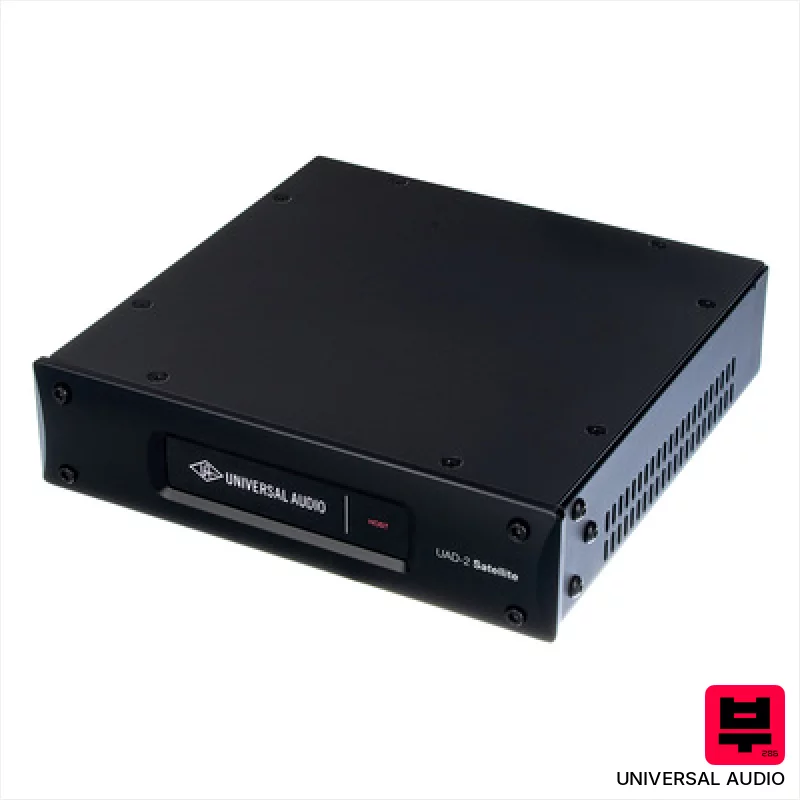
Universal Audio UAD-2 Satellite USB Octo
- • Exceptional DSP power for complex UAD plugins.
- • USB connectivity offers flexibility and ease of setup.
- • Expandable design allows scaling for larger projects.
- • Analog Classics Plus bundle provides immediate value.
- • USB connection can be a bottleneck for very high track counts.
- • Premium-priced, represents a significant investment.
- • Relies on UAD software ecosystem, potential for compatibility quirks.
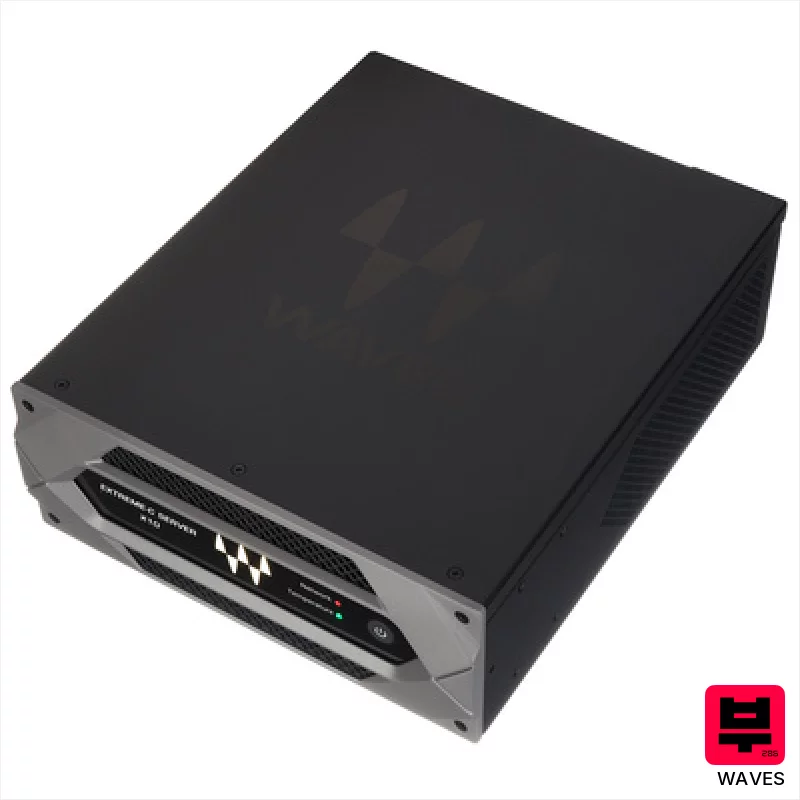
Waves Extreme-C SoundGrid Server
- • Robust Intel Core i7-10700 provides ample processing headroom.
- • Neutrik EtherCon ensures rock-solid, reliable SoundGrid network connection.
- • Compact 2U half-rack design maximizes rack space efficiency.
- • Comprehensive network and temperature monitoring for stability.
- • Premium-priced, a significant investment for smaller studios.
- • Limited expandability beyond SoundGrid ecosystem; not a general-purpose interface.
- • Requires familiarity with SoundGrid networking and Waves plugins.

Waves Axis Scope
- • Solid Gigabyte motherboard ensures stability and longevity.
- • Intel i5-10600 provides ample processing for demanding plugin chains.
- • SoundGrid compatibility unlocks seamless live performance workflows.
- • Compact 2U rackmount design saves valuable rack space.
- • USB 2.0 front ports limit bandwidth for high-resolution audio interfaces.
- • Limited expandability beyond the pre-configured components.
- • Price point positions it as a premium investment for serious users.
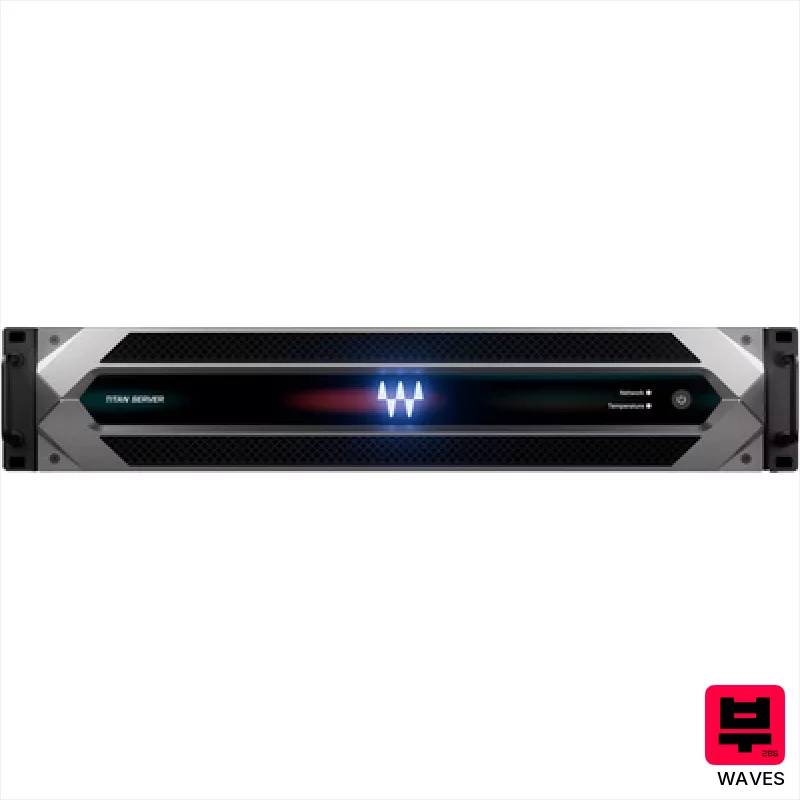
Waves Titan SoundGrid Server
- • Intel Gen 14 CPU delivers exceptional processing headroom.
- • SoundGrid protocol ensures incredibly low, consistent latency.
- • Integrated rack brackets simplify studio integration.
- • Minimal fan noise maintains a quiet, professional environment.
- • High-end price point restricts accessibility for smaller studios.
- • SoundGrid ecosystem ties you to Waves plugins primarily.
- • Limited physical I/O compared to full-fledged audio interfaces.
How to Choose the Best DSP Audio Systems
DSP Power
This is the big one. More DSP cores mean more effects, plugins, and routing options without introducing latency. A system with 200ms of processing time is far more useful than one with 50ms but can only run a single reverb.
Driver Stability
A rock-solid driver is non-negotiable. Dropped frames and audio glitches are the enemy of a smooth recording session - especially when tracking a live band. We've spent too much time troubleshooting flaky drivers that should have been ironed out years ago.
Roundtrip Latency (RTL)
This is the actual latency you hear when playing and hearing the signal back through effects. It's the sum of the latency introduced by the interface, your DAW, and the plugins. A truly low latency system will aim for under 10ms RTL for comfortable playing.
Routing Flexibility
Can you easily create complex monitor mixes? Do you need aux sends for parallel compression? A system with limited routing options will quickly become a bottleneck, especially in a band rehearsal setting.
Tonal Transparency
Even with low latency, the audio system shouldn't color the sound. We're looking for transparency - a system that lets your instruments and vocals shine through without adding unwanted artifacts or a sterile, digital feel. A subtle warmth is welcome; a harsh, brittle top end is not.
Buying Guide
Don't be fooled by marketing hype; 'low latency' isn't a guarantee. Entry-level interfaces often cut corners on DSP, resulting in a usable latency only when running minimal effects. Paying extra for a system with more DSP cores and a reputation for rock-solid drivers is an investment in your sanity. Also, remember to factor in your DAW's processing load - a powerful audio system won't save a CPU that's maxed out.
Our Methodology
We don't just look at numbers here. We've spent countless hours tracking guitars, drums, and vocals through these systems, A/B'ing against industry standards and real-world gigs. Our evaluation focuses on how the system feels to play - that responsiveness, the absence of noticeable lag, and the overall tonal impact - not just the theoretical latency figures. We've also run these systems through band rehearsals to see how they handle multiple inputs and complex routing.

