
Best DSP Audio Systems Under $5,000 2026
So, you're looking at DSP audio systems but don't want to drop five figures? Smart move. We've all been there - chasing that pristine clarity and dynamic control without breaking the bank. This list isn't about the absolute bleeding edge; it's about finding the sweet spot where performance meets affordability, so you can finally nail that live sound or get a cleaner recording without selling your vintage Les Paul.
Last updated: September 28, 2026

Waves Axis Scope
- • Solid Gigabyte motherboard ensures stability and longevity.
- • Intel i5-10600 provides ample processing for demanding plugin chains.
- • SoundGrid compatibility unlocks seamless live performance workflows.
- • Compact 2U rackmount design saves valuable rack space.
- • USB 2.0 front ports limit bandwidth for high-resolution audio interfaces.
- • Limited expandability beyond the pre-configured components.
- • Price point positions it as a premium investment for serious users.
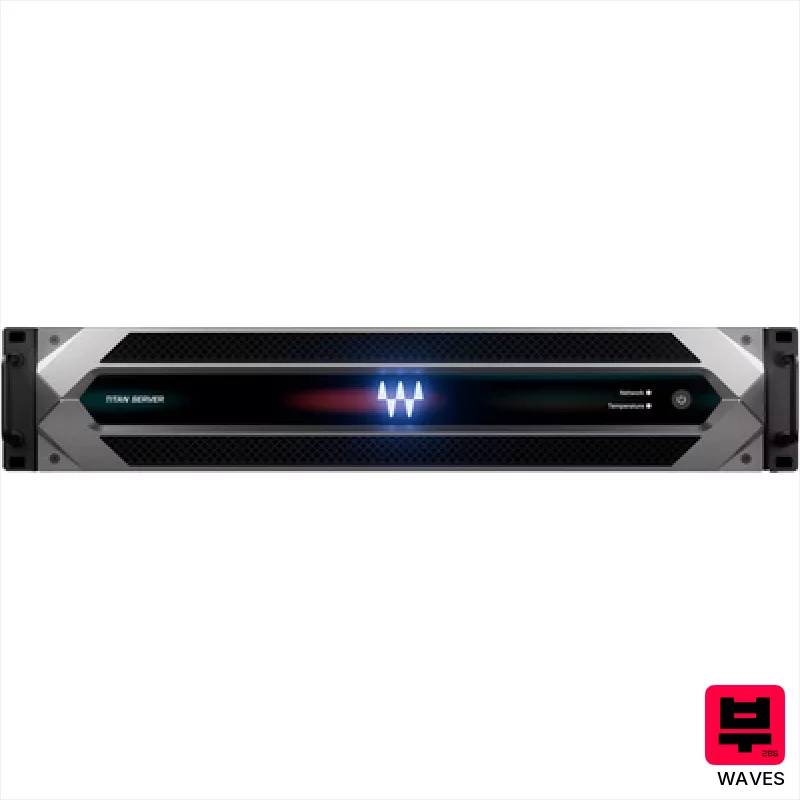
Waves Titan SoundGrid Server
- • Intel Gen 14 CPU delivers exceptional processing headroom.
- • SoundGrid protocol ensures incredibly low, consistent latency.
- • Integrated rack brackets simplify studio integration.
- • Minimal fan noise maintains a quiet, professional environment.
- • High-end price point restricts accessibility for smaller studios.
- • SoundGrid ecosystem ties you to Waves plugins primarily.
- • Limited physical I/O compared to full-fledged audio interfaces.
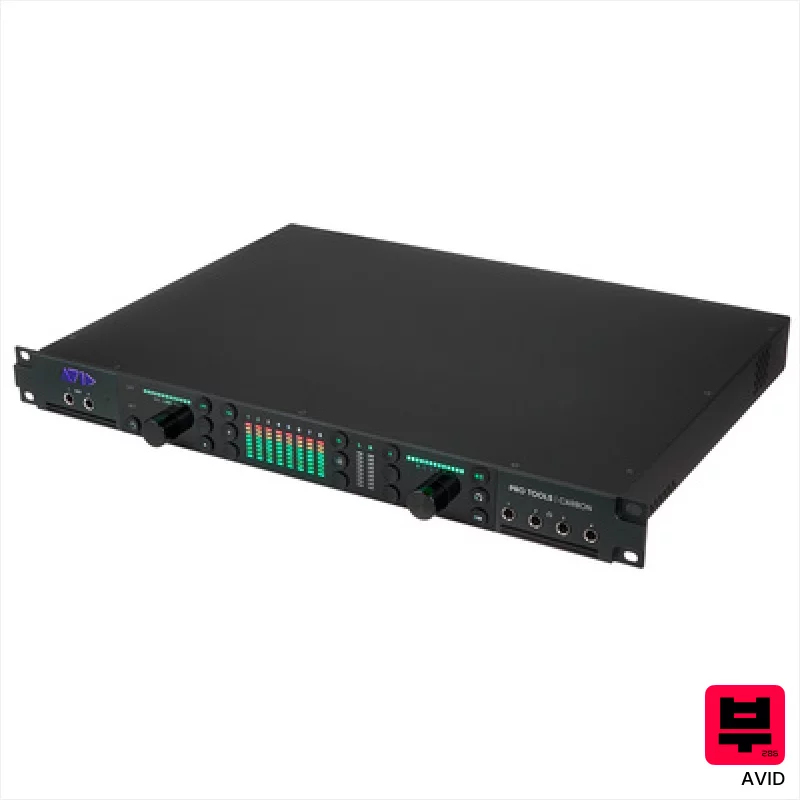
Avid Pro Tools Carbon
- • Seamless Pro Tools integration minimizes latency and workflow hiccups
- • Onboard HDX DSP significantly reduces CPU load for demanding plug-in chains
- • Flexible monitoring options handle immersive formats like Dolby Atmos with ease
- • Robust 1U rackmount chassis ensures stability in studio environments
- • High price point makes it a significant investment for most users
- • Limited input/output count compared to some competing interfaces
- • Strictly tied to the Avid Pro Tools ecosystem, reducing versatility
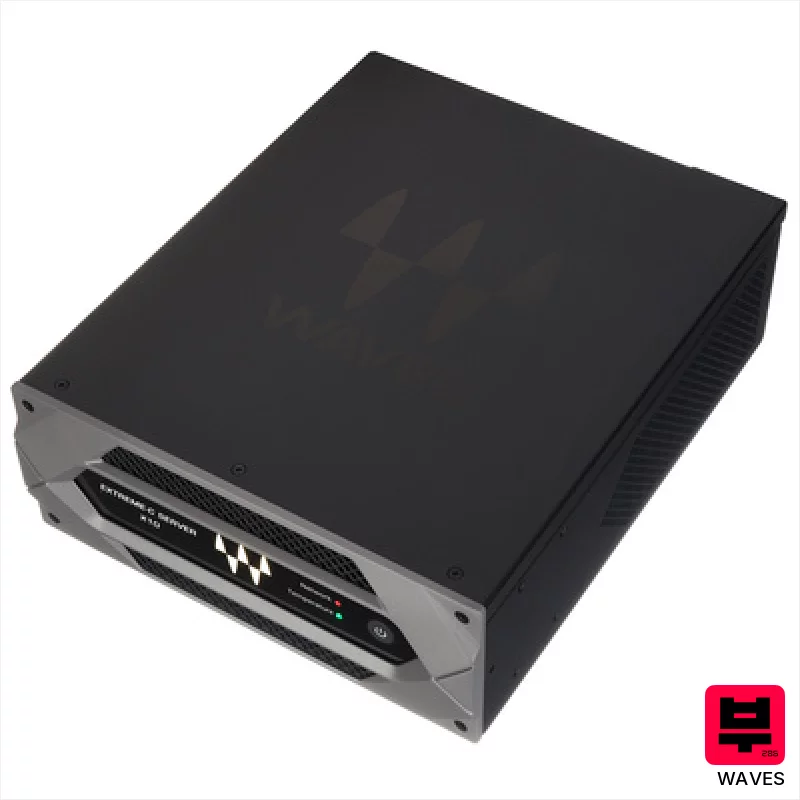
Waves Extreme-C SoundGrid Server
- • Robust Intel Core i7-10700 provides ample processing headroom.
- • Neutrik EtherCon ensures rock-solid, reliable SoundGrid network connection.
- • Compact 2U half-rack design maximizes rack space efficiency.
- • Comprehensive network and temperature monitoring for stability.
- • Premium-priced, a significant investment for smaller studios.
- • Limited expandability beyond SoundGrid ecosystem; not a general-purpose interface.
- • Requires familiarity with SoundGrid networking and Waves plugins.

Waves SuperRack Extreme-C Combo
- • Waves' Ren plugins deliver exceptional, studio-grade sonic character.
- • SGX-C server provides ample processing power for complex plugin chains.
- • Dedicated network switch ensures ultra-low latency for real-time performance.
- • SuperRack's modularity allows for future plugin expansion and customization.
- • The initial setup and configuration can be daunting for less experienced users.
- • The system's size and weight make it less portable than a traditional interface.
- • Reliance on Waves’ plugin ecosystem limits flexibility with third-party plugins.
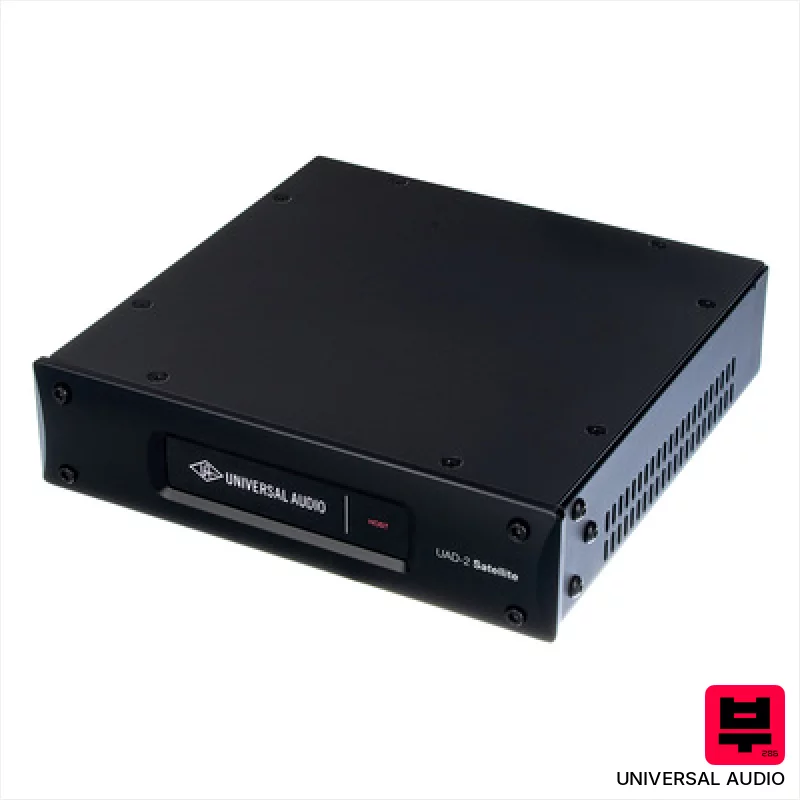
Universal Audio UAD-2 Satellite USB Octo
- • Exceptional DSP power for complex UAD plugins.
- • USB connectivity offers flexibility and ease of setup.
- • Expandable design allows scaling for larger projects.
- • Analog Classics Plus bundle provides immediate value.
- • USB connection can be a bottleneck for very high track counts.
- • Premium-priced, represents a significant investment.
- • Relies on UAD software ecosystem, potential for compatibility quirks.
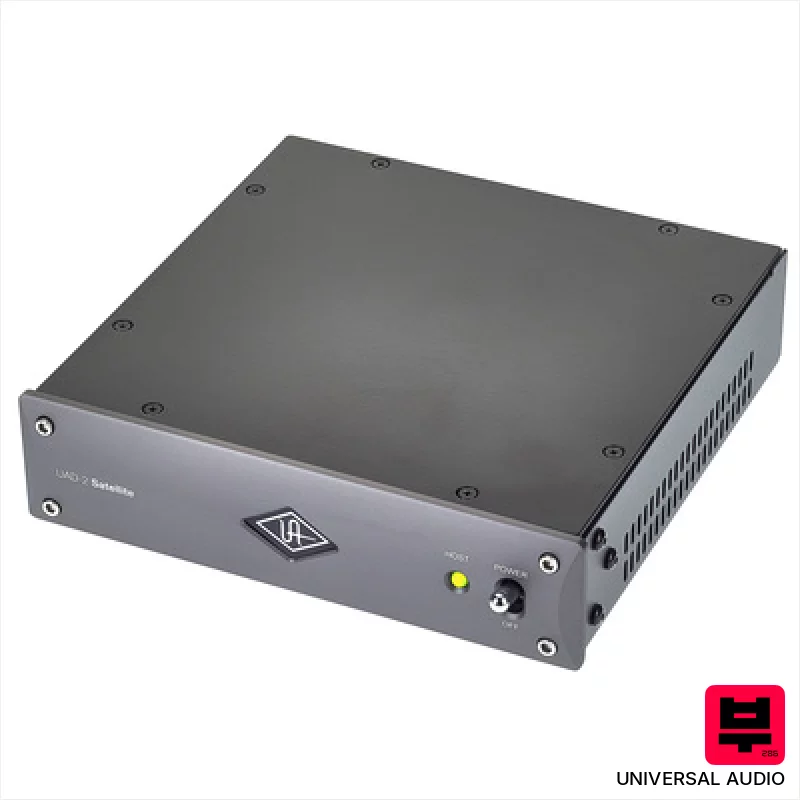
Universal Audio UAD-2 Satellite TB3 Octo
- • Massive DSP power frees up your host computer's resources.
- • Thunderbolt 3 connectivity offers incredibly low latency.
- • Expandable architecture allows for future growth and flexibility.
- • Analog Classics Plus bundle provides a great starting point for UAD plug-ins.
- • Relies on UAD ecosystem; not compatible with non-UAD plugins natively.
- • Thunderbolt cable not included, adding to the overall investment.
- • Can be a complex setup for users unfamiliar with DSP systems.
DSP Audio Systems by the numbers
Measured across all 7 models in this category, so «wide», «short» or «expensive» mean something you can check.
How to Choose the Best DSP Audio Systems
Preamp Quality
This is huge. A muddy preamp will bury your signal before the DSP even gets a chance. We're listening for that clean headroom with a usable amount of subtle harmonic coloration - not just sterile neutrality.
DSP Algorithms
Beyond basic EQ and compression, look for features like de-essing, dynamic EQ, and gate/expander options. The quality of these algorithms directly impacts how natural and musical your processing sounds.
Low Latency Performance
Critical for live work and even tracking. Noticeable latency kills your feel. Anything above 10ms roundtrip is starting to feel sluggish, and we're aiming for well below that.
Connectivity & Routing
How flexible is the system? Can you easily route signals, create custom monitor mixes, and integrate with your existing gear? More I/O is almost always a plus, especially if you're gigging.
User Interface
A convoluted menu system can be a real pain, especially when you're trying to dial in a sound quickly on stage. Intuitive controls and clear visual feedback are essential for efficient workflow.
Buying Guide
At this price point, you're making trade-offs. Don't expect the absolute pristine transparency of a $10,000 system. You'll likely see compromises in preamp components or a slightly more limited feature set. Prioritize preamp quality and low latency - those are the things you'll feel the most. Don't be swayed by marketing buzzwords; focus on systems that offer a tangible improvement in your workflow and sonic results.
How This List Is Built
We don't play these instruments — we're a catalog, not a review desk, and we'd rather say so than pretend otherwise. This page covers 7 dsp audio systems from the Thomann catalogue, which is the largest single source of specification data in this category: 7 in detail, the rest listed with their specifications.
Position is computed, not curated. We parse the manufacturer's own description into actual values — nut width, scale, fret count, fingerboard radius, size, alloy — and rank on them: how many specifications a model has published, how many of them are measurable numbers, and how precisely it meets this page's criterion. A product image adds a little. Price is not a ranking signal: it tells you nothing about whether a neck fits your hand. The same inputs always produce the same order, so nothing here is shuffled to look fresh.
What this list is good for: narrowing a category down to a shortlist by spec and budget. What it isn't: a substitute for hearing an instrument. Before you buy, read hands-on reviews and, where you can, play it. Full methodology.

