
Best Drum Machines for Electronic Music 2026
Alright, so you're diving into electronic music and need a drum machine? It's more than just picking something with a lot of sounds - it's about finding a box that inspires your groove and fits your workflow. Whether you're crafting techno in a club, layering beats in a DAW, or just sketching out ideas in your bedroom, the right drum machine can be a game changer. Let's break down what's out there and what to actually look for.
Last updated: July 15, 2026 • Next update: July 22, 2026
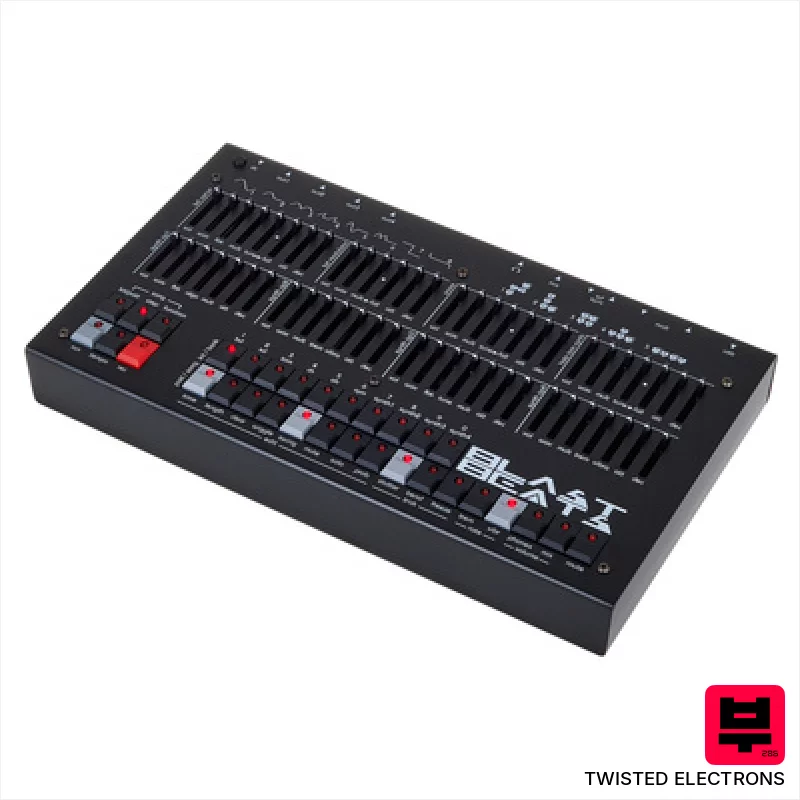
Twisted Electrons BlastBeats
- • Unique OPL3 FM chip delivers authentic retro Soundblaster tones.
- • Flexible 6 drum and 4 synth tracks enable complex sound design.
- • Comprehensive per-step automation adds nuanced, evolving textures.
- • Compact desktop format allows for easy integration into any studio setup.
- • Steep learning curve; interface isn't immediately intuitive for newcomers.
- • Limited polyphony on synth tracks restricts complex chord progressions.
- • Build quality, while functional, feels somewhat plasticky for the price.
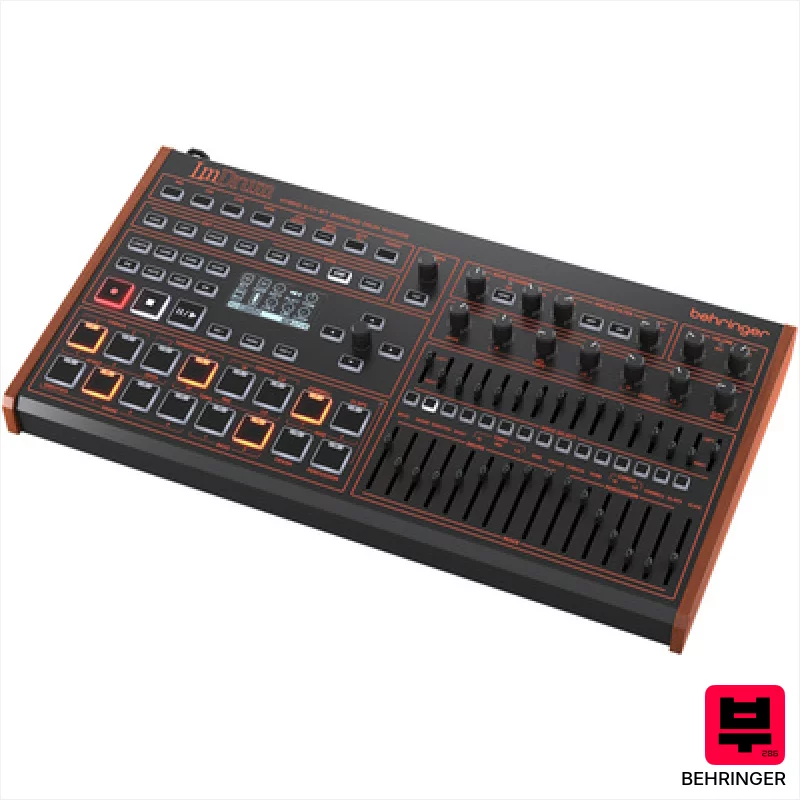
Behringer LM Drum
- • Hybrid sampling offers a unique, lo-fi sonic palette.
- • Wave designer provides surprising control over drum character.
- • 64-step sequencer is robust for intricate pattern creation.
- • Compact size makes it ideal for studio or live setups.
- • Plastic build feels less premium than competitors in the price range.
- • Limited polyphony restricts layering and complex arrangements.
- • Sampling engine's 8/12-bit depth can be restrictive for pristine sounds.

Elektron Syntakt EVA Case Bundle
- • EVA case provides excellent protection during travel and storage.
- • Hybrid digital/analog engine delivers a uniquely versatile sonic palette.
- • The sequencer's parameter locks offer deep, nuanced sound design possibilities.
- • Compact form factor maximizes portability without sacrificing functionality.
- • Steep learning curve; Elektron's workflow takes dedication to master.
- • Limited polyphony compared to some software alternatives.
- • Digital tracks, while powerful, lack the organic warmth of purely analog options.
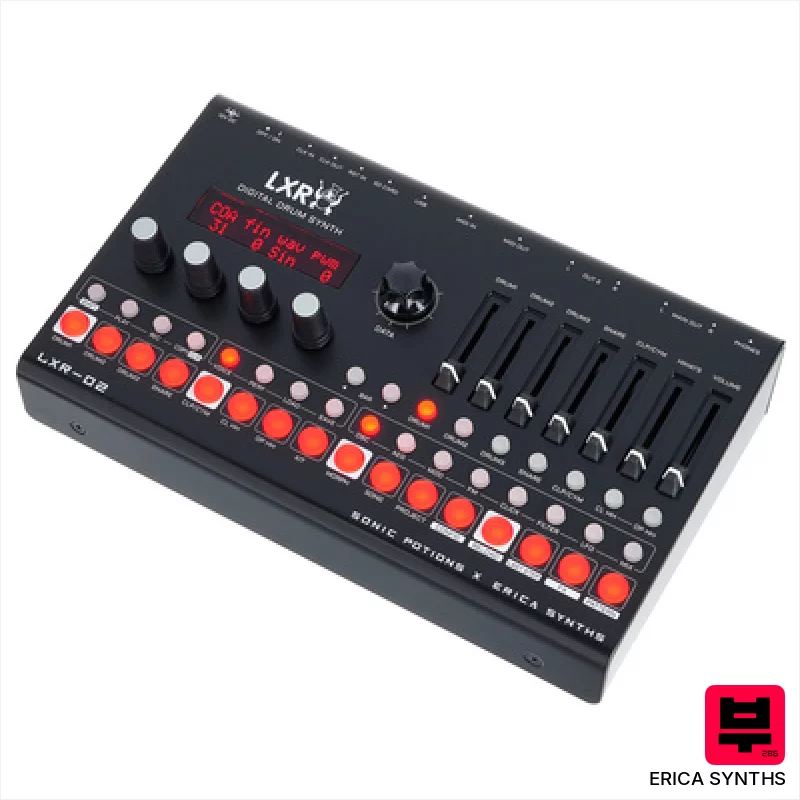
Erica Synths Drum Synthesizer LXR-02
- • Highly flexible sound design with extensive parameter control.
- • Excellent sequencer for intricate rhythmic patterns and song structures.
- • Micro SD card expands memory for vast sound kit libraries.
- • Solid build quality; feels robust despite its compact size.
- • Limited polyphony restricts complex layered drum sounds.
- • Workflow can be initially challenging for those unfamiliar with parameter-heavy interfaces.
- • Audio outputs are line level only, requiring amplification for direct monitoring.
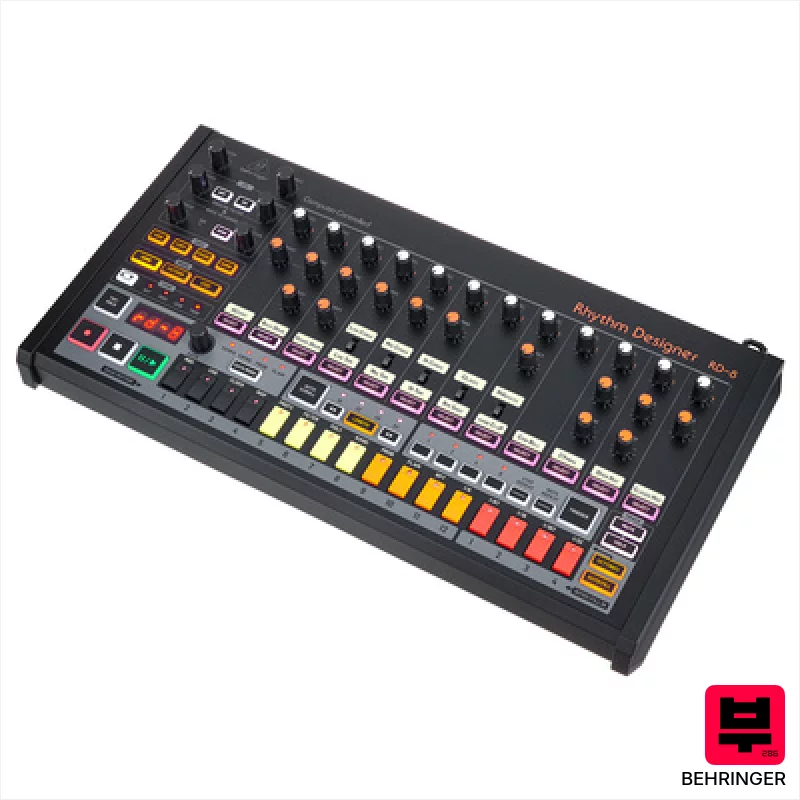
Behringer RD-8 MKII
- • Improved BA662 VCA emulation yields a punchier, more defined low-end.
- • 64-step sequencer offers serious rhythmic complexity and creative potential.
- • Optimized circuit design drastically reduces noise and phasing issues.
- • Dual-mode filter adds sonic texture, expanding sound design possibilities.
- • Plastic case feels somewhat flimsy compared to more premium drum machines.
- • Limited sound palette – caters to 80s electro/industrial, less versatile.
- • Real-time triggering can be initially tricky to master, requiring practice.
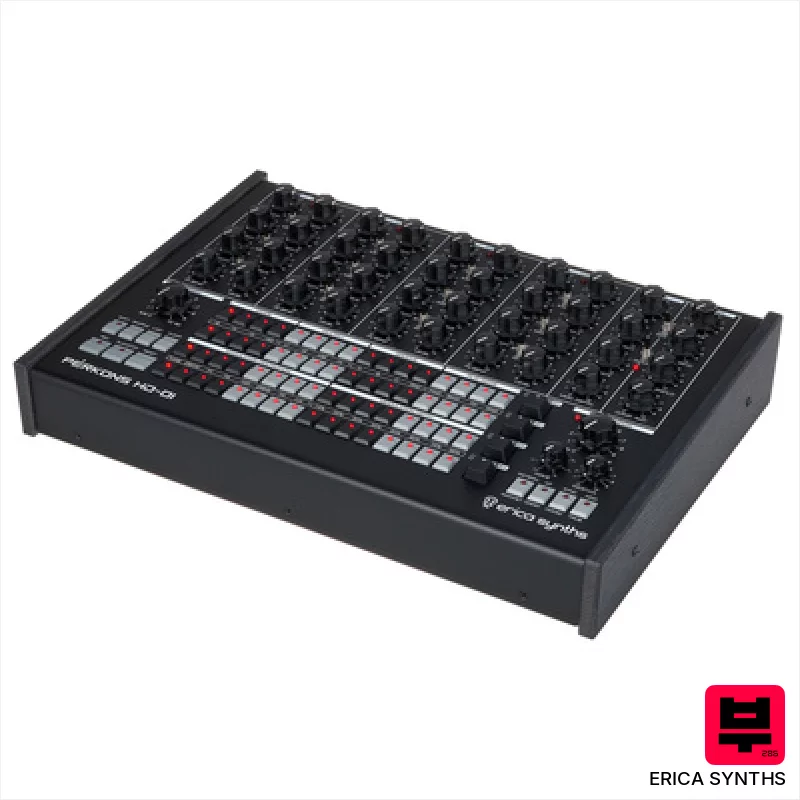
Erica Synths Perkons HD-01 Black
- • Hybrid engine delivers surprisingly organic, nuanced drum sounds.
- • Analog filter adds warmth and grit beyond purely digital drums.
- • Flexible sequencer with ratchets and probability unlocks complex rhythms.
- • BBD delay with modulation provides a uniquely characterful reverb effect.
- • The workflow can be initially daunting due to the density of controls.
- • Limited polyphony restricts layering complex drum arrangements.
- • Black finish shows fingerprints easily, impacting long-term aesthetics.

cre8audio Boom Chick
- • Semi-modular design encourages creative patching and experimentation.
- • The 64-step sequencer offers substantial rhythmic complexity.
- • Individual drum outputs enable precise mixing and external effects routing.
- • Compact size (40HP) makes it ideal for smaller Eurorack systems.
- • The 3.5mm connections feel a little flimsy for frequent use.
- • Limited to 5 drum voices restricts broader sound palette options.
- • Standalone housing feels somewhat basic compared to premium alternatives.

Elektron Syntakt Case Bundle
- • The included case offers robust protection and a professional presentation.
- • Hybrid digital/analog architecture delivers a uniquely flexible sonic palette.
- • Parameter locks and retrig capabilities foster deep, evolving sound design.
- • The four performance modifiers unlock expressive real-time manipulation.
- • Steep learning curve; Elektron’s workflow demands dedication and practice.
- • Limited polyphony restricts complex chord progressions and layering.
- • Analog drum tracks, while characterful, lack the outright punch of dedicated drum machines.

SOMA Pulsar-23 Rust (Screw)
- • Oxidized metal housing provides unique aesthetic and tactile feel, enhancing the experience.
- • Extensive M3 threaded patch points offer incredible sonic flexibility and experimentation.
- • Individual loop recorders per instrument allow for complex, evolving rhythmic textures.
- • Analog circuitry delivers warm, punchy drum sounds with a distinct organic character.
- • The semi-modular design has a steep learning curve; not beginner-friendly.
- • Limited preset storage demands significant time investment in patch creation.
- • The complex routing can be intimidating and requires meticulous organization.
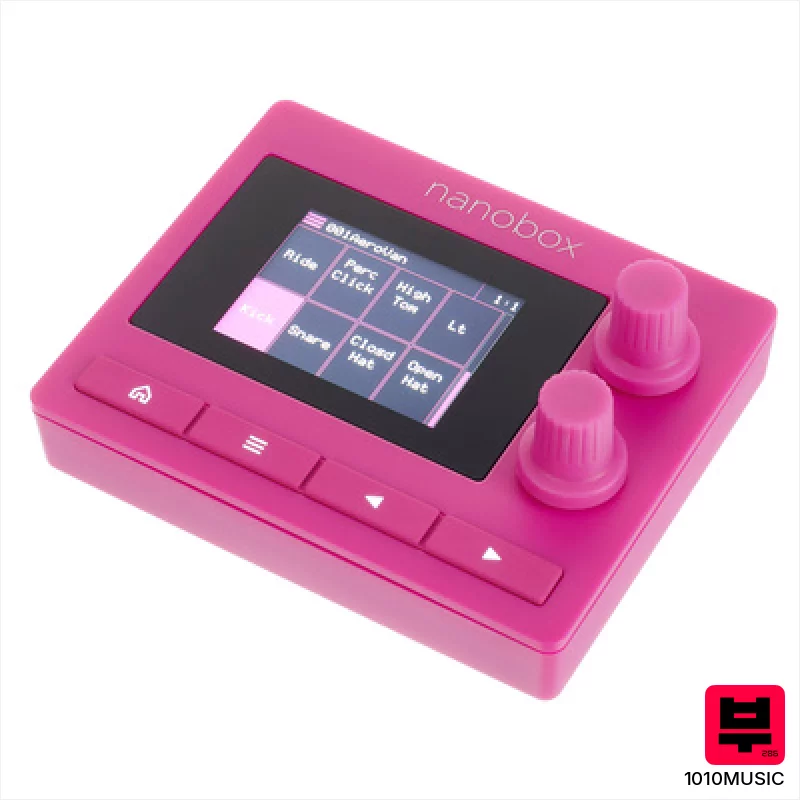
1010music nanobox razzmatazz
- • FM engine delivers surprisingly complex, evolving drum textures.
- • Compact size belies a surprisingly deep sound design engine.
- • Touchscreen is responsive and intuitive for live performance tweaks.
- • MicroSD card storage allows for extensive preset and sample library.
- • Limited sample time (30 seconds) restricts longer percussive elements.
- • 3.5mm connections feel somewhat fragile given the price point.
- • FM synthesis learning curve can be steep for complete beginners.
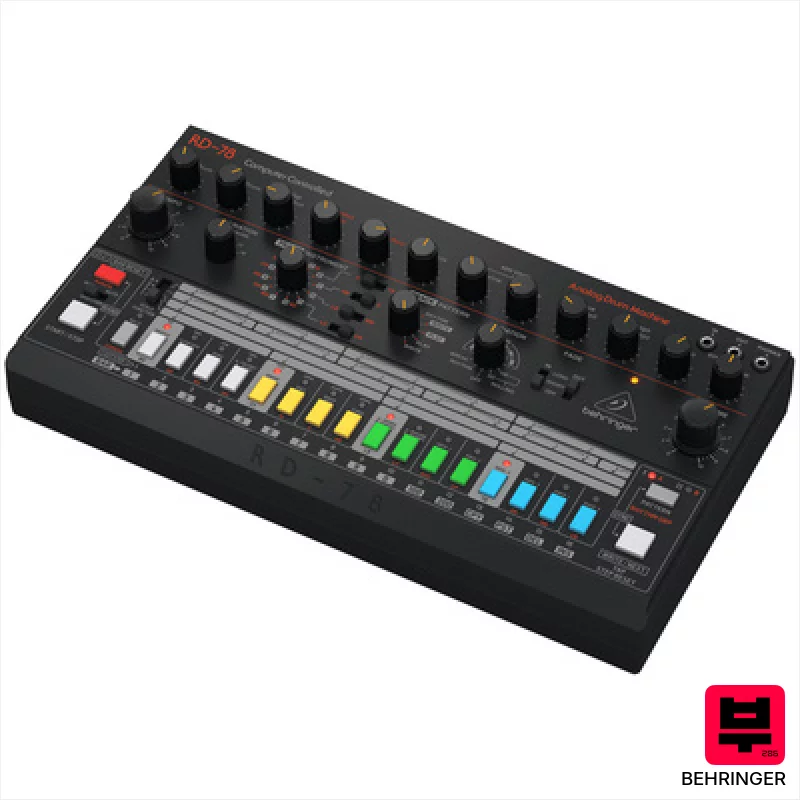
Behringer RD-78
- • Faithful recreation of a classic 70s drum machine sound.
- • Individual outputs allow for creative external processing and layering.
- • Intuitive 16-step sequencer facilitates easy pattern creation and song building.
- • Authentic color-coded buttons offer clear visual feedback during programming.
- • Plastic build feels noticeably budget-conscious, lacking premium robustness.
- • Limited sound palette compared to modern, sample-based drum machines.
- • Sequencing capabilities, while functional, aren't as advanced as newer options.
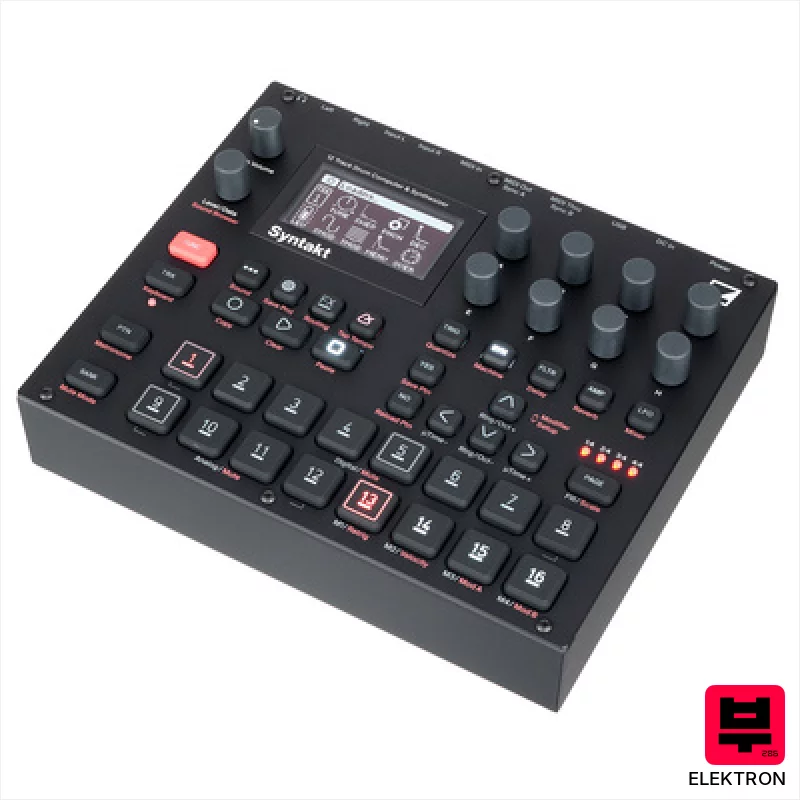
Elektron Syntakt
- • Exceptional sequencing depth with parameter locks and retrig capabilities.
- • Hybrid analog/digital design delivers unique sonic textures and flexibility.
- • Compact form factor belies a vast range of creative possibilities.
- • Expressive modifiers offer immediate, hands-on performance control.
- • Steep learning curve; Elektron's workflow takes dedicated study.
- • Limited polyphony restricts complex chord voicings and arrangements.
- • Digital filter, while versatile, lacks the raw character of some purely analog designs.
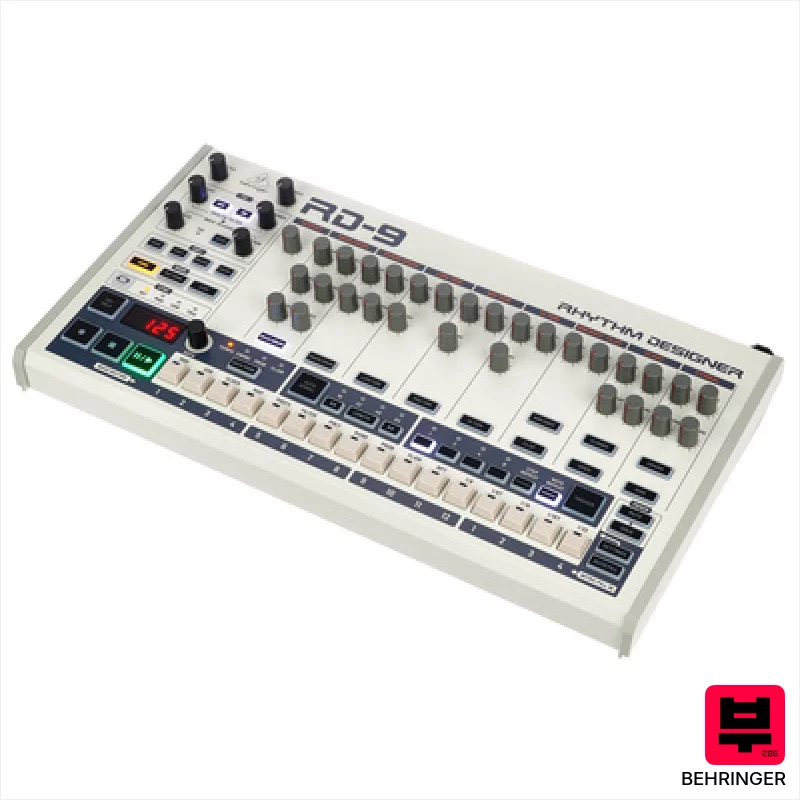
Behringer RD-9
- • Analog circuitry delivers a surprisingly warm, punchy, and characterful drum sound.
- • The sequencer’s poly-meter and step repeat functions offer creative rhythmic possibilities.
- • Extensive connectivity (10 line outputs, trigger outs) facilitates complex routing and syncing.
- • Wave Designer allows subtle tweaking of individual drum sounds, expanding sonic palette.
- • Build quality feels plasticky; not as robust as higher-end drum machines.
- • Limited sound selection compared to more comprehensive drum machine offerings.
- • USB-B port feels dated; a USB-C would have been a welcome upgrade.

Elektron Syntakt Bag Bundle
- • Deep sequencing capabilities offer unparalleled rhythmic complexity.
- • Hybrid digital/analog engine provides a unique sonic palette.
- • Compact form factor makes it incredibly portable for studio or live use.
- • Expressive modifiers provide nuanced performance control and immediacy.
- • Steep learning curve; Elektron's workflow takes dedication to master.
- • Limited polyphony can feel restrictive for complex arrangements.
- • Digital tracks, while versatile, lack the warmth of purely analog sounds.

Polyend Step
- • Intuitive step sequencing fosters creative, on-the-fly pattern building.
- • Solid, compact build feels surprisingly robust for its size and weight.
- • Punch-in effects add immediate sonic character and texture.
- • Seamless song changes are genuinely useful for live performance scenarios.
- • Limited track count (4) restricts complex arrangement possibilities.
- • Mini-jack MIDI ports are a bit inconvenient for studio integration.
- • Lack of dedicated audio input limits sample manipulation capabilities.
How to Choose the Best Drum Machines
Sound Character
Electronic music is a broad church, but most subgenres demand a specific vibe. Roland TR-808s have that iconic low-end thump and snappy transient attack that's a staple. A DSI Noatikus offers more nuanced, synthetic textures, while a LinnDrum provides a drier, more processed feel. Think about the tone you need.
Sequencing & Step Sequencing
Many modern electronic genres rely heavily on complex, evolving rhythms. Deep sequencing options - step sequencing with probability, randomization, automation - are essential. A simple 16-step pattern isn't going to cut it if you're trying to build a driving, hypnotic track.
Hands-On Control
Knobs, buttons, pads - the more tactile control you have, the better. Tweaking parameters on the fly is key for live performance and for finding those happy accidents in the studio. A machine that's buried in menus is a workflow killer.
Sound Editing Capabilities
Being able to tweak parameters beyond the presets is crucial. Filtering, envelope shaping, pitch shifting - these let you sculpt sounds and create something unique. A lot of cheaper machines severely limit your ability to do this.
Connectivity & Integration
Most electronic producers work in a DAW. MIDI connectivity is a given, but look for things like USB audio, CV/Gate for modular integration, and the ability to sync to external clocks. This unlocks a whole new level of creative possibilities.
Buying Guide
Don't get blinded by the number of sounds. A machine with fewer, better sounds is always preferable. Cheaper drum machines often cut corners on the analog circuitry, resulting in a sterile, digital feel. If you're serious about electronic music, invest in something with a bit more character - you'll hear the difference in a mix. Consider your workflow too - a massive, complex machine might be overwhelming if you're just starting out.
Our Methodology
We're not just looking at spec sheets here. We've spent hours pounding out beats on these machines, A/B'ing them against each other, and, crucially, putting them through the wringer - recording them into a DAW, sending them through various effects chains, and even trying to make them sound decent through a PA at a noisy gig. It's about the feel and the sonic results, not just the feature list.

