
Best DJ Headphones Under $300 2026
Alright, so you're a DJ on a budget? Totally get it. Spending a grand on headphones is insane when you're just starting out or gigging smaller rooms. We've been there. This list isn't about the top-tier, it's about finding headphones that'll handle a club mix, a rehearsal, or even just serious bedroom practice without blowing your bank account - and that means digging deep for real value.
Last updated: September 30, 2026
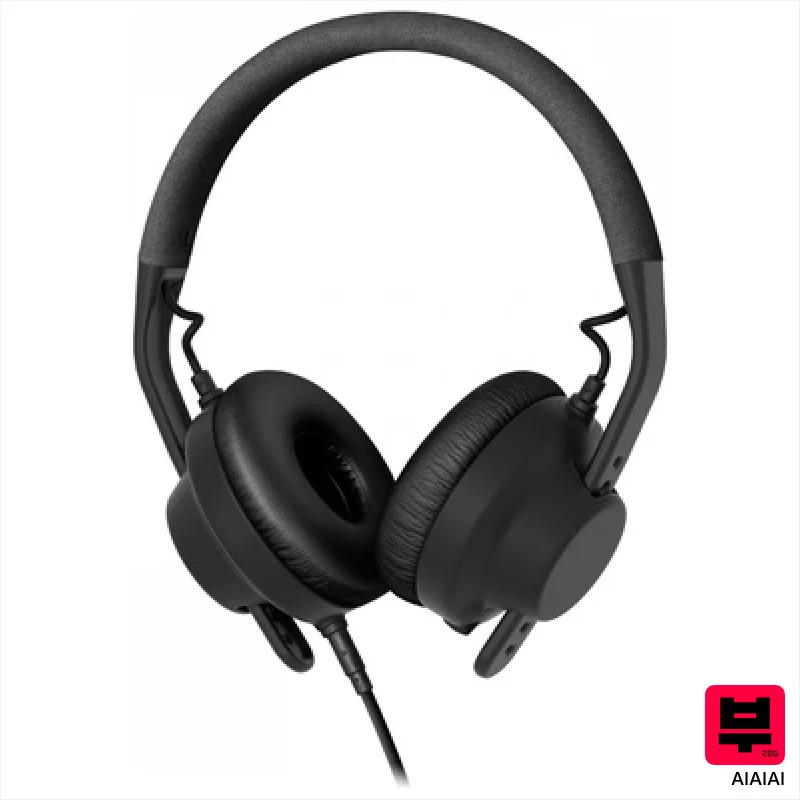
AIAIAI TMA-2 DJ XE
- • Bio-cellulose drivers offer a surprisingly clean, detailed soundstage.
- • Nylon headband provides excellent durability and comfortable clamping force.
- • Interchangeable ear pads allow for customization and long-term comfort.
- • Lightweight design (0.16kg) minimizes fatigue during long DJ sets.
- • The PU ear pads, while comfortable initially, can get warm during extended use.
- • 32 Ohm impedance requires a powered source for optimal volume in some scenarios.
- • Closed-back design sacrifices some natural soundstage and airiness.
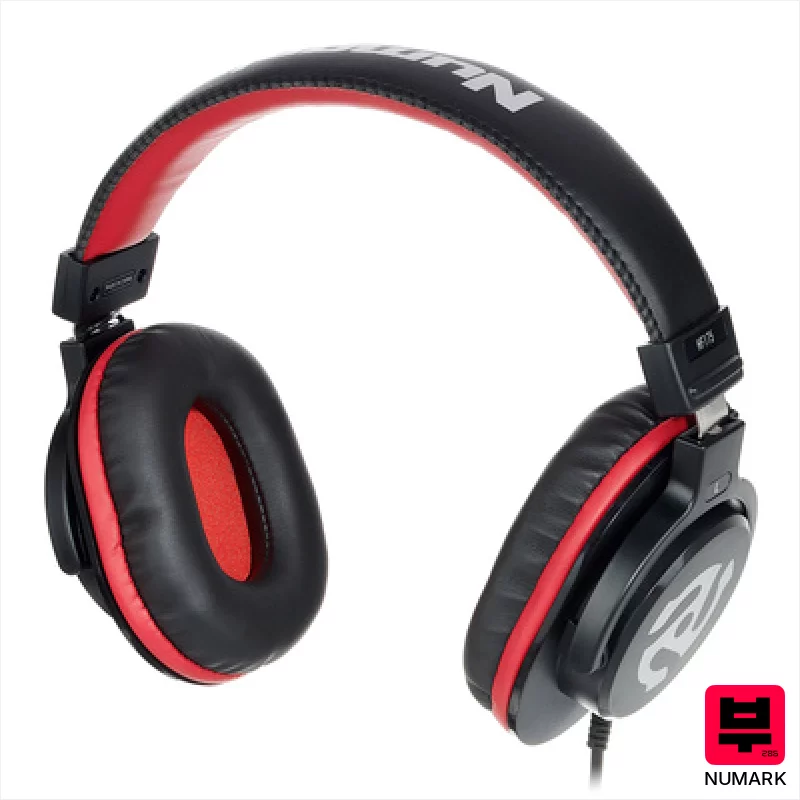
Numark HF175
- • Lightweight design reduces fatigue during extended DJ sessions.
- • Leatherette earcups offer decent initial comfort, a step above basic vinyl.
- • Rotatable earcups allow for easy one-ear monitoring for cueing.
- • Includes a 6.3mm adapter, broadening compatibility with older gear.
- • Build quality feels noticeably cheap, especially the headband adjustment.
- • Sound lacks dynamic range and detail; muddy bass response at higher volumes.
- • Leatherette earcups will likely degrade quickly with heavy use.
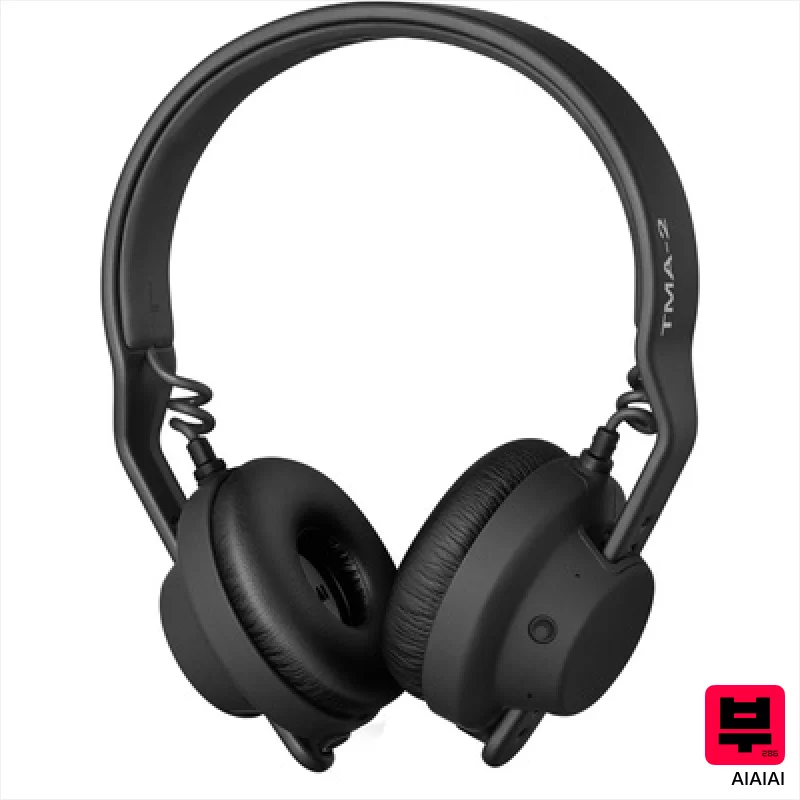
AIAIAI TMA-2 DJ Wireless
- • Robust build with premium materials like the H02 headband provides excellent durability.
- • W+ Link offers exceptionally low latency, crucial for precise beatmatching.
- • The S11 drivers deliver a balanced, clear sound signature – surprisingly detailed.
- • Switchable Bluetooth offers versatility for studio and on-the-go use.
- • The clamping force can be a bit tight for extended wear, especially initially.
- • While balanced, the sound profile may lack the emphasized bass some DJs prefer.
- • The modular design, while clever, adds to the perceived complexity for some users.
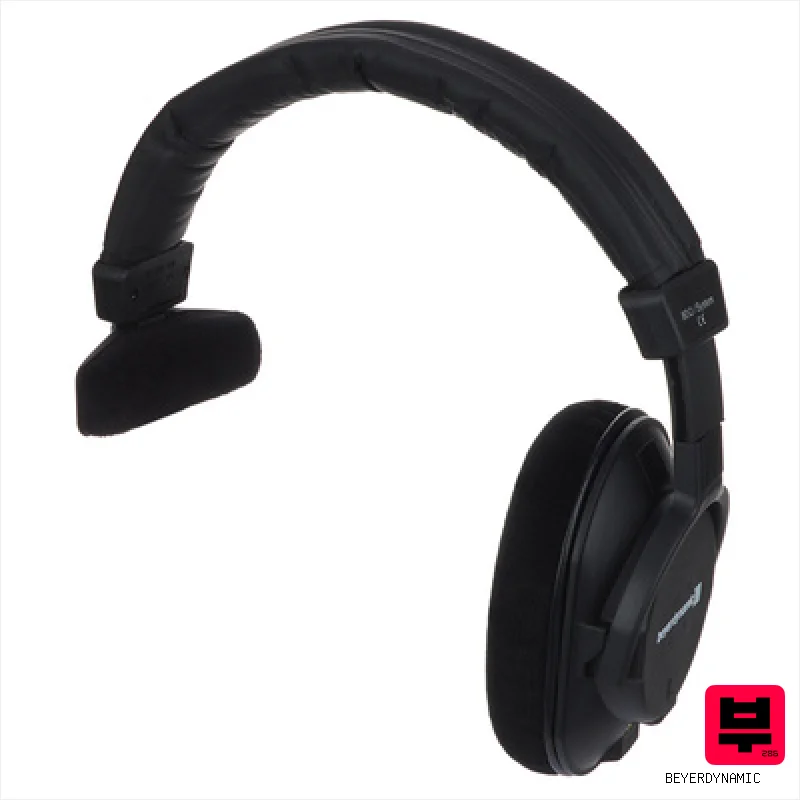
beyerdynamic DT-252
- • Dynamic driver offers tight bass response
- • Closed-back design blocks outside noise
- • Neodymium magnet provides strong field
- • Circumaural shape seals around ears
- • One-ear style limits stereo imaging
- • No battery power for wireless use
- • Driver size details are missing here
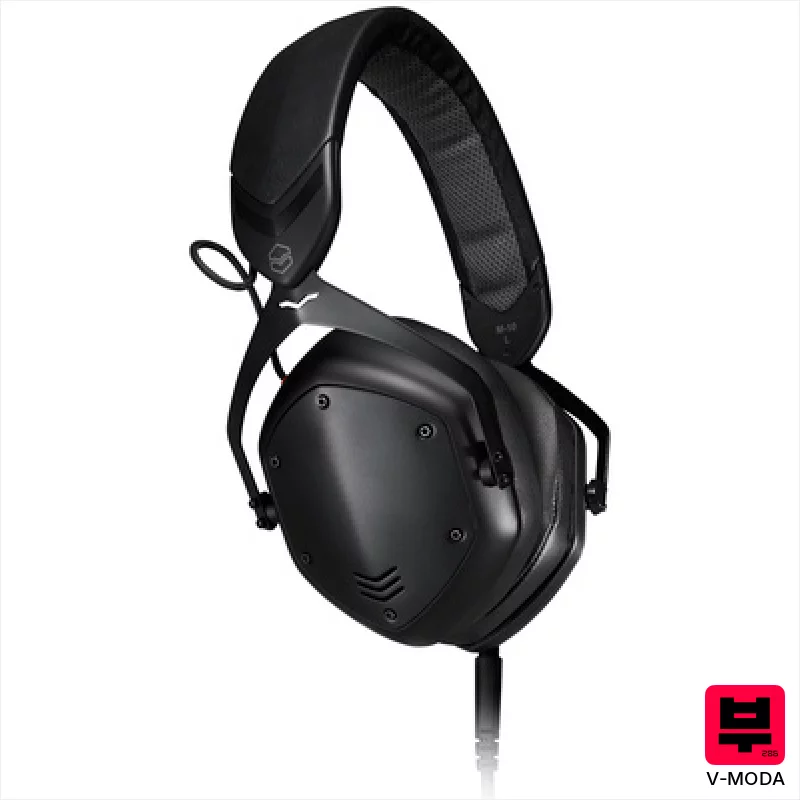
V-Moda M-10
- • Robust metal frame and covers offer excellent durability for gigging DJs.
- • 50mm dual-diaphragm drivers deliver surprisingly clear and punchy low-end response.
- • Memory foam ear pads provide comfortable extended wear, a crucial DJ need.
- • Detachable cables, including a coiled option, enhance portability and prevent cable damage.
- • The 275g weight can become fatiguing during long mixing sessions.
- • While versatile, the 32 Ohm impedance isn't ideal for professional studio monitoring.
- • Artificial leather ear pads, while comfortable, might not be as breathable as genuine leather.
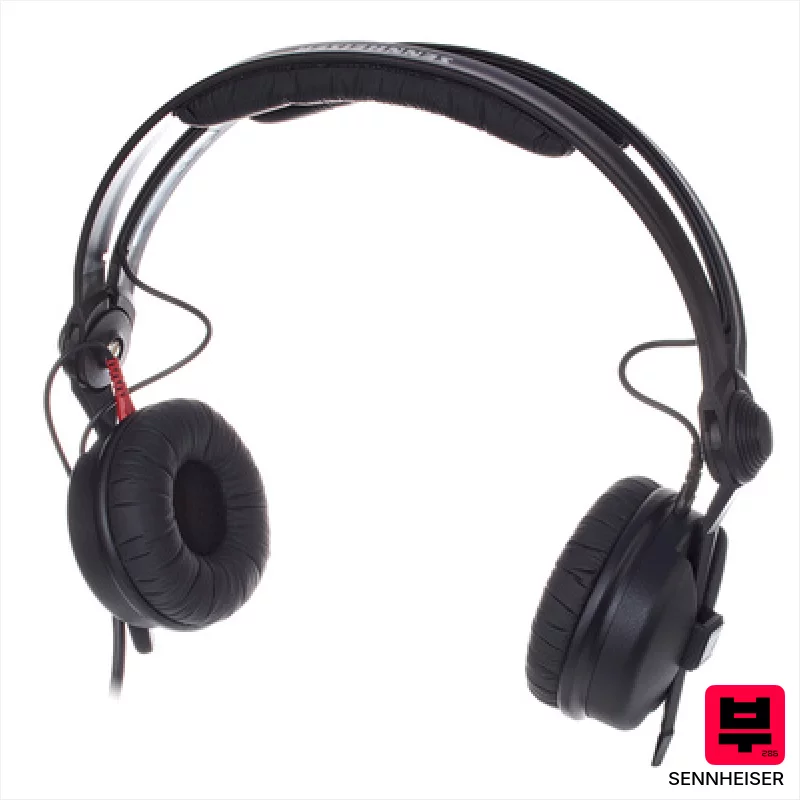
Sennheiser HD-25 Plus
- • Robust build quality; feels incredibly durable for on-ear headphones
- • Excellent transient response; tight, accurate bass for DJing
- • Swiveling earcups improve comfort and versatility for extended use
- • Improved cable design reduces tangling and increases longevity
- • On-ear design may become fatiguing during very long sessions
- • Sound signature leans slightly analytical; lacks warmth for some genres
- • Clamping force can be a bit tight initially, requires some break-in
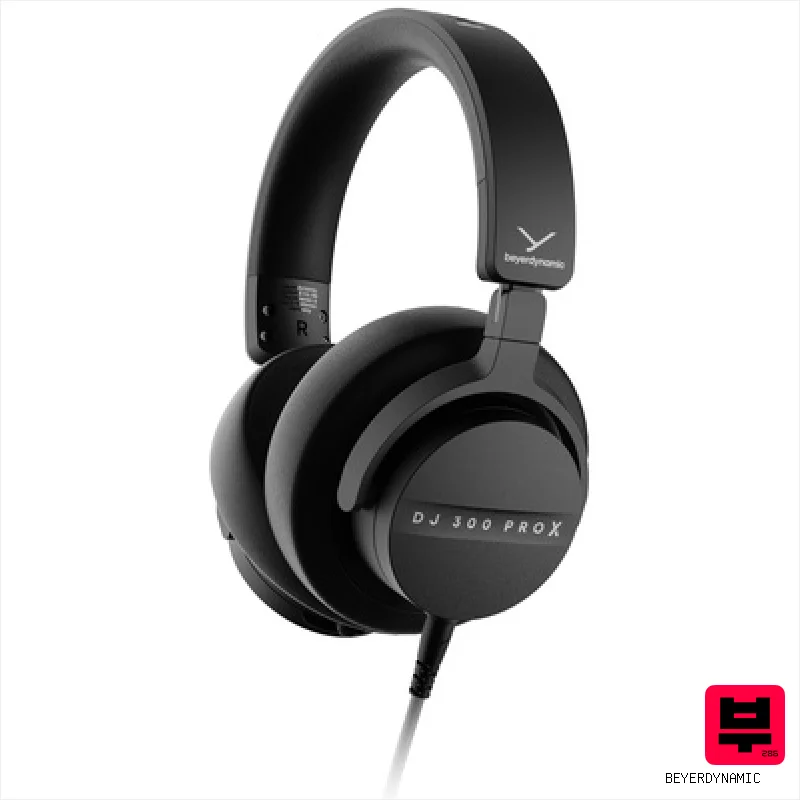
beyerdynamic DJ 300 PRO X
- • Dual ear pads let you switch between on and over ear comfort instantly
- • 45 mm dynamic drivers deliver powerful sound pressure for loud venues
- • Detachable spiral cable offers flexible routing for both ears
- • Closed back design ensures isolation for cueing without bleed
- • Weight is heavy at 288 grams for long monitoring sessions
- • No wireless connectivity limits mobility during performance
- • Single 3.5 mm jack requires an adapter for standard DJ gear
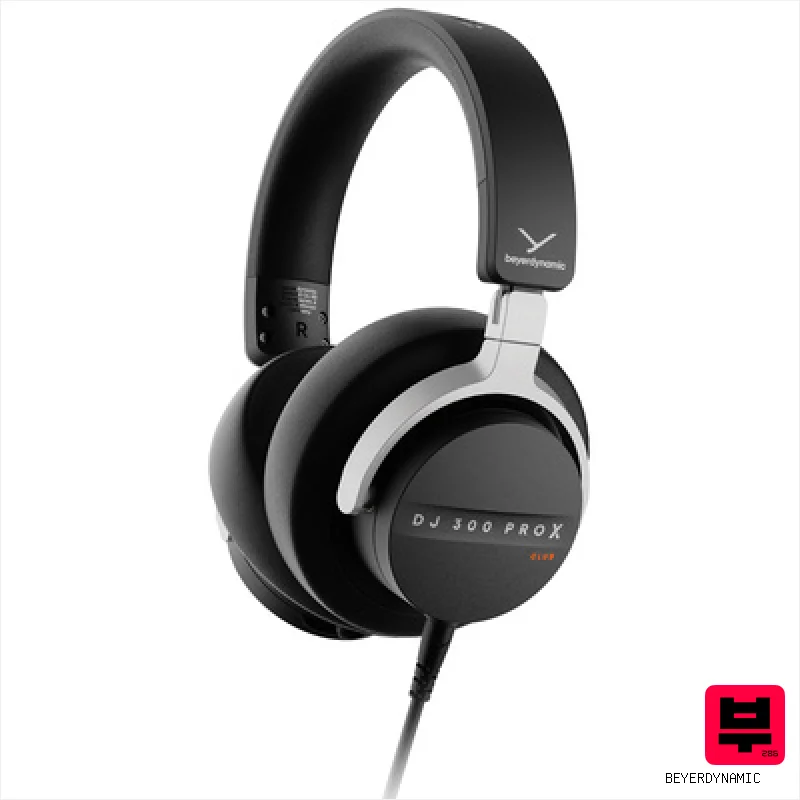
beyerdynamic DJ 300 PRO X Club
- • Closed-back design blocks outside noise for cueing
- • 45 mm dynamic drivers deliver strong bass
- • Includes both on-ear and over-ear pads
- • Detachable cable allows single- or dual-sided routing
- • Impedance of 48 ohms needs moderate volume
- • No Bluetooth or wireless connectivity options
- • Heavy weight at 288 to 315 grams

Technics EAH-DJ 1200
- • Solid build quality; feels robust despite the price point.
- • Punchy, well-defined bass response suits electronic and hip-hop genres.
- • The 270° swivel is genuinely useful for cueing and extended use.
- • Spiral cable is convenient and reduces tangling during DJing.
- • 50mm drivers lack ultimate detail compared to higher-end models.
- • Slightly heavy; prolonged use might cause fatigue for some.
- • Cable routing feels a little flimsy and could be improved.

Sennheiser HD-25
- • Robust build quality; these are built to survive a club gig.
- • Excellent transient response; tight and accurate for monitoring mixes.
- • Neutral sound signature; revealing without being overly colored.
- • Swiveling earcups offer comfortable, adaptable fit for extended use.
- • Can be a bit clamping; might cause discomfort for some users initially.
- • Sound isolation isn't top-tier; bleed can be an issue in loud environments.
- • Single-sided cable is prone to tangling and can be inconvenient.

Audio-Technica ATH-PRO5 X WH
- • Solid build quality; the headband clamp provides secure, comfortable wear.
- • The 40mm drivers deliver a surprisingly punchy, well-defined low-end response.
- • Removable cable with locking mechanism is a huge plus for durability in the club.
- • Swiveling earcups offer excellent flexibility for cueing and one-ear monitoring.
- • Sound signature leans towards bass-heavy; may not suit all genres.
- • Plastic construction feels a bit budget-friendly compared to higher-end models.
- • While comfortable initially, long sessions may induce ear fatigue.

Sennheiser HD-280 Pro
- • Solid build quality; headband improvement enhances long-term comfort noticeably.
- • Closed-back design provides excellent isolation for DJing in loud environments.
- • 64-ohm impedance makes them easily drivable from most mixers and mobile devices.
- • Clear, detailed sound signature ideal for cueing and critical listening.
- • Bass response can feel slightly lacking for some modern electronic music genres.
- • The clamping force is considerable, potentially uncomfortable for users with larger heads.
- • Plastic construction, while durable, doesn't feel as premium as higher-end options.
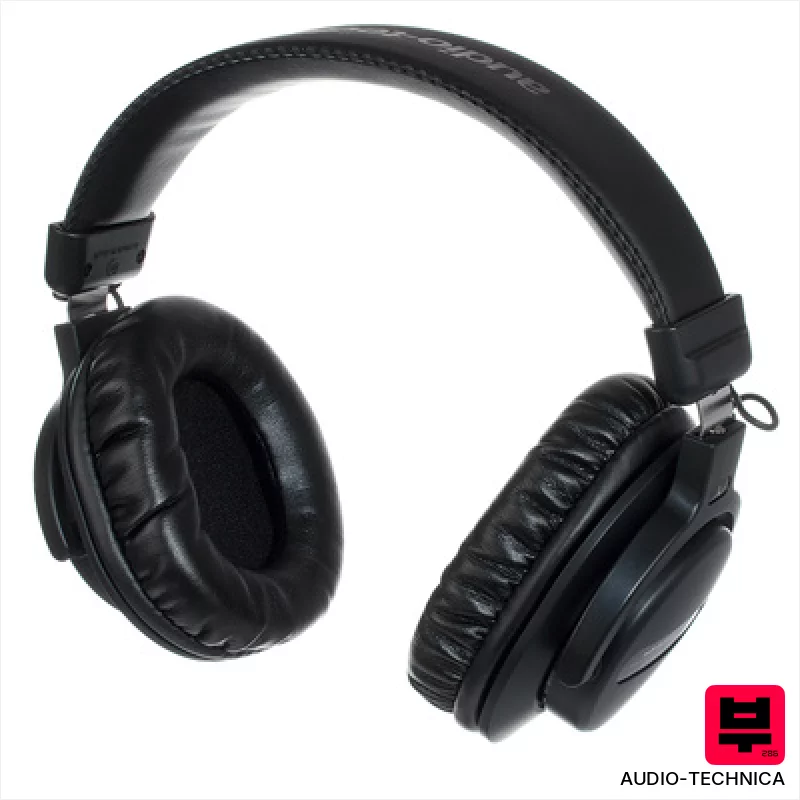
Audio-Technica ATH-PRO5 X BK
- • Solid build quality; robust plastic housing and metal headband provide durability.
- • Clear, punchy low-end response ideal for monitoring bass and kick drums.
- • Swiveling earcups allow for comfortable one-ear monitoring during DJing.
- • Removable cable with locking mechanism minimizes cable pull-out issues during use.
- • Soundstage is somewhat narrow, lacking exceptional spatial imaging.
- • Clamping force can be a bit tight for extended wear sessions.
- • While durable, the plastic housing feels less premium than higher-end models.
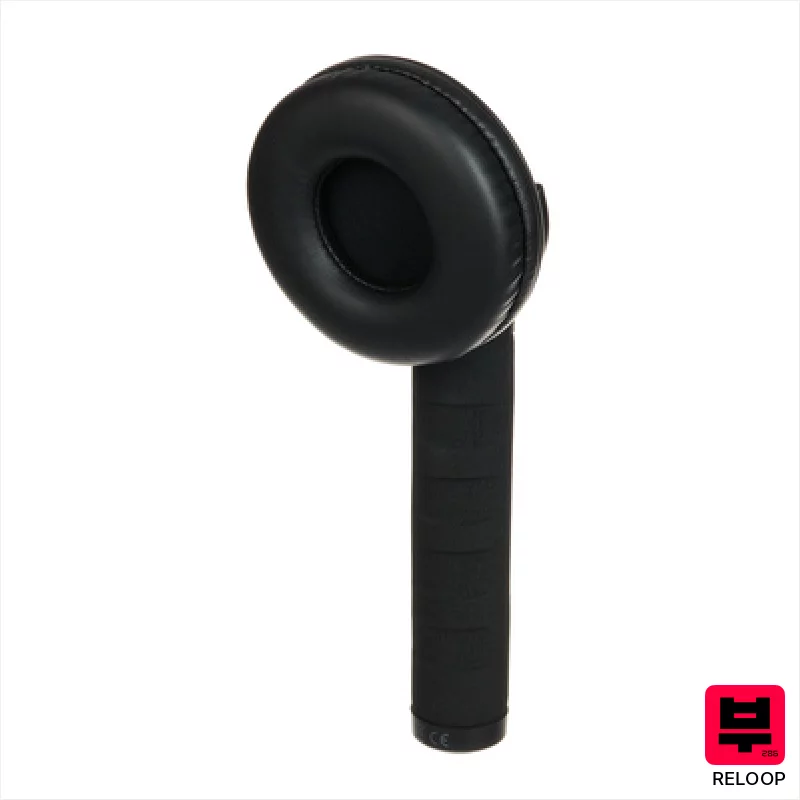
Reloop RHP 10 Mono
- • Surprisingly robust build for the price, feels solid in the hand.
- • The neodymium driver delivers a clear, focused sound, good for monitoring.
- • XLR output is a genuine boon for pro DJ setups, avoids signal degradation.
- • Leatherette bag is a nice touch, protects the headphones during transport.
- • Mono design limits versatility; not ideal for general listening or mixing.
- • 246g weight can become fatiguing during extended DJ sets.
- • Leatherette earpads are likely to wear out faster than genuine leather.
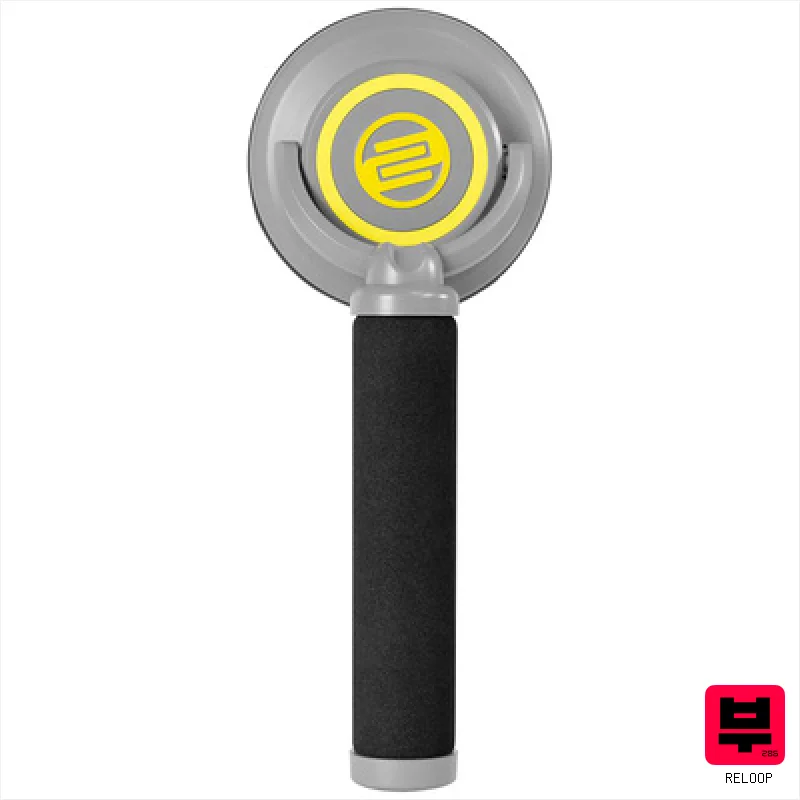
Reloop RHP 10 Mono Neon
- • Single unit design saves space and reduces cable mess on the floor.
- • 50 mm neodymium driver offers punchy bass response for club sounds.
- • Padded handle makes carrying heavy headphones comfortable for long sets.
- • Faux leather bag provides sturdy protection during transport and travel.
- • Only one headphone limits sharing between two DJs at once.
- • XLR output requires external mixer support unlike standard jack inputs.
- • No ear cup swivel means fixed fit for some head shapes.
Every dj headphones that matches
24 models match this page. The 15 above are covered in detail; the rest are listed here with their published specifications.
| # | Model | Specifications | Price |
|---|---|---|---|
| 16 | Reloop RHP-15 | not published | $77 |
| 17 | Audio-Technica ATH-M20xWH | not published | $65 |
| 18 | Audio-Technica ATH-M20x | not published | $64 |
| 19 | Hercules HDP DJ60 | not published | $62 |
| 20 | Hercules HDP DJ45 | not published | $31 |
| 21 | the t.bone TDJ 1000 | not published | $25 |
| 22 | Fun Generation HP 5 | not published | $23 |
| 23 | Behringer BDJ 1000 | not published | $19 |
| 24 | Behringer HC 200 | not published | $11 |
DJ Headphones by the numbers
Measured across all 24 models in this category, so «wide», «short» or «expensive» mean something you can check.
How to Choose the Best DJ Headphones
Sound Isolation
Essential for hearing your mix above a crowd or a band's monitor mix. Cheap headphones often leak sound like a sieve, making cueing a nightmare.
Frequency Response
We're not expecting surgical precision at this price, but a balanced response is key. You want to hear the low-end thump without it muddying the mids, and enough high-end articulation to track vocals clearly.
Build Quality & Durability
DJing is rough on gear. We're looking for solid hinges, replaceable ear pads (a huge plus), and a cable that won't snap after a few gigs.
Comfort
Hours in the headphones is the norm. Weight, clamping force, and ear pad material all play a role. Uncomfortable headphones = misery.
Swivel Design & Portability
Quick cueing and easy storage are vital. A compact, foldable design is a real plus for travel and gigging.
Buying Guide
At this price point, you're making compromises. Don't expect audiophile-grade clarity; you'll be trading some sonic detail for robustness and functionality. Look for headphones with detachable cables - a broken cable shouldn't mean replacing the entire unit. Also, consider the impedance; lower impedance is generally better for smaller amps or mobile devices.
How This List Is Built
We don't play these instruments — we're a catalog, not a review desk, and we'd rather say so than pretend otherwise. This page covers 24 dj headphones from the Thomann catalogue, which is the largest single source of specification data in this category: 15 in detail, the rest listed with their specifications.
Position is computed, not curated. We parse the manufacturer's own description into actual values — nut width, scale, fret count, fingerboard radius, size, alloy — and rank on them: how many specifications a model has published, how many of them are measurable numbers, and how precisely it meets this page's criterion. A product image adds a little. Price is not a ranking signal: it tells you nothing about whether a neck fits your hand. The same inputs always produce the same order, so nothing here is shuffled to look fresh.
What this list is good for: narrowing a category down to a shortlist by spec and budget. What it isn't: a substitute for hearing an instrument. Before you buy, read hands-on reviews and, where you can, play it. Full methodology.

