
Best Diffusors Under $1,000 2026
Alright, so you're trying to tame that room, huh? That flutter echo and muddy low-end are killing your recordings and making rehearsals sound like a soup of indistinct noises. Diffusors are your friend, but let's be real - they ain't cheap. We're going to look at some decent options under $1000 that won't leave you eating ramen for a month.
Last updated: September 27, 2026
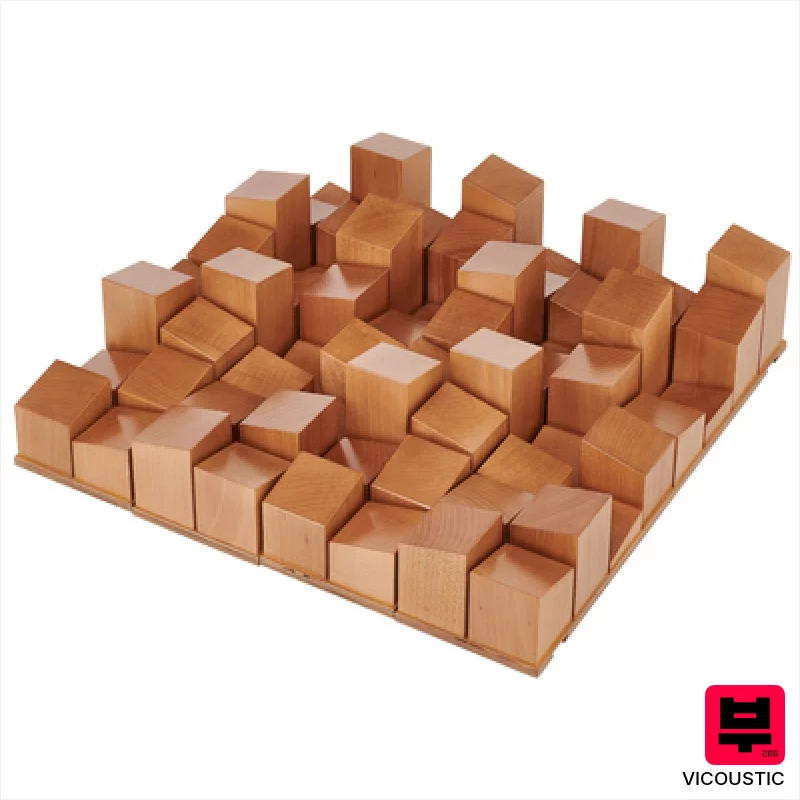
Vicoustic Multifuser Wood MKII 64 Wood
- • Solid wood construction lends a warm, natural aesthetic and robust feel
- • Adjustable panel sections allow for fine-tuning of diffusion pattern
- • QRD sequence provides effective broadband diffusion across a useful range
- • VicFix mounting system simplifies installation and offers secure hold
- • Natural wood finish may require occasional maintenance to preserve appearance
- • Relatively heavy; requires two people for safe handling and installation
- • Frequency response leans towards higher frequencies; may need pairing with bass traps
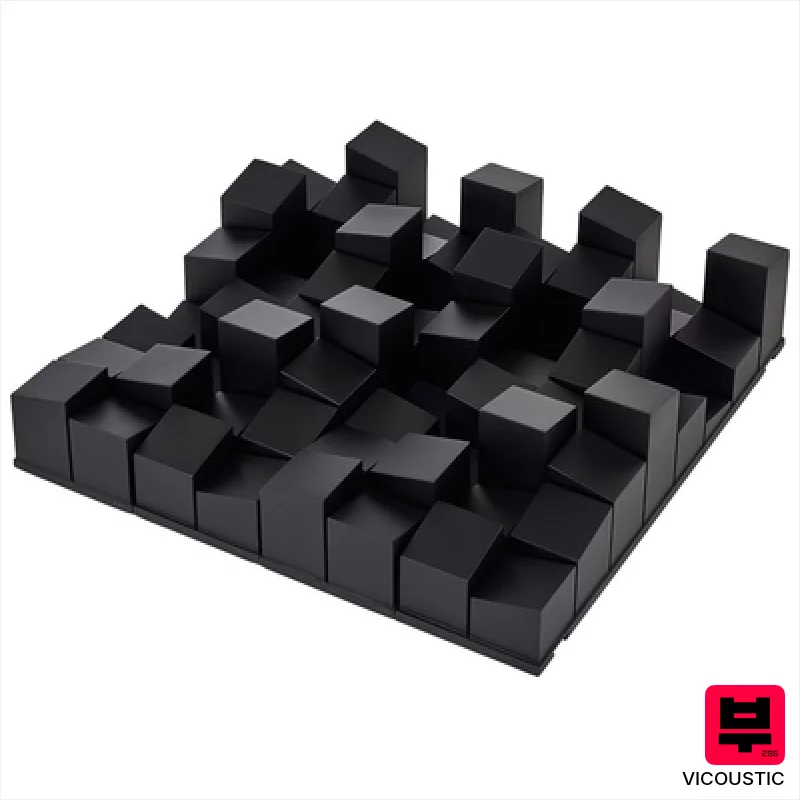
Vicoustic Multifuser Wood MKII 64 Black
- • Solid wood construction provides a warm, natural diffusion profile
- • Rotating panels offer excellent flexibility in tailoring the diffusion pattern
- • Euroclass E fire rating adds a layer of safety and peace of mind
- • VicFix mounting system simplifies installation and ensures secure placement
- • The black matte finish can show dust and fingerprints readily
- • Weight (approx. 18kg) makes it a two-person job to hang
- • Lower frequency performance is limited; needs bass trapping support

Vicoustic Multifuser Wood MKII 64 White
- • Solid wood construction offers a warmer, more natural diffusion than foam.
- • Rotating panel sections allow for tailored diffusion patterns.
- • Pearl White Matte finish blends subtly into most studio aesthetics.
- • VicFix mounting system provides secure, professional installation.
- • Weight (18kg) makes installation a two-person job.
- • Frequency range, while broad, might not cover very low frequencies effectively.
- • Relatively high-end price point compared to basic foam alternatives.
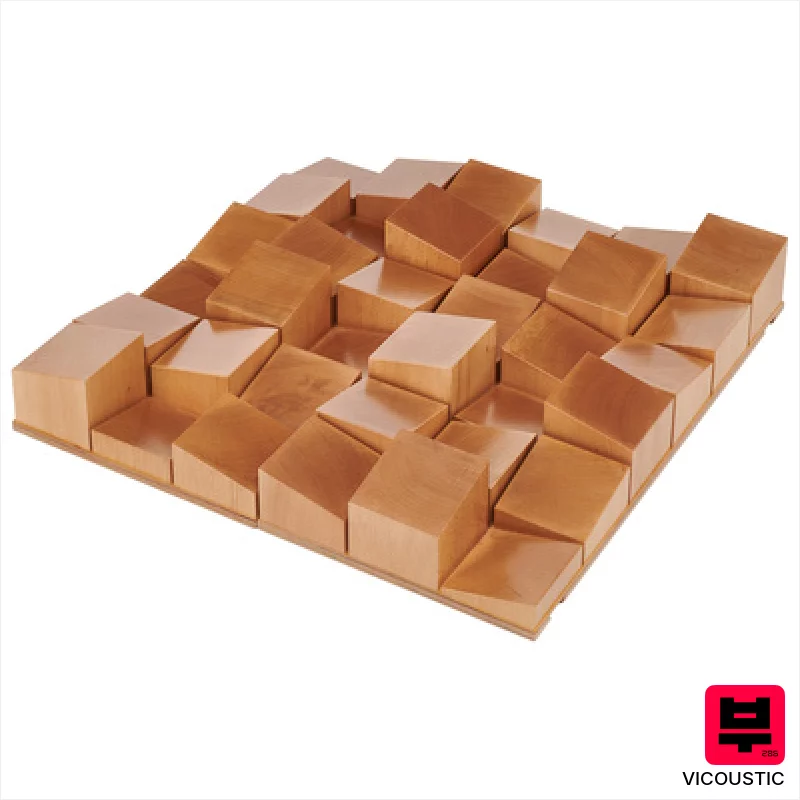
Vicoustic Multifuser Wood MKII 36 Wood
- • Solid wood construction offers a warmer, more natural sound diffusion.
- • Rotating panel sections allow for fine-tuning of reflection patterns.
- • QRD sequence provides effective broadband diffusion across a useful range.
- • VicFix mounting system ensures secure and relatively easy installation.
- • The natural wood finish might not suit all studio aesthetics.
- • 13 kg weight makes it a two-person job for mounting.
- • Effective frequency range leans towards higher frequencies; bass diffusion is limited.
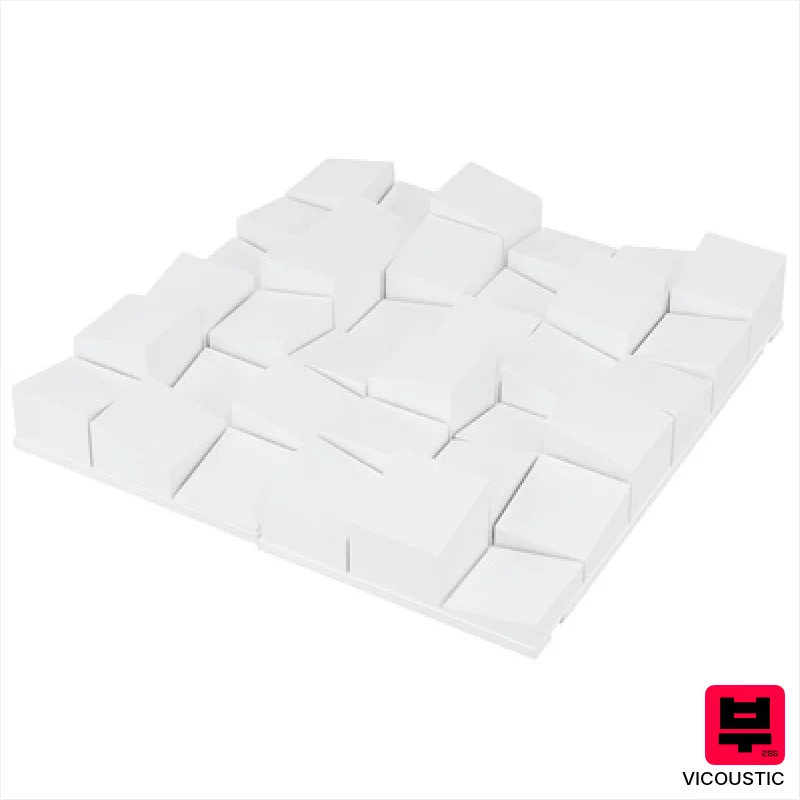
Vicoustic Multifuser Wood MKII 36 White
- • Solid wood construction offers a warmer, more natural diffusion.
- • Rotatable panels allow for surprisingly versatile acoustic shaping.
- • The matte white finish blends well in most studio environments.
- • VicFix mounting system provides a secure and clean installation.
- • Price point places it above some basic foam alternatives.
- • Effective frequency range leans towards higher frequencies; low-end diffusion is limited.
- • Relatively heavy, requiring careful wall mounting considerations.

Vicoustic Multifuser Wood MKII 36 Black
- • Solid wood construction provides a warm, natural diffusion character.
- • Rotatable panels offer flexibility in tailoring sound dispersion patterns.
- • Euroclass E fire rating provides a crucial safety feature for studios.
- • VicFix mounting system simplifies installation and ensures secure placement.
- • Relatively heavy, requiring careful handling and potentially stronger wall mounting.
- • Effective frequency range leans towards higher frequencies; low-end diffusion is limited.
- • The black matte finish, while aesthetically pleasing, can show dust easily.
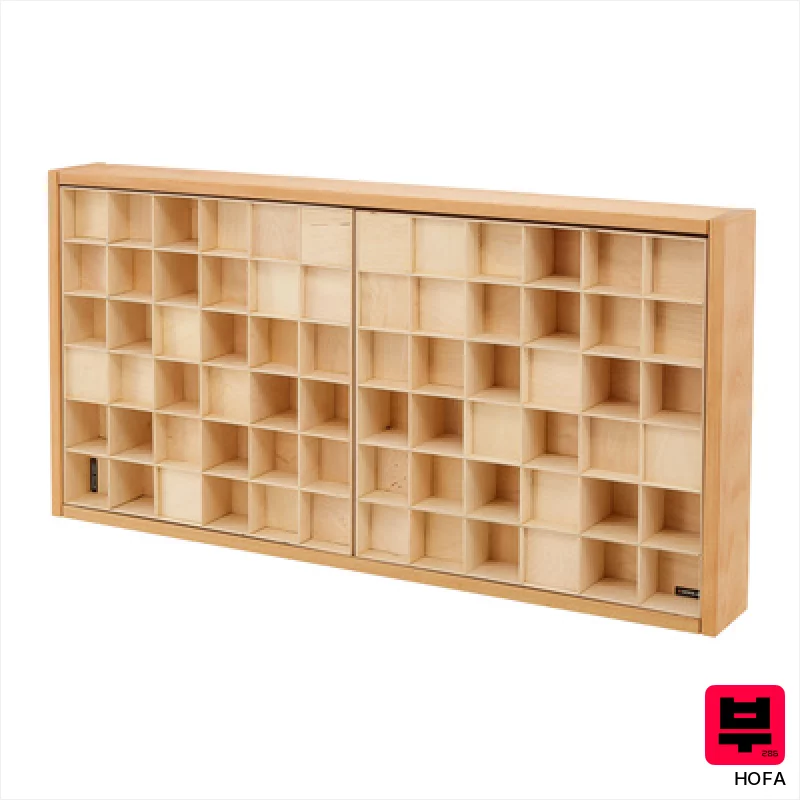
HOFA Diffusor Set nature
- • Beech timber frame offers a warm, natural aesthetic and robust construction.
- • Birch plywood diffusers provide effective scattering of mid-high frequencies.
- • Exchange frame allows for easy module swapping and room acoustic customization.
- • Included wall-mounting hardware simplifies initial installation.
- • Weight (4kg each) makes ceiling mounting significantly more challenging without assistance.
- • Birch plywood finish, while attractive, may require sealing for long-term durability.
- • Limited low-frequency diffusion; best paired with bass traps for comprehensive treatment.
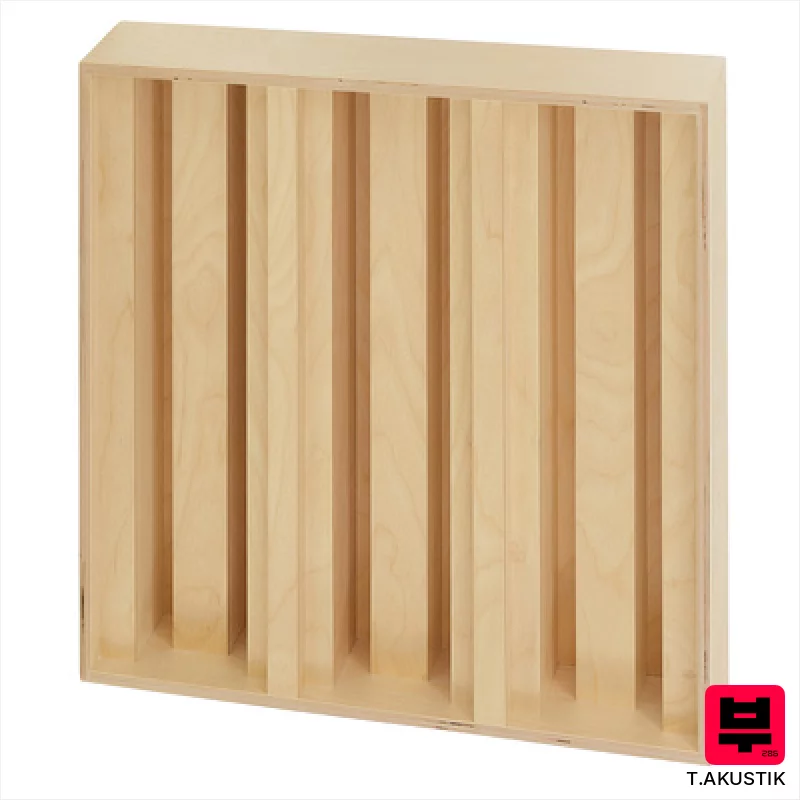
t.akustik Spektrum D30 Diffusor
- • Birch plywood construction offers a naturally warm sonic signature
- • Quadratic residue design effectively scatters mid-range frequencies
- • Solid weight indicates robust build quality and longevity
- • Included mounting clips simplify installation, a thoughtful addition
- • Frequency range leans towards mid-highs, limiting low-frequency diffusion
- • Relatively heavy for a single person to handle during installation
- • Birch plywood finish might be aesthetically limiting for some studios
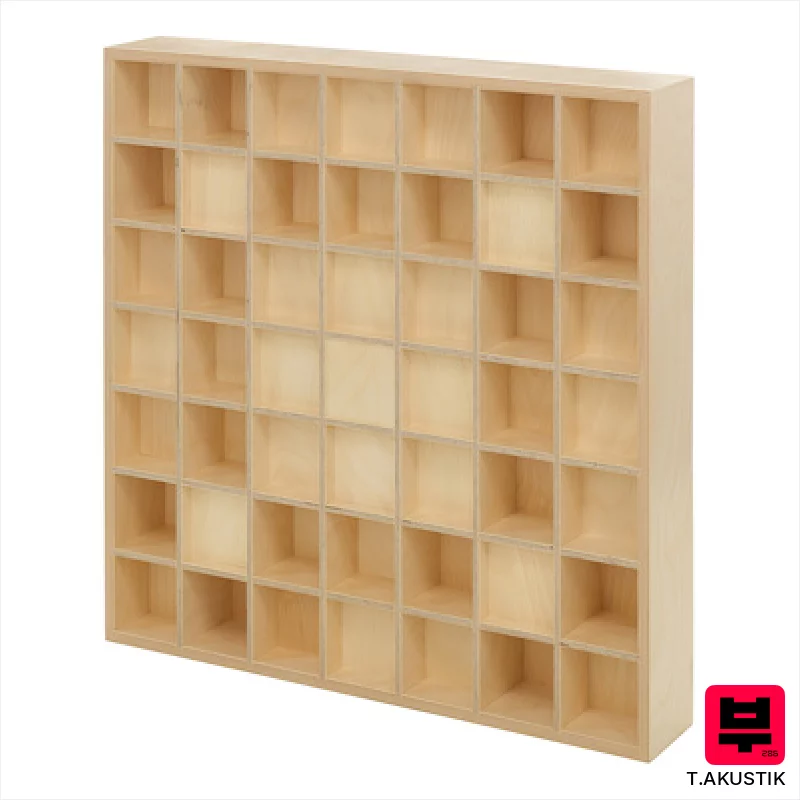
t.akustik Spektrum D20 Diffusor
- • Effective broadband scattering across a useful mid-frequency range
- • Hemispheric scattering provides even coverage, minimizing dead spots
- • Compact depth allows for use in smaller, more constrained spaces
- • QRD design based on prime number 7 offers predictable and controlled diffusion
- • Limited low-frequency performance; won't address serious bass issues
- • Primarily effective in the mid-range; requires complementary bass traps
- • Appearance is purely functional; may not suit all aesthetic preferences
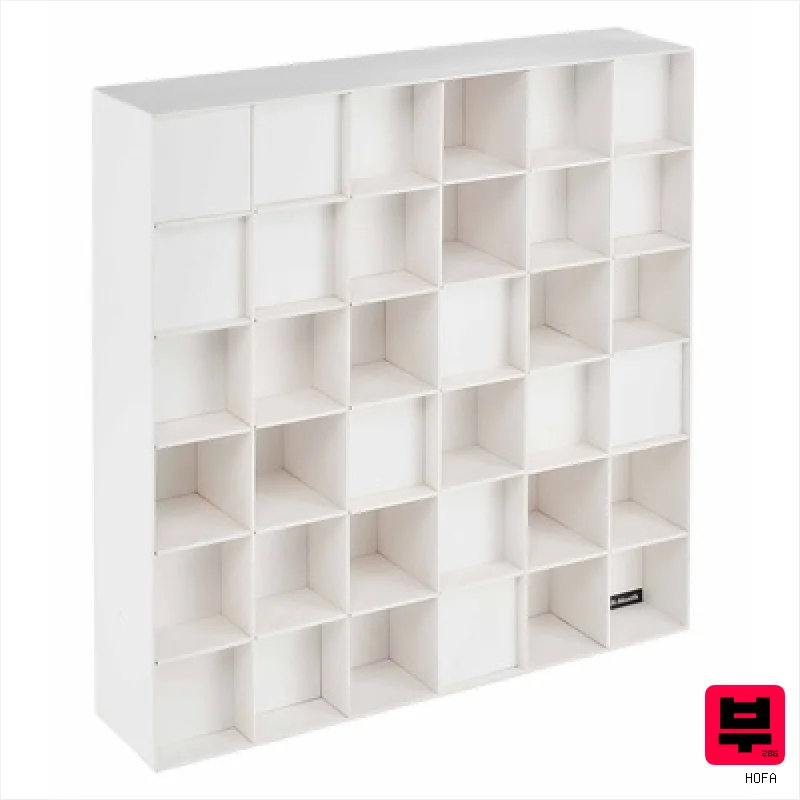
HOFA Diffusor white
- • Uses birch plywood with a lacquer finish for durability.
- • Designed to optimize midrange and upper midrange reflections.
- • Offers 36 internal compartments for precise sound control.
- • Works well in studios, home cinemas, or listening rooms.
- • White color may show dust or fingerprints easily.
- • Only covers midrange and upper midrange frequencies.
- • No bass absorption mentioned in the product specs.
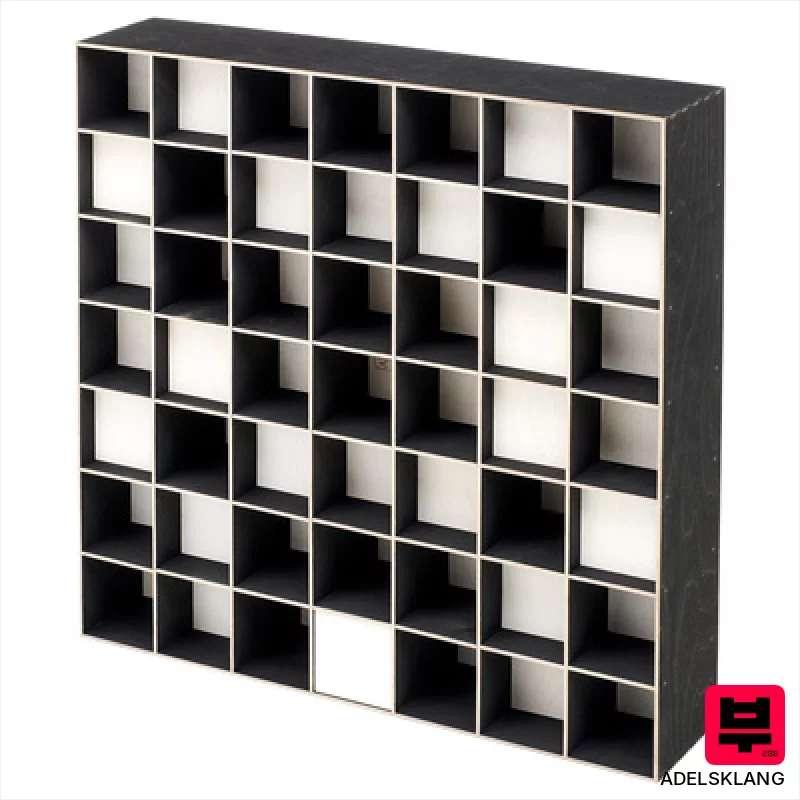
Adelsklang QR-49 PRO Black & White
- • Handmade German craftsmanship ensures exceptional build quality and finish
- • Birch wood construction provides a warm, natural diffusion profile
- • QRD design effectively scatters sound, reducing flutter echoes
- • Compact size (50x50x11cm) makes it suitable for smaller rooms
- • Limited coverage area; multiple units needed for larger spaces
- • Comb joint frame, while sturdy, isn't as visually seamless as a flush design
- • Black/white color scheme might not integrate with all room aesthetics

Adelsklang QR-49 PRO Black
- • Handmade German craftsmanship ensures robust construction and tight tolerances
- • Birch wood provides a warm, natural diffusion profile, avoiding harsh reflections
- • Comb joint frame adds structural integrity and a touch of visual refinement
- • Compact size (50x50x11cm) makes it suitable for smaller rooms or targeted treatment
- • Limited surface area restricts effectiveness in larger spaces requiring broader diffusion
- • Black stain, while aesthetically pleasing, might show dust more readily
- • QR diffusers, in general, can sometimes color the sound if improperly placed

HOFA Diffusor brown
- • Birch plywood construction provides a warm, natural diffusion profile
- • QRD design effectively scatters mid-high frequencies, reducing flutter echoes
- • Relatively compact size (500x500mm) suits smaller rooms or targeted treatment
- • HOFA Frame compatibility offers flexible placement and acoustic adjustments
- • Limited low-frequency absorption; requires bass traps for a balanced treatment
- • Untreated birch plywood may require sealing for dust and humidity control
- • Smaller size might necessitate multiple units for optimal room coverage

HOFA Diffusor black
- • Birch plywood construction provides a natural, warm diffusion.
- • QRD design effectively scatters mid/hi-mid frequencies.
- • Relatively compact size suits smaller recording spaces.
- • HOFA Frame compatibility allows for flexible placement and adjustments.
- • Black finish might absorb more light than lighter options.
- • Limited low-frequency diffusion effectiveness.
- • At 110mm, it's not a deep diffuser, less effective in larger rooms.
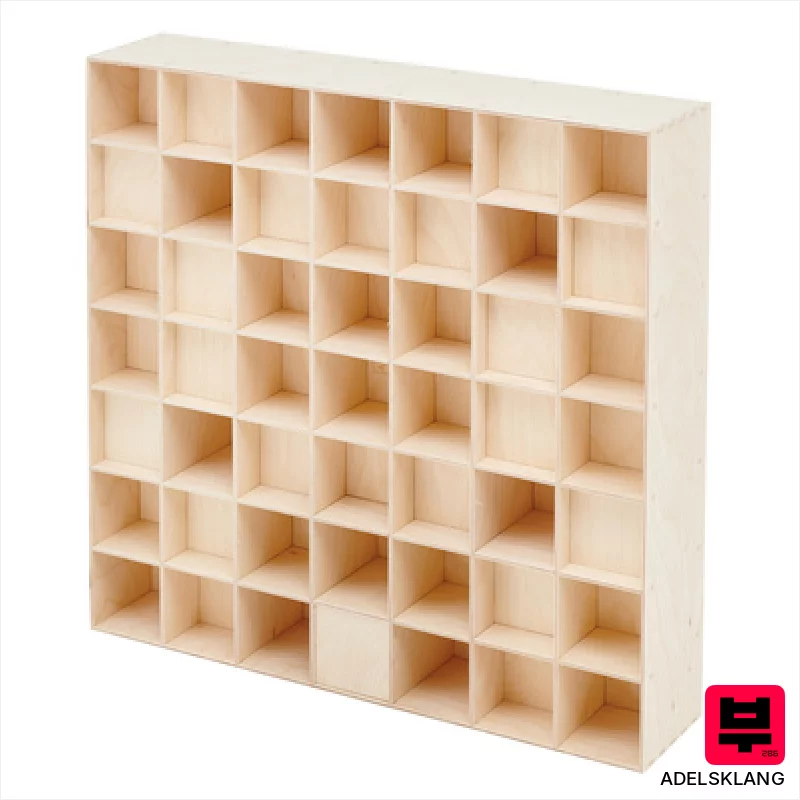
Adelsklang QR-49 PRO Natural
- • Handmade in Germany ensures exceptional craftsmanship and quality control
- • Birch wood construction delivers a warm, natural aesthetic and acoustic properties
- • Comb Joint frame provides robust stability and simplifies installation
- • QRD design effectively scatters sound, minimizing flutter echoes and resonances
- • Smaller size limits low-frequency diffusion effectiveness in larger rooms
- • Natural birch finish may require occasional maintenance to preserve appearance
- • Limited aesthetic options beyond the natural birch finish
Every diffusors that matches
34 models match this page. The 15 above are covered in detail; the rest are listed here with their published specifications.
Diffusors by the numbers
Measured across all 34 models in this category, so «wide», «short» or «expensive» mean something you can check.
How to Choose the Best Diffusors
Diffusion Coefficient
This is the key - it tells you how effectively the diffuser scatters sound. Higher is better, but realistically, you're looking for something above 0.8 in this price range. Anything lower and you're basically just adding more surface area without much benefit.
Frequency Range
A good diffuser works across a wide frequency range, not just bouncing back high-mids. Ideally, you want something that's effective down into the low-mids, otherwise, you're still battling that low-end thump.
Construction & Materials
MDF is common and okay, but plywood can be more stable. Look for solid construction; flimsy diffusers will vibrate and color the sound instead of diffusing it. The finish matters too - a rougher surface scatters sound better than a perfectly smooth one.
Size & Density
Bigger isn't always better. Too large, and they become bass traps. Density affects the frequency range they're effective at. It's a balancing act, and often a compromise at this price point.
Aesthetic
Let's be honest, some of these look like abstract art projects. It's a minor consideration, but if you're trying to make a decent-looking home studio, it matters a little.
Buying Guide
At this budget, expect compromises. You're not getting the same performance as a professionally-engineered, high-end diffuser. Many will be made with thinner materials, which can lead to some coloration, especially at lower frequencies. Prioritize the diffusion coefficient above all else; a slightly less attractive diffuser that actually diffuses sound is better than a pretty one that doesn't. Consider DIY options if you're handy - building your own quadratic residue diffusers can be surprisingly effective and save you some cash.
How This List Is Built
We don't play these instruments — we're a catalog, not a review desk, and we'd rather say so than pretend otherwise. This page covers 34 diffusors from the Thomann catalogue, which is the largest single source of specification data in this category: 15 in detail, the rest listed with their specifications.
Position is computed, not curated. We parse the manufacturer's own description into actual values — nut width, scale, fret count, fingerboard radius, size, alloy — and rank on them: how many specifications a model has published, how many of them are measurable numbers, and how precisely it meets this page's criterion. A product image adds a little. Price is not a ranking signal: it tells you nothing about whether a neck fits your hand. The same inputs always produce the same order, so nothing here is shuffled to look fresh.
What this list is good for: narrowing a category down to a shortlist by spec and budget. What it isn't: a substitute for hearing an instrument. Before you buy, read hands-on reviews and, where you can, play it. Full methodology.

