Best HOFA Diffusors 2026

Premium HOFA diffusors - legendary tone and craftsmanship

Last updated: September 7, 2026

The best diffusors in 2026 are HOFA Diffusor white (top pick), HOFA Diffusor Set nature for tighter budgets, and HOFA Diffusor black for pros — selected from 5 options, priced $103–$318, ranked by brand, price and popularity.
HOFA Diffusor white - Professional Music Instrument Photo
#1

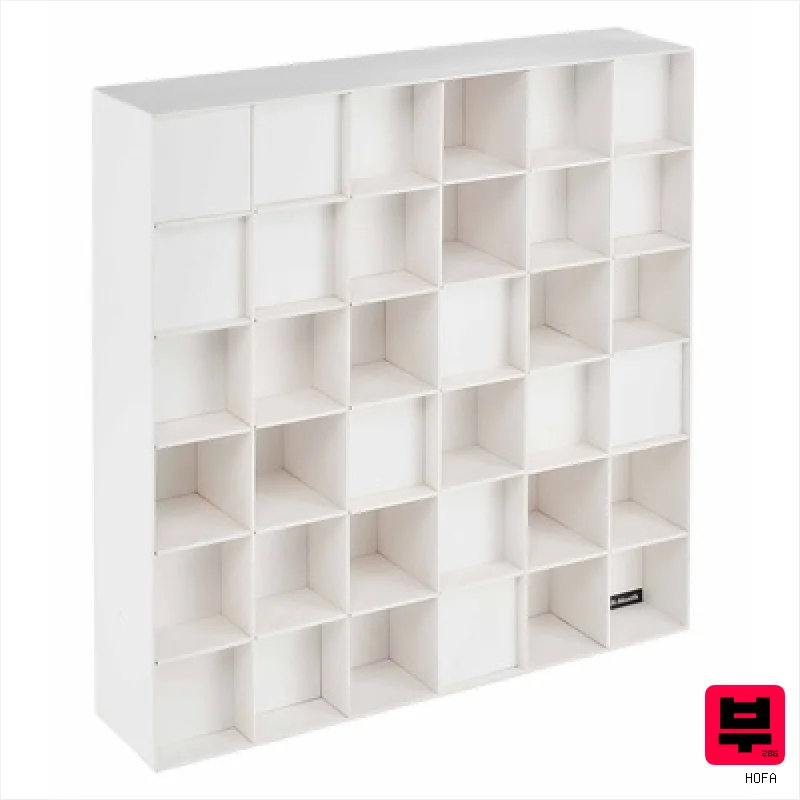
HOFA Diffusor white

Weight 2 kg
Mix Position Recording Studio Live Room
Key Feature:
This is a solid tool for fixing bad reflections in your room. The birch plywood makes it sturdy, and the many small compartments help tame the tricky midrange sounds. It fits nicely in studios or home theaters but only handles higher frequencies, so check your room's bass needs first.
PROS
  • • Uses birch plywood with a lacquer finish for durability.
  • • Designed to optimize midrange and upper midrange reflections.
  • • Offers 36 internal compartments for precise sound control.
  • • Works well in studios, home cinemas, or listening rooms.
CONS
  • • White color may show dust or fingerprints easily.
  • • Only covers midrange and upper midrange frequencies.
  • • No bass absorption mentioned in the product specs.
4.4/5 AudioFu Score
Specs:
2/10
Detail:
8/10
Value:
8/10
Art. 641956
$157
HOFA Diffusor Set nature - Professional Music Instrument Photo
#2

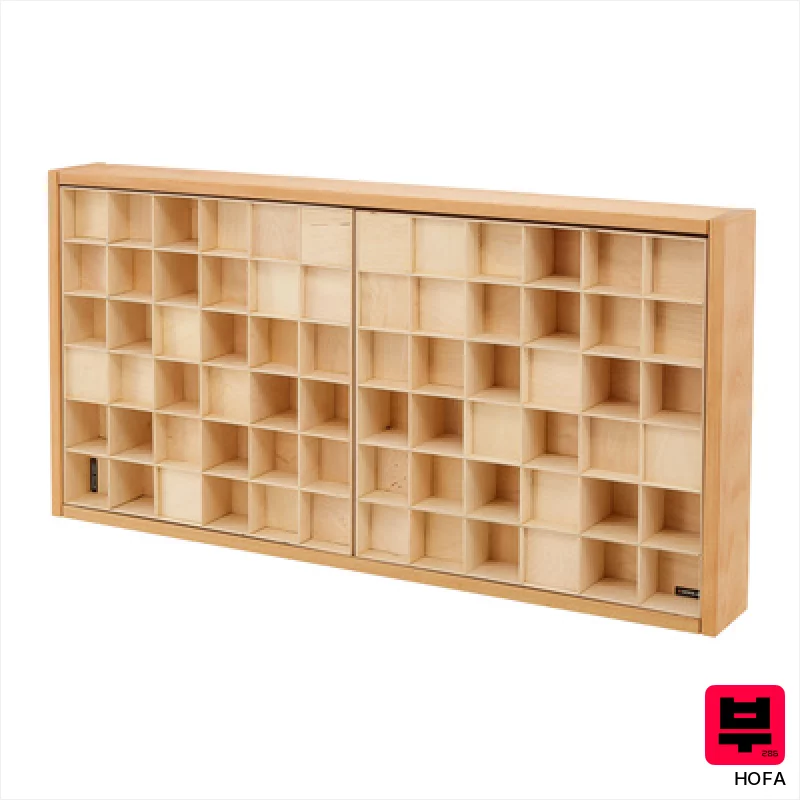
HOFA Diffusor Set nature

Weight 4 kg
Rear Wall Treatment Mix Position Recording Studio
Key Feature:
This HOFA set is a great entry point into serious acoustic treatment. The beech frame gives it a really nice, natural feel, and the birch diffusers do a solid job of taming those harsh room reflections. Ideal for home studios, practice rooms, or anyone wanting to improve their recording environment without a sterile, clinical look.
PROS
  • • Beech timber frame offers a warm, natural aesthetic and robust construction.
  • • Birch plywood diffusers provide effective scattering of mid-high frequencies.
  • • Exchange frame allows for easy module swapping and room acoustic customization.
  • • Included wall-mounting hardware simplifies initial installation.
CONS
  • • Weight (4kg each) makes ceiling mounting significantly more challenging without assistance.
  • • Birch plywood finish, while attractive, may require sealing for long-term durability.
  • • Limited low-frequency diffusion; best paired with bass traps for comprehensive treatment.
4.4/5 AudioFu Score
Specs:
2/10
Detail:
10/10
Value:
6/10
Art. 547556
$318
HOFA Diffusor black - Professional Music Instrument Photo
#3

HOFA Diffusor black

Weight 2 kg
Large Studios Recording Studio Live Room
Key Feature:
This HOFA Diffusor is a solid, budget-friendly option for taming room reflections, especially in home studios or smaller control rooms. The birch construction gives it a pleasant sonic character, and the QRD design handles those pesky mid-range reflections nicely. It's a great starting point for anyone looking to improve their acoustic environment without breaking the bank.
PROS
  • • Birch plywood construction provides a natural, warm diffusion.
  • • QRD design effectively scatters mid/hi-mid frequencies.
  • • Relatively compact size suits smaller recording spaces.
  • • HOFA Frame compatibility allows for flexible placement and adjustments.
CONS
  • • Black finish might absorb more light than lighter options.
  • • Limited low-frequency diffusion effectiveness.
  • • At 110mm, it's not a deep diffuser, less effective in larger rooms.
4.5/5 AudioFu Score
Specs:
2/10
Detail:
9/10
Value:
8/10
Art. 374648
$138
HOFA Diffusor brown - Professional Music Instrument Photo
#4

HOFA Diffusor brown

Weight 2 kg
Recording Studio Rear Wall Treatment Live Room
Key Feature:
This HOFA Diffuser is a solid choice for home studios or listening rooms needing some mid-range reflection control. The birch construction gives it a pleasing aesthetic and a natural sound, and the QRD design is proven to work well. It's a good starting point for treating flutter echoes and improving clarity, especially for musicians and audio enthusiasts on a budget.
PROS
  • • Birch plywood construction provides a warm, natural diffusion profile
  • • QRD design effectively scatters mid-high frequencies, reducing flutter echoes
  • • Relatively compact size (500x500mm) suits smaller rooms or targeted treatment
  • • HOFA Frame compatibility offers flexible placement and acoustic adjustments
CONS
  • • Limited low-frequency absorption; requires bass traps for a balanced treatment
  • • Untreated birch plywood may require sealing for dust and humidity control
  • • Smaller size might necessitate multiple units for optimal room coverage
4.4/5 AudioFu Score
Specs:
2/10
Detail:
8/10
Value:
8/10
Art. 374646
$134
HOFA Diffusor Natural - Professional Music Instrument Photo
#5

HOFA Diffusor Natural

Weight 2 kg
Live Room Mix Position Large Studios
Key Feature:
The HOFA Diffusor Natural is a solid, affordable entry point into room treatment, especially for home studios or listening rooms where you’re primarily dealing with reflections in the mid-range. The birch plywood looks nice and the QRD design does a decent job of softening harshness without overly coloring the sound – a good choice for those wanting a natural look and a subtle acoustic improvement.
PROS
  • • Birch plywood construction provides a warm, natural aesthetic
  • • QRD design effectively scatters mid/hi-mid frequencies
  • • Relatively compact size suits smaller spaces
  • • Frameless suspension option allows for flexible placement
CONS
  • • Limited low-frequency diffusion capabilities
  • • Natural wood finish may require sealing for durability
  • • Smaller size limits overall room acoustic impact
4.4/5 AudioFu Score
Specs:
2/10
Detail:
8/10
Value:
8/10
Art. 267847
$103

Diffusors by the numbers

Measured across all 35 models in this category, so «wide», «short» or «expensive» mean something you can check.

Price
median $157
from $57 to $389
Weight
median 7.7 kg
from 2 kg to 18 kg · 17 models

How This List Is Built

We don't play these instruments — we're a catalog, not a review desk, and we'd rather say so than pretend otherwise. This page covers 5 of 35 diffusors from the Thomann catalogue, which is the largest single source of specification data in this category: 5 in detail, the rest listed with their specifications.

Position is computed, not curated. We parse the manufacturer's own description into actual values — nut width, scale, fret count, fingerboard radius, size, alloy — and rank on them: how many specifications a model has published, how many of them are measurable numbers, and how precisely it meets this page's criterion. A product image adds a little. Price is not a ranking signal: it tells you nothing about whether a neck fits your hand. The same inputs always produce the same order, so nothing here is shuffled to look fresh.

What this list is good for: narrowing a category down to a shortlist by spec and budget. What it isn't: a substitute for hearing an instrument. Before you buy, read hands-on reviews and, where you can, play it. Full methodology.

How to Choose the Best Diffusors

Budget Planning

  • • Under $200: Entry-level
  • • $200-$500: Intermediate
  • • $500-$1000: Advanced
  • • $1000+: Professional

Quality Check

  • • Sound clarity & tone
  • • Build materials & finish
  • • Hardware durability
  • • Overall craftsmanship

Key Features

  • • Your musical style
  • • Skill level match
  • • Intended use case
  • • Brand reputation

Frequently Asked Questions

Key factors include build quality, sound characteristics, playability, brand reputation, warranty coverage, and value for money. Consider your musical style, skill level, and intended use to find the best match.
Budget depends on your needs and experience level. Beginners can find quality options for $200-500, intermediate players should consider $500-1500 range, while professionals often invest $1500+ for premium features.
Higher-priced diffusors typically offer better materials, craftsmanship, and performance. They're worth it if you're serious about music, perform regularly, or need professional-grade features.
Top brands combine quality, innovation, and reliability. We evaluate brands based on build quality, sound performance, durability, and customer satisfaction to recommend the best options for different budgets.
Both have advantages. Online offers better prices and selection, while stores allow hands-on testing. We recommend researching online first, then testing in stores if possible. Many online retailers offer excellent return policies.

We use cookies to improve your experience. Learn more