
Best Diffusors Under $100 2026
Look, we all know untreated rooms sound like a mud pit. You're chasing that crisp, articulate recording or trying to dial in a decent tone in your bedroom, and reflections are just killing you. Diffusors are the key, but let's be honest - real acoustic treatment can get expensive fast. This list is about finding those sweet spots, those surprisingly effective diffusors you can snag for under $100 that won't completely drain your pedalboard budget.
Last updated: September 28, 2026
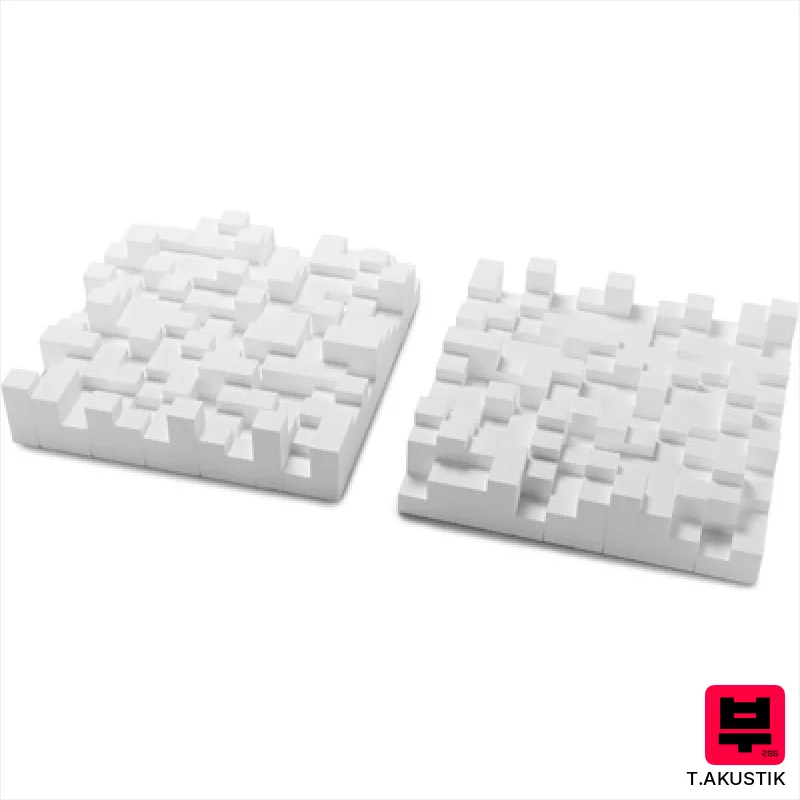
t.akustik Diffusor Manhattan eps set
- • Lightweight EPS construction simplifies installation and handling.
- • Water-based paint compatibility allows for aesthetic customization.
- • The 13-element design provides a decent level of diffusion.
- • Affordable entry point for basic room acoustic treatment.
- • EPS foam offers limited low-frequency absorption capabilities.
- • Diffusion effectiveness is primarily concentrated in the mid-range.
- • The cured EPS material is less durable than wood or fabric-covered diffusers.

t.akustik Diffusor Wave eps set
- • Lightweight EPS construction simplifies handling and installation.
- • Wave design provides effective broadband diffusion for smaller spaces.
- • Water-based paint compatibility allows for aesthetic customization.
- • Affordable entry point for basic room acoustic treatment.
- • EPS foam is susceptible to damage and compression over time.
- • Limited low-frequency absorption; complements bass traps.
- • Effective range is narrower; best for mid-range clarity.
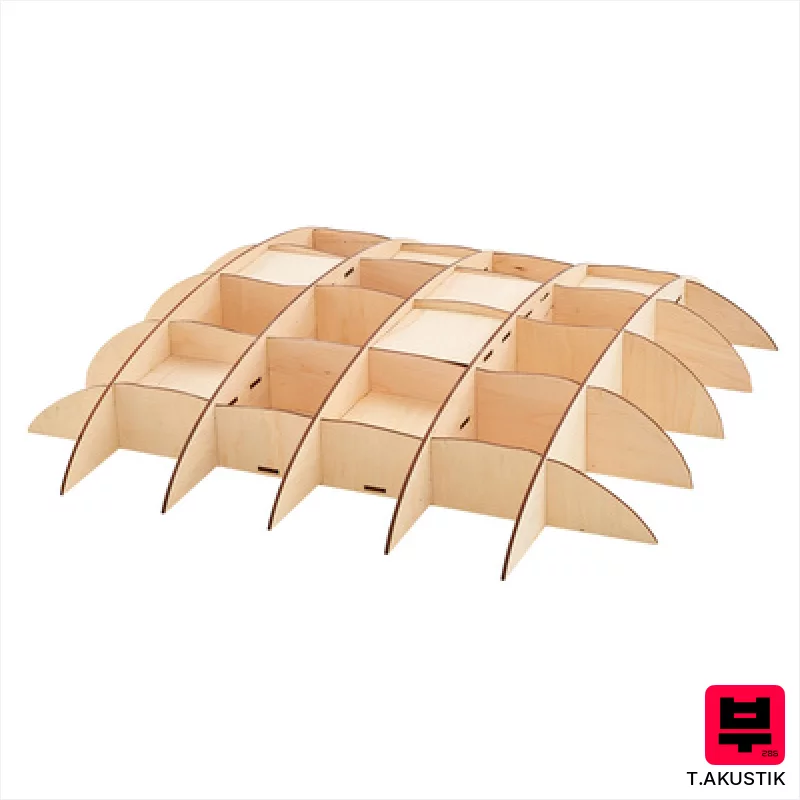
t.akustik Grid Diffusor
- • Solid pinewood construction offers natural, warm diffusion.
- • Relatively compact size makes it suitable for smaller spaces.
- • Simple grid design provides predictable, even scattering.
- • Affordable entry point into room acoustic treatment.
- • Untreated wood may require finishing for aesthetic or longevity.
- • Limited low-frequency absorption; best paired with bass traps.
- • Pinewood can be susceptible to humidity changes, potentially affecting performance.
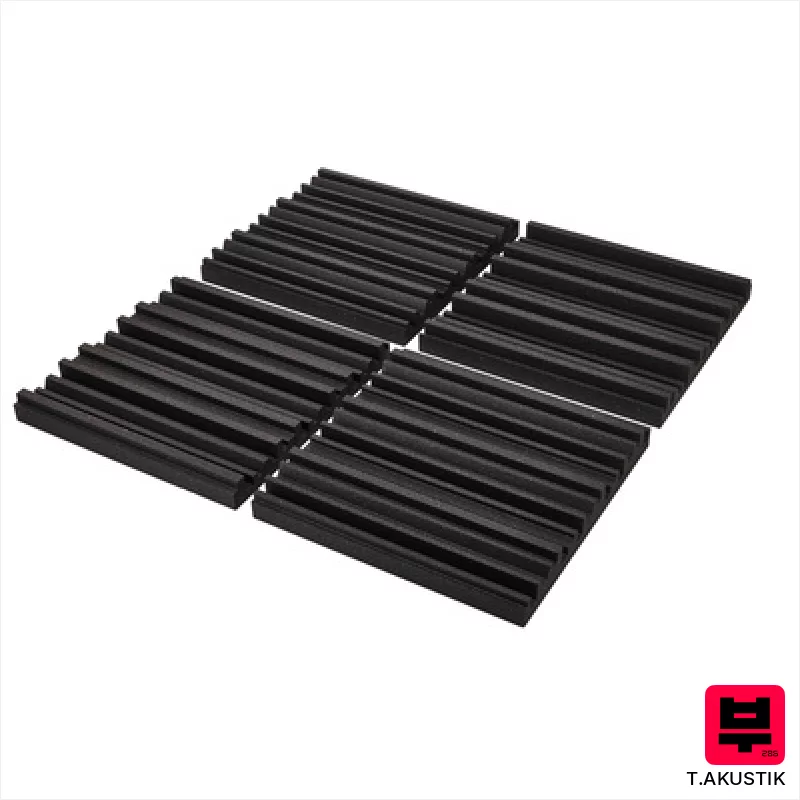
t.akustik WDS-7 GR Diffuser 4pcs Set
- • Lightweight EPS construction simplifies installation and handling
- • B1 fire rating provides a crucial safety feature for studio environments
- • Stepped diffuser profile offers decent scattering for small to medium rooms
- • Graphite color blends well with typical studio aesthetics
- • EPS material isn't as effective as denser wood or fabric diffusers
- • Contact adhesive required for mounting adds to the overall cost and effort
- • Limited diffusion range; best suited for mid-frequencies, struggles with low end
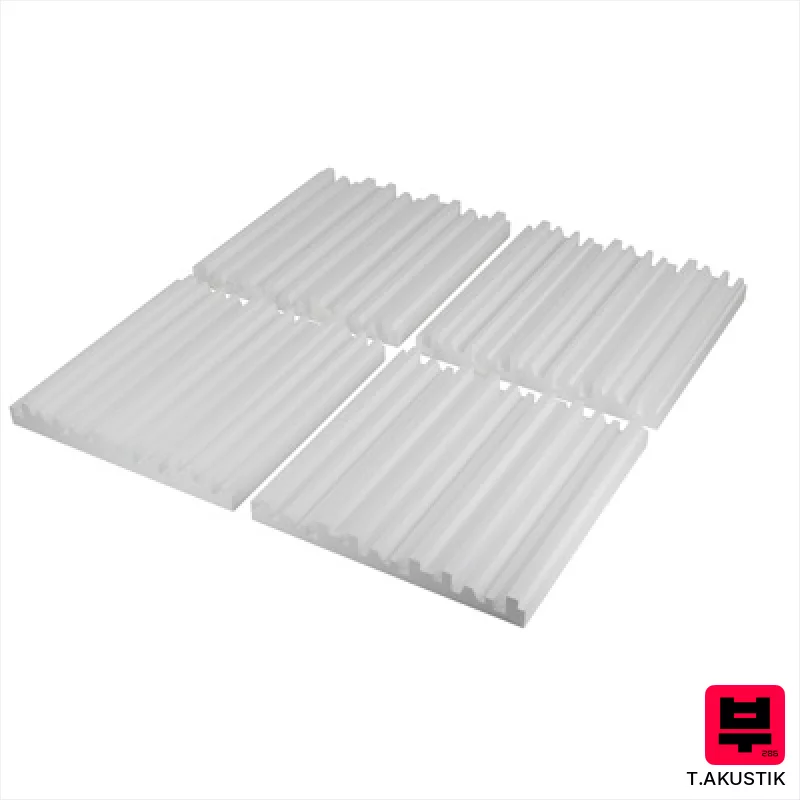
t.akustik WDS-7 Diffuser Set 4pcs
- • EPS construction keeps them surprisingly lightweight for easy placement
- • Stepped profile offers decent diffusion for the price point
- • B1 fire rating provides a measure of safety and peace of mind
- • Paintable surface allows for customization to match room aesthetics
- • EPS material can be fragile and prone to damage if mishandled
- • Diffusion performance is basic; won't rival more sophisticated designs
- • Requires contact adhesive for mounting, adding to the overall setup cost
Diffusors by the numbers
Measured across all 5 models in this category, so «wide», «short» or «expensive» mean something you can check.
How to Choose the Best Diffusors
Effective Range
Most under-$100 diffusors are going to be best at mid and high frequencies. Don't expect miracles with the low-end thump - those frequencies need bass traps. Think of them as smoothing out harsh reflections, not eliminating everything.
Construction Quality
At this price point, you're looking at primarily MDF or plywood. Check for solid construction and minimal gaps - those gaps can become unwanted sonic artifacts.
Diffusion Coefficient (Q-factor)
Lower Q-factors are generally better, meaning more even scattering of sound. Numbers under 8 are decent, but realistically, you're making compromises at this budget.
Size & Placement
Smaller diffusors are easier to manage, but larger ones offer more surface area for diffusion. Placement is crucial - corners are bad, first reflection points are key.
Aesthetics
Let's be real, these aren't going to win any design awards. But some look noticeably better than others, and that matters when they're staring you down during tracking or rehearsal.
Buying Guide
Don't expect professional-grade diffusion for under $100. These are entry-level solutions, and you'll likely be dealing with a more uneven diffusion profile. Focus on tackling the most problematic reflections first - usually those harsh, ice-picky high frequencies that smear your snare or make vocal recordings sound brittle. Think of these as a starting point; you might need more later, but they're a huge step up from doing nothing.
How This List Is Built
We don't play these instruments — we're a catalog, not a review desk, and we'd rather say so than pretend otherwise. This page covers 5 diffusors from the Thomann catalogue, which is the largest single source of specification data in this category: 5 in detail, the rest listed with their specifications.
Position is computed, not curated. We parse the manufacturer's own description into actual values — nut width, scale, fret count, fingerboard radius, size, alloy — and rank on them: how many specifications a model has published, how many of them are measurable numbers, and how precisely it meets this page's criterion. A product image adds a little. Price is not a ranking signal: it tells you nothing about whether a neck fits your hand. The same inputs always produce the same order, so nothing here is shuffled to look fresh.
What this list is good for: narrowing a category down to a shortlist by spec and budget. What it isn't: a substitute for hearing an instrument. Before you buy, read hands-on reviews and, where you can, play it. Full methodology.

