
Best Paiste Cymbal Stacks 2026
Alright, let's talk Paiste stacks. You're looking for something that cuts through a dense mix, adds some serious shimmer, or just brings a different vibe to your kit - stacks are the ticket. Paiste's been making cymbals for a long time, and their stacks have a unique sonic signature, often a bit darker and more complex than some of the brighter, more overtly splashy options out there. If you want a stack that's got character, not just noise, Paiste's a good place to start.
Last updated: September 29, 2026
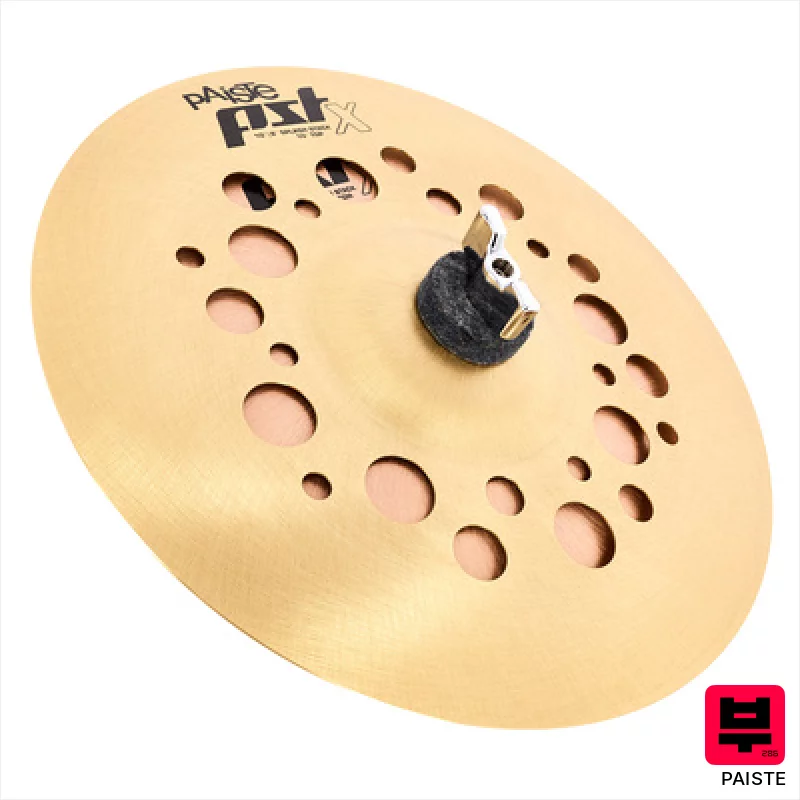
Paiste 10" PSTX Splash Stack 10/08
- • Bright, cutting splash sound with a unique trashy overtones
- • PSTX bronze offers a durable, budget-friendly option
- • Compact size works well in smaller kits or tight spaces
- • The inverted dome bottom enhances sustain and complexity
- • PSTX bronze lacks the complex overtones of higher-end Paiste alloys
- • The thinness can make it prone to cracking with aggressive playing
- • Splash stacks are inherently less versatile than individual cymbals
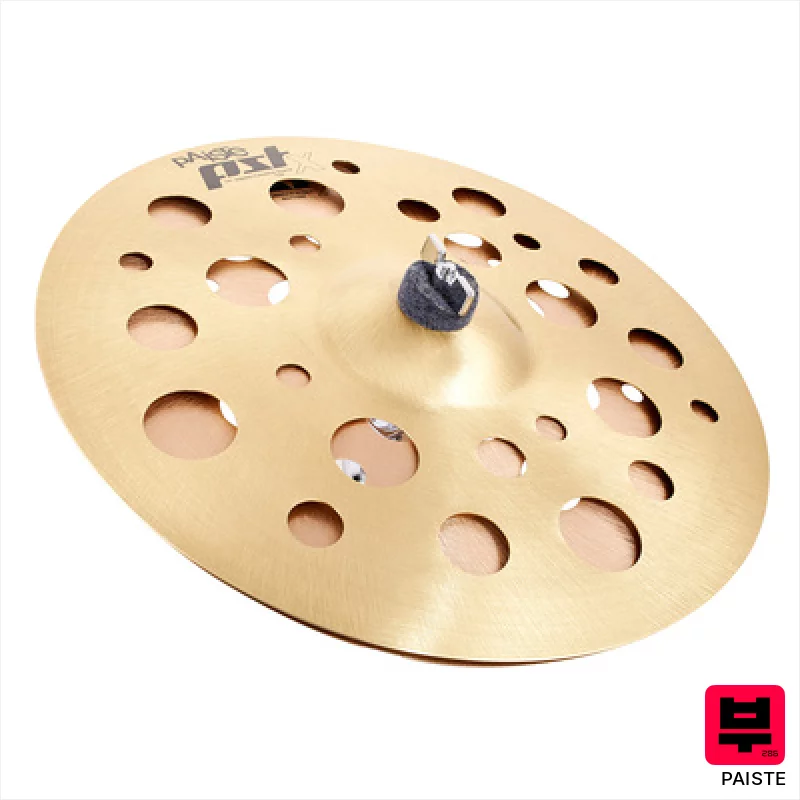
Paiste 14" PSTX Swiss Flanger Stack
- • Solid bronze/brass construction offers a unique, controlled wash.
- • The silk matte finish reduces stickiness and visual glare.
- • Versatile sound – easily adjusted from open to closed with tension.
- • PSTX series provides a durable, professional-grade build for gigging.
- • The dry sound may lack the shimmer desired for some genres.
- • Limited tonal range compared to higher-end cymbal stacks.
- • PSTX series isn't Paiste’s flagship, affecting perceived prestige.
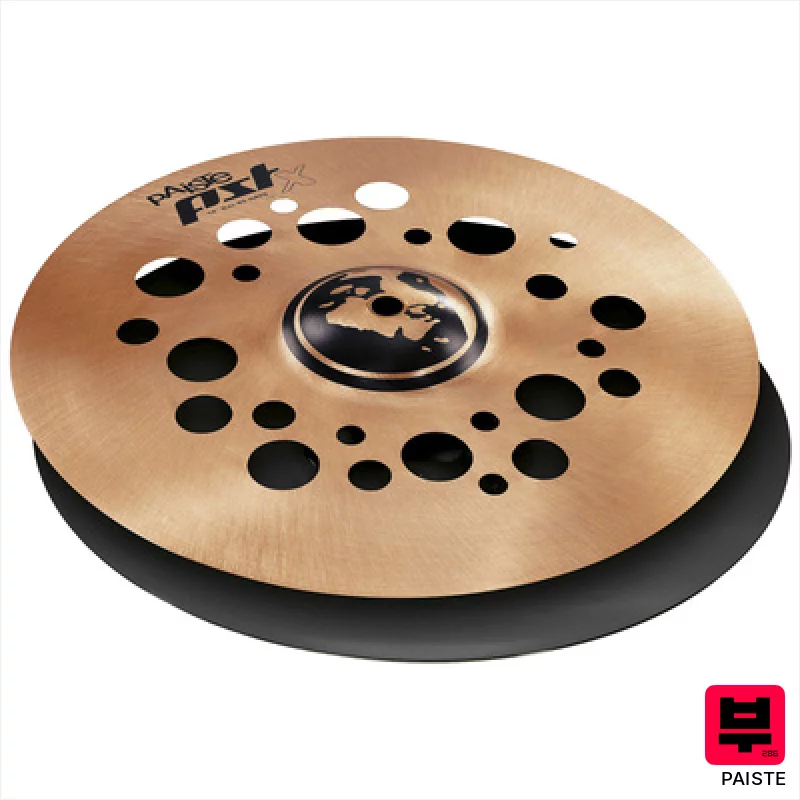
Paiste 18" PSTX Swiss Flanger Stack
- • Dry, assertive sound cuts through dense mixes effectively.
- • The bronze/brass combination provides a unique, controlled sustain.
- • Paiste’s PSTX series offers excellent durability for gigging.
- • Rotating design allows for dynamic sound shaping on the fly.
- • The 'dry' nature limits versatility for softer, washier playing styles.
- • PSTX series isn’t Paiste’s flagship, so premium tonal complexity is absent.
- • Stacking cymbals inherently introduce a louder, more aggressive sound.
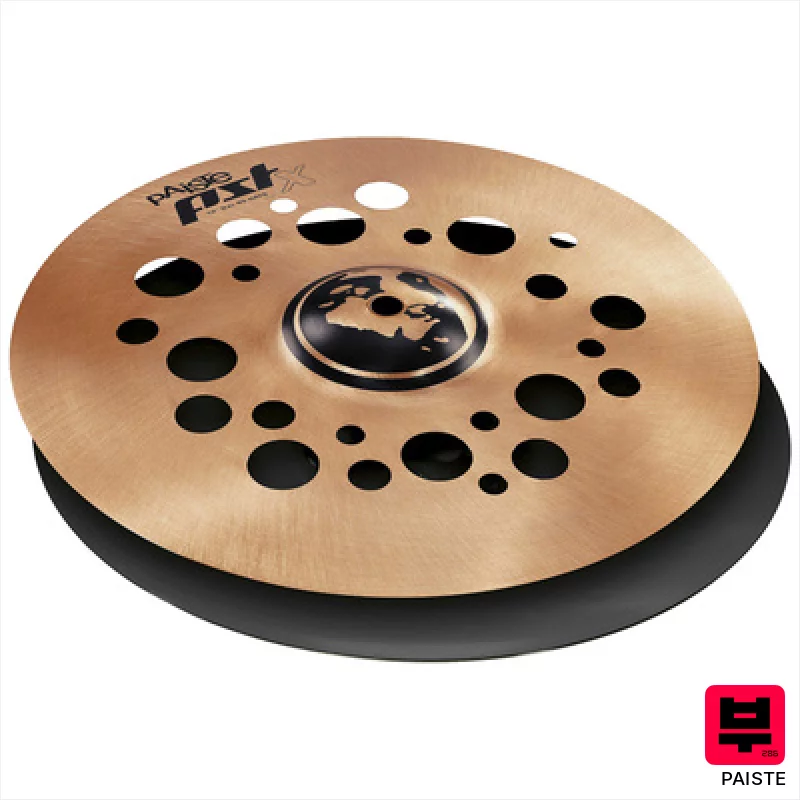
Paiste 16" PSTX Swiss Flanger Stack
- • Dry, assertive sound cuts through dense mixes effectively.
- • Paiste’s PSTX series offers excellent durability for gigging.
- • The bronze/brass combination provides a unique sonic signature.
- • Rotating design allows for dynamic, adjustable sound character.
- • PSTX series isn’t Paiste’s highest-end offering; some tonal complexity is missing.
- • The flanger stack’s sound is somewhat specialized; lacks broad versatility.
- • The silk-matte finish can be prone to minor scratching with heavy use.
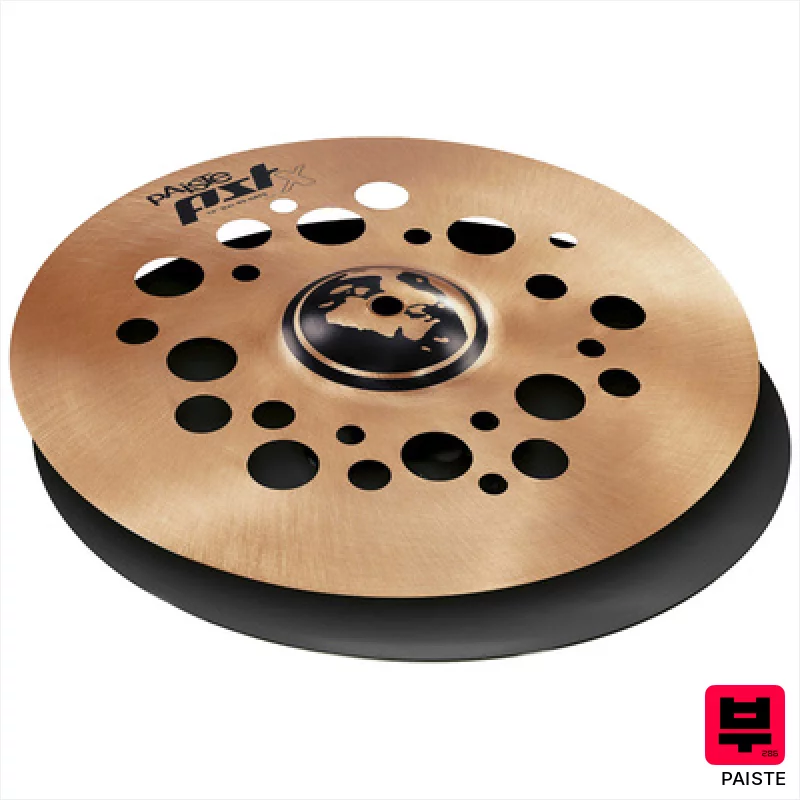
Paiste 12" PSTX Swiss Flanger Stack
- • The bronze/brass combination delivers a dry, assertive, cutting edge.
- • Swiss-made construction ensures excellent durability and consistent quality.
- • Flanger design provides a unique, dynamic sound with subtle tonal shifts.
- • Silk-matte finish minimizes glare and handling friction for comfortable playing.
- • PSTX series is entry-level; won't match the complexity of Signature or RRP.
- • The 'open/closed' sound variation is subtle; requires precise stand adjustment.
- • Smaller size limits low-end projection, best suited for focused accents.
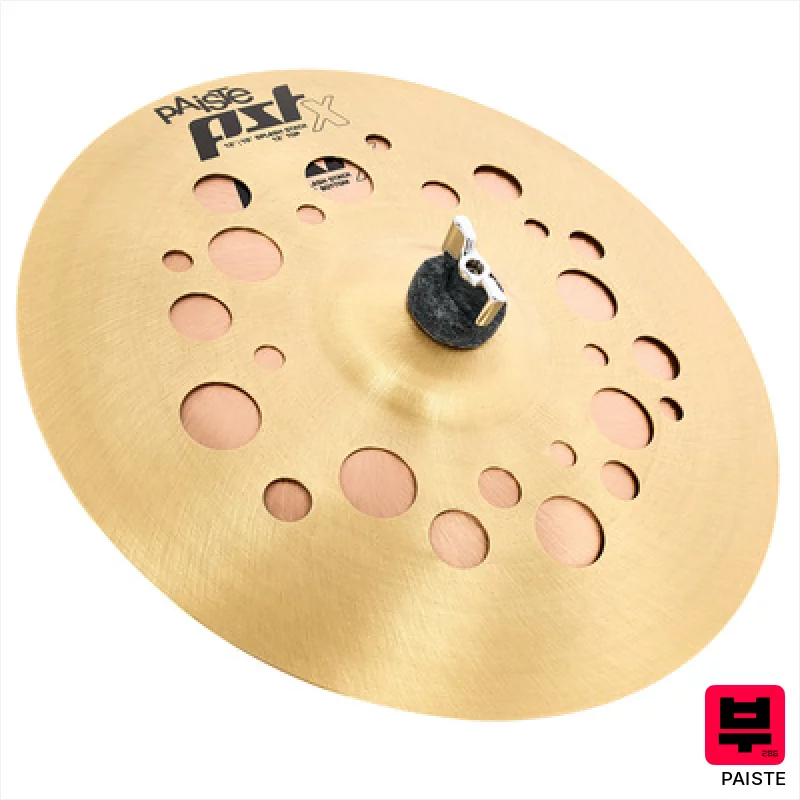
Paiste 12" PSTX Splash Stack 12/10
- • Bright, articulate splash sound with a quick decay.
- • The unique top cymbal holes create interesting overtones.
- • PSTX bronze alloy offers a robust, durable construction.
- • The smaller bottom cymbal adds a distinct trashy shimmer.
- • The sound might be too bright for very mellow or vintage-focused styles.
- • PSTX bronze isn't as complex or nuanced as Paiste’s Signature or R series.
- • Limited tonal versatility compared to larger or more complex cymbal stacks.
Cymbal Stacks by the numbers
Measured across all 49 models in this category, so «wide», «short» or «expensive» mean something you can check.
How to Choose the Best Cymbal Stacks
Sound Signature
Paiste stacks tend to have a darker, more complex tone than some other brands. This isn't a bad thing - it's about character. You're getting a fundamental wash with a lot of overtones, giving them a unique shimmer without being overly bright or brittle. It's a vibe that sits well in a wider range of genres.
Build Quality & Alloy
Paiste uses their bronze alloys - Signature, Giant, and others - to create stacks with varying tonal properties. The bronze content and hammering process directly affect the cymbal's response and resonance. You're paying for a level of consistency and durability that cheaper stacks just can't match.
Response & Articulation
Paiste stacks generally respond well to a wide dynamic range, from ghost notes to full-on crashes. They're not always the loudest, but they're incredibly articulate, meaning you can really dial in the nuance of your playing. This is especially important for quieter, more nuanced styles like jazz or fusion.
Sustain & Decay
The sustain on Paiste stacks can be surprisingly long, especially on the larger sizes. However, they're not known for endless, ringing sustain. The decay is more controlled, which is great for avoiding muddy mixes, but something to consider if you're going for a more explosive, drawn-out crash sound.
Stacking Options & Versatility
Paiste offers a range of stack combinations - multiple cymbals of different sizes and alloys. This versatility lets you tailor the sound to your specific needs, whether you're looking for a tight, trashy sound or a more shimmering, complex wash. They're surprisingly adaptable.
Buying Guide
Don't buy the cheapest Paiste stack you can find - those are often older models or cut corners somewhere. The Signature series is a great starting point for a balance of price and performance, but if you're serious about your sound, the Giant series offers a richer, more complex tone. Listen to sound samples online, but ideally, try them out in person - a stack's action and feel are crucial.
How This List Is Built
We don't play these instruments — we're a catalog, not a review desk, and we'd rather say so than pretend otherwise. This page covers 6 of 49 cymbal stacks from the Thomann catalogue, which is the largest single source of specification data in this category: 6 in detail, the rest listed with their specifications.
Position is computed, not curated. We parse the manufacturer's own description into actual values — nut width, scale, fret count, fingerboard radius, size, alloy — and rank on them: how many specifications a model has published, how many of them are measurable numbers, and how precisely it meets this page's criterion. A product image adds a little. Price is not a ranking signal: it tells you nothing about whether a neck fits your hand. The same inputs always produce the same order, so nothing here is shuffled to look fresh.
What this list is good for: narrowing a category down to a shortlist by spec and budget. What it isn't: a substitute for hearing an instrument. Before you buy, read hands-on reviews and, where you can, play it. Full methodology.

