
Best Cymbal Stacks for Professional 2026
Alright, let's talk cymbal stacks. You're not a beginner anymore; you're chasing nuanced wash, controlled trash, and a response that doesn't just exist but actively shapes your groove. Forget those budget stacks that sound like someone dropped silverware - we're diving into what the pros need from a stack: complexity, playability, and a sound that cuts through a loud band or shines in a detailed studio recording. This isn't about hype; it's about getting the right tool for the job.
Last updated: April 11, 2026
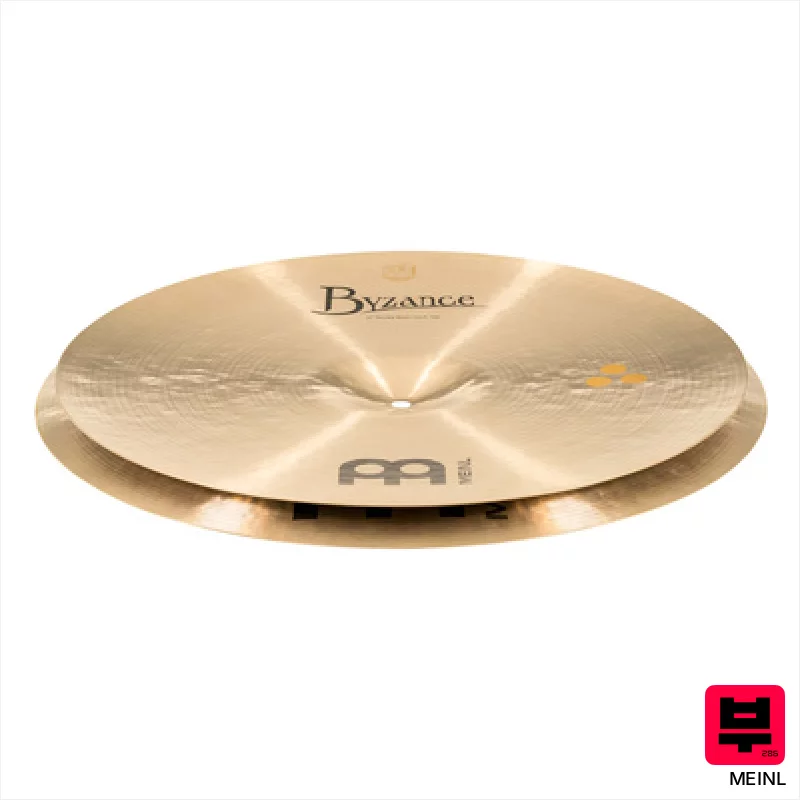
Meinl Double Down Stack -Mat Halpern
- • B20 bronze delivers a complex, dark, and powerful fundamental tone.
- • Mat Halpern’s signature voicing provides a unique, aggressive wash.
- • The raw finish enhances stick definition and a gritty, organic feel.
- • Dual-layered construction creates a pronounced, sustained crash/ride response.
- • The weight makes it fatiguing for extended use, especially for smaller players.
- • The aggressive sound might be too intense for subtle or quieter musical styles.
- • The price positions it as a premium-priced investment for serious drummers.
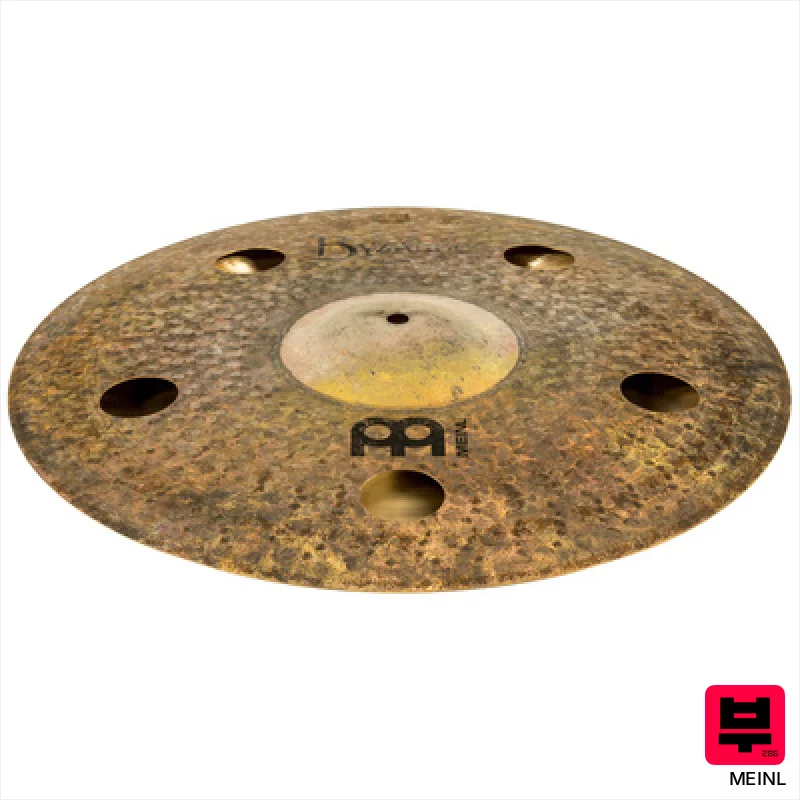
Meinl Fat Stack - Matt Garstka
- • B20 bronze delivers complex overtones and a trashy character.
- • 18in top and 16in bottom create a unique, focused wash.
- • Matt Garstka’s signature voicing offers a modern, controlled chaos.
- • Solid construction ensures durability and consistent performance over time.
- • The dark, dry sound limits versatility for brighter musical styles.
- • Relatively heavy, demanding more physical stamina for extended play.
- • Premium-priced, placing it out of reach for budget-conscious drummers.
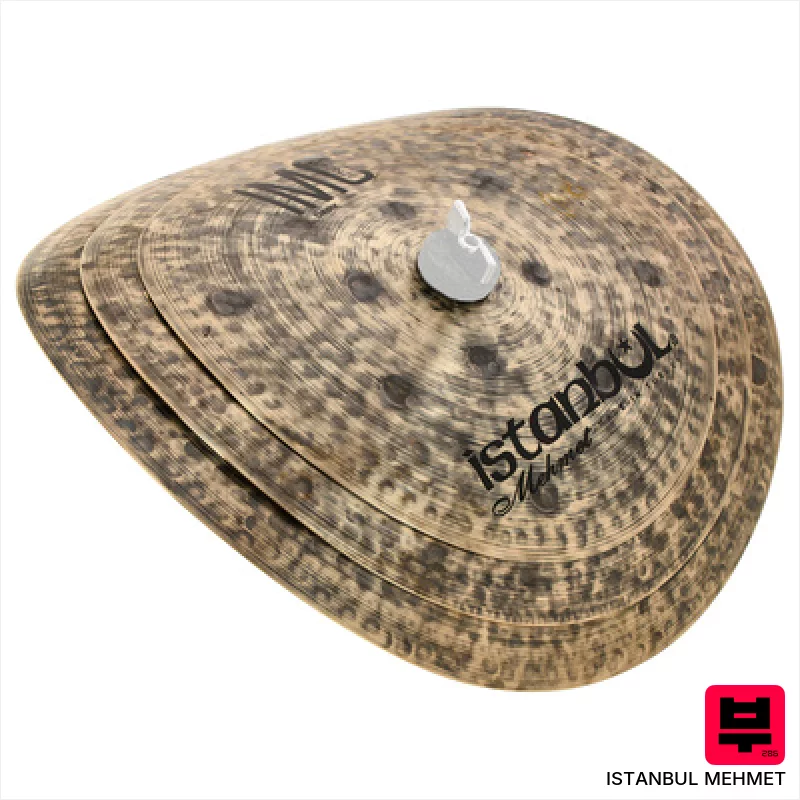
Istanbul Mehmet IMC Dark Stack
- • IMC Dark series utilizes B20 bronze for a complex, warm tonal foundation.
- • The three-cymbal stack design offers a quick, responsive wash with controlled sustain.
- • Natural finish preserves the bronze's character, avoiding artificial coloration of coatings.
- • The medium-heavy weight provides a substantial feel and cutting power in a mix.
- • The darker, drier sound might not suit players seeking bright, shimmering crashes.
- • IMC Dark stacks are premium-priced, representing a significant investment for many drummers.
- • The focused sound signature limits versatility across diverse musical genres.
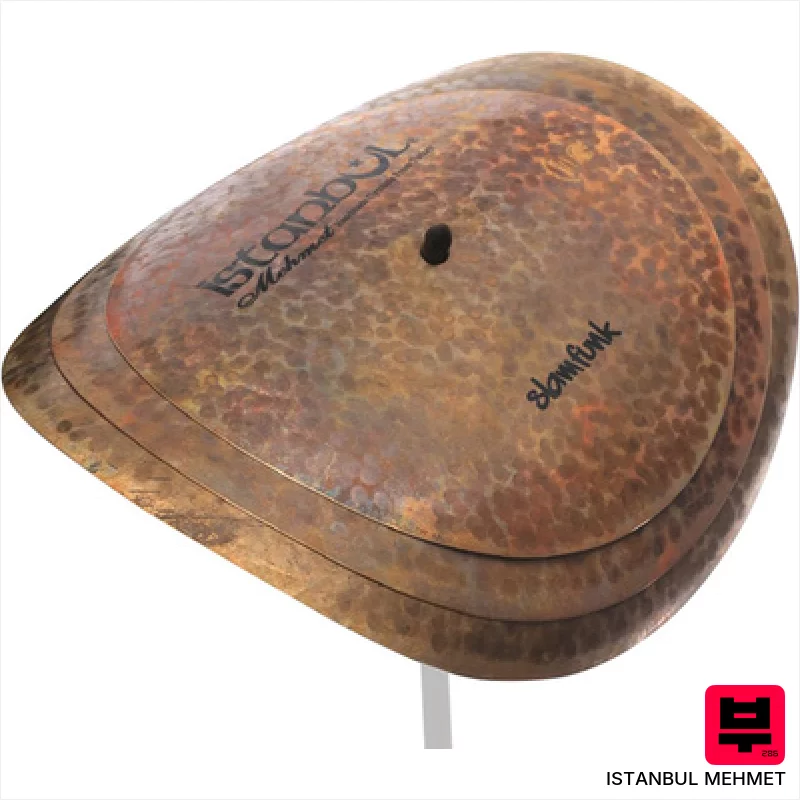
Istanbul Mehmet Slam Funk Raw Clap Stack
- • Unique, highly defined 'handclap' articulation; incredibly useful for modern production.
- • B20 bronze provides warmth and complexity absent in purely synthetic sounds.
- • The raw finish enhances the crisp attack and immediate response characteristic of the design.
- • Istanbul Mehmet's craftsmanship ensures consistent weight distribution and reliable durability.
- • Limited tonal palette; not a substitute for traditional cymbals in most genres.
- • The stack's focused sound might be overwhelming in dense, layered musical settings.
- • Relatively premium-priced for a specialized percussion element.
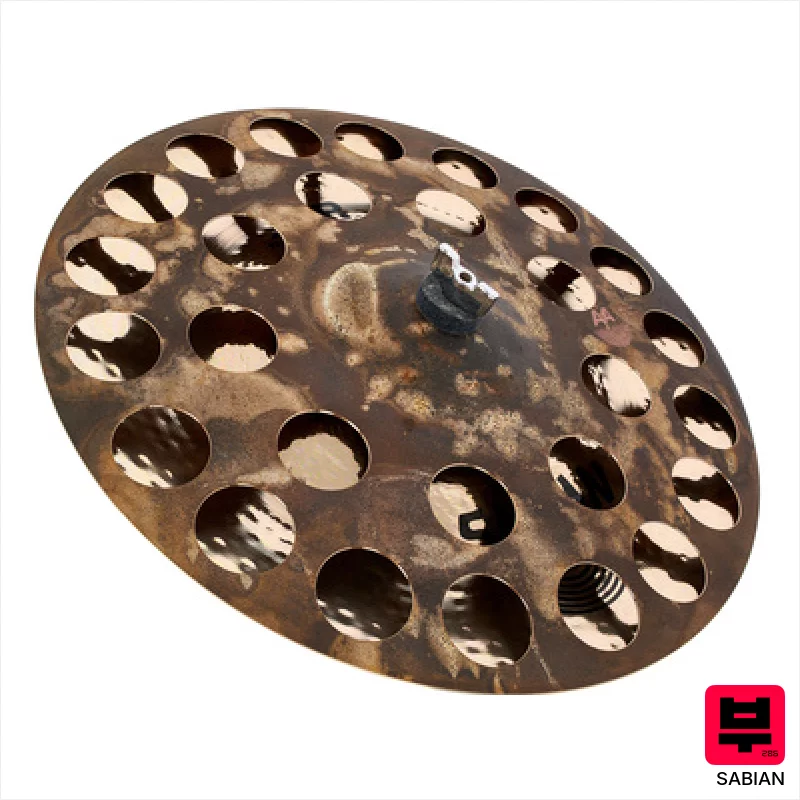
Sabian The Sizzler Stack
- • Monarch O-Zone’s brilliance cuts through dense mixes effectively.
- • XSR China delivers a raw, trashy sizzle and aggressive overtones.
- • The combination offers a wide dynamic range, from subtle friction to intense crashes.
- • Sabian’s build quality ensures durability for demanding performance environments.
- • The stack's weight can be fatiguing during extended playing.
- • The 'trashy' sound might not suit all musical genres or playing styles.
- • The price point positions it as a premium investment for serious drummers.
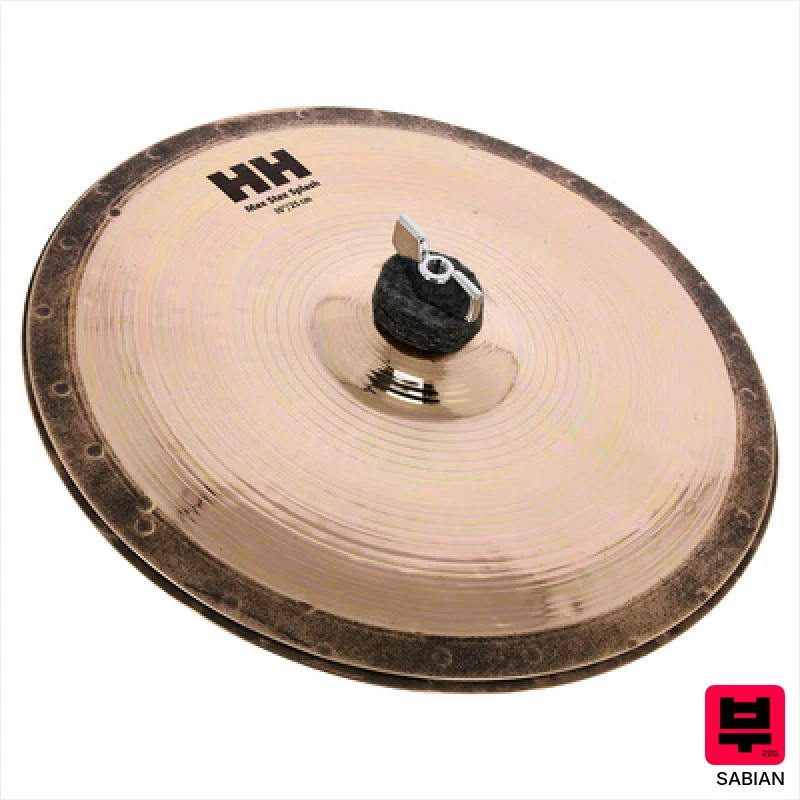
Sabian HH Max Stax Mid
- • The 10 in splash provides a quick, crisp accent with excellent articulation.
- • The China Kang delivers a trashy, explosive sound with a controlled spread.
- • Sabian’s B20 bronze construction ensures a warm, full-bodied tone.
- • The compact size makes it manageable for drummers of all skill levels.
- • The sound, while versatile, might be too thin for heavier, more aggressive styles.
- • The limited tonal range compared to larger stacks restricts its overall application.
- • The price point puts it in a premium category, potentially prohibitive for some.

Meinl Byzance Vintage Smack Stack
- • The 'smack' character delivers a unique, controlled trashiness perfect for modern genres.
- • B20 bronze construction ensures excellent tonal complexity and aging potential.
- • The 10/12/14” layering provides a surprisingly versatile range of sounds.
- • Meinl’s hammering and lathing create a consistently responsive and musical stack.
- • The 'dry' sound may lack sustain and shimmer desired for brighter styles.
- • The limited size range restricts its use in larger, louder drumming contexts.
- • The 'vintage' finish can be more prone to scratching and patina development.
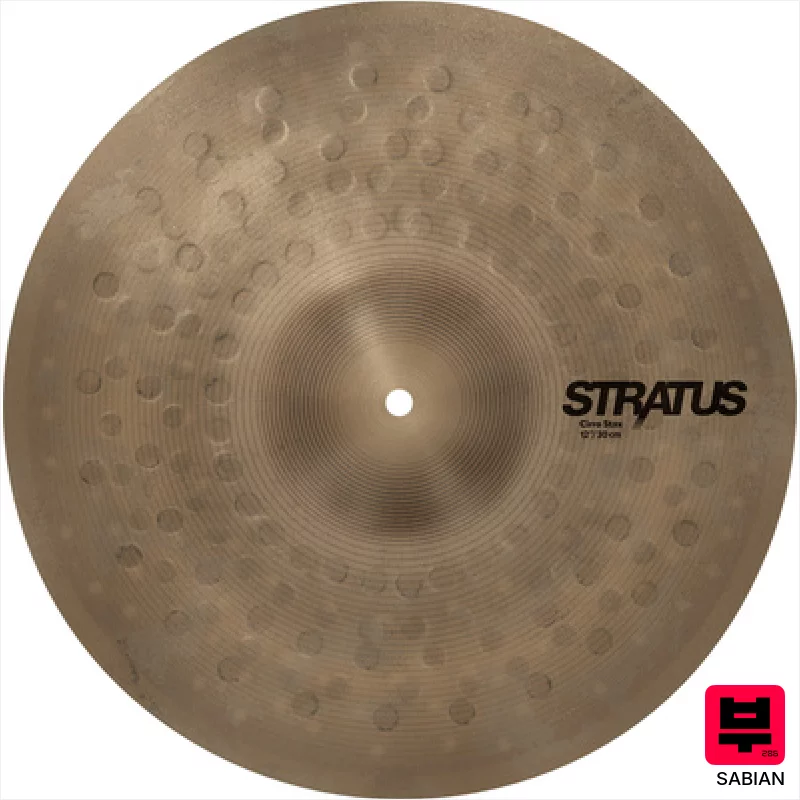
Sabian 12" Stratus Cirro Stax
- • B20 bronze delivers a complex, shimmering core tone.
- • The wavy design creates unique, organic crackling textures.
- • 12” size offers a controlled, manageable crash/ride response.
- • Flexible design allows for expressive, nuanced cymbal swells.
- • Limited versatility; not ideal for all musical genres or playing styles.
- • The short sustain might be too subtle for some drummers’ preferences.
- • Untreated bottom can be prone to finger marks and tarnishing.
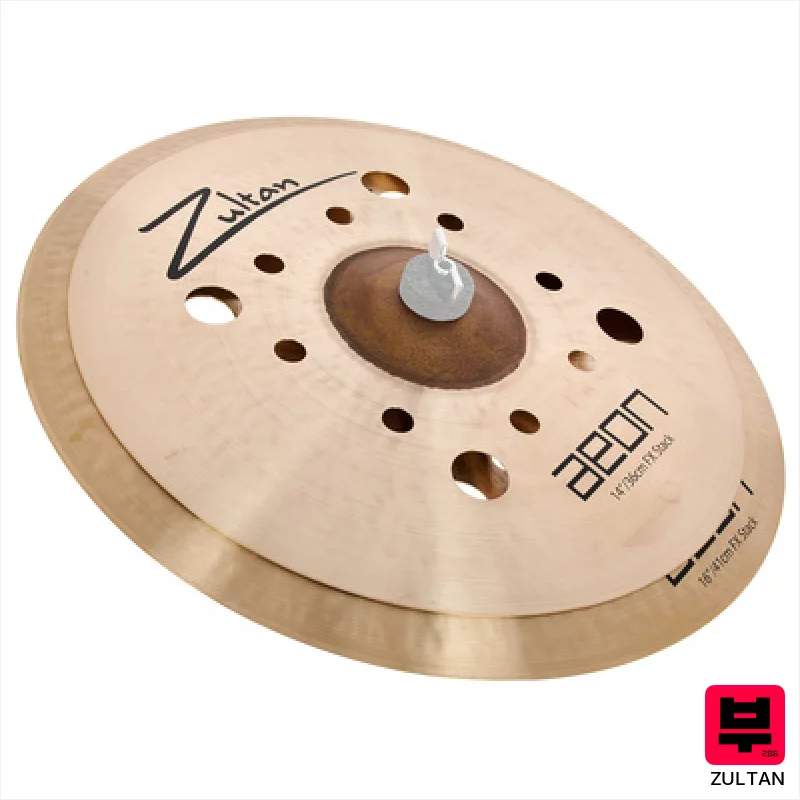
Zultan 14"/16" Aeon FX Stack
- • B25 bronze delivers a uniquely bright, shimmering tonal quality.
- • Hand-hammering adds complexity and responsiveness to the cymbal’s wash.
- • The 16” China provides a distinct, trashy articulation ideal for modern styles.
- • Aeon FX series offers a surprisingly affordable entry into Zultan’s premium line.
- • B25 bronze can be a bit brittle; requires careful handling and playing.
- • The 'full' sound might be overwhelming for very subtle, nuanced playing styles.
- • While versatile, the stack's focused character isn't a universal fit.
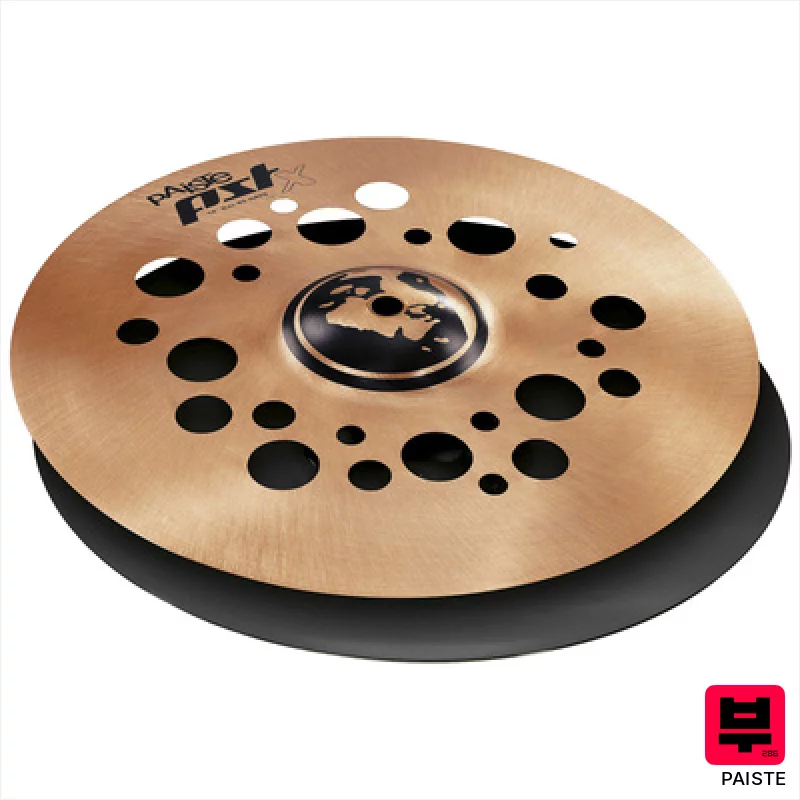
Paiste 18" PSTX Swiss Flanger Stack
- • Dry, assertive sound cuts through dense mixes effectively.
- • The bronze/brass combination provides a unique, controlled sustain.
- • Paiste’s PSTX series offers excellent durability for gigging.
- • Rotating design allows for dynamic sound shaping on the fly.
- • The 'dry' nature limits versatility for softer, washier playing styles.
- • PSTX series isn’t Paiste’s flagship, so premium tonal complexity is absent.
- • Stacking cymbals inherently introduce a louder, more aggressive sound.
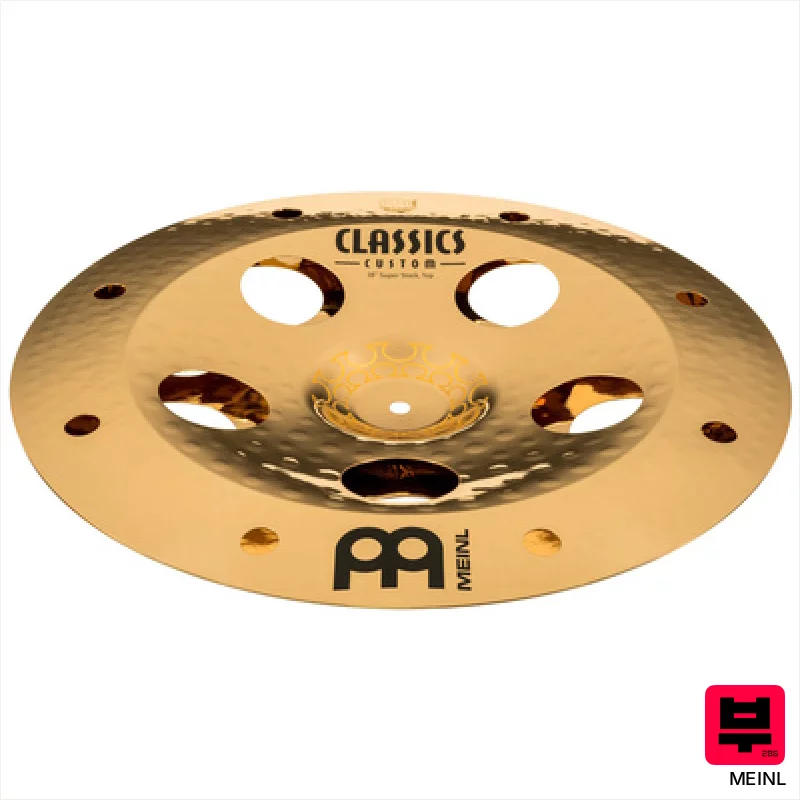
Meinl Super Stack - Thomas Lang
- • B10 Bronze alloy delivers a focused, cutting high-end shimmer.
- • Thomas Lang’s signature voicing is incredibly articulate and fast.
- • The brilliant finish enhances projection and visual appeal onstage.
- • Compact 18in/18in design minimizes sustain for precise, controlled accents.
- • The short, assertive sound limits versatility for softer musical styles.
- • Brilliant finish shows fingerprints and requires diligent cleaning.
- • Premium-priced point might be a barrier for budget-conscious drummers.
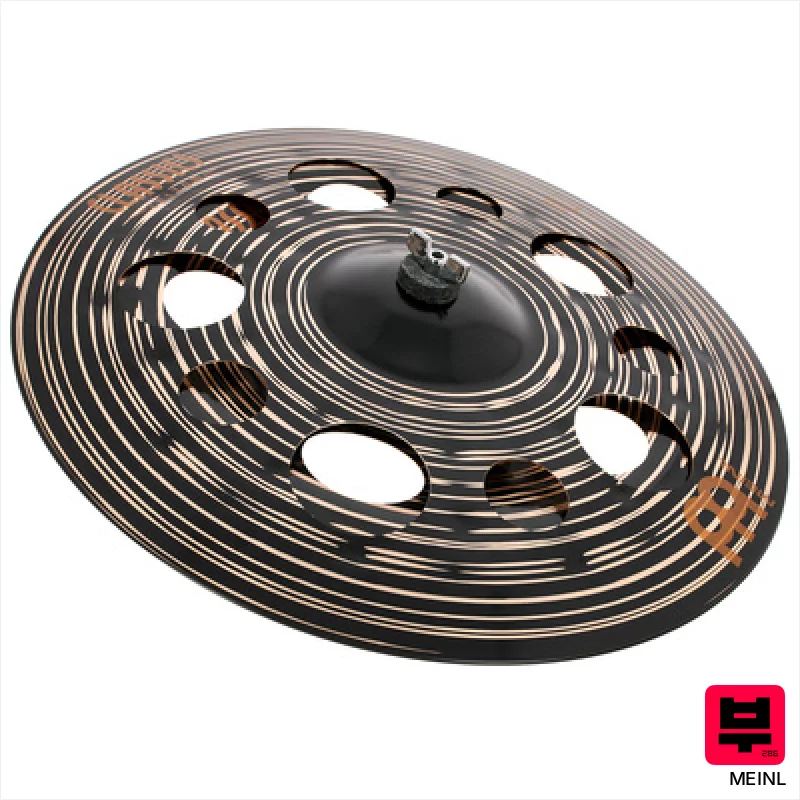
Meinl 18" Class. Cust. Dark Tr. St.
- • B12 bronze delivers a uniquely trashy, complex sonic texture.
- • Short decay ideal for creating layered, percussive effects.
- • Stack construction provides a controlled, defined crash/trash sound.
- • Meinl’s Class series offers excellent value without sacrificing quality.
- • Limited versatility; not a go-to for subtle, nuanced cymbal work.
- • The dry sound can be harsh in less experienced players’ hands.
- • Stack design inherently reduces overall cymbal volume compared to flats.

Meinl Bullet Stack - Luke Holland
- • B10/B20 bronze blend delivers a complex, cutting articulation.
- • 12 in / 16 in stack provides a uniquely aggressive, modern sound.
- • Luke Holland’s signature voicing emphasizes a fast, articulate response.
- • Robust construction ensures durability for demanding playing styles.
- • The aggressive attack might be overwhelming for more subtle musical contexts.
- • The weight, typical of bronze stacks, could be fatiguing in extended sessions.
- • Limited tonal versatility compared to individually voiced cymbals.

Meinl 16" Class. Cust. Dark Tr. St.
- • B12 bronze provides a complex, dark, and trashy tone.
- • Short decay ideal for layering and creating chaotic textures.
- • Well-lapped edges minimize unwanted overtones and harshness.
- • Solid construction ensures durability for aggressive playing styles.
- • Limited versatility; not suitable for subtle, nuanced cymbal work.
- • Dark sound profile may clash with brighter cymbal setups.
- • Stacking can be quite loud, requiring careful volume management.

Meinl 10"/10" M.G. Temporal Stack 2
- • Bright, trashy character delivers unique, modern percussive textures.
- • B20 bronze alloy provides a dry, controlled, staccato response.
- • Matt Garstka's signature design caters to intricate, layered rhythms.
- • Compact size allows for easy handling and creative stacking options.
- • Limited tonal versatility; best suited for specific, contemporary genres.
- • The high-frequency nature can be harsh in less-skilled hands.
- • Premium-priced, potentially prohibitive for budget-conscious drummers.
How to Choose the Best Cymbal Stacks
Wash Complexity
A simple stack is fine for a beginner, but pros need a wash that evolves - a dynamic swell that isn't just a wash, but has layers, a sense of movement, and can be controlled with subtle changes in stick angle. Too much wash without definition is just muddy.
Trashiness & Articulation
It's not just about 'trash'; it's about controlled trash. A good stack provides a defined attack and a quick decay, allowing for crisp ghost notes and articulate patterns that don't get lost in the mix. Some stacks just fizz.
Low-End Response
Many stacks lack a fundamental low-end, sounding brittle and thin. We're looking for stacks that have a solid thump without overpowering the overall sound - something that sits well with a kick drum and bass guitar.
Playability & Sensitivity
A stack should respond to your touch, not fight it. Too much weight or a stiff action can kill your dynamics and make subtle phrasing impossible. The best stacks feel like an extension of your stick.
Durability & Construction
Professional gigs are brutal on gear. We're looking for stacks built with quality materials and solid construction that can withstand constant use and transportation without cracking or warping.
Buying Guide
Don't fall for the 'more cymbals = better sound' trap. Complexity comes from quality, not quantity. Cheaper stacks often use thinner, lower-grade alloys, resulting in a brittle, one-dimensional sound. Spending more gets you better alloys, tighter tolerances, and often, more refined hammering patterns that contribute to a richer, more complex tone. Consider the genre you play - a rock stack needs to cut through a wall of sound, while a jazz stack needs to be more nuanced and controlled.
How This List Is Built
We don't play these instruments — we're a catalog, not a review desk, and we'd rather say so than pretend otherwise. This page ranks 15 cymbal stacks from the Thomann catalogue, which is the largest single source of specification data in this category.
Position is computed, not curated. Four signals, in order of weight: how completely the manufacturer documents the instrument (number of published specifications), where it sits in the price range, how specific the model designation is — which filters out generic accessories — and whether a product image exists. The same inputs always produce the same order, so nothing here is shuffled to look fresh.
What this list is good for: narrowing a category down to a shortlist by spec and budget. What it isn't: a substitute for hearing an instrument. Before you buy, read hands-on reviews and, where you can, play it. Full methodology.

