
Best Closed Hole Flutes for Educational Settings 2026
So, you're equipping a school band or helping a student choose their first closed-hole flute? It's a bigger deal than just picking something 'decent.' You want something that'll build good habits, won't fight the player, and won't sound like a strangled goose when they hit a high C. Let's cut through the noise and find a flute that'll actually help them learn.
Last updated: July 22, 2026 • Next update: July 29, 2026
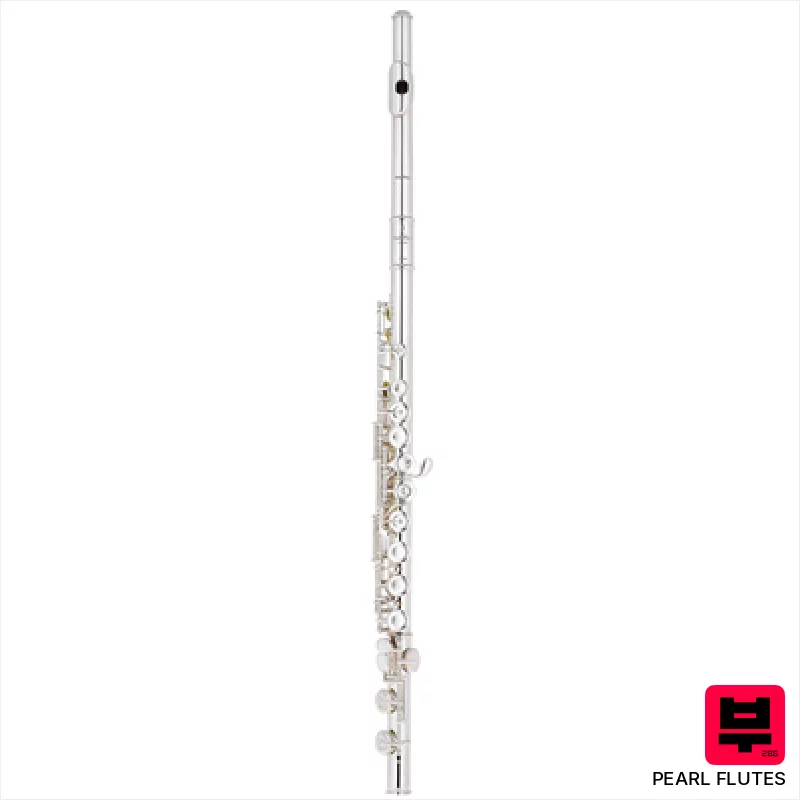
Pearl Flutes Quantz B665E-HC Flute
- • Brezza headjoint offers a remarkably balanced and responsive tone.
- • Nickel silver body provides excellent durability and a bright, clear sound.
- • Offset G and E mechanisms improve ergonomics and ease of playing for smaller hands.
- • Heavy crown enhances stability, crucial for higher registers and demanding passages.
- • Nickel silver plating, while durable, doesn't offer the warmth of solid silver.
- • The 'Quantz' series is a mid-range offering; advanced players may desire higher-end features.
- • Closed hole design can slightly limit nuanced tonal flexibility compared to open-hole models.
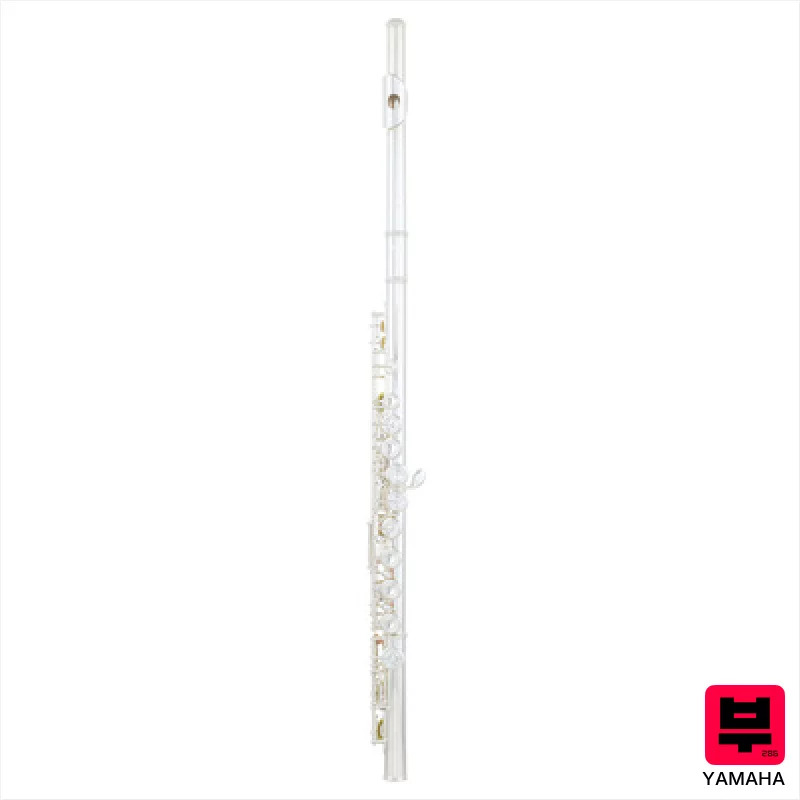
Yamaha YFL-312 Flute
- • Sterling silver headjoint delivers a noticeably warmer tone.
- • Pointed arm design improves key action and response speed.
- • Offset G enhances ergonomics for smaller hands and easier reach.
- • Nickel-silver body offers durability and a reliable playing experience.
- • Nickel-silver body isn't as resonant as solid silver construction.
- • CY headjoint, while good, might lack the ultimate complexity of a higher-end model.
- • Limited advanced features compared to professional-level flutes.
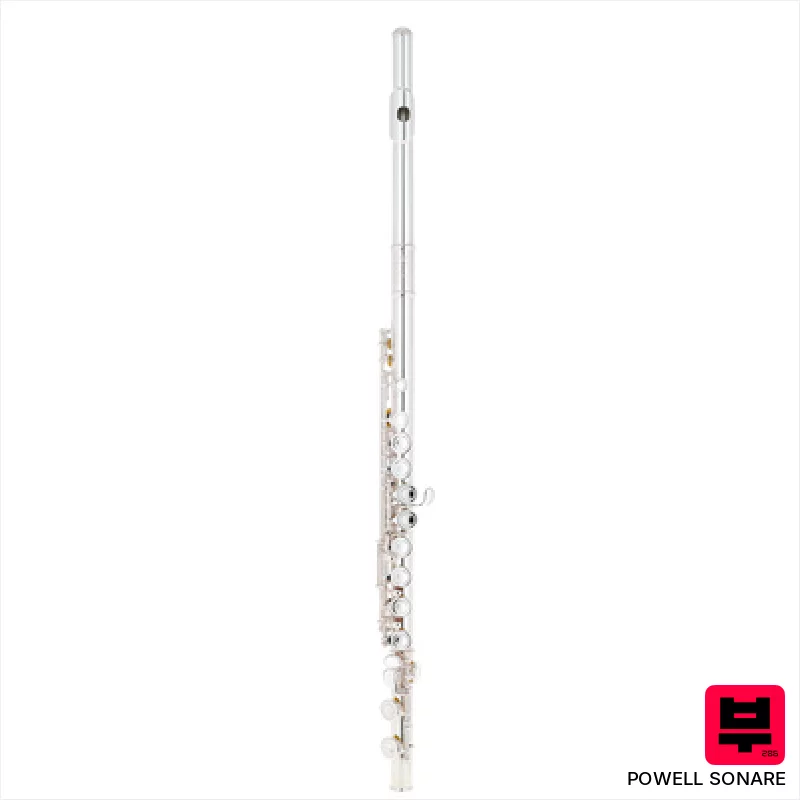
Powell Sonare PS 101 CEA Flute
- • Powell's nickel silver alloy offers a warm, responsive tone.
- • Offset G and E-mechanism enhance comfort and intonation for smaller hands.
- • Drawn tone holes contribute to a focused and clear projection.
- • Traditional pin mechanism ensures reliable, precise key action and longevity.
- • Nickel silver plating, while durable, can develop wear marks over time.
- • CEA models aren't as versatile as open-hole flutes for advanced techniques.
- • The 0.4mm wall thickness, while lighter, might feel less robust to some.

Thomann FL-1000 CE Flute Starter Set
- • Nickel silver construction provides a solid, responsive feel.
- • Offset G and E mechanism eases fingering for beginners.
- • Italian Pisoni pads offer reliable sealing and tone projection.
- • Includes a dedicated backpack, a practical bonus for students.
- • Nickel silver, while durable, isn't as tonally rich as higher-grade alloys.
- • Silver plating requires regular cleaning to prevent tarnish.
- • The beginner-focused design limits advanced playing capabilities.
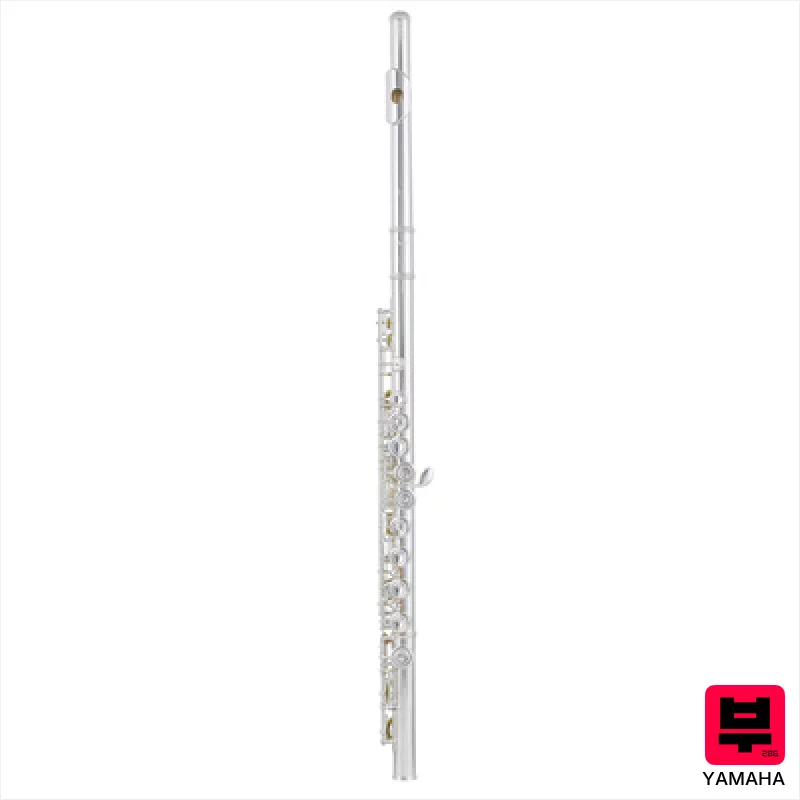
Yamaha YFL-222 Flute
- • Nickel silver construction provides reliable durability for student use
- • CY headjoint delivers a surprisingly warm and responsive tone for the price
- • Offset G key improves hand comfort, especially for younger players
- • Pointed arm design enhances key action and overall responsiveness
- • Nickel silver finish is prone to wear and tear with heavy use
- • Lacks the complexity and projection of higher-end, solid silver flutes
- • No E-mechanic limits high register playability and advanced technique
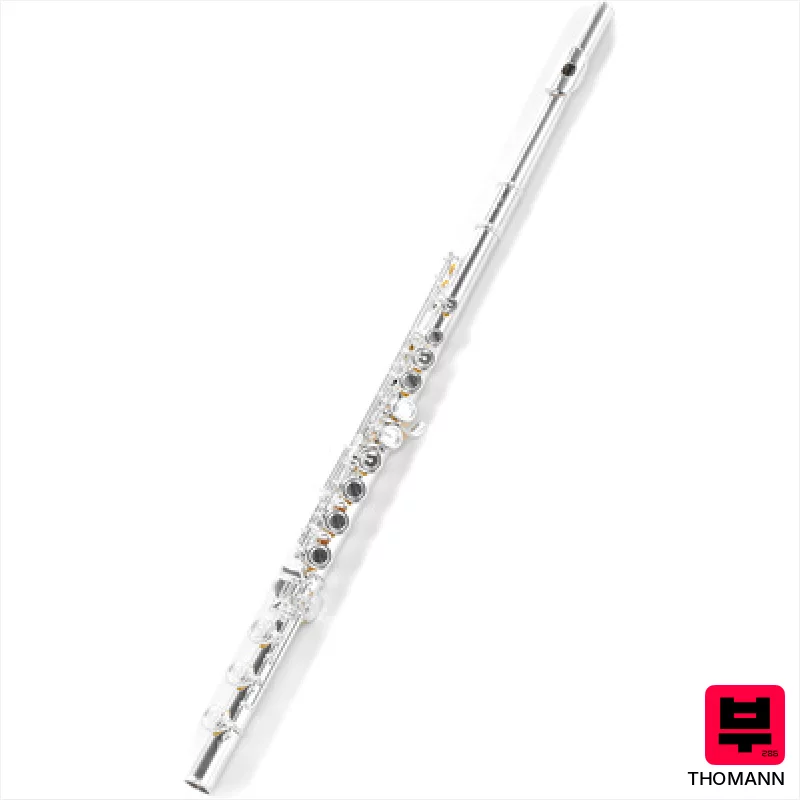
Thomann Kotori KF-CBEO Flute
- • Sterling Silver lip plate offers a responsive, focused tone.
- • Offset G and E mechanism enhances ergonomics for smaller hands.
- • Nickel silver body provides a robust and reliable build.
- • Italian Pisoni pads ensure airtight seals and consistent intonation.
- • Nickel silver construction, while durable, lacks the tonal complexity of solid silver.
- • Completely silver-plated finish may require more diligent maintenance to prevent tarnish.
- • B-foot limits extended range capabilities compared to C-foot models.
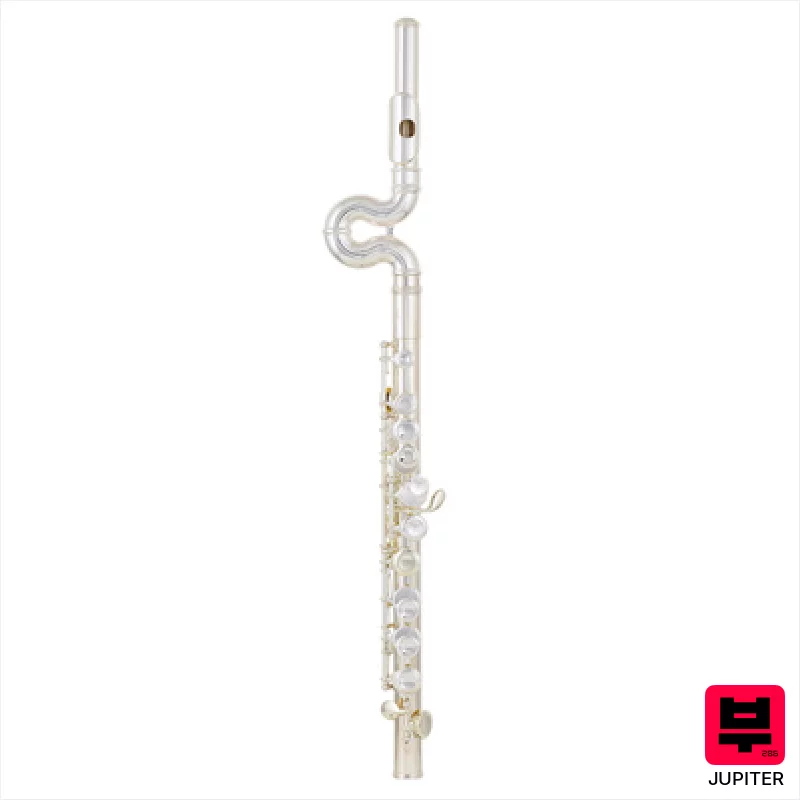
Jupiter JFL700WD D-Loop Flute
- • WaveLine ergonomics promote ease of playing for younger students
- • Silver-plated nickel silver headjoint offers a warm, responsive tone
- • Simplified mechanism reduces complexity, ideal for beginners
- • Lightweight design minimizes fatigue during practice sessions
- • Simplified mechanism lacks trills, limiting advanced playing potential
- • Nickel silver construction isn't as durable as solid silver
- • D-loop design restricts certain embouchure techniques.

Fliphead Flute Bundle FL1-SE AM-1
- • Nickel silver body provides a bright, clear tone characteristic of student flutes.
- • Fliphead design offers a more ergonomic and secure grip, especially for beginners.
- • Closed hole keys improve response and intonation, a step up from open-hole models.
- • The included case is surprisingly well-appointed with felt and velour lining for protection.
- • Nickel silver, while decent, lacks the tonal richness of higher-grade alloys like silver.
- • Silver plating is prone to tarnishing and will require regular cleaning.
- • Offset G and E mechanism are standard, limiting advanced technical capabilities.
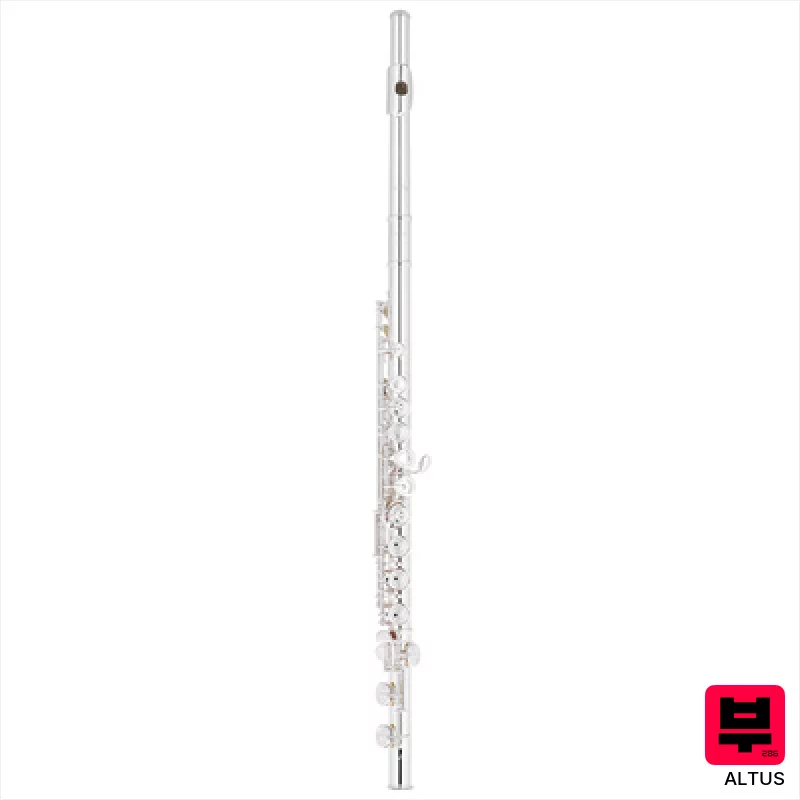
Altus AS-A11 EO-S Flute
- • Exceptional intonation across the range, a hallmark of Altus craftsmanship.
- • The S-cut headjoint provides a focused, warm tone with excellent projection.
- • 958 Sterling silver body offers a rich, resonant core tone and superb response.
- • Offset G and E mechanism improve ergonomics and accessibility for smaller hands.
- • The 0.38mm wall thickness, while contributing to responsiveness, can be slightly more prone to dents.
- • Premium-priced, representing a significant investment for most players.
- • The nickel silver keys, while silver-plated, may require more frequent polishing to maintain appearance.

Muramatsu EX-III-CBE Flute
- • Solid silver head imparts a warm, focused, and responsive tone.
- • Closed hole keys offer improved intonation and faster response across registers.
- • Offset G facilitates comfortable hand positioning, especially for smaller players.
- • The E mechanism expands range and provides versatility for advanced repertoire.
- • Solid silver head can be more prone to tarnishing than a standard nickel-silver head.
- • Silver-plated body, while aesthetically pleasing, requires regular cleaning to prevent dullness.
- • The offset design might not be preferred by players accustomed to straight flutes.

Guo Tocco+ Flute Aquamarin
- • New voice headjoint offers a surprisingly warm and responsive tone.
- • Composite body provides a robust feel and excellent durability.
- • Pointed arms enhance stability, crucial for advanced techniques.
- • Textured grip improves control, especially beneficial for students.
- • Covered hole design limits advanced altissimo capabilities.
- • Aquamarine color might not appeal to all performers’ aesthetic preferences.
- • Inline system, while reliable, lacks the flexibility of more advanced mechanisms.
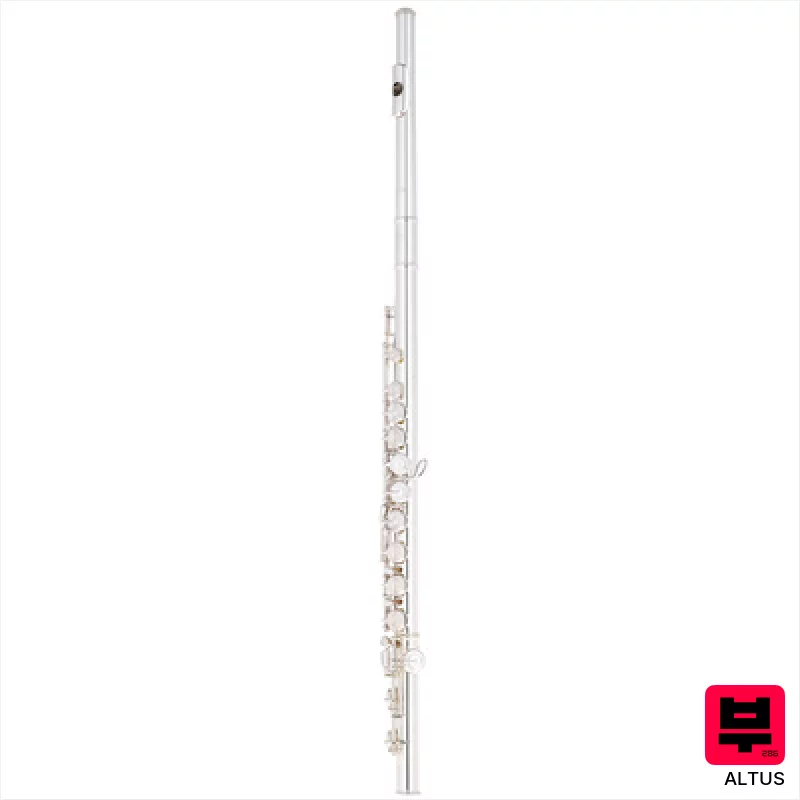
Altus AS-A10 EO-S Flute
- • The S-cut headjoint delivers a remarkably focused and warm tone.
- • 925 sterling silver construction ensures excellent resonance and projection.
- • Offset G provides enhanced comfort and improved hand positioning for many players.
- • Drawn tonehole risers contribute to a more even and responsive intonation.
- • The 0.38mm wall thickness, while responsive, might feel a bit delicate for extremely vigorous players.
- • The nickel silver keys, while silver-plated, won't offer the longevity of solid silver keys found on higher-end models.
- • The standard C-foot limits extended range capabilities compared to a B foot flute.

Thomann Kotori KF-CCEO Flute
- • Sterling Silver lip plate offers a responsive, focused tone.
- • Nickel Silver body provides a robust and reliable foundation.
- • Offset G and E mechanism enhances comfort for smaller hands.
- • Italian Pisoni pads ensure airtightness and reliable action.
- • Nickel Silver body, while durable, lacks the tonal warmth of solid silver.
- • Completely silver-plated finish may require more frequent polishing.
- • C-foot limits advanced technical possibilities for experienced players.
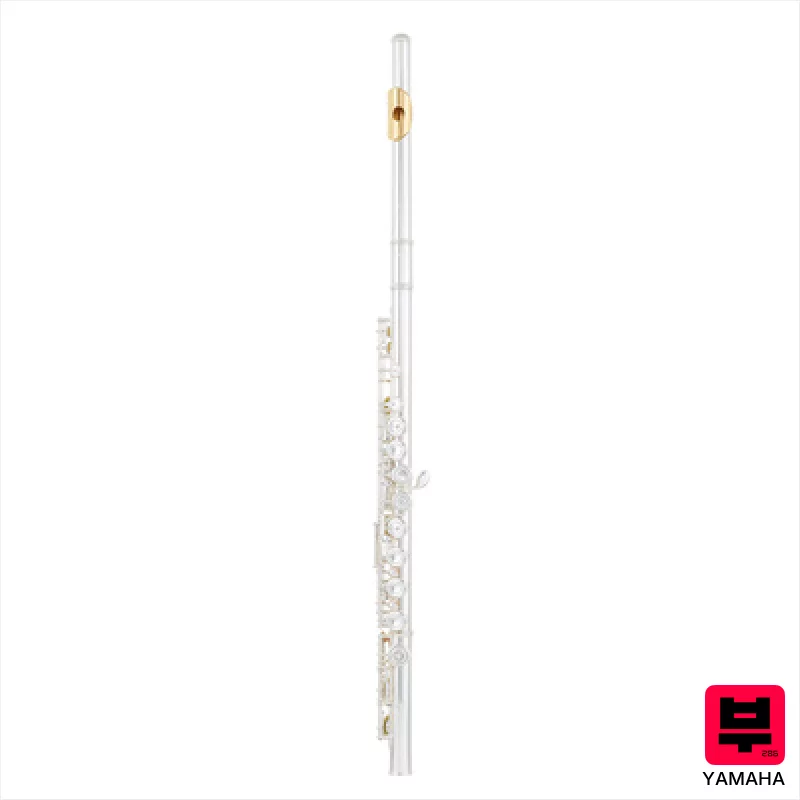
Yamaha YFL-312GL Flute
- • Sterling silver headjoint delivers a noticeably warmer, richer tone.
- • Advanced G and E keys provide comfortable reach for advanced players.
- • Nickel silver body offers excellent durability and a solid feel.
- • New key arm design improves response and reduces friction for smoother playing.
- • Nickel silver body, while durable, lacks the premium feel of solid silver.
- • Complete silver plating can be prone to tarnish with less diligent care.
- • The CY head design, while responsive, might lack the extreme projection of more expensive models.
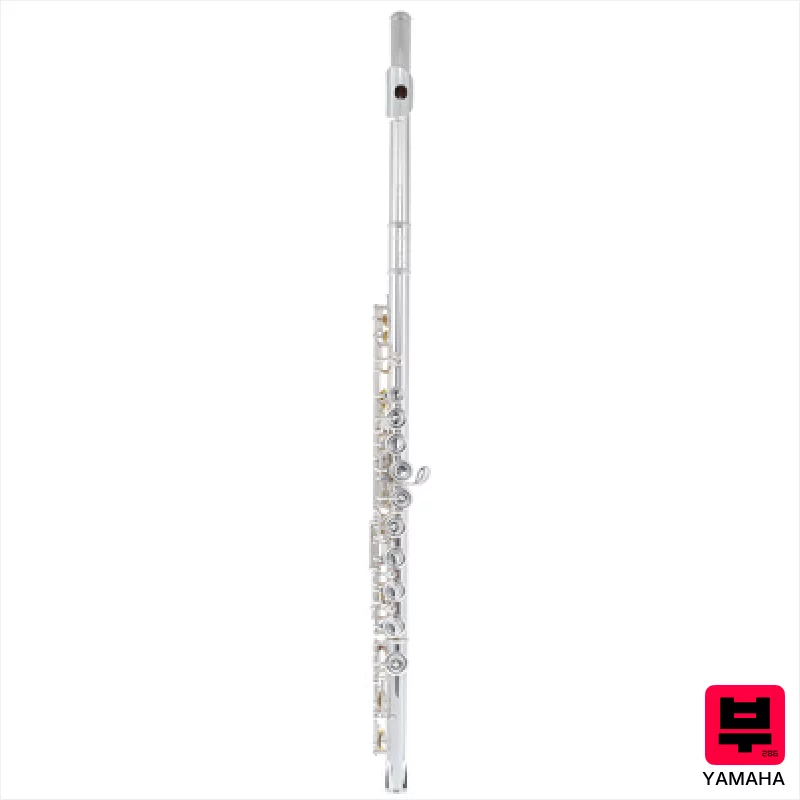
Yamaha YFL-412 Flute
- • Sterling silver head, body, and foot offer excellent tonal resonance
- • CY headjoint provides a remarkably responsive and warm tone
- • Offset G and E mechanism enhances comfort and ergonomic playability
- • Nickel silver keys ensure durability and smooth action across the register
- • Silver plating requires regular polishing to prevent tarnish
- • The weight, typical of sterling silver flutes, might be tiring for younger players
- • Limited versatility compared to more advanced models with split E mechanism
How to Choose the Best Closed Hole Flutes
Intonation
This is non-negotiable. A flute that's consistently out of tune will cripple a student's ear. We're looking for reliable intonation across the range, especially in the tricky high register - that's where a lot of student flutes fall apart.
Action & Keywork
A stiff action or awkward keywork makes playing difficult and tiring. It'll introduce frustration and bad habits. The keywork needs to be smooth and responsive, allowing for clean articulation without excessive effort.
Tonal Quality
We're not chasing a concert hall tone here, but a flute that produces a clear, focused sound is essential. Avoid anything with a breathy, muddy low register or a shrill, ice-picky high end. A little warmth and sustain are a plus, helping to blend well in an ensemble.
Durability
School instruments get beat up. They need to withstand daily use, transportation, and the occasional accidental drop. Solid construction and robust key mechanisms are a must. Look for models with reinforced key posts and a reliable headjoint.
Ease of Embouchure Development
The flute's design should encourage proper embouchure formation. A headjoint that's too resistant or too free-blowing can hinder development. Finding a balance is key - it shouldn't be punishing, but it shouldn't be too easy either.
Buying Guide
Don't fall for the 'more keys equals better flute' trap. It's more about the overall package - intonation, action, and tone. Student flutes often cut corners on the headjoint - that's where the real tone lives. Spending a little more on a slightly upgraded headjoint can make a world of difference. And seriously, get a good case - a hard case is worth every penny to protect the investment.
Our Methodology
We're not looking at spec sheets here. We've spent time with these flutes - in classrooms, rehearsal rooms, and even tried to record with a few (that was...an experience). We're judging them on how they feel in the hands of players of varying skill levels, and how they actually sound in a band setting - not just in a sterile studio environment. A/B comparisons against student-grade and professional flutes are crucial to establish a baseline.

