
Best Bass Preamps for Signal Processing 2026
Alright, so you're not chasing a clone of a vintage Ampeg SVT. You want a bass preamp to shape your sound, to dial in specific textures beyond just "more low end." That's signal processing territory, and it's where preamps really shine - DI recording, sculpting tones for pedals, adding grit and character. Forget the amp sim hype; a good preamp is the foundation for a truly unique bass voice.
Last updated: July 15, 2026 • Next update: July 22, 2026
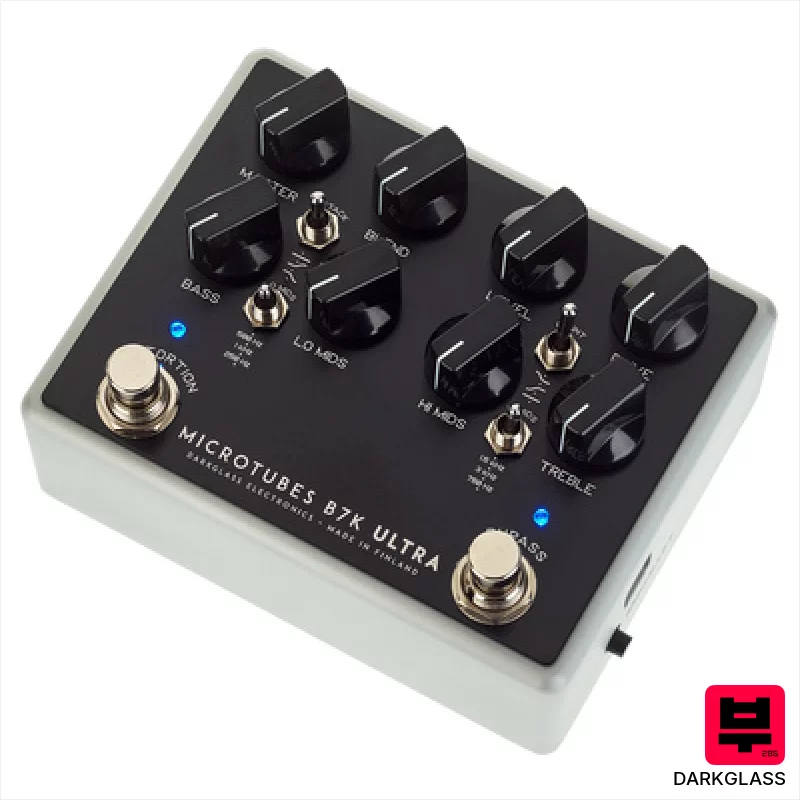
Darkglass Microtubes B7K Ultra v2 Aux
- • Exceptional Darkglass 'B7K' overdrive character, instantly recognizable
- • Versatile EQ section allows for precise tonal shaping and customization
- • Aux input expands creative possibilities with external audio sources
- • Speaker simulation options provide studio-ready direct recording convenience
- • Can be overly aggressive for players seeking subtle overdrive tones
- • Size, while compact, might be a constraint in smaller pedalboards
- • The Impulse Response loading process can be a bit cumbersome initially

Genzler Magellan Preamp DI Pedal
- • Solid aluminum housing feels robust and well-built for gigging.
- • The selectable Contour circuits offer genuinely distinct tonal shaping options.
- • Excellent balanced XLR DI output provides a clean, professional signal.
- • Flexible EQ with mid-frequency selection allows precise tonal sculpting.
- • Lack of MIDI control limits programmability and preset recall.
- • Headphone output lacks volume control, potentially too loud for some.
- • Requires a separate power supply, adding to overall cost and clutter.
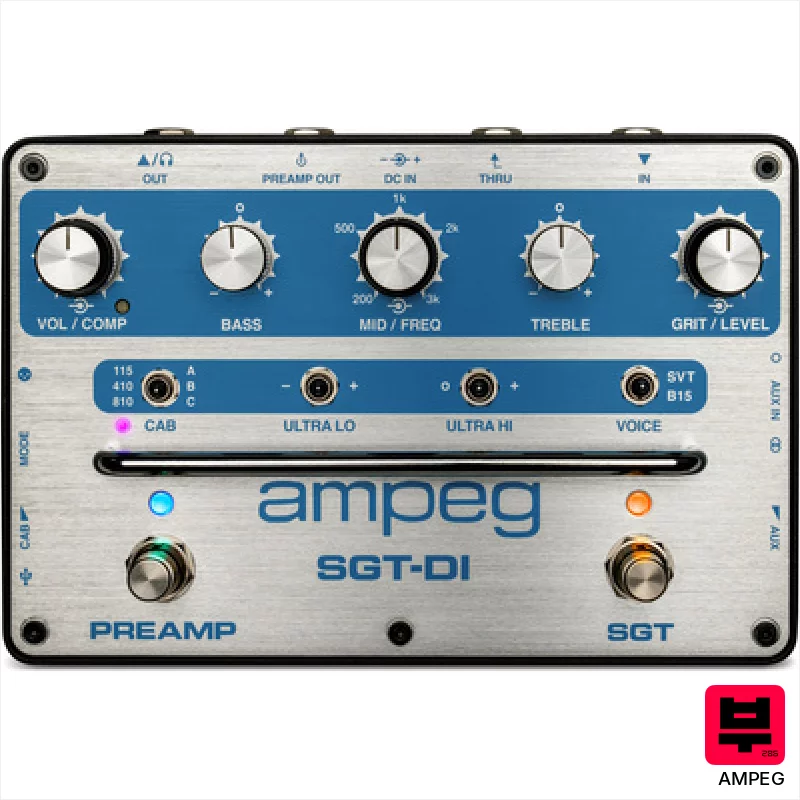
Ampeg SGT-DI Blue Line Anniv. Ed.
- • Excellent Ampeg tone, authentically replicating SVT and B15 sounds.
- • Flexible EQ with selectable mids offers precise tonal shaping.
- • Impressive onboard IR loader expands sonic possibilities significantly.
- • Compact design and lightweight for portability; surprisingly robust build.
- • IR loading process via the app could be more streamlined and intuitive.
- • Aux input is limited; not ideal for complex backing tracks or effects loops.
- • The 3-band EQ, while versatile, may feel restrictive for some advanced users.
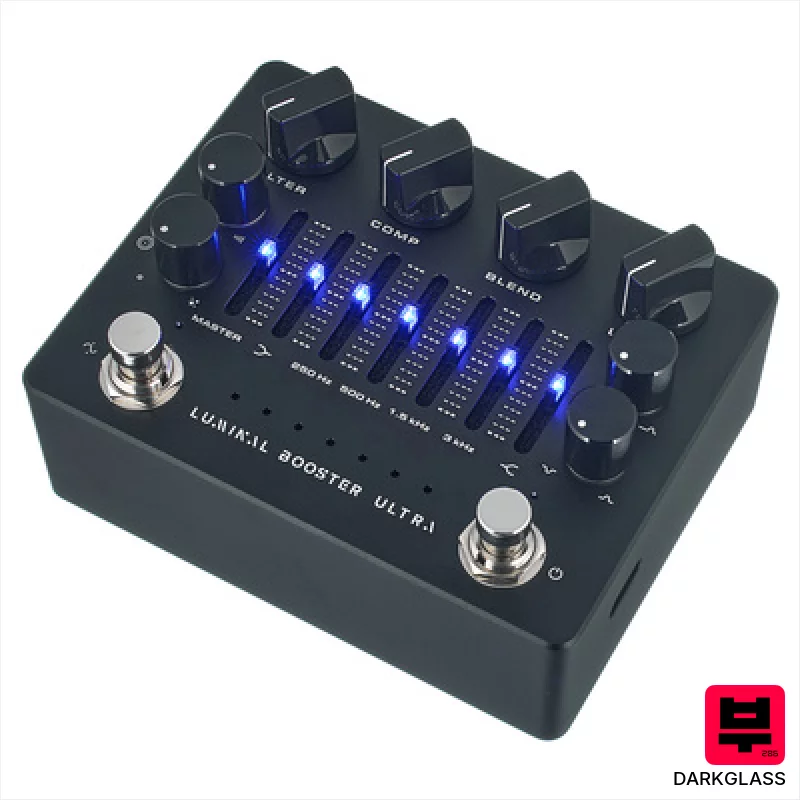
Darkglass Luminal Booster Ultra
- • Exceptional Harmonic Booster character delivers thick, defined low-end.
- • Parallel compression provides dynamic control without sacrificing punch.
- • Versatile 6-band EQ allows precise tonal shaping and sculpting.
- • USB integration for impulse responses expands sonic possibilities significantly.
- • Price point positions it as a premium investment for serious bassists.
- • 400mA current draw may require a robust power supply.
- • Aux input and headphone output are a bit niche for most gigging scenarios.
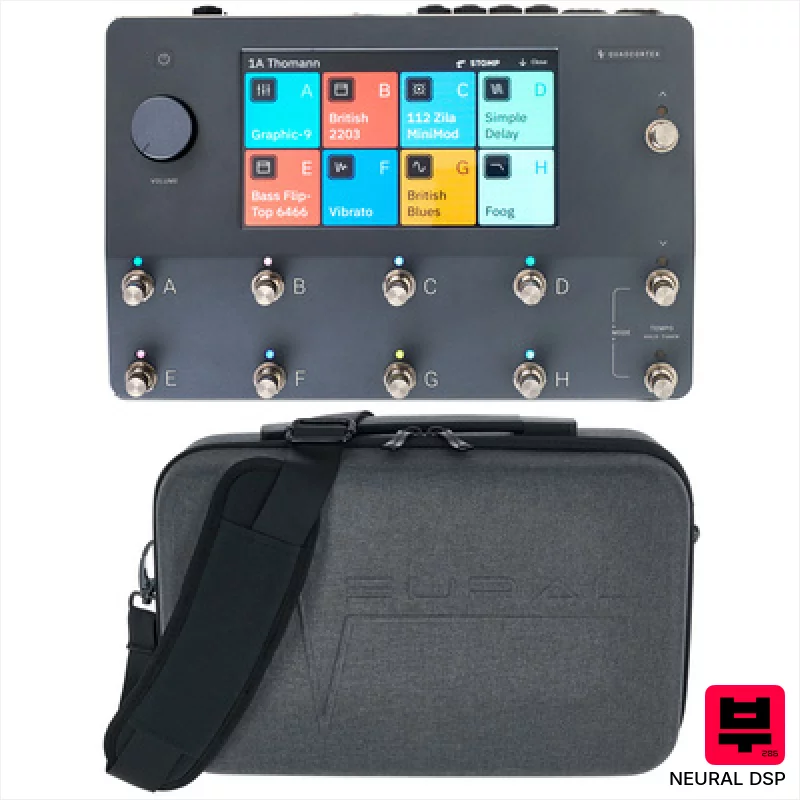
Neural DSP Quad Cortex Bundle
- • Neural Capture technology delivers incredibly realistic amp and cab simulations.
- • The SHARC Quad-Core DSP provides virtually zero latency for responsive playing.
- • Multi-touch display offers intuitive navigation and visual feedback for complex rigs.
- • Pre-loaded custom rigs from top producers offer immediate, professional-sounding tones.
- • The high-end price point makes it inaccessible for many gigging musicians.
- • The extensive routing options can be overwhelming for beginners to navigate.
- • The compact size, while convenient, might feel cramped for users accustomed to larger floor units.
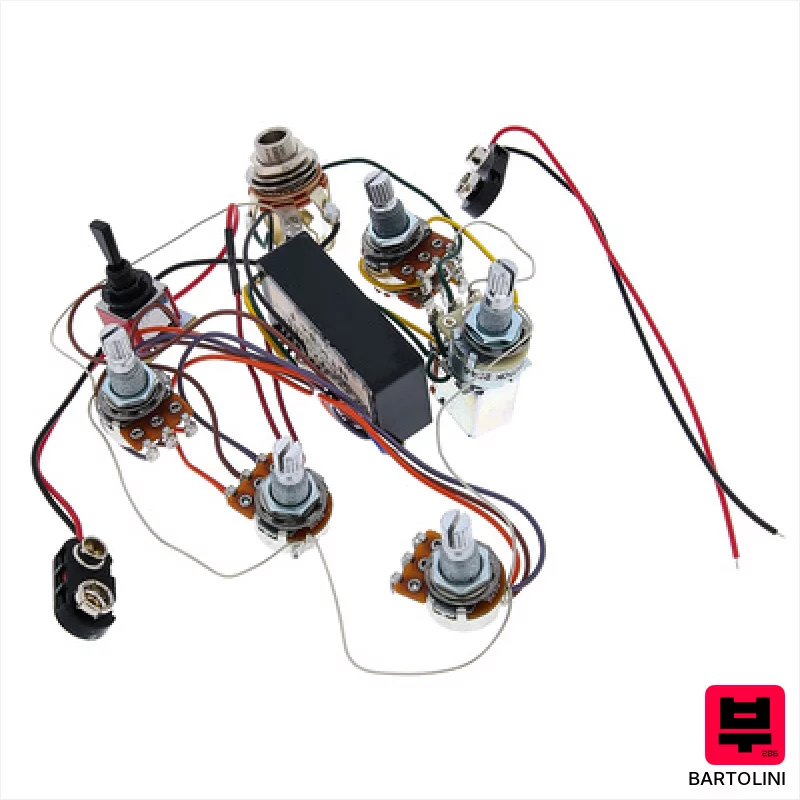
Bartolini NTMB+F 3-Band Bass Preamp
- • Exceptional clarity and transparency across the frequency spectrum.
- • Bartolini’s renowned low-noise operation minimizes unwanted hiss.
- • Flexible mid-frequency switching caters to diverse tonal shaping needs.
- • Push/pull active/passive switching offers versatile performance options.
- • The pre-wired nature limits customization for advanced users.
- • Smaller potentiometer knobs might feel cramped for some players.
- • Limited effects loop functionality restricts advanced signal processing.
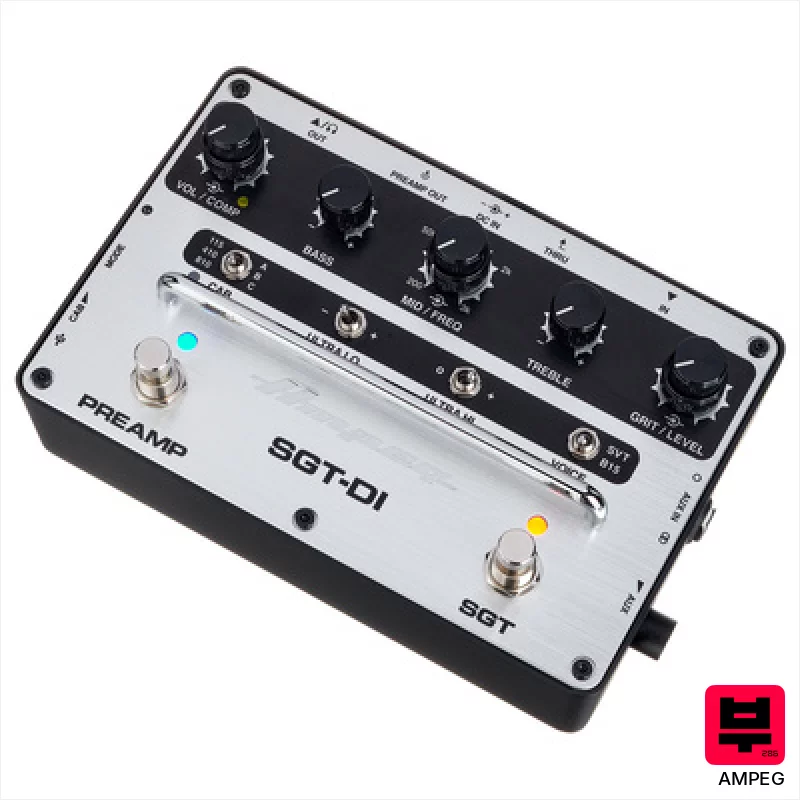
Ampeg SGT-DI
- • Ampeg's SGTC circuit delivers authentic SVT and B15 tones.
- • The onboard IR loader significantly expands tonal possibilities for direct recording.
- • Variable compressor offers subtle to aggressive dynamic shaping without external pedals.
- • Solid build quality; metal enclosure feels robust and gig-ready.
- • Limited EQ control compared to full-fledged preamps; lacks a sweepable mid.
- • IR loading can introduce latency, potentially problematic for live performance.
- • Aux input is somewhat basic, lacking advanced routing options.
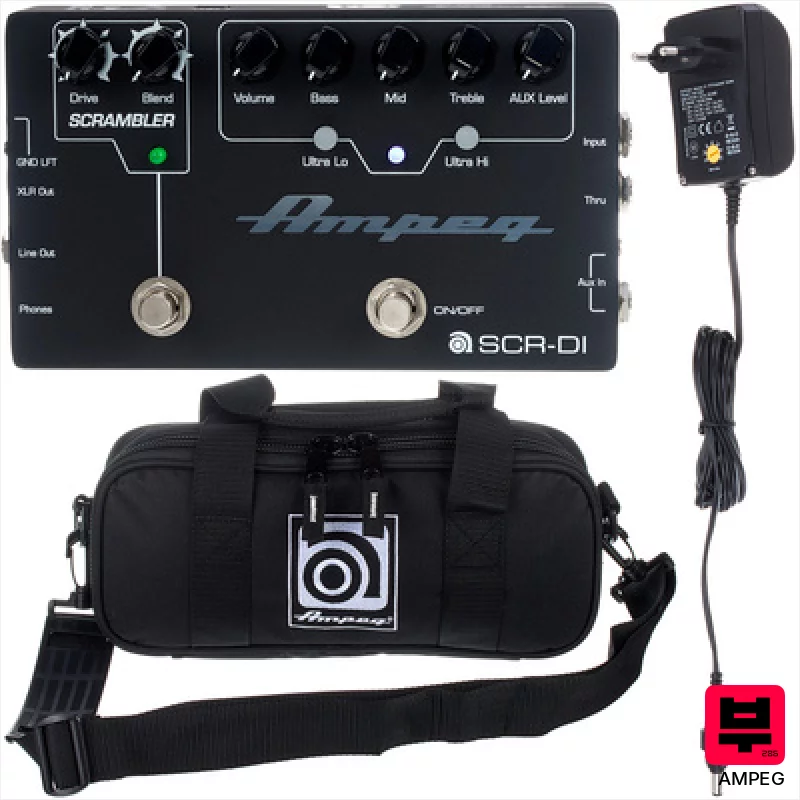
Ampeg SCR DI Bundle
- • Excellent Ampeg tone replication, from Portaflex to SVT.
- • Compact and lightweight for gigging convenience.
- • Footswitchable overdrive adds a versatile distortion option.
- • DI output with ground lift is crucial for stage clarity.
- • Power supply not included, adding to the overall cost.
- • EQ is basic; lacks more sophisticated shaping options.
- • AUX input is limited, not designed for full-fledged audio playback.
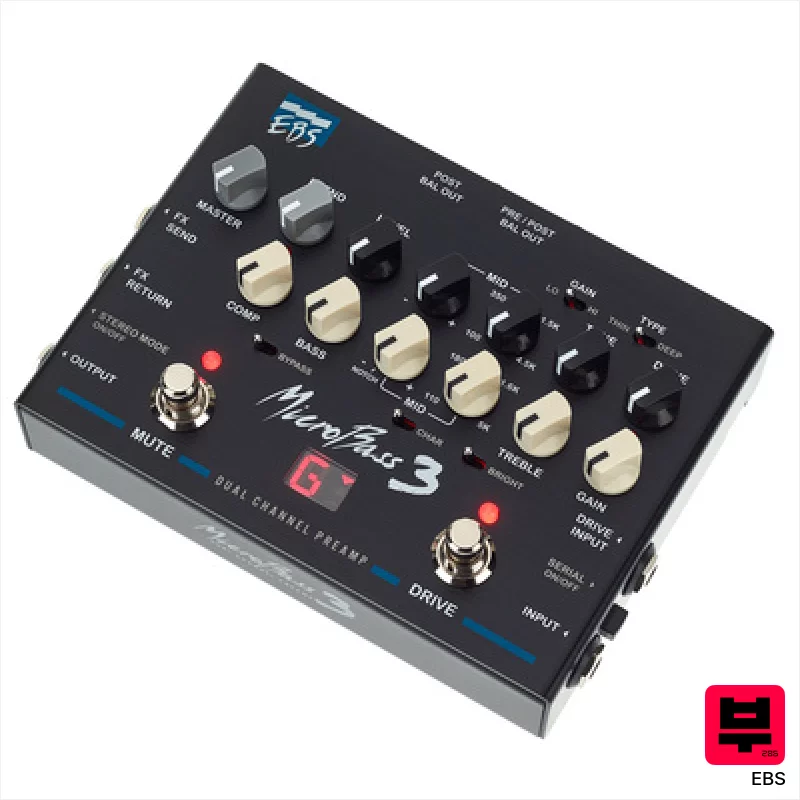
EBS Micro Bass 3
- • Excellent clean preamp foundation with surprising warmth
- • Drive circuit delivers authentic, usable overdrive tones
- • Compact size and robust construction for gigging reliability
- • Versatile DI output handles both studio and live performance
- • EQ can be slightly muddy in the mid-range frequencies
- • Limited routing options compared to more complex preamps
- • Footswitch placement might be awkward for some players
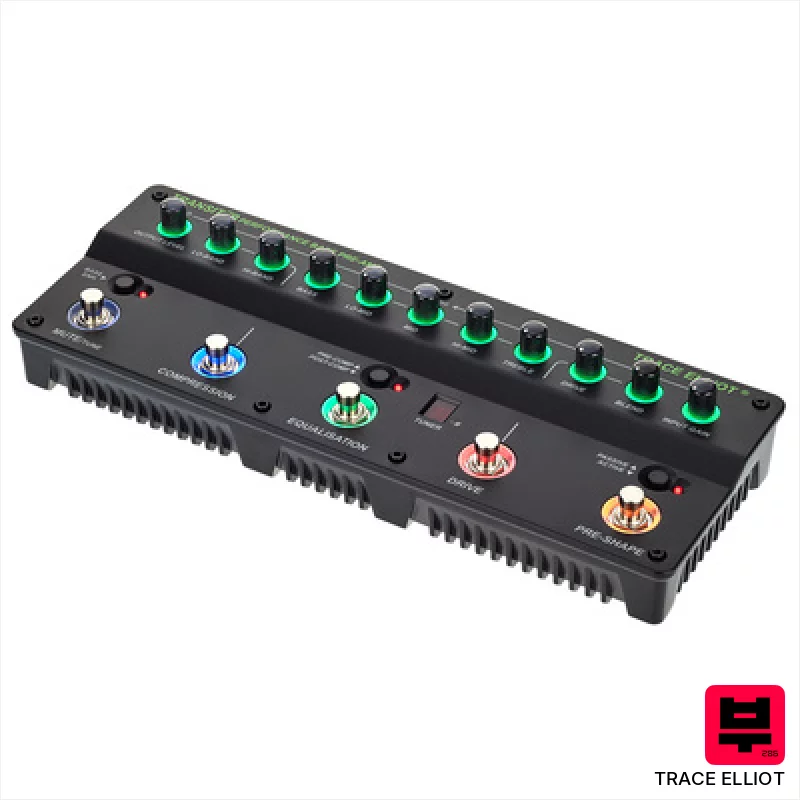
Trace Elliot Multipedal TRANSIT-B
- • Classic Trace Elliot tone delivered in a compact, versatile package
- • Dual-band compression smooths dynamics without sacrificing punch
- • The Pre-shape switch provides a surprisingly usable vintage warmth
- • Excellent DI output for stage and recording applications.
- • Limited headroom compared to larger Trace Elliot amp heads
- • EQ can be a little muddy if not carefully dialed in
- • AUX input lacks a dedicated level control, can be overpowering.
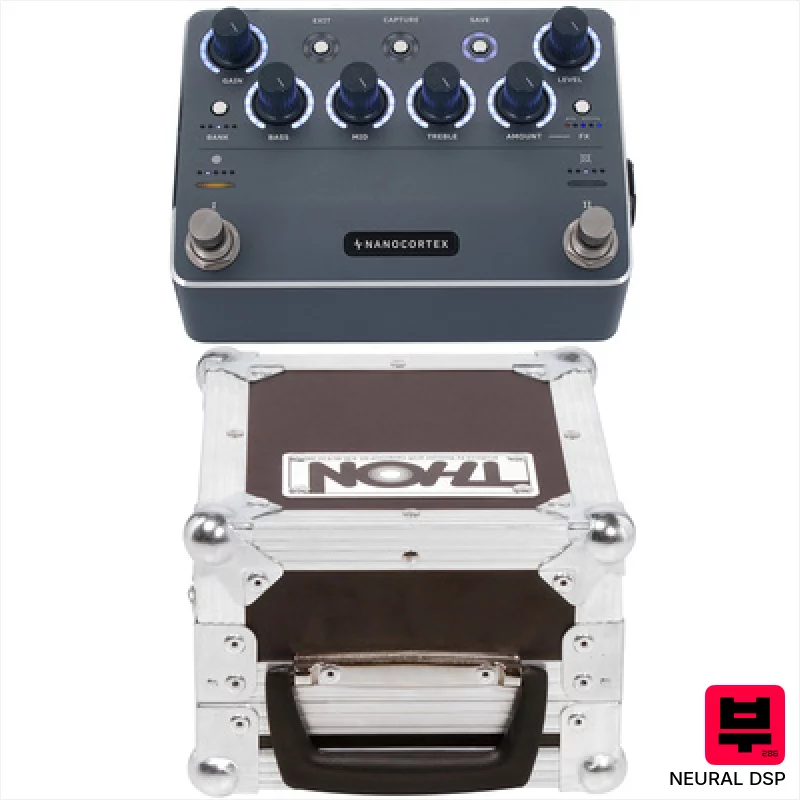
Neural DSP Nano Cortex Bundle
- • Exceptional Quad Cortex sound quality in a compact, affordable format
- • Massive library of Neural Captures expands tonal possibilities immensely
- • Flexible seven-block system allows for complex signal chains
- • Intuitive interface and free updates keep the unit evolving.
- • Fixed signal path limits experimentation with unconventional routing
- • Reliance on Neural DSP’s ecosystem for full potential can be restrictive
- • Processing power, while impressive, can introduce latency at higher buffer settings.
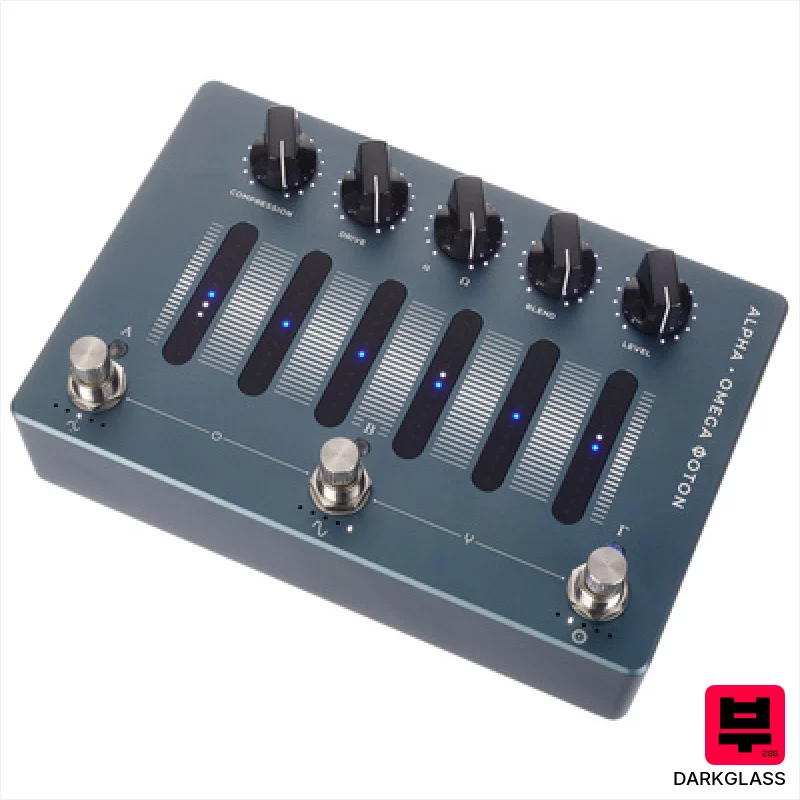
Darkglass Alpha·Omega Photon
- • Highly flexible signal chain allows for complex tone sculpting and layering.
- • Bluetooth integration and mobile app control expand functionality and customization.
- • Darkglass’ signature Alpha-Omega distortion delivers a uniquely aggressive, modern tone.
- • XLR DI output provides a clean, professional signal for recording and live use.
- • The extensive feature set can feel overwhelming for less experienced users.
- • Relatively compact size might limit pedalboard space for some bassists.
- • Aux input quality is limited by the 3.5mm jack – not ideal for critical listening.
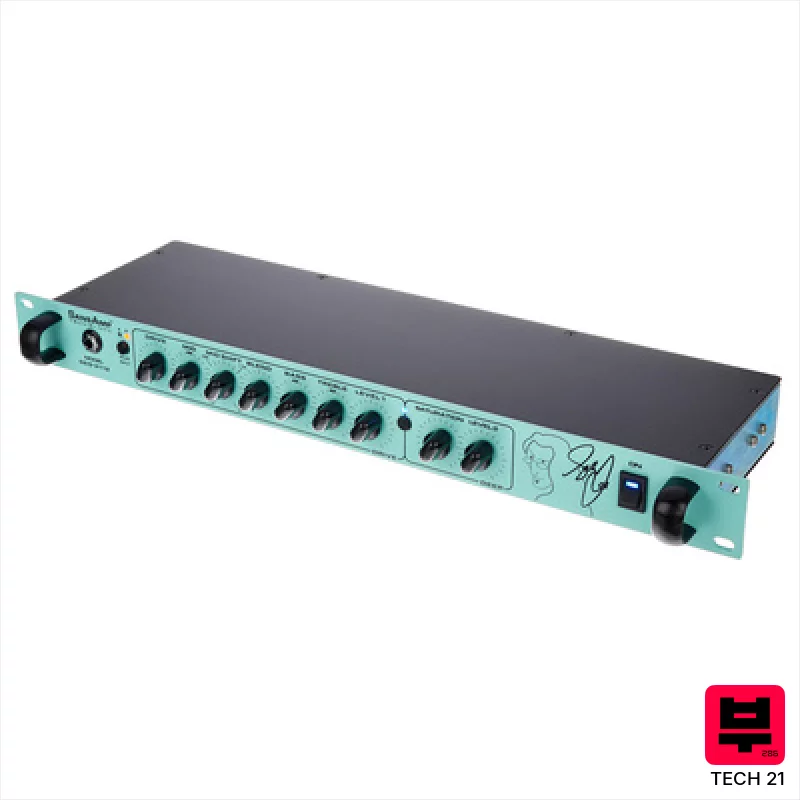
Tech 21 SansAmp GED-2112
- • Two distinct preamp circuits offer incredible tonal flexibility.
- • Geddy Lee's voicing provides a signature, powerful, and articulate low-end.
- • Balanced/unbalanced outputs allow for versatile routing and recording options.
- • Rugged metal enclosure and solid build quality ensure lasting durability.
- • EQ range, while effective, might be limiting for extreme tonal sculpting.
- • Can be a bit complex to dial in quickly for beginners.
- • Size and weight make it less ideal for ultra-portable setups.
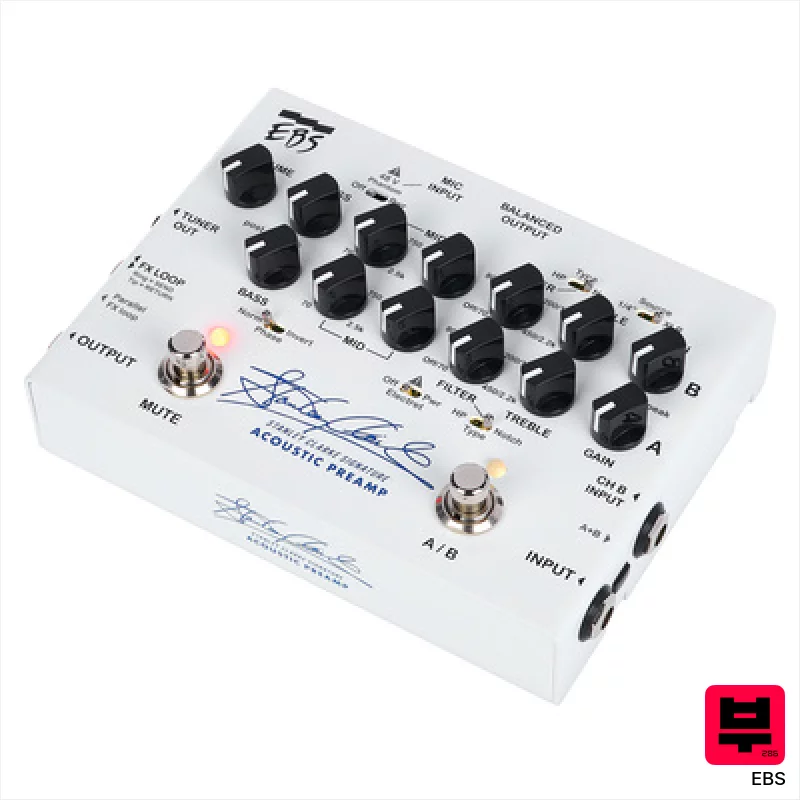
EBS Stanley Clarke Pre Amp
- • Stanley Clarke’s signature warmth adds unique character to acoustic sources
- • Flexible EQ section with adjustable mid-band offers precise tonal shaping
- • Parallel FX loop preserves signal integrity for pristine effects processing
- • Compact size and robust build quality ideal for studio and stage use
- • Limited input options might require external preamps for complex setups
- • White finish can show fingerprints and smudges easily
- • Premium-priced compared to basic preamp solutions
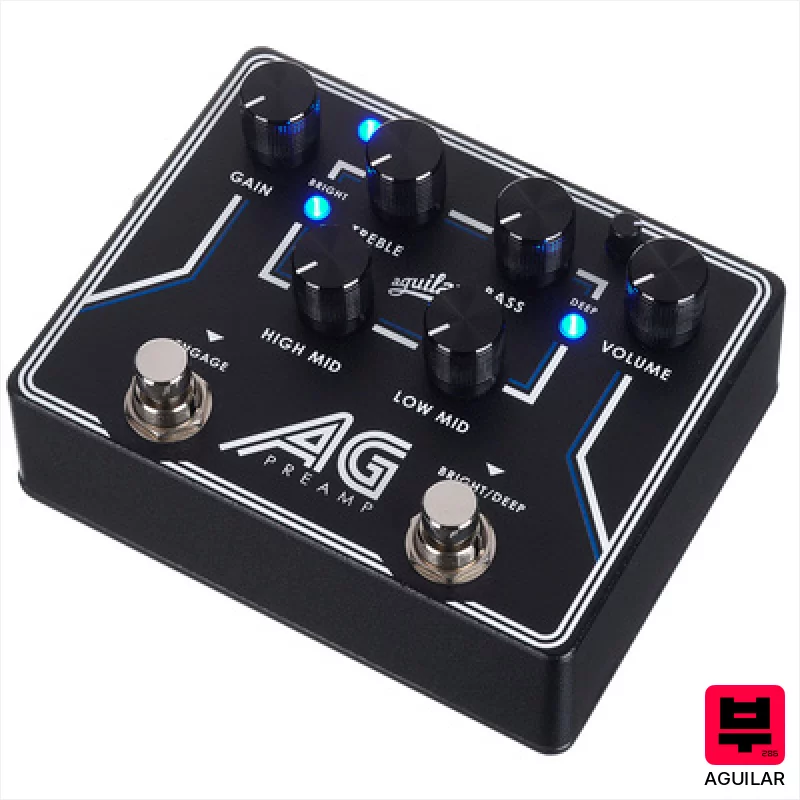
Aguilar AG Preamp
- • Aguilar's signature preamp voicing delivers a tight, articulate, and punchy low-end.
- • Robust metal enclosure provides excellent durability for gigging and studio use.
- • Flexible EQ section with Bright/Deep switch allows for broad tonal shaping.
- • High-quality DI output with pre/post ground lift is excellent for recording and live sound.
- • Requires a separate power supply, adding to the overall cost and complexity.
- • Limited effects options; focuses purely on preamp and EQ functionality.
- • Aux input level can be a bit low, requiring careful gain staging.
How to Choose the Best Bass Preamps
Clean Gain Stage
A transparent preamp is essential. You don't want it coloring the sound before your pedals get involved. We're looking for headroom to handle dynamic playing without clipping, and a gain range that lets you subtly boost or drastically saturate.
EQ Flexibility
Forget a simple bass/mid/treble stack. Look for parametric EQ, semi-parametric, or at least a wide range of frequencies to really sculpt your tone. Tightening up the low-mids for clarity in a band setting, or adding a little honk in the upper mids to cut through a dense mix - that's what we want.
Output Options/Impedance Switching
Being able to adjust the output impedance is huge. It changes the way your bass interacts with the next device in the chain - pedals, DI boxes, interfaces. Lower impedance can tighten the low-end, higher impedance can add air and sparkle. It's about tailoring the preamp to your entire signal chain.
Drive/Saturation Circuit
Subtle harmonic distortion can add warmth and presence, while more aggressive saturation can create a growling, aggressive tone. The key is control - a dedicated drive knob, or a way to blend clean and distorted signals.
Noise Floor
A quiet preamp is a good preamp. Noise is the enemy of a clean recording and a focused live sound. It's easy to overlook, but it becomes painfully obvious when you start stacking gain stages.
Buying Guide
Don't fall for marketing buzzwords. A 'vintage' vibe is nice, but signal processing demands clean gain and flexible EQ. Cheap preamps often compromise on the clean gain stage, muddying up the low-mids and adding noise. Spend a little more for a preamp with a good reputation for transparency and a flexible EQ - it'll pay off in the long run, especially when recording. Consider impedance switching - that's a feature that adds a lot of versatility for the price.
Our Methodology
We're not looking at spec sheets here. We've spent countless hours A/B'ing these preamps with a variety of basses - Fenders, MusicMans, even a few boutique instruments - into a range of recording interfaces and pedal chains. The real test is how they sound in a mix, how they cut through a rehearsal band, and how much flexibility they offer for creative signal manipulation.

