
Best Amp Microphones for Live Sound 2026
So you're mic'ing your amp for live sound? Smart move. That tiny stage monitor just isn't going to cut it, and DI's can sound sterile. But slapping any old mic on your amp won't magically fix things - you need the right tool for the job. Let's break down the best amp mics for live rigs, what to listen for, and how to avoid wasting your money on something that just sounds... wrong.
Last updated: July 22, 2026 • Next update: July 29, 2026
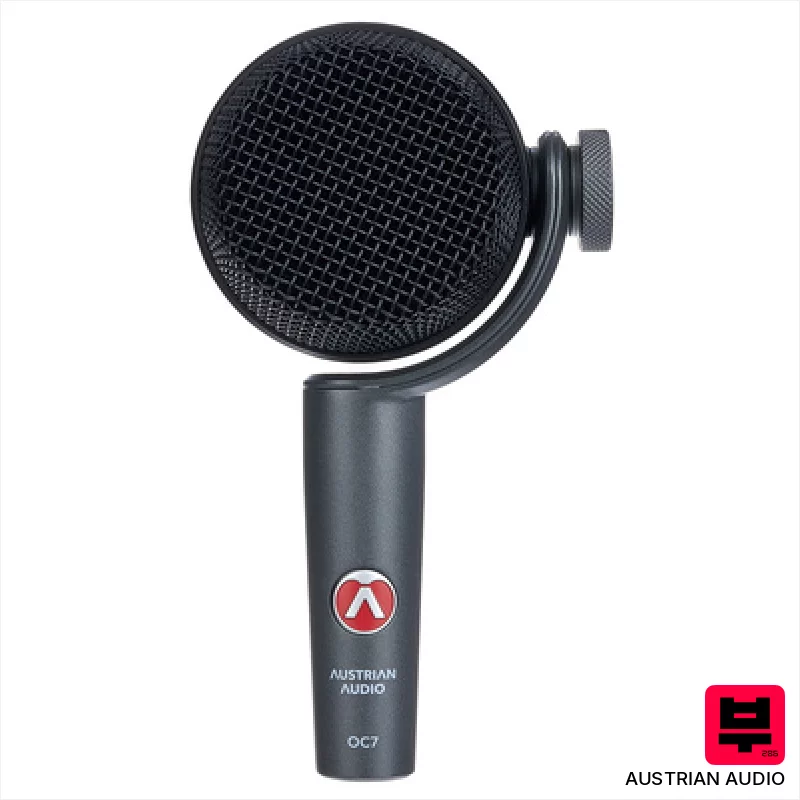
Austrian Audio OC7
- • Exceptional transient response captures subtle nuances brilliantly.
- • Robust aluminum body feels incredibly solid and durable.
- • Cardioid pattern provides excellent isolation from stage bleed.
- • Low self-noise allows for clean recordings at lower gain levels.
- • Limited polar pattern options restrict versatility for certain applications.
- • Heavier than many other instrument mics, can be a handling issue.
- • High SPL handling requires careful gain staging to avoid distortion.
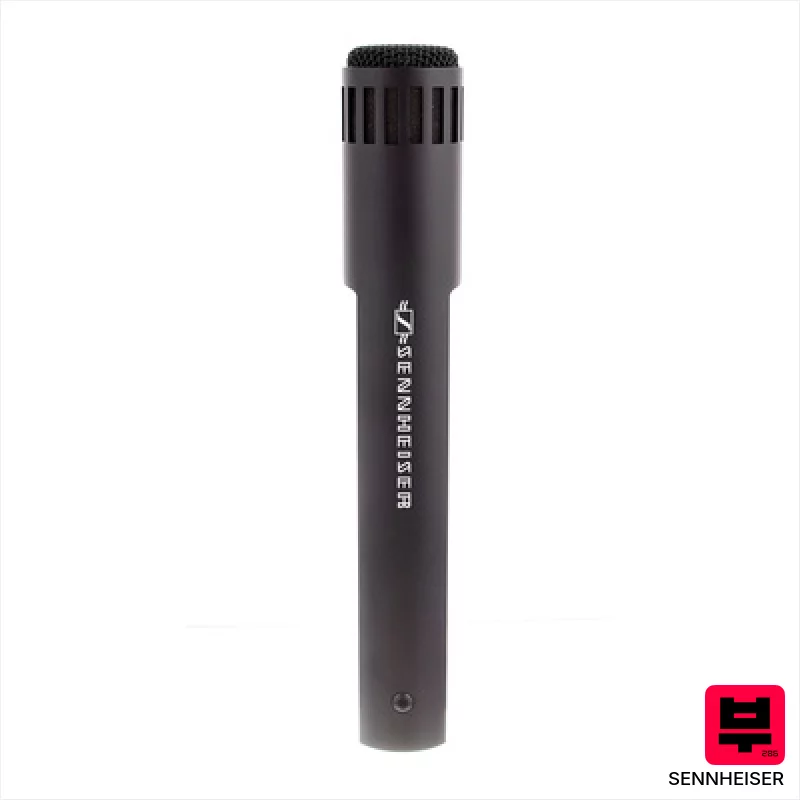
Sennheiser MKH 50 P48
- • Exceptional transient response captures subtle amp nuances
- • Robust, all-metal construction ensures long-term reliability
- • Supercardioid pattern minimizes bleed in live settings
- • Detailed, natural sound with impressive clarity across frequencies
- • High self-noise requires careful gain staging and quiet environments
- • Limited pattern options restrict versatility for some applications
- • Premium-priced, a significant investment for most users
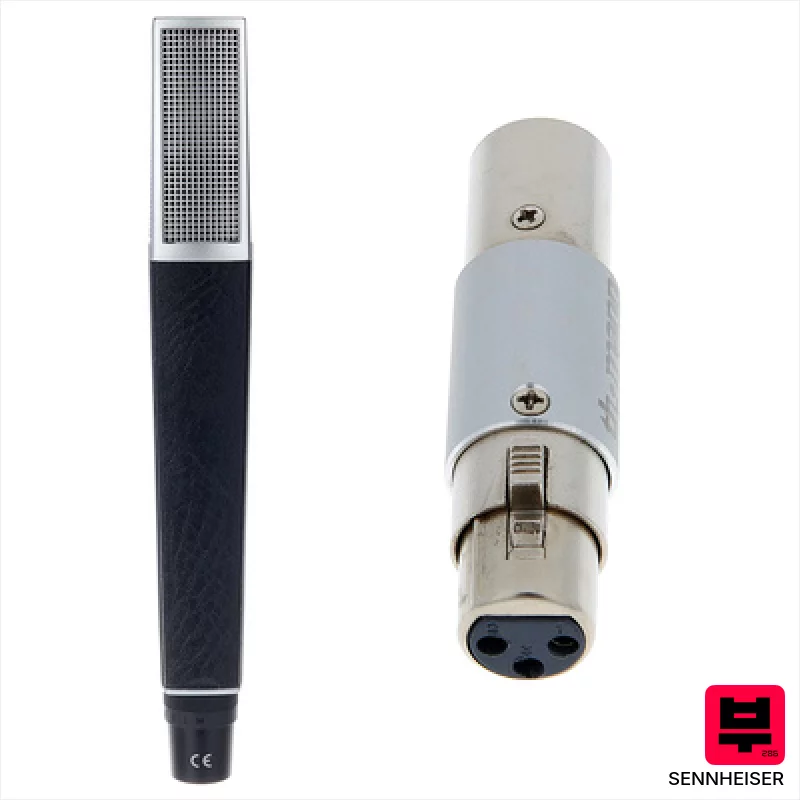
Sennheiser MD441-U FetAmp Bundle
- • All-metal construction feels incredibly robust and roadworthy.
- • Supercardioid pattern offers excellent isolation on stage.
- • FetAmp provides significant clean gain for low-output mics.
- • Transient response rivals condenser mics, capturing detail.
- • Supercardioid pattern can be tricky to manage in less-than-ideal acoustics.
- • The all-metal build contributes to a substantial weight.
- • Limited versatility; excels at amp miking, less so for vocals.
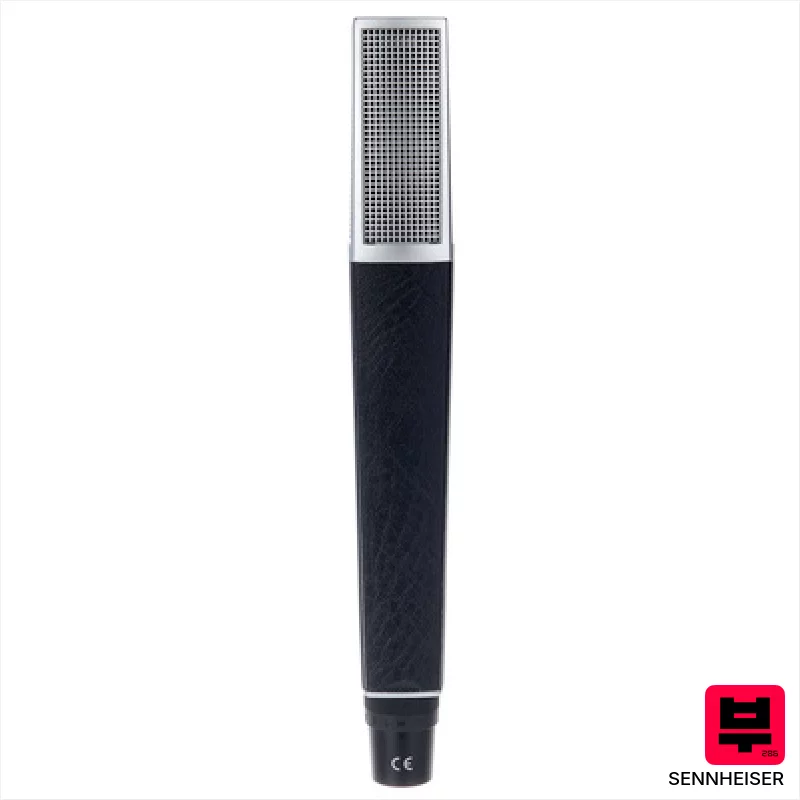
Sennheiser MD441-U
- • All-metal construction feels incredibly robust and durable.
- • Supercardioid pattern offers excellent isolation from stage bleed.
- • Tunable HP and HF shelves allow for precise tonal shaping.
- • Transient response rivals many condensers, capturing detail remarkably well.
- • The supercardioid pattern can be tricky to manage in close quarters.
- • Its premium-priced positioning limits accessibility for budget-conscious users.
- • The heavy build (nearly 1 lb) can be fatiguing during extended use.
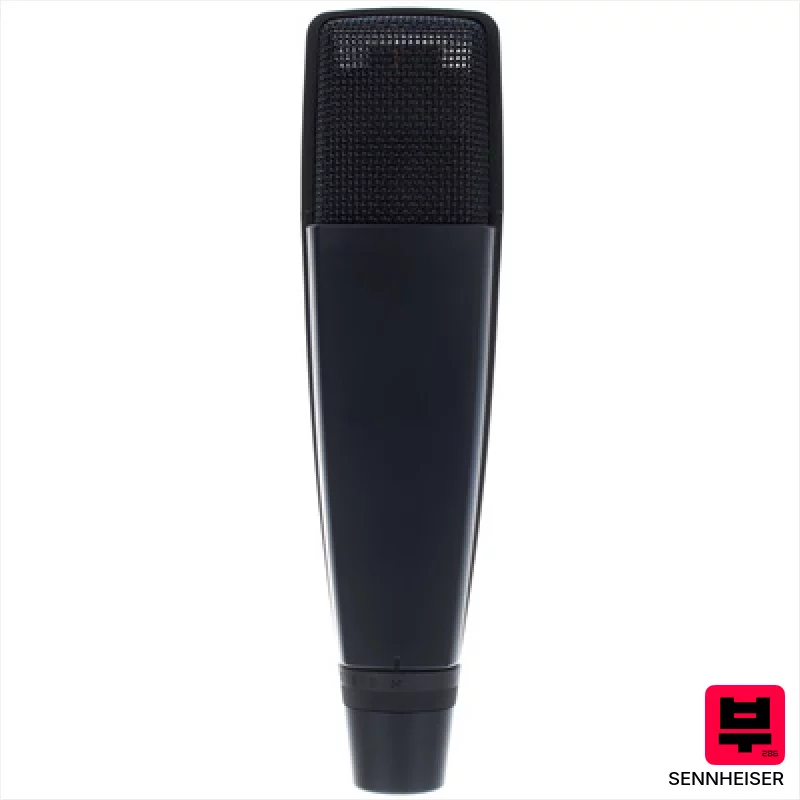
Sennheiser MD 421-II
- • Robust zinc die-cast body ensures exceptional durability on stage and in the studio
- • 5-stage bass switch allows tailoring low-frequency response to various instruments/sources
- • Cardioid polar pattern provides excellent isolation and feedback rejection
- • Transparent sound reproduction captures detail across a wide frequency spectrum
- • Can sound slightly clinical compared to more vintage-voiced microphones
- • Relatively heavy, which can be fatiguing on stand use for extended periods
- • Less versatile than some multi-pattern condenser microphones for nuanced vocal recordings

Sennheiser MD421-II FetAmp Bundle
- • Exceptional build quality; feels incredibly solid and durable.
- • Versatile 5-stage bass switch offers tailored low-end response.
- • Cardioid pattern provides excellent isolation and feedback rejection.
- • FetAmp provides clean gain, useful for dynamic range.
- • Can be a bit heavy for extended handheld use.
- • Its sound signature might be too neutral for some modern genres.
- • Somewhat limited frequency response compared to some ribbon mics.
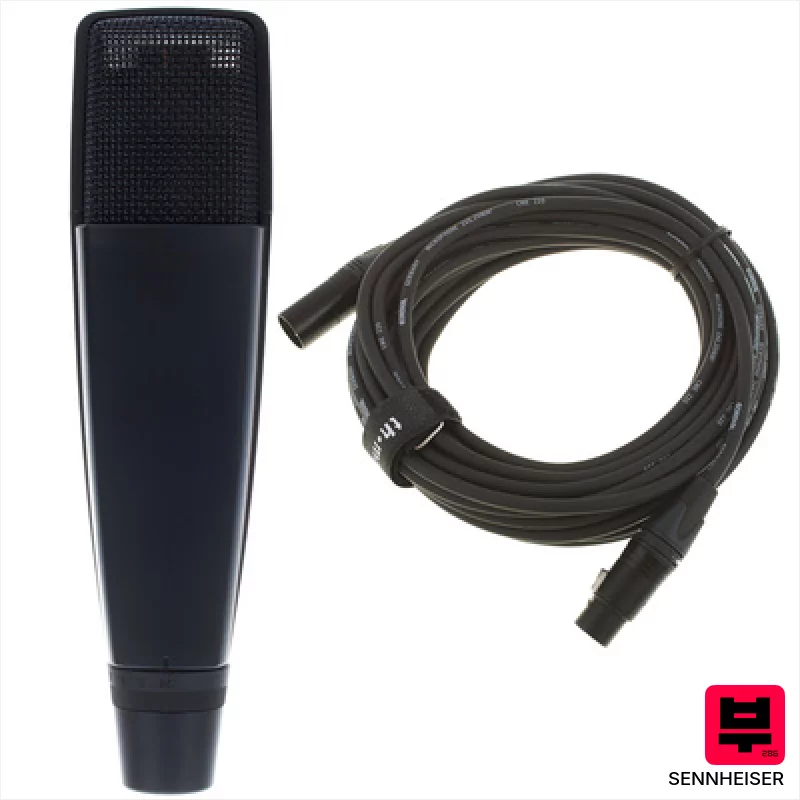
Sennheiser MD 421 Cordial Bundle
- • Robust construction handles demanding live and studio use
- • 5-stage bass switch offers tonal flexibility for various sources
- • Cardioid pattern excels in stage environments, minimizing bleed
- • Included CAM 9 BK cord provides reliable signal transfer
- • Can be a bit heavy for extended handheld use
- • Somewhat dark sonic character might not suit all vocal styles
- • Price point places it in a premium-priced category

beyerdynamic M 88 (2023)
- • Robust metal construction inspires confidence and longevity.
- • Hypercardioid pattern excels at isolation in loud environments.
- • Wide frequency response captures detail across instruments’ spectrum.
- • Excellent feedback rejection allows for higher stage volumes.
- • Hypercardioid pattern demands precise mic placement for optimal results.
- • Somewhat heavy, may require sturdy stands or mounting solutions.
- • Lacks a pad switch, limiting headroom with extremely loud sources.
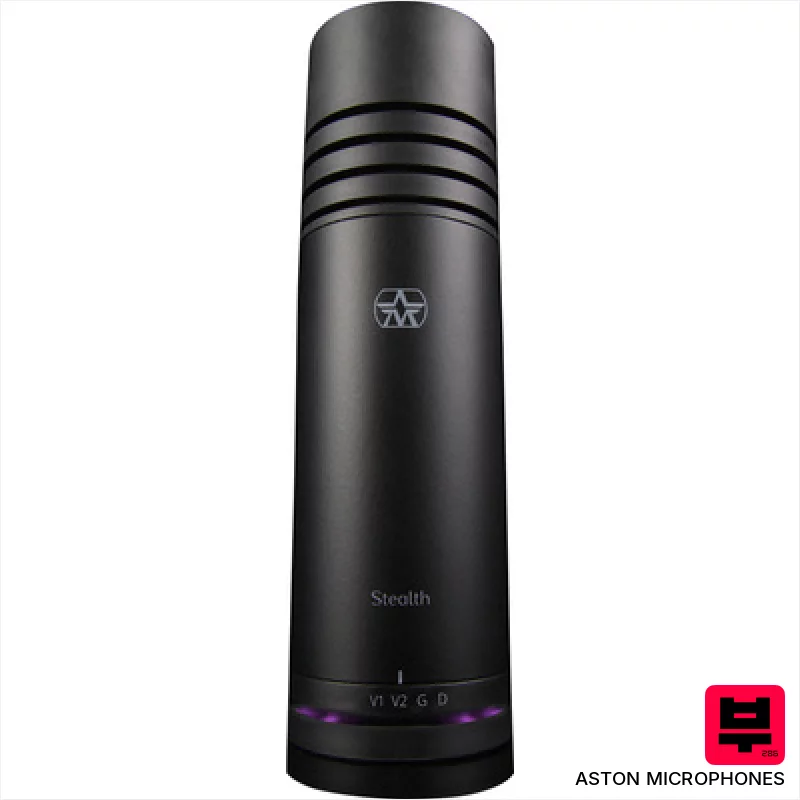
Aston Microphones Stealth Broadcast
- • Excellent off-axis rejection minimizes room noise effectively.
- • Class A preamp adds warmth and subtle harmonic enhancement.
- • Selectable voice profiles offer surprising tonal flexibility for varied sources.
- • Robust metal chassis feels substantial and built to withstand stage use.
- • Weight can be fatiguing during extended handheld use.
- • Cardioid pattern limits versatility for multi-mic recording scenarios.
- • Dark setting can be overly subdued for brighter instruments/vocals.
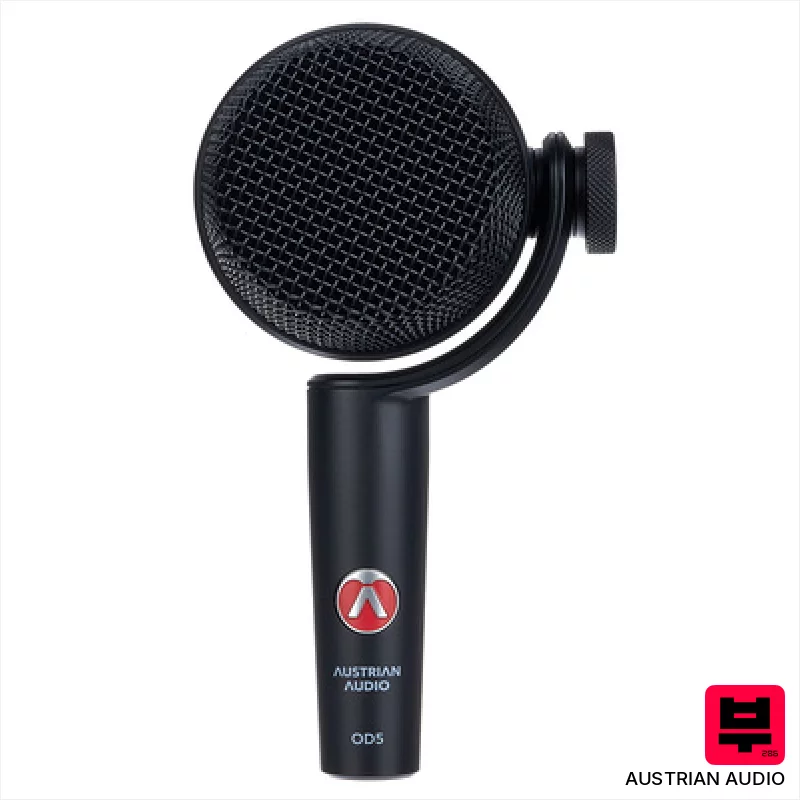
Austrian Audio OD5
- • Robust aluminum body feels exceptionally solid, built to withstand gigging.
- • Cardioid pattern isolates amps well, minimizing room noise bleed.
- • Dynamic capsule handles high SPLs without distortion; excellent for loud cabs.
- • HP filter effectively tames low-frequency rumble from stacks or stage vibrations.
- • Relatively heavy for handheld use; might require a mic stand frequently.
- • Lacks versatility for vocal or acoustic instrument applications; very focused.
- • Limited tonal palette; favors a tight, modern, somewhat aggressive sound.

beyerdynamic M 201 (2023)
- • Excellent transient response for crisp drum overheads.
- • Hypercardioid pattern minimizes bleed, crucial for loud stages.
- • Robust metal construction feels very solid and durable.
- • Well-balanced frequency response captures instrument detail.
- • Hypercardioid pattern demands precise mic placement; prone to feedback.
- • Limited versatility; not ideal for vocal recording or general purpose.
- • Slightly heavier than some competing instrument mics.

Neumann BCM 705
- • Exceptional transient response captures amp nuances flawlessly
- • Robust Neumann build quality ensures years of reliable use
- • Integrated pop filter minimizes plosives for clean recordings
- • Hypercardioid pattern isolates sources, reducing bleed effectively
- • Hypercardioid pattern demands precise mic placement for optimal results
- • Relatively heavy, can be unwieldy on stands for extended use
- • Limited versatility; best suited for dedicated amp miking scenarios
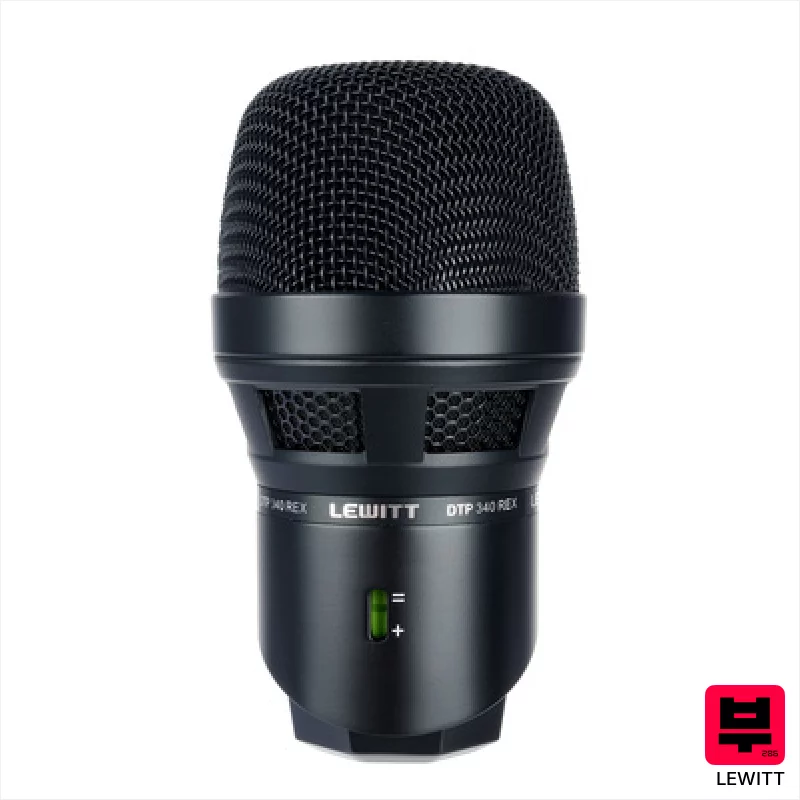
Lewitt DTP 340 REX
- • Robust zinc die-cast body handles serious stage abuse.
- • Cardioid pattern effectively isolates sources, minimizing bleed.
- • Handles high SPLs exceptionally well, suitable for loud amps.
- • Integrated tripod adapter simplifies quick setup and positioning.
- • 500-ohm impedance requires a decent preamp for optimal gain.
- • Cardioid pattern limits flexibility for stereo or multi-mic setups.
- • Somewhat limited frequency response compared to more premium options.

Shure Nexadyne 5
- • Supercardioid pattern effectively rejects stage bleed, crucial for loud environments.
- • Revonic dual-engine tech delivers surprisingly detailed and articulate amp response.
- • Robust metal construction and included clamp inspire confidence in gigging scenarios.
- • Compact size allows for versatile placement on various amp speaker configurations.
- • Supercardioid pattern requires careful mic placement to avoid phase issues.
- • Lower sensitivity means it needs a preamp with decent gain for optimal signal.
- • Limited frequency response compared to condenser mics; lacks extreme highs/lows.
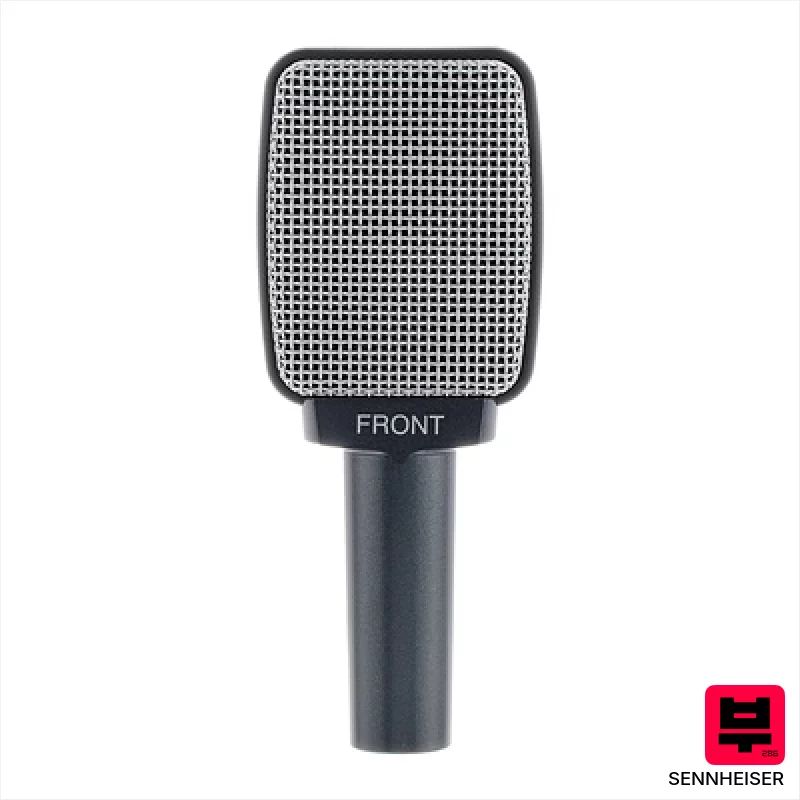
Sennheiser E609 Silver
- • Supercardioid pattern minimizes bleed, great for loud stages
- • Rugged zinc die-cast body handles gigging abuse
- • Clear, focused midrange captures amp character well
- • MZG 100 clip simplifies mounting to speaker cabs
- • Supercardioid pattern can be tricky to position consistently
- • Lacks the low-end thump of more premium amp mics
- • Sensitivity is relatively low, may need preamp gain boost
How to Choose the Best Amp Microphones
Frequency Response
It's not just about 'flat.' A mic might need a slight boost in the low-mids to compensate for stage acoustics or a cut in the upper mids to tame harshness. The 'right' frequency response depends entirely on the amp and the desired tone - a scooped metal tone will want something different than a clean jazz amp.
Polar Pattern
Cardioid is your workhorse for live. It rejects stage bleed from drums and vocals, keeping your amp's sound focused. Supercardioid offers even more rejection but can create a 'proximity effect' - a boomy low-end - if you get too close. Omni is rarely useful live unless you're going for a very specific, ambient sound.
Transient Response
Can the mic accurately capture the attack of a pick hitting a string? Sloppy transient response makes everything sound mushy and indistinct, especially when the band's laying down a tight groove. A mic that responds quickly will give you better articulation and clarity.
Handling Noise
Those subtle nuances of your amp's breakup and sustain disappear fast if the mic itself is humming or rattling. Cheap mics often have noticeable handling noise - a real killer when you're trying to dial in a delicate overdriven tone. It's a trade-off, often, but worth prioritizing.
Sensitivity & Headroom
A more sensitive mic captures quieter details, which is great for clean tones, but can also overload easily with high-gain amps. Headroom dictates how much signal the mic can handle before distorting - crucial for avoiding digital clipping in your PA.
Buying Guide
Don't chase the 'expensive' label. A $50 Sennheiser e609 Silver is often a better choice for a Marshall stack than a $300 boutique mic if you're not careful. Think about the amp you're miking, the stage environment, and your budget. A decent dynamic mic is a solid starting point, but don't be afraid to experiment with condensers for a more detailed, nuanced sound - just be mindful of feedback. And always, always, use a good quality XLR cable.
Our Methodology
We're not just looking at spec sheets here. We've spent years gigging, tracking, and A/B'ing mics through a variety of amps - from Fender Twins to Marshall stacks to Vox AC30s. Our evaluations are based on how a mic translates that amp's character to a PA system, how it handles dynamics on stage, and whether it cuts through a full band mix without getting muddy or harsh. We're listening for that sweet spot where it captures the amp's essence without adding unwanted coloration.

