
Best Active Full-Range PA Speakers for Live Sound 2026
Alright, so you're looking for active full-range speakers for live gigs? Good call - ditching the passive setup can seriously simplify things, especially for smaller bands and solo acts. But not all active speakers are created equal; you need something that can handle a rock band's dynamics without sounding fizzy or muddy, or a singer-songwriter's nuance without getting lost in the room. Let's break down what to look for and which speakers actually deliver.
Last updated: July 22, 2026 • Next update: July 29, 2026
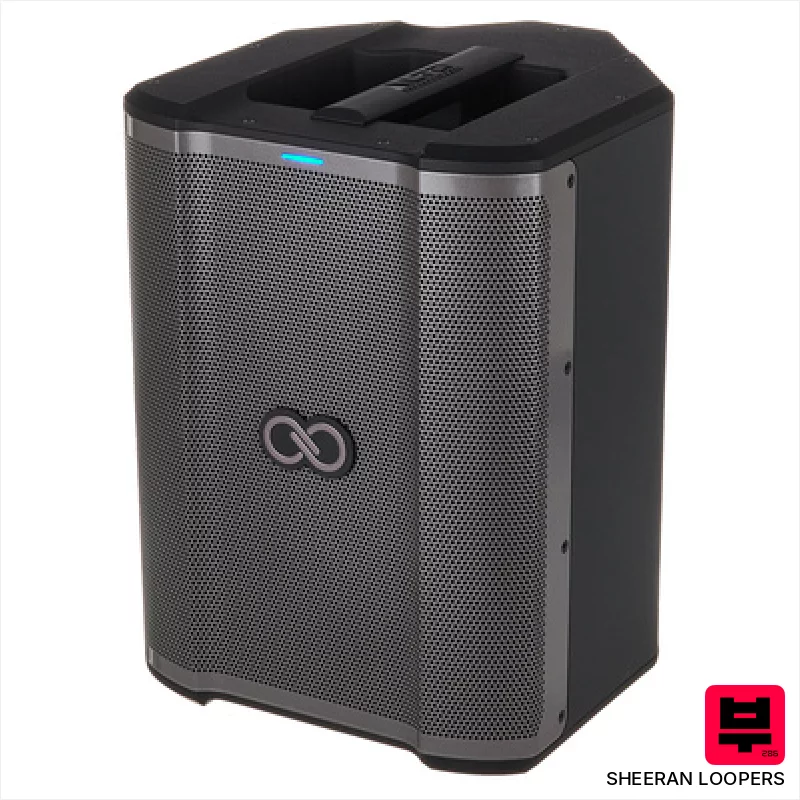
Sheeran Loopers Sheeran Loopers Busker SE"
- • Excellent battery life provides true portability for busking or outdoor gigs.
- • Integrated Alesis effects offer basic vocal enhancement without external gear.
- • The compact size and integrated mixer simplify setup and transport.
- • Dual XLR combo inputs with phantom power support professional microphones.
- • 200W peak power is adequate, but lacks headroom for very loud venues.
- • DSP modes are basic; serious sound engineers will want more control.
- • Build quality, while decent, feels budget-oriented, not premium construction.
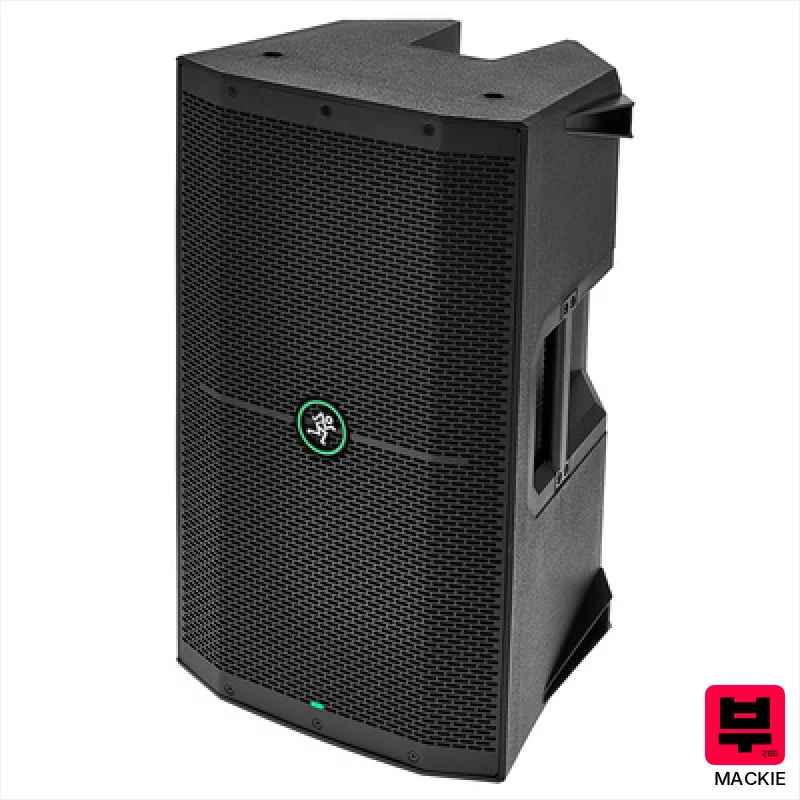
Mackie Thump 210
- • Robust polypropylene enclosure handles abuse; feels surprisingly solid for the price.
- • Feedback eliminator genuinely works, useful for live vocals in tricky spaces.
- • The Class-D amplification delivers impressive headroom; sounds surprisingly clean at higher volumes.
- • Angled design makes it a decent stage monitor; surprisingly versatile for its size.
- • High-frequency response can be a little harsh; lacks warmth for acoustic performances.
- • Limited EQ controls restrict fine-tuning for different sound sources.
- • Weight makes transport a chore for solo performers or smaller rigs.
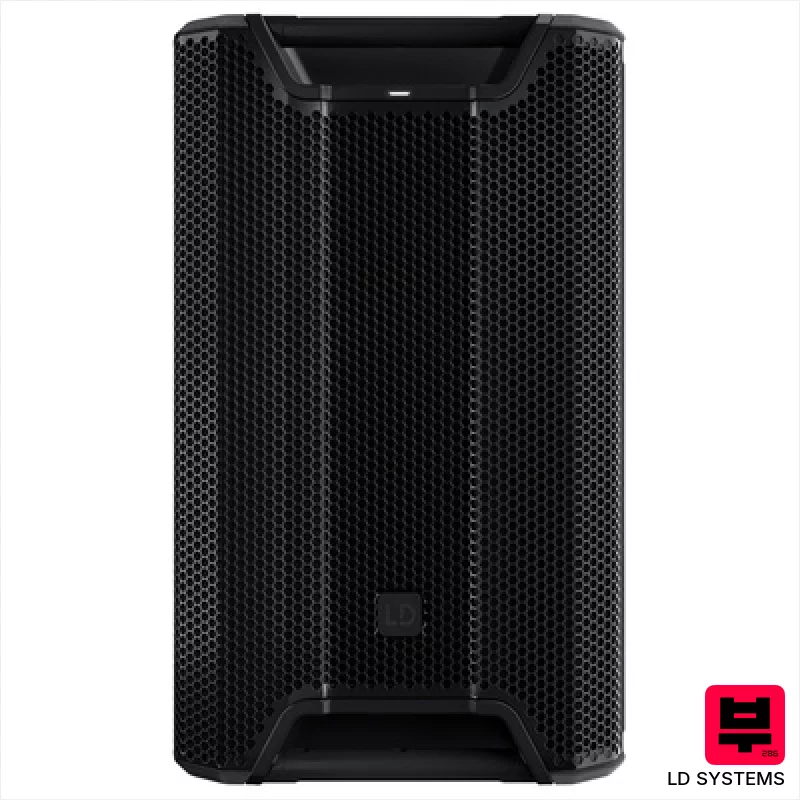
LD Systems ICOA Pro 12 A
- • Coaxial design delivers surprisingly focused sound for a full-range speaker.
- • Titanium cone tweeter provides crisp highs without harshness, a nice surprise.
- • SysCore DSP with FIR filters noticeably reduces distortion at higher volumes.
- • Bluetooth 5.1 and TWS offer convenient wireless streaming and stereo pairing.
- • At 53Hz, the low-end response is adequate but lacks true sub-bass extension.
- • The 55° monitor angle might be too shallow for some stage applications.
- • While robust, the plastic enclosure feels less premium than some competitors.
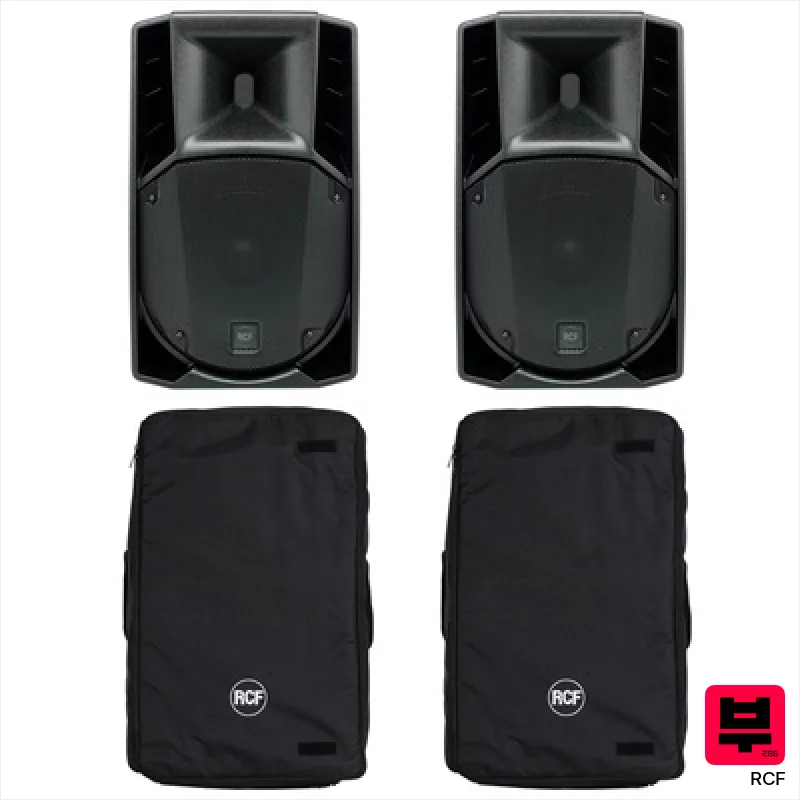
RCF Art 712-A MK V Cover Bundle
- • FiRPHASE tech delivers remarkably even coverage across the soundstage.
- • Titanium tweeter provides crisp highs with excellent clarity and detail.
- • Robust polypropylene housing resists damage during transport and gigging.
- • Class D amplification offers significant power with efficient energy use.
- • At nearly 18kg each, portability can be a challenge for solo performers.
- • The 90°x60° horn might be too directional for certain applications.
- • While versatile, it leans towards louder applications; quieter acoustic gigs may require careful EQ.

EV Everse 12
- • Excellent clarity from the SST waveguide and titanium tweeter.
- • Dynacord digital mixer provides clean, flexible sound shaping.
- • Impressive battery life offers true portability for outdoor gigs.
- • Robust build quality; feels solid and durable for frequent transport.
- • Weight is considerable, limiting one-person transport for extended periods.
- • Limited EQ control compared to dedicated mixing consoles.
- • Bluetooth codec support might lack high-resolution audio streaming options.
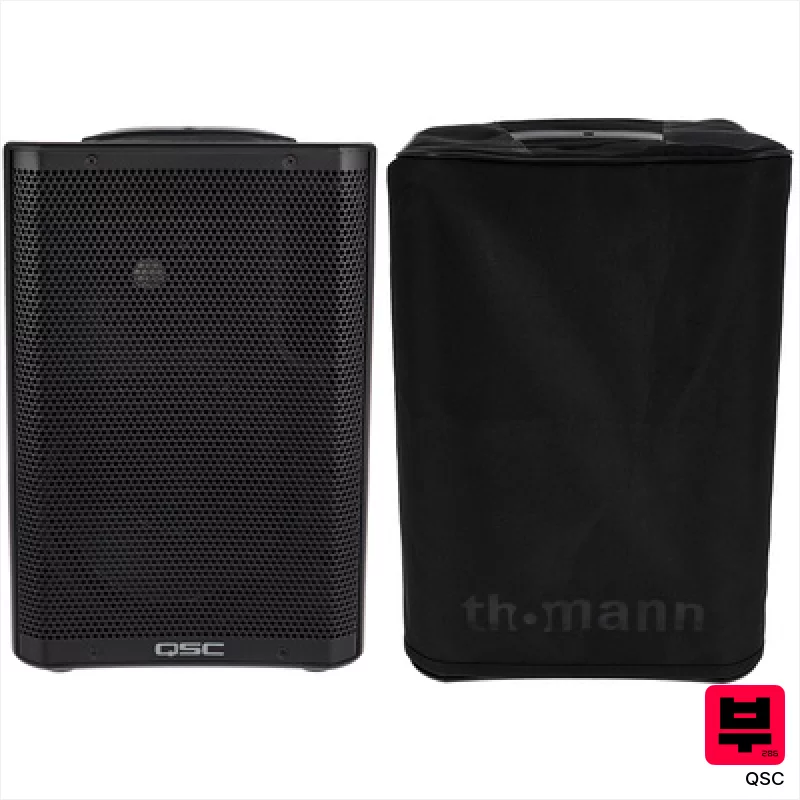
QSC CP8 Cover Bundle
- • Robust Class D amp delivers clean, powerful sound without fan noise.
- • Axissymmetric dispersion ensures even coverage across a wide area.
- • EQ presets provide quick, optimized sound for various applications.
- • Durable speaker grill protects drivers from accidental damage onstage.
- • Weight makes transport a challenge for solo performers or smaller rigs.
- • Limited input options might require external mixers for complex setups.
- • 3.5mm stereo input feels like an afterthought in a professional speaker.
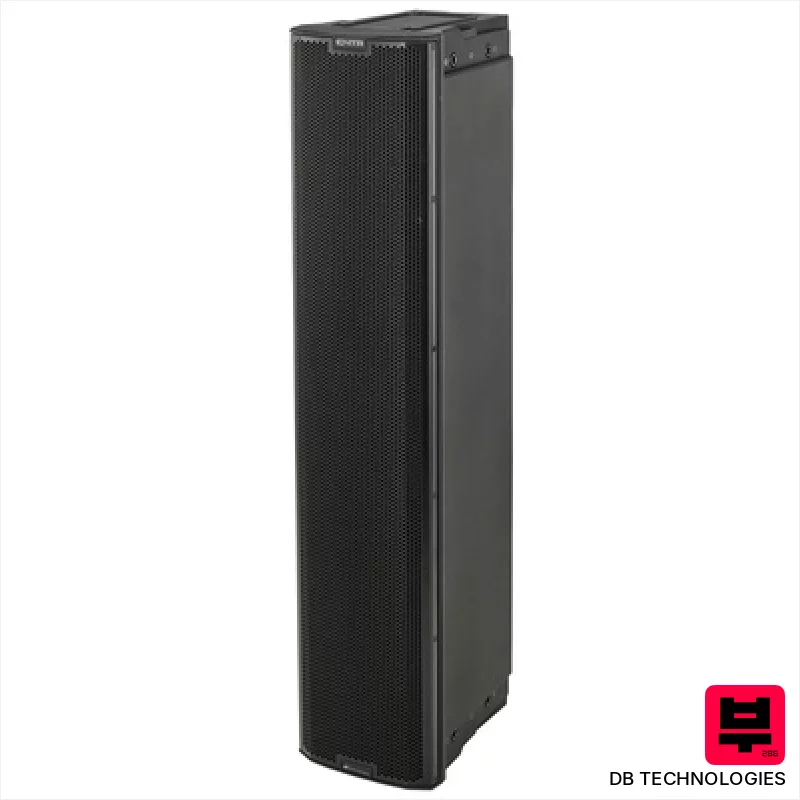
dB Technologies Ingenia IG4TR
- • Digipro G3 amp delivers clean power with impressive headroom.
- • The four 6.5” woofers provide substantial low-end reinforcement.
- • RDNet connectivity enables advanced system control and monitoring.
- • Robust plastic housing balances weight and durability effectively.
- • The plastic housing, while lightweight, lacks the premium feel of metal.
- • Limited EQ flexibility beyond the presets could restrict advanced users.
- • The weight, while manageable, still requires two people for easier transport.
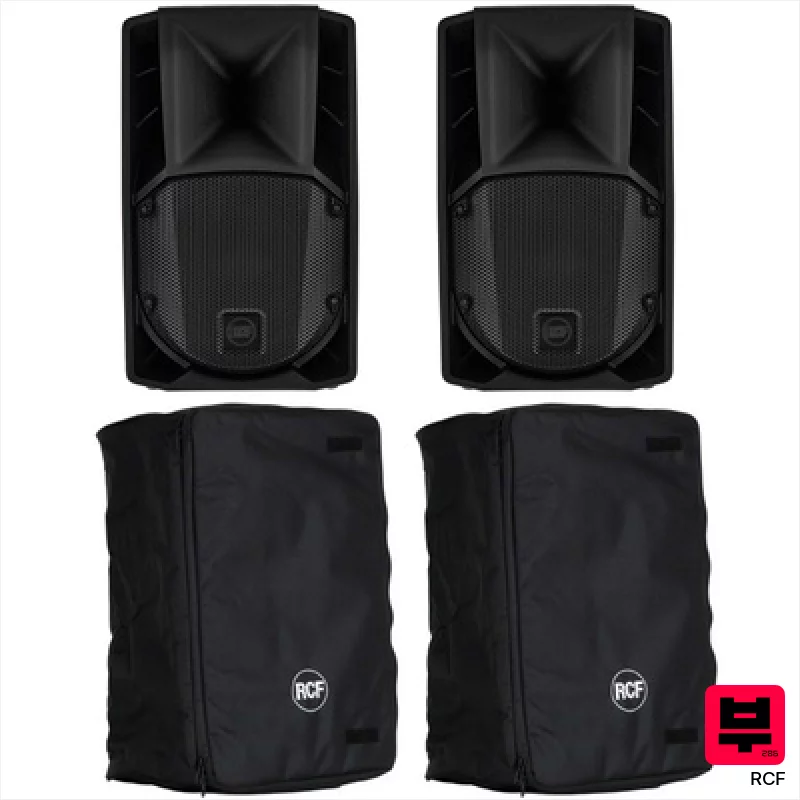
RCF Art 708-A MK V Cover Bundle
- • FiRPHASE tech delivers remarkably coherent, wide soundstage.
- • Polypropylene housing offers excellent protection against gig wear and tear.
- • Class D amp provides substantial power without excessive heat or weight.
- • Covers are a smart inclusion, protecting the finish from scratches.
- • 10.4kg per speaker is noticeable for frequent transport and setup.
- • While versatile, lacks dedicated line outputs for complex routing.
- • The 90°x70° horn might be too directional for some large spaces.
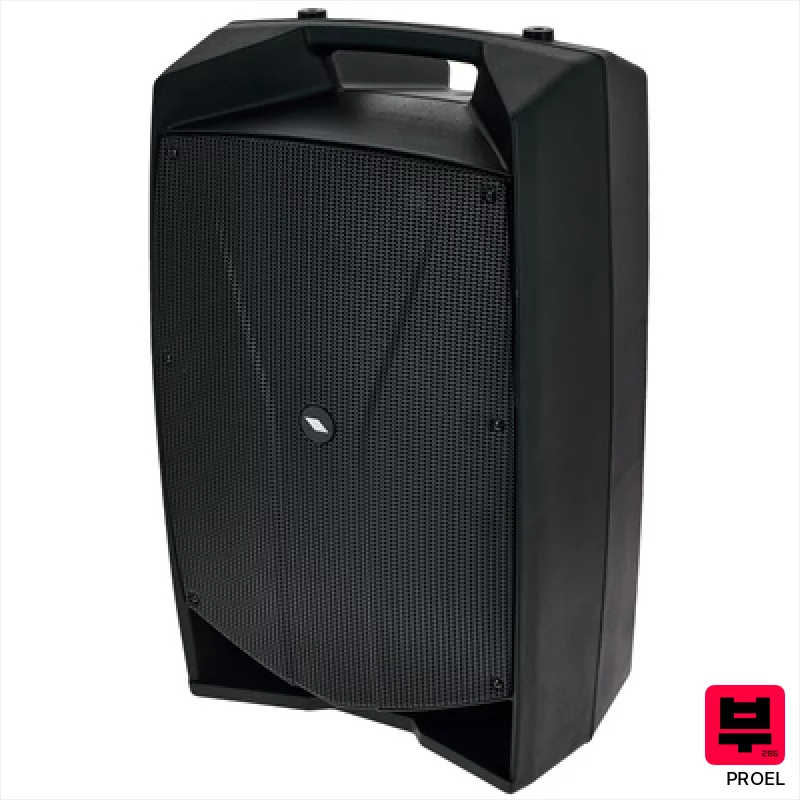
Proel V15PRO
- • The 15” woofer delivers surprisingly deep, clean bass for its class.
- • Neodymium compression driver offers crisp highs without harshness or fatigue.
- • Built-in DSP presets genuinely improve sound quality for various applications.
- • Rigging points and slanted monitor angle provide versatility for stage use.
- • Plastic housing, while durable, lacks the premium feel of metal alternatives.
- • Limited EQ control beyond the presets restricts fine-tuning capabilities.
- • 19kg is hefty; portability will be challenging for solo performers.

Mackie Thump 210XT
- • The 1400W Class-D amp delivers surprising headroom for its size.
- • Angled design provides excellent coverage as a stage monitor.
- • Bluetooth connectivity and Thump Connect offer convenient wireless control.
- • Feedback eliminator is surprisingly effective in live environments.
- • Road-ready construction feels a bit plasticky; not a rock-solid feel.
- • High-frequency response can be slightly harsh at higher volumes.
- • Limited EQ controls restrict fine-tuning of the sound signature.
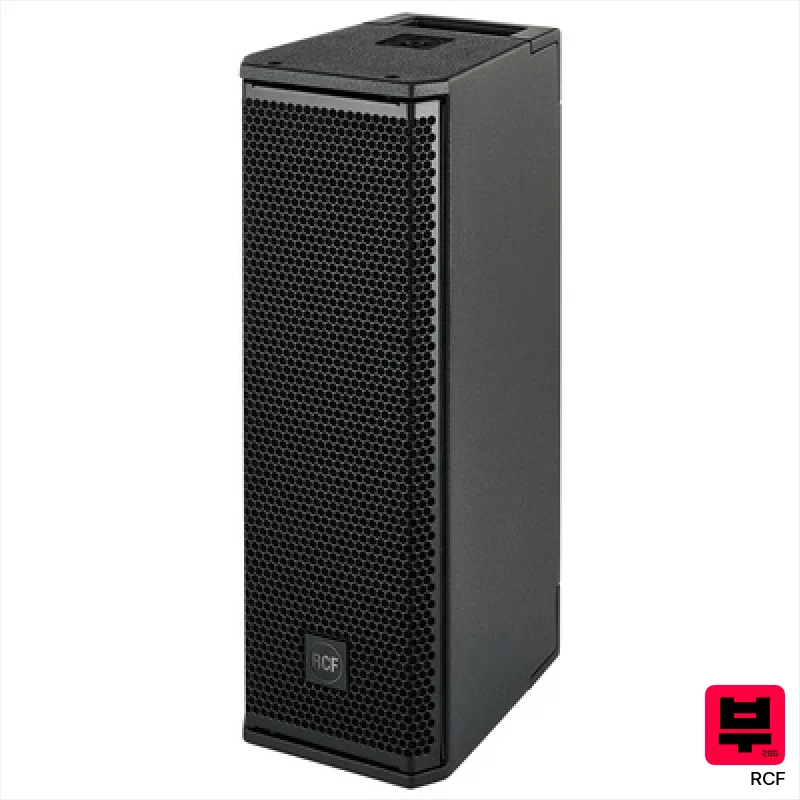
RCF NXL 14-A
- • The plywood enclosure offers exceptional rigidity and dampening, minimizing unwanted resonance.
- • FiRPHASE processing delivers remarkably consistent coverage, reducing feedback issues on stage.
- • Neodymium drivers provide a significant power-to-weight advantage, keeping the speaker relatively portable.
- • The Class D amplifier is efficient, generating less heat and allowing for substantial power output.
- • At nearly 13kg, transporting these solo for extended periods can become tiring.
- • The 70° vertical dispersion might be too narrow for larger venues requiring wider coverage.
- • While versatile, its compact design limits low-frequency extension compared to larger subwoofers.
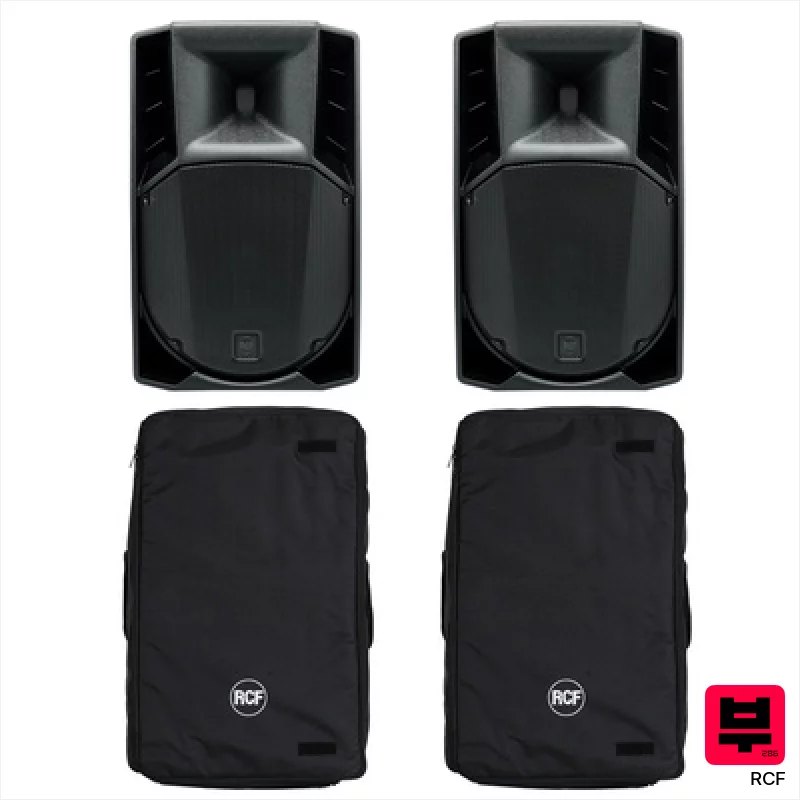
RCF Art 715-A MK V Cover Bundle
- • FiRPHASE tech delivers exceptional clarity and imaging across the coverage.
- • Robust polypropylene housing offers excellent protection against stage abuse.
- • Powerful Class D amplifier provides clean headroom and ample reserves.
- • Included covers protect from dust, scratches, and minor impacts.
- • Significant weight makes transport and setup a two-person job.
- • While versatile, lacks dedicated line outputs for complex routing.
- • Price point places it in the premium-priced active speaker category.
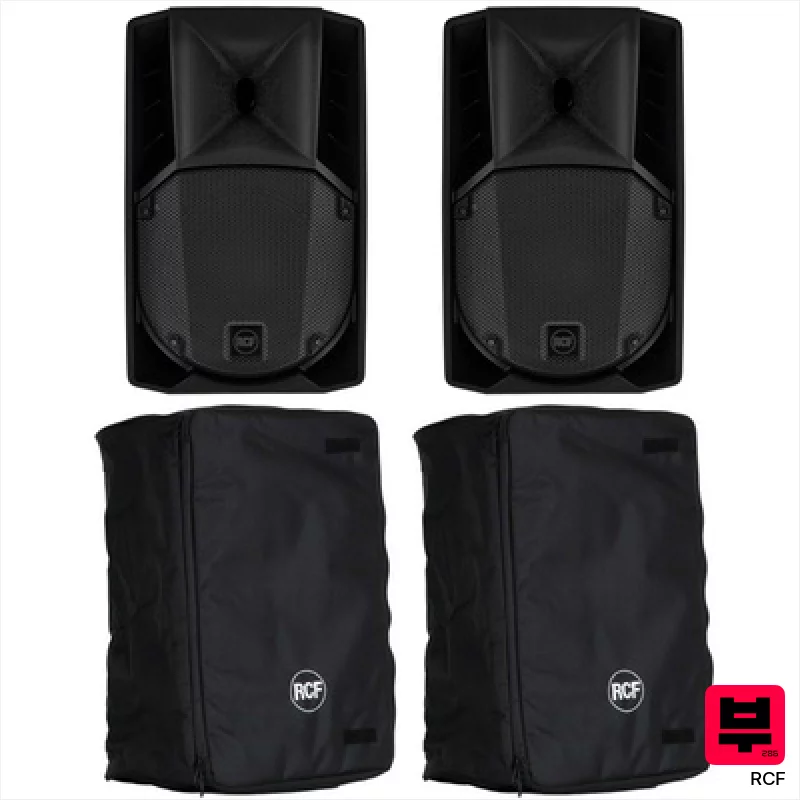
RCF Art 710-A MK V Cover Bundle
- • FiRPHASE technology delivers remarkably coherent and wide sound dispersion.
- • The polypropylene housing offers excellent protection against gig wear and tear.
- • Class D amplification provides efficient power with minimal heat generation.
- • Included covers provide valuable protection, extending speaker lifespan considerably.
- • At 14.4 kg each, transport can be challenging for solo performers.
- • While versatile, the 90°x70° horn might be limiting for complex stage setups.
- • The polypropylene housing, while durable, lacks the premium feel of some high-end alternatives.
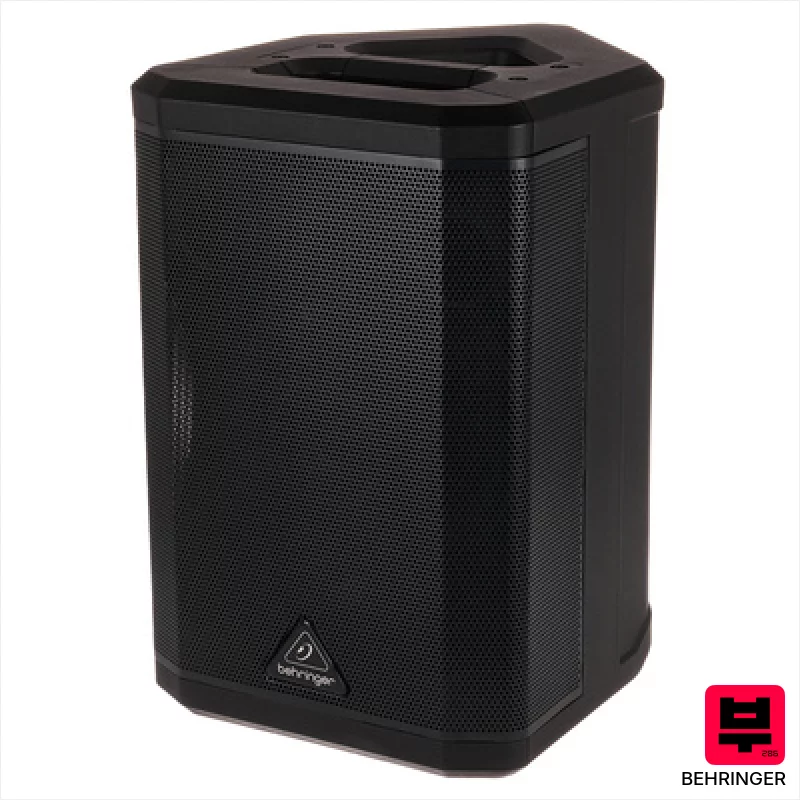
Behringer B1X
- • Battery power offers unmatched portability for gigs and rehearsals.
- • Digital mixer app provides surprisingly flexible control over sound.
- • Compact size and relatively light weight for its power output.
- • The 6.5” woofer delivers surprisingly punchy low-end for its size.
- • Build quality feels plasticky; not built for serious abuse on the road.
- • High-frequency response can be a little harsh without careful EQ adjustments.
- • Limited input gain range might struggle with very quiet sources.
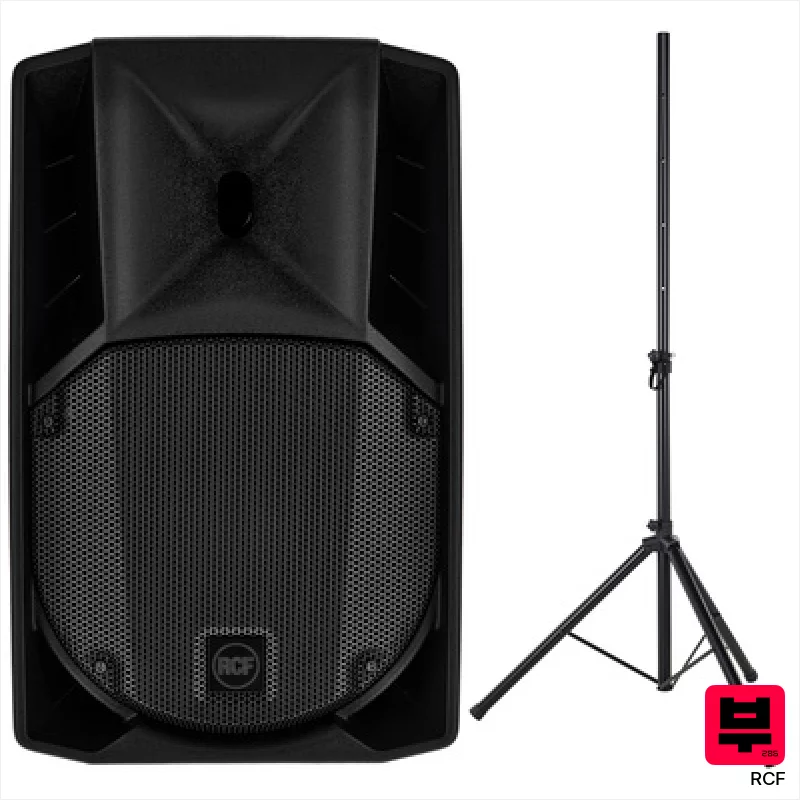
RCF Art 710-A MK V Stand Bundle
- • FiRPHASE tech delivers remarkably even coverage across the listening area.
- • The polypropylene enclosure is surprisingly robust and resists gig abuse well.
- • Class D amplification provides significant power without excessive heat or weight.
- • The included speaker stand offers basic support; a good starting point for smaller setups.
- • 14.4 kg is substantial; portability will be a factor for solo performers.
- • The 90°x70° horn might be too directional for certain live scenarios.
- • While versatile, lacks dedicated line outputs for complex routing needs.
How to Choose the Best Active Full-Range PA Speakers
Frequency Response
It's not just about being 'flat.' We're listening for a balanced response - that low-end thump that you feel in your chest, a clear midrange for vocals and guitars to cut through, and high-end sparkle without being brittle or ice-picky. A boosted midrange can be a blessing for certain genres like blues or country, but a dip can make a metal band sound thin.
Power Handling & Headroom
This isn't just about peak wattage. It's about how much headroom you have before things start to compress and distort. You want those speakers to breathe, especially when the drummer decides to lay down a double kick. Clipping is the enemy of good sound.
Dispersion Pattern
A wider dispersion means the sound spreads more evenly across the audience. This is crucial for avoiding hot spots and dead zones, especially in less-than-ideal venues. Look for speakers with decent horizontal and vertical coverage - those nasty reflections can ruin a set.
Build Quality & Portability
Let's be real, you're going to be lugging these around. Solid construction, a manageable weight, and decent handles are essential. A speaker that falls apart mid-gig isn't a good investment, no matter how good it sounds.
EQ & Connectivity
A little bit of onboard EQ can be a lifesaver for adapting to different room acoustics. Multiple input options (XLR, 1/4", etc.) are a must for versatility. A speaker that only has one input is going to be a pain when you're trying to run a complex setup.
Buying Guide
Don't fall for the wattage game - a lower wattage speaker with better drivers can often outperform a higher wattage one with cheap components. Listen for a natural, uncolored sound, and prioritize headroom over sheer volume. Corners often get cut on driver quality and amplifier design, so be wary of suspiciously low prices - you usually get what you pay for. Invest in quality; you'll hear it and your ears will thank you.
Our Methodology
We're not just looking at spec sheets here. We've put these speakers through the ringer: band rehearsals, low-light club gigs, even recording acoustic sets. The real test isn't the wattage, it's how they sound playing - how well they handle dynamic range, how clean they stay at higher volumes, and whether they impart any unwanted color to your tone. We've A/B'd them against industry standards to give you the straight dope.

