
Best Acoustic Amps Under $100 2026

Affordable acoustic amps under $100 - great value without compromising quality

Last updated: September 7, 2026

The best acoustic amps in 2026 are Ortega Ptwo Combo (top pick), Ortega Ptwo-LTD2 Combo for tighter budgets, and Blackstar FLY 103 Acoustic Extension for pros — selected from 7 options across 4 brands, priced $40–$97, ranked by brand, price and popularity.
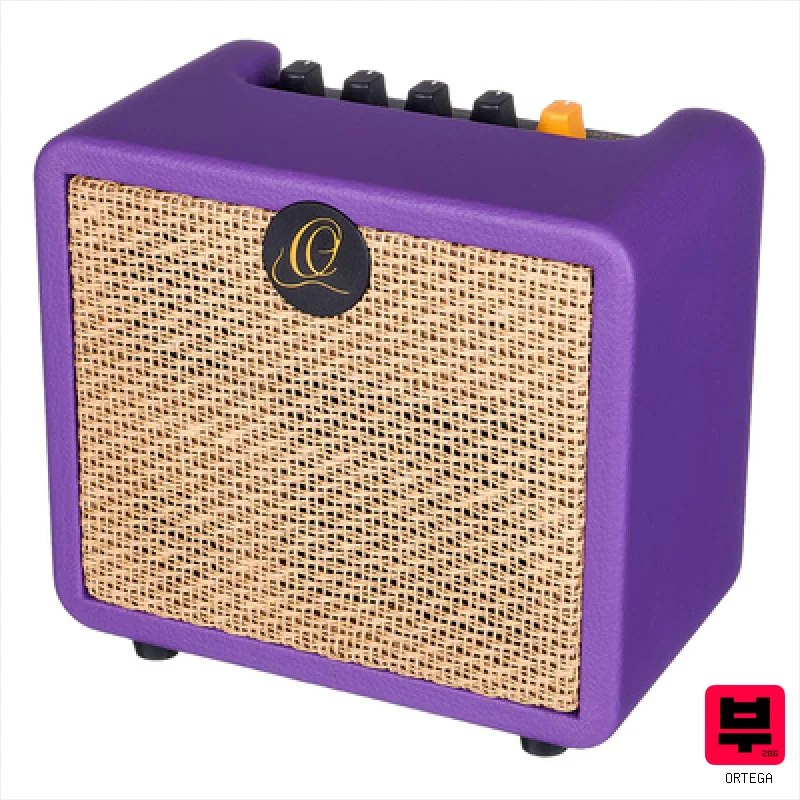
Ortega Ptwo Combo - Professional Music Instrument Photo
#1

Ortega Ptwo Combo

Weight 1.12 kg
Clean Amplification Unplugged Performance Acoustic Guitar
Key Feature:
The Ortega Ptwo Combo is a remarkably affordable little amp – perfect for singer-songwriters, beginners, or anyone needing a truly portable acoustic amp for practice or small, intimate performances. Don't expect earth-shattering power, but the built-in effects and battery operation offer a lot of value for the money.
PROS
  • • Surprisingly decent tone for the price, especially with acoustic instruments.
  • • Integrated effects are usable, offering a quick reverb/chorus/delay boost.
  • • Rechargeable battery provides genuine portability for practice or small gigs.
  • • Compact size and lightweight design make it easy to transport and set up.
CONS
  • • 12 Watts is limiting; struggles at higher volumes or in noisy environments.
  • • 3” speaker and 1.5” tweeter combo creates a somewhat thin, less full sound.
  • • USB-C OTG recording is a nice touch, but likely basic functionality only.
5.0/5 AudioFu Score
Specs:
10/10
Detail:
9/10
Value:
10/10
Art. 601466
$98
Ortega Ptwo-LTD2 Combo - Professional Music Instrument Photo
#2

Ortega Ptwo-LTD2 Combo

Weight 1.12 kg
Country Acoustic Guitar Unplugged Performance
Key Feature:
This little purple amp packs a surprising battery life of five hours, making it perfect for gigging without hunting for outlets. It handles basic mixing with adjustable bass and treble plus built-in reverb and chorus. While it lacks a dedicated feedback control, the compact size and direct USB recording make it a solid budget-friendly choice for beginners and small venues.
PROS
  • • Built-in rechargeable lithium battery for long sessions
  • • Up to five hours of continuous power
  • • Integrated reverb, chorus, and delay effects
  • • Bluetooth connectivity for wireless streaming
CONS
  • • Only one single input jack available
  • • 12 watts is very low power output
  • • No dedicated feedback control feature listed
4.9/5 AudioFu Score
Specs:
8/10
Detail:
9/10
Value:
10/10
Art. 640218
$92
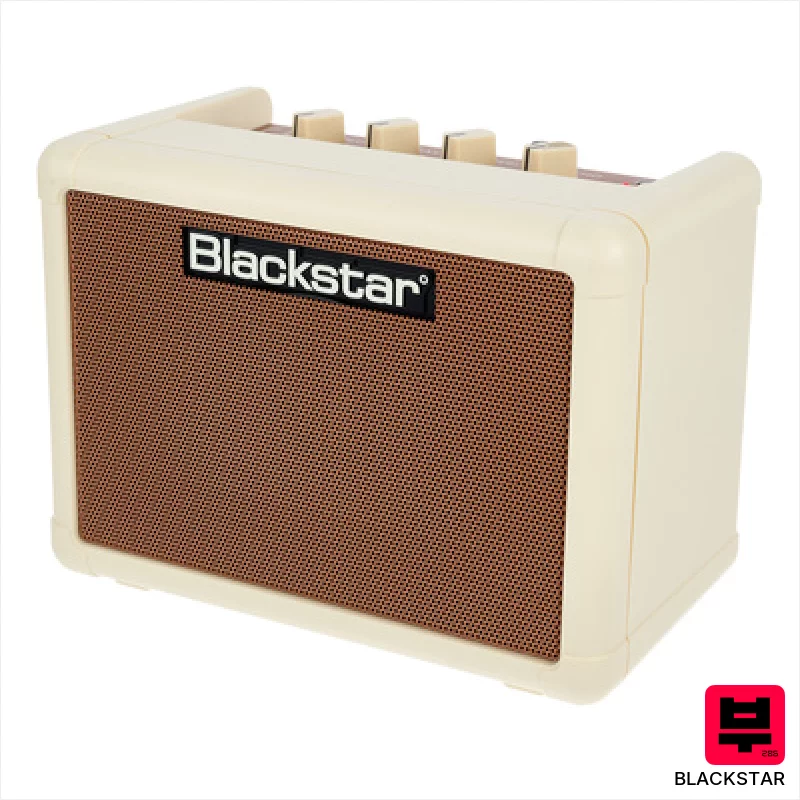
Blackstar FLY 103 Acoustic Extension - Professional Music Instrument Photo
#3

Blackstar FLY 103 Acoustic Extension

Weight 0.9 kg
Country Folk Unplugged Performance
Key Feature:
This little extension box is a neat trick for FLY 3 users needing a bit more acoustic oomph. It’s a surprisingly capable stereo speaker for the price and a clever solution for smaller practice spaces, though don’t expect earth-shattering volume. Perfect for singer-songwriters or students wanting a simple, portable acoustic setup.
PROS
  • • Extends FLY 3 amp’s power for louder, fuller acoustic sound
  • • Compact design ideal for small spaces and portable practice
  • • 3-inch speaker provides surprisingly robust low-end response
  • • Functions well as a budget-friendly PC speaker for casual listening
CONS
  • • Limited to compatibility with Blackstar FLY 3 amplifier only
  • • Single speaker means stereo imaging is somewhat compromised
  • • Small speaker size restricts maximum volume and headroom
4.8/5 AudioFu Score
Specs:
10/10
Detail:
4/10
Value:
10/10
Art. 487291
$41
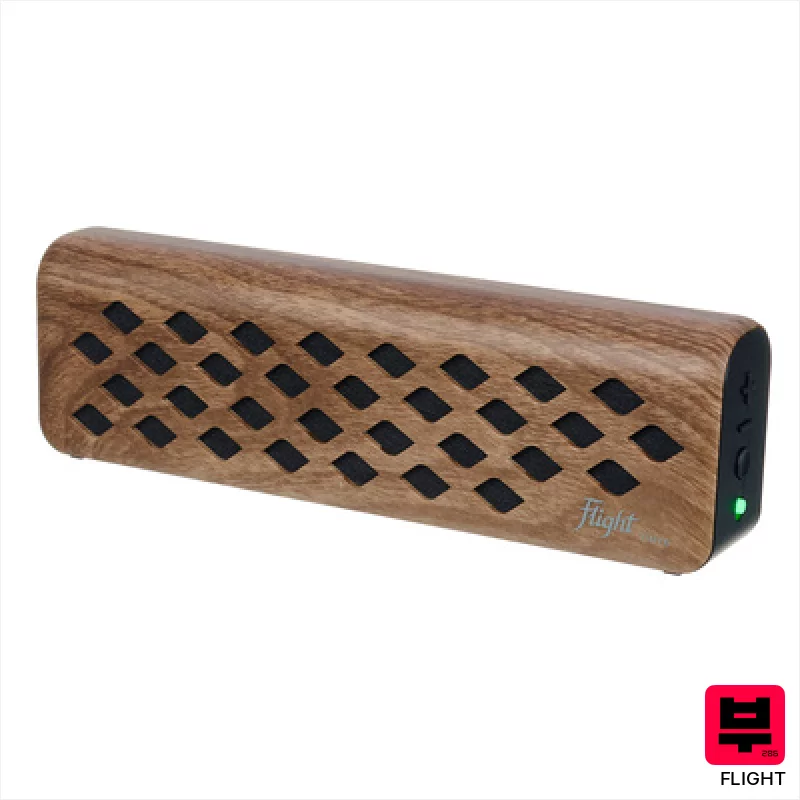
Blackstar FLY 3 Acoustic Mini Amp - Professional Music Instrument Photo
#4

Blackstar FLY 3 Acoustic Mini Amp

Folk Singer-Songwriter Clean Amplification
Key Feature:
The Blackstar FLY 3 Acoustic is a seriously handy little amp. It's perfect for singer-songwriters, students, or anyone needing a portable practice amp. Don't expect it to fill a stadium, but for its size and price, it’s a surprisingly capable and fun little box.
PROS
  • • Remarkably portable, ideal for practice or small gatherings.
  • • Integrated echo provides a touch of ambiance without pedals.
  • • Battery operation offers incredible flexibility for unplugged use.
  • • Surprisingly decent tone for its size, handles fingerstyle well.
CONS
  • • Limited power; struggles with larger rooms or a band setting.
  • • Single channel restricts tonal shaping possibilities.
  • • Speaker size restricts low-end response, lacks true bass presence.
4.9/5 AudioFu Score
Specs:
10/10
Detail:
5/10
Value:
10/10
Art. 487271
$87
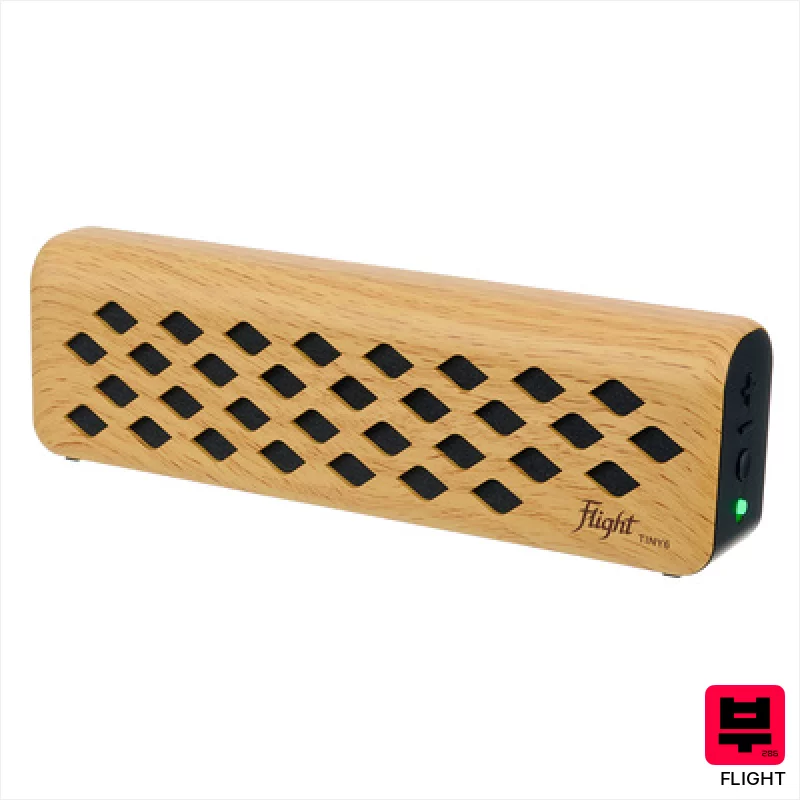
Flight Tiny6 Walnut Portable Amp - Professional Music Instrument Photo
#5

Flight Tiny6 Walnut Portable Amp

Folk Country Singer-Songwriter
Key Feature:
The Flight Tiny6 is a charming little amp, perfect for acoustic guitarists needing a portable practice solution or a quiet performance space. The walnut finish gives it a premium feel, and the Bluetooth connectivity is a real convenience, but don’t expect it to fill a concert hall – this is all about intimate settings and quiet practice.
PROS
  • • Walnut enclosure adds warmth and a touch of class to the aesthetic.
  • • Bluetooth 5.0 provides a stable and convenient wireless connection.
  • • Compact size and lightweight design make it genuinely portable for practice.
  • • Surprisingly decent volume for its size, suitable for small rooms or busking.
CONS
  • • 2x3 Watts is extremely limited; won't handle larger venues or a band.
  • • Single input limits versatility; no second instrument or mic option.
  • • Walnut finish, while attractive, is likely a thin veneer – prone to damage.
4.9/5 AudioFu Score
Specs:
10/10
Detail:
6/10
Value:
10/10
Art. 514899
$48
Flight Tiny6 Maple Portable Amp - Professional Music Instrument Photo
#6

Flight Tiny6 Maple Portable Amp

Clean Amplification Singer-Songwriter Acoustic Guitar
Key Feature:
The Flight Tiny6 Maple is a neat little practice amp, perfect for singer-songwriters or ukulele players needing a tiny, portable solution. The maple cabinet gives it a surprisingly full sound for its size, but don't expect to fill a room with it - this is strictly for quiet practice or very small acoustic performances.
PROS
  • • Maple cabinet adds warmth, surprisingly resonant for its size
  • • Bluetooth 5.0 offers reliable, low-latency wireless connectivity
  • • Compact size and lightweight design for true portability
  • • Simple controls make it easy to use, even for beginners
CONS
  • • 2x3W output is *very* limited; suitable for practice only
  • • 6.3mm input jack is a bit dated and less common now
  • • Maple finish, while attractive, is likely a thin veneer
4.9/5 AudioFu Score
Specs:
10/10
Detail:
6/10
Value:
10/10
Art. 514898
$45
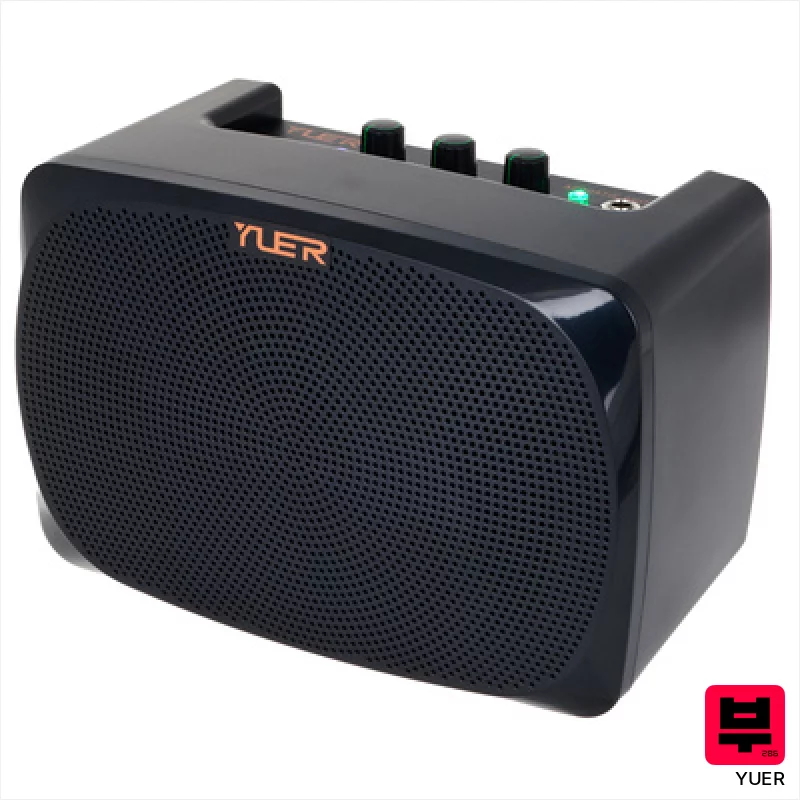
Yuer Portab. Amp Acoustic Bluetooth - Professional Music Instrument Photo
#7

Yuer Portab. Amp Acoustic Bluetooth

Folk Country Acoustic Guitar
Key Feature:
Okay, look, for the price, the Yuer Portab is honestly pretty impressive. It’s perfect for singer-songwriters or students needing a basic, portable acoustic amp for quiet practice or small, intimate gigs. Don't expect miracles, but it's a solid value for simple amplification.
PROS
  • • Surprisingly decent 5” speaker provides a usable, full-bodied acoustic tone.
  • • Bluetooth 5.1 offers a stable and convenient wireless connection.
  • • Compact size and battery power make it truly portable for practice.
  • • Simple controls (volume, tone, gain) are straightforward and easy to use.
CONS
  • • Limited power (10W) struggles with louder environments or larger rooms.
  • • Plastic enclosure feels budget-oriented; lacks robust construction.
  • • Tone controls offer minimal shaping; lacks advanced EQ options.
4.9/5 AudioFu Score
Specs:
10/10
Detail:
8/10
Value:
10/10
Art. 549983
$44

Acoustic Amps by the numbers

Measured across all 7 models in this category, so «wide», «short» or «expensive» mean something you can check.

Price
median $48
from $41 to $92

How This List Is Built

We don't play these instruments — we're a catalog, not a review desk, and we'd rather say so than pretend otherwise. This page covers 7 acoustic amps from the Thomann catalogue, which is the largest single source of specification data in this category: 7 in detail, the rest listed with their specifications.

Position is computed, not curated. We parse the manufacturer's own description into actual values — nut width, scale, fret count, fingerboard radius, size, alloy — and rank on them: how many specifications a model has published, how many of them are measurable numbers, and how precisely it meets this page's criterion. A product image adds a little. Price is not a ranking signal: it tells you nothing about whether a neck fits your hand. The same inputs always produce the same order, so nothing here is shuffled to look fresh.

What this list is good for: narrowing a category down to a shortlist by spec and budget. What it isn't: a substitute for hearing an instrument. Before you buy, read hands-on reviews and, where you can, play it. Full methodology.

How to Choose the Best Acoustic Amps

Budget Planning

  • • Under $200: Entry-level
  • • $200-$500: Intermediate
  • • $500-$1000: Advanced
  • • $1000+: Professional

Quality Check

  • • Sound clarity & tone
  • • Build materials & finish
  • • Hardware durability
  • • Overall craftsmanship

Key Features

  • • Your musical style
  • • Skill level match
  • • Intended use case
  • • Brand reputation

Frequently Asked Questions

Key factors include build quality, sound characteristics, playability, brand reputation, warranty coverage, and value for money. Consider your musical style, skill level, and intended use to find the best match.
Budget depends on your needs and experience level. Beginners can find quality options for $200-500, intermediate players should consider $500-1500 range, while professionals often invest $1500+ for premium features.
Higher-priced acoustic amps typically offer better materials, craftsmanship, and performance. They're worth it if you're serious about music, perform regularly, or need professional-grade features.
Top brands combine quality, innovation, and reliability. We evaluate brands based on build quality, sound performance, durability, and customer satisfaction to recommend the best options for different budgets.
Both have advantages. Online offers better prices and selection, while stores allow hands-on testing. We recommend researching online first, then testing in stores if possible. Many online retailers offer excellent return policies.

We use cookies to improve your experience. Learn more
