
Best Acoustic Amps for Beginner 2026
Perfect acoustic amps for beginner - easy to play and learn on
Last updated: September 30, 2026

Blackstar FLY 103 Acoustic Extension
- • Extends FLY 3 amp’s power for louder, fuller acoustic sound
- • Compact design ideal for small spaces and portable practice
- • 3-inch speaker provides surprisingly robust low-end response
- • Functions well as a budget-friendly PC speaker for casual listening
- • Limited to compatibility with Blackstar FLY 3 amplifier only
- • Single speaker means stereo imaging is somewhat compromised
- • Small speaker size restricts maximum volume and headroom
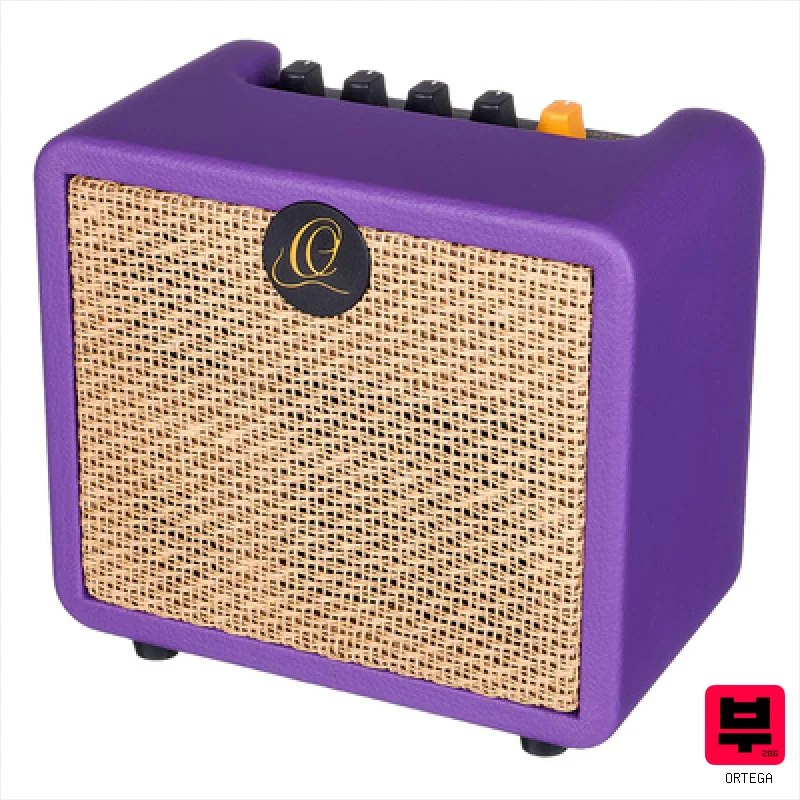
Ortega Ptwo-LTD2 Combo
- • Built-in rechargeable lithium battery for long sessions
- • Up to five hours of continuous power
- • Integrated reverb, chorus, and delay effects
- • Bluetooth connectivity for wireless streaming
- • Only one single input jack available
- • 12 watts is very low power output
- • No dedicated feedback control feature listed

Ortega Ptwo Combo
- • Surprisingly decent tone for the price, especially with acoustic instruments.
- • Integrated effects are usable, offering a quick reverb/chorus/delay boost.
- • Rechargeable battery provides genuine portability for practice or small gigs.
- • Compact size and lightweight design make it easy to transport and set up.
- • 12 Watts is limiting; struggles at higher volumes or in noisy environments.
- • 3” speaker and 1.5” tweeter combo creates a somewhat thin, less full sound.
- • USB-C OTG recording is a nice touch, but likely basic functionality only.
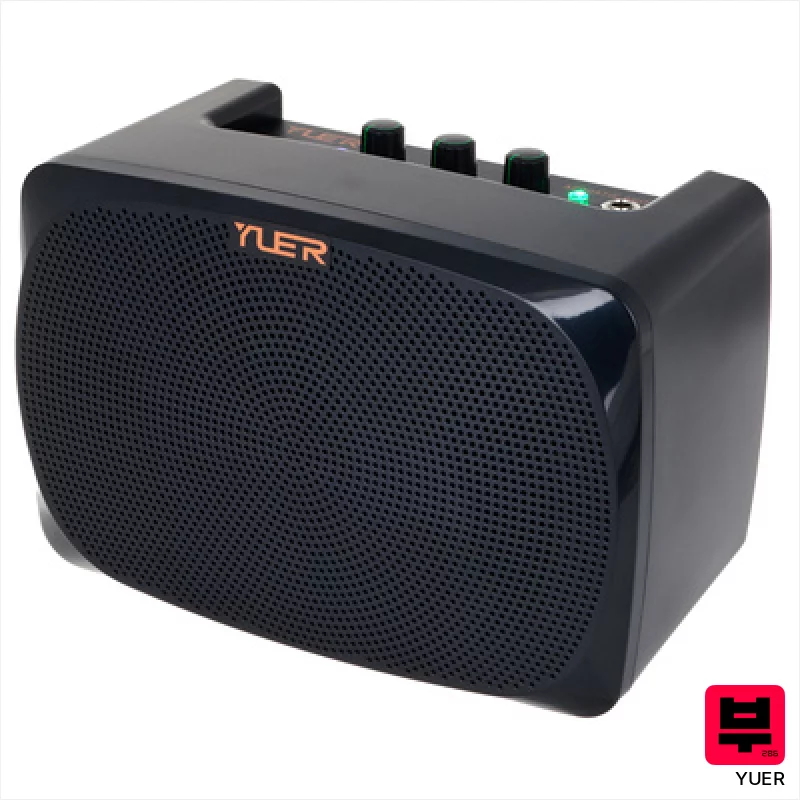
Yuer Portab. Amp Acoustic Bluetooth
- • Surprisingly decent 5” speaker provides a usable, full-bodied acoustic tone.
- • Bluetooth 5.1 offers a stable and convenient wireless connection.
- • Compact size and battery power make it truly portable for practice.
- • Simple controls (volume, tone, gain) are straightforward and easy to use.
- • Limited power (10W) struggles with louder environments or larger rooms.
- • Plastic enclosure feels budget-oriented; lacks robust construction.
- • Tone controls offer minimal shaping; lacks advanced EQ options.
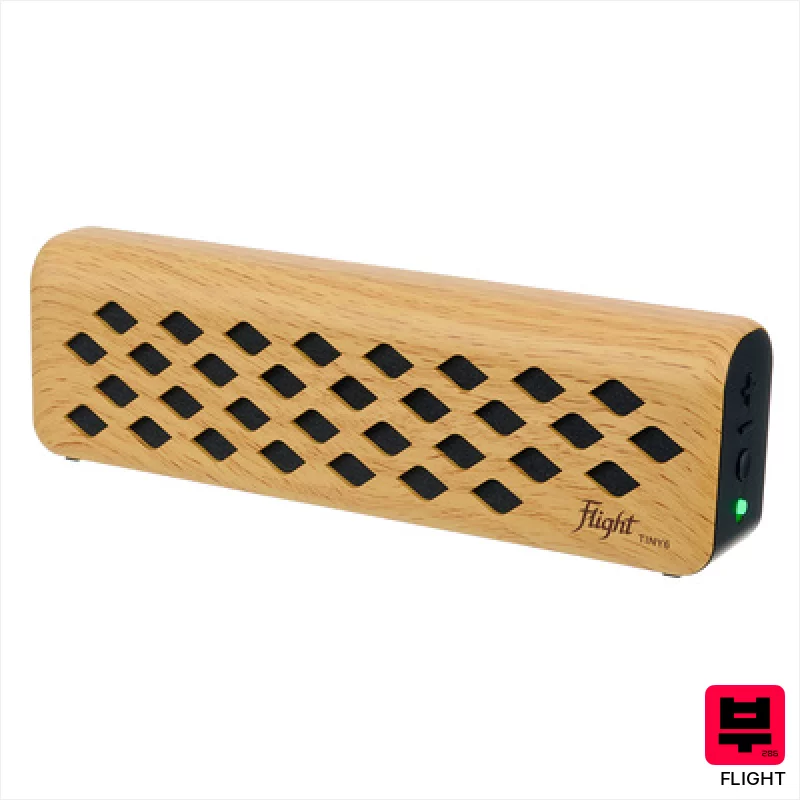
Flight Tiny6 Maple Portable Amp
- • Maple cabinet adds warmth, surprisingly resonant for its size
- • Bluetooth 5.0 offers reliable, low-latency wireless connectivity
- • Compact size and lightweight design for true portability
- • Simple controls make it easy to use, even for beginners
- • 2x3W output is *very* limited; suitable for practice only
- • 6.3mm input jack is a bit dated and less common now
- • Maple finish, while attractive, is likely a thin veneer
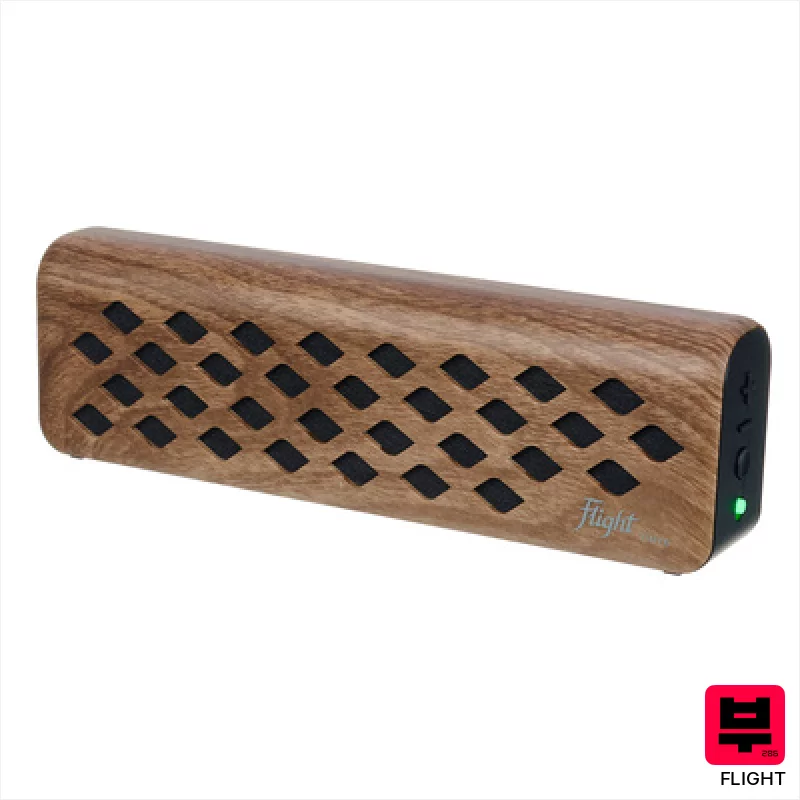
Flight Tiny6 Walnut Portable Amp
- • Walnut enclosure adds warmth and a touch of class to the aesthetic.
- • Bluetooth 5.0 provides a stable and convenient wireless connection.
- • Compact size and lightweight design make it genuinely portable for practice.
- • Surprisingly decent volume for its size, suitable for small rooms or busking.
- • 2x3 Watts is extremely limited; won't handle larger venues or a band.
- • Single input limits versatility; no second instrument or mic option.
- • Walnut finish, while attractive, is likely a thin veneer – prone to damage.
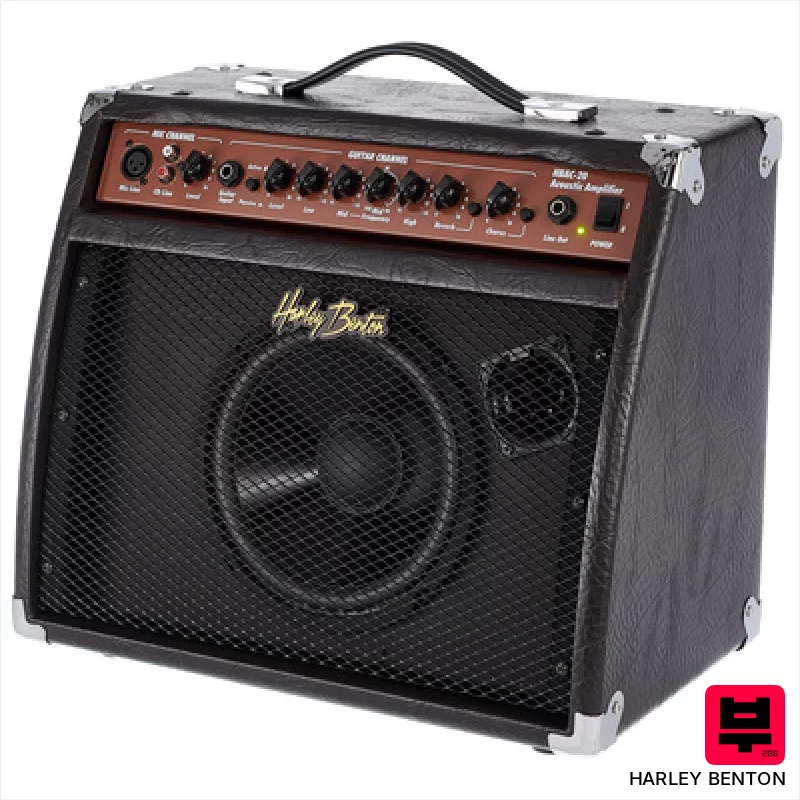
Harley Benton HBAC-20
- • Surprisingly clean preamp for acoustic instruments
- • Parametric mids offer excellent tonal shaping flexibility
- • Compact size makes it ideal for small spaces or gigging
- • Reverb is usable and adds a touch of warmth, not overly digital
- • 8-inch speaker lacks serious low-end for full-band situations
- • Construction feels a little plasticky, typical of this price range
- • Chorus effect is a bit thin and lacks depth
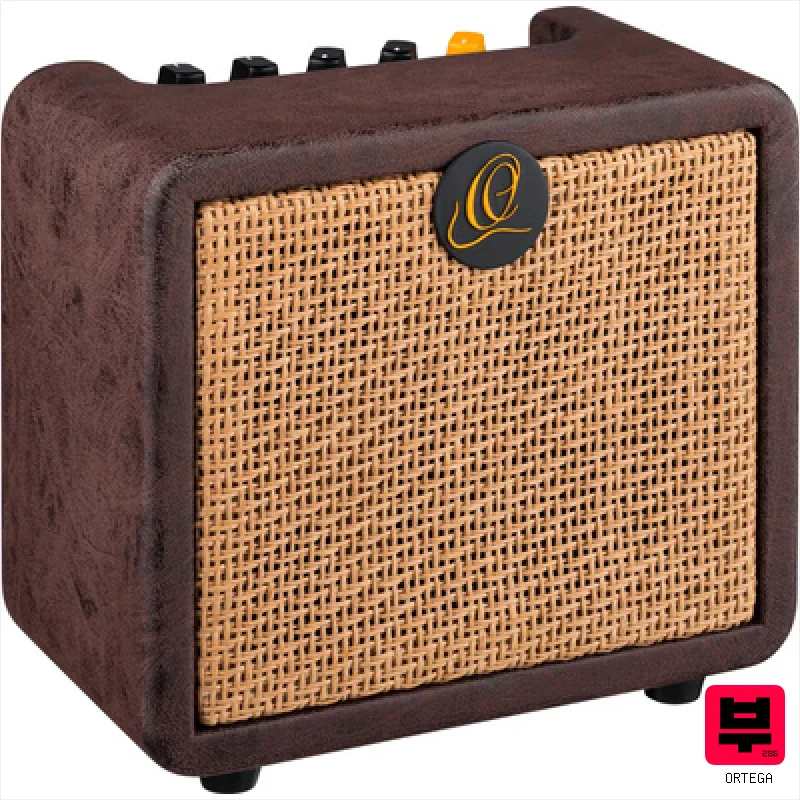
Ortega Ptwo-BU Combo/Bag
- • Built-in lithium battery lasts up to five hours
- • Bluetooth connectivity connects wirelessly to phones
- • Adjustable reverb, chorus, and delay effects
- • Includes a gig bag and charging cable
- • Only one input jack limits multi-instrument use
- • No dedicated headphone amplifier mentioned in text
- • Single channel operation for guitar and bass
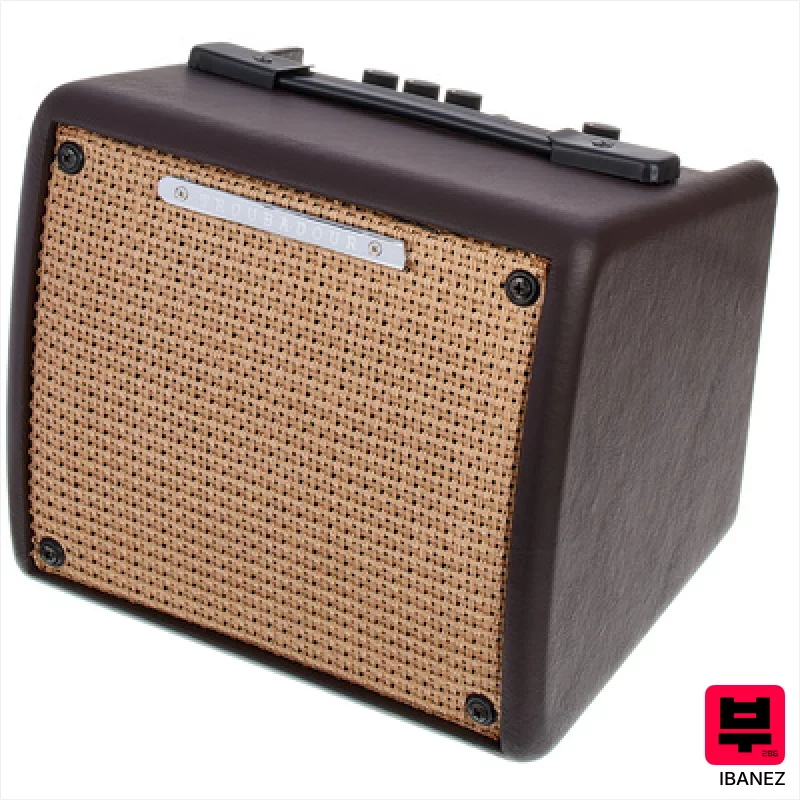
Ibanez T15II Acoustic Combo
- • Surprisingly clean acoustic tone for its price point
- • Microphone channel offers decent vocal reinforcement
- • Compact size makes it ideal for small gigs or practice
- • Simple controls are easy to learn and use quickly
- • Limited power output; struggles with larger rooms or band volume
- • Speaker lacks low-end extension; bass response is noticeably thin
- • Chorus effect is basic and not particularly inspiring
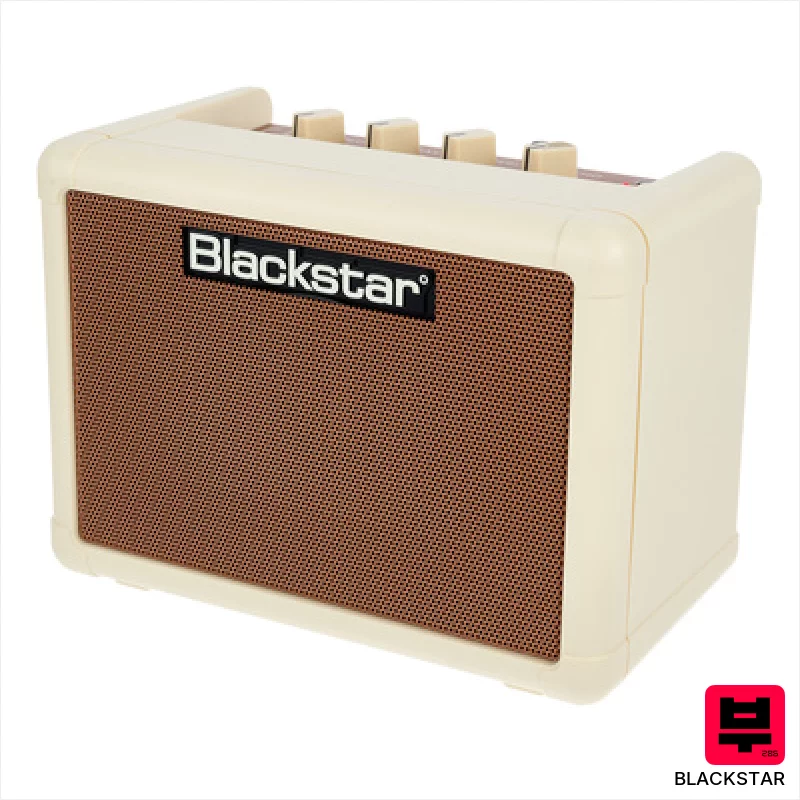
Blackstar FLY 3 Acoustic Mini Amp
- • Remarkably portable, ideal for practice or small gatherings.
- • Integrated echo provides a touch of ambiance without pedals.
- • Battery operation offers incredible flexibility for unplugged use.
- • Surprisingly decent tone for its size, handles fingerstyle well.
- • Limited power; struggles with larger rooms or a band setting.
- • Single channel restricts tonal shaping possibilities.
- • Speaker size restricts low-end response, lacks true bass presence.

Stagg 15 AA DR Acoustic Combo
- • Surprisingly decent digital reverb adds subtle depth to the acoustic tone.
- • Coaxial tweeter provides a wider frequency response than typical budget amps.
- • High impedance input handles acoustic pickups and piezo systems gracefully.
- • Compact size and relatively light weight (6.8 kg) makes it gig-friendly.
- • 8-inch speaker limits low-end response; lacks substantial bass presence.
- • 3-band EQ is basic; lacks nuance for detailed tone shaping.
- • Build quality feels noticeably budget-oriented; plastic enclosure.

Joyo AC-20S
- • Dual channels offer flexibility for vocals and instruments.
- • Surprisingly decent 4” speakers provide adequate volume for practice.
- • Built-in Bluetooth adds convenience for backing tracks and jamming.
- • Compact size and battery power offer portability for small gigs.
- • Limited wattage restricts use for larger rooms or performances.
- • The chorus effect sounds a bit thin and digital.
- • The reverb, while present, lacks depth and character.

Stagg 40 AA R Acoustic Combo
- • Coaxial tweeter adds clarity often missing in budget acoustic amps
- • Spring reverb provides a usable, classic ambience
- • Compact size makes it surprisingly portable for a 40W amp
- • Parametric mid control offers surprisingly detailed tone shaping
- • Build quality feels a bit plasticky for more serious gigging
- • 40W is adequate for practice, but struggles with larger rooms
- • EQ isn't as refined as more expensive, studio-grade amps

Stagg 20 AA R Acoustic Combo
- • Compact size makes it ideal for small spaces and travel
- • Coaxial tweeter adds surprising clarity for its power class
- • Spring reverb provides a classic, usable acoustic ambience
- • Parametric mids offer tonal shaping beyond basic EQ
- • Build quality reflects the budget-friendly price point; feels plasticky
- • 20 watts is limiting for louder gigs or band practice
- • Single 8-inch speaker lacks low-end extension for full sound
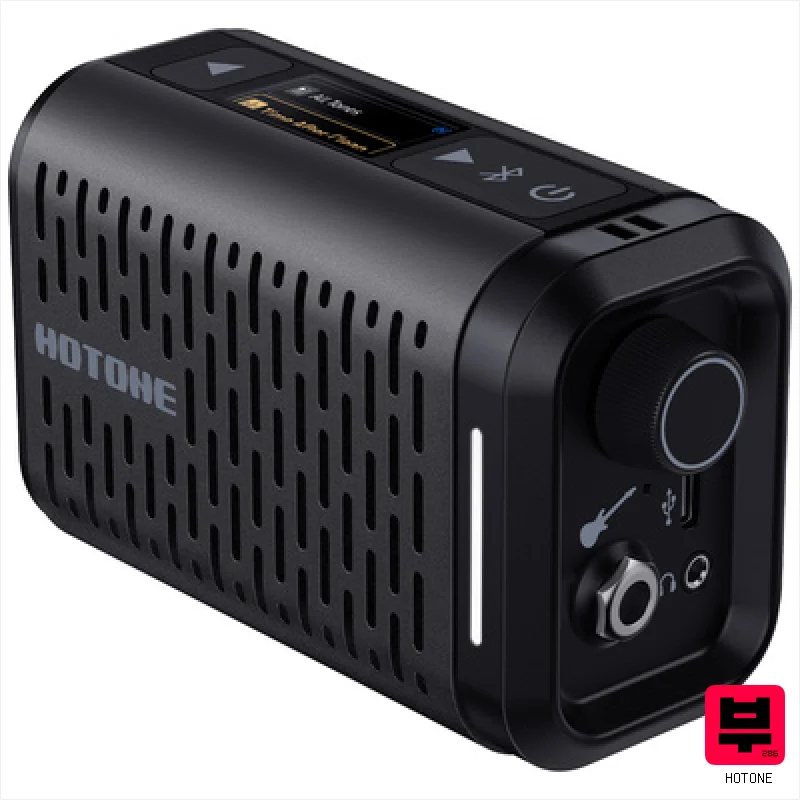
Hotone Pulze Mini Black
- • One 2-inch speaker handles bass and treble clearly
- • Fifty-two amp models cover most playing styles
- • Bluetooth lets you control sounds wirelessly
- • Fifty-two amp models cover most playing styles
- • Only five watts limits volume for loud rooms
- • Single channel means no true stereo options
- • No listed weight makes portability uncertain
Every acoustic amps that matches
122 models match this page. The 15 above are covered in detail; the rest are listed here with their published specifications.
Acoustic Amps by the numbers
Measured across all 122 models in this category, so «wide», «short» or «expensive» mean something you can check.
How This List Is Built
We don't play these instruments — we're a catalog, not a review desk, and we'd rather say so than pretend otherwise. This page covers 122 acoustic amps from the Thomann catalogue, which is the largest single source of specification data in this category: 15 in detail, the rest listed with their specifications.
Position is computed, not curated. We parse the manufacturer's own description into actual values — nut width, scale, fret count, fingerboard radius, size, alloy — and rank on them: how many specifications a model has published, how many of them are measurable numbers, and how precisely it meets this page's criterion. A product image adds a little. Price is not a ranking signal: it tells you nothing about whether a neck fits your hand. The same inputs always produce the same order, so nothing here is shuffled to look fresh.
What this list is good for: narrowing a category down to a shortlist by spec and budget. What it isn't: a substitute for hearing an instrument. Before you buy, read hands-on reviews and, where you can, play it. Full methodology.
How to Choose the Best Acoustic Amps
Budget Planning
- • Under $200: Entry-level
- • $200-$500: Intermediate
- • $500-$1000: Advanced
- • $1000+: Professional
Quality Check
- • Sound clarity & tone
- • Build materials & finish
- • Hardware durability
- • Overall craftsmanship
Key Features
- • Your musical style
- • Skill level match
- • Intended use case
- • Brand reputation

