Best Ibanez 4-String J-Basses 2026

Premium Ibanez 4-string j-basses - legendary tone and craftsmanship

Last updated: August 27, 2026

The best 4-string j-basses in 2026 are Ibanez MDM1000-MAM (top pick), Ibanez MDM1300-NAB for tighter budgets, and Ibanez MDM1600-CTL for pros — selected from 5 options, priced $1,259–$1,492, ranked by brand, price and popularity.
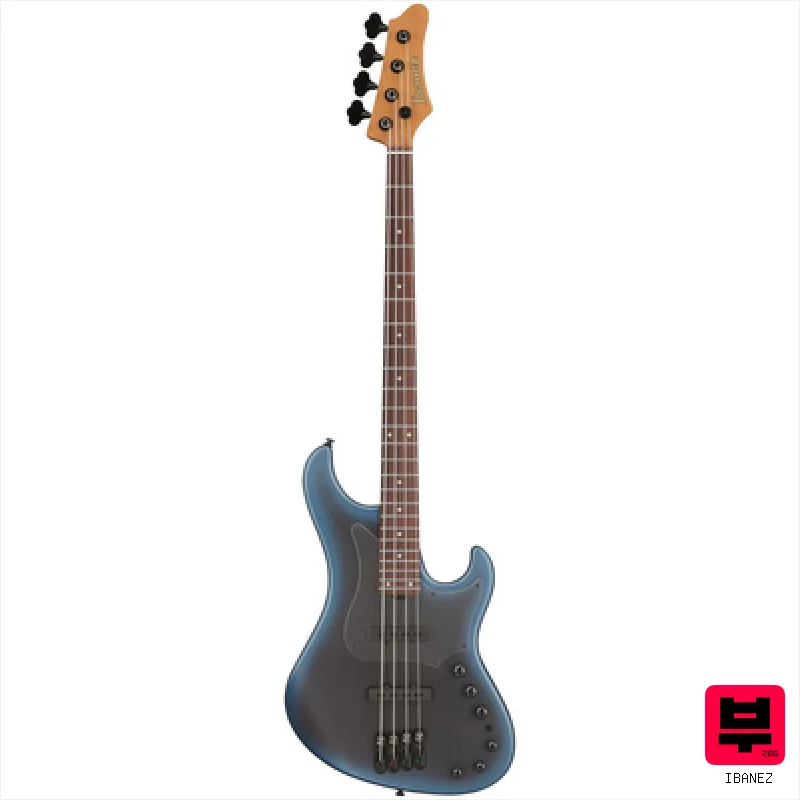
Ibanez MDM1000-MAM - Professional Music Instrument Photo
#1

Ibanez MDM1000-MAM

Scale 864 mm (34.02") Fingerboard radius 305 mm (12.01") Body Alder body Fingerboard Rosewood fingerboard
Pop Jazz Rock
Key Feature:
This bass sounds thick and punchy thanks to the two Delta S4J humbuckers. The roasted maple neck stays stable while the rosewood fingerboard feels smooth under your fingers. It suits players who want a solid low-end tone with full control over the sound.
PROS
  • • Alder body paired with roasted maple neck for stability
  • • Delta S4J humbuckers deliver thick, punchy low-end
  • • Active electronics let you shape sound with five knobs
  • • 305 mm radius offers comfortable playability for fingers
CONS
  • • Plastic nut can feel slippery compared to bone
  • • No weight specification listed makes heft unknown
  • • Matte finish may hide scratches and wear easily
4.8/5 AudioFu Score
Specs:
8/10
Detail:
10/10
Value:
7/10
Art. 632841
$1,259
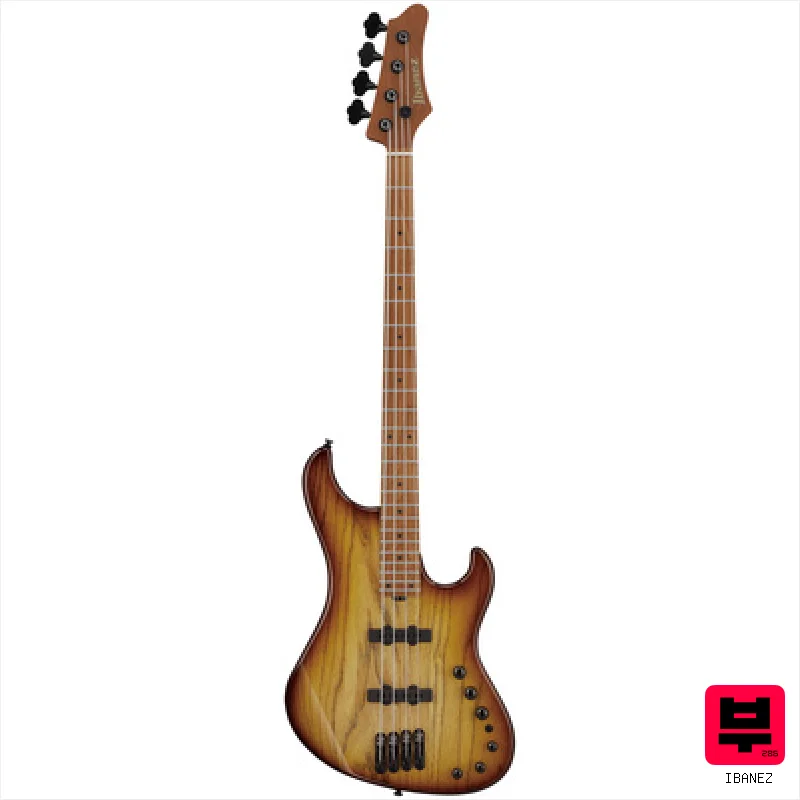
Ibanez MDM1300-NAB - Professional Music Instrument Photo
#2

Ibanez MDM1300-NAB

Scale 864 mm (34.02") Fingerboard radius 305 mm (12.01") Body Ash body Fingerboard Maple fingerboard
Jazz Funk Session Work
Key Feature:
This bass shines with its bright ash body and roasted maple neck that feels great under the fingers. The dual S4J humbuckers deliver a thick, powerful sound perfect for rock and metal. While the active electronics give you great control, the lack of a passive mode means you can't dial in a classic vintage tone. It suits players who want a punchy, modern edge without sacrificing playability.
PROS
  • • Ash body gives bright, punchy tone
  • • Roasted maple neck feels smooth
  • • Active electronics offer full control
  • • Dual humbuckers drive big sound
CONS
  • • No passive mode for vintage tone
  • • Weight likely heavy due to ash
  • • EQ bypass adds complexity to setup
4.8/5 AudioFu Score
Specs:
8/10
Detail:
10/10
Value:
6/10
Art. 632824
$1,364
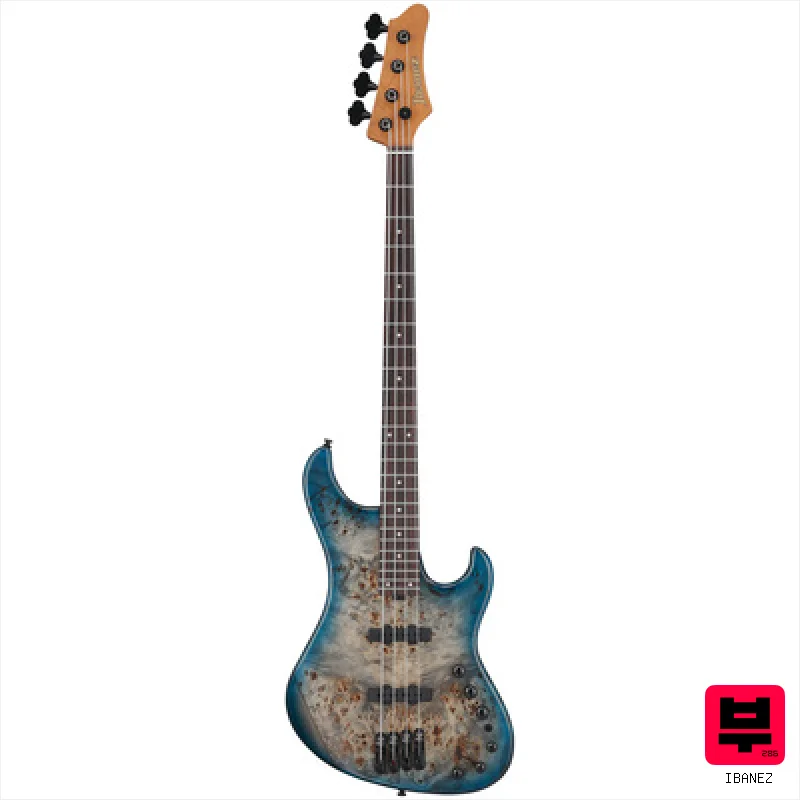
Ibanez MDM1600-CTL - Professional Music Instrument Photo
#3

Ibanez MDM1600-CTL

Scale 864 mm (34.02") Fingerboard radius 305 mm (12.01") Body Alder body Fingerboard Rosewood fingerboard
Rock Session Work Jazz
Key Feature:
This bass has a bright Poplar burl top and a stable roasted maple neck. The active electronics let you shape the sound with five knobs. It suits players who want clear, punchy tones in live settings.
PROS
  • • Roasted maple neck offers stable playability
  • • Poplar burl top provides bright resonance
  • • Active electronics give precise tone control
  • • Delta S4J humbuckers deliver solid output
CONS
  • • No passive mode option for warm tone
  • • Aero-Light heads may lack locking stability
  • • Cosmic Blue Starburst finish hides wear easily
4.8/5 AudioFu Score
Specs:
8/10
Detail:
10/10
Value:
6/10
Art. 632790
$1,492
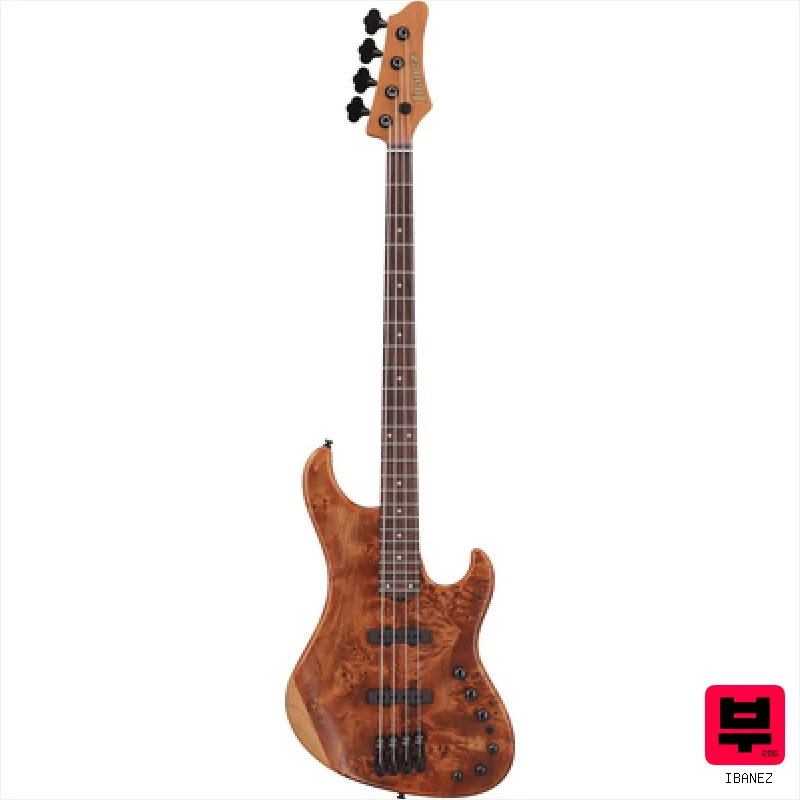
Ibanez MDM1600-NML - Professional Music Instrument Photo
#4

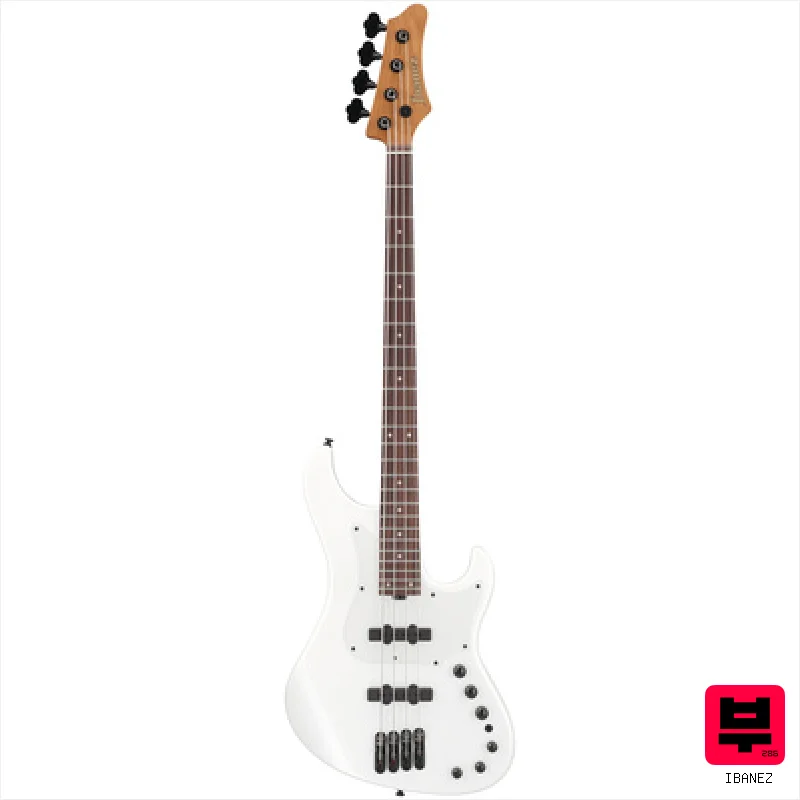
Ibanez MDM1600-NML

Scale 864 mm (34.02") Fingerboard radius 305 mm (12.01") Body Alder body Fingerboard Rosewood fingerboard
Jazz R&B Pop
Key Feature:
This J-bass plays straight and stays in tune thanks to the roasted maple neck. The poplar top sounds warm and full, while the five EQ knobs give you lots of control. It's a solid choice for players who want a reliable workhorse without extra fuss.
PROS
  • • Roasted maple neck adds stability and playability
  • • Poplar burl top gives warm, resonant tone
  • • Five EQ controls let you shape sound precisely
  • • Aero-Light heads keep tuning tight during gigs
CONS
  • • No active EQ bypass switch for raw tone
  • • Plastic nut can wear down over time
  • • Missing specific weight rating in description
4.8/5 AudioFu Score
Specs:
8/10
Detail:
10/10
Value:
6/10
Art. 632765
$1,488
Ibanez MDM1000-PW - Professional Music Instrument Photo
#5

Ibanez MDM1000-PW

Scale 864 mm (34.02") Fingerboard radius 305 mm (12.01") Body Alder body Fingerboard Rosewood fingerboard
Pop Session Work R&B
Key Feature:
This bass feels solid thanks to its roasted maple neck and humbucker pickups that cut through the mix. The five-band EQ gives you total control, but the plastic nut might slip if you play hard bends. It suits players who want a reliable, tunable workhorse without extra switches.
PROS
  • • Roasted maple neck stays stable in hot stages
  • • Delta S4J humbuckers cut through mix cleanly
  • • Aero-Light heads turn tuning fast and easy
  • • 5-band EQ lets you shape sound exactly right
CONS
  • • No active EQ bypass switch for passive tone
  • • Plastic nut can slip under heavy bending
  • • Pearl White finish shows scuffs easily
4.8/5 AudioFu Score
Specs:
8/10
Detail:
10/10
Value:
7/10
Art. 632849
$1,259

4-String J-Basses by the numbers

Measured across all 269 models in this category, so «wide», «short» or «expensive» mean something you can check.

Price
median $1,049
from $197 to $4,550
Nut width
median 38 mm (1.5")
from 38 mm (1.5") to 39.5 mm (1.56") · 199 models
Scale
median 864 mm (34.02")
from 864 mm (34.02") to 864 mm (34.02") · 208 models
Fingerboard radius
median 241 mm (9.49")
from 184 mm (7.24") to 305 mm (12.01") · 122 models
Neck profile
C, D, U
most common · 90 models
Body
alder, ash, poplar
most common · 222 models
Fingerboard
maple, rosewood, laurel
most common · 182 models
Frets
median 21
from 20 to 22 · 132 models
Weight
median 4.3 kg
from 3.9 kg to 12 kg · 9 models
Strings
median 4-string
from 4-string to 4-string · 7 models

How This List Is Built

We don't play these instruments — we're a catalog, not a review desk, and we'd rather say so than pretend otherwise. This page covers 5 of 269 4-string j-basses from the Thomann catalogue, which is the largest single source of specification data in this category: 5 in detail, the rest listed with their specifications.

Position is computed, not curated. We parse the manufacturer's own description into actual values — nut width, scale, fret count, fingerboard radius, size, alloy — and rank on them: how many specifications a model has published, how many of them are measurable numbers, and how precisely it meets this page's criterion. A product image adds a little. Price is not a ranking signal: it tells you nothing about whether a neck fits your hand. The same inputs always produce the same order, so nothing here is shuffled to look fresh.

What this list is good for: narrowing a category down to a shortlist by spec and budget. What it isn't: a substitute for hearing an instrument. Before you buy, read hands-on reviews and, where you can, play it. Full methodology.

How to Choose the Best 4-String J-Basses

Budget Planning

  • • Under $200: Entry-level
  • • $200-$500: Intermediate
  • • $500-$1000: Advanced
  • • $1000+: Professional

Quality Check

  • • Sound clarity & tone
  • • Build materials & finish
  • • Hardware durability
  • • Overall craftsmanship

Key Features

  • • Your musical style
  • • Skill level match
  • • Intended use case
  • • Brand reputation

Frequently Asked Questions

Key factors include build quality, sound characteristics, playability, brand reputation, warranty coverage, and value for money. Consider your musical style, skill level, and intended use to find the best match.
Budget depends on your needs and experience level. Beginners can find quality options for $200-500, intermediate players should consider $500-1500 range, while professionals often invest $1500+ for premium features.
Higher-priced 4-string j-basses typically offer better materials, craftsmanship, and performance. They're worth it if you're serious about music, perform regularly, or need professional-grade features.
Top brands combine quality, innovation, and reliability. We evaluate brands based on build quality, sound performance, durability, and customer satisfaction to recommend the best options for different budgets.
Both have advantages. Online offers better prices and selection, while stores allow hands-on testing. We recommend researching online first, then testing in stores if possible. Many online retailers offer excellent return policies.

We use cookies to improve your experience. Learn more