
Best Zildjian 21" Crash Cymbals and Bigger 2026
So, you're looking for a bigger crash? 21" and up is where things get serious-they're not just for adding volume, they're for shaping your sound. Zildjian's been the go-to for generations, and for good reason, but navigating their offerings can be overwhelming. Let's break down what makes a Zildjian 21" crash and beyond a contender for your kit, from the stage to the studio.
Last updated: April 11, 2026
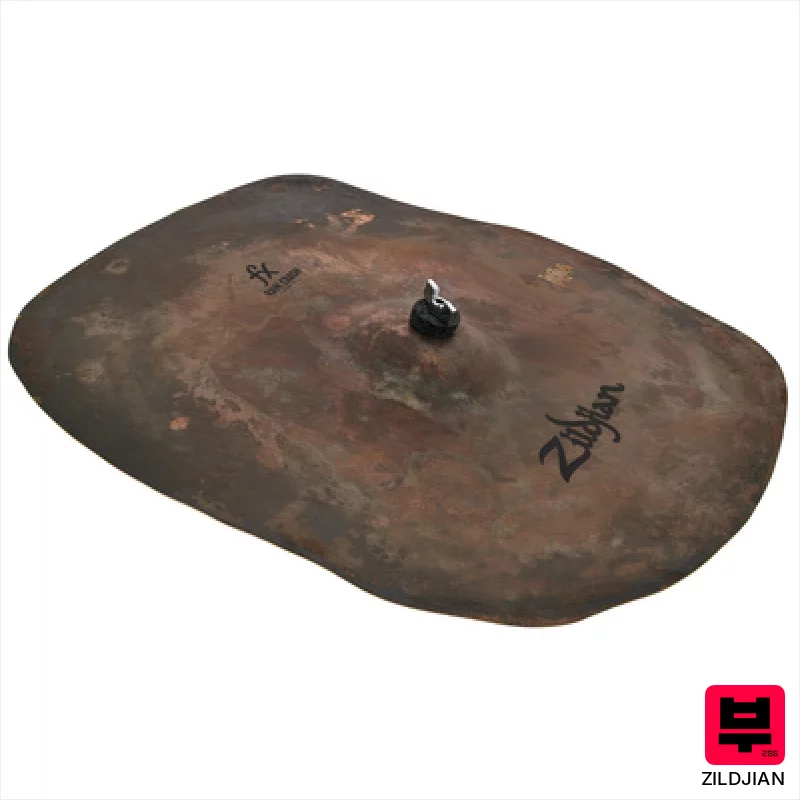
Zildjian FX Raw Crash Large Bell
- • Unlatched bronze delivers a uniquely dry, textured crash tone.
- • Large bell provides a focused, powerful projection for accents.
- • Raw, unlathed edges create complex overtones and wash.
- • Natural finish preserves the inherent bronze character and responsiveness.
- • The dry sound isn't for everyone; lacks bright, shimmering sustain.
- • Raw edges can be prone to cracking with aggressive playing.
- • Limited tonal versatility compared to more processed cymbals.
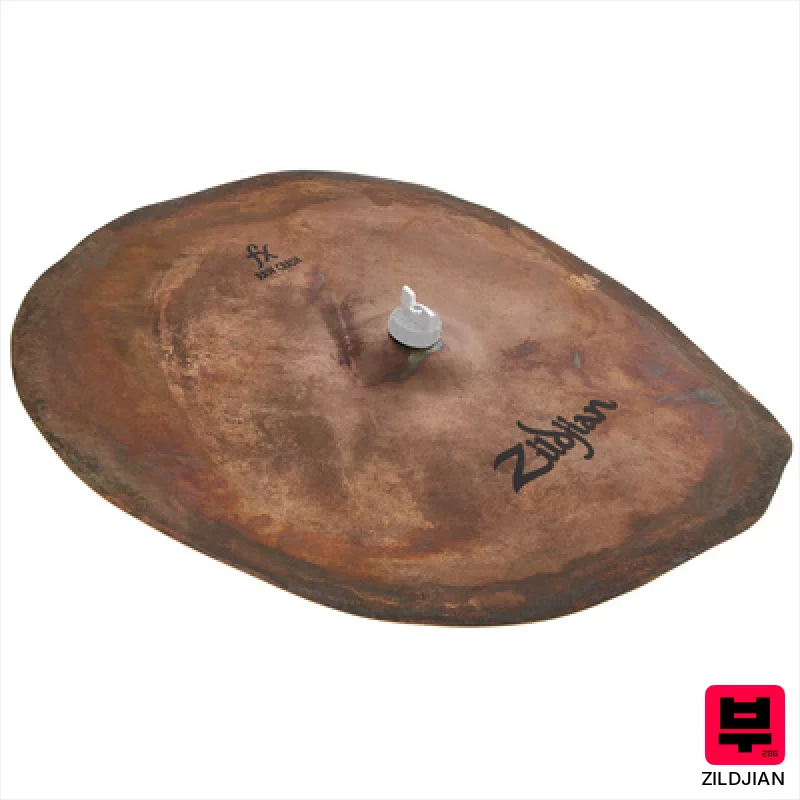
Zildjian FX Raw Crash Small Bell
- • Uncut bronze delivers a raw, immediate, and complex sonic texture.
- • Small bell provides a focused, articulate accent cutting through dense mixes.
- • Natural finish preserves the inherent tonal qualities of the bronze alloy.
- • FX Raw series offers a unique alternative to traditionally processed cymbals.
- • The dry, raw sound isn't universally appealing; lacks traditional shimmer.
- • Requires careful micing to capture its full sonic potential and avoid harshness.
- • The lack of lathing means it's more prone to markings and patina.

Zildjian 21" K Custom Special Dry Trash
- • Exceptional trashy character provides unique, textural accents to any kit.
- • The B20 bronze alloy delivers a complex, dark, and surprisingly musical tone.
- • Hammering and lathing create a focused sound with controlled, short sustain.
- • Natural finish retains the inherent tonal qualities of the K Custom series.
- • Limited versatility; not ideal for traditional, bright crash applications.
- • The 'trash' character might be too aggressive for some genres or players.
- • Premium-priced, represents a significant investment for many drummers.
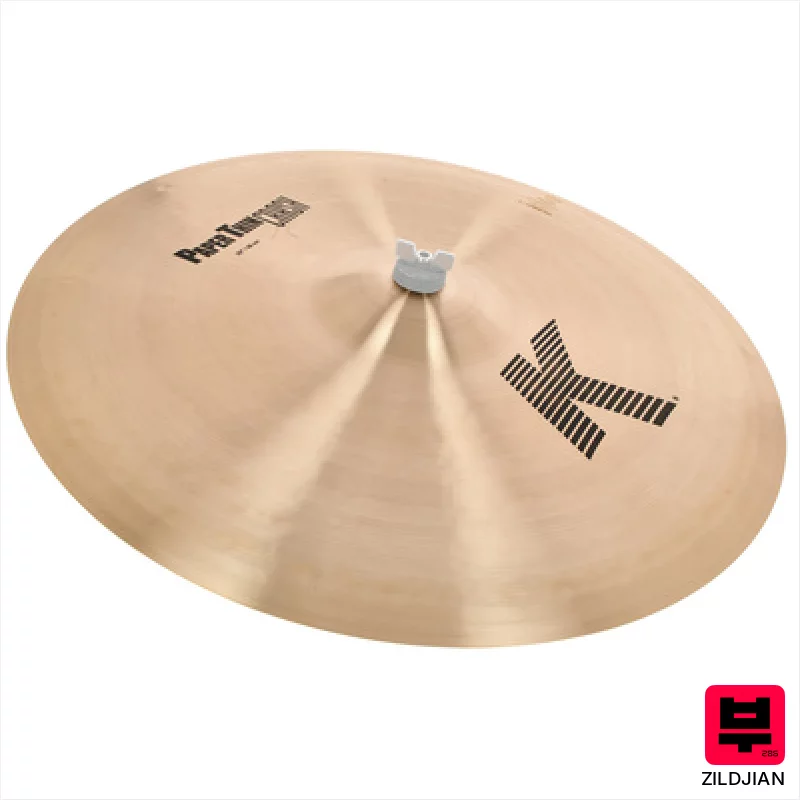
Zildjian 22" K-Series Paper Thin Crash
- • Exceptionally fast decay for nuanced musicality and ghost notes.
- • Paper-thin profile delivers a remarkably responsive, 'washy' sound.
- • Three-stage hammering creates complex overtones and a shimmering quality.
- • K-Series bronze alloy provides a dark, warm, and musically rich tone.
- • Paper-thin construction makes it fragile and susceptible to cracking.
- • Limited projection compared to heavier crash cymbals; better for smaller rooms.
- • The dark, washy sound isn't ideal for all genres; less cutting.
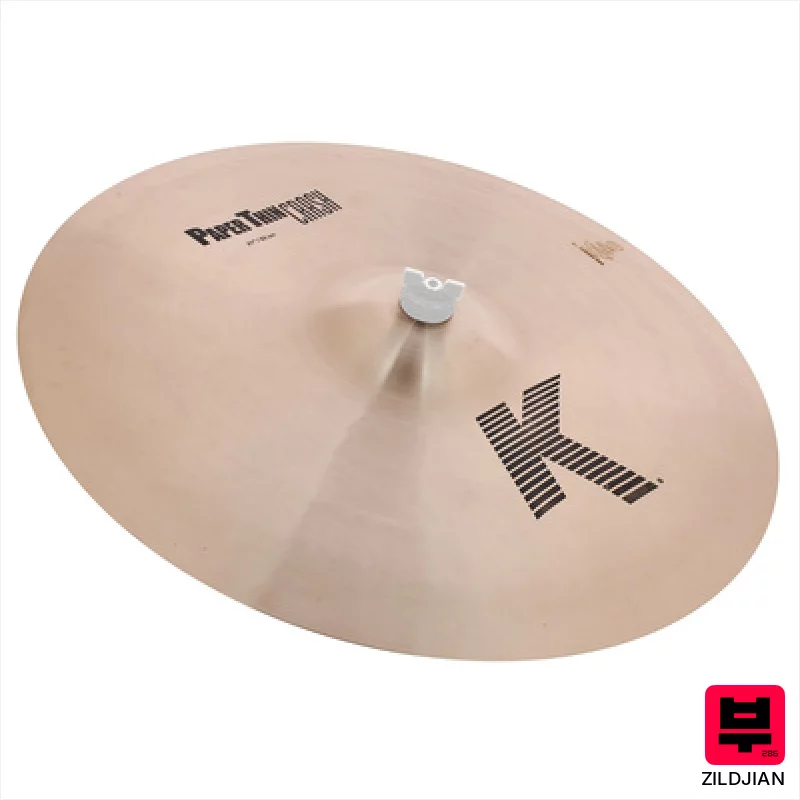
Zildjian 21" K-Series Paper Thin Crash
- • Exceptional dark, wash tone with a remarkably fast decay.
- • Paper-thin profile delivers an incredibly responsive, sensitive feel.
- • Three-stage hammering creates complex overtones and shimmering highs.
- • K-Series bronze alloy provides a warm, organic, and musical sound.
- • The paper-thin nature makes it fragile and requires careful handling.
- • Limited projection compared to heavier crash cymbals; not ideal for larger venues.
- • Its dark, washy character may not suit all musical genres.
How to Choose the Best 21" Crash Cymbals and Bigger
Heritage & Alloy
Zildjian's bronze recipes are legendary. The A series is their flagship, offering a bright, complex wash with incredible articulation, while the K series leans into that darker, more trashy, almost vintage vibe-perfect for a smoky jazz or blues feel. The raw sound is a huge part of the Zildjian story.
Sustain & Wash
Bigger crashes inherently have more sustain and a wider wash, but Zildjian's hammering and lathing techniques really sculpt that response. A well-played A Custom 22" can fill a stadium, whereas a K Custom Dark 21" provides a more controlled, musical swell-avoiding that overblown, cheesy quality.
Articulation & Dynamics
It's not just about volume. A good crash responds to your playing. Zildjian's hammering leaves those characteristic 'dots' that influence the cymbal's response. A heavier hammering creates a more complex, nuanced sound, while a lighter touch maintains clarity and definition, important for quieter passages.
Build Quality & Lathe Marks
Zildjian's quality control is generally solid, but check for consistent bell profiles and even lathing. Inconsistent lathing can lead to uneven response and unwanted overtones-something you'll definitely notice on stage. The bell action is key - it needs to respond cleanly without feeling choked.
Sonic Signature
Each Zildjian line has a distinct character. The A series is known for its bright, shimmering tone, the K series for its darker, more complex sound, and the Oriental series for its raw, aggressive edge. Knowing these differences is crucial for finding the right crash to complement your kit and playing style.
Buying Guide
Don't chase the biggest crash just for the sake of it. Consider your musical style and kit volume. Entry-level Zildjian cymbals (like the S series) might be tempting for the price, but they'll often lack the complexity and responsiveness of the higher-end lines-you'll hear the difference in a recording. Spending a bit more on a used, higher-quality Zildjian is almost always a better investment than a brand new, lower-tier one.
How This List Is Built
We don't play these instruments — we're a catalog, not a review desk, and we'd rather say so than pretend otherwise. This page ranks 5 21" crash cymbals and bigger from the Thomann catalogue, which is the largest single source of specification data in this category.
Position is computed, not curated. Four signals, in order of weight: how completely the manufacturer documents the instrument (number of published specifications), where it sits in the price range, how specific the model designation is — which filters out generic accessories — and whether a product image exists. The same inputs always produce the same order, so nothing here is shuffled to look fresh.
What this list is good for: narrowing a category down to a shortlist by spec and budget. What it isn't: a substitute for hearing an instrument. Before you buy, read hands-on reviews and, where you can, play it. Full methodology.

