AudioFu Chart · October 2026
Best 21" Crash Cymbals and Bigger for Intermediate 2026
The top pick is Zildjian 22" FX Oriental Crash of Doom Cymbal ($494). Ranked by the AudioFu Index from 21 models across 6 brands, prices checked every night.
Last updated: October 19, 2026
Top 10
Full detail for the 10 highest AudioFu Index scores. Every other model is listed below.
-
Zildjian 22" FX Oriental Crash of Doom Cymbal
22" Oriental Crash of Doom · Zildjian
22 for sale on Reverb1 finish at Thomann
- Size22"
This is a loud, dark cymbal built for one-time hits. It hits hard with a deep, explosive sound and keeps ringing for a long time. Perfect for adding exotic flavor to special parts of your song, but not for everyday playing.
Pros
- Delivers immense explosive attack for special accents
- Provides dramatic full-bodied sustain
- Offers ultra-trashy dark sound
Cons
- Very dark tone may lack high-end sparkle
- Sustain could overwhelm quiet passages
91AudioFu
IndexStableno change since Aug 17Aug 17$494 now$494€439 at Thomann · in stockCheck price ↗ -
Zildjian 21" K Series Paper Thin Crash Cymbal
21" K-Series Paper Thin Crash · Zildjian
19 for sale on Reverb1 finish at Thomann
- Size21"
This 21” K Paper Thin is a gorgeous, responsive crash—it's all about the wash and quick decay. Perfect for players seeking a nuanced, expressive crash for genres like jazz, orchestral, or softer rock where subtlety and a dark tone are key. Just be mindful of its delicate nature.
Pros
- Exceptional dark, wash tone with a remarkably fast decay.
- Paper-thin profile delivers an incredibly responsive, sensitive feel.
- Three-stage hammering creates complex overtones and shimmering highs.
Cons
- The paper-thin nature makes it fragile and requires careful handling.
- Limited projection compared to heavier crash cymbals; not ideal for larger venues.
89AudioFu
IndexStableno change since Aug 17Aug 17$584 now$584€519 at Thomann · in stockCheck price ↗ -
Istanbul Agop 22" Xist Brilliant Crash
22" Xist Crash Brilliant · Istanbul Agop
8 for sale on Reverb1 finish at Thomann
- Size22"
The Xist 22 in Brilliant is a solid, versatile crash – it’s got a snappy response and a bright shimmer that cuts through a mix. It's a great choice for rock, pop, or any genre where you need a clear, articulate crash without a ton of sustain. Perfect for intermediate to advanced players looking for a reliable workhorse crash.
Pros
- B20 bronze delivers a warm, complex fundamental tone.
- Quick attack responds well to lighter playing dynamics.
- Brilliant finish offers bright shimmer and visual appeal.
Cons
- Larger size can feel cumbersome for smaller drummers.
- Sound may lack the deep wash of some heavier crash cymbals.
81AudioFu
IndexStableno change since Aug 17Aug 17$448 now$448€398 at Thomann · in stockCheck price ↗ -
Zildjian 21" K Custom Special Dry Trash Crash Cymbal
21" K Custom Special Dry Trash · Zildjian
8 for sale on Reverb1 finish at Thomann
- Size21"
This 21' K Custom Special Dry Trash is a seriously cool cymbal. It's built for drummers who want a unique, gritty sound – think alternative rock, hip-hop, or anything needing a percussive, trashy accent. Don't expect a traditional crash, but it'll add a ton of character to your kit.
Pros
- Exceptional trashy character provides unique, textural accents to any kit.
- The B20 bronze alloy delivers a complex, dark, and surprisingly musical tone.
- Hammering and lathing create a focused sound with controlled, short sustain.
Cons
- Limited versatility; not ideal for traditional, bright crash applications.
- The 'trash' character might be too aggressive for some genres or players.
79AudioFu
IndexStableno change since Aug 17Aug 17$560 now$560€498 at Thomann · in stockCheck price ↗ -
- Size22"
This Xist Dry Dark Brilliant is a real character cymbal – think modern progressive rock, alternative, or even some heavier jazz. It’s got that immediate, explosive attack you want, but the fast decay keeps it from being overwhelming. It's a solid choice if you're looking for a crash with a unique sonic signature and a bit more punch than the original Xists.
Pros
- B20 bronze delivers complex overtones and warmth.
- Hand-hammering creates a unique, responsive feel.
- Fast decay offers a modern, controlled crash sound.
Cons
- The 'trashy' character might not suit all musical styles.
- Price point places it in the premium-priced cymbal category.
64AudioFu
IndexStableno change since Aug 17Aug 17$437 now$437€388 at Thomann · in stockCheck price ↗ -
- Size22"
This Xist Dry Dark crash is a beast for drummers craving a raw, explosive sound. It’s perfect for modern rock, metal, and any genre where you need to cut through the mix with a dark, trashy accent—just be mindful of its delicate build.
Pros
- B20 bronze delivers complex, dark overtones and a nuanced shimmer.
- Thin paper-thin profile creates explosive, trashy accents.
- Hand-hammering ensures consistent response and unique sonic character.
Cons
- The paper-thin nature makes it fragile, requiring careful handling.
- Its dark, trashy sound isn't ideal for all musical genres; lacks bright wash.
64AudioFu
IndexStableno change since Aug 17Aug 17$437 now$437€388 at Thomann · in stockCheck price ↗ -
- Size22"
This Pure Alloy crash is a real gem if you're after a big, warm crash that cuts through the mix without being overly splashy. It's a versatile workhorse for rock, pop, and even some funk styles – a solid choice for gigging musicians looking for reliable performance and a unique sonic signature.
Pros
- Pure Alloy blend delivers a uniquely warm, assertive tone.
- Traditional finish enhances complexity and avoids overly bright frequencies.
- 22-inch size provides a substantial crash with controlled sustain.
Cons
- The medium weight might feel slightly heavy for some players.
- The 'warm' character limits its suitability for very modern, bright genres.
63AudioFu
IndexStableno change since Aug 17Aug 17$438 now$438€389 at Thomann · in stockCheck price ↗ -
- Size21"
This Xist Dry Dark Brilliant is a fantastic choice for drummers craving a dark, atmospheric crash with a unique character. It's got a really quick decay and a trashy edge that cuts through a modern mix, perfect for indie, electronic, or any style where you want a less conventional crash sound. It's a step up from the original Xist Dry Dark models with a bit more punch.
Pros
- B20 bronze delivers complex overtones and warm, dark undertones.
- Hand-hammering creates a unique, responsive feel and nuanced wash.
- Slightly heavier weight provides more projection and cut than earlier Xist models.
Cons
- The 'trashy' character might not suit all genres or players seeking a clean crash.
- The thinness, while contributing to decay, can make it more prone to cracking with rough handling.
64AudioFu
IndexStableno change since Aug 17Aug 17$388 now$388€345 at Thomann · in stockCheck price ↗ -
- Size22"
The 2002 Classic 22in crash is a workhorse—it's got that classic Paiste shimmer and cut that's perfect for rock, pop, and even some funk. It’s a versatile cymbal that’ll hold its own in a variety of settings, though its size means it’s best suited for players who want a big, statement crash.
Pros
- Bright, shimmering wash with a defined, clear bell tone
- Paiste’s Signature Bronze alloy delivers a complex harmonic content
- Well-latted construction ensures consistent response and durability
Cons
- Can be overly bright for some playing styles or genres
- Larger size makes it less responsive at lower dynamic levels
58AudioFu
IndexStableno change since Aug 17Aug 17$483 now$483€429 at Thomann · in stockCheck price ↗ -
- Size22"
The Zultan Heritage 22in Crash is a seriously beautiful cymbal. It’s got that warm, vintage character that sits perfectly in a wide range of genres, from jazz and soul to indie rock. If you're looking for a crash that's full of color and response without being harsh, this is a great choice for the discerning player.
Pros
- Warm, complex overtone structure provides a uniquely musical wash
- Hand-hammered B20 bronze delivers a responsive, lively feel
- 22in size offers a full, impactful crash without being overly loud
Cons
- The warm sound might be too mellow for very aggressive metal styles
- At 22in, it's heavier than smaller crash cymbals – can be tiring
60AudioFu
IndexStableno change since Aug 17Aug 17$375 now$375€333 at Thomann · in stockCheck price ↗
All 21 21" crash cymbals and bigger
Same index, same nightly prices — compact. Colour options of one model share a row. Tap a photo to zoom.
- 11
Istanbul Agop 22" Traditional Series Dark Crash Cymbal22" Traditional Dark Crash · Istanbul Agop91Stable$595€529$595€529Check ↗
- 12
Zildjian 22" K Series Paper Thin Crash Cymbal22" K-Series Paper Thin Crash · Zildjian91↓ 4.2%$625€555$625€555Check ↗
- 13
Sabian 22" AA Spotlight Crash Cymbal22" AA Spotlight Crash · Sabian82Stable$618€549$618€549Check ↗
- 14
Meinl 22" Byzance Vintage Benny Greb Signature Sand Crash/Ride Cymbal22" Byzance Vintage Crash · Meinl81Stable$674€599$674€599Check ↗
- 15
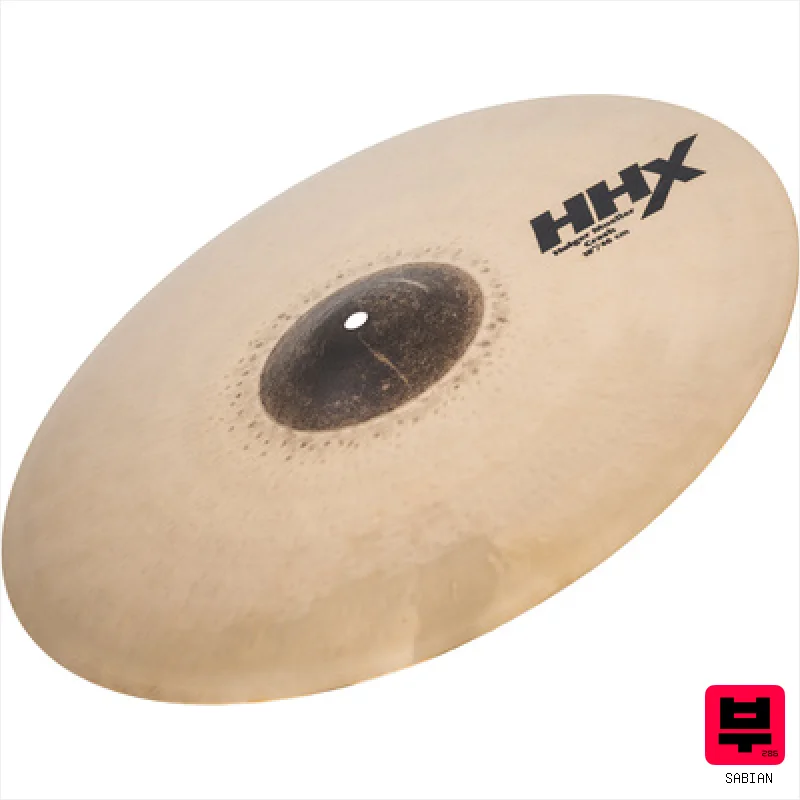
Sabian 22" HHX Complex Thin Crash Cymbal22" HHX Complex Thin Crash · Sabian81Stable$730€649$730€649Check ↗
- 16
Sabian 22" HHX Redlight Crash Cymbal22" HHX Redlight Crash · Sabian80Stable$753€669$753€669Check ↗
- 17
Sabian 22" HHX Anthology Low Bell Crash / Ride Cymbal22" HHX Anthology Low Bell · Sabian80Stable$843€749$843€749Check ↗
- 18
Meinl 21” Classics Custom Dark Crash Cymbal21" Classics Custom Dark Crash · Meinl77Stable$303€269$303€269Check ↗
- 19
Istanbul Agop 22" Traditional Trash HitIstanbul Agop64Stable$595€529$595€529Check ↗
- 20
Meinl 22" Byzance Medium CrashMeinl63Stable$685€609$685€609Check ↗
- 21
Zultan 21" Caz CrashZultan60Stable$303€269$303€269Check ↗
21" Crash Cymbals and Bigger by the numbers
Measured across all 21 models we track, not a sample.
Median $560 — half of all 21" crash cymbals and bigger here cost less.
median of 21 models · 21"–22"
How to choose the best 21" crash cymbals and bigger
Wash
For intermediate players, wash is crucial. Too much and it obscures your articulation; too little and it's just a loud ping. We're looking for a controllable wash that adds depth without swallowing your stickwork.
Sustain
A longer sustain isn't always better. It needs to be musical - a graceful decay, not a muddy, endless ring. The ideal sustain should complement the music, not overpower it. Think about how it'll translate in a recording.
Articulation
This is about how clearly the cymbal defines individual strokes. A good cymbal will let you hear every nuance of your playing, even when you're laying into it. A lack of articulation sounds sloppy and undefined.
Response
How quickly does the cymbal react to the stick? A sluggish response feels heavy and unresponsive, while a quick response allows for more nuanced dynamics. Intermediate players need a cymbal that's forgiving yet responsive.
Overall Tone
We're not chasing a particular 'sound,' but looking for complexity. A flat, one-dimensional tone gets boring fast. The best cymbals have a blend of frequencies - a low-end thump, a warm body, and some sparkle - that can be shaped by your playing.
Buying guide
So, you're moving up from those 16" crashes and feeling like you need something with some real meat? A 21" crash or bigger isn't just about volume; it's about tonal complexity, wash, and the ability to create dynamics that'll really fill out a track or cut through a loud band. It's a step up, and choosing the right one can make or break your sound. Let's break down what intermediate players should look for.
Don't chase the 'big name' just because it's popular. Entry-level bronze cymbals can be a gamble - they often cut corners on hammering and lathing, resulting in a brittle, harsh sound. Look for cymbals with some hand-hammering, even if it's minimal.
It'll make a difference. Spending a little more for a well-latened cymbal that responds well is better than a cheap, loud cymbal that sounds terrible.
How the AudioFu Index works
Five measured signals and nothing else — no stars from strangers, no “tested by experts” we didn’t do. The weights are fixed and public. We don’t play these instruments; we measure the market around them.
This chart covers 21 21" crash cymbals and bigger from the Thomann catalogue. Before you buy, read hands-on reviews and, where you can, play it. Full methodology.
AudioFu earns a commission when you buy through our Thomann links. It never changes the order — the index does.
- Demand40%
How many of this exact model are for sale on Reverb right now — what musicians actually buy and resell.
- Lineup20%
How many finishes Thomann stocks — makers expand the models that sell.
- Price15%
Where the price has moved since we started tracking in August.
- Specs15%
How completely the maker documents it.
- Maker10%
How deep the brand’s range is in this category.
Questions
Are bigger crashes always louder?
Not necessarily. Volume is about surface area, but a poorly made large cymbal can be quieter than a well-crafted smaller one. It's about efficiency - how much sound you get for the effort.
What's the difference between B8 and B12 bronze?
B8 is a common alloy; B12 generally has more tin, which can lead to a brighter, more complex sound, but also a higher price. For an intermediate player, B8 is often a good starting point.
I'm playing in a loud rock band. Should I just get the biggest crash possible?
Size isn't everything. A large, poorly-articulated crash will just be a muddy mess. Focus on a cymbal with good articulation and a defined attack, even if it's not the biggest on the market.
How do I control the wash on a larger crash?
Mallet playing is the obvious choice for taming the wash. Also, experiment with where you hit the cymbal - closer to the bell will give you a more focused sound, while hitting the edge will maximize the wash.
Can I use a 21" crash as a ride?
Technically, yes, but it's not ideal. It'll lack the bell definition and stick definition of a dedicated ride cymbal. It's a compromise, and not one I'd recommend unless you're really tight on space or budget.