AudioFu Chart · October 2026
Best 18" Crash Cymbals Under $200 2026
The top pick is Meinl 18" Byzance Dual Crash ($94). Paiste 18" PST 8 Reflector Medium Crash Cymbal leads the high end. Ranked by the AudioFu Index from 20 models across 7 brands, prices checked every night.
Last updated: October 21, 2026
Top 10
Full detail for the 10 highest AudioFu Index scores. Every other model is listed below.
-
- Size18"
The Meinl HCS 18-inch crash is a solid entry-level cymbal – it's got a decent bright sound without being overly harsh. It's a great option for students or drummers just starting out who need a reliable, affordable crash to get them going, but don't expect the nuances of a pro-level cymbal.
Pros
- Bright, clear tone suitable for beginner and intermediate players
- MS63 bronze alloy provides a warmer sound than pure brass
- Consistent response across the cymbal surface, easy to control
Cons
- Lacks the complexity and sustain of higher-end cymbals
- The finish is prone to scratching and tarnishing quickly
-
Paiste 16" PST 7 Thin Crash Cymbal
PST7 18" Heavy Crash · Paiste
10 for sale on Reverb3 finishes at Thomann
- Size18"
The Paiste PST7 18 Heavy Crash is a workhorse for rock, pop, and heavier genres. Its robust build and bright sound cut through the mix without being overly splashy, making it a great option for gigging drummers or those needing a reliable, affordable crash.
Pros
- CuSn8 bronze delivers a warm, full fundamental tone.
- Heavier weight provides a pronounced, cutting crash sound.
- PST7 series offers a consistent, reliable, and durable build.
Cons
- Sound can be slightly harsh for very subtle or delicate musical styles.
- Lacks the complex overtones of higher-end Paiste cymbals.
65AudioFu
IndexStableno change since Aug 17Aug 17$145 now$145€129 at Thomann · in stockCheck price ↗ -
- Size18"
The Sabian SBR is a surprisingly useful cymbal for the price. It’s a great option for gigging drummers needing a versatile, affordable cymbal that can double as a crash and a ride – especially for rock, pop, and modern worship. Just be mindful of its thinness and play it with a bit of care.
Pros
- Bright, cutting sound cuts through dense mixes effectively.
- Thin profile provides quick response and easy playability.
- Solid brass construction delivers a warm, resonant undertone.
Cons
- Thinness makes it susceptible to cracking with aggressive playing.
- Ride function is limited; lacks the bell definition of a dedicated ride.
65AudioFu
IndexStableno change since Aug 17Aug 17$145 now$145€129 at Thomann · in stockCheck price ↗ -
Paiste 18" PST X Swiss Thin Crash Cymbal
18" PSTX Swiss Thin Crash · Paiste
22 for sale on Reverb1 finish at Thomann
- Size18"
The PSTX Swiss Thin is a fantastic crash for players needing a quick, responsive cymbal without the premium price tag. It’s really versatile – great for pop, funk, and lighter rock – and its fast decay makes it easy to control in busier mixes. If you’re looking for a bright, cutting crash that won’t break the bank, this is a solid choice.
Pros
- Bright, explosive initial attack with a quick, controlled decay
- Paiste’s Swiss Bronze alloy delivers a pleasing, musical overtone series
- Satin finish reduces glare and offers a warmer, more controlled sound
Cons
- Thin profile limits sustain and low-end projection; not ideal for heavier styles
- Satin finish can show fingerprints and require more frequent cleaning
63AudioFu
IndexStableno change since Aug 17Aug 17$167 now$167€149 at Thomann · in stockCheck price ↗ -
Paiste 18" PST 8 Reflector Medium Crash Cymbal
18" PST8 Reflector Med. Crash · Paiste
12 for sale on Reverb2 finishes at Thomann
- Size18"
This Paiste PST8 Reflector is a great all-around crash. It's responsive and cuts through a mix well, making it perfect for rock, pop, and even some funk. If you need a reliable, affordable crash that's not overly dark or splashy, this is a solid choice.
Pros
- The reflector profile delivers a quick, bright initial attack.
- B8 bronze construction offers a surprisingly full, warm low-end response.
- Hammering provides a complex, shimmering decay beyond the initial crash.
Cons
- Reflector finish can be prone to developing patina and markings quickly.
- While versatile, it lacks the dark, washier character for some genres.
63AudioFu
IndexStableno change since Aug 17Aug 17$178 now$178€159 at Thomann · in stockCheck price ↗ -
Meinl 18" Byzance Dual Trash Crash Cymbal
18" HCS Trash Crash · Meinl
15 for sale on Reverb1 finish at Thomann
- Size18"
The Meinl HCS Trash Crash is a solid option for drummers seeking a unique, trashy sound without a premium price tag. It's fantastic for adding some grit to indie, electronic, or experimental music, and it’s surprisingly well-built for an entry-level cymbal. Ideal for beginners or drummers needing a budget-friendly accent.
Pros
- Bright, trashy character delivers unique rhythmic textures.
- HCS bronze alloy offers a surprisingly robust build for the price.
- Soft response makes it controllable even at higher volumes.
Cons
- HCS bronze lacks the complex overtones of B8 or B20 bronze.
- Sound can be a bit thin and brittle for heavier styles.
-
Paiste 18" PST X Swiss Medium Crash Cymbal
18" PSTX Swiss Medium Crash · Paiste
14 for sale on Reverb1 finish at Thomann
- Size18"
The PSTX Swiss Medium Crash is a solid, assertive crash that's built to cut through a mix. It's a great option for drummers needing a bright, responsive crash without the premium price tag—perfect for rock, pop, and anyone needing a reliable, modern sound.
Pros
- Bright, explosive attack ideal for modern rock and pop.
- Swiss-made bronze alloy delivers consistent tonal character.
- Satin finish minimizes glare and offers a comfortable stick feel.
Cons
- Lacks the complex overtones of higher-end Paiste lines.
- Medium weight might feel a bit light for heavier hitters.
59AudioFu
IndexStableno change since Aug 17Aug 17$167 now$167€149 at Thomann · in stockCheck price ↗ -
- Size18"
The Meinl HCS 18' Crash/Ride is a solid entry-level option, perfect for students or gigging musicians on a tight budget. It's surprisingly versatile – decent as a crash, usable as a ride – and provides a clear, bright sound that cuts through a basic drum kit. Don't expect pro-level complexity, but it's a reliable workhorse for practicing and casual playing.
Pros
- Bright, clear initial attack provides good cutting power.
- MS63 bronze alloy offers a surprisingly warm undertone for the price.
- Versatile enough to function as both a crash and a ride for beginners.
Cons
- Sustain is short, lacking complexity for more nuanced playing.
- Finish is prone to oxidation and requires more frequent cleaning.
-
- Size18"
The Paiste PST5 18' Medium Crash '14 is a solid, reliable crash that's perfect for gigging drummers on a budget or those needing a bright, clear cymbal to fill out their kit. It's versatile enough for rock, pop, and funk, delivering a good balance of volume and articulation without being overly splashy.
Pros
- Bright, focused sound cuts through dense mixes well.
- CuSn8 bronze provides a warm, responsive feel.
- PST5 series offers excellent value for the quality.
Cons
- Lacks the complex overtones of higher-end Paiste cymbals.
- Medium weight means it may not project as far in very large rooms.
54AudioFu
IndexStableno change since Aug 17Aug 17$145 now$145€129 at Thomann · in stockCheck price ↗ -
Meinl 18" HCS Practice Crash Cymbal
18" Practice HCS Crash · Meinl
6 for sale on Reverb1 finish at Thomann
- Size18"
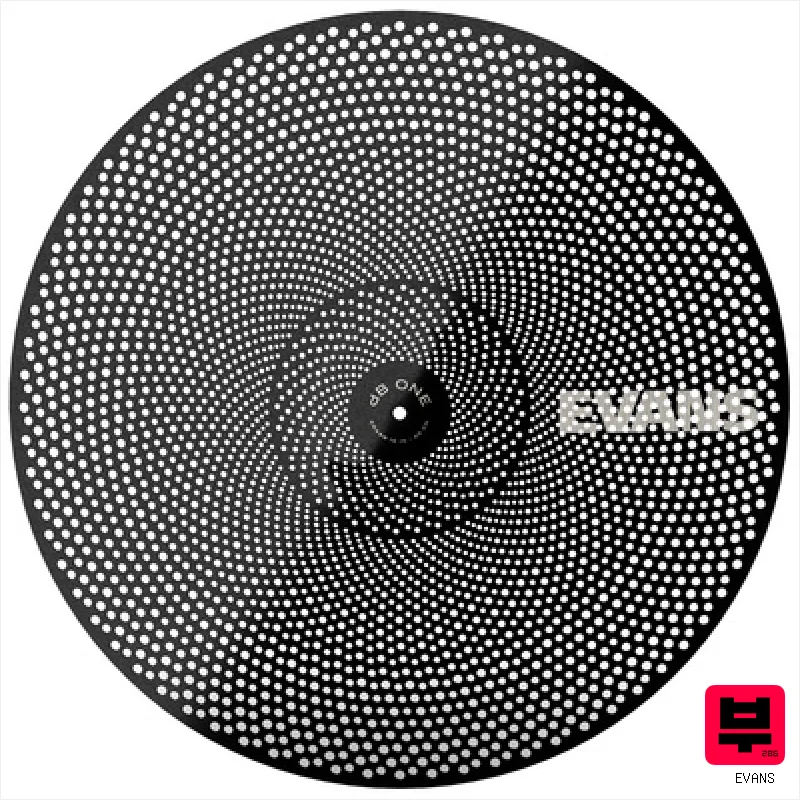
This Meinl HCS crash is a solid choice for drummers needing to practice quietly without sacrificing too much feel. It's surprisingly responsive for a practice cymbal and offers a warmer tone than many budget options. Perfect for apartment dwellers, students, or anyone needing a low-volume crash.
Pros
- The MS63 brass provides a surprisingly warm, resonant tone for a practice cymbal.
- The dense hole pattern helps with dampening, crucial for quiet practice sessions.
- Feels remarkably like a full-sized crash, maintaining a familiar playing experience.
Cons
- Durability is limited; expect shorter lifespan compared to professional-grade cymbals.
- The quieter sound inherently lacks the full dynamic range of a standard crash.
52AudioFu
IndexStableno change since Aug 17Aug 17$156 now$156€139 at Thomann · in stockCheck price ↗
All 20 18" crash cymbals
Same index, same nightly prices — compact. Colour options of one model share a row. Tap a photo to zoom.
- 11
Millenium 18" Still Series Crash regularMillenium47↓ 14.5%$66€59$66€59Check ↗
- 12
Millenium 18" Still Series Crash BlueMillenium · 2 finishes45Stable$59€53$59€53Check ↗
- 13
Paiste 18" PSTX Swiss Flanger CrashPaiste45Stable$167€149$167€149Check ↗
- 14
Zultan 18" Aja CrashZultan44Stable$111€99$111€99Check ↗
- 15
Zultan 18" Aja Blaze CrashZultan44Stable$122€109$122€109Check ↗
- 16
Zultan 18" Aja Blaze Holey CrashZultan44Stable$133€119$133€119Check ↗
- 17
Zildjian 18" I Family Crash medium-thinZildjian44Stable$185€165$185€165Check ↗
- 18
Masterwork 18" Troy Traditional CrashMasterwork41Stable$185€165$185€165Check ↗
- 19
Millenium 18" B20 CrashMillenium40Stable$100€89$100€89Check ↗
- 20
Zultan 18" Impulz CrashZultan36↑ 16.8%$156€139$156€139Check ↗
18" Crash Cymbals by the numbers
Measured across all 26 models we track, not a sample.
Median $145 — half of all 18" crash cymbals here cost less.
median of 26 models · 18"–18"
How to choose the best 18" crash cymbals
Sustain
In this price range, you're not getting endless sustain. Expect a decent wash, but don't expect it to linger forever. It's about finding a balance between quick decay and a usable sonic footprint.
Articulation
How cleanly does the cymbal respond to your stick? Muddy articulation means you'll be fighting to be heard, especially in a band setting. Look for cymbals that offer clear, defined stick definition.
Tone
The tone will likely lean towards brighter, more fundamental sounds. Don't expect complex overtones or a deep, dark wash. What you do want is a crash that isn't offensively harsh or ice-picky - a little warmth is a huge plus.
Trashiness/Ping
Cheaper cymbals often have a noticeable 'ping' - a metallic ringing that isn't always desirable. Some can be tolerable, others are just annoying. We're prioritizing those that minimize this, even if it means sacrificing a bit of volume.
Build Quality
Let's be real, these are budget cymbals. Expect slightly less precise lathing, potentially a few more blemishes, and a bit less durability. Handle with care, and don't expect them to last a decade.
Buying guide
Alright, let's talk 18" crashes. You need that wash, that shimmer, that moment of sonic release, but your gig budget isn't exactly overflowing. Finding a good 18" crash under $200 is totally doable - you just gotta know what to look for and accept that you're not getting a Zildjian A Custom. This list is about bang-for-your-buck, getting the most usable crash without feeling like you're playing on tin foil.
At this price point, you're making trade-offs. The biggest compromise is usually in complexity of tone - you won't get a ton of wash or shimmering overtones. Look for models described as 'medium' or 'light' weight, as heavy crashes tend to be brittle and clangy in this budget.
Don't chase the loudest crash; focus on clarity and musicality. And be prepared to potentially dampen the edge to tame any unwanted high-frequency harshness - a little Moongel goes a long way.
How the AudioFu Index works
Five measured signals and nothing else — no stars from strangers, no “tested by experts” we didn’t do. The weights are fixed and public. We don’t play these instruments; we measure the market around them.
This chart covers 26 18" crash cymbals from the Thomann catalogue. Before you buy, read hands-on reviews and, where you can, play it. Full methodology.
AudioFu earns a commission when you buy through our Thomann links. It never changes the order — the index does.
- Demand40%
How many of this exact model are for sale on Reverb right now — what musicians actually buy and resell.
- Lineup20%
How many finishes Thomann stocks — makers expand the models that sell.
- Price15%
Where the price has moved since we started tracking in August.
- Specs15%
How completely the maker documents it.
- Maker10%
How deep the brand’s range is in this category.
Questions
Are these cymbals suitable for recording?
Absolutely, but be mindful of their brightness. Use a decent mic and experiment with EQ to tame any harshness. They can be great for adding a bit of sparkle to acoustic drum tracks.
How do these compare to used, higher-end cymbals?
A used, higher-end cymbal (even an older one) will almost always sound better. You're paying for quality materials and craftsmanship. However, a new budget cymbal is often a safer bet than a gamble on a used one.
Can I expect these to last a long time?
Not as long as a higher-end cymbal. The bronze alloy is often lower quality, and the manufacturing tolerances are looser. Treat them well, and they'll get you through a few years of gigs, but don't expect a lifetime of service.
What does 'brassy' mean when describing a cymbal?
It means the cymbal has an overly bright, metallic tone, often lacking warmth or complexity. It can be fatiguing to play and unpleasant to listen to. Avoid anything described as excessively 'brassy'.
Should I buy a cymbal pack or a single crash?
A single crash lets you pick exactly what you want. Packs can be a decent value if the other cymbals are usable, but be prepared to ditch some pieces. It's better to have one good crash than a bunch of mediocre ones.