AudioFu Chart · October 2026
Best 18" Crash Cymbals for Beginner 2026
The top pick is Meinl 18" Byzance Dual Crash ($94). Millenium 18" Still Series Crash Blue gives you the most for the money at $59. Paiste 18" Color Sound 900 Series Crash Cymbal leads the high end. Ranked by the AudioFu Index from 218 models across 11 brands, prices checked every night.
Last updated: October 21, 2026
Top 10
Full detail for the 10 highest AudioFu Index scores. Every other model is listed below.
-
- Size18"
The Meinl HCS 18-inch crash is a solid entry-level cymbal – it's got a decent bright sound without being overly harsh. It's a great option for students or drummers just starting out who need a reliable, affordable crash to get them going, but don't expect the nuances of a pro-level cymbal.
Pros
- Bright, clear tone suitable for beginner and intermediate players
- MS63 bronze alloy provides a warmer sound than pure brass
- Consistent response across the cymbal surface, easy to control
Cons
- Lacks the complexity and sustain of higher-end cymbals
- The finish is prone to scratching and tarnishing quickly
-
Meinl 18" Byzance Dual Trash Crash Cymbal
18" HCS Trash Crash · Meinl
15 for sale on Reverb1 finish at Thomann
- Size18"
The Meinl HCS Trash Crash is a solid option for drummers seeking a unique, trashy sound without a premium price tag. It's fantastic for adding some grit to indie, electronic, or experimental music, and it’s surprisingly well-built for an entry-level cymbal. Ideal for beginners or drummers needing a budget-friendly accent.
Pros
- Bright, trashy character delivers unique rhythmic textures.
- HCS bronze alloy offers a surprisingly robust build for the price.
- Soft response makes it controllable even at higher volumes.
Cons
- HCS bronze lacks the complex overtones of B8 or B20 bronze.
- Sound can be a bit thin and brittle for heavier styles.
-
- Size18"
The Meinl HCS 18' Crash/Ride is a solid entry-level option, perfect for students or gigging musicians on a tight budget. It's surprisingly versatile – decent as a crash, usable as a ride – and provides a clear, bright sound that cuts through a basic drum kit. Don't expect pro-level complexity, but it's a reliable workhorse for practicing and casual playing.
Pros
- Bright, clear initial attack provides good cutting power.
- MS63 bronze alloy offers a surprisingly warm undertone for the price.
- Versatile enough to function as both a crash and a ride for beginners.
Cons
- Sustain is short, lacking complexity for more nuanced playing.
- Finish is prone to oxidation and requires more frequent cleaning.
-
- Size18"
This Millenium Still Series crash is a solid budget-friendly option if you're primarily looking for a quiet practice cymbal. It's great for students, apartment dwellers, or anyone needing to keep the volume down, but don’t expect a professional-grade sound or versatility – it’s a dedicated low-volume tool.
Pros
- Nickel construction offers a darker, more controlled initial wash.
- The 'Still' series significantly dampens volume for quiet practice.
- Regular finish provides a usable, bright response for its price point.
Cons
- Nickel finish will tarnish quickly and require regular cleaning.
- Sound lacks complexity and sustain compared to bronze cymbals.
47AudioFu
Index↓ 14.5%since Aug 17 · lowest so far$77 · Aug 17$66 now$66€59 at Thomann · in stockCheck price ↗ -
- Size18"
This Millenium crash is a surprisingly decent option if you're serious about quiet practice or need something for unplugged gigs. It's not going to replace your main cymbals, but for the price, it delivers a usable, dampened crash sound that's much quieter than standard fare—perfect for apartment dwellers or those needing to share space.
Pros
- Nickel construction provides a dampened, controlled response ideal for quiet practice.
- Blue finish offers a unique aesthetic and potentially alters tonal characteristics slightly.
- Significant volume reduction (up to 80%) makes it genuinely usable for home practice.
Cons
- Nickel bronze offers limited tonal complexity compared to bronze or B8 alloys.
- The 'Still' series likely lacks the projection needed for live performance scenarios.
-
- Size18"
The Sabian SBR is a surprisingly useful cymbal for the price. It’s a great option for gigging drummers needing a versatile, affordable cymbal that can double as a crash and a ride – especially for rock, pop, and modern worship. Just be mindful of its thinness and play it with a bit of care.
Pros
- Bright, cutting sound cuts through dense mixes effectively.
- Thin profile provides quick response and easy playability.
- Solid brass construction delivers a warm, resonant undertone.
Cons
- Thinness makes it susceptible to cracking with aggressive playing.
- Ride function is limited; lacks the bell definition of a dedicated ride.
65AudioFu
IndexStableno change since Aug 17Aug 17$145 now$145€129 at Thomann · in stockCheck price ↗ -
Paiste 16" PST 7 Thin Crash Cymbal
PST7 18" Heavy Crash · Paiste
10 for sale on Reverb3 finishes at Thomann
- Size18"
The Paiste PST7 18 Heavy Crash is a workhorse for rock, pop, and heavier genres. Its robust build and bright sound cut through the mix without being overly splashy, making it a great option for gigging drummers or those needing a reliable, affordable crash.
Pros
- CuSn8 bronze delivers a warm, full fundamental tone.
- Heavier weight provides a pronounced, cutting crash sound.
- PST7 series offers a consistent, reliable, and durable build.
Cons
- Sound can be slightly harsh for very subtle or delicate musical styles.
- Lacks the complex overtones of higher-end Paiste cymbals.
65AudioFu
IndexStableno change since Aug 17Aug 17$145 now$145€129 at Thomann · in stockCheck price ↗ -
Paiste 18" Color Sound 900 Series Crash Cymbal
18" 900 Color Sound Crash BK · Paiste
21 for sale on Reverb3 finishes at Thomann
- Size18"
The 900 Color Sound series from Paiste consistently delivers, and this 18 in crash is no exception. It's got a really pleasing warmth that works well across genres, from pop to rock. This is a great choice for drummers seeking a versatile, reliable crash without breaking the bank.
Pros
- Warm, full tone ideal for diverse musical applications
- B8 bronze construction offers reliable durability and projection
- Black finish adds visual appeal and reduces glare onstage
Cons
- B8 bronze isn’t as complex or nuanced as higher-grade alloys
- The darker color may dampen high-frequency response slightly
73AudioFu
Index↓ 3.2%since Aug 17 · lowest so far$207 · Aug 17$201 now$201€179 at Thomann · in stockCheck price ↗ -
Paiste 18" PST X Swiss Thin Crash Cymbal
18" PSTX Swiss Thin Crash · Paiste
22 for sale on Reverb1 finish at Thomann
- Size18"
The PSTX Swiss Thin is a fantastic crash for players needing a quick, responsive cymbal without the premium price tag. It’s really versatile – great for pop, funk, and lighter rock – and its fast decay makes it easy to control in busier mixes. If you’re looking for a bright, cutting crash that won’t break the bank, this is a solid choice.
Pros
- Bright, explosive initial attack with a quick, controlled decay
- Paiste’s Swiss Bronze alloy delivers a pleasing, musical overtone series
- Satin finish reduces glare and offers a warmer, more controlled sound
Cons
- Thin profile limits sustain and low-end projection; not ideal for heavier styles
- Satin finish can show fingerprints and require more frequent cleaning
63AudioFu
IndexStableno change since Aug 17Aug 17$167 now$167€149 at Thomann · in stockCheck price ↗ -
Zildjian 18" A Series Medium Thin Crash Cymbal
18" S Series Medium Thin Crash · Zildjian
52 for sale on Reverb1 finish at Thomann
- Size18"
The Zildjian S Series 18in Medium Thin Crash is a great entry-level crash, perfect for students or gigging musicians needing a versatile, bright sound without spending a fortune. Its responsiveness and shimmering decay make it a solid all-around choice, especially for rock, pop, and lighter genres.
Pros
- B12 bronze delivers a warm, musical fundamental tone.
- Medium thin profile offers quick response and easy wash.
- Unlathed surfaces contribute to a more complex, shimmering decay.
Cons
- The B12 alloy won't offer the complexity of higher-end bronze alloys.
- Sound may lack substantial projection in larger, louder band settings.
70AudioFu
IndexStableno change since Aug 17Aug 17$201 now$201€179 at Thomann · in stockCheck price ↗
All 218 18" crash cymbals
Same index, same nightly prices — compact. Colour options of one model share a row. Tap a photo to zoom.
- 11
Zildjian 18" A Series Medium Thin Crash Cymbal18" S Series Thin Crash · Zildjian70Stable$201€179$201€179Check ↗
- 12
Paiste PST5 18" Crash / Ride '14Paiste · 3 finishes54Stable$145€129$145€129Check ↗
- 13
Paiste 18" PST 8 Reflector Medium Crash Cymbal18" PST8 Reflector Rock Crash · Paiste · 2 finishes63Stable$178€159$178€159Check ↗
- 14
Paiste 18" Color Sound 900 Series Heavy Crash Cymbal18" 900 Color Heavy Crash RED · Paiste · 3 finishes69Stable$201€179$201€179Check ↗
- 15
Zultan 18" Aja CrashZultan44Stable$111€99$111€99Check ↗
- 16
Paiste 18" PST X Swiss Medium Crash Cymbal18" PSTX Swiss Medium Crash · Paiste59Stable$167€149$167€149Check ↗
- 17
Millenium 18" B20 CrashMillenium40Stable$100€89$100€89Check ↗
- 18
Zultan 18" Aja Blaze CrashZultan44Stable$122€109$122€109Check ↗
- 19
Sabian 18" B8X Medium Crash Cymbal18" B8X Rock Crash · Sabian · 4 finishes70Stable$219€195$219€195Check ↗
- 20
Meinl 18" HCS Practice Crash Cymbal18" Practice HCS Crash · Meinl52Stable$156€139$156€139Check ↗
- 21
Paiste 18" Color Sound 900 Series Crash Cymbal18" 900 Series Crash · Paiste63Stable$201€179$201€179Check ↗
- 22
Zultan 18" Aja Blaze Holey CrashZultan44Stable$133€119$133€119Check ↗
- 23
Zildjian 18" S Series Trash CrashZildjian63Stable$207€185$207€185Check ↗
- 24
Paiste 18" Color Sound 900 Series Heavy Crash Cymbal18" 900 Series Heavy Crash · Paiste61Stable$201€179$201€179Check ↗
- 25
Meinl 18" Classics Custom Dark CrashMeinl63Stable$211€188$211€188Check ↗
- 26
Zildjian 18" S Series Rock Crash Cymbal18" S Series Rock Crash · Zildjian57Stable$201€179$201€179Check ↗
- 27
Meinl 18" Classics Custom Dark Crash18" Classics Custom Dark T.Cr. · Meinl63Stable$223€199$223€199Check ↗
- 28
Paiste 18" PSTX Swiss Flanger CrashPaiste45Stable$167€149$167€149Check ↗
- 29
Zultan 18" Impulz CrashZultan36↑ 16.8%$156€139$156€139Check ↗
- 30
Zildjian 18" I Family Crash medium-thinZildjian44Stable$185€165$185€165Check ↗
- 31
Meinl 18" Classics Custom Extreme Metal Crash18" Classics Extreme Crash · Meinl49Stable$212€189$212€189Check ↗
- 32
Masterwork 18" Troy Traditional CrashMasterwork41Stable$185€165$185€165Check ↗
- 33
Zultan 18" Raw CrashZultan44Stable$201€179$201€179Check ↗
- 34
Zultan 18" Holey Crash 25Zultan44Stable$207€185$207€185Check ↗
- 35
Zultan 18" Dark Matter Holey CrashZultan41↑ 5.9%$201€179$201€179Check ↗
- 36
Zultan 18" Crash Dark MatterZultan41↑ 5.9%$201€179$201€179Check ↗
- 37
Zultan 18" Crash 25Zultan44Stable$212€189$212€189Check ↗
- 38
Zultan 18" Q Thin CrashZultan44Stable$212€189$212€189Check ↗
- 39
Zultan 18" F5 CrashZultan44Stable$212€189$212€189Check ↗
- 40
Zultan 18" Rock Beat CrashZultan44Stable$212€189$212€189Check ↗
- 41
Zultan 18" Caz CrashZultan44Stable$212€189$212€189Check ↗
- 42
Zultan 18" Q CrashZultan44Stable$212€189$212€189Check ↗
- 43
Meinl 18" Class. Cust. Dark Heavy CRMeinl46Stable$223€199$223€199Check ↗
- 44
Masterwork 18" Troy CrashMasterwork41Stable$207€185$207€185Check ↗
- 45
Masterwork 18" Custom Rock CrashMasterwork41Stable$207€185$207€185Check ↗
- 46
Zultan 18" Rock Beat Crash HoleyZultan44Stable$222€198$222€198Check ↗
- 47
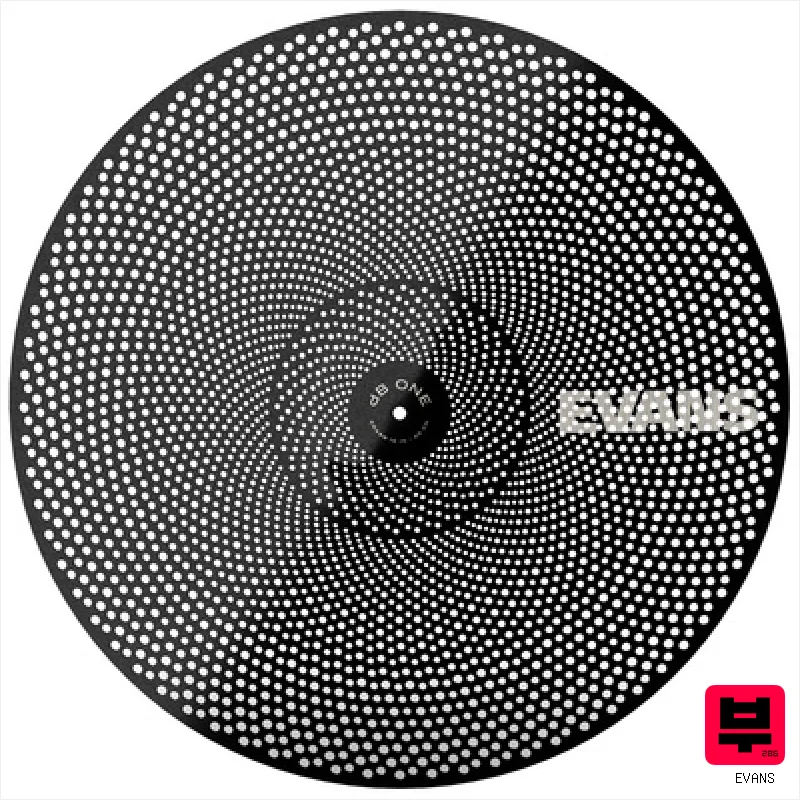
Evans 18" dB One CrashEvans37Stable$201€179$201€179Check ↗
- 48
Millenium 18" Hermann Schick SignatureMillenium40Stable$212€189$212€189Check ↗
- 49
Masterwork 18" Resonant CrashMasterwork43↓ 4.8%$223€199$223€199Check ↗
- 50
Masterwork 18" Custom Thin CrashMasterwork42↓ 2.9%$223€199$223€199Check ↗
18" Crash Cymbals by the numbers
Measured across all 231 models we track, not a sample.
Median $353 — half of all 18" crash cymbals here cost less.
median of 231 models · 18"–18"
How to choose the best 18" crash cymbals
Playability
A beginner needs a crash that responds well to lighter touches. Too much weight and you'll be fighting to get a sound; too thin and it'll warp or choke easily. We're looking for a balanced action that's responsive without being flimsy.
Sustain & Wash
A little sustain is good, but a beginner doesn't need a crash that rings forever. Too much sustain just gets muddy in a band setting. The ideal crash offers a pleasant wash that decays naturally.
Tone & Articulation
Forget those ice-picky, brittle crashes. Beginners need something warmer, with a more rounded articulation. You want a crash that complements the rest of the kit, not fights it. A little bit of 'fat midrange honk' is a plus.
Durability
Let's be honest, you're going to hit this thing. A beginner crash needs to be able to handle a little abuse without cracking or warping. Thicker, more consistently hammered cymbals tend to hold up better.
Price & Value
Starting out, you don't need to break the bank. We're finding crashes that offer a good balance of sound and build quality without requiring a second mortgage.
Buying guide
So, you're starting out on drums and looking for that first crash? An 18" crash is a great sweet spot - big enough to get a decent wash, but still manageable to control. Don't go straight for the super-complex, thin, shimmering stuff; you'll just fight it. We're focusing on crashes that are forgiving, sound good, and won't make you want to throw them across the room when you inevitably miss a crash point.
Don't chase the flashy stuff. Beginner crashes are about learning dynamics and control, not showcasing a ton of complex overtones. Many cheaper cymbals cut corners on hammering, resulting in a dull, lifeless sound.
Spending a bit more on a well-made crash from a reputable brand will pay off in terms of playability and longevity, and will teach you more about what you actually want in a cymbal later on.
How the AudioFu Index works
Five measured signals and nothing else — no stars from strangers, no “tested by experts” we didn’t do. The weights are fixed and public. We don’t play these instruments; we measure the market around them.
This chart covers 231 18" crash cymbals from the Thomann catalogue. Before you buy, read hands-on reviews and, where you can, play it. Full methodology.
AudioFu earns a commission when you buy through our Thomann links. It never changes the order — the index does.
- Demand40%
How many of this exact model are for sale on Reverb right now — what musicians actually buy and resell.
- Lineup20%
How many finishes Thomann stocks — makers expand the models that sell.
- Price15%
Where the price has moved since we started tracking in August.
- Specs15%
How completely the maker documents it.
- Maker10%
How deep the brand’s range is in this category.
Questions
What's the difference between a crash and a ride crash?
Ride crashes are basically rides with a crash-like response. They're more versatile but often lack the focused 'ping' of a dedicated crash. As a beginner, a dedicated crash is usually better for developing proper technique.
Are thinner cymbals better?
Not necessarily! Thinner cymbals are more sensitive but also more fragile. For a beginner, a slightly heavier crash is more forgiving and durable.
Can I use a 16" crash instead?
Absolutely. A 16" crash offers even more control and is a great option if you're having trouble with an 18". It will have less volume and projection, though.
What about B8 bronze?
B8 bronze is a common, budget-friendly alloy. It's perfectly fine for a beginner, but the sound won't be as complex or nuanced as more expensive bronze alloys like B20.
How do I care for my new crash?
Keep it clean! Wipe it down after each use to prevent buildup and corrosion. Don't over-tighten the clutch - that can damage the cymbal's sound and even crack it.