AudioFu Chart · October 2026
Best Millenium 18" Crash Cymbals 2026
The top pick is Millenium 18" Still Series Crash regular ($66). Millenium 18" Hermann Schick Signature leads the high end. Ranked by the AudioFu Index from 4 models, prices checked every night.
Last updated: October 21, 2026
Top 4
Full detail for the 4 highest AudioFu Index scores. Every other model is listed below.
-
- Size18"
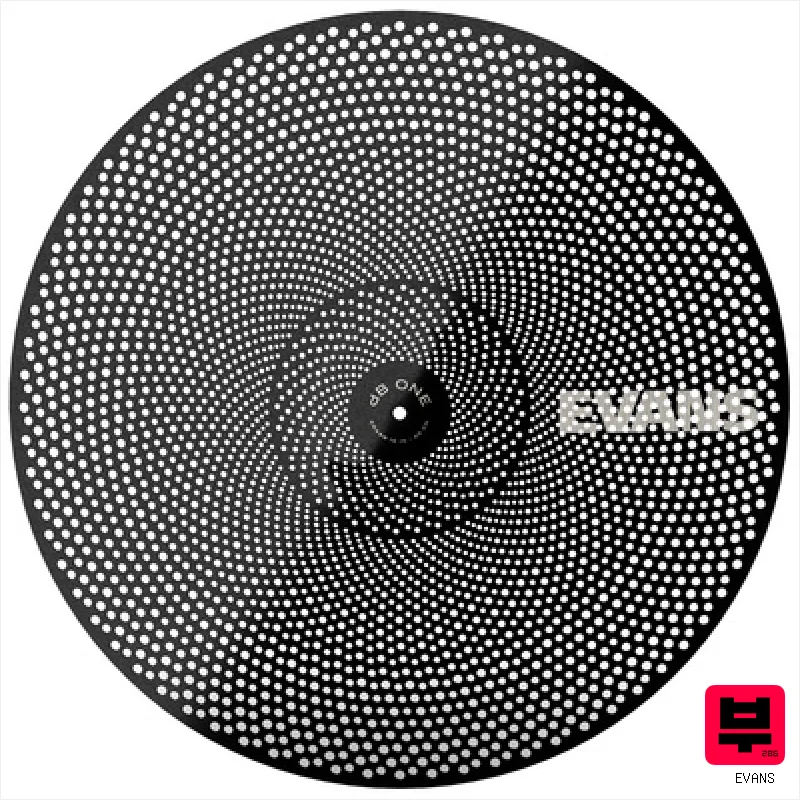
This Millenium Still Series crash is a solid budget-friendly option if you're primarily looking for a quiet practice cymbal. It's great for students, apartment dwellers, or anyone needing to keep the volume down, but don’t expect a professional-grade sound or versatility – it’s a dedicated low-volume tool.
Pros
- Nickel construction offers a darker, more controlled initial wash.
- The 'Still' series significantly dampens volume for quiet practice.
- Regular finish provides a usable, bright response for its price point.
Cons
- Nickel finish will tarnish quickly and require regular cleaning.
- Sound lacks complexity and sustain compared to bronze cymbals.
47AudioFu
Index↓ 14.5%since Aug 17 · lowest so far$77 · Aug 17$66 now$66€59 at Thomann · in stockCheck price ↗ -
- Size18"
This Millenium crash is a surprisingly decent option if you're serious about quiet practice or need something for unplugged gigs. It's not going to replace your main cymbals, but for the price, it delivers a usable, dampened crash sound that's much quieter than standard fare—perfect for apartment dwellers or those needing to share space.
Pros
- Nickel construction provides a dampened, controlled response ideal for quiet practice.
- Blue finish offers a unique aesthetic and potentially alters tonal characteristics slightly.
- Significant volume reduction (up to 80%) makes it genuinely usable for home practice.
Cons
- Nickel bronze offers limited tonal complexity compared to bronze or B8 alloys.
- The 'Still' series likely lacks the projection needed for live performance scenarios.
-
- Size18"
This Millenium 18' B20 crash delivers a surprisingly bright and explosive sound for the price. It's a solid choice for students, gigging musicians on a budget, or anyone needing a reliable crash without the premium price tag – just be mindful of its thinness.
Pros
- Bright, explosive initial attack provides immediate impact
- B20 bronze alloy offers a warmer tone than B8 alternatives
- Rounded decay creates a natural, less harsh cymbal wash
Cons
- Lacks the complex overtones of higher-end B20 cymbals
- Thin profile means it's prone to cracking with aggressive playing
-
- Size18"
This Hermann Schick Signature cymbal is a clever concept – a crash/ride aiming for a balanced sound that works well for brass bands and folk musicians. It's a good option for players needing a versatile cymbal on a budget, but don’t expect the complexity or longevity of a pro-level cymbal from a larger brand.
Pros
- Offers a surprisingly full and responsive ride sound for its price.
- The Hermann Schick collaboration suggests a focus on tonal clarity and projection.
- Suitable for brass bands and folk music, indicating a warm, relatively dark tone.
Cons
- Millenium's reputation isn't premium, so durability might be a concern with heavy use.
- The 'Signature' designation might imply higher quality than it truly delivers.
40AudioFu
IndexStableno change since Aug 17Aug 17$212 now$212€189 at Thomann · in stockCheck price ↗
18" Crash Cymbals by the numbers
Measured across all 231 models we track, not a sample.
median of 231 models · 18"–18"
How to choose the best 18" crash cymbals
Sound Character
Millenium's 18" crashes generally deliver a warm, fundamental tone with a pronounced low-midrange presence. It's not a bright, glassy crash; think more of a controlled, almost vintage-leaning wash. This gives them great cut in a busy mix, especially for rock or heavier styles, without being overly aggressive.
Sustain & Decay
The sustain is respectable, but not endless. It's a controlled decay, which makes them responsive and easy to articulate - you're not fighting the cymbal to stop the ringing. This is crucial for faster playing and avoids muddiness in smaller rooms.
Build Quality & Lathe Marks
The hammering is consistent, though not as intricate as you'd find on higher-end cymbals. You'll see some lathe marks - that's a cost-saving measure, but it doesn't drastically affect the sound. The overall construction feels solid, though the bell isn't as perfectly formed as some competitors - a subtle detail, but noticeable to a keen ear.
Wash vs. Stick Definition
These crashes excel at providing a broad wash of sound, but they also offer surprisingly good stick definition. You can get a clear 'ping' when you hit the bell, which is important for creating dynamic accents and adding complexity to your playing.
Price-to-Performance Ratio
This is where Millenium really shines. You're getting a usable, musical crash at a price point that won't break the bank. It's a fantastic option for students, gigging musicians on a budget, or anyone needing a reliable, versatile crash without the premium price tag.
Buying guide
Alright, let's talk 18" crashes. They're the sweet spot - big enough to get some real wash and sustain, but still manageable for tighter spaces and quicker playing. You want something that cuts through a rock band without sounding brittle, or offers a shimmering complexity for jazz.
Look, these aren't going to compete with a custom-made flagship cymbal, and you're paying for that. The finish is machine-applied and the hammering is relatively simple. However, for the price, you're getting a crash that sounds far better than it has any right to.
If you're looking for a workhorse crash that cuts through a live band without needing a second mortgage, the Millenium 18" is a seriously smart choice.
How the AudioFu Index works
Five measured signals and nothing else — no stars from strangers, no “tested by experts” we didn’t do. The weights are fixed and public. We don’t play these instruments; we measure the market around them.
This chart covers 5 18" crash cymbals from the Thomann catalogue (of 231 in the category). Before you buy, read hands-on reviews and, where you can, play it. Full methodology.
AudioFu earns a commission when you buy through our Thomann links. It never changes the order — the index does.
- Demand40%
How many of this exact model are for sale on Reverb right now — what musicians actually buy and resell.
- Lineup20%
How many finishes Thomann stocks — makers expand the models that sell.
- Price15%
Where the price has moved since we started tracking in August.
- Specs15%
How completely the maker documents it.
- Maker10%
How deep the brand’s range is in this category.
Questions
Are Millenium cymbals loud enough for a rock gig?
Absolutely. The low-midrange emphasis gives them good projection and cut. They won't be the loudest cymbals in the world, but they'll hold their own in most rock or pop band situations.
Can I use these for recording?
Definitely. Their controlled decay and warm tone make them very recordable. They won't have that overly bright, harsh quality that can be difficult to tame in the mix.
What's the difference between the Millenium Classic and the Millenium Stage Line 18" crashes?
The Stage Line generally has a slightly more refined hammering and a bit more sustain. The Classic is the more budget-friendly option, but still perfectly usable. The difference is subtle enough that it's often not worth the extra cost unless you're really picky.
Do I need to do any extra maintenance?
Like any cymbal, regular cleaning with a cymbal cleaner will keep them sounding their best. Don't let water spots build up - that'll dull the tone over time.
Are these cymbals easy to get a good action from?
Yes, the controlled decay makes them very responsive. You'll get a good, clear response with a variety of playing techniques, from soft washes to more aggressive crashes.