
Best 1/8 Size Classical Guitars for Beginner 2026
Alright, so you're looking at a 1/8 size classical guitar for a young player? Smart move - getting started small can really build good habits. These little guitars are a doorway to classical technique, but not all of them are created equal. We're not talking about a toy here; we want something that won't frustrate a budding musician and will actually help them develop good tone and technique, even at this small scale.
Last updated: April 11, 2026
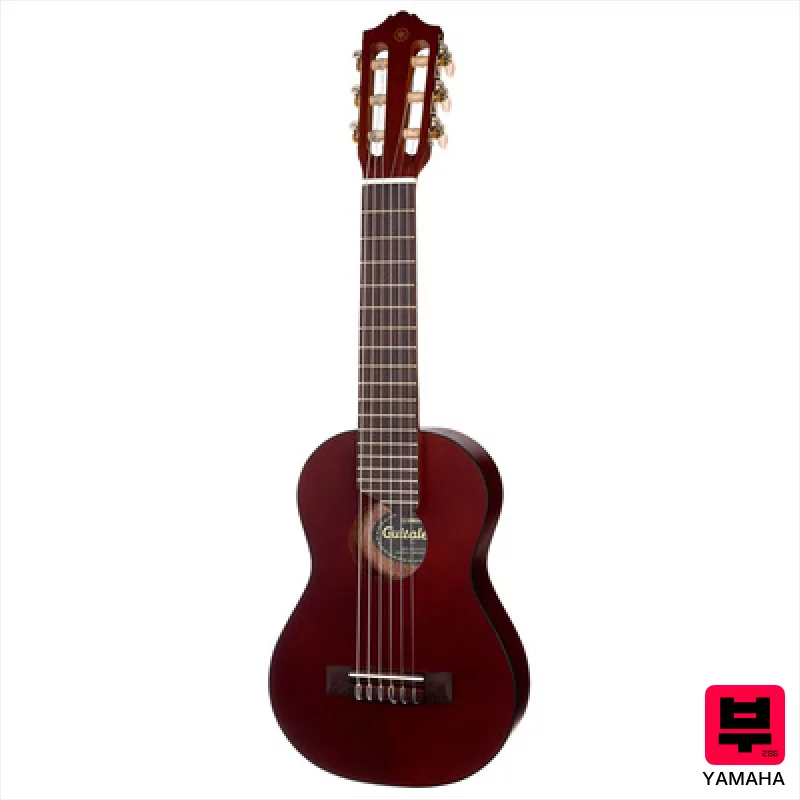
Yamaha GL1 PB
- • Spruce top provides a surprisingly bright and resonant tone for its size.
- • Meranti back and sides offer decent projection for a budget instrument.
- • Rosewood fingerboard provides a familiar feel for young or transitioning players.
- • Included gig bag makes it immediately playable and portable for students.
- • Meranti body wood lacks the tonal complexity of more premium hardwoods.
- • 433mm scale length limits comfortable reach for adult players with larger hands.
- • Rosewood fingerboard may exhibit slight fret buzz common in entry-level guitars.
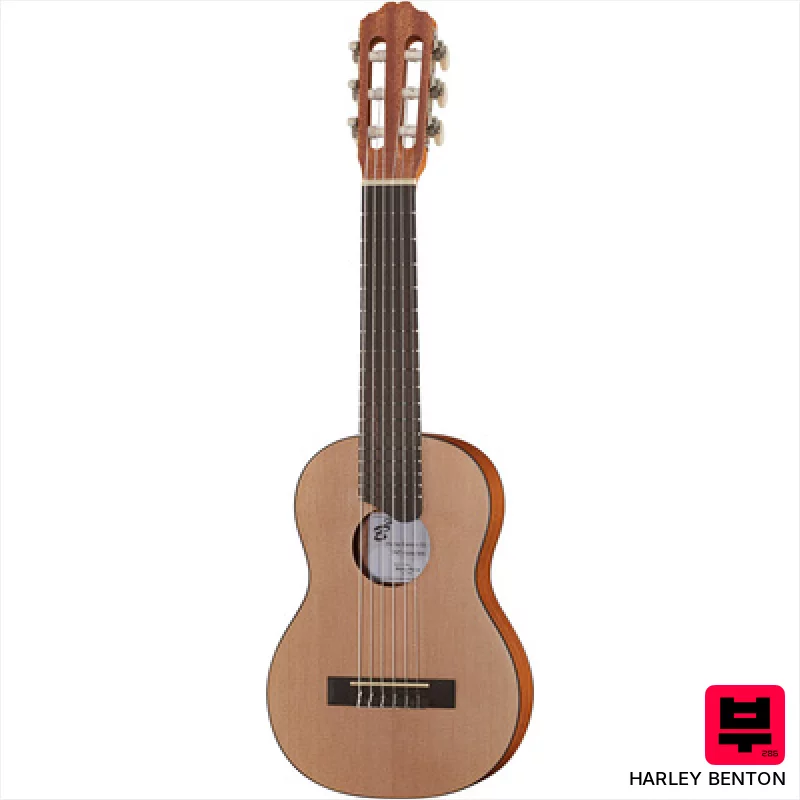
Harley Benton GL-2NT Guitarlele
- • Spruce top offers a surprisingly bright and resonant tone for the price.
- • Okoume neck provides a comfortable, lightweight feel, avoiding a bulky feel.
- • Sapele body delivers a warm, full foundation to the guitarlele’s sound.
- • Included gig bag protects the instrument and makes it easily portable.
- • Factory strings are serviceable but an immediate upgrade will vastly improve tone and feel.
- • 1/8 size limits its appeal to younger learners or those with smaller hands.
- • Walnut fretboard may feel slightly less smooth compared to ebony alternatives.
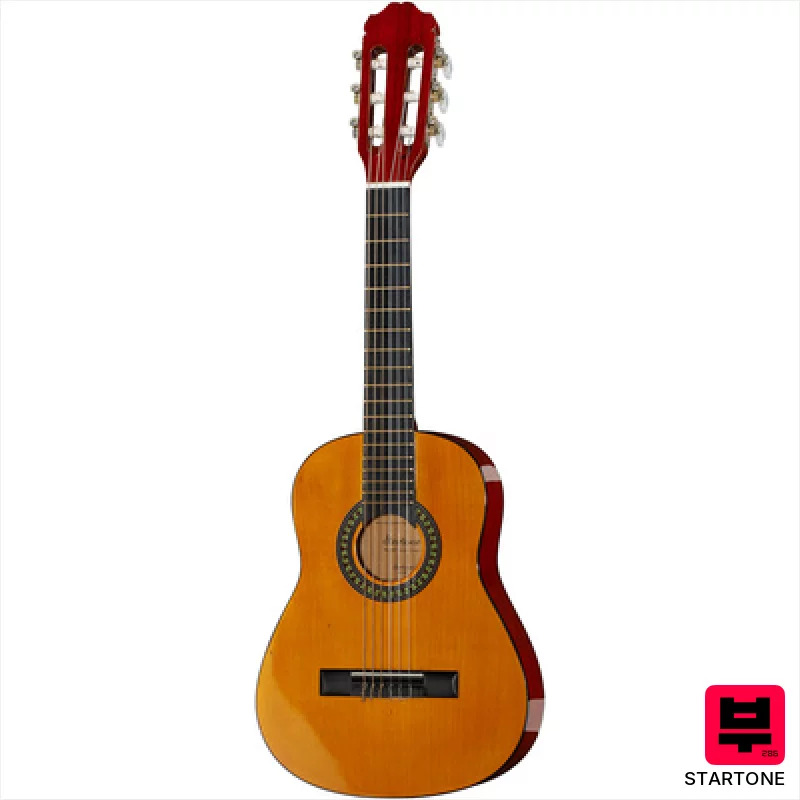
Startone CG 851 1/8
- • Basswood body provides a surprisingly warm and balanced tone for the price.
- • Nato neck offers decent stability and a playable, if basic, feel.
- • Jatoba fingerboard is harder than many in this class, improving durability.
- • Compact 1/8 size is ideal for very young beginners or travel.
- • Basswood body, while warm, lacks the projection of more premium woods.
- • Nato neck may exhibit some movement with humidity changes.
- • Basic hardware and nylon strings limit upgrade potential.
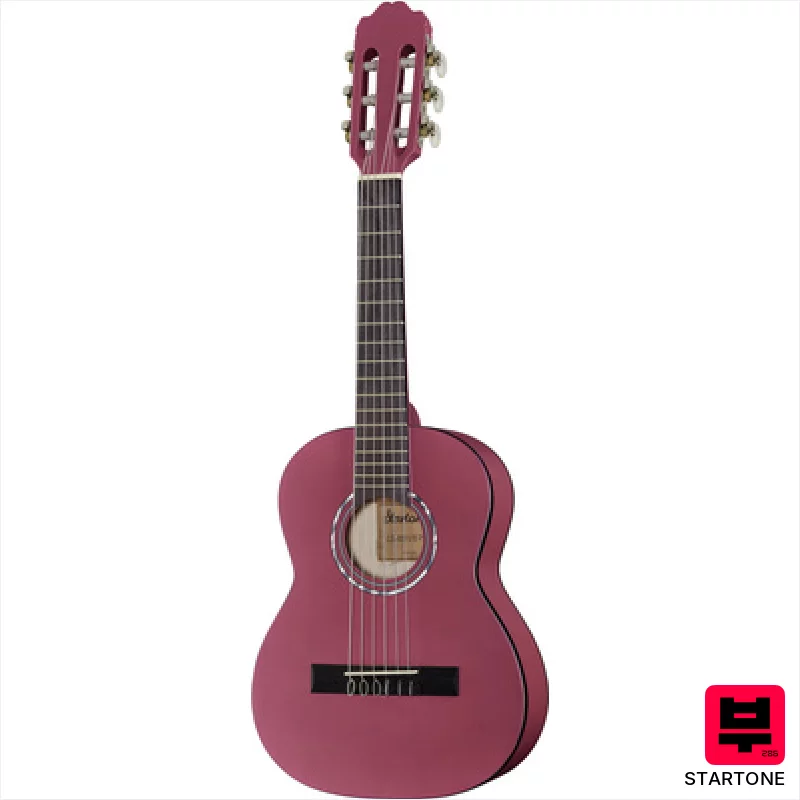
Startone CG-851 1/8 Pink
- • Bright pink satin finish offers a unique, playful aesthetic
- • Basswood body provides surprisingly good resonance for the price
- • Nato neck offers decent stability and playability for beginners
- • Compact 1/8 size is ideal for very young learners or travel
- • Basswood construction limits the guitar's high-end clarity and sustain
- • Maple fretboard can feel a bit slick without adequate conditioning
- • Nylon strings are factory-installed and likely need upgrading soon

Ortega RGLE18FMH Guitarlele
- • Solid flamed mahogany top delivers warm, resonant tone.
- • Ortega UKe preamp offers convenient amplification and tuning.
- • Walnut fingerboard provides a smooth, comfortable playing experience.
- • Gold-plated machine heads ensure precise and stable tuning.
- • Flamed mahogany can be prone to movement with humidity changes.
- • Smaller scale length limits low-end response and string tension.
- • The active preamp adds complexity and potential for battery issues.
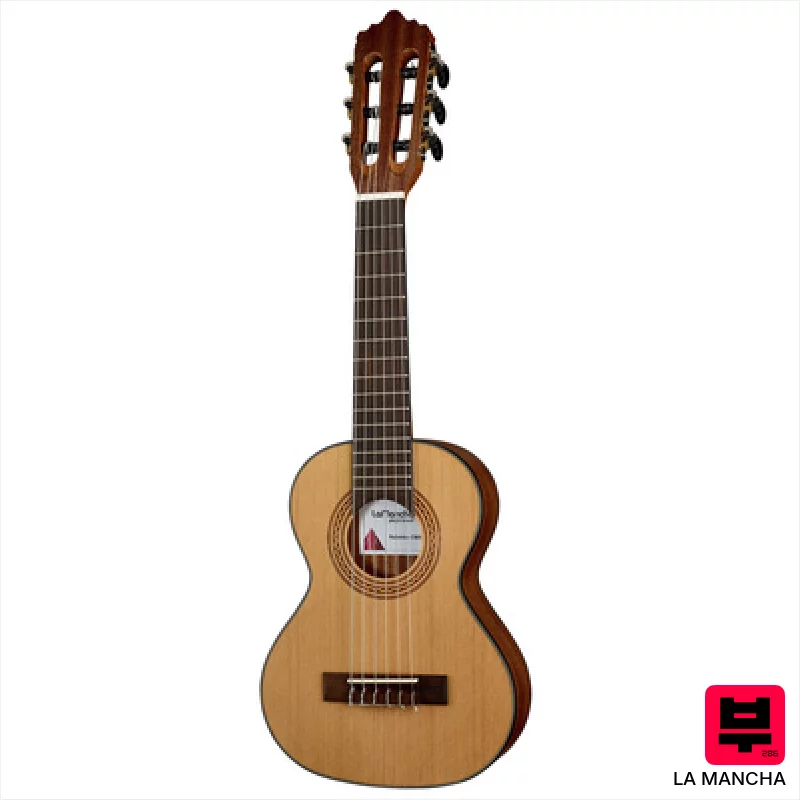
La Mancha Rubinito 1/8 CM/41
- • Solid cedar top provides a warm, responsive tone ideal for learning.
- • Ovangkol fingerboard offers a smooth playing experience and durability.
- • NATO neck provides good stability and a comfortable feel for smaller hands.
- • Savarez strings offer a balanced, pleasant tone suitable for student level.
- • Mahogany back and sides limit overall projection compared to rosewood options.
- • Nut width of 43mm may feel tight for players accustomed to wider classical necks.
- • Open-pored matte finish can be susceptible to moisture and require careful maintenance.
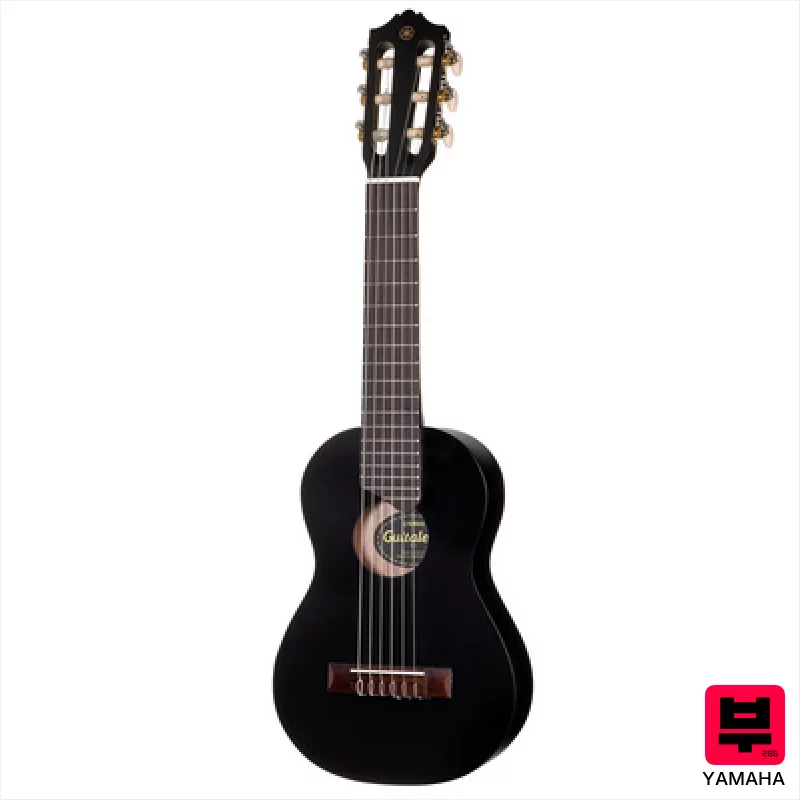
Yamaha GL1 Black
- • Spruce top provides a surprisingly bright and resonant tone for its size.
- • Sonokeling fingerboard offers a smooth playing experience, typical of higher-end instruments.
- • Meranti body delivers a warm, balanced sound despite the budget-friendly construction.
- • Includes a gig bag, making it immediately playable and portable for students.
- • The smaller scale length limits low-end response compared to a full-size guitar.
- • Meranti body, while decent, lacks the tonal complexity of mahogany or rosewood.
- • Sonokeling fingerboard might show wear more quickly with heavy use by beginners.
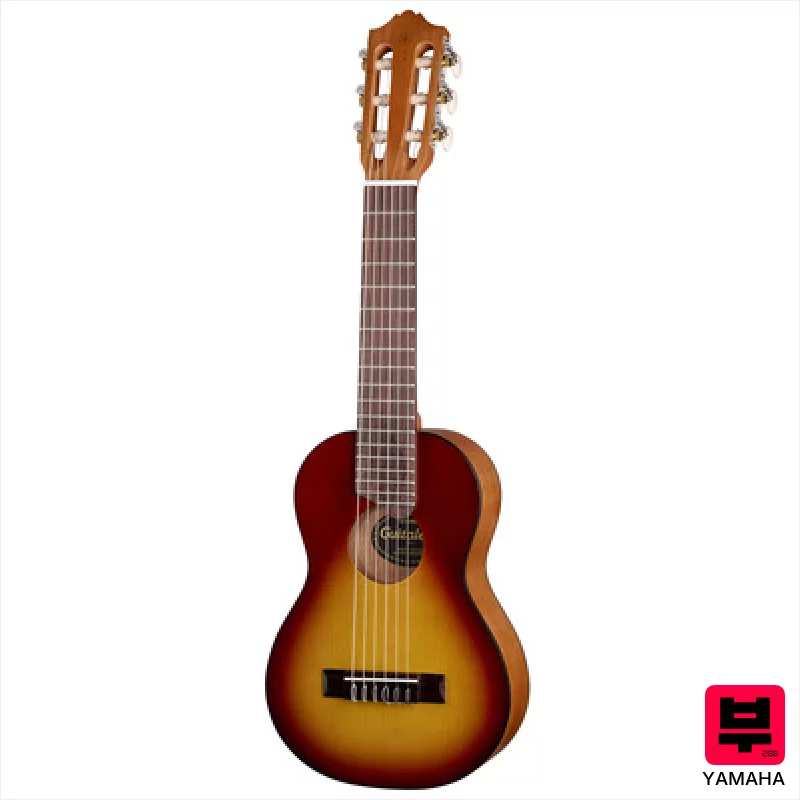
Yamaha GL1 Tobacco Brown Sunburst
- • Spruce top delivers a surprisingly bright and resonant tone for its size.
- • Sonokeling fingerboard offers a smooth, comfortable playing experience.
- • Meranti body provides a warm, balanced fundamental tone.
- • Includes a gig bag, making it immediately playable and portable.
- • The shorter scale length limits its low-end response and sustain.
- • Meranti body, while decent, isn't as tonally complex as more premium woods.
- • Intended for smaller hands; may feel cramped for adult players.
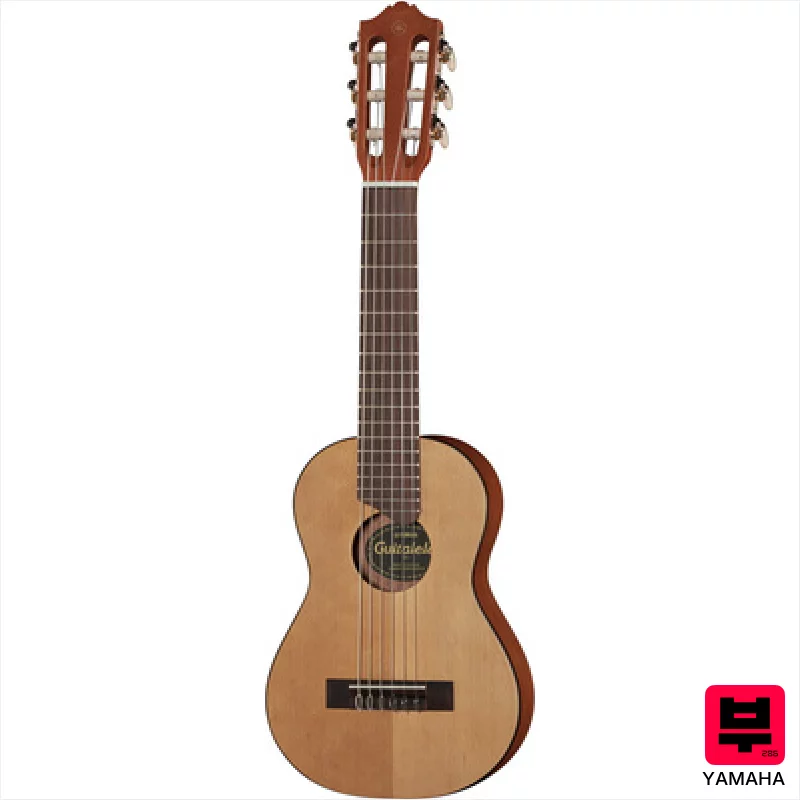
Yamaha GL1 Guitalele
- • Spruce top provides a surprisingly bright and resonant tone for the price.
- • Sonokeling fretboard offers a smooth playing experience and good durability.
- • Compact size makes it exceptionally portable and comfortable for smaller players.
- • Included gig bag offers basic protection for transport and storage.
- • Meranti back and sides limit the overall projection and sustain compared to higher-end instruments.
- • Tuning (A/d/g/c/e/A) can be limiting for certain playing styles and song arrangements.
- • The nylon strings require more careful handling and frequent replacement due to their delicate nature.
1/8 Size Classical Guitars by the numbers
Measured across all 9 models in this category, so «wide», «short» or «expensive» mean something you can check.
How to Choose the Best 1/8 Size Classical Guitars
Playability (Action & Neck Profile)
A low action is crucial - especially for smaller hands. Too high, and it's a fight just to get a clean note. The neck profile also matters; a comfortable shape will encourage proper hand positioning and prevent fatigue. We're looking for something that feels manageable, not like a workout.
Tone (Responsiveness & Sustain)
Even a small guitar needs to resonate. Look for a responsiveness that allows for dynamic playing - a whisper of a note to a full, singing tone. Sustain isn't about endless ringing, but about a clear, defined decay that allows notes to blend together, crucial for classical phrasing.
Construction (Bracing & Materials)
Cheaper guitars often skimp on bracing, which directly impacts tone and structural integrity. Solid wood tops (even if the back and sides are laminate) are a big plus - they vibrate more freely and offer a more nuanced tone. Look for clean glue joints and a generally well-assembled instrument.
Intonation & Tuning Stability
A guitar that won't stay in tune is a nightmare. Even at this size, decent intonation is essential for learning proper pitch recognition. Check the nut slots and saddle - they should be properly cut to ensure notes are accurate up the neck.
Overall Build Quality (Hardware & Finish)
The hardware - tuners, bridge - doesn't need to be fancy, but it needs to function reliably. A sloppy finish might not impact the tone, but it's a sign of overall attention to detail (or lack thereof). Sharp fret edges or a poorly cut nut are red flags.
Buying Guide
Don't expect miracles at this price point. Corners will be cut - usually in the back and sides (laminate is common) and sometimes in the bracing. Focus on playability above all else. A slightly brighter, more articulate tone is preferable to a muffled, muddy one. If possible, try before you buy - even a small difference in action can make a huge difference to a beginner's experience. Spending a little more for a reputable brand often means better construction and a more consistent instrument.
How This List Is Built
We don't play these instruments — we're a catalog, not a review desk, and we'd rather say so than pretend otherwise. This page covers 9 1/8 size classical guitars from the Thomann catalogue, which is the largest single source of specification data in this category: 9 in detail, the rest listed with their specifications.
Position is computed, not curated. We parse the manufacturer's own description into actual values — nut width, scale, fret count, fingerboard radius, size, alloy — and rank on them: how many specifications a model has published, how many of them are measurable numbers, and how precisely it meets this page's criterion. A product image adds a little. Price is not a ranking signal: it tells you nothing about whether a neck fits your hand. The same inputs always produce the same order, so nothing here is shuffled to look fresh.
What this list is good for: narrowing a category down to a shortlist by spec and budget. What it isn't: a substitute for hearing an instrument. Before you buy, read hands-on reviews and, where you can, play it. Full methodology.

