
Best 1/2 Violins Under $300 2026
So, you need a 1/2 violin for a young player but you're staring down a budget under $300? It's a tough spot, because that price range means compromises. Forget about that warm, complex, aged-wood tone you hear from pro instruments - we're talking about getting something functional that'll let them learn without breaking the bank. Let's find something that'll hold up to lessons and maybe even a few school performances.
Last updated: September 29, 2026
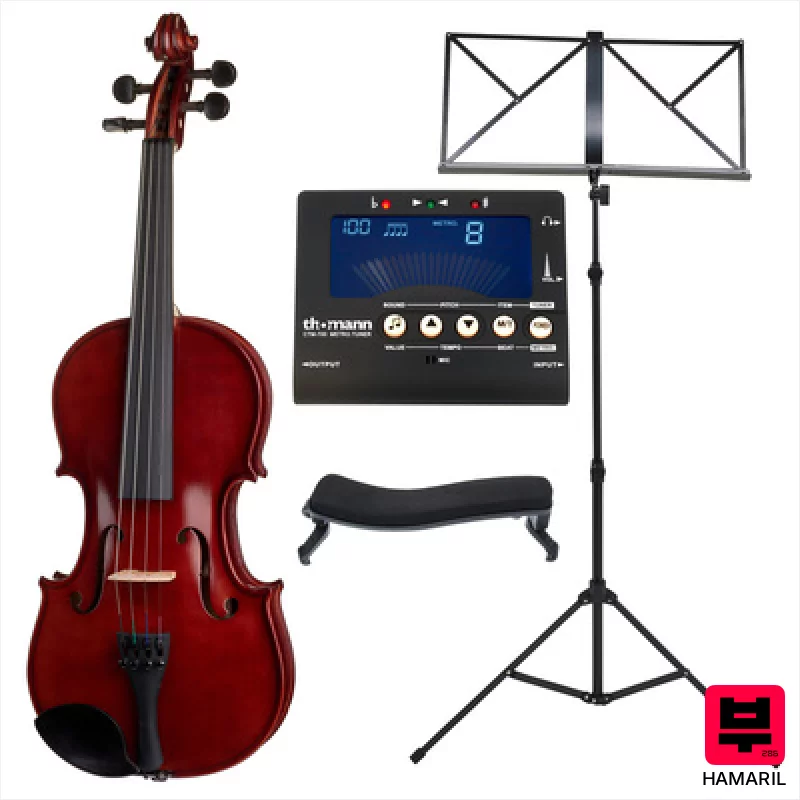
Hamaril Violin Set 1C 1/2
- • Solid spruce top delivers a surprisingly resonant tone for the price.
- • Ebony fingerboard and pegs offer decent playability and tuning stability.
- • Includes a comfortable Artino shoulder rest, a welcome addition for young players.
- • The bundled metronome/tuner is genuinely useful for practice and learning.
- • Plastic chinrest feels cheap and may require upgrading for serious students.
- • The included bow lacks responsiveness and might need re-hairing sooner than ideal.
- • Matte lacquer finish, while practical, can feel a bit plain aesthetically.
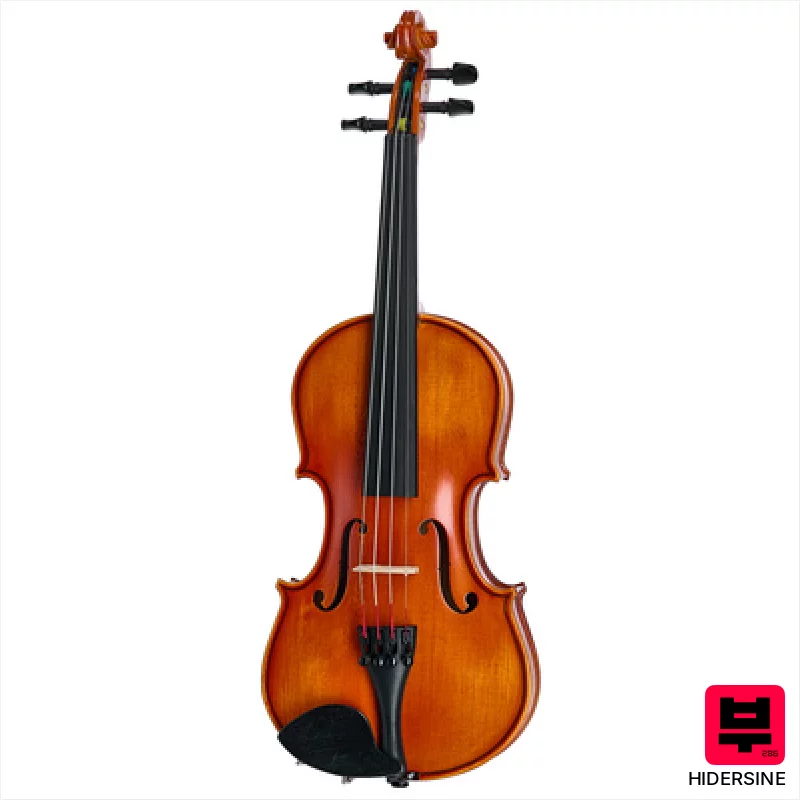
Hidersine Vivente Violin Set 1/2
- • Solid spruce top offers a surprisingly resonant and clear tone.
- • Flamed maple back provides a visually appealing and structurally stable build.
- • Ebony fingerboard improves playability and intonation compared to rosewood alternatives.
- • The Superior Brasilwood bow, while basic, is adequately weighted for a beginner.
- • H100 strings are serviceable but will likely need upgrading for serious practice.
- • The chinrest, while functional, is a basic hardwood and may feel uncomfortable long-term.
- • The case, though sturdy, is fairly bulky and not ideal for frequent travel.

Stentor SR1542 Violin Graduate 1/2
- • Solid spruce top provides a surprisingly bright and resonant tone.
- • Maple back and sides offer good projection for a student instrument.
- • Ebony fingerboard allows for smoother string action and intonation.
- • The included case offers adequate protection for storage and transport.
- • The included bow is basic and will likely need upgrading as skill progresses.
- • Matte finish can feel a little cheap compared to glossier options.
- • Nylon strings are standard but will require a change to steel for a more mature sound.

Alfred Stingl by Höfner AS-180-V 1/2 Violin Outfit
- • Solid wood body ensures strong resonance for young players.
- • Gold-brown spirit varnish adds warmth to the instrument's tone.
- • Ebony components provide durable and smooth playing action.
- • Fine tuners on the tailpiece make pitch adjustments easy.
- • Inner lining color may vary from the pictured example.
- • No specific wood type for back or sides is listed.
- • Sound character and construction details are not fully described.
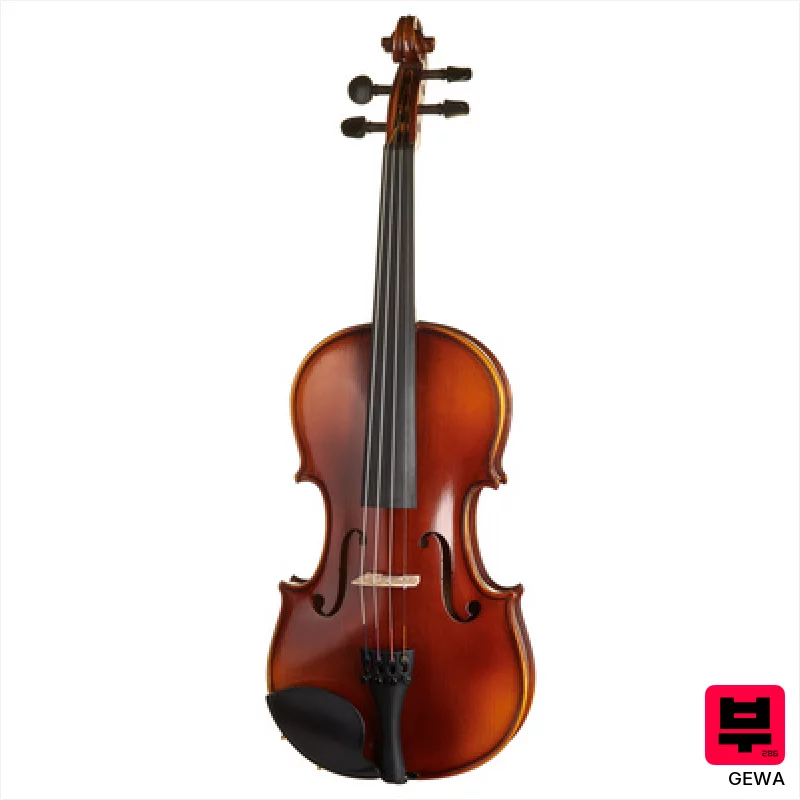
Gewa Allegro Violin 1/2
- • European tonewoods offer a surprisingly resonant and warm tone.
- • Ebony fittings contribute to responsiveness and a clean feel.
- • Hand-applied varnish enhances the wood's natural acoustics and appearance.
- • Wittner fine tuners allow for precise and easy intonation adjustments.
- • The solid construction can make it slightly heavier for very young or smaller students.
- • While good, the included bow is a basic model needing eventual upgrade.
- • The natural varnish, though beautiful, might require more careful handling to prevent scratches.
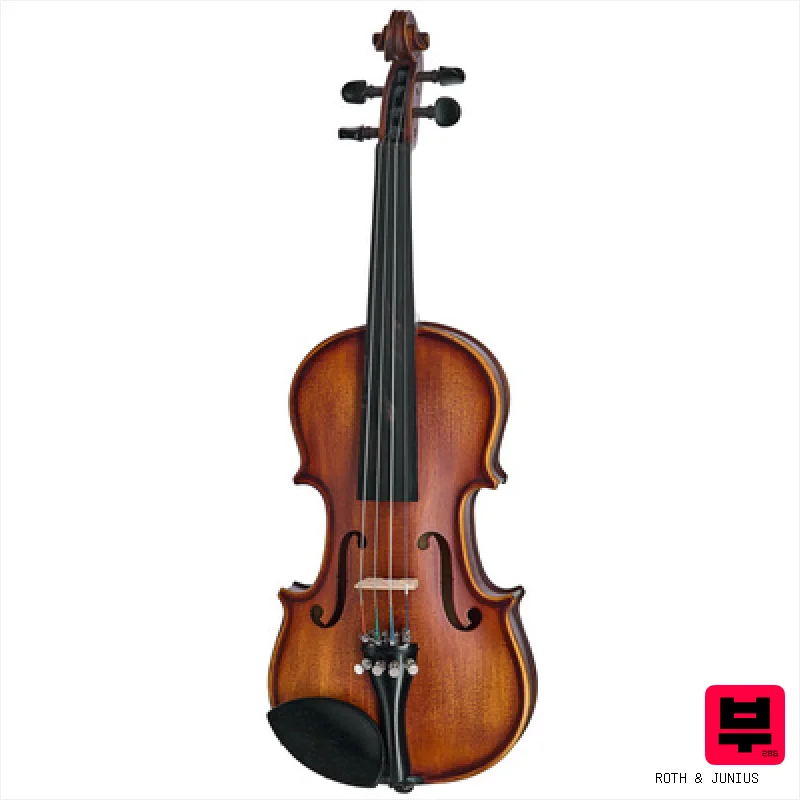
Roth & Junius Estudio Violin Set 1/2
- • Solid spruce top delivers bright attack for young players
- • Solid maple back and sides ensure structural stability
- • Thomastik Alphayue strings provide immediate response
- • Complete set includes bow, rosin, and hard case
- • No bridge or tailpiece included in the set
- • Ebonies listed but pegs and chin rest unclear in build
- • Missing fine tuners on the tailpiece
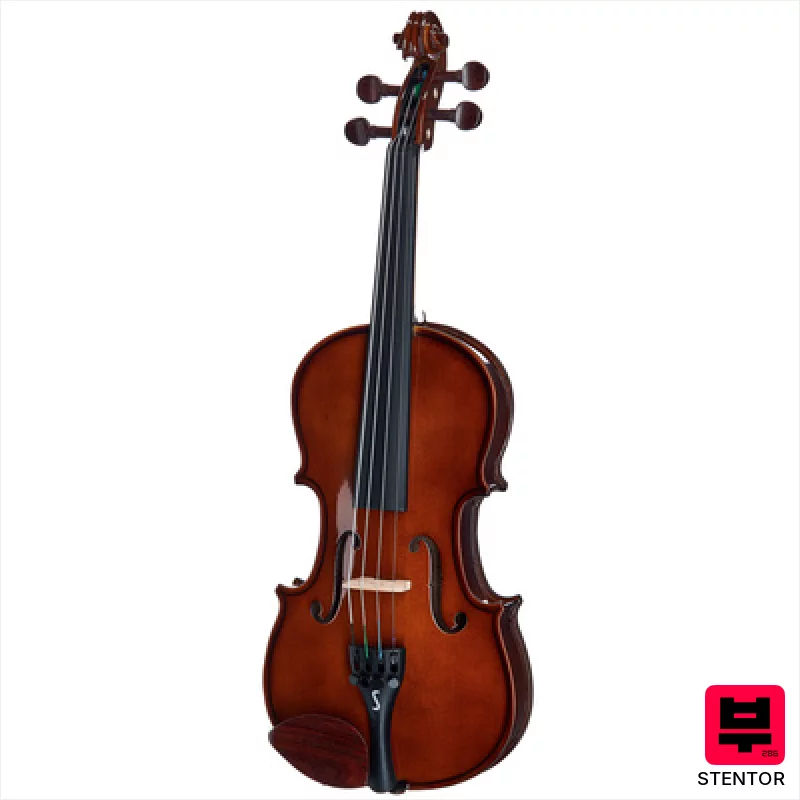
Stentor SR1400 Violinset 1/2
- • Spruce top offers a surprisingly resonant, clear tone for the price.
- • Pau Rosa pegs and malas fingerboard provide decent playability for beginners.
- • Included case offers basic protection for transport and storage.
- • Fine tuners on the tailpiece simplify intonation adjustments for young players.
- • The bow is quite basic, lacking responsiveness and requiring considerable rosin.
- • Maple back and sides, while standard, can sound a bit boxy without proper setup.
- • Case is lightweight and functional, but not exceptionally robust for frequent travel.
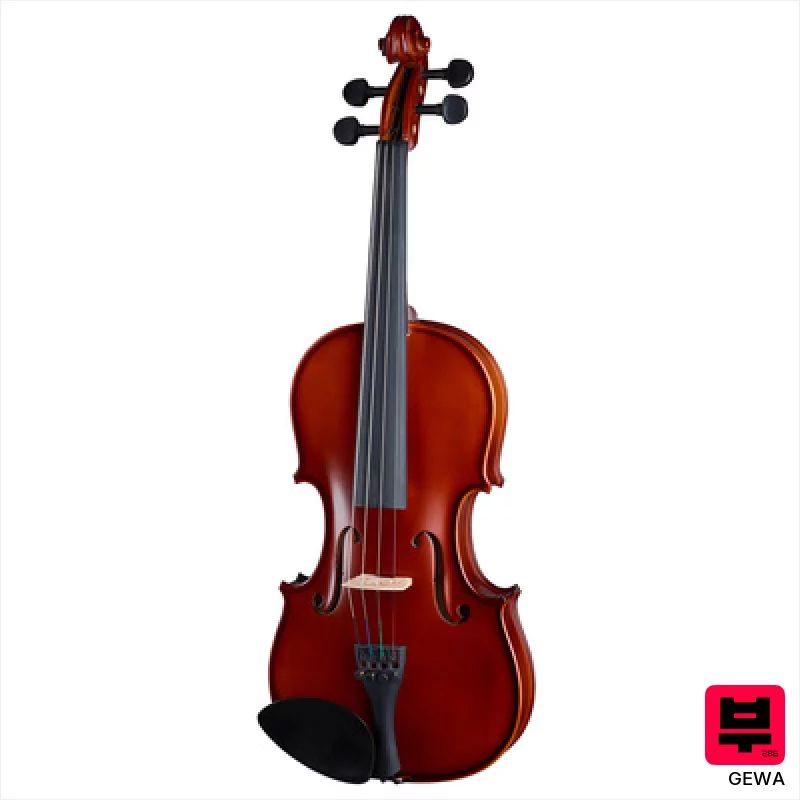
Gewa Pure Violinset HW 1/2
- • Solid spruce top offers a surprisingly resonant, bright tone.
- • Massaranduba bow provides a decent starting point for tone production.
- • Inlaid purfling adds a touch of visual elegance beyond basic student instruments.
- • Lightweight case makes transport manageable for younger players.
- • Solid maple back is standard, but lacks the depth of figured maple found in higher-end models.
- • Fine tuners on the tailpiece can feel flimsy and prone to adjustment issues.
- • The included rosin is basic and will likely need upgrading for optimal sound.
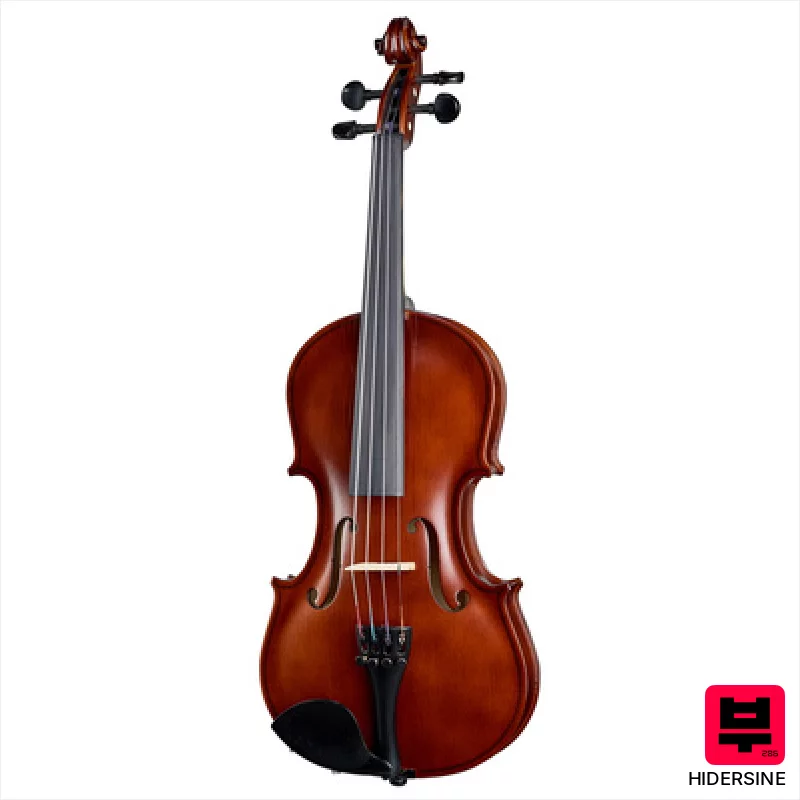
Hidersine Uno Violin Set 1/2
- • Solid spruce top offers a surprisingly responsive and warm tone.
- • Ebony fingerboard provides a smooth playing experience for young hands.
- • Well-fitted maple bridge ensures good string vibration transfer.
- • Lightweight construction makes it comfortable for smaller students.
- • Laminated back and sides limit tonal complexity compared to all-solid instruments.
- • Included bow is basic; an upgrade will significantly improve tone.
- • Silk-matte lacquer can be prone to minor scratches with heavy use.
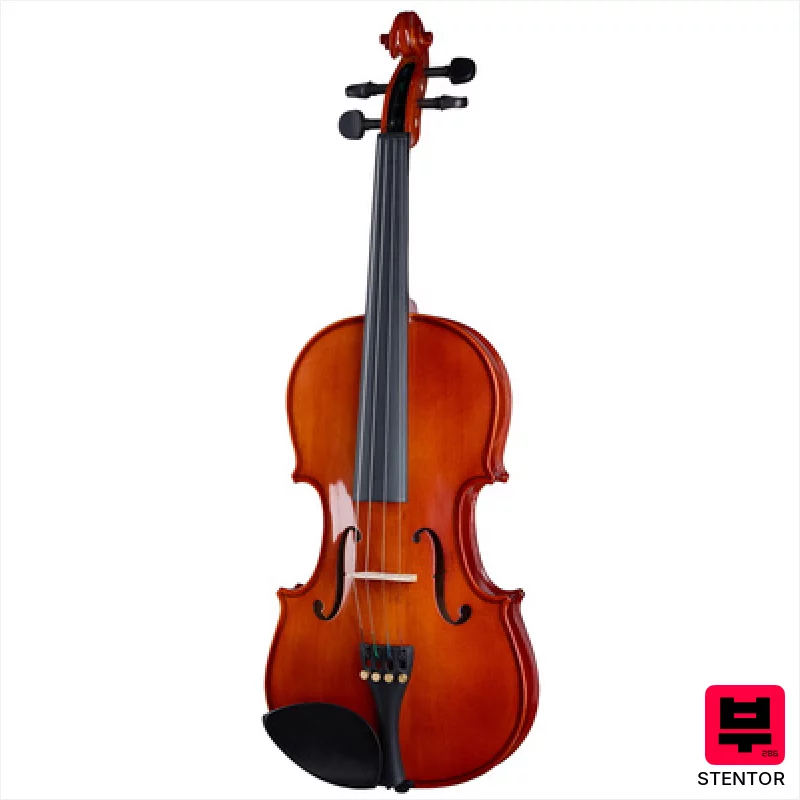
Stentor SR1018 Violinset 1/2
- • Spruce top offers decent projection for a student instrument
- • Maple back & sides contribute to a warmer tonal response
- • Lightweight tailpiece eases string changes and tuning
- • Included case provides basic protection for transport and storage
- • Bow is basic, lacks responsiveness for advanced playing
- • Fingerboard is stained hardwood, may feel rougher than ebony
- • Sound lacks complexity; best suited for beginners
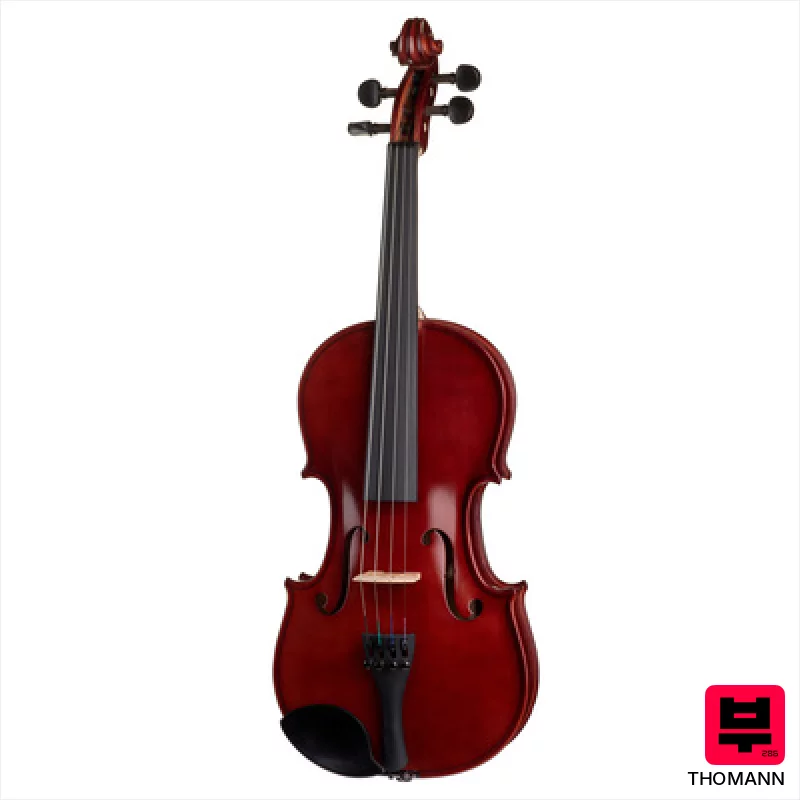
Thomann Classic Violinset 1/2
- • Solid spruce top offers surprisingly good projection for the price.
- • Ebony fingerboard provides a smooth playing experience, crucial for young learners.
- • Complete set – bow and rosin included – minimizes initial investment.
- • German workshop setup ensures basic playability right out of the box.
- • Plastic chinrest feels cheap and can be uncomfortable for extended practice.
- • Included bow is entry-level; upgrading will significantly improve tone.
- • Matte lacquer finish, while practical, lacks the aesthetic appeal of gloss.
1/2 Violins by the numbers
Measured across all 11 models in this category, so «wide», «short» or «expensive» mean something you can check.
How to Choose the Best 1/2 Violins
Tonewood
At this price, expect spruce tops and maple backs/sides. The grade of the wood is what matters - higher grade means better projection and resonance, but you're unlikely to find anything truly premium.
Setup
A good setup - proper bridge height, soundpost placement, and string height (action) - can make a huge difference in playability. A poorly set-up violin will be frustrating to learn on, regardless of its inherent quality.
Bow Quality
Often overlooked, the bow is just as important as the violin itself. A stiff, unresponsive bow will kill the tone and make bowing clean notes a real challenge. Look for bows with decent horsehair and a smooth, consistent feel.
Construction & Finish
Check for solid construction - no obvious cracks or glue joints. The finish won't be flawless, but it shouldn't be so thick that it deadens the wood's resonance.
Resonance & Projection
This is the big one. Listen for a clear, even tone across the strings. It won't have that rich, complex character of a higher-end instrument, but it shouldn't sound muffled or boxy - it needs to cut through a group.
Buying Guide
Realistically, you're buying an instrument that will need some tweaking. Expect to spend a little extra on a decent set of strings (Dominant or Pirastro Tonica are good starting points) and maybe a bridge adjustment. Don't be swayed by flashy aesthetics - focus on playability and tone. A well-set-up, basic violin will always sound better than a pretty one that's a pain to play.
How This List Is Built
We don't play these instruments — we're a catalog, not a review desk, and we'd rather say so than pretend otherwise. This page covers 11 1/2 violins from the Thomann catalogue, which is the largest single source of specification data in this category: 11 in detail, the rest listed with their specifications.
Position is computed, not curated. We parse the manufacturer's own description into actual values — nut width, scale, fret count, fingerboard radius, size, alloy — and rank on them: how many specifications a model has published, how many of them are measurable numbers, and how precisely it meets this page's criterion. A product image adds a little. Price is not a ranking signal: it tells you nothing about whether a neck fits your hand. The same inputs always produce the same order, so nothing here is shuffled to look fresh.
What this list is good for: narrowing a category down to a shortlist by spec and budget. What it isn't: a substitute for hearing an instrument. Before you buy, read hands-on reviews and, where you can, play it. Full methodology.

