
Best 1/2 Violins Under $200 2026
So, you need a 1/2 violin for a budding musician, and you're staring down a budget of under $200? It's a tough spot, let's be honest. You're not going to get a Stradivarius clone, but you can find something that's playable, doesn't sound awful, and won't make you cringe every time you hear it. We'll focus on getting the most bang for your buck here - prioritizing a decent setup and reasonable tone over flashy aesthetics.
Last updated: September 29, 2026
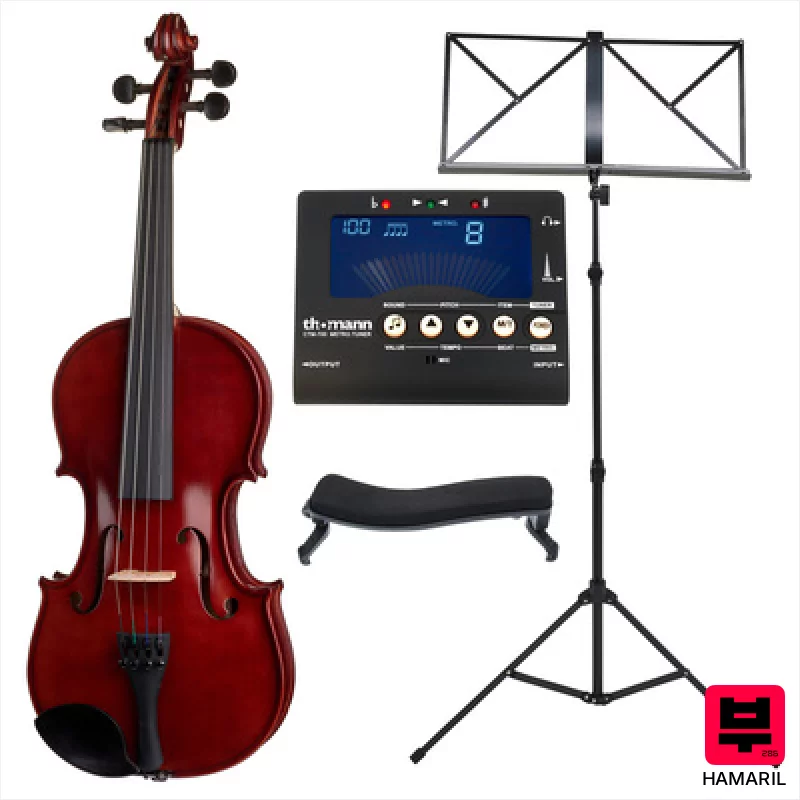
Hamaril Violin Set 1C 1/2
- • Solid spruce top delivers a surprisingly resonant tone for the price.
- • Ebony fingerboard and pegs offer decent playability and tuning stability.
- • Includes a comfortable Artino shoulder rest, a welcome addition for young players.
- • The bundled metronome/tuner is genuinely useful for practice and learning.
- • Plastic chinrest feels cheap and may require upgrading for serious students.
- • The included bow lacks responsiveness and might need re-hairing sooner than ideal.
- • Matte lacquer finish, while practical, can feel a bit plain aesthetically.
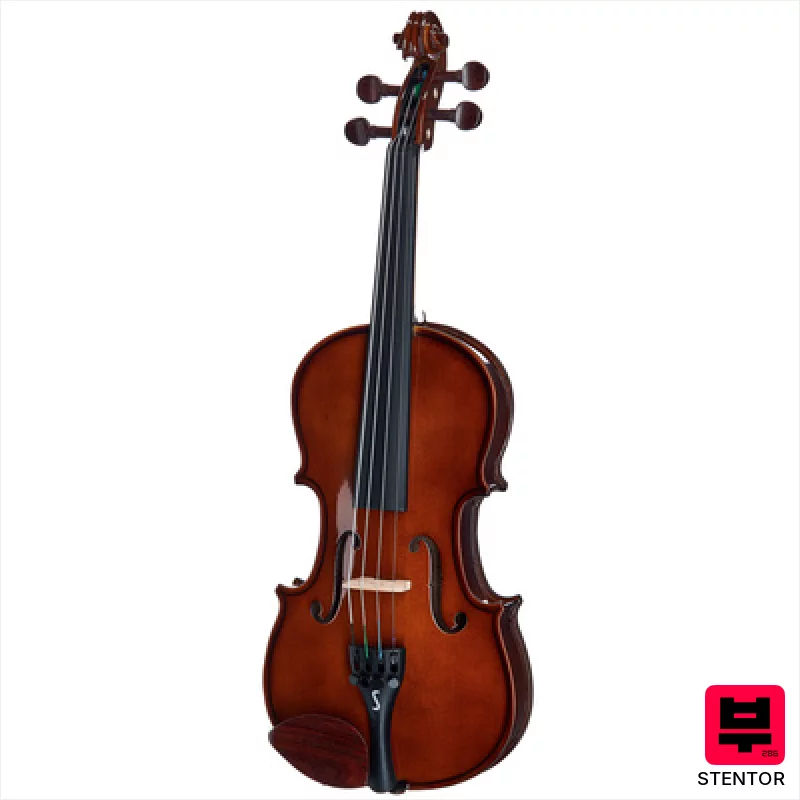
Stentor SR1400 Violinset 1/2
- • Spruce top offers a surprisingly resonant, clear tone for the price.
- • Pau Rosa pegs and malas fingerboard provide decent playability for beginners.
- • Included case offers basic protection for transport and storage.
- • Fine tuners on the tailpiece simplify intonation adjustments for young players.
- • The bow is quite basic, lacking responsiveness and requiring considerable rosin.
- • Maple back and sides, while standard, can sound a bit boxy without proper setup.
- • Case is lightweight and functional, but not exceptionally robust for frequent travel.
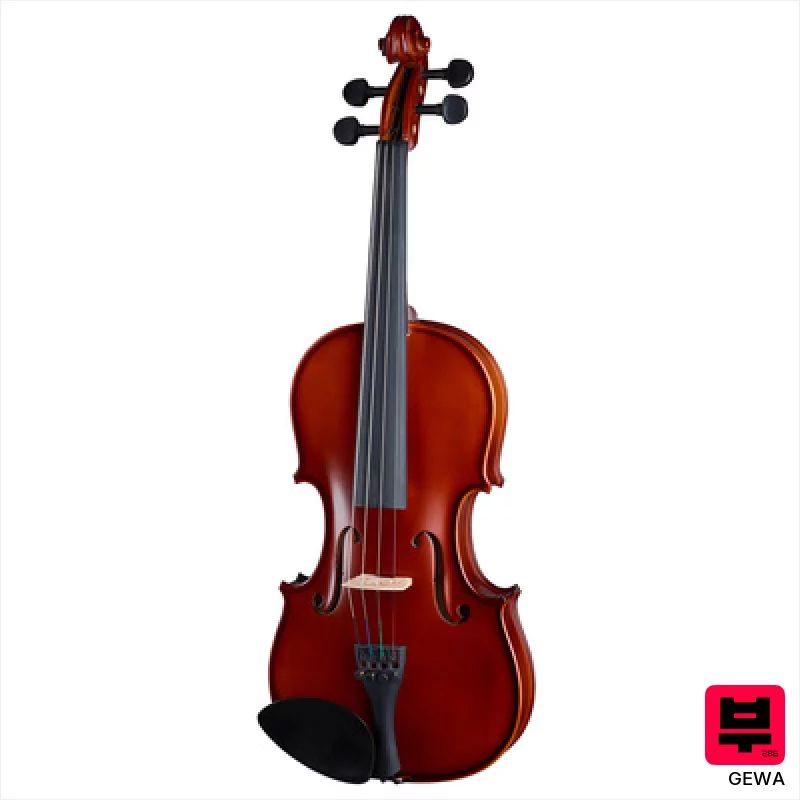
Gewa Pure Violinset HW 1/2
- • Solid spruce top offers a surprisingly resonant, bright tone.
- • Massaranduba bow provides a decent starting point for tone production.
- • Inlaid purfling adds a touch of visual elegance beyond basic student instruments.
- • Lightweight case makes transport manageable for younger players.
- • Solid maple back is standard, but lacks the depth of figured maple found in higher-end models.
- • Fine tuners on the tailpiece can feel flimsy and prone to adjustment issues.
- • The included rosin is basic and will likely need upgrading for optimal sound.
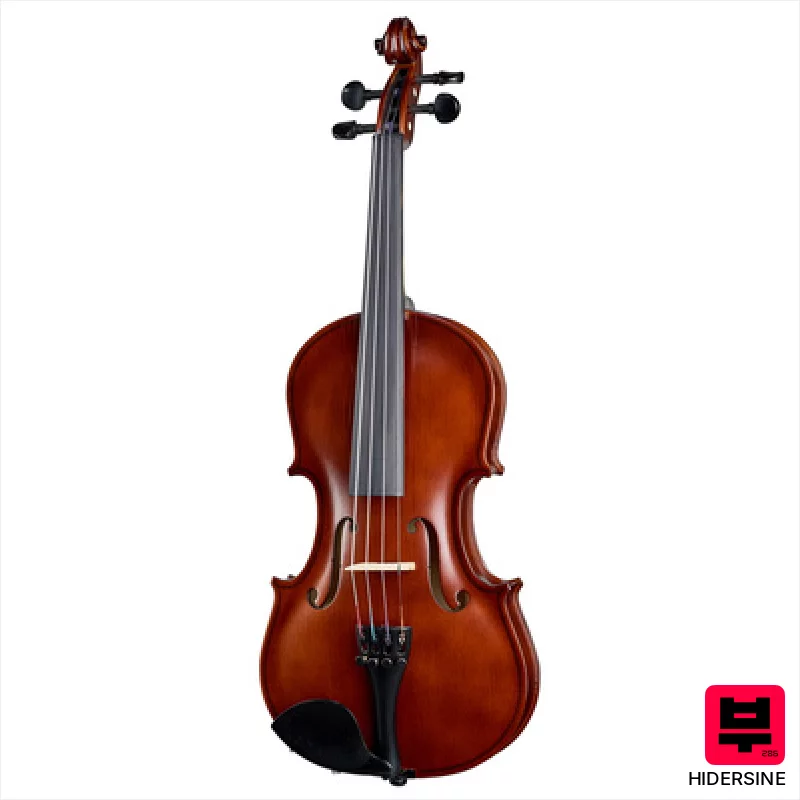
Hidersine Uno Violin Set 1/2
- • Solid spruce top offers a surprisingly responsive and warm tone.
- • Ebony fingerboard provides a smooth playing experience for young hands.
- • Well-fitted maple bridge ensures good string vibration transfer.
- • Lightweight construction makes it comfortable for smaller students.
- • Laminated back and sides limit tonal complexity compared to all-solid instruments.
- • Included bow is basic; an upgrade will significantly improve tone.
- • Silk-matte lacquer can be prone to minor scratches with heavy use.
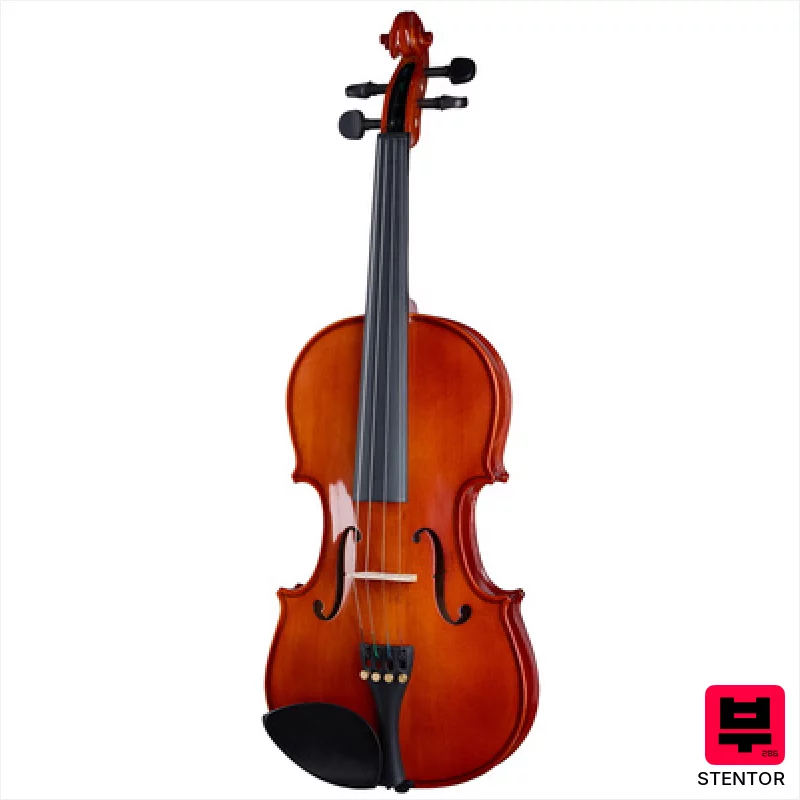
Stentor SR1018 Violinset 1/2
- • Spruce top offers decent projection for a student instrument
- • Maple back & sides contribute to a warmer tonal response
- • Lightweight tailpiece eases string changes and tuning
- • Included case provides basic protection for transport and storage
- • Bow is basic, lacks responsiveness for advanced playing
- • Fingerboard is stained hardwood, may feel rougher than ebony
- • Sound lacks complexity; best suited for beginners
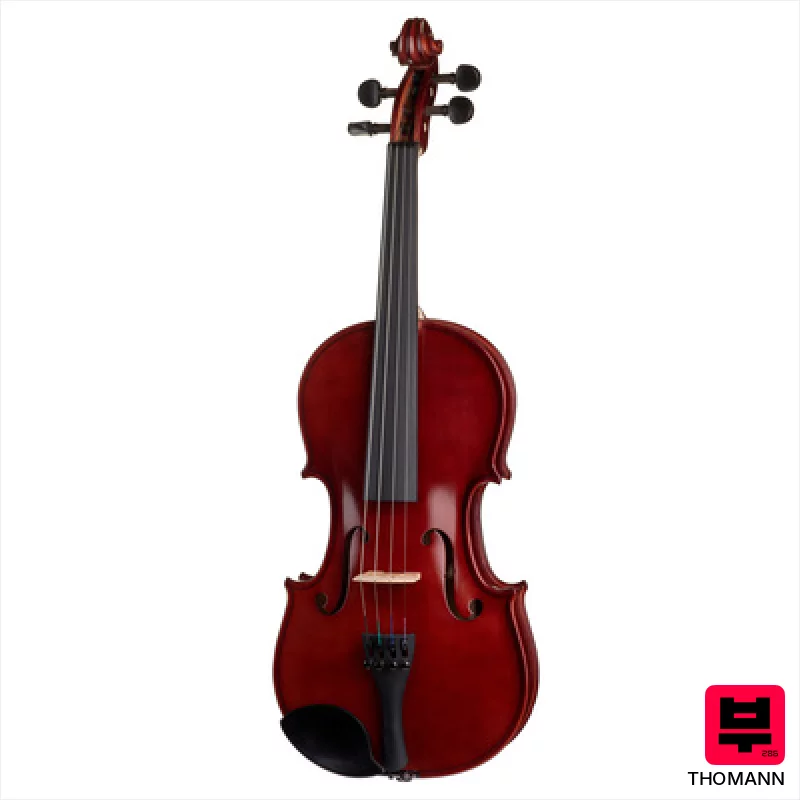
Thomann Classic Violinset 1/2
- • Solid spruce top offers surprisingly good projection for the price.
- • Ebony fingerboard provides a smooth playing experience, crucial for young learners.
- • Complete set – bow and rosin included – minimizes initial investment.
- • German workshop setup ensures basic playability right out of the box.
- • Plastic chinrest feels cheap and can be uncomfortable for extended practice.
- • Included bow is entry-level; upgrading will significantly improve tone.
- • Matte lacquer finish, while practical, lacks the aesthetic appeal of gloss.
1/2 Violins by the numbers
Measured across all 6 models in this category, so «wide», «short» or «expensive» mean something you can check.
How to Choose the Best 1/2 Violins
Tone
At this price point, expect a fairly basic, somewhat boxy tone. We're looking for something that doesn't sound completely lifeless, with a little bit of sustain and a decent response across the strings - avoiding that thin, reedy quality that's so common in cheap instruments.
Setup
This is critical. A bad setup can make a decent violin unplayable. We're judging based on action (string height), intonation, and how smoothly the strings move across the fingerboard. A playable setup saves you money on a luthier's adjustment.
Materials
Don't expect seasoned spruce or maple. These are typically made with softer woods, often spruce and basswood. It's about how those materials are worked, not the species itself. A well-finished neck is more important than fancy wood.
Construction & Hardware
We're looking for solid construction - no loose seams, a properly fitted bridge, and tuners that actually hold tune. Cheap tailpieces and chin rests are a given, but they shouldn't be actively hindering playability.
Playability
This is the big one. Can a beginner actually learn on this thing without getting frustrated? We're assessing neck profile, string spacing, and overall feel in the hand. A comfortable instrument encourages practice.
Buying Guide
Realistically, at this price, you're making trade-offs. You won't get a ton of sustain, and the upper harmonics will likely be a bit muted. Prioritize a good setup above all else - a luthier's adjustment is almost always worth the cost if the initial setup is truly terrible. Don't be swayed by fancy colors or decorations; focus on playability and a basic, usable tone. And remember, even a 'good' cheap violin will eventually need upgrades - strings are the first place to start.
How This List Is Built
We don't play these instruments — we're a catalog, not a review desk, and we'd rather say so than pretend otherwise. This page covers 6 1/2 violins from the Thomann catalogue, which is the largest single source of specification data in this category: 6 in detail, the rest listed with their specifications.
Position is computed, not curated. We parse the manufacturer's own description into actual values — nut width, scale, fret count, fingerboard radius, size, alloy — and rank on them: how many specifications a model has published, how many of them are measurable numbers, and how precisely it meets this page's criterion. A product image adds a little. Price is not a ranking signal: it tells you nothing about whether a neck fits your hand. The same inputs always produce the same order, so nothing here is shuffled to look fresh.
What this list is good for: narrowing a category down to a shortlist by spec and budget. What it isn't: a substitute for hearing an instrument. Before you buy, read hands-on reviews and, where you can, play it. Full methodology.

