AudioFu Chart · October 2026
Best 1/2 Cellos for Beginner 2026
The top pick is Thomann Classic Cello Set 1/2 ($493). Gewa Maestro 2 Cello Set 1/2 CB leads the high end. Ranked by the AudioFu Index from 13 models across 7 brands, prices checked every night.
Last updated: October 20, 2026
Top 10
Full detail for the 10 highest AudioFu Index scores. Every other model is listed below.
-
- Size1/2 size
This Thomann cello set is a solid entry point for young cellists or those on a budget. The 1/2 size makes it manageable for smaller students, and the included accessories get them playing immediately. While not a concert-level instrument, it's surprisingly well-made for the price and a great way to see if the cello is a good fit.
Pros
- Jargar Young Talent strings offer a surprisingly warm and responsive tone.
- Solid maple neck provides improved stability and a comfortable playing feel.
- Composite tailpiece with fine tuners simplifies tuning for beginners.
Cons
- Plywood construction limits tonal complexity compared to solid wood instruments.
- Jujube tuning pegs can be a bit finicky and require occasional tightening.
44AudioFu
IndexStableno change since Aug 17Aug 17$493 now$493€439 at Thomann · in stockCheck price ↗ -
- Size1/2 size
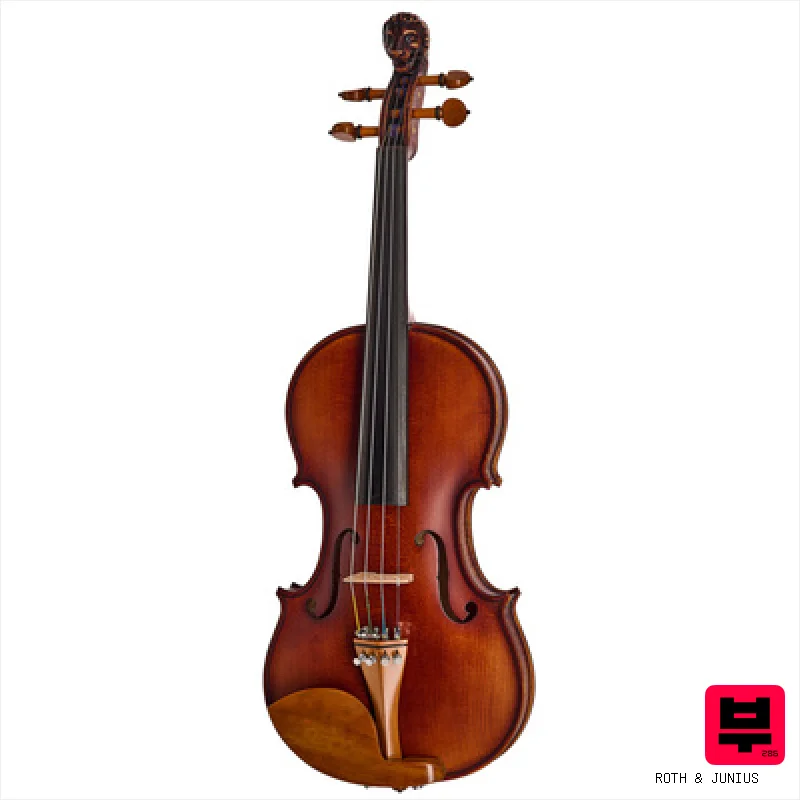
This Roth & Junius RJC is a really solid choice for younger students or those just starting out with the cello. The all-solid wood construction gives it a much better sound than many beginner instruments, and the included accessories make it truly ready to play straight out of the box. It’s a great foundation for developing good technique.
Pros
- Solid spruce top provides a surprisingly resonant and warm tone.
- Ebony fingerboard and pegs offer improved playability and tuning stability.
- Complete set includes bow and rosin, a great value for beginners.
Cons
- The included bow is serviceable but a significant upgrade is recommended later.
- Solid wood construction means it's more susceptible to humidity and temperature changes.
44AudioFu
IndexStableno change since Aug 17Aug 17$616 now$616€549 at Thomann · in stockCheck price ↗ -
- Size1/2 size
The Gewa Allegro VC1 1/2 is a solid choice for younger, developing cellists or those needing a smaller instrument. The all-solid construction and quality materials like Larsen strings provide a surprisingly mature sound for its price point. It's a great starting point for serious students looking for a step up from beginner-level instruments.
Pros
- European spruce top delivers a bright, responsive, and clear tonal projection.
- Solid European maple back/sides contribute to a warm, resonant, and mature sound.
- Larsen Aurora strings offer a professional-level playing experience and excellent tone.
Cons
- The brown-amber varnish, while attractive, can be somewhat thick, potentially dampening high frequencies.
- At a 1/2 size, it might feel a little bulky for younger or smaller players.
64AudioFu
IndexStableno change since Aug 17Aug 17$975 now$975€869 at Thomann · in stockCheck price ↗ -
- Size1/2 size
The Hidersine Uno is a solid starter cello, especially for younger students or those on a budget. The spruce top gives it a surprisingly good voice, and the ebony fingerboard makes it comfortable to play. It's a well-rounded package to get someone started with the cello.
Pros
- Spruce top offers a surprisingly resonant, clear tone for its class
- Ebony fingerboard provides a smooth, responsive playing experience
- Well-fitted maple bridge contributes to good sound transmission
Cons
- Laminated back and sides limit the instrument's potential for complex overtones
- Included bow is functional but basic, will likely need upgrading
45AudioFu
IndexStableno change since Aug 17Aug 17$751 now$751€669 at Thomann · in stockCheck price ↗ -
- Size1/2 size
The Vivente 1/2 is a solid starter cello for young musicians, offering a good balance of quality and affordability. The solid spruce top gives it a surprisingly mature sound, and the matte finish is practical for smaller hands. It's ideal for beginners or students progressing beyond a very basic instrument.
Pros
- Solid spruce top delivers a surprisingly resonant, warm tone.
- Flamed maple back provides visual appeal and contributes to projection.
- Ebony fingerboard offers smooth playability and consistent response.
Cons
- The included bow is serviceable but a significant upgrade is recommended for serious study.
- The bag is basic; a padded case would offer better protection and comfort.
45AudioFu
IndexStableno change since Aug 17Aug 17$953 now$953€849 at Thomann · in stockCheck price ↗ -
- Size1/2 size
The Gewa Ideale VC2 1/2 is a solid starter cello for younger players progressing beyond beginner instruments. The use of European tonewoods and hand-applied varnish gives it a surprisingly mature sound, making it a great value for the serious student who's ready to step up.
Pros
- Solid European spruce top delivers a surprisingly rich, warm tone.
- Flamed maple back & sides contribute to focused projection and resonance.
- Ebony fingerboard offers a smooth playing experience and excellent clarity.
Cons
- The 1/2 size can feel a bit bulky for smaller or younger students.
- While well-made, the included bow is a basic model and might need upgrading later.
55AudioFu
IndexStableno change since Aug 17Aug 17$1,345 now$1,345€1,198 at Thomann · in stockCheck price ↗ -
- Size1/2 size
The Gewa Maestro 1 is a really solid option for younger, developing cellists. The solid wood construction and quality fittings give it a mature sound and feel that punches well above its class. It's a great starting point for serious students who want a cello that will grow with them.
Pros
- Solid European spruce top delivers a surprisingly resonant and warm tone for the price.
- Hand-selected maple back and sides offer a pleasing visual aesthetic and contribute to projection.
- Ebony fittings provide excellent response and a refined feel under the fingers.
Cons
- Hand-applied varnish, while beautiful, can exhibit slight inconsistencies in color and finish.
- The Massanduruba bow is adequate for a beginner but will likely be upgraded later.
55AudioFu
IndexStableno change since Aug 17Aug 17$1,729 now$1,729€1,540 at Thomann · in stockCheck price ↗ -
- Size1/2 size
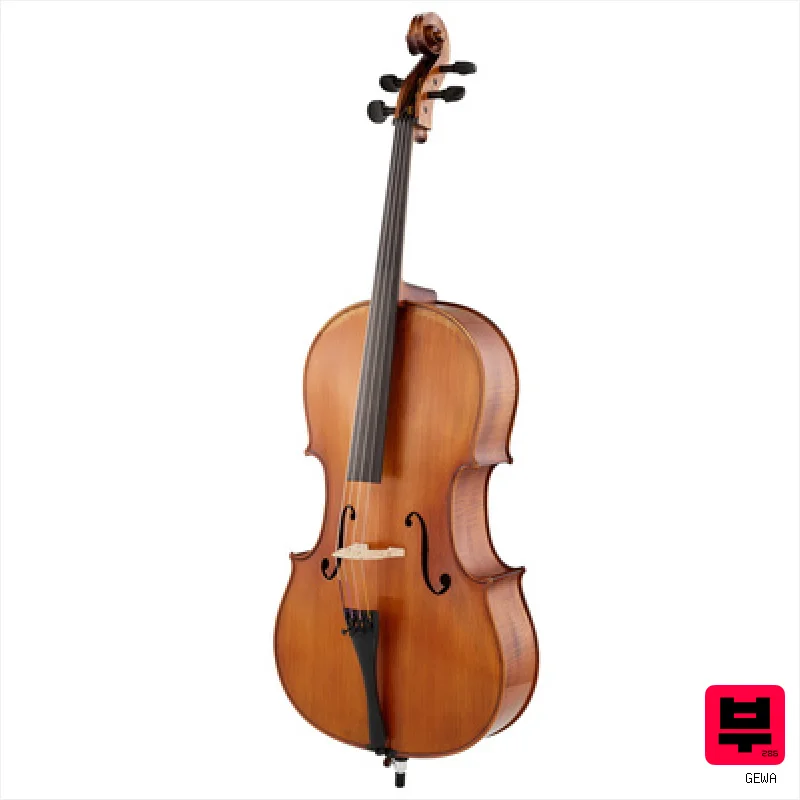
The Gewa Maestro 2 is a solid choice for a developing cellist. The tonewoods provide a surprisingly mature sound for a student instrument, and the included accessories make it a complete package. It's a great value for a young player ready to step up from a beginner instrument, offering a noticeably improved playing experience.
Pros
- Solid European spruce top delivers a surprisingly resonant and warm tonal foundation.
- Well-flamed maple back and sides contribute to a refined, mature acoustic projection.
- Ebony fittings enhance response and offer a premium feel under the fingers.
Cons
- Hand-applied varnish, while beautiful, can exhibit slight color variations – a cosmetic quirk.
- The included carbon fiber bow is adequate, but a higher-quality bow would significantly improve tone.
55AudioFu
IndexStableno change since Aug 17Aug 17$1,897 now$1,897€1,690 at Thomann · in stockCheck price ↗ -
- Size1/2 size
The Gewa Maestro 1 1/2 is a solid choice for serious young cellists or smaller adults. The European woods and hand-applied varnish give it a surprisingly mature sound for an instrument in this category, and the ebony fittings add a touch of refinement. It's a great stepping stone before moving to a full-size instrument.
Pros
- European tonewood selection delivers a warm, resonant, and mature tonal character.
- Hand-applied spirit varnish provides excellent projection and a pleasing aesthetic.
- Ebony fittings contribute to a refined feel and enhanced string response.
Cons
- The 1/2 size is best suited for younger or smaller players, limiting its appeal.
- Hand-applied varnish means color variations are inevitable, impacting aesthetic consistency.
51AudioFu
IndexStableno change since Aug 17Aug 17$1,627 now$1,627€1,449 at Thomann · in stockCheck price ↗ -
- Size1/2 size
The Gewa Maestro 2 1/2 is a really solid choice for a serious young cellist. The quality of the tonewood and the hand-applied finish really elevate it above many student instruments, giving it a surprisingly mature sound. It’s a great step up for a student ready to progress beyond a basic beginner cello.
Pros
- European tonewood selection yields a warm, resonant, and mature tonal character.
- Solid maple back/sides contribute to projection and sustain, uncommon for student instruments.
- Ebony fittings offer improved durability and a smoother feel compared to plastic alternatives.
Cons
- 1/2 size limits suitability for older or taller students; check sizing carefully.
- Hand-applied varnish, while beautiful, may exhibit slight inconsistencies in finish.
51AudioFu
IndexStableno change since Aug 17Aug 17$1,794 now$1,794€1,598 at Thomann · in stockCheck price ↗
All 13 1/2 cellos
Same index, same nightly prices — compact. Colour options of one model share a row. Tap a photo to zoom.
1/2 Cellos by the numbers
Measured across all 22 models we track, not a sample.
Median $1,345 — half of all 1/2 cellos here cost less.
most common · 22 models
How to choose the best 1/2 cellos
Playability (Action & Neck Profile)
This is paramount. High action (string height) makes it brutal on little fingers, and a bulky neck profile just isn't comfortable. Look for something with a manageable action and a neck that isn't overly thick - it'll make a huge difference in their progress.
Sound Quality (Tone & Projection)
Beginner cellos rarely sound amazing, but they shouldn't sound terrible. We're listening for a fundamental tone that isn't overly boxy or muffled. A little bit of projection is key - they need to hear themselves to learn, and it'll be less frustrating in a group setting.
Construction Quality (Varnish & Seams)
Cheap cellos often have thin, brittle varnish that cracks easily. Pay attention to the seams - gaps here mean potential air leaks and a compromised tone. It's not about pristine beauty; it's about durability for a student instrument.
Setup (Bridge & Soundpost)
A properly adjusted bridge and soundpost are vital for good tone and playability. Many budget instruments ship with a sub-par setup. Ideally, have a luthier check and adjust it - it's a worthwhile investment.
Size & Weight (Comfort & Ergonomics)
A 1/2 cello is designed for smaller players, but even within that size range, there's variation. Ensure the instrument is comfortable to hold and doesn't feel unwieldy. A cello that's too heavy will discourage practice.
Buying guide
So, your kiddo's decided to take up the cello? Awesome! Finding the right 1/2 size instrument is crucial - a cello that's a pain to play will kill their enthusiasm faster than a poorly voiced pickup. We're not talking about just grabbing the cheapest thing on Amazon; we're looking for something that's playable, sounds decent, and won't make the learning process a miserable slog. Let's break down what to look for.
Honestly, you're going to make some compromises. Cheaper cellos often cut corners on the varnish and wood quality. Don't expect a rich, resonant tone - focus on playability first.
Spending a little more on a reputable brand (even a student line) often means a better setup and slightly better materials, which translates to a more enjoyable playing experience and faster learning. A good luthier's setup is absolutely worth the cost.
How the AudioFu Index works
Five measured signals and nothing else — no stars from strangers, no “tested by experts” we didn’t do. The weights are fixed and public. We don’t play these instruments; we measure the market around them.
This chart covers 22 1/2 cellos from the Thomann catalogue. Before you buy, read hands-on reviews and, where you can, play it. Full methodology.
AudioFu earns a commission when you buy through our Thomann links. It never changes the order — the index does.
- Demand40%
How many of this exact model are for sale on Reverb right now — what musicians actually buy and resell.
- Lineup20%
How many finishes Thomann stocks — makers expand the models that sell.
- Price15%
Where the price has moved since we started tracking in August.
- Specs15%
How completely the maker documents it.
- Maker10%
How deep the brand’s range is in this category.
Questions
What's the difference between a 1/2 and a 3/4 cello?
A 1/2 cello is for kids roughly 4-6 feet tall, while a 3/4 is for 5-6.5 feet. It's about overall size and reach, not just height; consider their arm length and how comfortably they can hold the instrument.
Are student cellos worth renting?
Renting is a good option if you're unsure about commitment. But be aware that rental instruments are often lower quality - you're paying for convenience, not necessarily a great instrument. Compare the rental instrument to a purchase option before committing.
Can I upgrade the strings on a student cello?
Absolutely! New strings can significantly improve the tone of a budget cello. Look for synthetic core strings - they offer a good balance of warmth and responsiveness without breaking the bank.
What should I look for in a used cello?
Inspect the seams for gaps, check the varnish for cracks, and make sure the bridge is properly positioned. Have a music teacher or luthier assess it before you buy.
My child is struggling to play. Is it the cello or their teacher?
It's likely a combination. A poorly set-up instrument makes learning harder, but a good teacher can often compensate. Discuss your concerns with the teacher and consider a setup adjustment on the cello.