
Best 0/00/000 Acoustic Guitars for Recording 2026
So, you're looking for a 0, 00, or 000 acoustic for recording? Smart move. These smaller-bodied guitars offer a focused, intimate tone that's a real boon in the studio - less room boom, more direct articulation. But not all of them are created equal; a cheap one can sound thin and brittle, while a higher-end model can capture a really nuanced performance. Let's break down what to look for, because nailing that acoustic tone is a big deal.
Last updated: July 15, 2026 • Next update: July 22, 2026
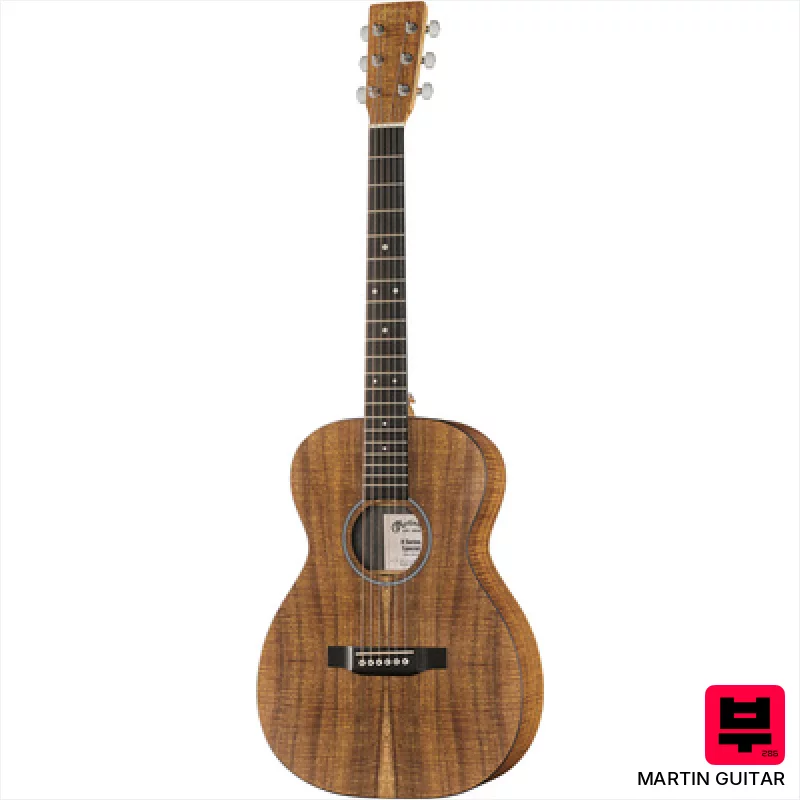
Martin Guitar Special 0X1-01 Koa
- • Koa HPL provides a bright, focused tone with surprising projection.
- • Rust birch neck offers excellent stability and a comfortable playing feel.
- • Richlite fingerboard is durable, consistent, and resists humidity changes.
- • Sealed chrome tuners ensure reliable tuning stability even with heavy use.
- • Koa HPL lacks the nuanced warmth of solid koa wood tonally.
- • Richlite, while durable, doesn’t offer the same visual appeal as ebony.
- • Limited upper-range sparkle compared to more premium Martin models.
Martin Guitar M-6 Johnny Marr
- • Forward-shifted bracing yields exceptional clarity and projection.
- • Rosewood back/sides deliver rich overtones and sustain.
- • L.R. Baggs Anthem pickup provides natural amplified tone.
- • Ebony fingerboard offers smooth playability and precise intonation.
- • The 0000 body size can be unwieldy for smaller players.
- • The aging toner finish might not appeal to everyone’s aesthetic.
- • Premium-priced, representing a significant investment for most players.

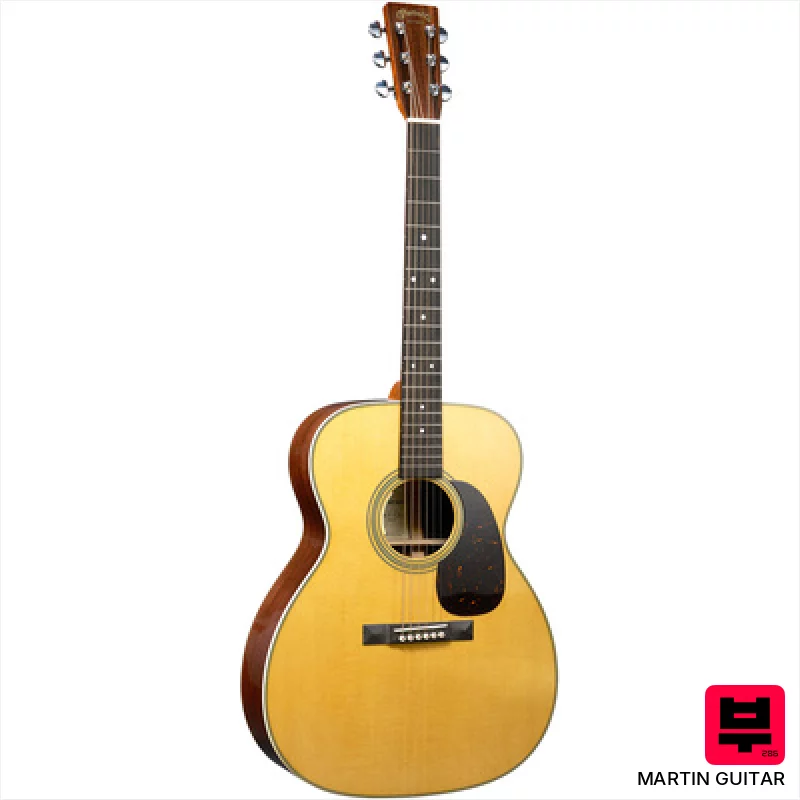
Martin Guitar Custom Shop 00 Koa
- • Solid flamed koa top delivers a focused, articulate, and warm tonal response.
- • Ebony fingerboard and 16” radius offer exceptional playability and comfortable feel.
- • Grover Sta-Tite tuners ensure rock-solid tuning stability and vintage aesthetics.
- • Custom Shop construction guarantees meticulous attention to detail and premium build quality.
- • Koa’s tonal complexity develops over time, initial sound may seem slightly reserved.
- • The 00 size, while comfortable, offers less projection compared to larger body styles.
- • Premium-priced, making it a significant investment for most players.
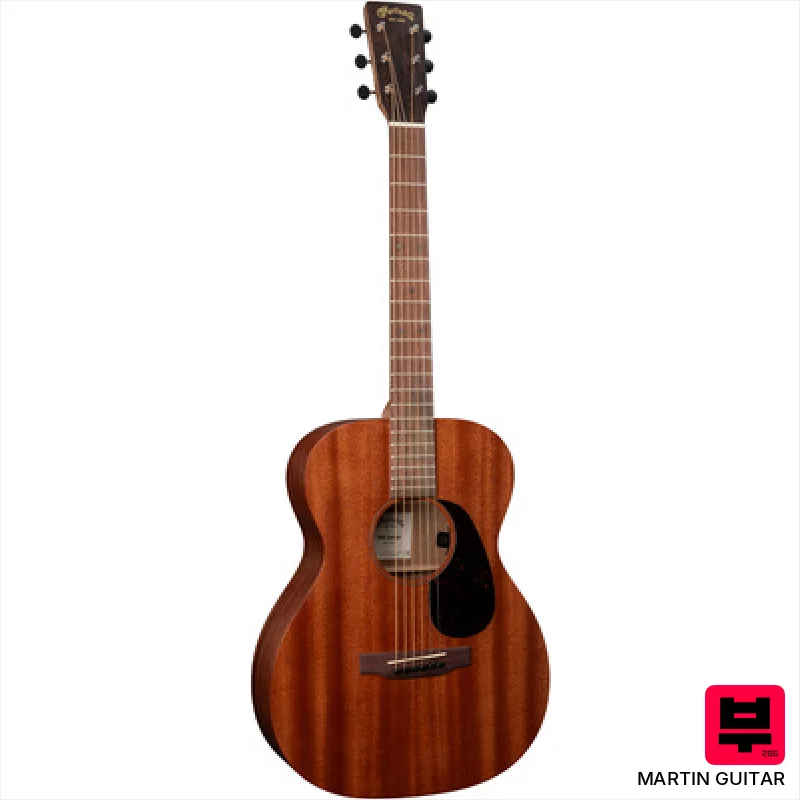
Martin Guitar 000 Jr E Sapele
- • Sapele back/sides deliver warm, focused tone with surprising projection.
- • Spruce top provides excellent clarity and responsiveness across the spectrum.
- • Ebony fingerboard offers a smooth, fast playing experience for intricate work.
- • Martin E-1 pickup system is surprisingly natural-sounding for amplified performance.
- • Shorter scale length might feel cramped for players with larger hands.
- • Sapele's midrange focus may not suit all genres equally well.
- • Cutaway access isn't as seamless as a full-sized 000 model.
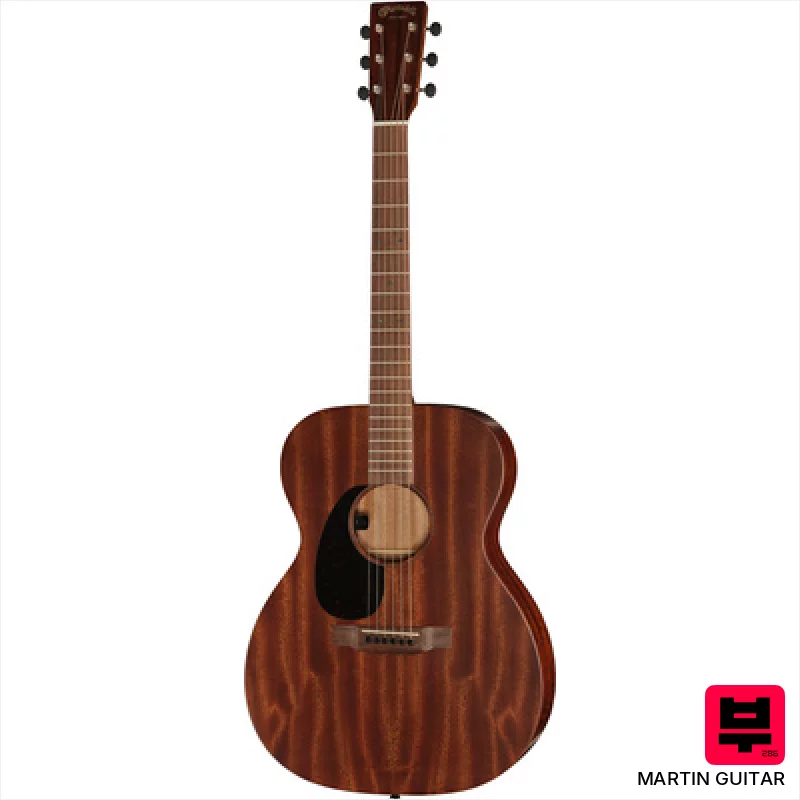
Martin Guitar 000-15E LH
- • Mahogany top delivers warm, focused tone with excellent note separation.
- • Sapele back and sides provide a balanced response and surprising projection.
- • Martin E-1 pickup system offers clean amplified sound, surprisingly natural.
- • Left-handed model provides comfortable ergonomics for southpaw players.
- • Mahogany top can limit versatility for very bright or overtly aggressive styles.
- • Katalox fingerboard, while beautiful, can feel a bit dense compared to ebony.
- • Satin finish, while aesthetically pleasing, may not appeal to players preferring gloss.
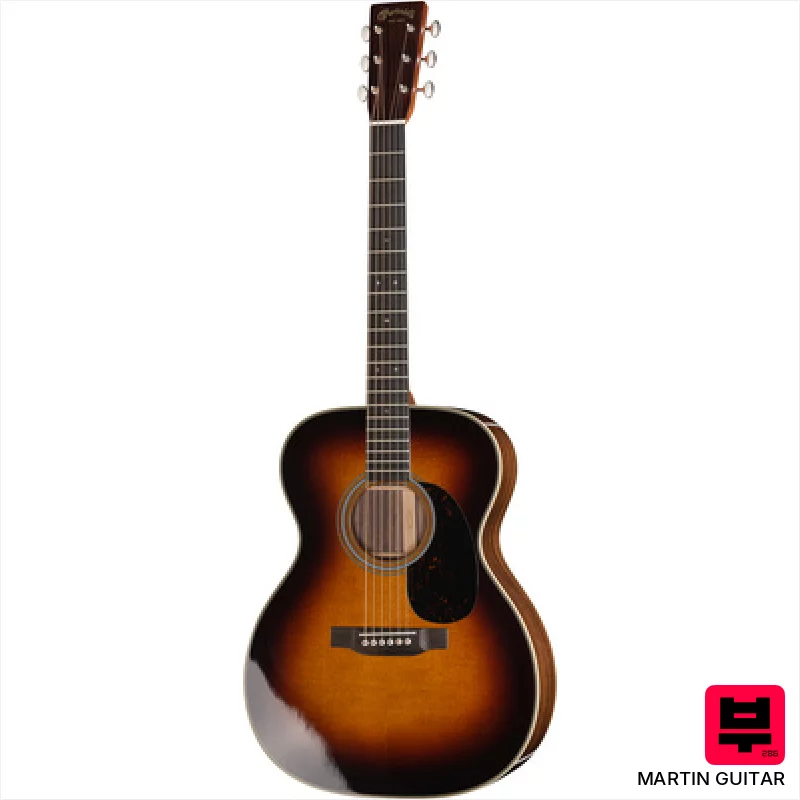
Martin Guitar 00028 Sunburst
- • Solid rosewood back/sides deliver rich, complex overtones and sustain.
- • Mahogany neck provides warmth and comfortable, familiar feel.
- • Ebony fingerboard offers slick playability and note clarity.
- • Antique white binding enhances aesthetics and adds subtle protection.
- • The 000 size may feel slightly small for players accustomed to larger dreadnoughts.
- • Rosewood's tonal characteristics may not suit all playing styles; brighter tones preferred by some.
- • Premium-priced, representing a significant investment for many players.
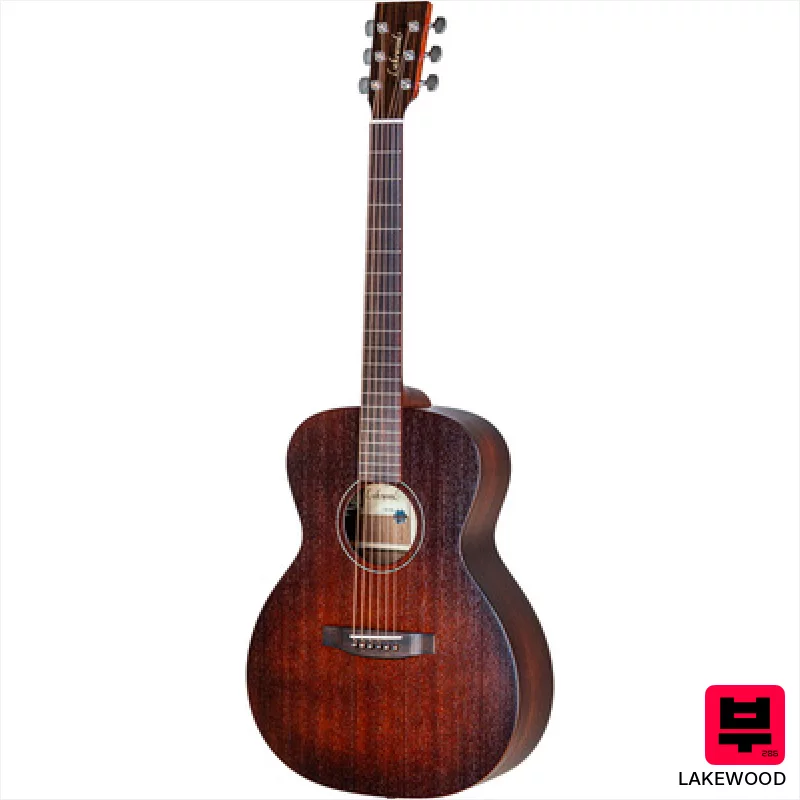
Lakewood Campfire Rustique Serie
- • Solid AA Spruce top delivers exceptional clarity and projection.
- • Mahogany back/sides provide warmth and focused midrange tones.
- • Cedro neck offers a smooth, comfortable playing experience and responsive feel.
- • L.R. Baggs Element Stagepro system provides a natural, amplified tone.
- • Rustique finish may exhibit cosmetic imperfections – a matter of taste.
- • Grand Concert body size might lack low-end thump for some players.
- • Premium-priced, representing a significant investment for many.
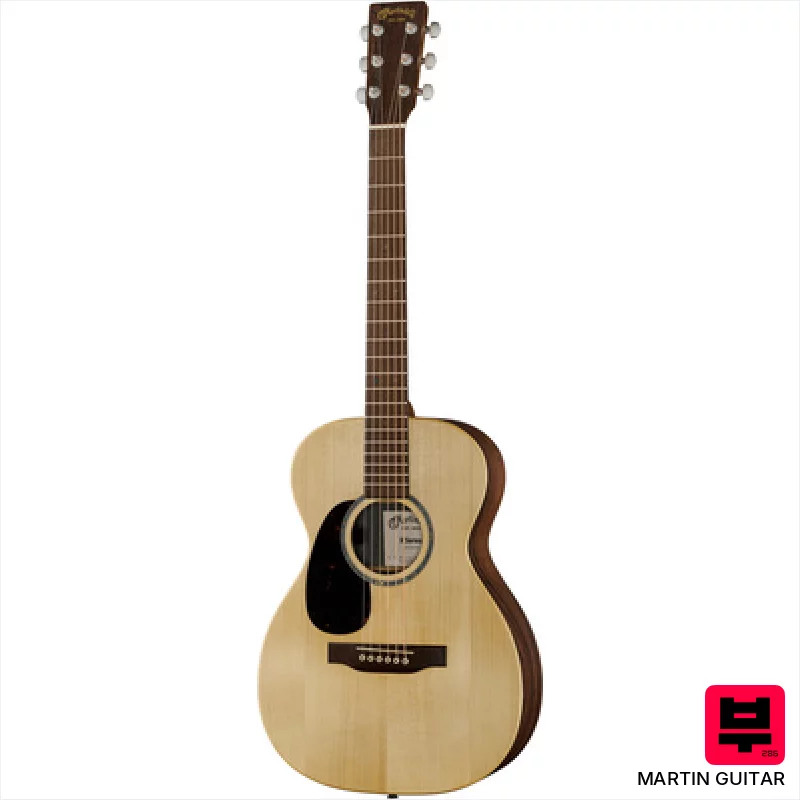
Martin Guitar 0X2EL Cocobolo LH
- • Cocobolo HPL back/sides deliver a focused, articulate tone with surprising projection.
- • Spruce top provides a responsive dynamic range, excellent for both fingerstyle and strumming.
- • Martin E1 pickup offers a clean, amplified sound suitable for live performance or recording.
- • Rust birch laminate neck provides stability and a comfortable, familiar feel for many players.
- • Cocobolo HPL, while durable, lacks the aesthetic warmth of solid wood options.
- • The shorter scale length might feel slightly cramped for players with larger hands.
- • The E1 pickup, while good, isn’t a premium-level system for demanding studio work.

Martin Guitar 000C Jr E StreetMaster New
- • Sapele top delivers a focused, articulate tone with surprising warmth.
- • Mahogany neck provides excellent sustain and comfortable playability.
- • Martin E-1 pickup system offers clean, usable amplified sound.
- • Richlite bridge contributes to stability and efficient tone transfer.
- • Sapele construction lacks the overt complexity of rosewood or maple.
- • Smaller 000C Jr body may feel cramped for larger players.
- • Distressed finish might not appeal to those preferring pristine aesthetics.
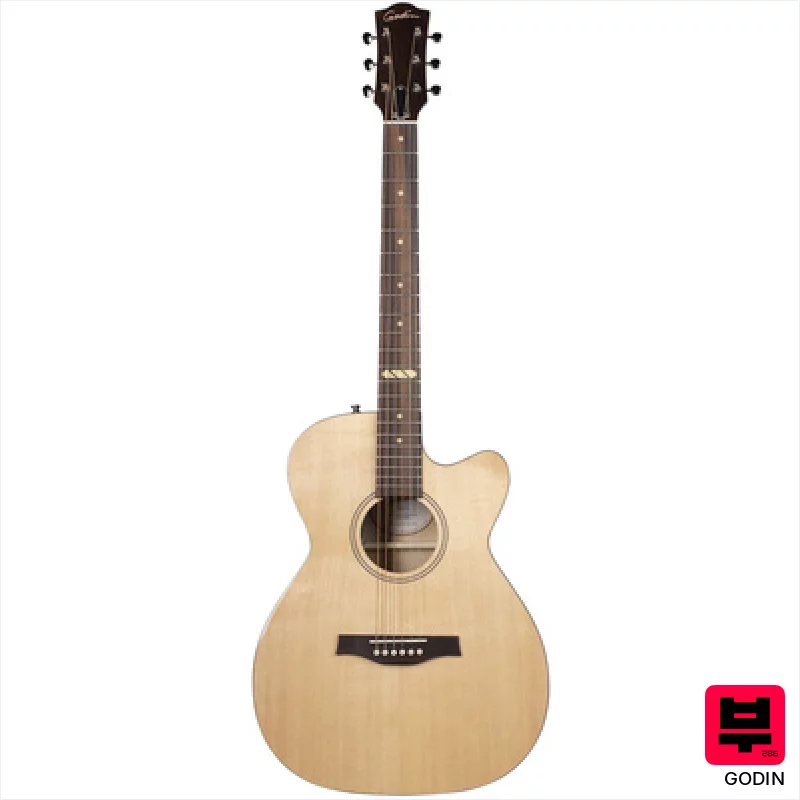
Godin Fairmount CW Flame Maple GT EQ
- • Flamed maple back/sides deliver focused, articulate tone with shimmering overtones.
- • Solid spruce top provides excellent projection and responsiveness across the spectrum.
- • LR Baggs HIFI preamp offers exceptionally clean, amplified sound with useful EQ control.
- • Silver maple neck with 16” radius offers comfortable playability for a wide range of players.
- • Flamed maple can sometimes lack the warmth of mahogany; a slightly brighter character overall.
- • The gig bag is functional, but a hardshell case would be a worthwhile upgrade for protection.
- • While versatile, its focused tone might not be ideal for all genres like very mellow folk styles.
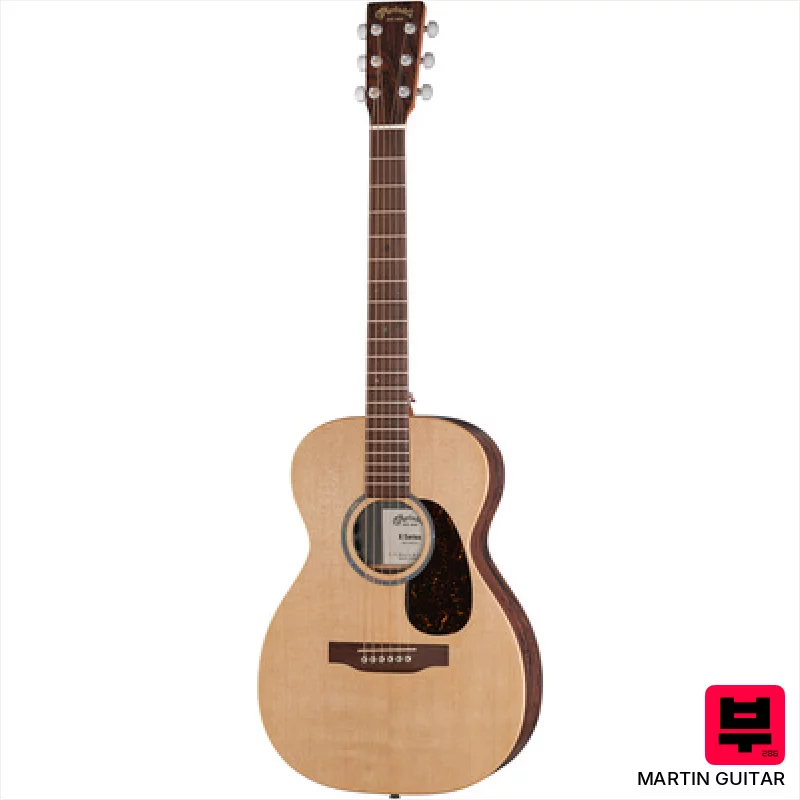
Martin Guitar 0X2E Cocobolo
- • Cocobolo laminate delivers a surprisingly rich, complex tone.
- • E-1 pickup provides a usable amplified signal for stage or recording.
- • Rust birch neck offers stability and a comfortable, familiar feel.
- • Richlite fingerboard resists wear and provides a consistent playing surface.
- • Cocobolo laminate lacks the resonant complexity of solid wood alternatives.
- • Richlite, while durable, doesn't offer the same feel as ebony.
- • The E-1 pickup is serviceable, but not a high-end, nuanced solution.
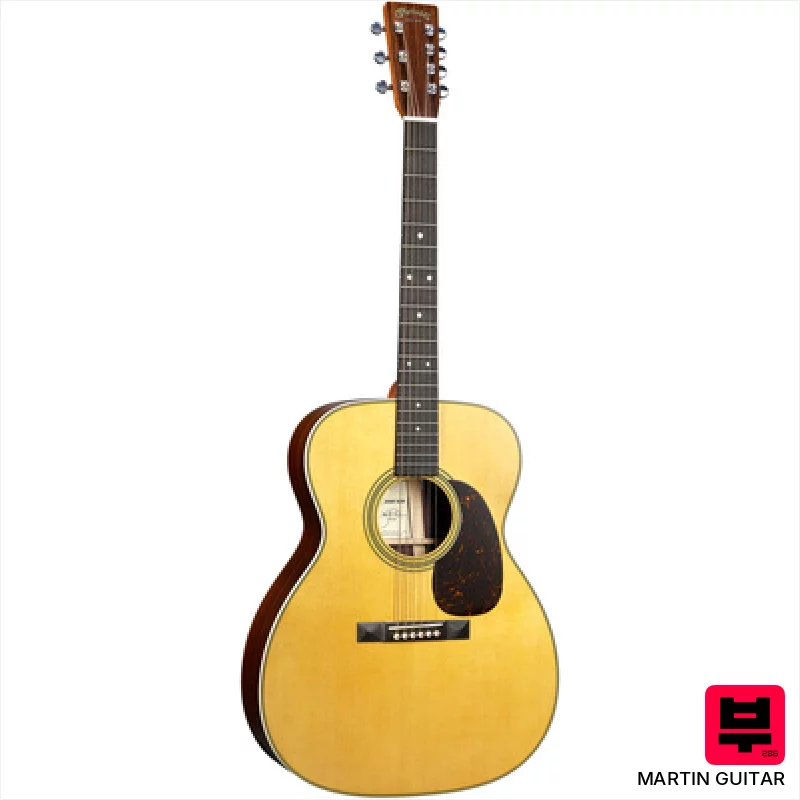
Martin Guitar M-7 Johnny Marr
- • Forward-shifted bracing yields incredible projection and clarity.
- • 7-string tuning expands sonic possibilities for Marr’s signature sound.
- • Ebony fingerboard provides exceptional feel and note definition.
- • L.R. Baggs Anthem pickup system delivers a natural, amplified tone.
- • The 0000 body size can be unwieldy for smaller players.
- • The antique toner finish, while aesthetically pleasing, is a fragile detail.
- • The unique string gauge requires adjustment for players used to standard sets.
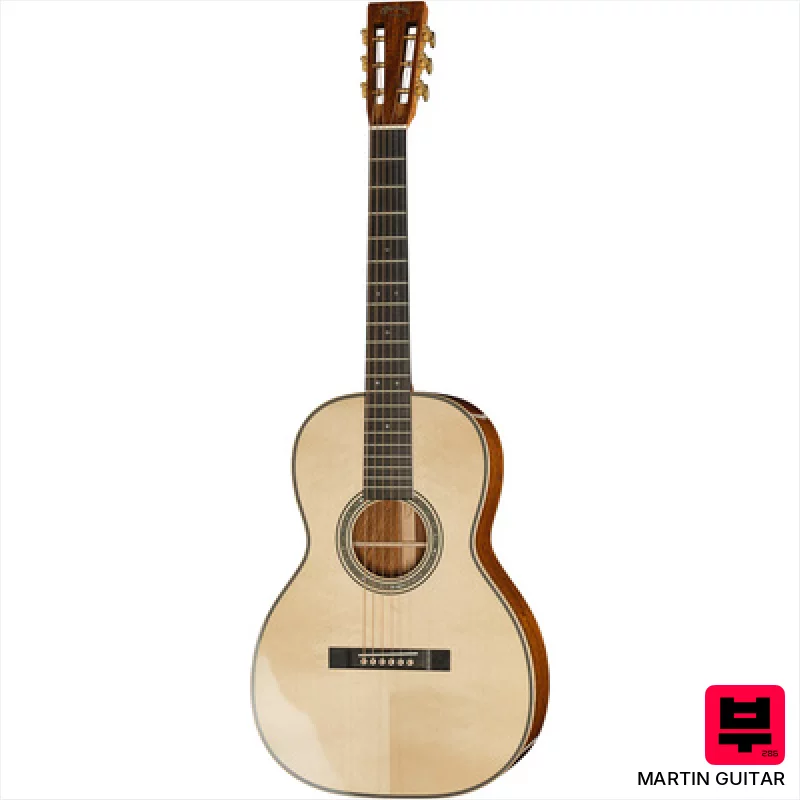
Martin Guitar Custom Shop 00 Spruce
- • Engelmann spruce top delivers exceptional responsiveness and shimmering overtones.
- • Guatemalan rosewood back/sides provide rich, complex bass and sustain.
- • Ebony fingerboard and 16” radius offer smooth playability and comfortable action.
- • Grover Sta-Tite tuners ensure rock-solid tuning stability and vintage aesthetics.
- • The 1.75” nut width may feel narrow for players accustomed to wider necks.
- • Rosewood's environmental sustainability is a growing concern for some buyers.
- • The premium-priced nature makes it inaccessible to many aspiring guitarists.
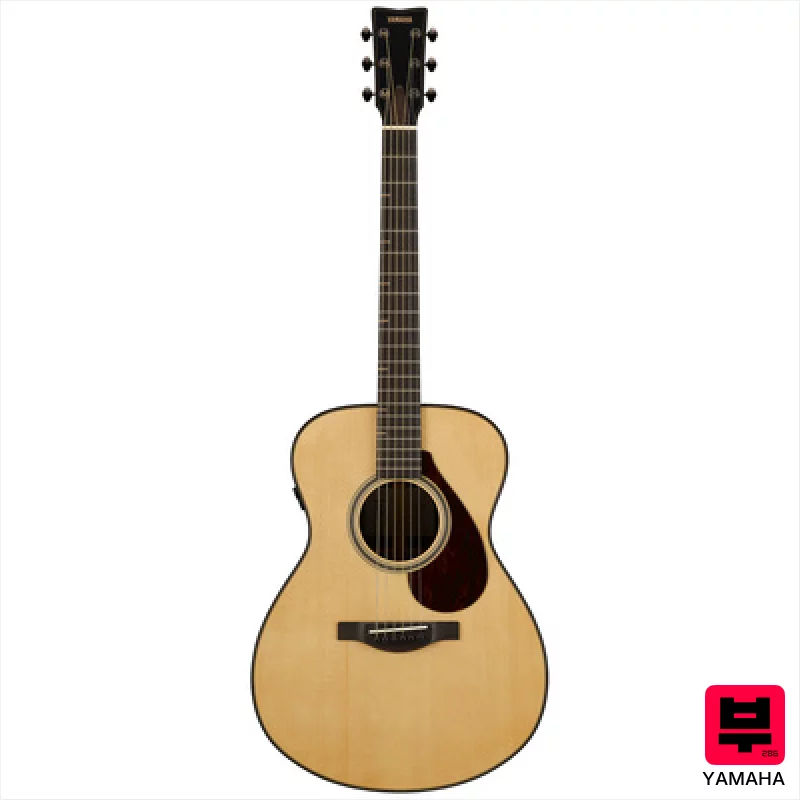
Yamaha FS9 RX
- • Solid Adirondack spruce top delivers exceptional clarity and projection.
- • Rosewood back and sides provide a warm, resonant, and mature tonal foundation.
- • Atmosfeel pickup system captures a surprisingly natural amplified acoustic tone.
- • Japanese craftsmanship ensures impeccable build quality and long-term reliability.
- • Rosewood can make the guitar less humidity-stable than some other tonewoods.
- • Bolt-on neck construction, while stable, lacks the complexity of a dovetail.
- • The wider 44mm nut width may not suit all players, especially those accustomed to steel-string guitars.
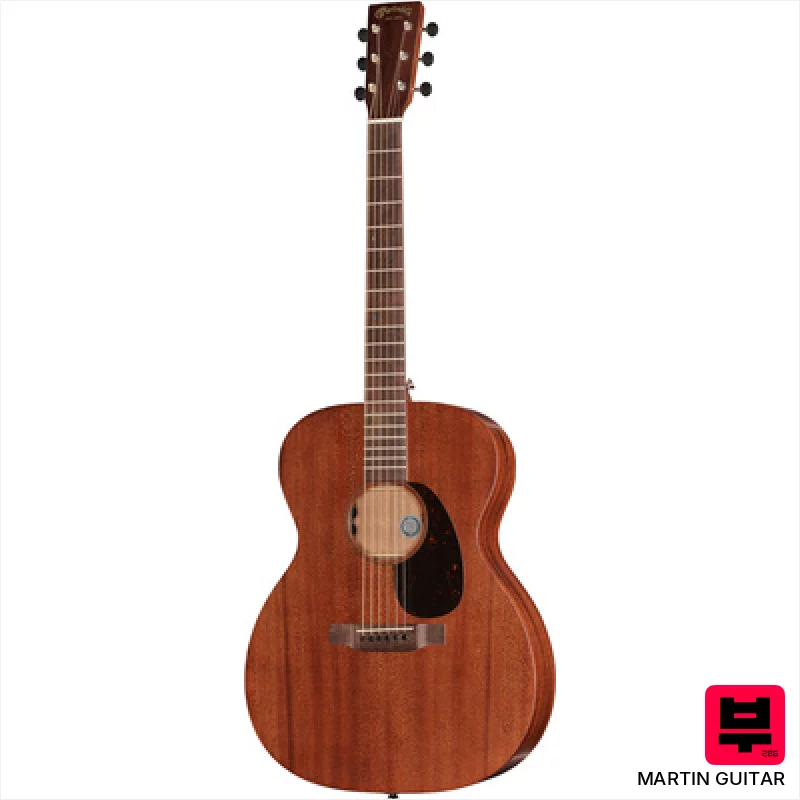
Martin Guitar 000-15E
- • Mahogany top delivers warm, focused tone ideal for fingerstyle and vocals.
- • Sapele back and sides provide excellent projection and sustain.
- • Martin E-1 pickup offers a surprisingly natural amplified sound.
- • Katalox fingerboard provides a smooth, comfortable playing experience.
- • Mahogany top can limit versatility compared to spruce for brighter genres.
- • Matte finish, while aesthetically pleasing, can feel less premium.
- • Slightly heavier than some 000 models due to wood choices.
How to Choose the Best 0/00/000 Acoustic Guitars
Body Size & Shape
0s are the smallest, 00s a step up, and 000s offer a bit more projection. For recording, the smaller sizes generally focus the tone and minimize unwanted resonances. A 0 is great for intimate vocals, a 00 for fingerpicking, and a 000 can handle strumming without getting muddy.
Tonewood Combination
Spruce tops are the standard - Sitka is versatile, Adirondack packs a punch. Mahogany back and sides tend to be warmer and more mid-focused, while rosewood adds more low-end thump and overtones. Consider the sonic character you're aiming for; mahogany/spruce can be a workhorse, rosewood/spruce can be lusher.
Bracing Pattern
Scalloped bracing generally allows for more vibration and a more open, resonant tone - crucial for capturing dynamics. Forward-shifted bracing is becoming common, offering a blend of responsiveness and structural integrity. The bracing is often the unsung hero in how a guitar projects and records.
Neck Profile & Action
A comfortable neck is paramount, especially for long recording sessions. A slimmer profile (like a Taylor-style) might be easier for faster playing, while a chunkier neck (like a Martin) can provide more stability. Action (string height) impacts playability and tone; lower action means easier playing but can compromise clarity if too low.
Pickup Voicing (if applicable)
Many modern acoustic guitars come with pickups. If you plan to record direct, the pickup's voicing is critical. Avoid overly bright or harsh pickups; look for something that captures the natural tone of the guitar without adding unwanted fizz or artificiality.
Buying Guide
Don't chase the loudest guitar; you're recording, not gigging. Pay attention to the details - the quality of the bracing, the smoothness of the neck, and how the guitar responds to a light touch. Cheaper models often cut corners on bracing and fretwork, leading to a less nuanced sound and playability issues. It's worth spending a bit more for a guitar that truly inspires you and translates well through a microphone.
Our Methodology
We're not just looking at spec sheets here. We've spent countless hours playing these guitars, A/B comparing them against each other and with industry standards, and putting them through real recording scenarios - tracking solo parts, layering them in a band mix, and even mic'ing them up in less-than-ideal home studios. We're listening for the subtle details that make a difference when it comes to capturing a vibe.

