 AudioFu
Catalog
Microphones
2907 instruments available · See the ranking
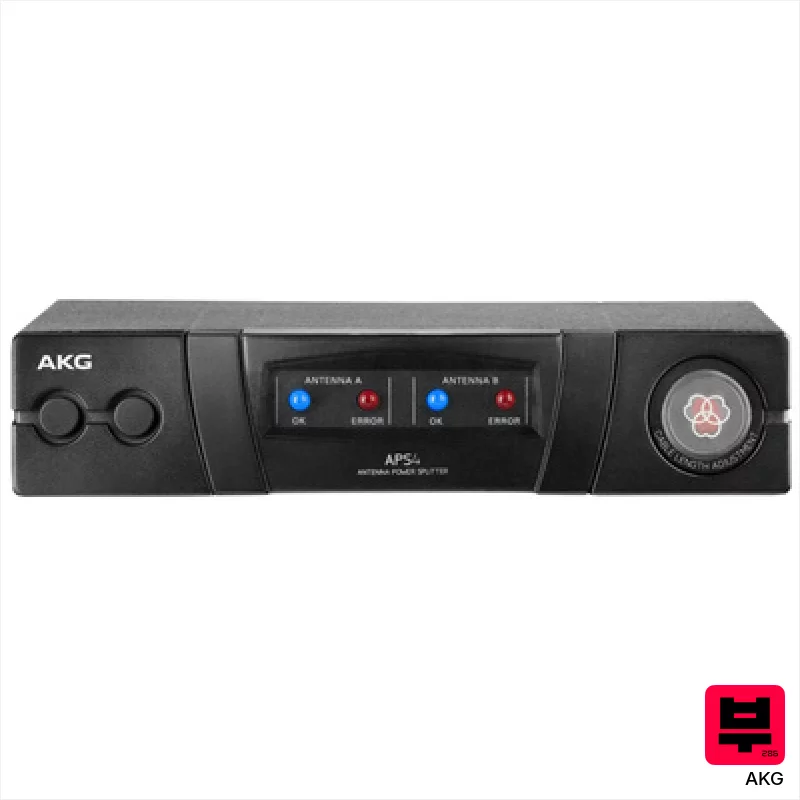
Wireless Microphones
1,293 items
Browse →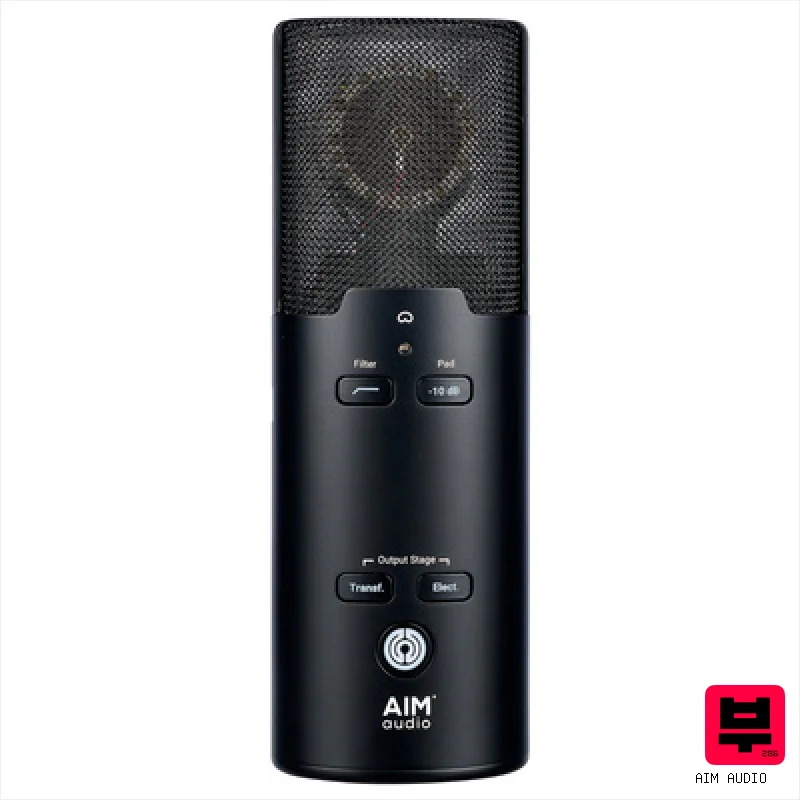
Large Diaphragm Microphones
332 items
Browse →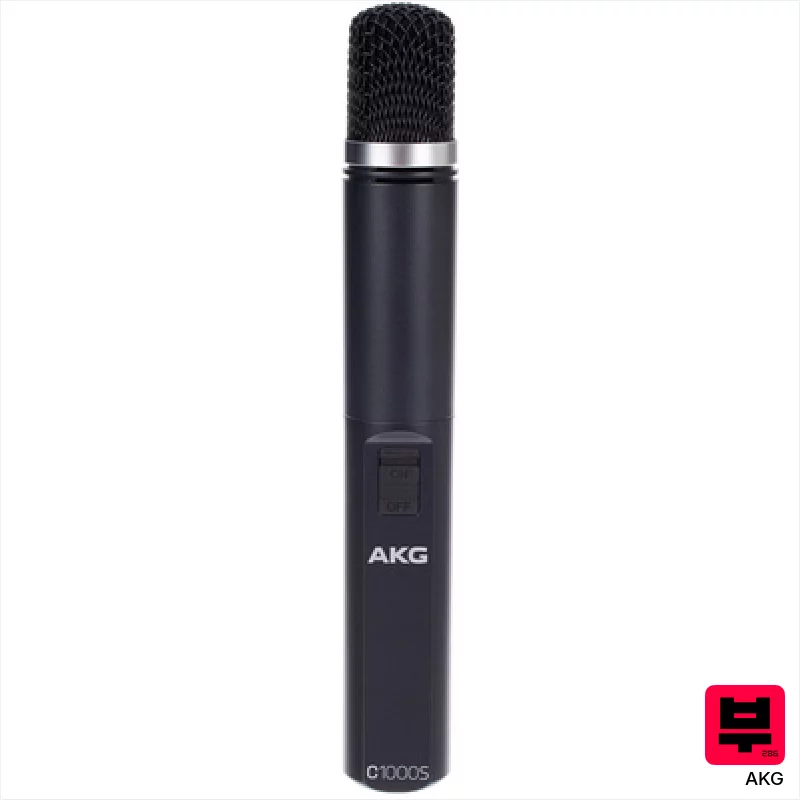
Instrument Microphones
282 items
Browse →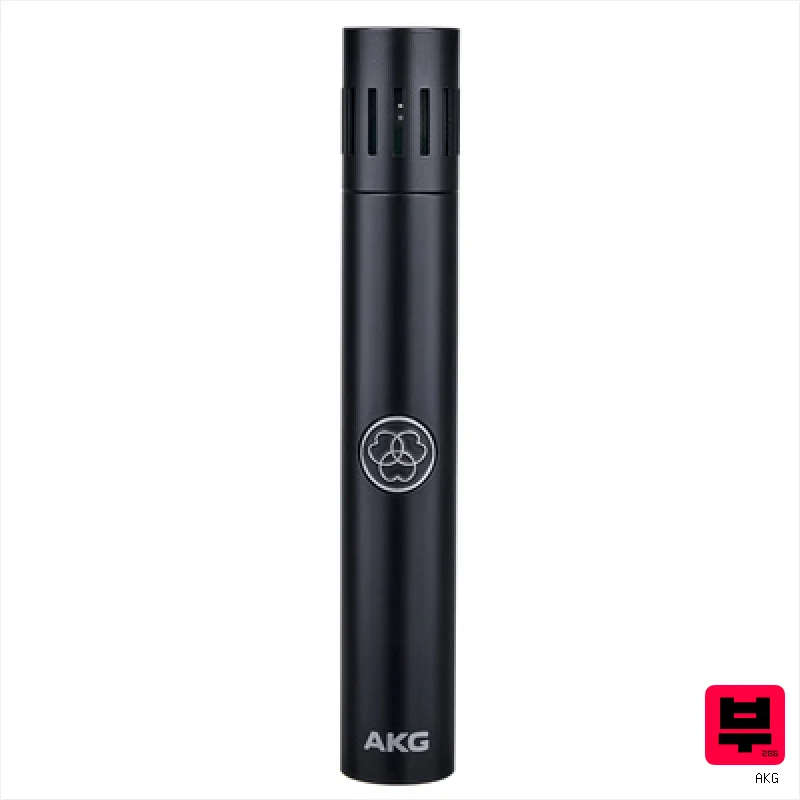
Small Diaphragm Condenser Microphones
243 items
Browse →
Vocal Microphones
168 items
Browse →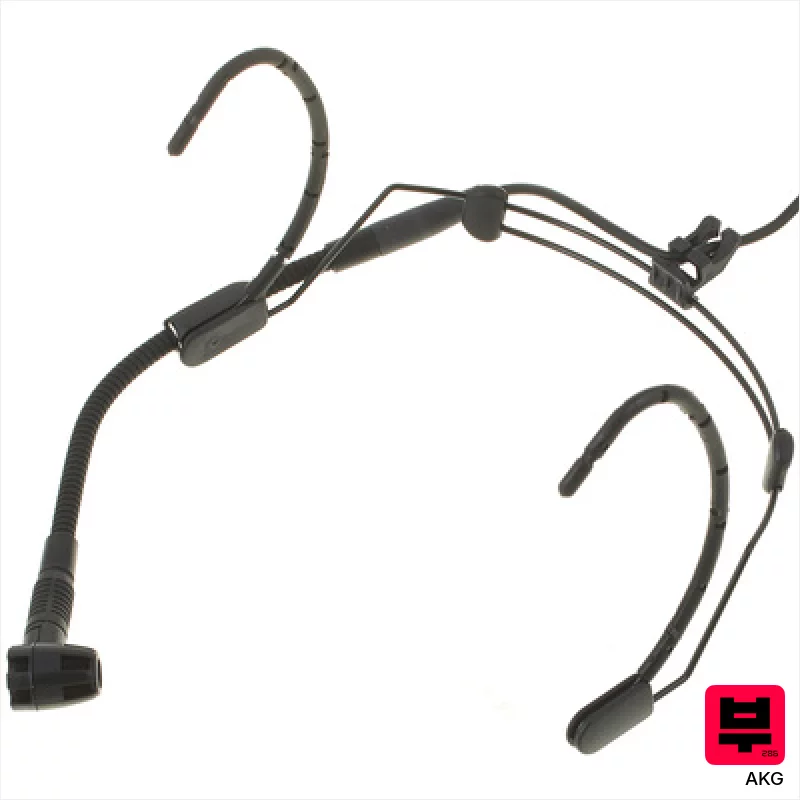
Headset Microphones
128 items
Browse →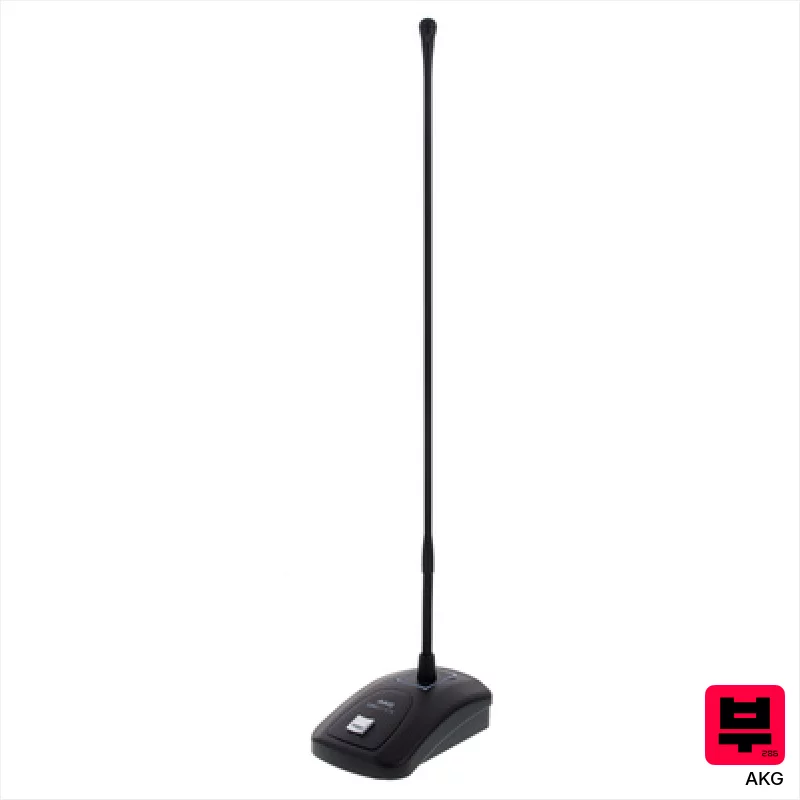
Installation Microphones
109 items
Browse →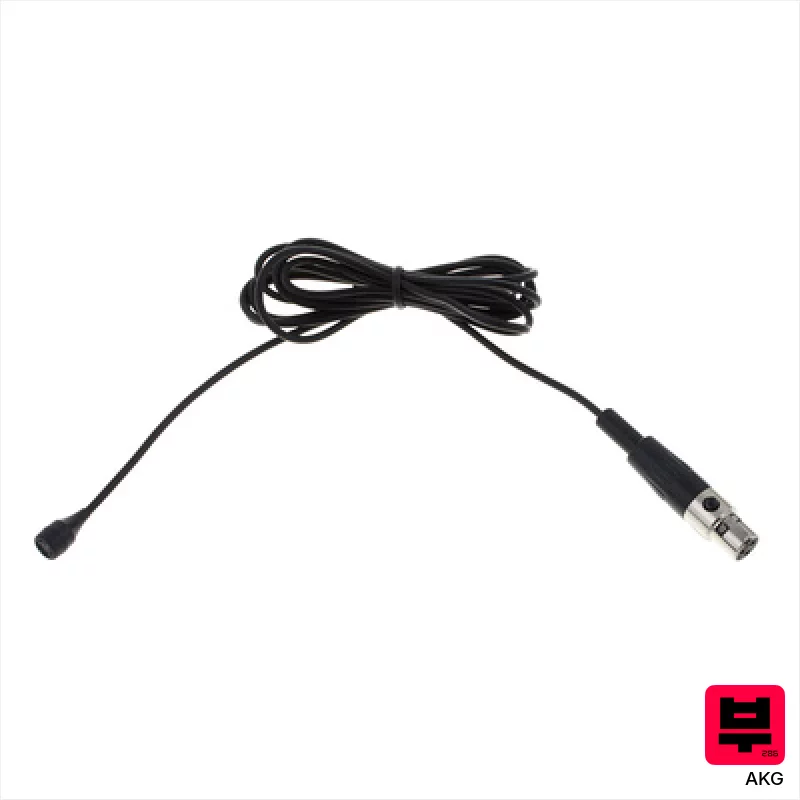
Lapel Microphones
105 items
Browse →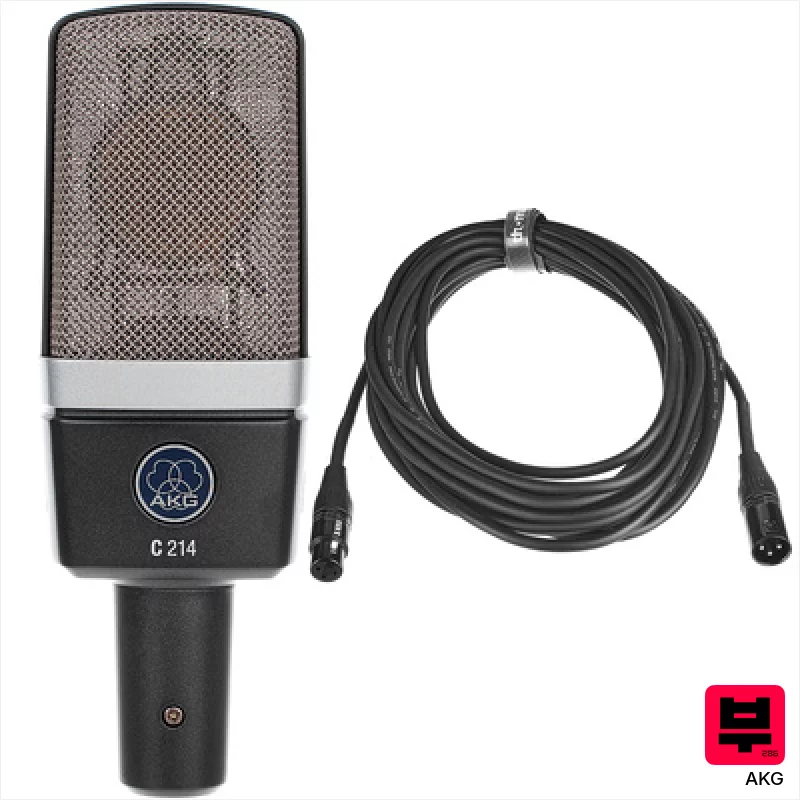
Microphone Bundles
87 items
Browse →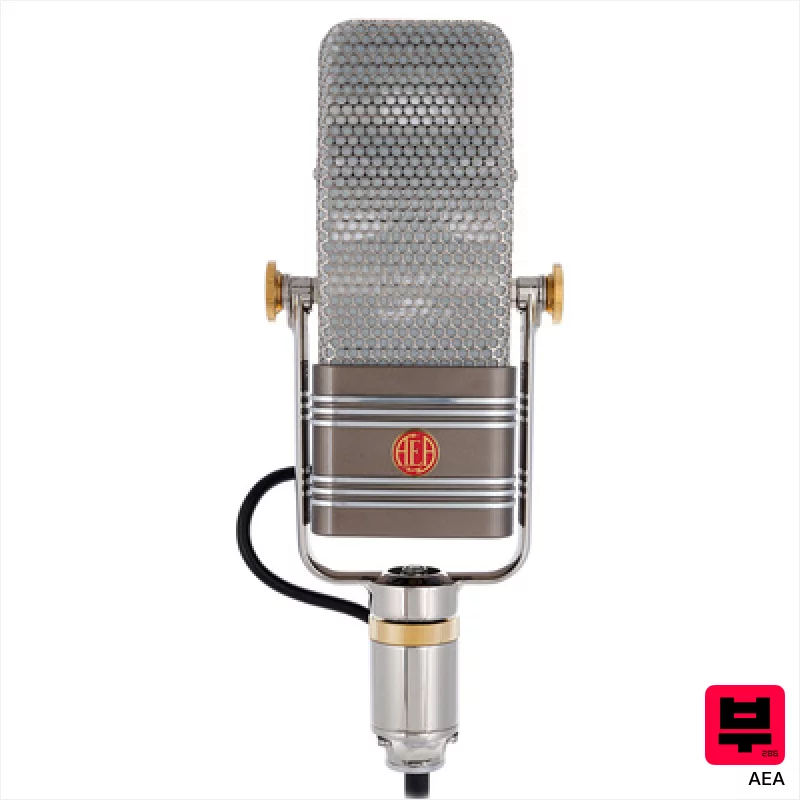
Ribbon Microphones
61 items
Browse →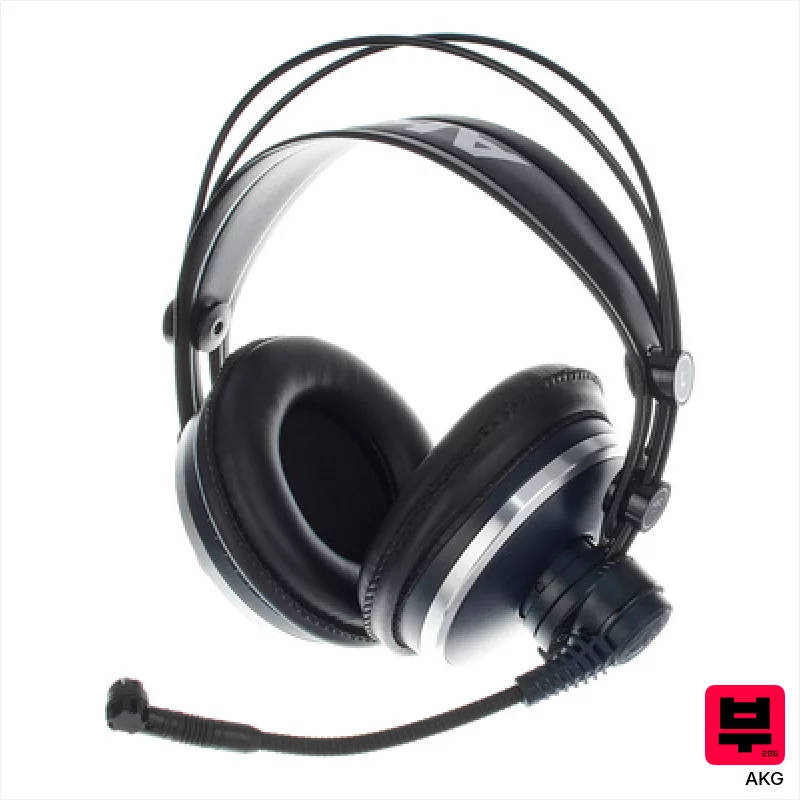
Headphone / Microphone Combinations
46 items
Browse →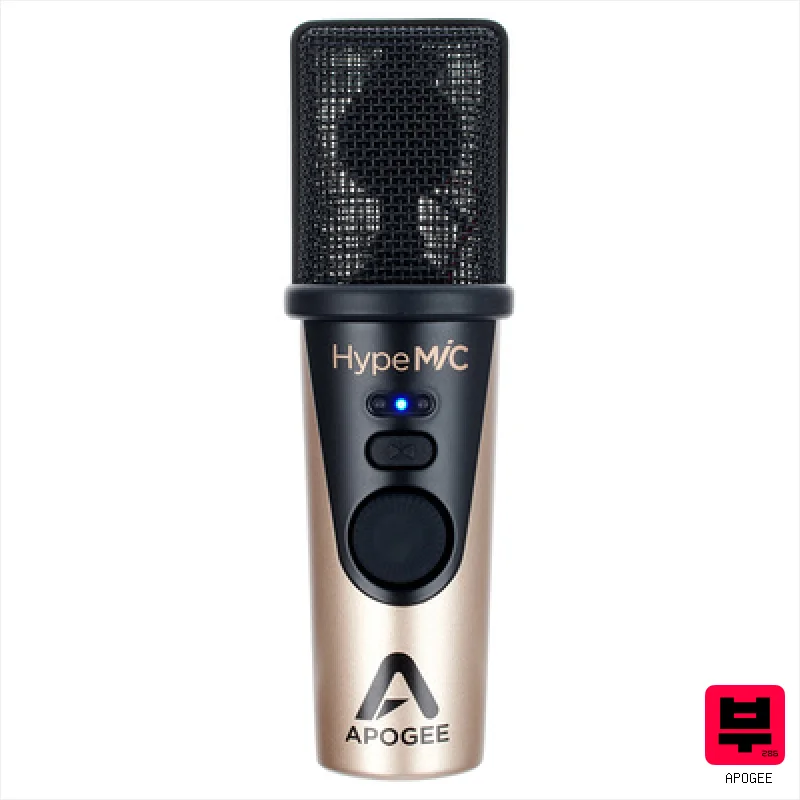
USB / Podcast Microphones
30 items
Browse →
Video Microphones
27 items
Browse →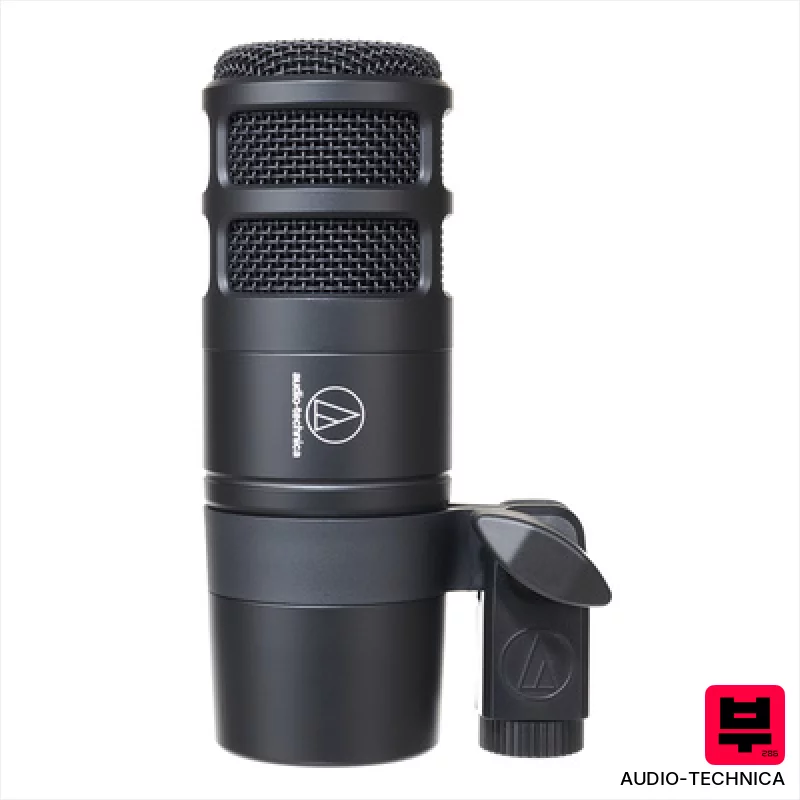
Broadcast Microphones
26 items
Browse →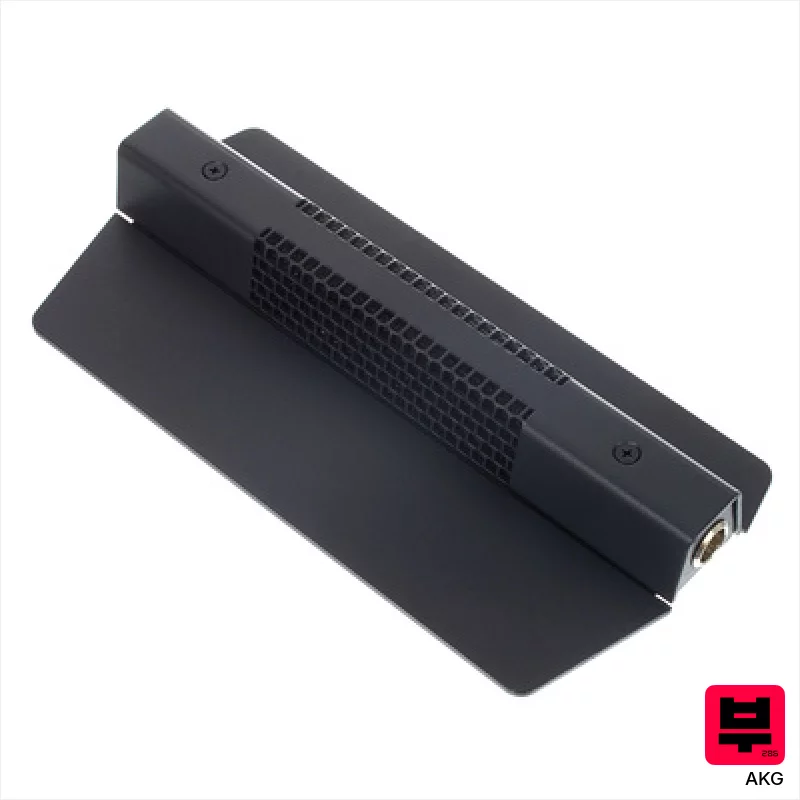
Boundary Microphones
23 items
Browse →
Measurement Microphones
21 items
Browse →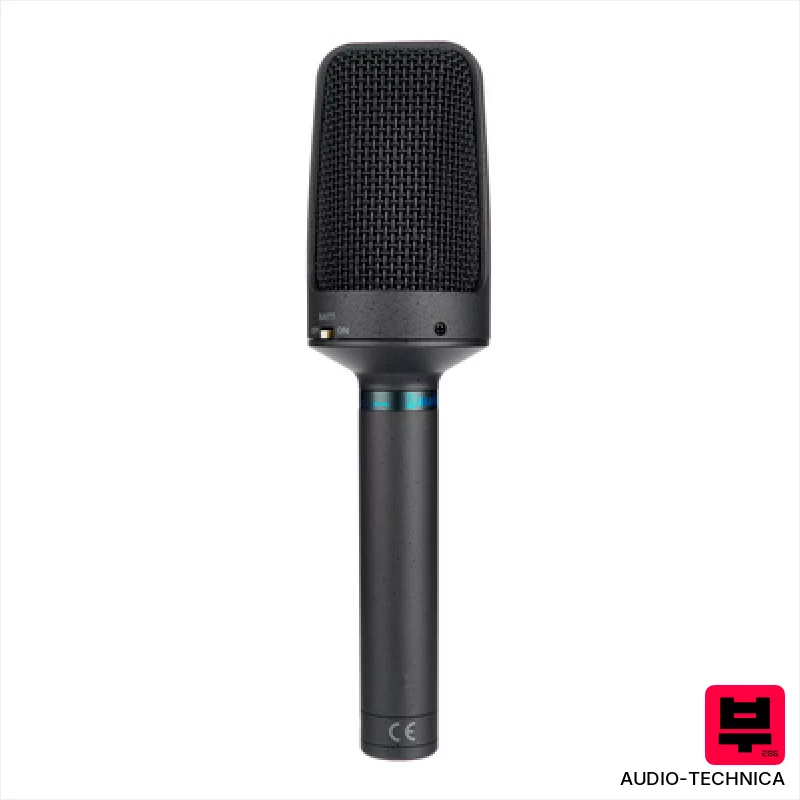
Stereo Microphones
19 items
Browse →
Special Microphones
18 items
Browse →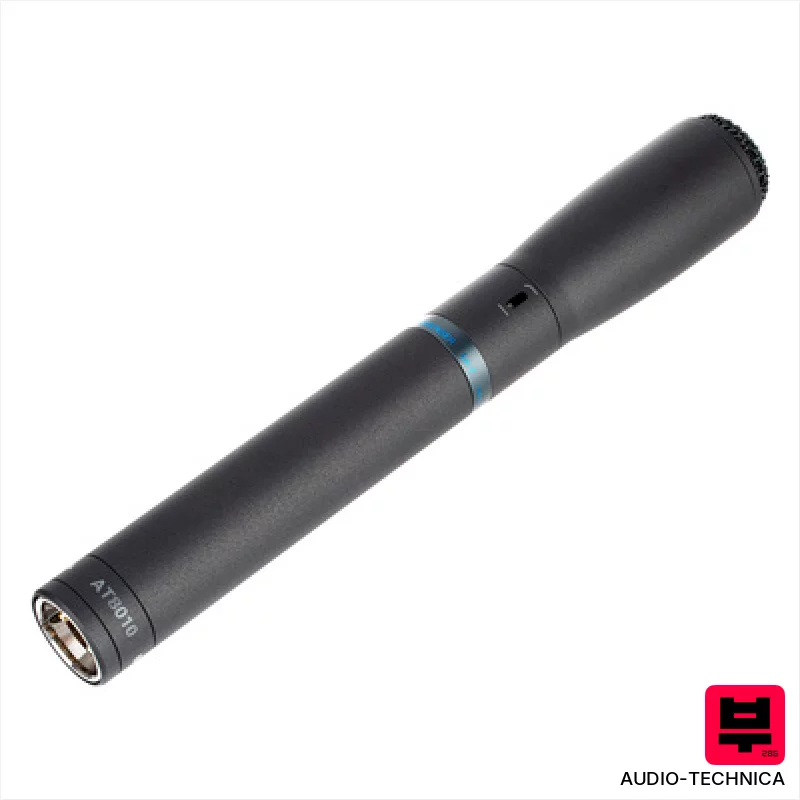
Reporter Microphones
10 items
Browse →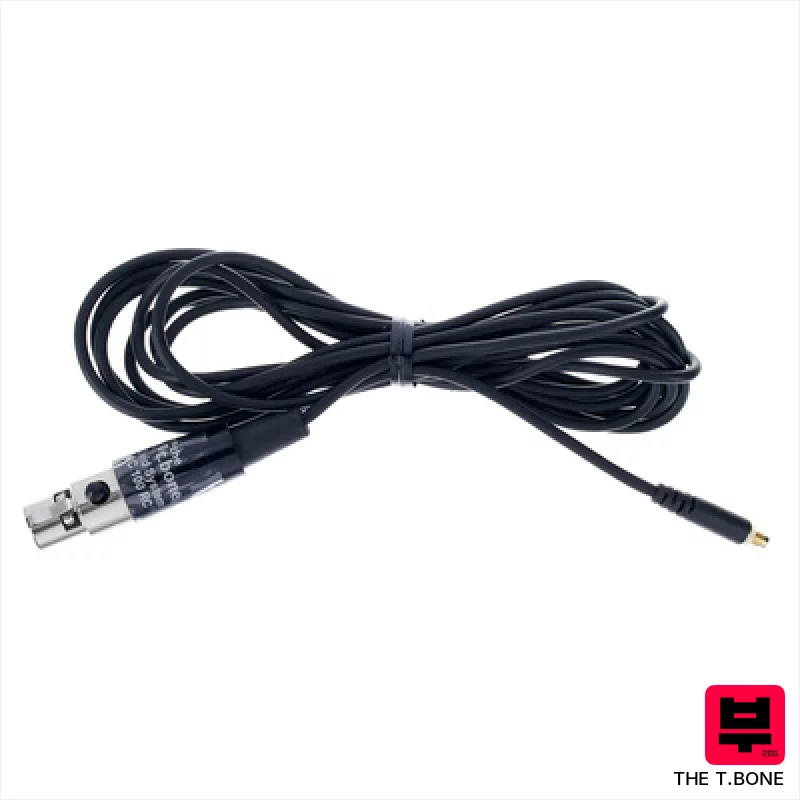
Ovid Microphones Series
4 items
Browse →About Microphones
Microphones are transducers that convert sound waves into electrical signals, essential for recording, live performance, and broadcast. They capture audio from vocals, instruments, and environments, influencing the final sonic character of a recording or performance. Selecting the right microphone is crucial for accurate representation and desired tonal qualities.
Best for
What to look for
Microphones — pros & cons
- Captures a wide range of sounds with varying sensitivity.
- Offers versatility through different polar patterns.
- Can significantly enhance the clarity and presence of audio.
- Available in numerous form factors to suit diverse applications.
- Can be susceptible to feedback in live environments.
- Requires careful placement for optimal sound capture.
- Some models exhibit a narrow sweet spot for best performance.
- Can introduce coloration depending on microphone design.
Questions about Microphones
What does 'polar pattern' refer to, and why is it important?
Polar pattern describes the microphone's sensitivity to sound from different directions; it dictates how much ambient noise is picked up and how focused the recording will be.
How does microphone sensitivity affect my recording?
Higher sensitivity microphones capture quieter sounds, but may also pick up more background noise; lower sensitivity requires stronger sound sources.
What is 'self-noise' and why should I be concerned about it?
Self-noise is the inherent noise produced by the microphone itself; lower self-noise results in cleaner, more professional recordings, especially for quieter sources.